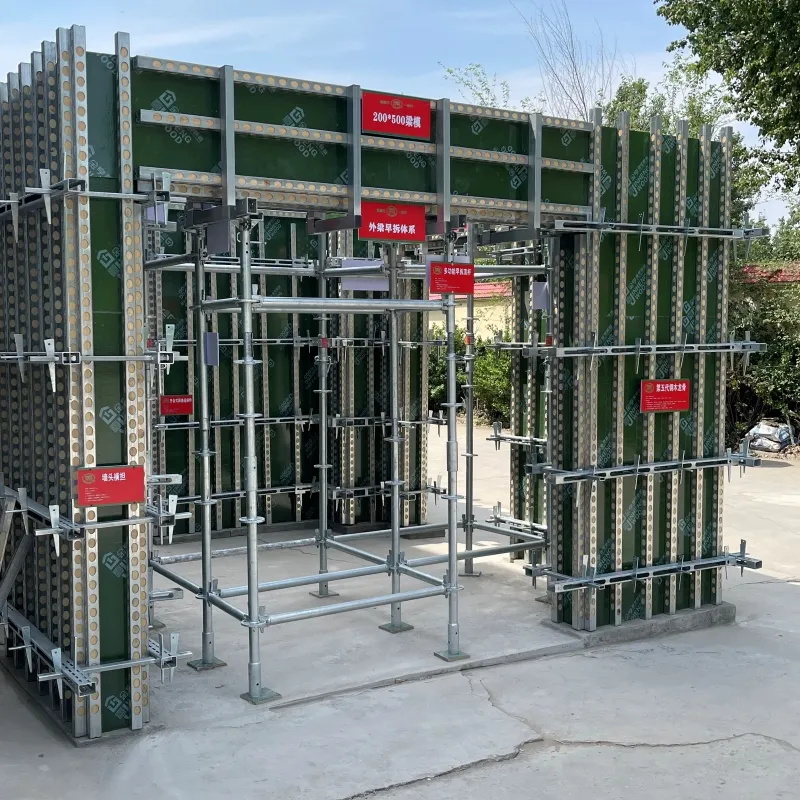

Deployable Light Steel Keel Bridges For Disaster Response
In the chaotic and heartbreaking aftermath of a natural disaster—be it an earthquake, flood, or hurricane—the first 72 hours are universally recognized as the critical "golden window" for search and rescue. Yet, this crucial mission is often impeded by one of the most common and devastating effects of such events: the destruction of vital infrastructure, particularly bridges. When roads are severed and communities are isolated, delivering aid, evacuating the injured, and restoring hope becomes a monumental challenge. The race against time demands solutions that are not just effective, but incredibly fast, reliable, and adaptable.
This is where modern engineering innovation rises to meet human need. Moving beyond traditional, slow methods of temporary structure deployment, a new paradigm in rapid-response infrastructure has emerged. At the forefront of this revolution are deployable bridges constructed from advanced light steel keel systems. These are not mere stopgaps; they are engineered lifelines, designed to be transported, assembled, and operational in a fraction of the time of conventional alternatives, empowering responders to save more lives and begin recovery efforts without delay.
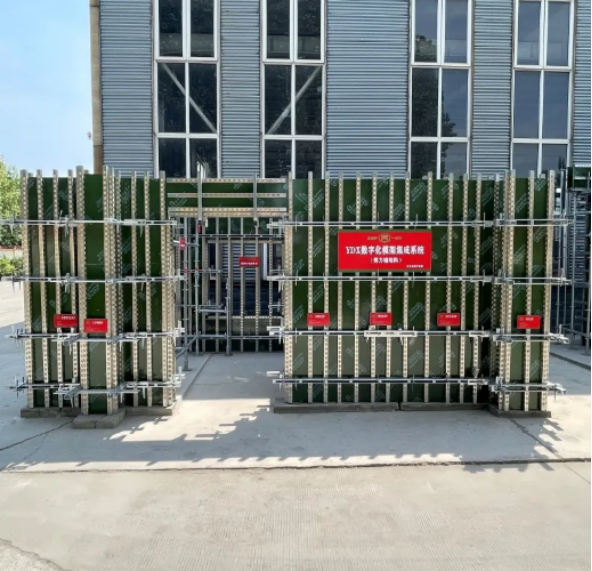
Yidingxing Technology Co., LTD, a leader in the development and manufacturing of advanced formwork and reinforcement systems, has channeled its core expertise into this critical field. Known for its commitment to high-efficiency, energy-saving, and environmentally friendly construction solutions, Yidingxing has applied its same ethos of technological innovation to disaster response. By leveraging their deep knowledge in high-strength, lightweight structural components, they have pioneered a range of deployable bridge systems that embody strength, speed, and sustainability. Our dedication to exceed the expectations of our customers fuels us to innovate our processes and products to produce excellent solutions for even the most demanding scenarios. We continuously bring improvements and think of new ways to make our products better, ensuring that when disaster strikes, resilience is ready to be deployed.
The Engineering Backbone: Understanding the Steel Keel
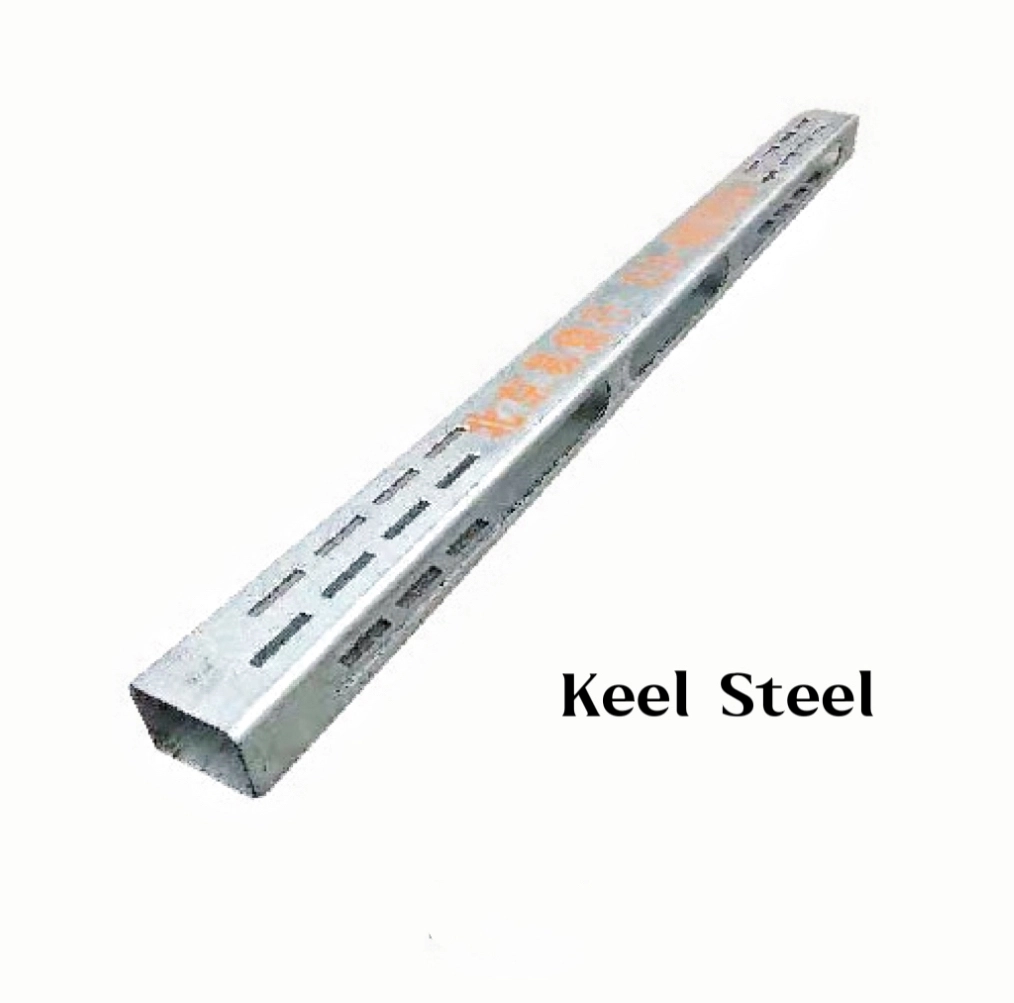
To appreciate the breakthrough represented by these deployable bridges, one must first understand their fundamental component: the steel keel. In architectural and construction terms, a keel is a foundational beam or structure that runs the length of a build, providing its primary support and shape—much like the keel of a ship stabilizes the vessel and forms its backbone. Traditionally, this role was filled by large, heavy, and often custom-fabricated steel I-beams or concrete supports, which are ill-suited for rapid deployment.
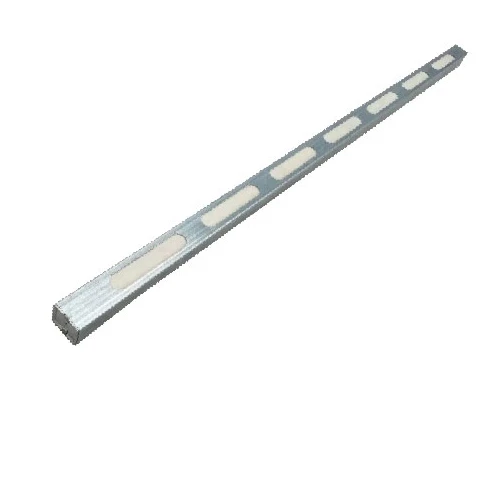
A modern steel keel in this context transforms this concept. It is a precision-engineered, modular structural member designed specifically for rapid assembly and disassembly. Unlike its cumbersome predecessors, this keel is part of a system. It features standardized connection points, pre-drilled holes for swift bolting, and a design optimized for both vertical load-bearing (the weight of vehicles and supplies) and lateral stability (resisting shifting forces like wind or water flow). The inherent properties of high-grade steel—its excellent strength-to-weight ratio, ductility, and predictability under stress—make it the ideal material for creating a reliable, repetitive-load structure that can be trusted by rescue vehicles carrying precious cargo.
The deployment of a steel keel bridge system is a study in efficiency. Components are delivered to a site on standard flatbed trucks or even by airlift in more remote areas. Using simple tools and often without the need for heavy machinery, trained crews can lock the keels together, forming the primary span. This modularity allows for incredible adaptability; multiple keels can be joined to create spans of varying lengths and load capacities, tailored to the specific gap that needs crossing, whether it's a washed-out section of road or a crevasse opened by an earthquake. This engineering backbone turns a scene of destruction into a functional pathway in hours, not days or weeks.
The Paradigm of Speed and Efficiency: Advantages of the Light Steel Keel
The term light steel keel is pivotal here. It doesn’t imply a reduction in strength or safety; rather, it signifies a triumph of intelligent design and material science. The "light" refers to the exceptionally favorable strength-to-weight ratio achieved through careful engineering. This characteristic is the key that unlocks unparalleled advantages in disaster response logistics and operational speed.
The primary benefit is radically simplified transport and handling. Traditional bridge components are massive, requiring specialized heavy transport and large cranes for placement, which may not be able to access damaged sites with compromised roads. A system built around a light steel keel, however, changes the game. Components are man-portable. Teams can carry sections to the exact point of need, navigating around debris and unstable terrain where vehicles cannot go. This drastically reduces the dependency on complex and fuel-intensive logistics chains, which are often fragile in a post-disaster environment.
Furthermore, the lightweight nature directly translates to faster assembly. When a component can be easily maneuvered by a small crew, each connection is made more quickly and safely. The reduction in physical strain lowers the risk of injury to responders, preserving vital manpower. This speed is not a mere convenience; it is measured in lives saved. A bridge that can be operational in four hours instead of twenty-four dramatically alters the outcome for isolated communities awaiting aid.
The product parameters of Yidingxing's system perfectly illustrate this paradigm. The core component is engineered for optimal performance with minimal weight.
|
Parameter |
Specification |
|
Profile |
Pipe 50*70*3.0mm |
|
Coating |
200g hot-dip galvanized |
|
Weight |
3.94 kg per meter |
|
Length |
L=600 to 3000mm, in increments of 300mm |
|
Advantage |
High strength: Compared with wooden back, steel back has higher strength and can withstand greater weight and pressure. |
|
Advantage |
Good stability: the steel back has excellent stability, is not easy to deformation, and can meet the needs of high-strength use environment. |
|
Advantage |
Convenient installation: Due to its structural characteristics, the installation speed of the steel back is very fast, which greatly saves the time of construction. |
|
Advantage |
Durability: The steel back has long service life, low maintenance cost, and can play a long-term durable effect in construction. |
This table underscores the precision behind the light steel keel. The specific rectangular pipe profile and 3.0mm thickness provide immense rigidity. The hot-dip galvanization offers superior corrosion resistance, essential for withstanding floodwaters and harsh weather. The modular length increments allow for custom engineering of spans on the fly. Every detail is purpose-built to create a system that is as strong as it is swift to deploy.
Built to Endure: The Corrosion Resistance of the Stainless Steel Keel
Disaster zones are inherently hostile environments. A bridge deployed after a hurricane may be exposed to saltwater spray. A structure used in flood response will be subjected to prolonged water immersion and debris impact. In these conditions, standard steel, even if painted, is vulnerable to corrosion, which can quickly compromise structural integrity and safety. For permanent installations or for systems intended for long-term use as a temporary bypass during rebuilding, this is a critical concern.
This is where the option of a stainless steel keel becomes a game-changer for long-term resilience. While a hot-dip galvanized light steel keel offers excellent protection for most scenarios, certain high-corrosion environments demand an even higher standard. Incorporating a stainless steel keel into the system elevates its durability to an entirely new level.
Stainless steel contains a high percentage of chromium, which reacts with oxygen to form a passive, invisible layer of chromium oxide on the surface. This layer is self-healing; if the material is scratched or damaged, it re-forms, preventing rust from spreading. This inherent property makes a stainless steel keel virtually impervious to the corrosive effects of water, salt, and many chemicals. For a disaster response agency or government body looking for a deployable asset that can be stored for long periods, deployed repeatedly in diverse conditions, and trusted to remain structurally sound for extended missions, the stainless steel keel is the premium choice.
It represents the ultimate commitment to durability and low lifecycle cost. While the initial investment may be higher, the longevity and minimal maintenance requirements of a stainless steel keel system ensure it remains a reliable asset in the inventory for decades, ready to perform flawlessly whenever and wherever it is called upon. This makes it an ideal solution not only for immediate disaster response but also for long-term temporary infrastructure in remote construction projects or military applications, where reliability cannot be compromised.
FAQs About Our Deployable Light Steel Keel Bridges
What are the primary advantages of a light steel keel bridge over traditional temporary bridges?
The advantages are multifaceted and significant. First is Speed: Deployment is measured in hours, not days, crucial for saving lives. Second is Logistical Efficiency: The lightweight, modular components are easily transported by standard vehicles and can be man-handled into position without large cranes. Third is Strength and Safety: Engineered from high-grade steel, these bridges offer a predictable, high load-bearing capacity, safely supporting heavy rescue vehicles. Finally, Durability: Unlike wooden bailey bridges or inferior materials, a hot-dip galvanized or stainless steel system can be reused for decades across multiple disasters, offering a superior return on investment.
How does the steel keel design ensure stability under heavy loads?
The steel keel is the engineered backbone of the entire structure. Its design, often using a rectangular or I-beam profile (like our 50*70*3.0mm pipe), is calculated to maximize moment of inertia—a key property in resisting bending under load. The modular connection system creates a continuous, rigid span that distributes weight evenly. Furthermore, the inherent properties of steel, including its high yield strength and ductility, allow it to bear tremendous weight without fracturing, and to flex slightly under extreme load without permanent deformation, ensuring stability and safety.
Why should we consider a stainless steel keel option for our agency?
You should consider a stainless steel keel if your operations frequently expose equipment to highly corrosive environments, such as saltwater, chemical spills, or high humidity. It is also the optimal choice for agencies that require a permanent, low-maintenance asset for their inventory. The stainless steel keel provides the highest level of corrosion resistance, ensuring the bridge's longevity and structural integrity remain uncompromised even after years of storage or repeated deployments in the toughest conditions, ultimately providing the lowest lifetime cost of ownership.
How quickly can a team assemble a bridge using your light steel keel system?
Assembly time depends on the span length and crew experience, but it is exponentially faster than traditional methods. For a typical single-lane bridge span of 20 meters, a trained crew of 6-8 personnel can typically have the structure fully assembled and ready for decking in under two hours. The modular, precision-designed components fit together seamlessly with simple bolted connections, eliminating guesswork and cutting. This rapid assembly is the core benefit that defines the product's value in emergency scenarios.
What kind of maintenance does a galvanized steel keel bridge require after deployment?
The maintenance requirements are exceptionally low. The 200g hot-dip galvanized coating provides a robust, sacrificial layer of protection against rust. After a deployment, the bridge should be rinsed with fresh water to remove dirt and corrosive contaminants, visually inspected for any mechanical damage (e.g., deep scratches, dents), and stored in a dry, well-ventilated area. Any significant damage to the galvanized layer can be spot-repaired with zinc-rich paint. This minimal upkeep ensures the system remains mission-ready for its next use with very little effort or cost.
-
Comprehensive Guide to Scaffolding Rods for Safe Construction PracticesNewsFeb.24,2026
-
Comprehensive Guide to Different Types of Scaffolding for Construction ProjectsNewsFeb.11,2026
-
The Crucial Role and Safe Use of Scaffolding in Modern Construction ProjectsNewsJan.30,2026
-
Maximize Productivity and Safety with a Versatile 7m Scaffold TowerNewsJan.27,2026
-
6m Scaffold Tower: A Comprehensive Guide for B2B BuyersNewsJan.26,2026
-
6ft Scaffold: Durability and Safety in ConstructionNewsJan.25,2026
-
6 Scaffolding: A Modern Construction SolutionNewsJan.24,2026