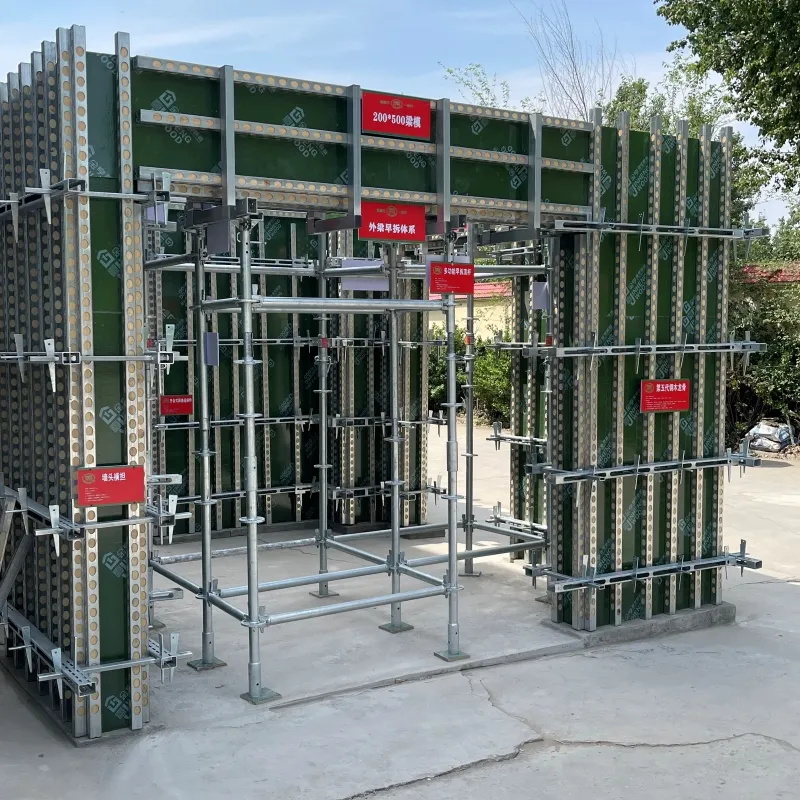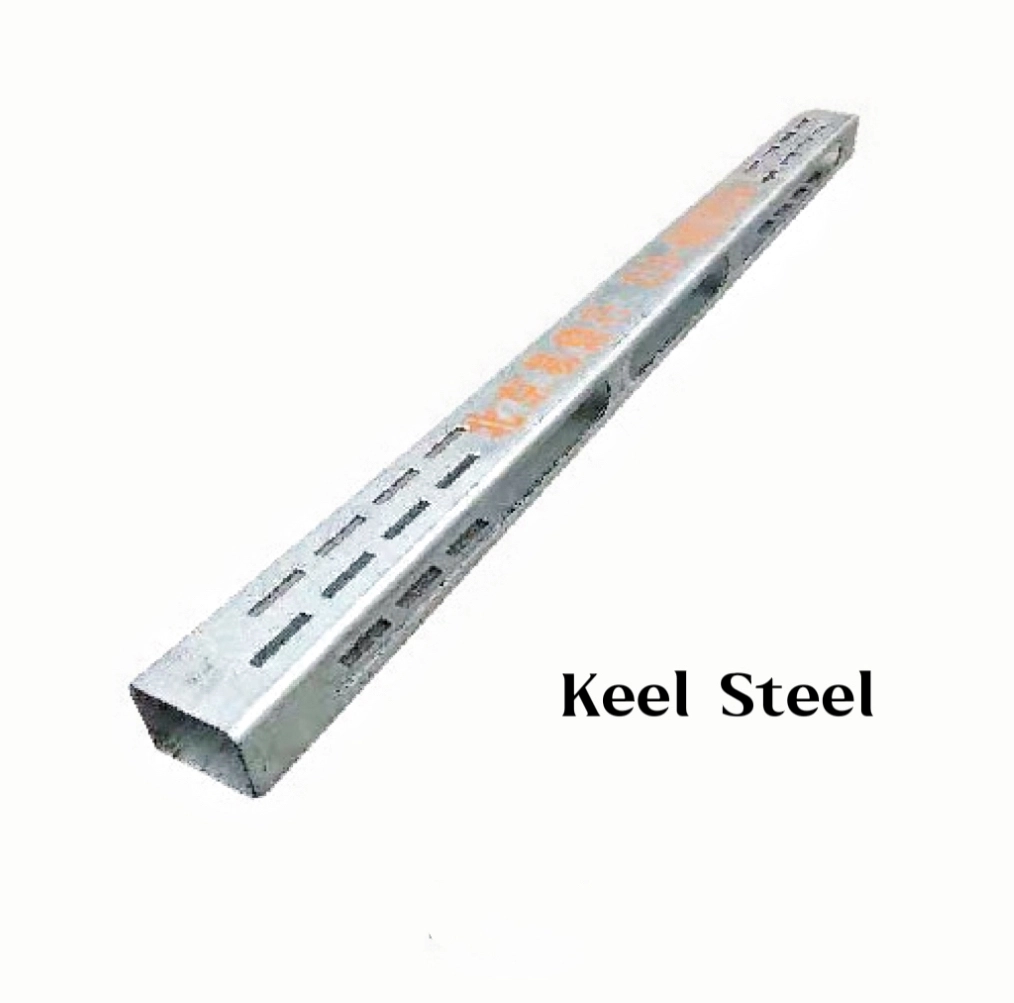

High-Quality Scaffolding: Adjustable, Safe & Reliable Access
Industry Trends and the Evolution of Modern Scaffolding Solutions
The construction and industrial maintenance sectors are undergoing significant transformations, driven by demands for greater safety, efficiency, and sustainability. Central to these advancements is the evolution of scaffolding technology. Modern scaffolding systems are no longer mere temporary support structures; they are sophisticated, engineered solutions designed to integrate seamlessly into complex project timelines and operational safety protocols.
Current industry trends highlight a shift towards modular and lightweight materials, such as advanced aluminium alloys, which offer superior strength-to-weight ratios and enhanced corrosion resistance. The integration of digital technologies, including Building Information Modeling (BIM) for precise planning and drone-based inspections for structural integrity, is revolutionizing how scaffolding is designed, deployed, and managed. Furthermore, there is an increasing emphasis on systems that facilitate rapid assembly and disassembly, minimize labor costs, and adhere to stringent international safety standards. The market for adjustable scaffolding is experiencing robust growth, reflecting the need for versatile solutions capable of adapting to diverse architectural geometries and industrial layouts.
These developments underscore the critical role of innovation in scaffolding design, impacting everything from project timelines to worker safety and environmental footprint. As projects grow in scale and complexity, the demand for highly engineered, reliable, and adaptable access solutions continues to escalate, driving manufacturers to push the boundaries of material science and structural engineering.
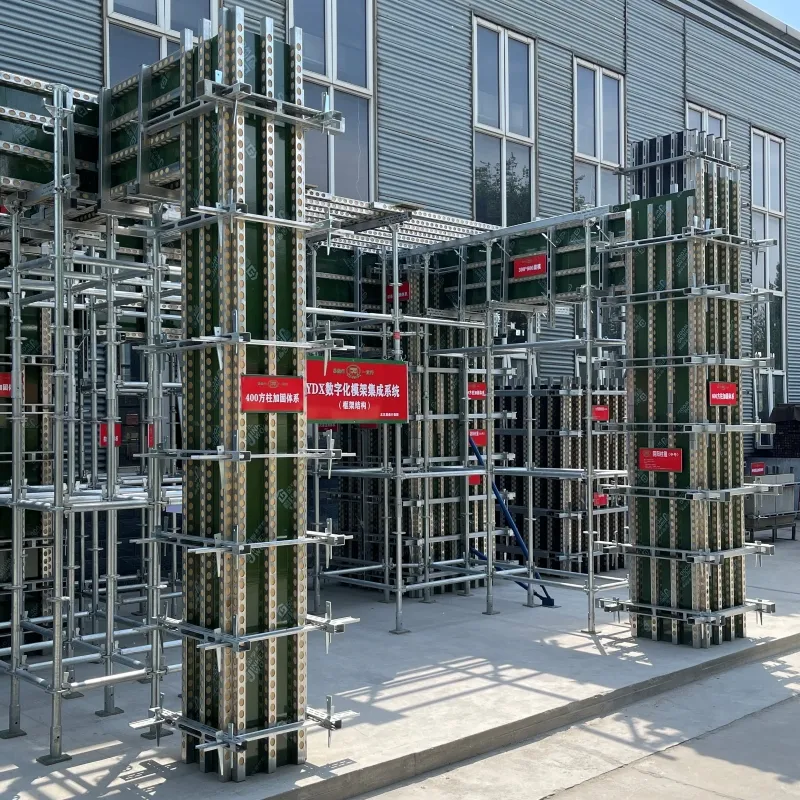
Precision Engineering: The Manufacturing Process of Scaffolding Components
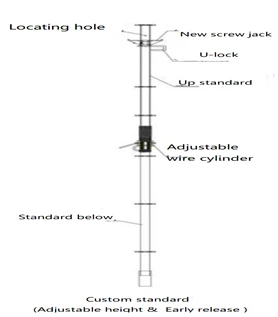
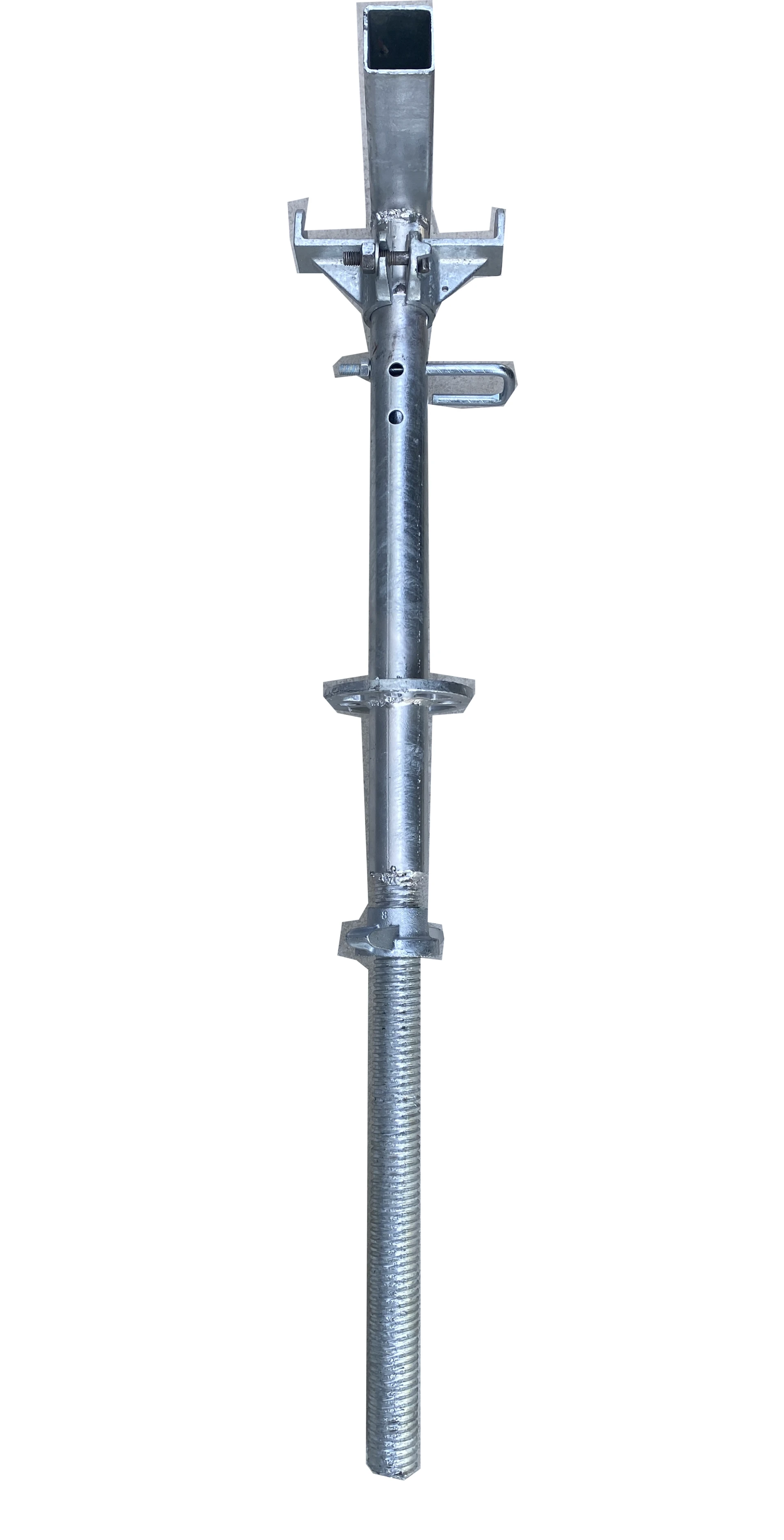
The manufacturing of high-quality scaffolding components is a complex process demanding precision engineering, advanced material science, and rigorous quality control. Our 'Standards - Early Release' components, for instance, exemplify this commitment to excellence. The process typically involves several critical stages, ensuring the final product meets or exceeds industry standards for strength, durability, and safety.
Process Flow:
- Material Selection & Preparation: We primarily utilize high-grade steel (e.g., Q235, Q345) and specific aluminum alloys (e.g., 6061-T6, 6082-T6) renowned for their exceptional strength-to-weight ratio and corrosion resistance. Raw materials undergo stringent quality checks to verify chemical composition and mechanical properties before processing.
- Cutting & Forming: Precision cutting using CNC laser or plasma technology ensures exact dimensions for tubes and plates. Forming processes, including cold rolling and bending, shape the components according to design specifications, minimizing material stress and maximizing structural integrity.
- Machining (CNC): Critical connection points, such as spigot ends or ledger blade slots, are often finished using CNC machining. This provides precise tolerances, essential for the secure and rapid assembly of modular systems like our cuplock scaffolding.
- Welding: Components are joined using advanced welding techniques (e.g., robotic MIG/MAG welding) to ensure strong, consistent welds. Each weld is subject to visual inspection and non-destructive testing (NDT) to prevent defects.
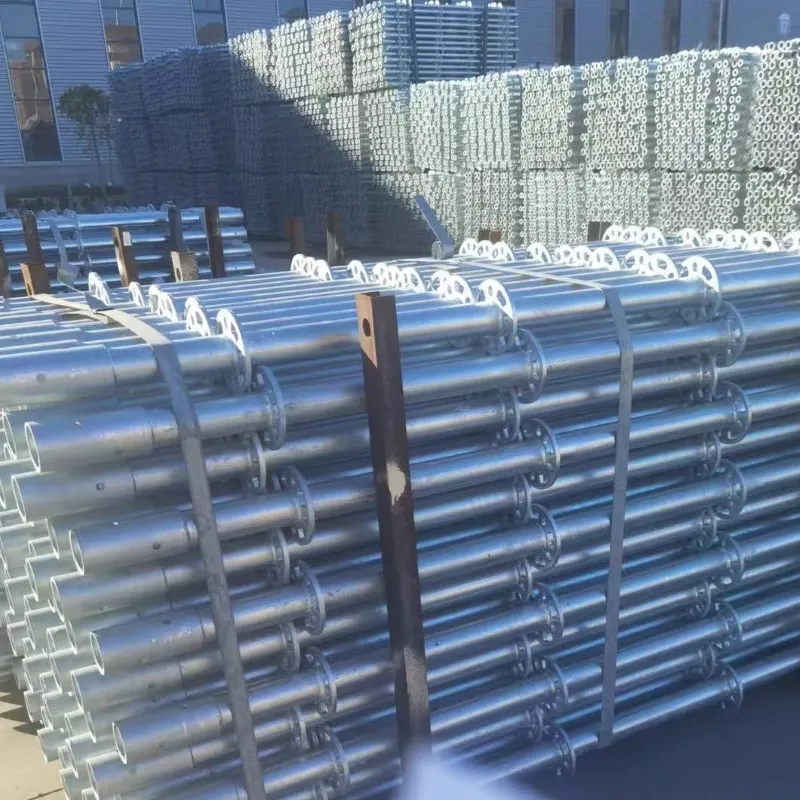
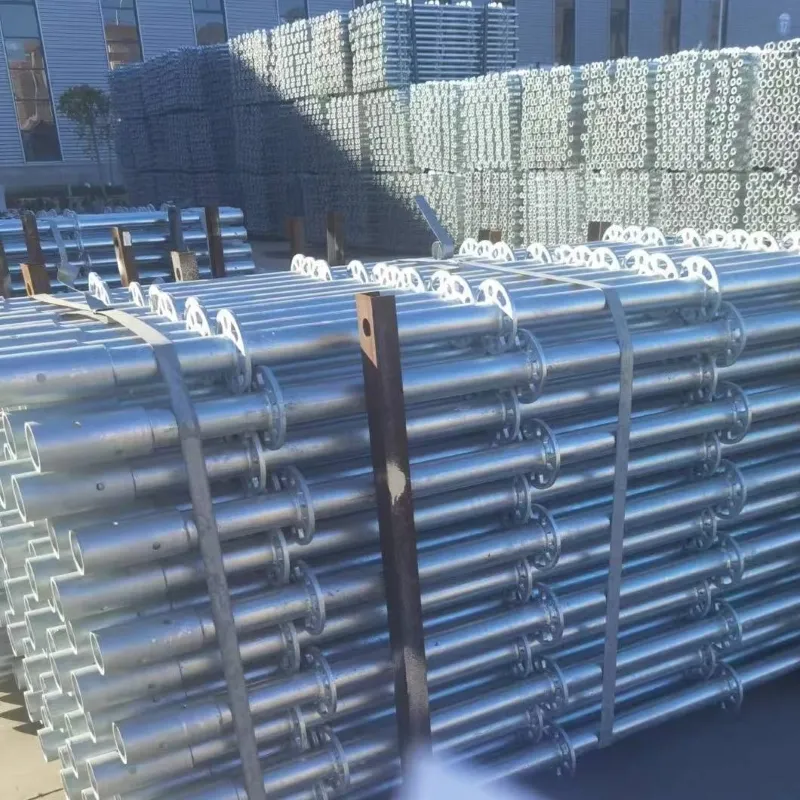
- Surface Treatment: To enhance durability and corrosion resistance, components undergo hot-dip galvanization, powder coating, or specific anti-corrosion paint applications. Hot-dip galvanization, compliant with ISO 1461, provides a robust, long-lasting protective layer, significantly extending service life even in harsh environments. This is particularly crucial for scaffolding used in petrochemical, marine, and offshore industries where corrosion is a major concern.
- Assembly & Quality Control: Sub-assemblies are put together, followed by comprehensive quality control. This includes dimensional verification, load testing, material hardness checks, and visual inspection for any surface imperfections. All products comply with international standards such as EN 12810, ANSI/ASSE A10.8, and ISO 9001. Our service life estimates for properly maintained galvanized steel scaffolding often exceed 20 years.
- Packaging & Logistics: Components are securely packaged to prevent damage during transit, ready for global distribution to target industries including petrochemical, metallurgy, water supply & drainage, power generation, and general civil construction.
The emphasis on these precise manufacturing steps ensures that our scaffolding solutions offer superior advantages, such as enhanced energy saving through efficient material utilization, exceptional corrosion resistance, and ultimately, unparalleled safety and longevity in demanding application scenarios.
Technical Specifications and Performance Parameters
Understanding the technical specifications of scaffolding components is paramount for ensuring structural integrity, worker safety, and project efficiency. Our 'Standards - Early Release' products are engineered to deliver robust performance across diverse industrial and construction environments. Below is a detailed table outlining key specifications for our primary scaffolding components.
Product Specification Table: Standards - Early Release Components
| Parameter | Standard Steel Vertical (Standard) | Standard Steel Horizontal (Ledger) | Aluminium Vertical (Standard) |
|---|---|---|---|
| Material Grade | Q235 / Q345 Steel | Q235 / Q345 Steel | 6082-T6 / 6061-T6 Aluminium Alloy |
| Outer Diameter | 48.3 mm | 48.3 mm | 48.3 mm / 50.8 mm |
| Wall Thickness | 3.2 mm / 4.0 mm | 2.5 mm / 3.2 mm | 4.0 mm / 4.5 mm |
| Yield Strength (min) | 235 MPa / 345 MPa | 235 MPa / 345 MPa | 260 MPa (T6 temper) |
| Ultimate Tensile Strength (min) | 370 MPa / 490 MPa | 370 MPa / 490 MPa | 310 MPa (T6 temper) |
| Surface Finish | Hot-Dip Galvanized / Painted | Hot-Dip Galvanized / Painted | Mill Finish / Powder Coated |
| Weight (per meter, approx.) | 3.5 kg - 4.5 kg | 2.0 kg - 3.0 kg | 1.5 kg - 2.0 kg |
| Compliance Standards | EN 12810, AS/NZS 1576, ANSI/ASSE A10.8 | EN 12810, AS/NZS 1576, ANSI/ASSE A10.8 | EN 12810, AS/NZS 1576, ANSI/ASSE A10.8 |
| Typical Lengths (m) | 0.5 to 3.0 (in 0.5m increments) | 0.6 to 3.0 (in 0.3m increments) | 0.5 to 3.0 (in 0.5m increments) |
These specifications are crucial for determining load-bearing capacities and ensuring compatibility within larger scaffolding systems. The choice between steel and aluminum components often hinges on project-specific requirements, with steel offering higher ultimate strength for heavy-duty applications, while aluminum provides significant weight savings and ease of handling, crucial for rapid deployment and reduced labor costs. This directly influences the aluminium scaffolding price versus traditional steel systems. Additionally, the modular design, exemplified by components like those for cuplock scaffolding price points, allows for versatile configurations and efficient material utilization, offering superior value over a product's extensive service life.
Versatile Application Scenarios and Technical Advantages
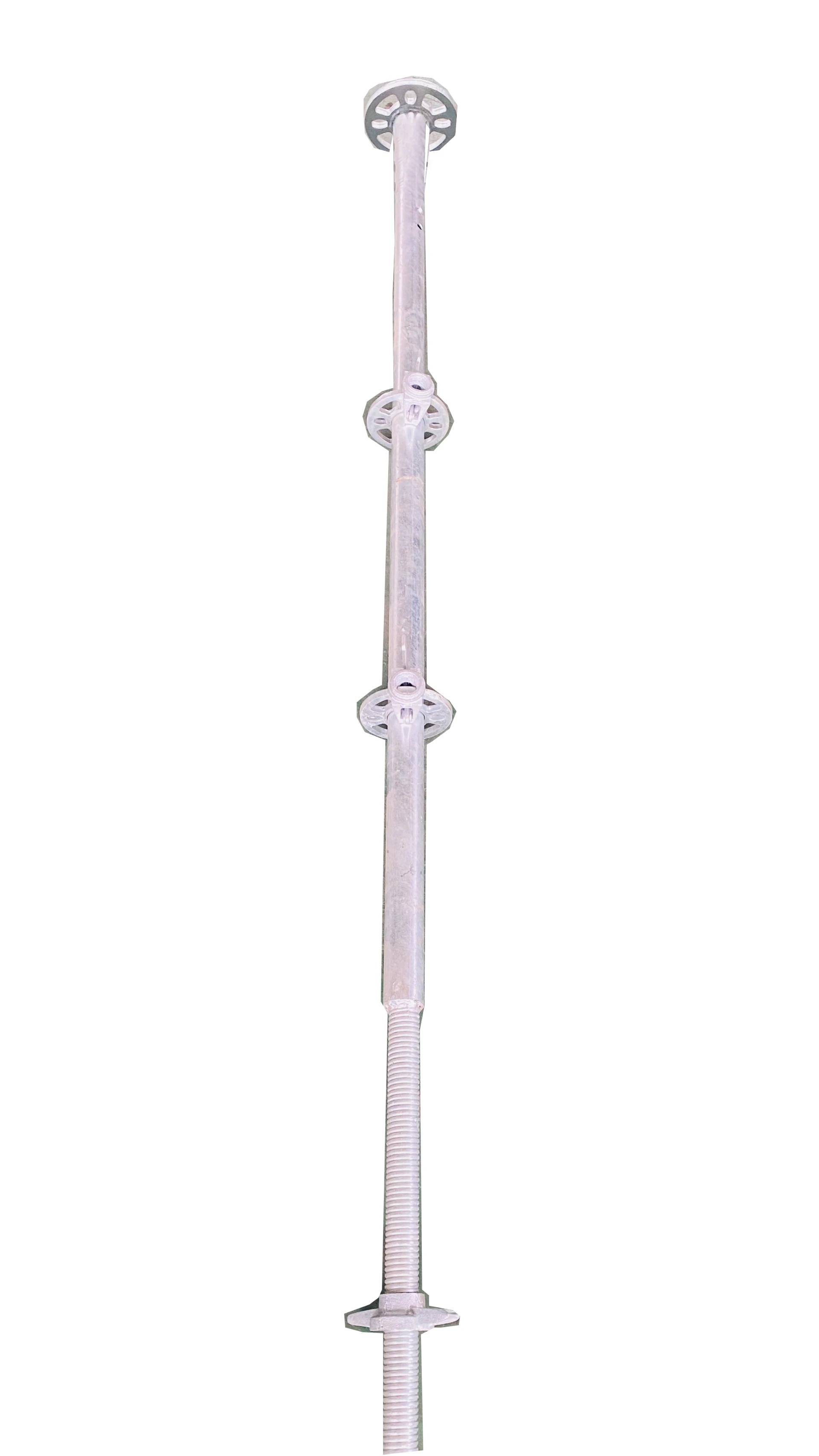
Modern scaffolding systems are indispensable across a wide spectrum of industries, providing safe and stable working platforms for complex tasks at height. Their versatility and technical advantages make them critical assets in demanding environments, offering solutions that extend beyond simple access.
Typical Application Scenarios:
- High-Rise Construction: Providing multi-level access for facade work, concrete pouring, and structural assembly. The adaptability of systems like ringlock or cuplock allows for intricate configurations around complex building designs.
- Petrochemical and Oil & Gas Facilities: Essential for maintenance, inspection, and shutdown projects in refineries, chemical plants, and offshore platforms. Here, corrosion resistance and intrinsic safety features are paramount.
- Shipbuilding and Repair: Facilitating access to all areas of large vessels, both inside dry docks and during construction, where conforming to curved hull shapes requires highly adaptable systems.
- Infrastructure Projects: Supporting bridge construction, tunnel lining, and major public works, often involving heavy loads and extreme environmental conditions.
- Power Generation Plants: Crucial for turbine maintenance, boiler inspections, and structural repairs in both conventional and nuclear power facilities.
- Water Supply & Drainage Systems: Providing access for construction and repair of large storage tanks, filtration plants, and pumping stations.
Technical Advantages:
- Modularity and Adaptability: Systems built from standardized components allow for rapid and flexible configuration, accommodating virtually any structure or terrain. This is a hallmark of adjustable scaffolding, enabling bespoke solutions for unique project demands.
- Enhanced Safety Features: Integrated guardrails, anti-slip decking, robust connection mechanisms, and adherence to strict load-bearing capacities minimize risks. Compliance with EN 12810 and ANSI/ASSE A10.8 standards ensures superior worker protection.
- Durability and Longevity: High-grade materials and advanced surface treatments (e.g., hot-dip galvanization) provide exceptional resistance to corrosion, wear, and impact, extending service life and reducing total cost of ownership.
- Efficiency in Assembly/Disassembly: Innovative locking mechanisms and lightweight components (especially aluminum) significantly reduce erection and dismantling times, leading to lower labor costs and faster project completion.
- Cost-Effectiveness: While initial investment might vary (e.g., comparing cuplock scaffolding price to system scaffolding), the long-term benefits of durability, reusability, and reduced maintenance contribute to substantial overall cost savings.
- Environmental Performance: The extended service life and high reusability of our systems contribute to reduced waste and a smaller environmental footprint, aligning with modern sustainability objectives in construction.
Vendor Comparison and Customized Scaffolding Solutions
Selecting the right scaffolding provider is a critical decision that impacts project safety, efficiency, and budget. The market features numerous scaffolding companies, each with distinct strengths. A thorough comparison based on verifiable parameters, alongside an assessment of their ability to deliver customized solutions, is essential for B2B decision-makers.
Scaffolding Vendor Comparison:
| Feature/Service | Formwork Reinforced (Our Company) | Generic Competitor A | Generic Competitor B |
|---|---|---|---|
| Product Certifications | ISO 9001, EN 12810, AS/NZS 1576, ANSI/ASSE A10.8 | Often partial; may lack international breadth | Regional certifications; inconsistent compliance |
| Material Quality | High-grade Steel (Q235/Q345), Aluminium (6082-T6) with full traceability | Standard industrial grades; less consistent testing | May use recycled or lower-grade materials |
| Surface Finish | Hot-Dip Galvanized (ISO 1461), Powder Coated for extended life | Pre-galvanized or painted; shorter lifespan in harsh conditions | Minimal surface treatment; prone to rust |
| Lead Time (Avg.) | 2-4 weeks (standard items), 6-8 weeks (custom) | 4-6 weeks (standard), longer for custom | Highly variable, often extended |
| Customization Capability | Full engineering design, bespoke fabrication, 3D modeling | Limited adaptation of existing products | Minimal to no customization |
| After-Sales Support | Dedicated technical support, on-site training, parts availability | Basic support, slower response | Primarily sales-focused, limited after-care |
| Price Competitiveness | Premium value for certified quality and service | Competitive on standard products, less so on value-added | Generally lower initial price, higher long-term cost due to durability/safety issues |
Customized Solutions: Tailoring Scaffolding to Project Demands
Many projects demand more than off-the-shelf solutions. Complex industrial structures, heritage building renovations, or highly specialized maintenance tasks often require bespoke scaffolding designs. Our approach to customized solutions involves:
- Advanced Engineering & Design: Utilizing CAD and finite element analysis (FEA) to design scaffolding systems that precisely fit unique geometries and load requirements, ensuring optimal safety and efficiency. This includes specialized designs for temporary roofs, cantilevered platforms, and bridge access systems.
- Material & Coating Optimization: Customizing material selections (e.g., specific high-strength alloys) and surface treatments to withstand extreme conditions, such as corrosive marine environments or high-temperature industrial settings.
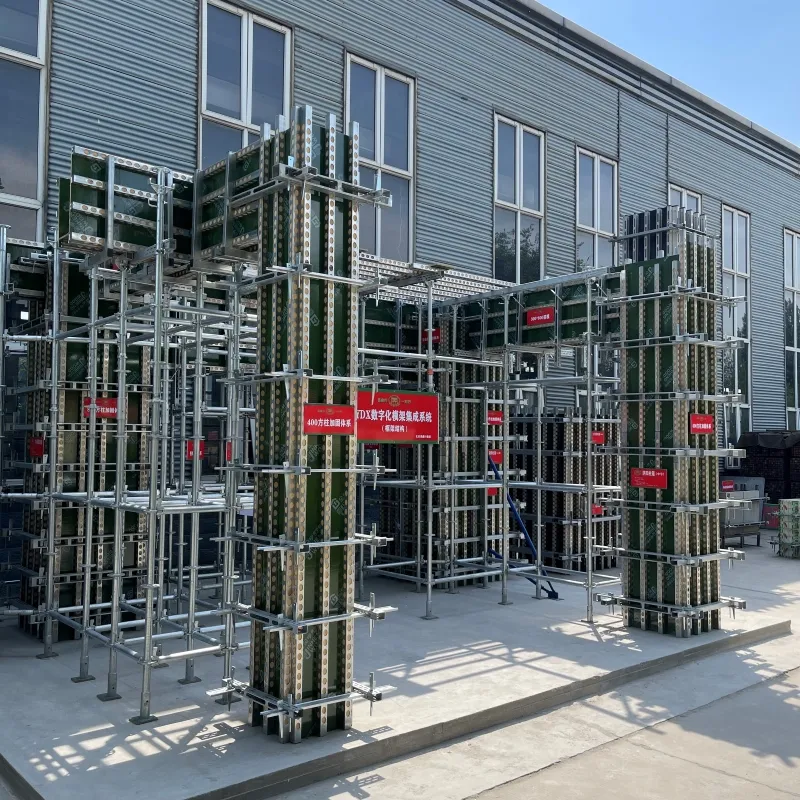
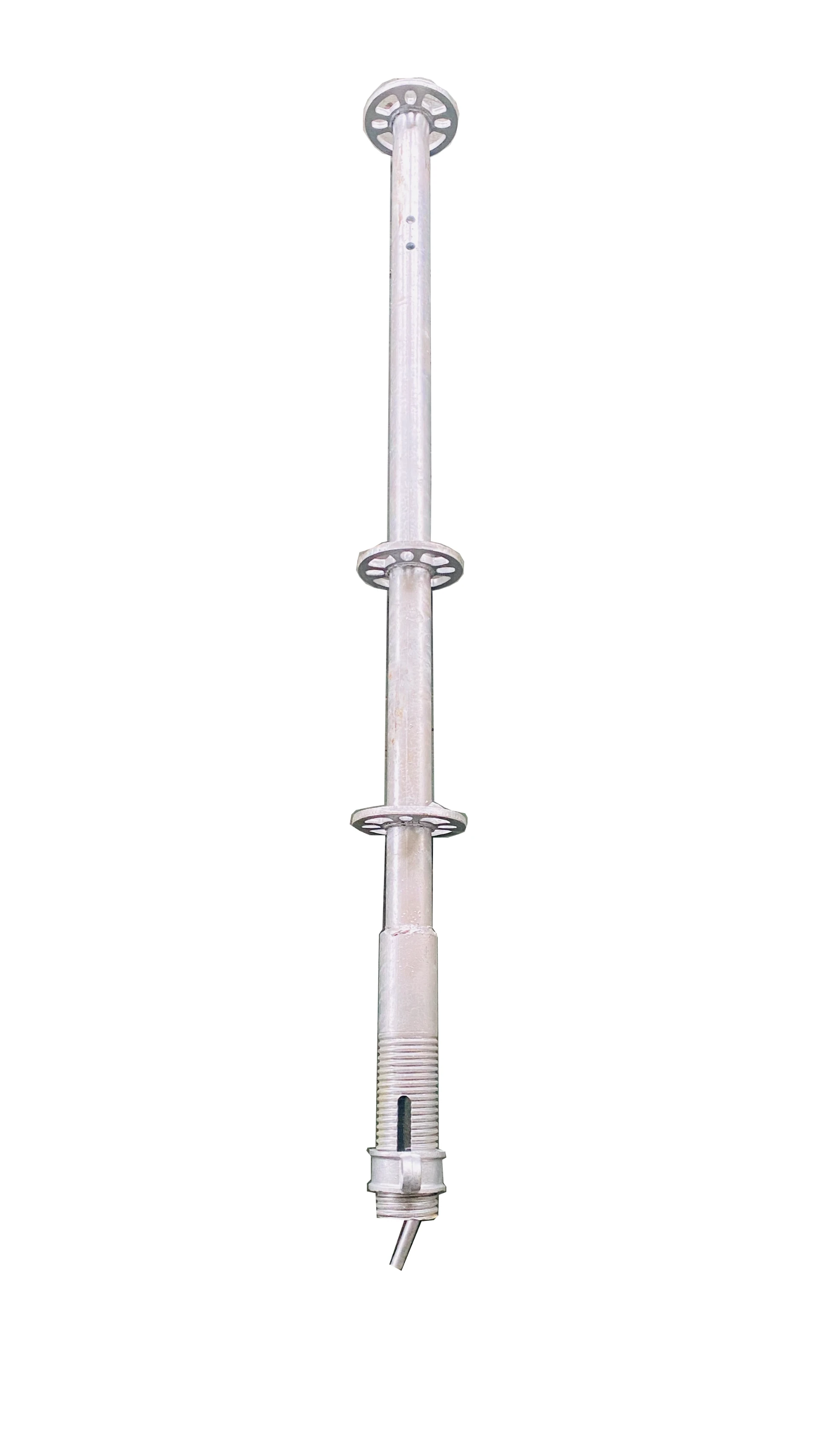
- Modular Integration: Developing unique components or modifying existing ones to integrate seamlessly with client-specific equipment or existing structures, enhancing overall system versatility. For instance, incorporating our 'Standards - Early Release' components into a larger, project-specific framework.
- Project Management & Support: Providing end-to-end support from initial consultation and design to fabrication, delivery, and on-site technical assistance, ensuring the customized solution performs as intended throughout the project lifecycle.
This commitment to customization ensures that clients receive not just a product, but a fully engineered solution that addresses their specific operational challenges, enhancing safety, reducing project risks, and optimizing resource allocation.
Application Case Studies: Scaffolding in Action
Real-world applications demonstrate the tangible benefits of expertly designed and manufactured scaffolding. Our experience spanning decades across various complex projects highlights our capability in delivering robust and efficient access solutions.
Case Study 1: Petrochemical Plant Turnaround
Challenge: A major petrochemical facility required extensive scaffolding for a scheduled plant turnaround, involving maintenance and inspection of multiple towers, heat exchangers, and piping networks. The environment presented significant challenges, including high temperatures, exposure to corrosive chemicals, and the need for rapid deployment and dismantling to minimize downtime.
Solution: We provided a comprehensive system scaffolding solution, primarily utilizing hot-dip galvanized steel components for superior corrosion resistance. Our engineering team designed a modular system that integrated seamlessly with the plant's complex geometry, including specialized circular scaffolding for storage tanks and high-reach structures for flare stacks. The use of our 'Standards - Early Release' components, combined with efficient planning and on-site technical support, enabled rapid erection and dismantling.
Outcome: The project was completed ahead of schedule, with zero safety incidents related to scaffolding. The client reported significant time savings due to the efficiency of our modular system and appreciated the durability of the galvanized finish, which allowed for extensive reuse in future turnarounds, underscoring our commitment to quality and longevity.
Case Study 2: Iconic High-Rise Facade Restoration
Challenge: Restoring the intricate facade of a historic high-rise building demanded a highly stable and adaptable scaffolding system that could provide safe access to all architectural elements without damaging the existing structure. The project site in a dense urban area also imposed logistical constraints.
Solution: We deployed an advanced adjustable scaffolding system, combining our robust steel components with lightweight aluminium elements for areas requiring frequent repositioning or reduced structural load. Our design incorporated cantilevered sections and internal access towers to navigate the building's complex architectural details. Safety features, including integrated toe boards and double guardrails, were meticulously implemented. Our project managers worked closely with the client to ensure minimal disruption to surrounding public spaces.
Outcome: The restoration team achieved flawless access to all parts of the facade, significantly enhancing worker safety and efficiency. The adaptability of the scaffolding system reduced the need for multiple reconfigurations, saving valuable project time and labor costs. The client lauded our engineering team for their innovative problem-solving and proactive support.
Trustworthiness and Customer Support
At Formwork Reinforced, our commitment extends beyond delivering superior scaffolding products. We prioritize building lasting trust through transparent policies, reliable logistics, and unwavering customer support.
Frequently Asked Questions (FAQ)
- Q1: What safety standards do your scaffolding systems comply with?
- A1: All our scaffolding systems, including our 'Standards - Early Release' components, are manufactured and tested in strict accordance with international standards such as EN 12810 (Europe), AS/NZS 1576 (Australia/New Zealand), and ANSI/ASSE A10.8 (USA). We also hold ISO 9001 certification for quality management.
- Q2: What is the typical service life of your galvanized steel scaffolding?
- A2: With proper maintenance and use, our hot-dip galvanized steel scaffolding components are designed for a service life of 20 years or more, even in harsh industrial environments. The galvanization process, adhering to ISO 1461, provides exceptional long-term corrosion protection.
- Q3: Can your scaffolding systems be customized for specific project requirements?
- A3: Absolutely. We specialize in providing customized solutions. Our engineering team works closely with clients from conceptual design through 3D modeling and bespoke fabrication to ensure the scaffolding system perfectly integrates with unique project geometries, load requirements, and environmental conditions.
- Q4: Do you provide installation guidance or training?
- A4: Yes, we offer comprehensive technical documentation, detailed assembly guides, and can arrange on-site training for your personnel to ensure safe and efficient erection and dismantling of our scaffolding systems.
Lead Time and Fulfillment
Our streamlined manufacturing processes and robust supply chain enable efficient fulfillment. Typical lead times for standard 'Standards - Early Release' components range from 2 to 4 weeks, depending on order volume and destination. For customized solutions, lead times average 6 to 8 weeks, allowing for detailed design, prototyping, and specialized fabrication. We maintain substantial inventory for common components and utilize established global logistics partners to ensure timely and secure delivery to your project site, anywhere in the world. Expedited shipping options are available upon request for urgent requirements.
Warranty Commitments
We stand behind the quality and performance of our products. All Formwork Reinforced scaffolding components are covered by a comprehensive 5-year warranty against manufacturing defects and material failures under normal use and maintenance conditions. This warranty reflects our confidence in the rigorous quality control and superior engineering applied to every product leaving our facilities. Specific terms and conditions are provided with each sales agreement.
Dedicated Customer Support
Our commitment to our clients extends throughout the product lifecycle. Our dedicated customer support team is available to assist with technical queries, product selection, spare parts, and any post-purchase requirements. We provide multi-channel support via phone, email, and a dedicated online portal. Our technical experts are equipped to offer guidance on system configuration, safety compliance, and troubleshooting, ensuring uninterrupted operation and maximum efficiency for your projects. We believe responsive and knowledgeable support is a cornerstone of a successful B2B partnership.
Conclusion
The landscape of temporary access solutions is continually evolving, driven by stringent safety regulations, technological advancements, and the increasing complexity of global construction and industrial projects. As a leading provider, Formwork Reinforced is dedicated to supplying cutting-edge scaffolding systems that not only meet but exceed industry benchmarks for quality, safety, and performance. From advanced material science to meticulous manufacturing processes and comprehensive customer support, our solutions are designed to deliver exceptional value and reliability. We empower our clients with the tools and expertise needed to execute their most challenging projects safely, efficiently, and successfully, ensuring optimal operational continuity and long-term asset integrity.
References
- European Standard EN 12810-1:2003. "Façade scaffolds made of prefabricated components - Part 1: Product specifications."
- ANSI/ASSE A10.8-2019. "Scaffolding Safety Requirements." American National Standards Institute / American Society of Safety Engineers.
- ISO 9001:2015. "Quality management systems — Requirements." International Organization for Standardization.
- ISO 1461:2022. "Hot-dip galvanized coatings on fabricated iron and steel articles — Specifications and test methods." International Organization for Standardization.
- Construction Industry Institute (CII) Best Practices Guide. "Scaffolding Safety and Management."
-
Comprehensive Guide to Scaffolding Rods for Safe Construction PracticesNewsFeb.24,2026
-
Comprehensive Guide to Different Types of Scaffolding for Construction ProjectsNewsFeb.11,2026
-
The Crucial Role and Safe Use of Scaffolding in Modern Construction ProjectsNewsJan.30,2026
-
Maximize Productivity and Safety with a Versatile 7m Scaffold TowerNewsJan.27,2026
-
6m Scaffold Tower: A Comprehensive Guide for B2B BuyersNewsJan.26,2026
-
6ft Scaffold: Durability and Safety in ConstructionNewsJan.25,2026
-
6 Scaffolding: A Modern Construction SolutionNewsJan.24,2026