
Crane Climbing Formwork: A Modern Solution for Vertical Construction Safety and Efficiency
Crane Climbing Formwork: Building High with Safety and Efficiency
When it comes to constructing towering structures like skyscrapers or massive infrastructure projects, the technique and tools can make all the difference. Crane climbing formwork—a specialized method of formwork rising steadily with the structure—is shaping how engineers and contractors tackle vertical builds safely, efficiently, and sustainably. Globally, as urbanization demands smarter construction, understanding crane climbing formwork’s role is crucial.
Why Crane Climbing Formwork Matters Globally
Modern cities are growing upwards at an unprecedented rate. According to the United Nations, as of 2023, over 56% of the world’s population lives in urban areas, often requiring tall buildings to maximize land use1. Such vertical builds are complex and call for adaptable yet robust construction methods.
Crane climbing formwork addresses the challenge of safely creating concrete structures efficiently at height. It reduces reliance on heavy manual labor and cuts downtime, which can be a significant expense on large projects. Frankly, it lets builders work smarter, not harder.
What Exactly Is Crane Climbing Formwork?
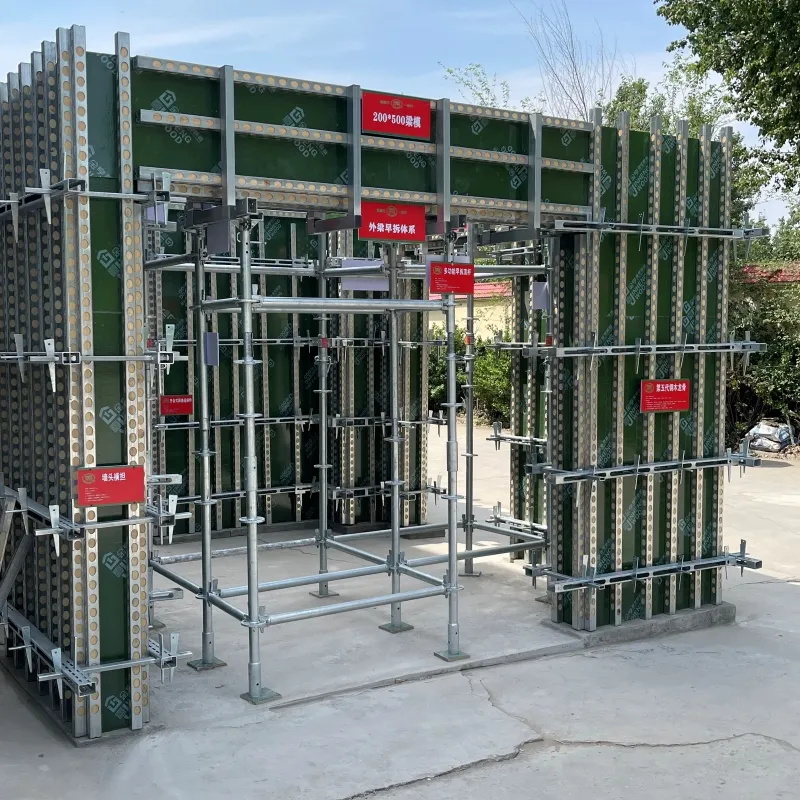
In simple terms, crane climbing formwork is a formwork system that “climbs” with the structure as it’s built, lifted into place by cranes or hydraulic jacks. Instead of disassembling and rebuilding formwork on each new floor—which wastes time—this system moves with the building, creating a reliable mold for concrete that supports workers while saving material and labor.
This concept not only speeds up construction but also enhances safety by reducing the exposure of workers to high-risk tasks associated with traditional scaffoldings.
Core Components of Crane Climbing Formwork
1. Scalability
The systems can be adapted for buildings of various heights and shapes—whether a rectangular core or irregular architectural elements. They grow with the project timeline.
2. Durability
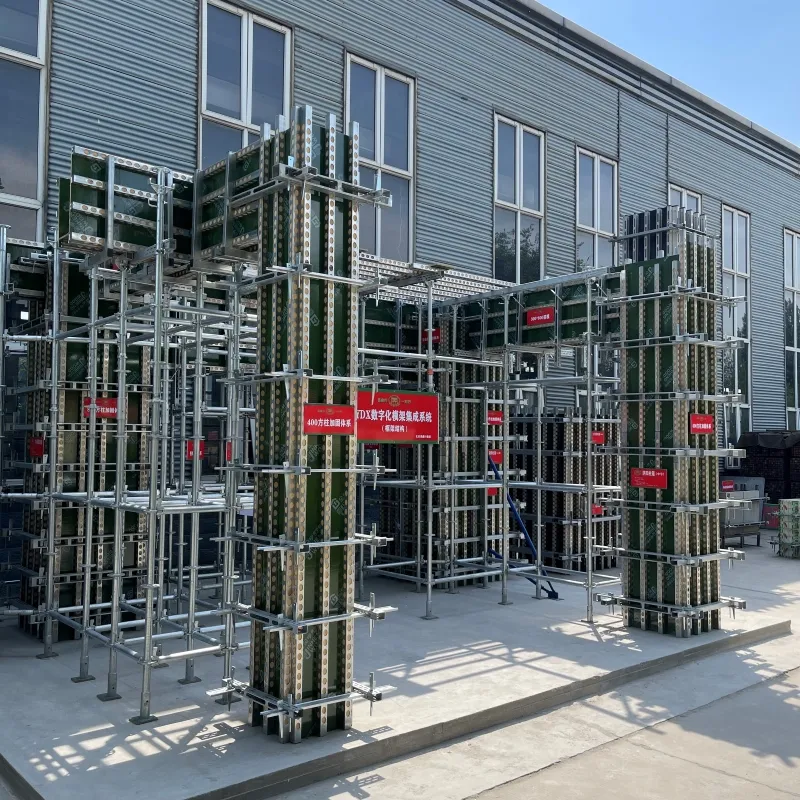
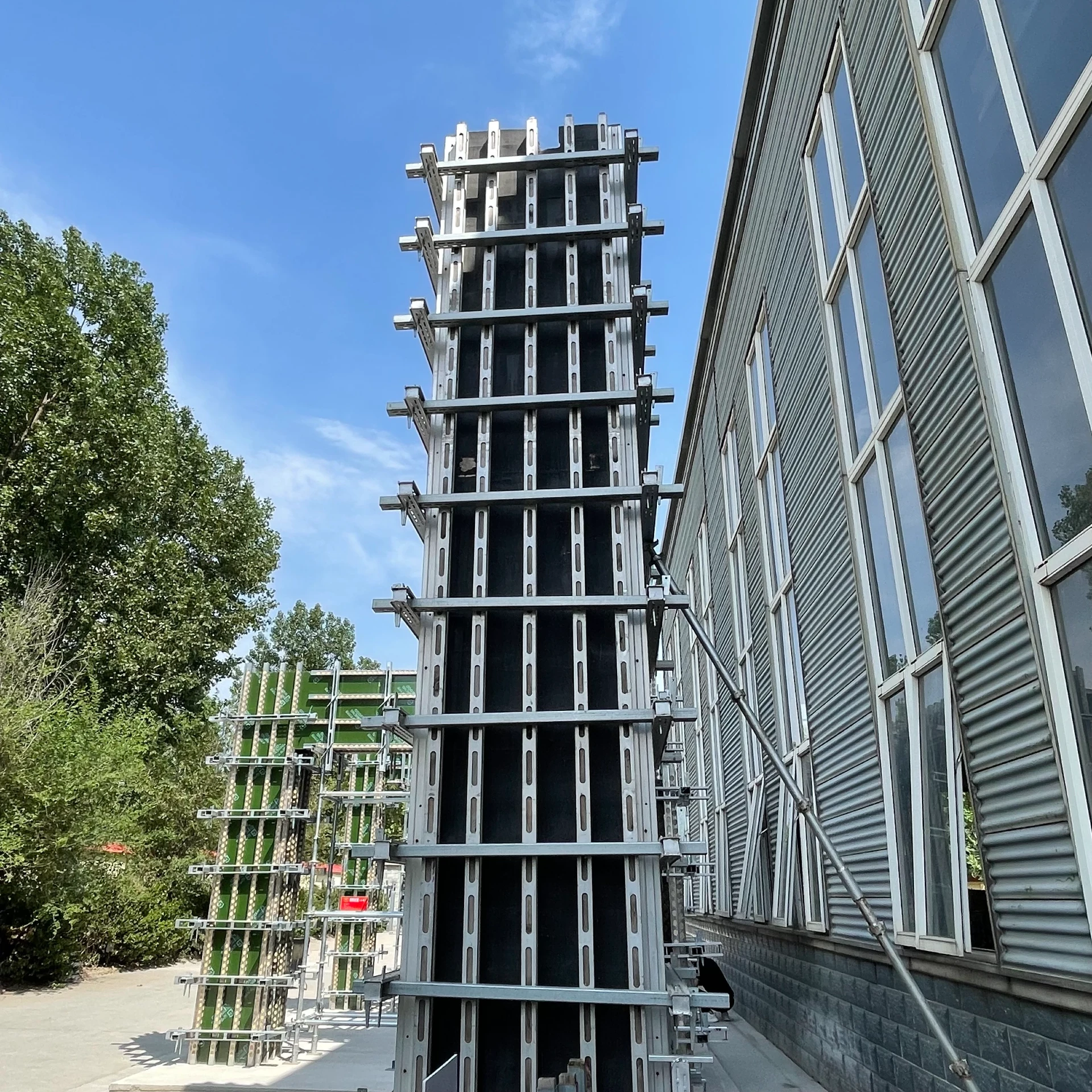
Made generally from steel and high-grade composites, these formworks withstand repeated use under heavy loads and adverse weather conditions.
3. Cost Efficiency
Although the upfront investment may seem steep, savings accrue from faster cycle times and reduced labor costs.
4. Worker Safety
The formwork includes guard rails, platforms, and fall protection, minimizing accidents during vertical construction.
5. Integration with Cranes and Automation
The system is designed to sync seamlessly with crane operations, and increasingly, with automated hydraulic jacking systems, easing the load on on-site personnel.
Technical Specifications of a Typical Crane Climbing Formwork System
| Feature | Specification | Benefit |
|---|---|---|
| Material | High-strength steel & Aluminum alloys | Durable and lightweight |
| Max Load Capacity | Up to 100 kN/m² | Supports heavy concrete pours |
| Climbing Method | Crane-lift or hydraulic jacks | Flexibility in vertical movement |
| Safety Features | Guardrails, safety nets, access platforms | Enhanced worker protection |
| Modularity | Customizable panels and connections | Fits various architectural designs |
How Does Crane Climbing Formwork Get Used Globally?
This technology has found a strong foothold in areas with fast-paced urban development—think Dubai's towering skyline, Shanghai’s sprawl, or New York’s dense high-rises. Industrial zones, too, use it to build large nuclear containment structures and cooling towers, where precision and safety are paramount.
In humanitarian and post-disaster settings, such as rebuilding after earthquakes or floods, crane climbing formwork accelerates creating durable shelters and community centers, which frankly means saving lives sooner.
For more detailed insights on how this technology intertwines with vertical construction trends, check out crane climbing formwork.
Comparing Leading Crane Climbing Formwork Vendors
| Vendor | Max Height Capability | Automation Level | Lead Time | Notable Projects |
|---|---|---|---|---|
| FormTech Solutions | 300 m | Full hydraulic jacking | 6-8 weeks | Central Plaza Dubai |
| ElevateSystems Inc. | 250 m | Semi-automated crane lift | 4-6 weeks | Shanghai Tower Phase 2 |
| SkyForm & Co. | 280 m | Manual crane lift with safety overrides | 5-7 weeks | Hudson Yards Project NYC |
What Advantages Does Crane Climbing Formwork Bring?
- Cost Savings: Lower labor costs from system reuse and faster build cycles.
- Sustainability: Reusable materials and less scaffolding waste.
- Safety: Integrated fall protection reduces accidents—a critical emotional benefit for workers and owners alike.
- Reliability: Engineered for consistent performance under harsh site conditions.
- Innovation: Supports complex architectural designs that traditional methods struggle with.
Emerging Trends in Crane Climbing Formwork
We’re seeing new materials like carbon fiber composites pushing weight limits while reducing costs. Smart sensors integrated into formworks track stresses and environmental factors, informing safer work schedules. Automation via electric or hydraulic jacks is growing too—less crane dependence means faster climbs and lower accident risk.
On the policy side, global emphasis on sustainable construction (ISO standards like ISO 21930) encourages companies to adopt formwork that minimizes environmental impact without sacrificing quality.
Challenges and How Experts Address Them
One tricky part: coordinating formwork lifts with concrete curing times to avoid delays. Oddly enough, weather can throw off schedules too. Experts suggest using digital project management tools integrated with sensor data to fine-tune timing.
Another is the initial cost outlay, which smaller developers might balk at. Here, leasing models or modular kits tailored to project size help spread costs more manageably.
FAQ: Common Questions About Crane Climbing Formwork
- Q: How does crane climbing formwork improve safety compared to traditional scaffolding?
- A: It reduces worker exposure by integrating platforms and guardrails directly with the formwork, minimizing the need for additional climbing and scaffolding work at height.
- Q: Can crane climbing formwork be customized for irregular building shapes?
- A: Yes, modular panels and flexible connections allow adaptation to complex geometries, which is why architects favor it for innovative designs.
- Q: How long does it typically take to install crane climbing formwork?
- A: Installation time varies but usually ranges from a few days to a couple weeks, depending on building size and complexity.
- Q: Is crane climbing formwork eco-friendly?
- A: Absolutely; with durable materials, reusable components, and reduced waste, it aligns well with sustainable construction goals.
- Q: How can companies source crane climbing formwork internationally?
- A: Most leading vendors offer international shipping and often provide on-site training. Contacting trusted suppliers like those featured here helps navigate import regulations and certifications.
Wrapping Up: Why Crane Climbing Formwork Is a Smart Investment
As construction rises vertically, so does the need for smarter, safer, and more efficient formwork systems. Crane climbing formwork fits this bill beautifully, delivering value far beyond the initial price. If you’re in the building industry, or just nerding out on construction tech, this topic is worth your attention.
For hands-on details and cutting-edge solutions, visit our website. It’s a handy hub for anyone looking to learn more or source quality crane climbing formwork systems.
Sometimes, understanding a specialized technique like this feels like unlocking a bit of the future — where buildings grow upwards and safety goes hand in hand with speed.
References
-
Comprehensive Guide to Scaffolding Rods for Safe Construction PracticesNewsFeb.24,2026
-
Comprehensive Guide to Different Types of Scaffolding for Construction ProjectsNewsFeb.11,2026
-
The Crucial Role and Safe Use of Scaffolding in Modern Construction ProjectsNewsJan.30,2026
-
Maximize Productivity and Safety with a Versatile 7m Scaffold TowerNewsJan.27,2026
-
6m Scaffold Tower: A Comprehensive Guide for B2B BuyersNewsJan.26,2026
-
6ft Scaffold: Durability and Safety in ConstructionNewsJan.25,2026
-
6 Scaffolding: A Modern Construction SolutionNewsJan.24,2026