
Concrete Cover for Rebar: Precise, Durable—Why Choose It?
A field guide to concrete cover for rebar that builders actually use
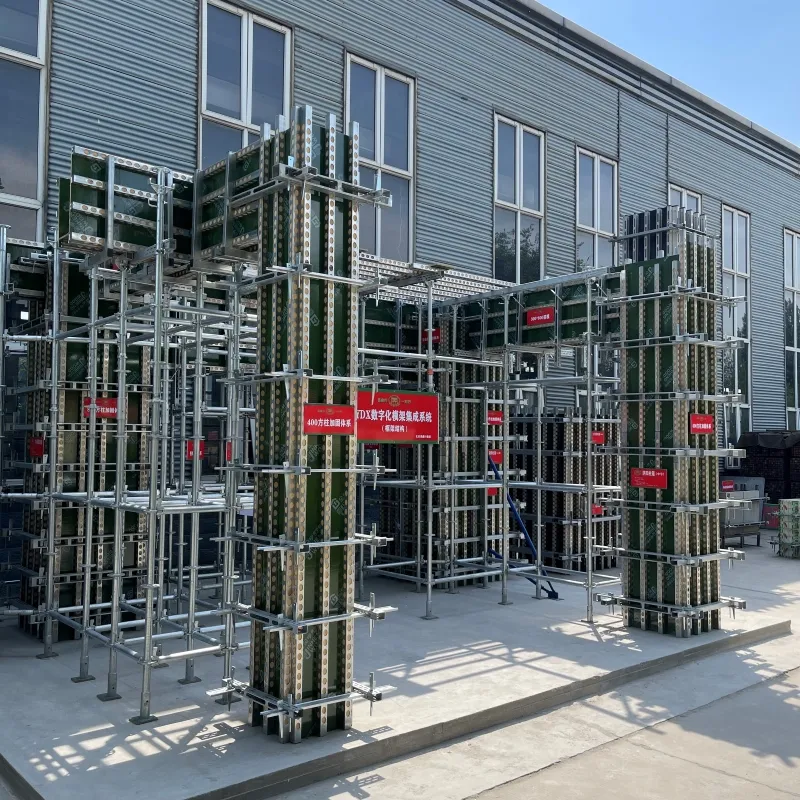
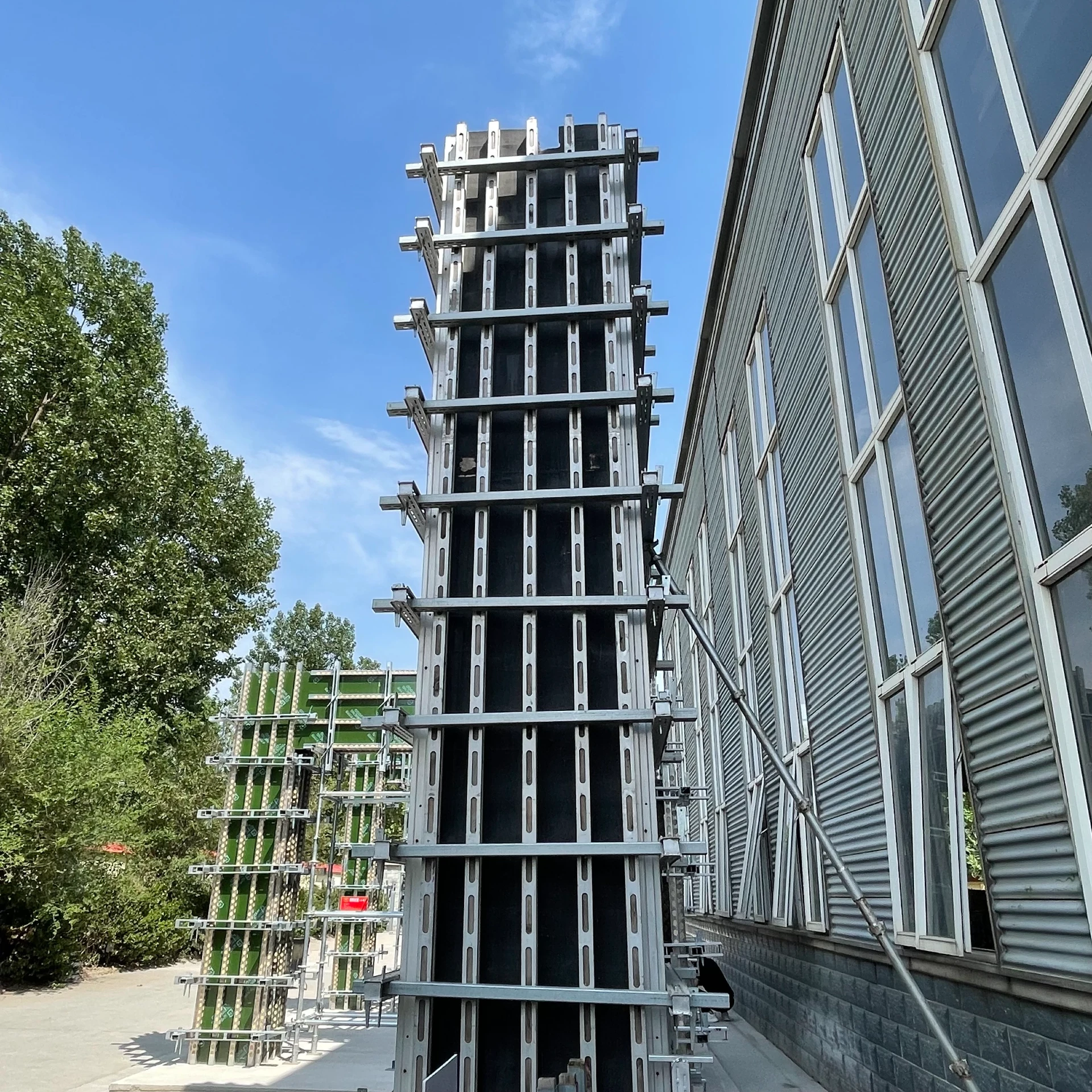
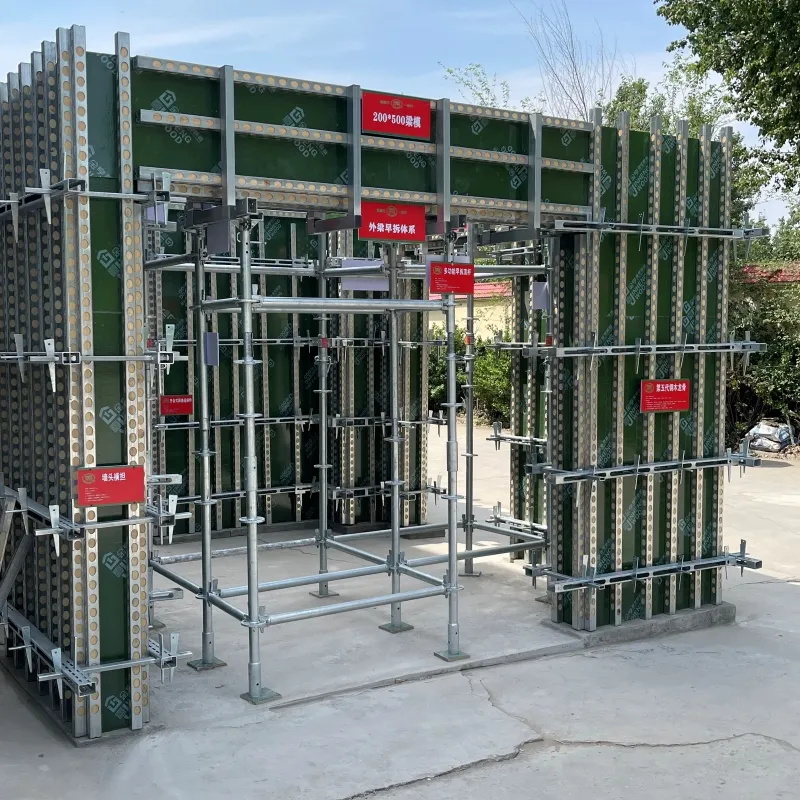
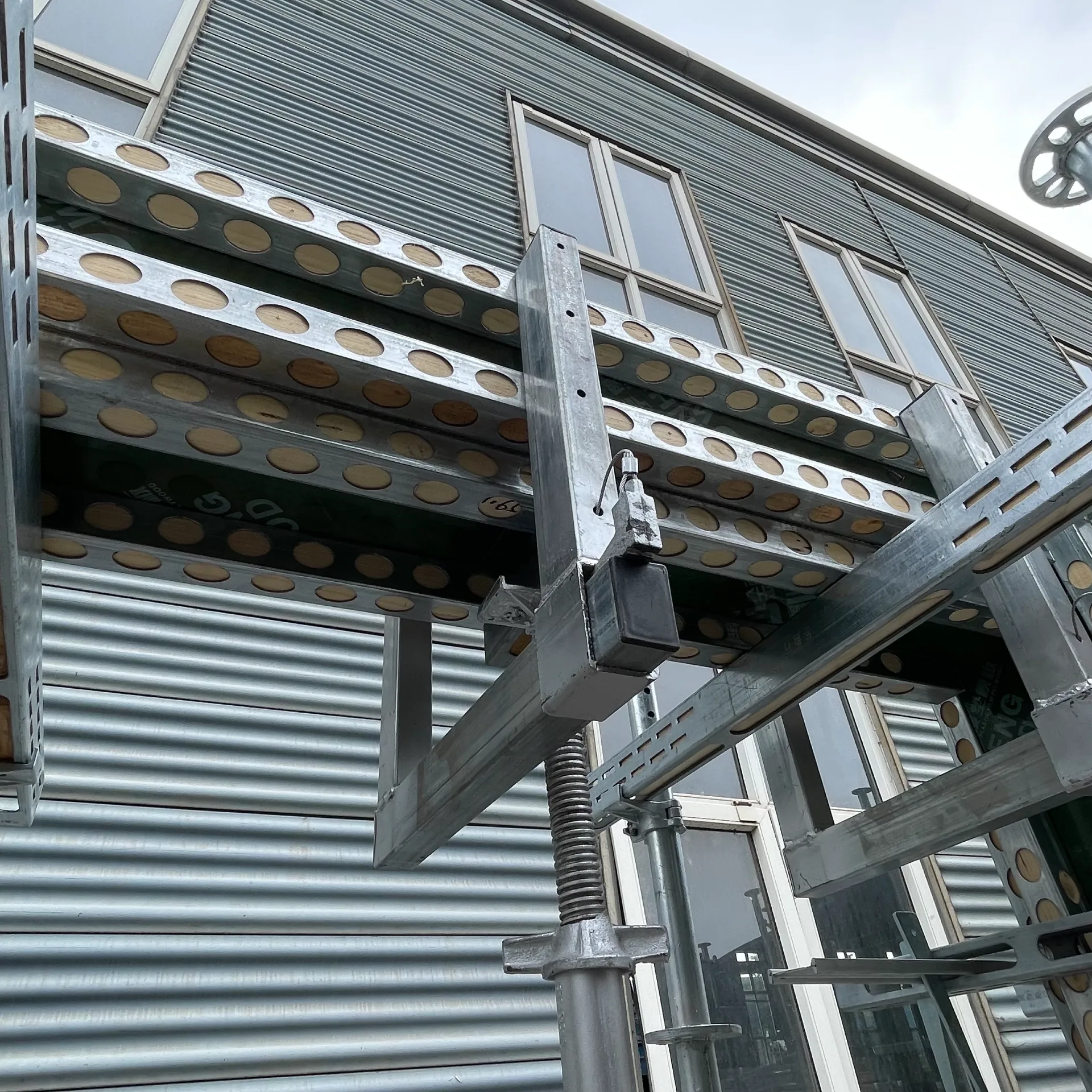
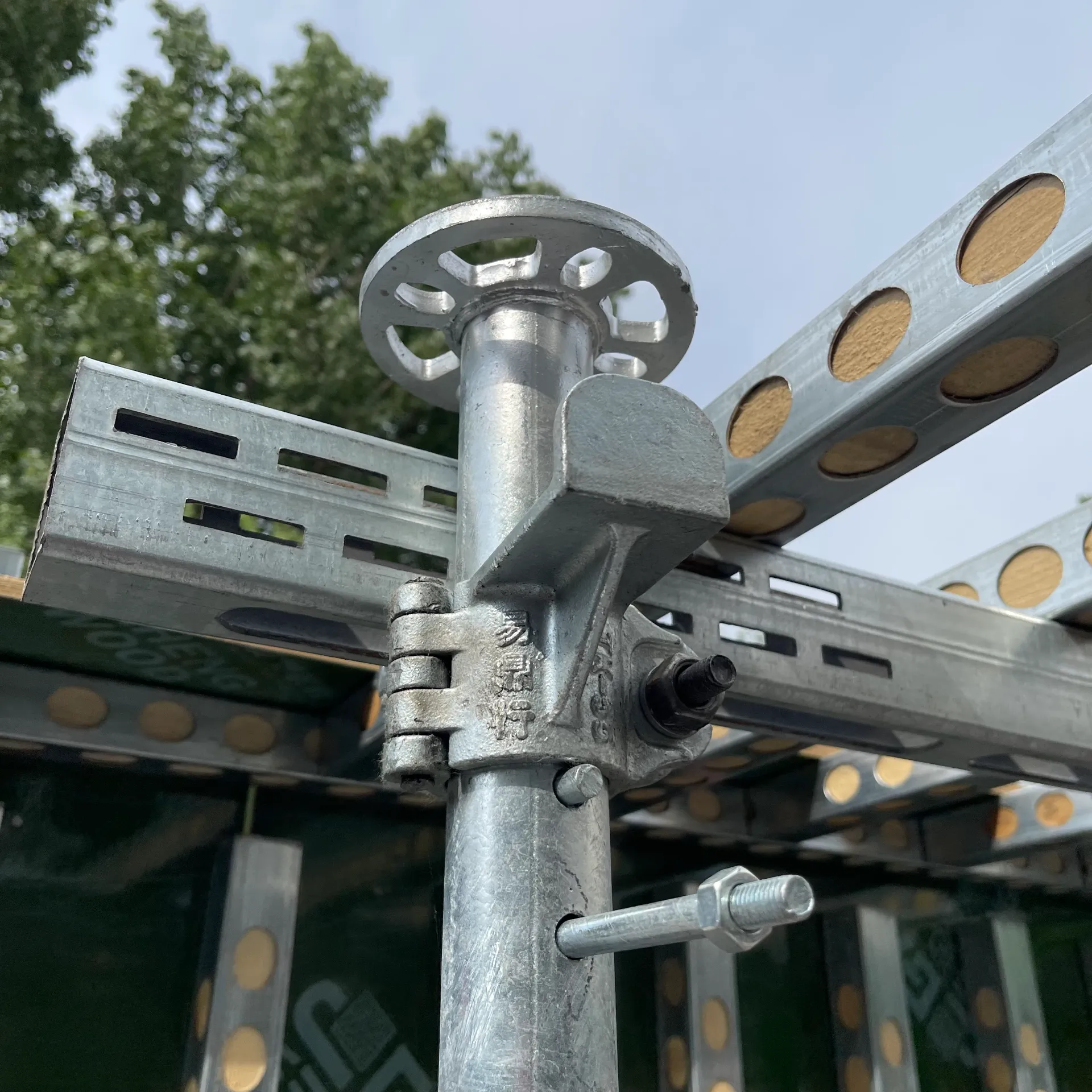
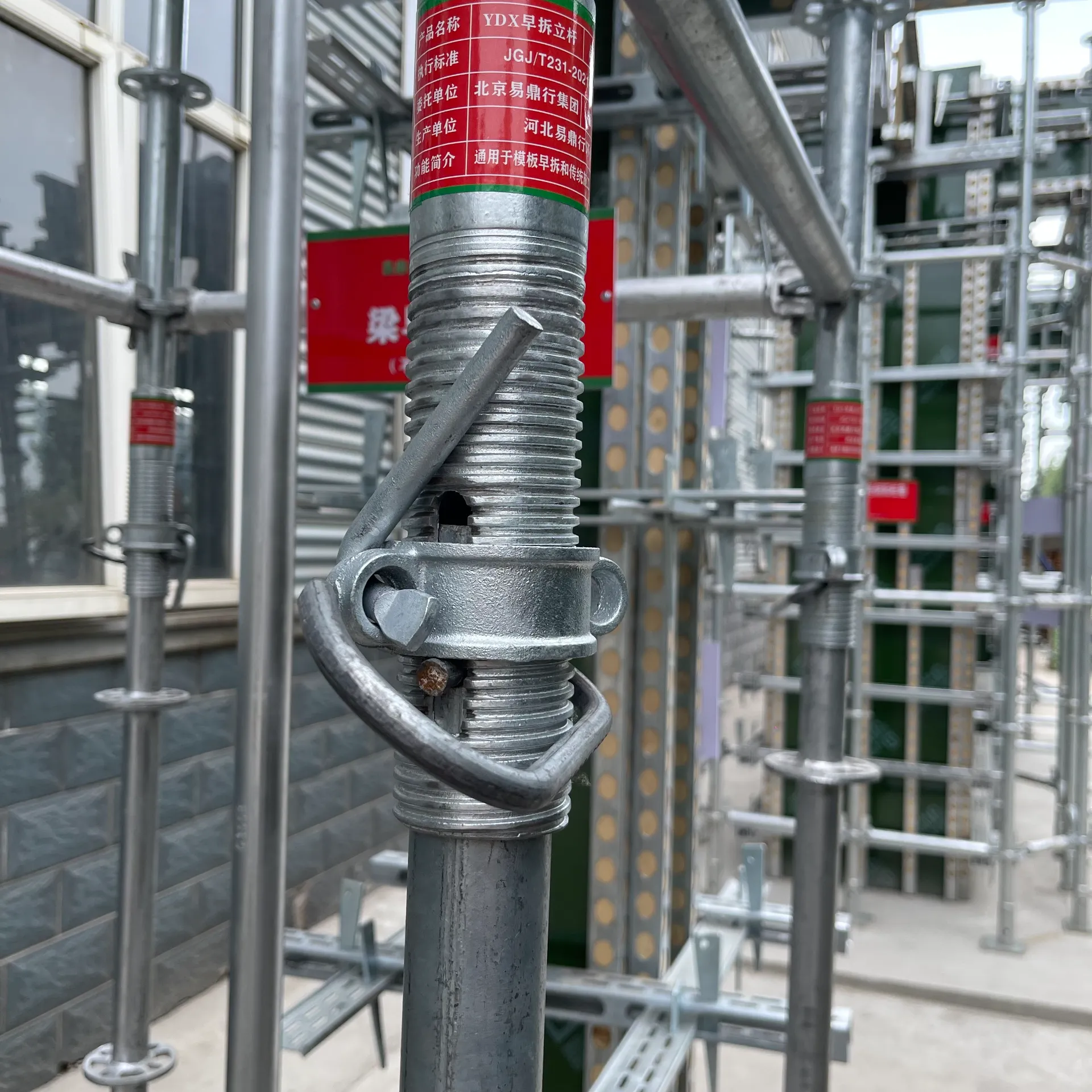
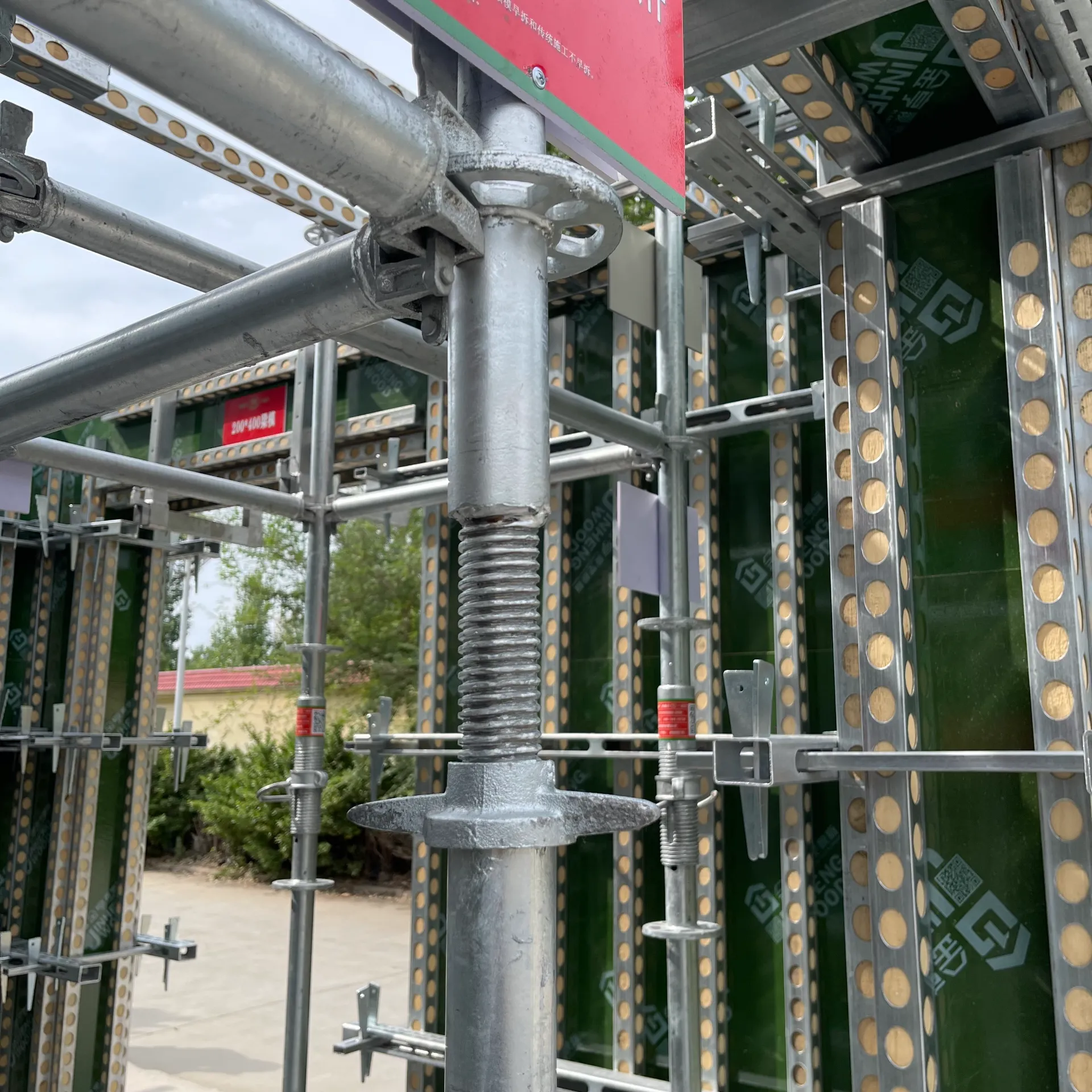
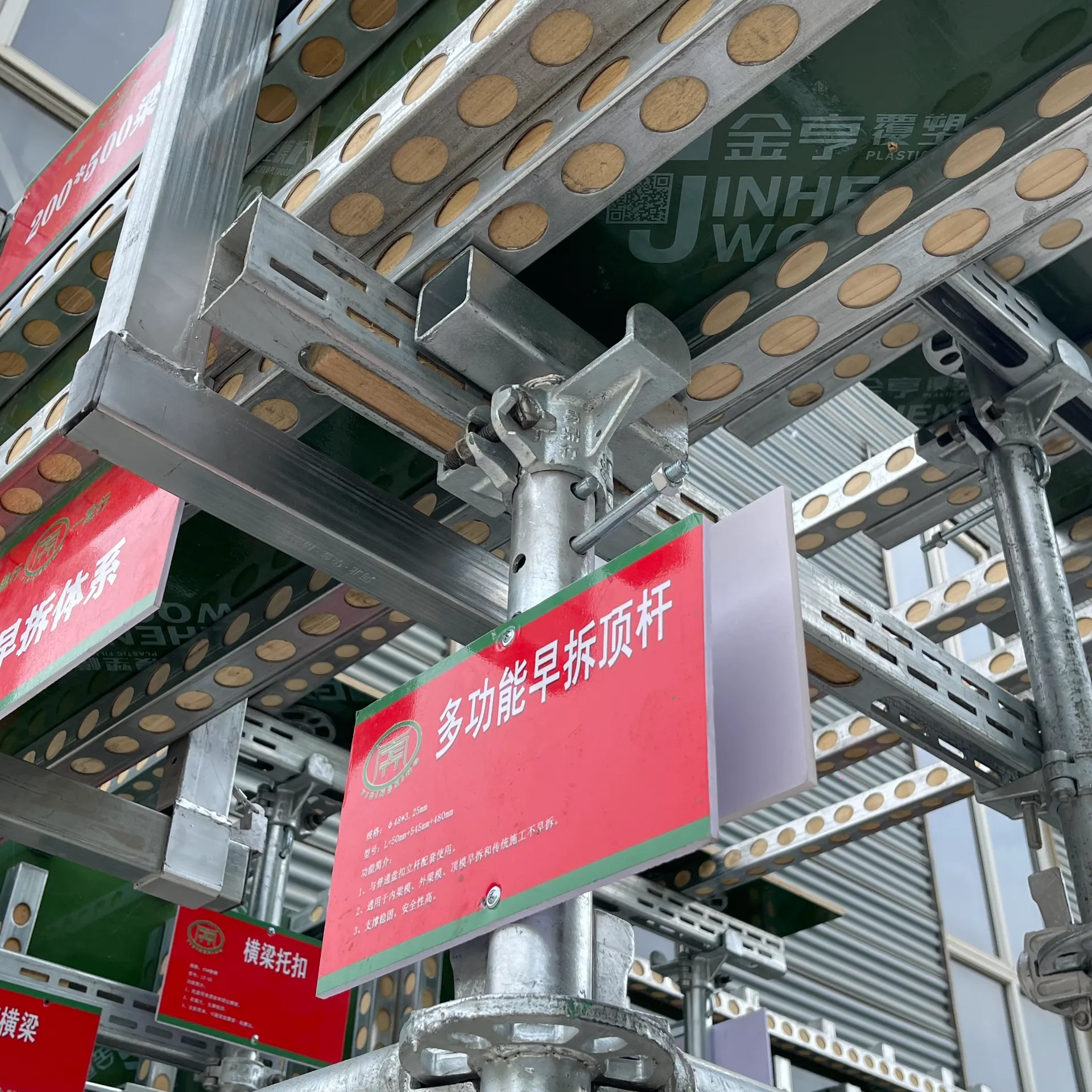
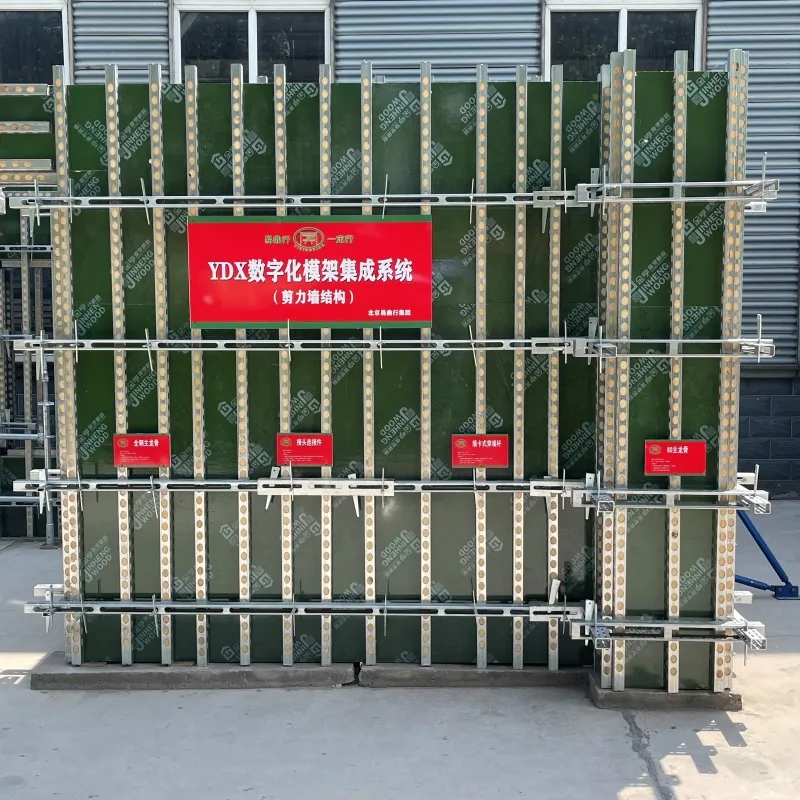
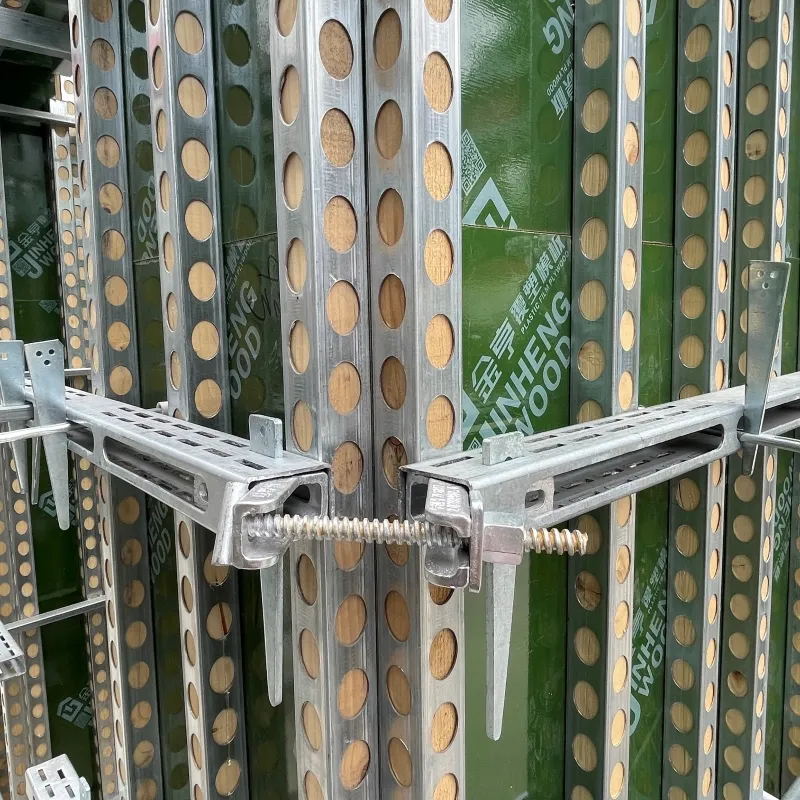
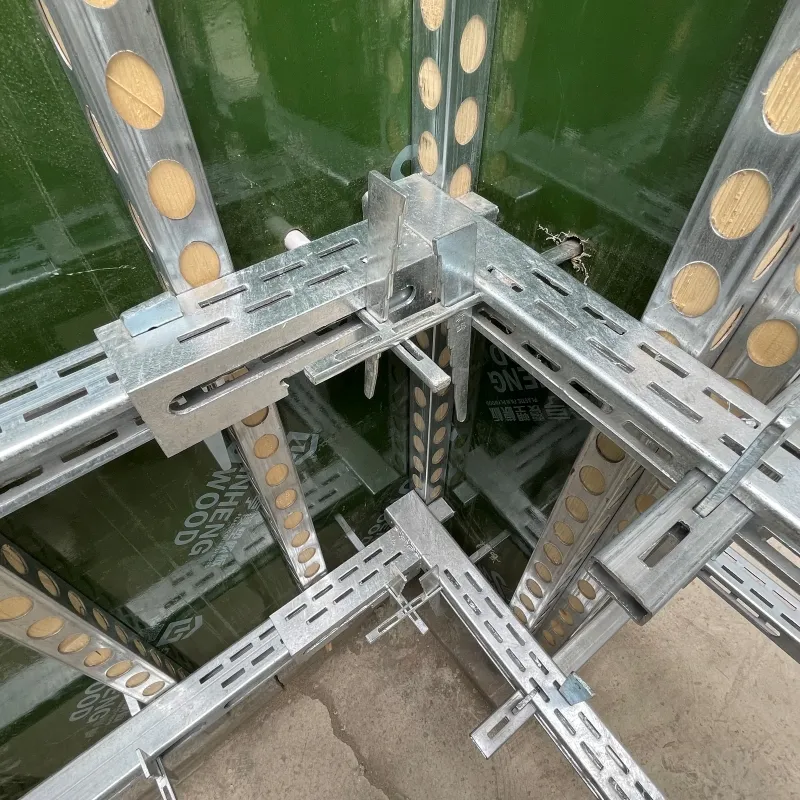
I’ve walked enough jobsites—from coastal piers to dry inland flyovers—to know this: if you get cover wrong, you pay for it twice. Our team’s recent visit to the YDX plant (Address: East side of Hongye Avenue, Dingzhou Economic Development Zone, Hebei Province) reminded me how small “Accessories” decide big outcomes. YDX’s patented spacers and chairs look simple; the durability math behind them is not.
Why cover still sets the tone
The point of concrete cover for rebar is straightforward: protect steel from moisture, chlorides, carbonation, and heat. In practice, it’s a dance between design codes and pour realities. Trends I’m seeing lately:
- Higher specified cover in marine and de-icing regions, often +5–10 mm over minimums.
- Shift to fiber-cement and high-strength polymer spacers for consistent chair footprint and no rust-staining.
- QC moving onsite: quick pachometer checks per pour, not just after.
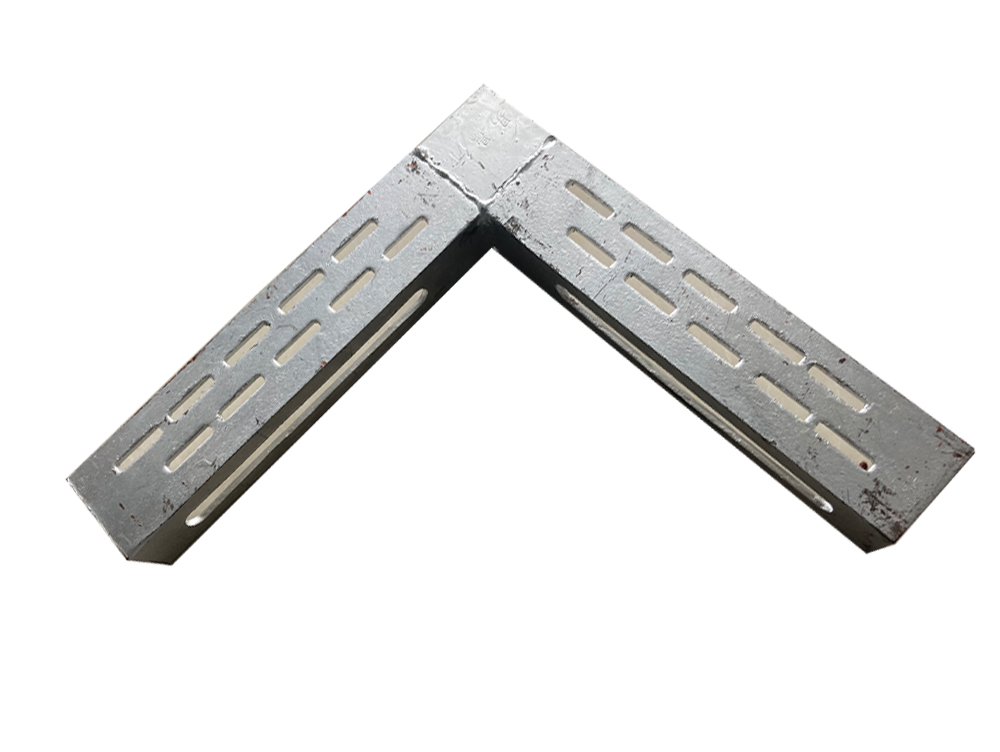
Specifications that matter (and actually hold up)
For typical exposure classes, many contractors aim for these practical targets (designers, always check your code set):
- Interior slabs: 20–25 mm cover
- Exterior/Freeze-thaw: 30–40 mm cover
- Marine/splash & tidal: 45–75 mm cover
- Fire resistance (≈2 h): often 40–50 mm cover, depending on member size
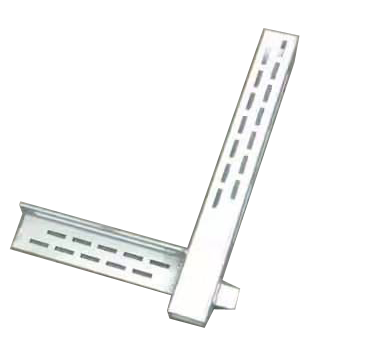
| Parameter | Typical Range / Spec (≈, real-world use may vary) |
|---|---|
| Cover heights | 15, 20, 25, 30, 40, 50, 60, 75 mm |
| Materials | PP/PE polymer spacers; fiber-reinforced cement cover blocks |
| Compressive capacity | ≥ 500–1200 kgf per point (tested on flat form) |
| Temperature range | -20°C to 60°C (polymer); per mix design for cement blocks |
| Certifications | ISO 9001; CE marking on select lines |
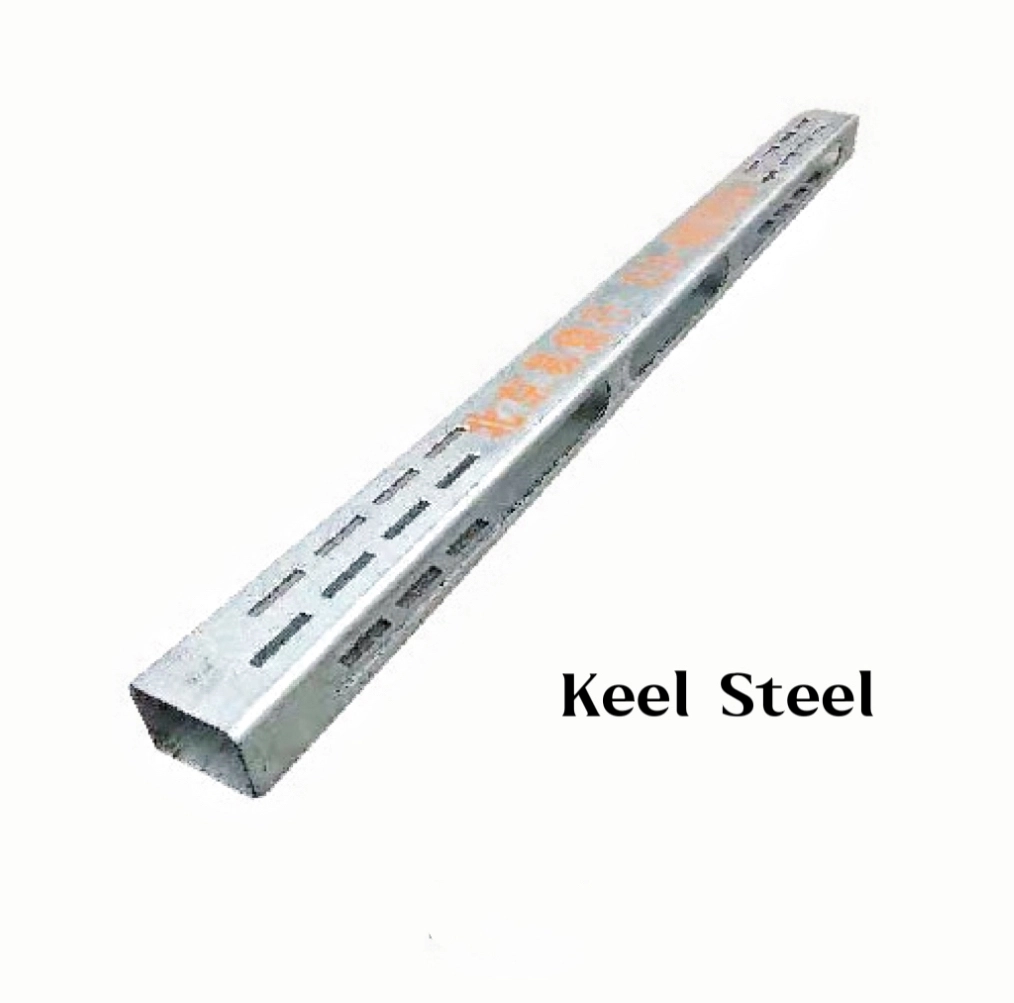
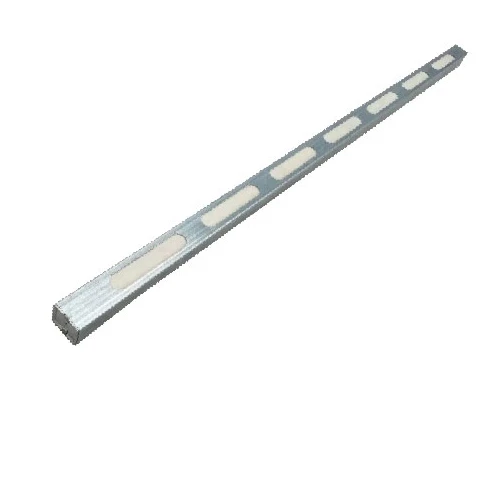
| Patents | YDX patented profiles for keel steel reinforcement accessories |
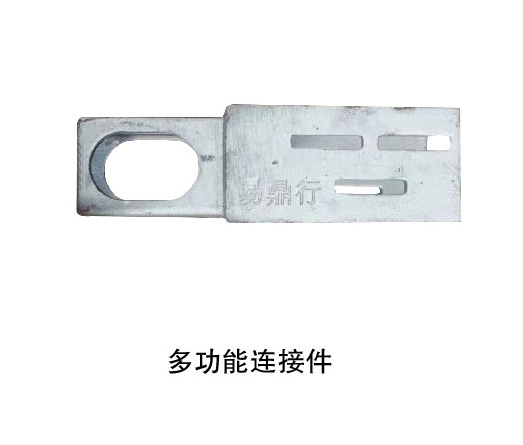
Process flow: from pallet to pour
- Materials: choose spacer type (polymer vs. fiber-cement) to match exposure and formwork.
- Layout: chairs at 600–900 mm grid (denser under heavy bars). Tie to rebar where needed.
- Methods: check bar elevation; vibrate concrete without displacing spacers.
- Testing & QA: covermeter/pachometer checks; RCPT (ASTM C1202) or chloride diffusion (ASTM C1556) when specified; half-cell potential (ASTM C876) in durability studies.
- Service life: with proper cover and concrete quality, 50–100 years is realistic for bridges/tunnels.
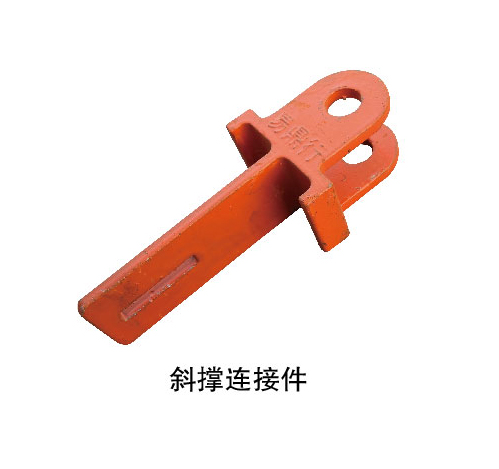
Where it’s used (and why crews like it)
Bridges, metros, water tanks, precast façades, coastal piers—anywhere corrosion risk lurks. Foremen often tell me polymer chairs are forgiving on formwork and quick to place; fiber-cement blocks match concrete aesthetics where exposure is visible. The goal is simple: keep concrete cover for rebar consistent and code-compliant, without slowing the pour.
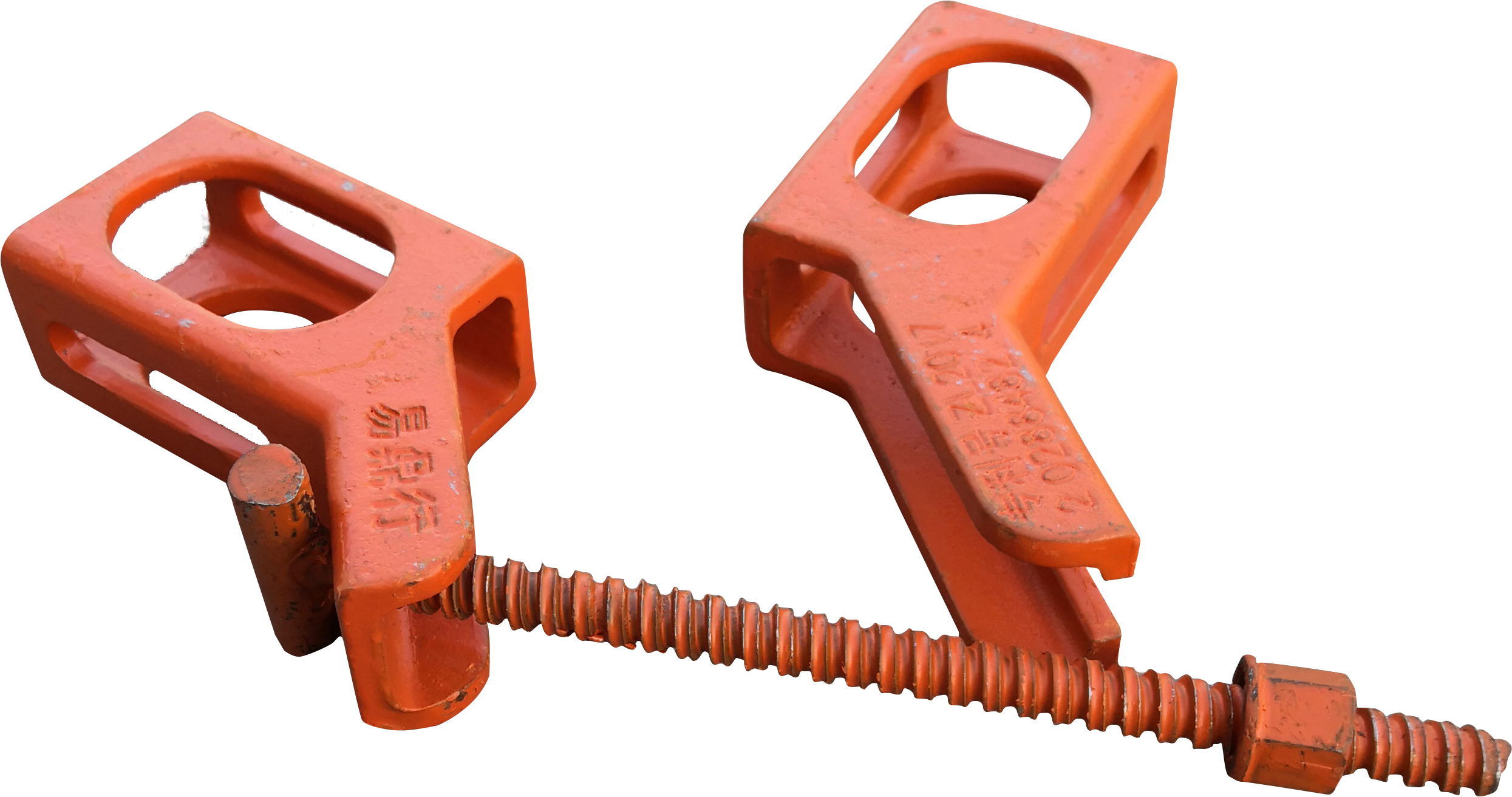
| Vendor | Patents | Customization | Lead time | Certs | QC |
|---|---|---|---|---|---|
| YDX Accessories | Yes (keel reinforcement) | Heights, profiles, OEM color | ≈7–15 days | ISO 9001, CE (select) | Incoming resin tests; load tests |
| Vendor A | Limited | Standard sizes | ≈10–20 days | ISO 9001 | Batch sampling |
| Vendor B | No | Limited OEM | ≈15–25 days | — | Basic visual |
Customization, real feedback, quick cases
- Customization: cover heights to 5 mm increments; wheel spacers for vertical cages; non-marking feet for architectural concrete.
- Case 1 (northern bridge): switching to YDX chairs cut re-work for low cover by ≈12% (site QC logs, one season).
- Case 2 (coastal tank): fiber-cement blocks + 50 mm cover, RCPT ≤ 1500 coulombs at 28 d—owner-friendly spec.
Testing standards you’ll likely see on submittals: ACI 318/301, EN 1992-1-1, EN 206/BS 8500, GB 50010, ASTM C1202/C1556/C876. And yes, please measure cover in-situ—pachometer checks catch small drifts early. To be honest, the best crews I know treat concrete cover for rebar like rebar itself: planned, checked, logged.
Bottom line
If you want durable, low-drama structures, lock in your concrete cover for rebar with the right accessories and a repeatable QC routine. YDX’s Accessories line—high quality, nice reinforcement effect, and a safe construction guarantee—makes that easier than many expect.
- ACI 318-19, Building Code Requirements for Structural Concrete.
- EN 1992-1-1: Eurocode 2 – Design of concrete structures.
- EN 206 and BS 8500, Concrete specification and durability.
- GB 50010-2010, Code for Design of Concrete Structures (China).
- ASTM C1202, C1556, C876 – Durability and corrosion assessment tests.
- fib Model Code 2010, Durability and cover recommendations.
-
Comprehensive Guide to Scaffolding Rods for Safe Construction PracticesNewsFeb.24,2026
-
Comprehensive Guide to Different Types of Scaffolding for Construction ProjectsNewsFeb.11,2026
-
The Crucial Role and Safe Use of Scaffolding in Modern Construction ProjectsNewsJan.30,2026
-
Maximize Productivity and Safety with a Versatile 7m Scaffold TowerNewsJan.27,2026
-
6m Scaffold Tower: A Comprehensive Guide for B2B BuyersNewsJan.26,2026
-
6ft Scaffold: Durability and Safety in ConstructionNewsJan.25,2026
-
6 Scaffolding: A Modern Construction SolutionNewsJan.24,2026