
Comprehensive Guide to Metal Scaffolding: Uses, Benefits, and Future Trends
Understanding Metal Scaffolding: A Backbone of Modern Construction
Metal scaffolding is more than just a temporary platform — it’s an essential framework that supports the construction, maintenance, and repair of buildings, bridges, and infrastructure worldwide. Its significance spans continents and industries, from towering urban skyscrapers to vital humanitarian projects in remote areas. Oddly enough, while often overlooked, metal scaffolding quietly ensures safety, efficiency, and innovation in countless projects. So why does it matter globally, and what makes it such a core asset in today’s industrial landscape? Let’s explore.
Introduction: The Global Context of Metal Scaffolding
Around the world, the construction sector accounts for a substantial portion of economic activity. According to the International Labour Organization, over 7% of the global workforce is engaged in construction and related activities, many relying heavily on stable, secure scaffolding systems. Metal scaffolding is critical because it addresses safety challenges — scaffolding-related accidents remain a top workplace hazard. Moreover, as urbanization accelerates worldwide (the United Nations reports that nearly 68% of the global population will live in urban areas by 2050), demand for reliable scaffolding solutions increases sharply.
Beyond sheer volume, there’s a challenge here: projects often happen in complex environments. Whether it’s a cramped city center, a disaster-hit region, or even industrial zones with harsh conditions, metal scaffolding has to adapt quickly while maintaining utmost safety standards. It’s a complex dance of design, material science, and engineering.
What Is Metal Scaffolding?
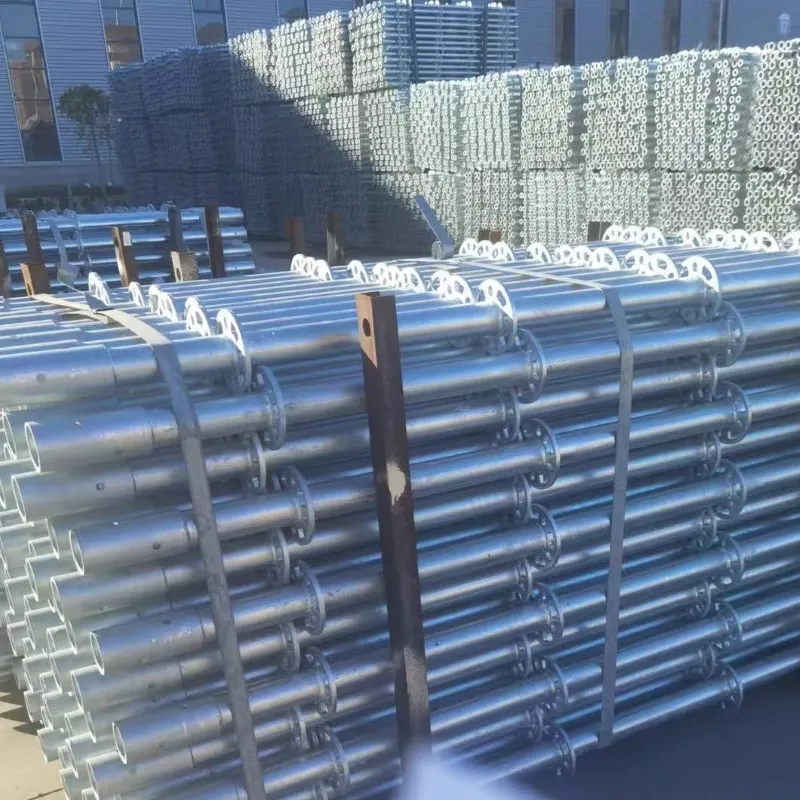
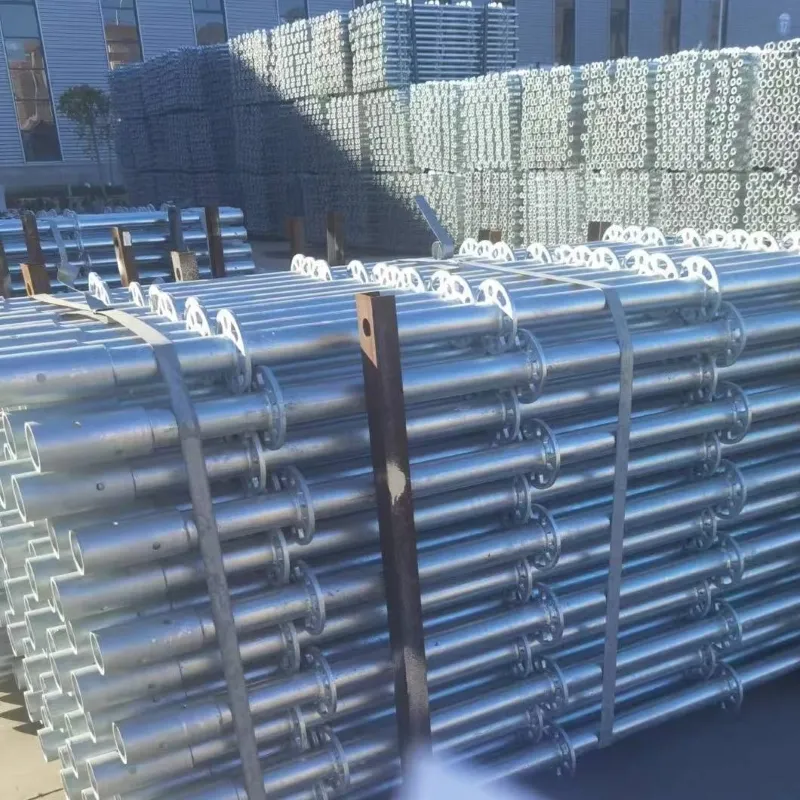
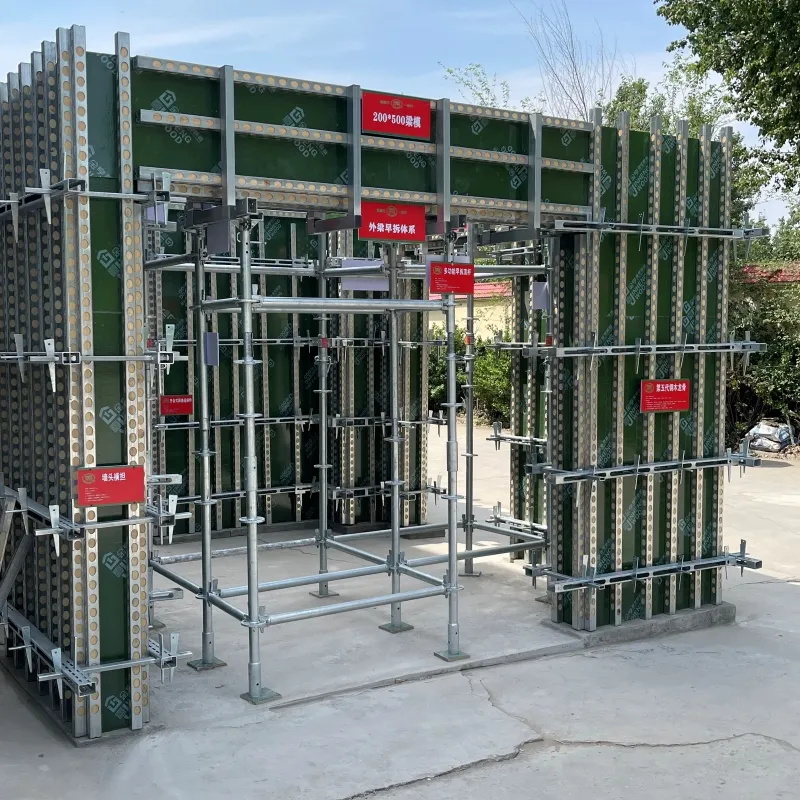
In simple terms, metal scaffolding is a temporary framework made primarily of steel or aluminum components that provide workers safe access and working surfaces at height. Unlike wooden scaffolds of the past, metal scaffolding offers enhanced strength, durability, and reusability — qualities that are crucial not just for skyscraper construction but also for emergency housing repairs or infrastructure renewal in developing regions.
It’s a vivid example of how industrial technology meshes seamlessly with humanitarian and commercial needs. You might find metal scaffolding supporting a bridge repair in Germany, a solar farm installation in Kenya, or a school reconstruction after an earthquake in Nepal.
Key Factors Shaping Metal Scaffolding Utility
- Durability and Strength: Metal scaffolding stands up to harsh weather, heavy loads, and repeated assembly cycles. Steel alloys, with corrosion-resistant coatings, allow long service life even in coastal or industrial pollution zones.
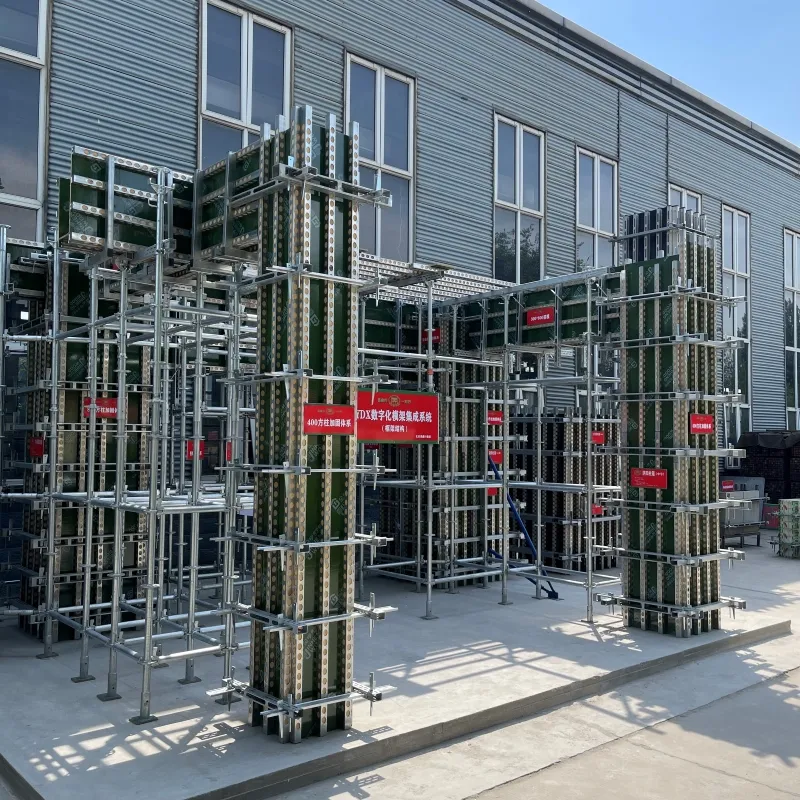
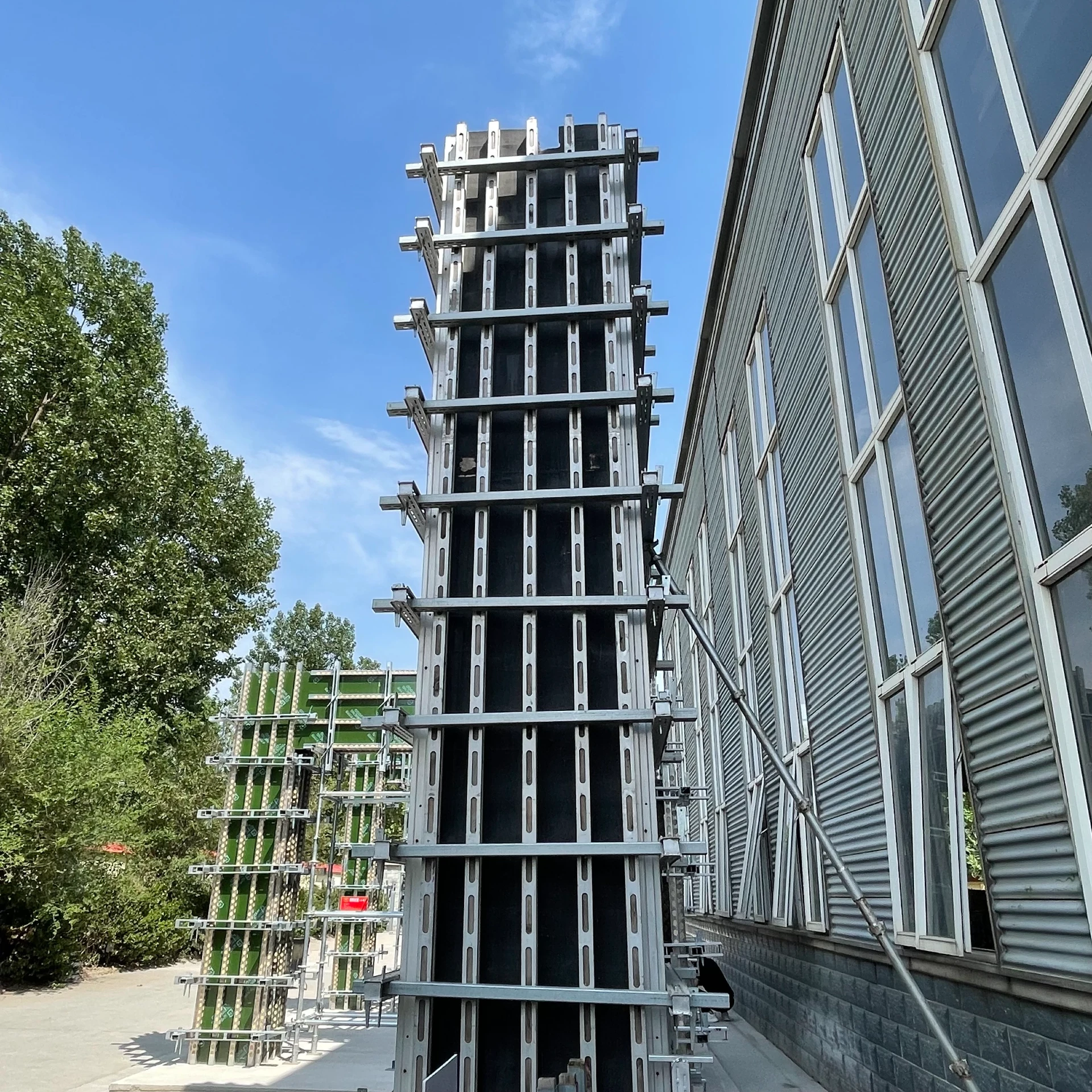
- Scalability and Modular Design: Modular components fit together allowing structures to scale up or down rapidly — perfect for projects both massive and modest.
- Safety Compliance: International standards (like ISO 9001 for quality and OSHA regulations in the US) ensure scaffolding components meet rigorous testing and secure assembly guidelines.
- Cost Efficiency: Though upfront costs are higher than timber, their longevity and reusability reduce overall lifecycle expenses.
- Lightweight Variants: Aluminum scaffolding, for example, trades some strength for portability — ideal for quick setup and transport in difficult terrains.
- Environmental Considerations: Increasing use of recyclable metals and coatings reflects the industry’s shift toward greener building methods.
Mini takeaway: The balance of strength, flexibility, and cost-efficiency makes metal scaffolding a go-to solution in diverse construction and humanitarian scenarios.
Where and How Is Metal Scaffolding Used Worldwide?
Its applications are undeniably broad. In developed regions such as North America and Europe, metal scaffolding underpins everything from commercial high-rises to road maintenance. Oddly enough, these systems have found unexpected importance in disaster zones where NGOs deploy them quick to rebuild schools or healthcare clinics. For instance:
- Post-Disaster Relief: Following major earthquakes or hurricanes, rapid deployment scaffolding supports temporary shelters or emergency medical units.
- Industrial Projects: Remote oil rigs and mining operations use specialized metal scaffolds for safe maintenance amid challenging environments.
- Urban Renovation: In historic city centers, it enables facade restoration without compromising delicate structures.
- Renewable Energy Installations: Wind turbine assembly and solar panel arrays increasingly rely on adaptable metal scaffold platforms.
In my conversations with engineers working in these fields, there’s a recurring theme: metal scaffolding isn’t just a means to an end. It’s a factor that can literally save time, resources, and lives.
Product Specification Snapshot of Aluminum & Steel Scaffolding
| Specification | Aluminum Scaffolding | Steel Scaffolding |
|---|---|---|
| Weight | Lightweight (approx. 2.7 g/cm³) | Heavier (approx. 7.8 g/cm³) |
| Load Capacity | Medium (max 200 kg per m²) | High (max 300+ kg per m²) |
| Corrosion Resistance | High, natural oxide layer | Needs coatings to prevent rust |
| Typical Use | Light to medium industrial, quick setups | Heavy-duty construction, long-term projects |
Comparing Top Metal Scaffolding Vendors
| Vendor | Materials & Quality | Product Range | Global Reach | Sustainability Focus |
|---|---|---|---|---|
| AluFlex Industries | High-grade aluminum alloys | Modular lightweight systems | Europe, North America, Asia | Recyclable metals & low-VOC coatings |
| SteelPro Global | HD galvanized steel | Heavy-duty scaffolds, custom solutions | Worldwide, including Africa & Australia | Eco-friendly manufacturing & waste management |
| ModuScaffold Inc. | Mixed metal composites | Quick assembly, mobile scaffold towers | North America & selected markets | Focus on reusability and carbon footprint |
Why Metal Scaffolding Matters: Advantages & Long-Term Value
Frankly, metal scaffolding offers tangible benefits beyond the obvious. Here are a few:
- Cost Efficiency Over Time: Despite higher initial expenditure compared to wooden alternatives, metal’s durability means fewer replacements and repairs, lowering lifecycle costs.
- Durability Ensures Safety: Robust metals mean fewer accidents due to scaffold failure — a trust factor for both workers and employers.
- Environmental Impact: Recyclable metals and longer service life support sustainability goals in construction.
- Social Impact: In humanitarian contexts, reliable metal scaffolds help rebuild infrastructure quickly, restoring dignity and security.
- Innovation Driver: Increasingly, metal scaffolding incorporates digital sensors or modular AI-assisted assembly systems, improving speed and risk management.
Mini takeaway: Investing in metal scaffolding is investing in safety, sustainability, and smart technology — all of which pay dividends beyond the balance sheet.
Looking Ahead: Future Trends in Metal Scaffolding
The future hints at exciting changes. Some notable trends:
- Smart Scaffolding: Embedded sensors for real-time load monitoring and structural health checking.
- Greener Materials: Advanced coatings that reduce environmental impact and extend lifespan without toxic chemicals.
- Automation & Robotics: Emerging tech to assist scaffolding assembly in dangerous or hard-to-reach areas.
- Integration with BIM (Building Information Modeling): Allows digital planning of scaffold structures before physical assembly.
- Lightweight Composite Metals: Development of metal alloys combining aluminum and steel benefits for even better performance.
Challenges & Expert Solutions
Of course, metal scaffolding isn’t without its hurdles. Corrosion, high upfront costs, and the need for skilled labor can slow progress. But experts have their ways around these:
- Corrosion Prevention: Use of galvanization, powder coatings, and alloys minimizes rust and maintenance.
- Training Programs: Increasing investments in worker safety training ensures competence in handling complex scaffold systems.
- Prefabrication: Modular, factory-made scaffold units reduce onsite assembly time and errors.
- Digital Tools: Scaffold design software enhances precision and reduces costly modifications.
FAQ: Frequently Asked Questions About Metal Scaffolding
- What are the main differences between aluminum and steel scaffolding?
- Aluminum scaffolding is lightweight and corrosion-resistant but typically supports lighter loads. Steel scaffolding is heavier but offers superior strength and load capacity. The right choice depends on the project's specific requirements like load, durability, and mobility.
- How long can metal scaffolding safely be used?
- With proper maintenance and handling, metal scaffolding can last 10 to 15 years or more. Protective coatings and routine inspections are crucial to extend lifespan and maintain safety standards.
- Is metal scaffolding eco-friendly?
- Metal scaffolding is recyclable and often reused multiple times, making it more sustainable than disposable materials like wood. Advances in green coatings and manufacturing are making them even more environmentally friendly.
- How does metal scaffolding improve worker safety?
- By providing sturdy, stable platforms and guardrails that comply with safety standards, metal scaffolding reduces fall hazards and structural failures, protecting workers at height during construction or maintenance.
- Can metal scaffolding be used in extreme weather conditions?
- Yes, specially treated and designed scaffolding systems are capable of withstanding high winds, rain, and even freezing temperatures, making them suitable for harsh environments.
Conclusion: The Enduring Impact of Metal Scaffolding
All told, metal scaffolding is far from a simple accessory. It’s a vital infrastructure enabler that combines durability, adaptability, and thoughtful engineering. Whether in bustling urban centers or remote relief sites, it ensures builders can work safely and efficiently, saving money and lives. In a world hungry for sustainable, innovative construction solutions, metal scaffolding stands as a reliable pillar.
If you want to explore industry-grade metal scaffolding options tailored to your projects, please visit our website: https://www.formworkreinforced.com.
Mini takeaway: Metal scaffolding is not just scaffolding — it’s a key that unlocks safer, smarter, and sustainable building everywhere.
References:
-
Comprehensive Guide to Scaffolding Rods for Safe Construction PracticesNewsFeb.24,2026
-
Comprehensive Guide to Different Types of Scaffolding for Construction ProjectsNewsFeb.11,2026
-
The Crucial Role and Safe Use of Scaffolding in Modern Construction ProjectsNewsJan.30,2026
-
Maximize Productivity and Safety with a Versatile 7m Scaffold TowerNewsJan.27,2026
-
6m Scaffold Tower: A Comprehensive Guide for B2B BuyersNewsJan.26,2026
-
6ft Scaffold: Durability and Safety in ConstructionNewsJan.25,2026
-
6 Scaffolding: A Modern Construction SolutionNewsJan.24,2026