
Comprehensive Guide to H Scaffolding – Durable & Efficient Modular Scaffolding Solutions
H Scaffolding is a key solution in the industry, specifically within construction, infrastructure, and industrial maintenance sectors. This article explores how https://www.formworkreinforced.com supports professionals with durable, high-performance products, and explains why this product is an ideal choice for businesses in these sectors.
Table of Contents
- H Scaffolding Overview
- Benefits & Use Cases of H Scaffolding
- Cost, Maintenance & User Experience
- Sustainability & Market Trends
- Frequently Asked Questions about H Scaffolding
- Conclusion on H Scaffolding from China
H Scaffolding Overview
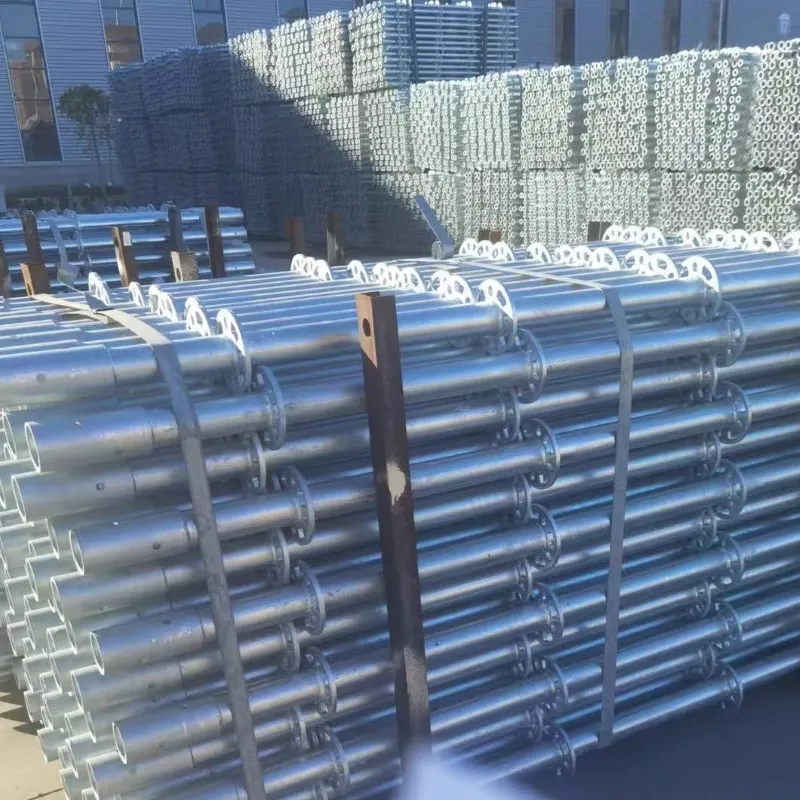
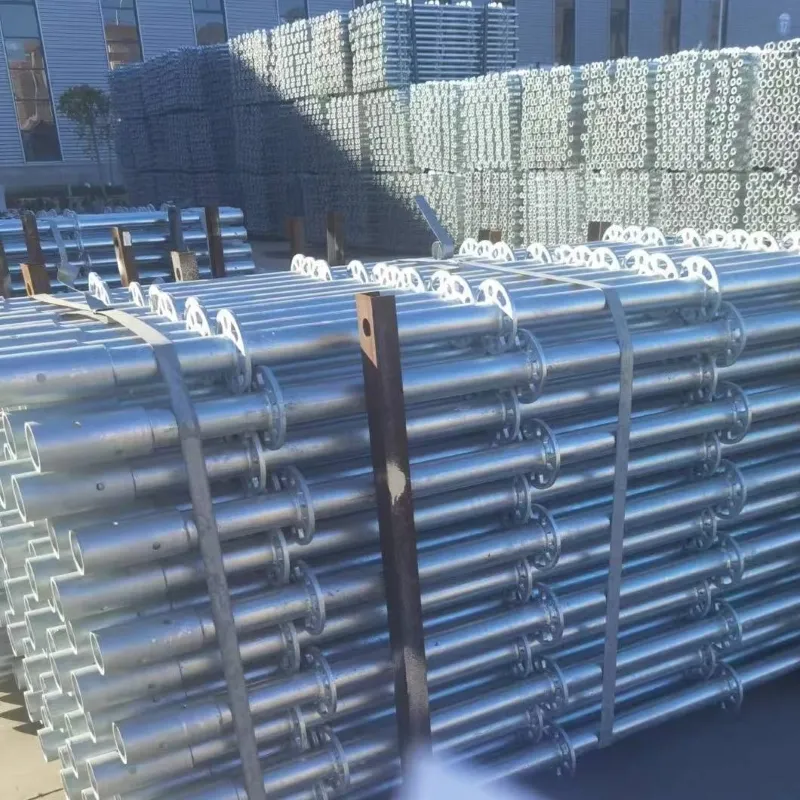
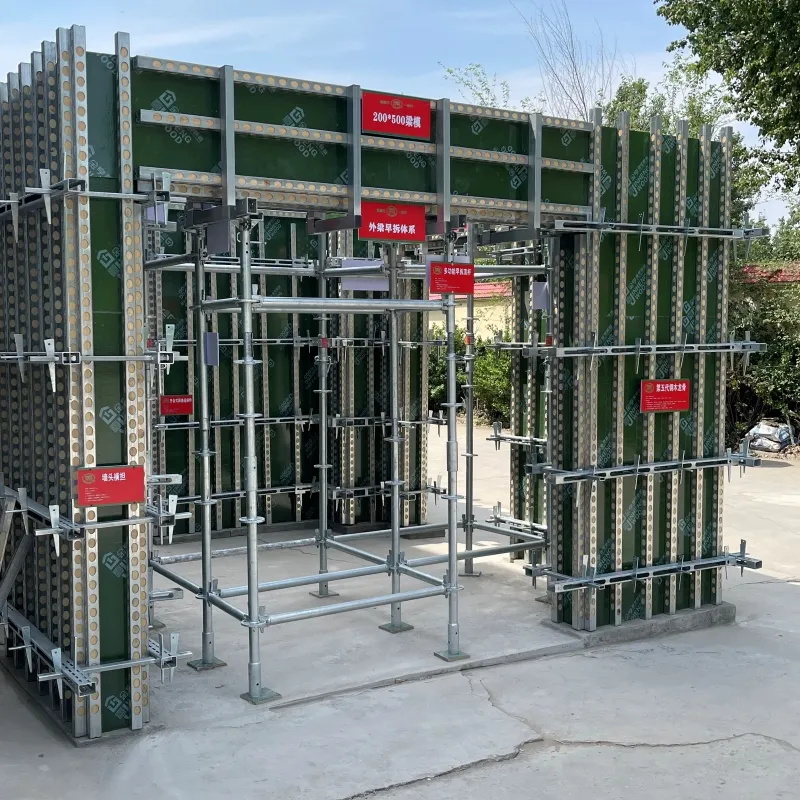
At its core, H Scaffolding refers to a modular steel scaffolding system characterized by its distinctive ‘H’-shaped frames. It's a staple in building and industrial projects because it combines robustness with ease of assembly—something that, frankly, can save on project timelines and safety headaches. The system’s design involves welded steel frames joined by cross braces and pins, offering excellent lateral stability and load-bearing capability.
- Product relevance: widely used across commercial construction, bridgeworks, and maintenance.
- Technical specs: typically frames are 2 meters tall and 0.7 meters wide, made from high-tensile steel (minimum yield strength of 355 MPa).
- Case study: One infrastructure firm reduced onsite setup times by 30% switching to H Scaffolding supplied by Formwork Reinforced.
| Specification | Details |
|---|---|
| Frame Dimensions | 2.0m (H) x 0.7m (W) |
| Material | High-Tensile Steel (Grade 355MPa) |
| Max Load Capacity | Up to 2.0 kN/m² depending on configuration |
| Connection Type | Pin and wedge system |
| Finish | Hot-dip galvanized for corrosion resistance |
Benefits & Use Cases of H Scaffolding
In real terms, what sets H Scaffolding apart is its combination of strength, flexibility, and safety compliance—all things that busy project managers really value. Its modular nature means it adapts well to uneven surfaces or complicated structural layouts. It also stands up well to heavy-duty tasks, such as bridge repairs or high-rise exterior work, where stability is non-negotiable.
- Applications: widely deployed in construction, shipbuilding, and large-scale industrial maintenance.
- Features: includes easy setup frames, systematic load distribution, and compatibility with various decks and guardrails.
- Competitive edge: hot-dip galvanization offers longer life under harsh weather compared to traditional paint finishes.
Cost, Maintenance & User Experience
Many B2B decision makers rightly worry about the total cost of ownership, not just sticker price. With H Scaffolding, the initial investment is often balanced by its durability and easy maintenance. The galvanized finish diminishes rust and stock losses over time, which translates into fewer replacements and less downtime.
- ROI: typical payback timelines for reputable brands like Formwork Reinforced hover around 2-3 years based on reduced maintenance and accidents.
- Customer feedback often praises the intuitive assembly system that minimizes labor hours on site.
- Field reports note enhanced safety compliance due to ergonomic design and clear labeling of load limits.
Sustainability & Market Trends
Sustainability isn’t just buzz these days, especially in the industrial sector. H Scaffolding manufacturers increasingly focus on using recyclable steel, reducing waste in production, and applying eco-friendly coatings. Plus, the ability to reuse and reconfigure the scaffolding multiple times reduces material consumption.
- Regulation: compliance with ISO standards and local safety legislation is part and parcel of trusted H Scaffolding range.
- Market growth: industry analysts predict increased adoption in refurbishment projects, as retrofit scaffolding demands eco-efficient products.
- Formwork Reinforced stays ahead by integrating digital inventory and lifecycle tracking, supporting circular economy goals.
| Vendor | Material Quality | Finish | Price Range | Warranty |
|---|---|---|---|---|
| Formwork Reinforced | High-tensile steel (355MPa) | Hot-dip galvanized | $$$ | 5 Years |
| Vendor B | Mild steel (250MPa) | Painted finish | $ | 2 Years |
| Vendor C | High-tensile steel (300MPa) | Powder coated | $$ | 3 Years |
Frequently Asked Questions about H Scaffolding
- What is H Scaffolding and how does it work?
- H Scaffolding is a metal scaffold system featuring ‘H’-shaped steel frames connected by brace kits. It works by creating stable, modular platforms that can be quickly erected for access at various heights, improving safety and efficiency on site.
- What are the main benefits of using H Scaffolding in industrial applications?
- It offers high load-bearing capacity, quick assembly, and versatility across different terrains. Additionally, durable finishes like galvanization improve longevity, making it a cost-efficient choice over time.
- How does H Scaffolding compare to traditional alternatives?
- Unlike traditional tube and clamp scaffolding, H Scaffolding features predefined frame sizes, which speeds up setup and improves safety. Its engineered components often exceed conventional standards in stability and ease of use.
- What industries can benefit most from H Scaffolding implementation?
- Construction, shipbuilding, petrochemical plants, and infrastructure maintenance greatly benefit due to the system’s adaptability and durable design. It’s especially popular in projects requiring repeatable, safe access solutions.
Conclusion on H Scaffolding from china
Summing up, H Scaffolding represents a smart investment for businesses looking to combine safety, efficiency, and durability in their project work. Its robust engineering and proven track record—especially with trusted suppliers like Formwork Reinforced—make it a top contender in modular scaffolding solutions. Interested readers should definitely visit our website for more details and tailored support: https://www.formworkreinforced.com
- It’s a versatile solution backed by strong materials and smart design.
- Key to improving safety and reducing downtime in complex projects.
-
Comprehensive Guide to Scaffolding Rods for Safe Construction PracticesNewsFeb.24,2026
-
Comprehensive Guide to Different Types of Scaffolding for Construction ProjectsNewsFeb.11,2026
-
The Crucial Role and Safe Use of Scaffolding in Modern Construction ProjectsNewsJan.30,2026
-
Maximize Productivity and Safety with a Versatile 7m Scaffold TowerNewsJan.27,2026
-
6m Scaffold Tower: A Comprehensive Guide for B2B BuyersNewsJan.26,2026
-
6ft Scaffold: Durability and Safety in ConstructionNewsJan.25,2026
-
6 Scaffolding: A Modern Construction SolutionNewsJan.24,2026