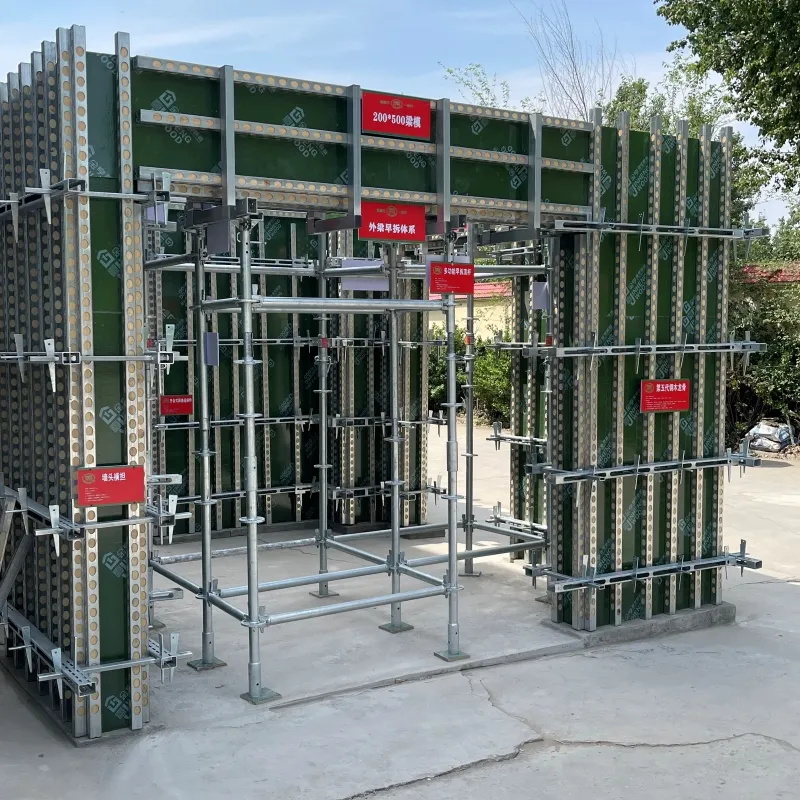

Climbing Formwork: Revolutionizing Vertical Construction with Safety and Efficiency
Climbing Formwork: The Backbone of Modern Vertical Construction
If you’ve ever admired a skyscraper rising floor by floor or seen bridges climbing into the sky, there’s a good chance climbing formwork had a hand (or rather, a platform) in making that possible. This seemingly technical term is actually one of the most vital construction innovations globally, shaping how we build up safely, efficiently, and sustainably.
Climbing formwork isn’t just a buzzword for engineers—it’s a system that’s revolutionized the vertical construction landscape across continents. From the tallest towers in Dubai to critical infrastructure rebuilding after natural disasters, understanding climbing formwork opens a window into safer, faster, and more cost-efficient building methods that benefit communities worldwide.
Global Context: Why Climbing Formwork Matters Now More Than Ever
As urban populations swell and infrastructure demands grow, the construction industry faces unprecedented pressure to deliver tall buildings quickly and sustainably. According to the United Nations’ 2023 report, over 55% of the global population now lives in urban areas—a number expected to rise to 68% by 2050. That means vertical construction is booming, especially in rapidly developing regions across Asia, Africa, and Latin America.
But with speed comes challenges: safety hazards, labor shortages, cost overruns, and environmental impact concerns. This is where climbing formwork steps in. It offers a practical response to these challenges by enabling continuous upward construction without dismantling and reassembling the entire formwork every time you build a new floor.
What Is Climbing Formwork? A Simple Definition
Picture this: instead of building concrete walls one slab at a time and disassembling scaffolding repeatedly, climbing formwork systems literally “climb” the structure. They are specially designed platforms and molds that move up as construction progresses, often powered by hydraulic jacks or cranes.
This allows crews to pour concrete for large vertical elements like cores and shafts efficiently and safely. Simply put, climbing formwork is a reusable, adjustable mold system that grows with a building instead of being torn down and rebuilt for every story.
Core Components of Climbing Formwork Systems
1. Durability and Material Strength
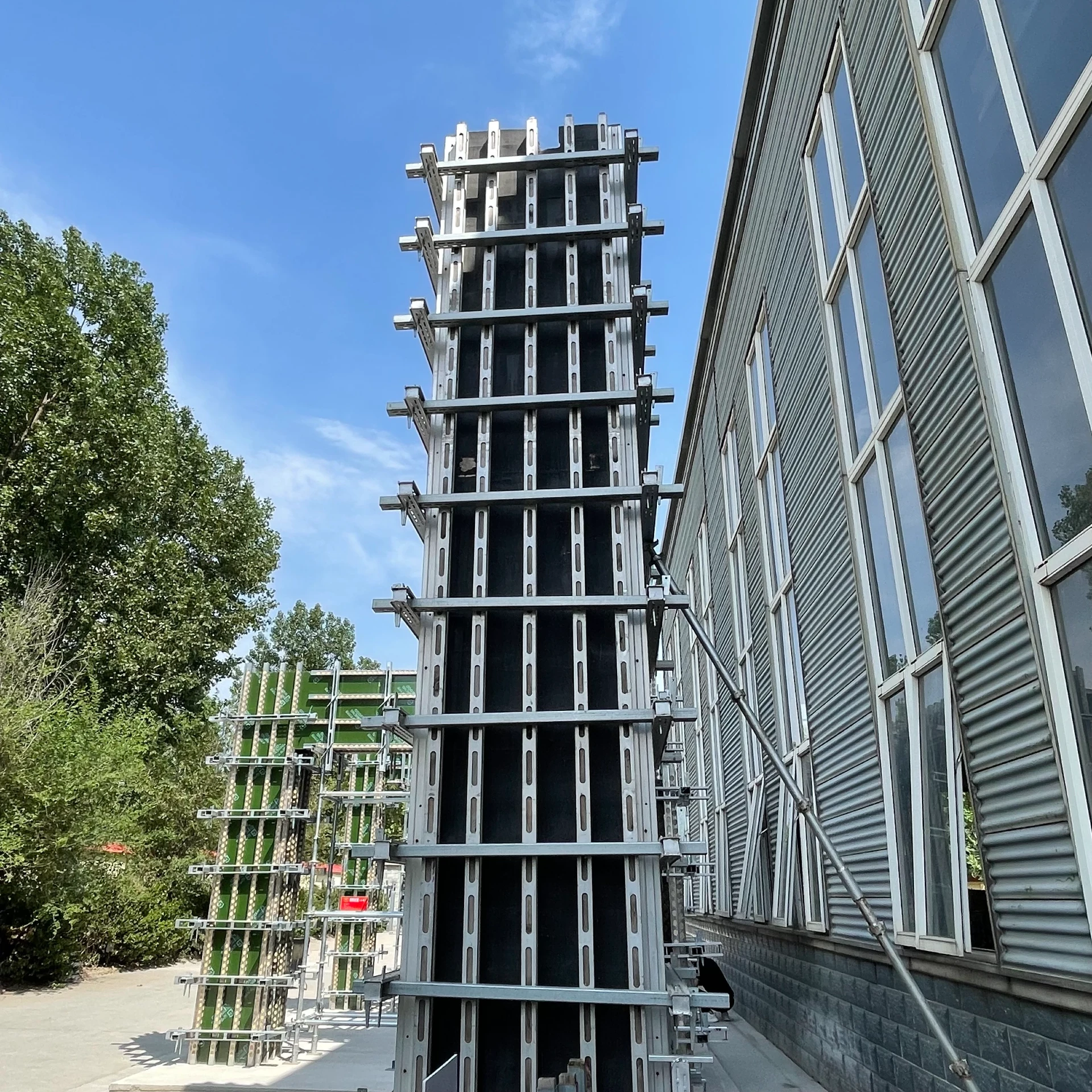
The system’s durability is crucial. Most climbing formwork uses high-grade steel or aluminum alloys to withstand repeated use and significant loads. Durability directly impacts safety and reusability, which influence overall project economics.
2. Scalability and Adaptability
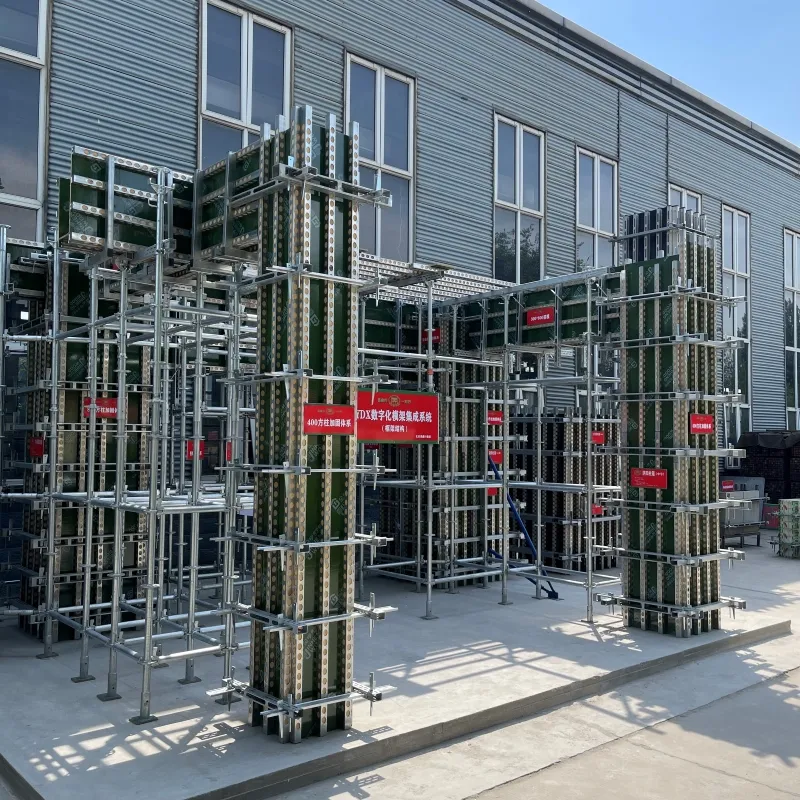
Because no two building projects are identical, the formwork has to scale and adapt easily. Modular components can be configured for various shapes and heights, making climbing formwork a versatile choice from residential towers to industrial chimneys.
3. Efficiency and Speed
One of the big draws is time-saving. The hydraulic jacking systems enable quick shifts upward, minimizing downtime between concrete pours, accelerating the schedule. That allows developers to save on labor and equipment rental costs.
4. Safety Features
Since these platforms carry workers at great heights, safety rails, non-slip surfaces, and controlled climbing mechanisms are standard. This greatly reduces workplace accidents compared to more traditional scaffolding or shakeout-based systems.
Product Specifications Snapshot
| Feature | Specification |
|---|---|
| Material | High-grade steel and aluminum alloy mix |
| Max climbing height per lift | 2 to 3 meters |
| Load capacity | Up to 30 tons per platform |
| Hydraulic power | Integrated hydraulic jacks, 10-15 kW motors |
| Safety features | Safety rails, harness anchors, fail-safe locks |
Mini takeaway: Climbing formwork’s design blends strength, adaptability, and safety to meet the demanding vertical construction market efficiently.
Global Vendor Comparison: Who’s Leading the Climbing Formwork Market?
| Vendor | Product Range | Innovation Level | Global Reach | Typical Projects |
|---|---|---|---|---|
| PERI | Wide – Modular climbing formwork, self-climbing systems | High – Patented hydraulic climbing technology | Worldwide, strong in Europe & Asia | Skyscrapers, bridges, tunnels |
| Doka | Self-climbing, crane-lift formwork | Medium-High – Focus on safety innovations | Global, strong in Americas | High-rise residential & commercial |
| ULMA Construction | Self-climbing systems, special solutions | Medium – Tailored to complex geometries | Strong in Europe and emerging markets | Civil infrastructure, power plants |
Mini takeaway: When selecting climbing formwork, consider innovation, project type, and regional support — each major vendor has unique strengths.
Applications and Real-World Use Cases of Climbing Formwork
Around the globe, climbing formwork is a staple in building tall structures swiftly and safely. For instance, in Dubai, projects like the Burj Khalifa relied on climbing formwork to achieve record-breaking heights.
Oddly enough, the technology also plays a critical role in disaster mitigation. In post-earthquake Nepal, modular climbing formwork systems helped rebuild sturdier infrastructure, accelerating recovery times.
Industrial sectors such as power plants and large chimneys use climbing formwork due to its ability to form complex vertical shapes continuously. And you’ll also find it in remote zones in Africa and Southeast Asia, where rapid, reliable construction is essential but labor is scarce.
Advantages & Long-Term Value
- Cost Efficiency: By reducing the need for scaffold assembly/disassembly, labor and material costs drop significantly.
- Sustainability: Durable materials and reusability cut waste, aligning with global ISO sustainability goals.
- Safety: Integrated safety systems reduce accidents, protecting worker lives.
- Timeliness: Faster construction improves financing and occupancy timelines, benefiting all stakeholders.
Frankly, it’s the blend of these benefits that gives climbing formwork its staying power and appeal—from engineers to investors.
Looking Forward: Trends & Innovations
The future looks bright. Digital twins and BIM (Building Information Modeling) now integrate climbing formwork designs, making setup and adjustments more precise. And the rise of green energy is pushing the use of lightweight composites that reduce carbon footprints.
Automation, with robotic climbing and self-adjusting systems, is beginning to emerge, promising even faster cycle times and safer operations. Sustainability certifications increasingly play a role too—projects want products certified to ISO 14001 environmental standards.
Challenges and Expert Solutions
Of course, climbing formwork isn’t without challenges. The upfront investment can be hefty, and mastering hydraulic systems requires skilled operators. But training programs and leasing models help overcome these barriers.
Additionally, projects with irregular geometries can complicate formwork design, but customization from vendors like ULMA offsets this issue. So while the technology isn’t a one-size-fits-all miracle, it comes close.
FAQ: Common Questions About Climbing Formwork
- Q: How does climbing formwork speed up high-rise construction?
A: It eliminates repetitive assembly by moving the entire formwork upwards after each concrete pour, reducing downtime and labor. - Q: Is climbing formwork reusable, and how many times can it typically be used?
A: Yes, it’s designed for reuse. With proper maintenance, systems can handle dozens to hundreds of cycles, making them cost-effective long-term. - Q: Can climbing formwork be used on curved or irregular building shapes?
A: Many modern systems are modular and customizable, allowing adaptation to complex geometries, though this may increase initial design effort. - Q: What safety measures reduce risks when using climbing formwork?
A: Features like non-slip platforms, safety rails, harness anchors, and fail-safe hydraulic locks all contribute to worker safety at height. - Q: How can construction firms rent or buy climbing formwork internationally?
A: Most vendors offer leasing, sales, and technical support globally. Firms usually contact them directly or through regional distributors; international shipping is also often available.
Wrapping It Up: Why Climbing Formwork Is a Game-Changer
In real terms, climbing formwork offers a powerful tool for the construction industry’s future—balancing speed, safety, cost, and sustainability. Its global impact spans fast-growing megacities and remote projects alike. As innovations accelerate, this tech feels less a niche product and more a construction essential.
Curious to see climbing formwork in action or explore solutions tailored to your next project? Visit our website: climbing formwork for in-depth resources and expert guidance.
Reflection: Climbing formwork is one of those quiet industry heroes—mostly behind the scenes but absolutely critical. Its ability to keep complexity manageable, enhance safety, and reduce waste feels particularly timely as construction meets the demands of the 21st century.
References
-
Comprehensive Guide to Scaffolding Rods for Safe Construction PracticesNewsFeb.24,2026
-
Comprehensive Guide to Different Types of Scaffolding for Construction ProjectsNewsFeb.11,2026
-
The Crucial Role and Safe Use of Scaffolding in Modern Construction ProjectsNewsJan.30,2026
-
Maximize Productivity and Safety with a Versatile 7m Scaffold TowerNewsJan.27,2026
-
6m Scaffold Tower: A Comprehensive Guide for B2B BuyersNewsJan.26,2026
-
6ft Scaffold: Durability and Safety in ConstructionNewsJan.25,2026
-
6 Scaffolding: A Modern Construction SolutionNewsJan.24,2026