
Climbing Form Work Explained: Global Impact, Benefits & Innovations
Understanding Climbing Form Work: The Backbone of Vertical Construction
At first glance, climbing form work might sound like a niche engineering term. Yet, it’s a cornerstone of modern construction, especially when building skyscrapers, bridges, or large infrastructure projects. Globally, with urban populations swelling and infrastructure demands rising, climbing formwork techniques have transformed how concrete structures are erected safely, efficiently, and cost-effectively. Understanding climbing form work means appreciating a technology that’s literally shaping the skylines of tomorrow—one floor at a time.
Introduction: Why Climbing Form Work Matters Globally
The construction industry accounts for nearly 38% of global carbon emissions, according to the UN Environment Programme (UNEP), making innovations that streamline operations and reduce waste critical. Moreover, rapid urbanization—in parts of Asia, Africa, and South America—has led to a spike in high-rise construction. This is where climbing formwork shines, helping builders overcome challenges like worker safety at height, project speed, and reducing material waste.
Oddly enough, despite its importance, many in the public barely notice these towering giants being assembled floor by floor. Yet, climbing formwork addresses a key issue: how to build tall concrete structures effectively without costly crane time or excessive labor. The outcome? Faster, safer, and more sustainable vertical construction.
What Is Climbing Form Work?
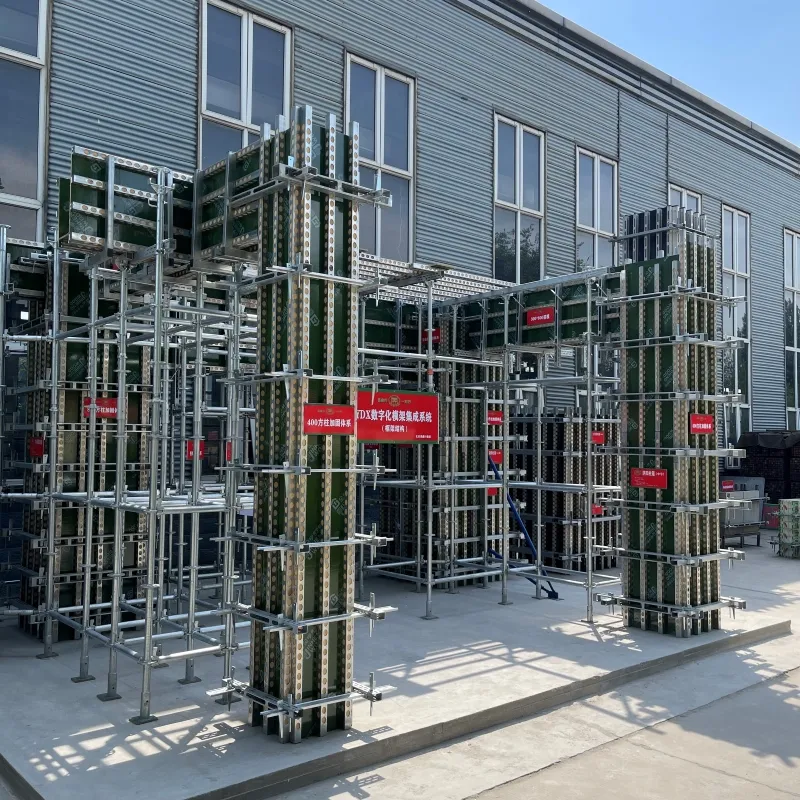
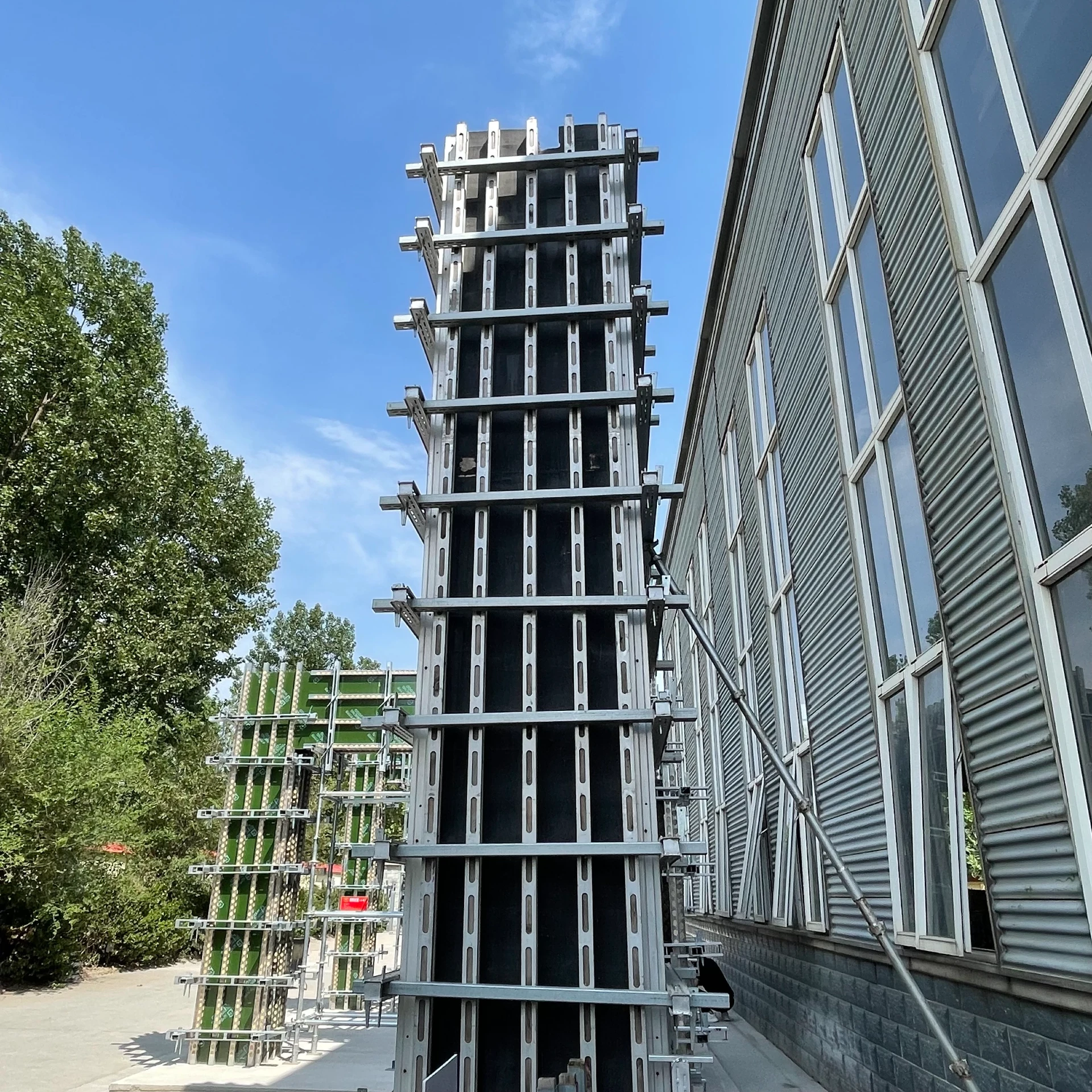
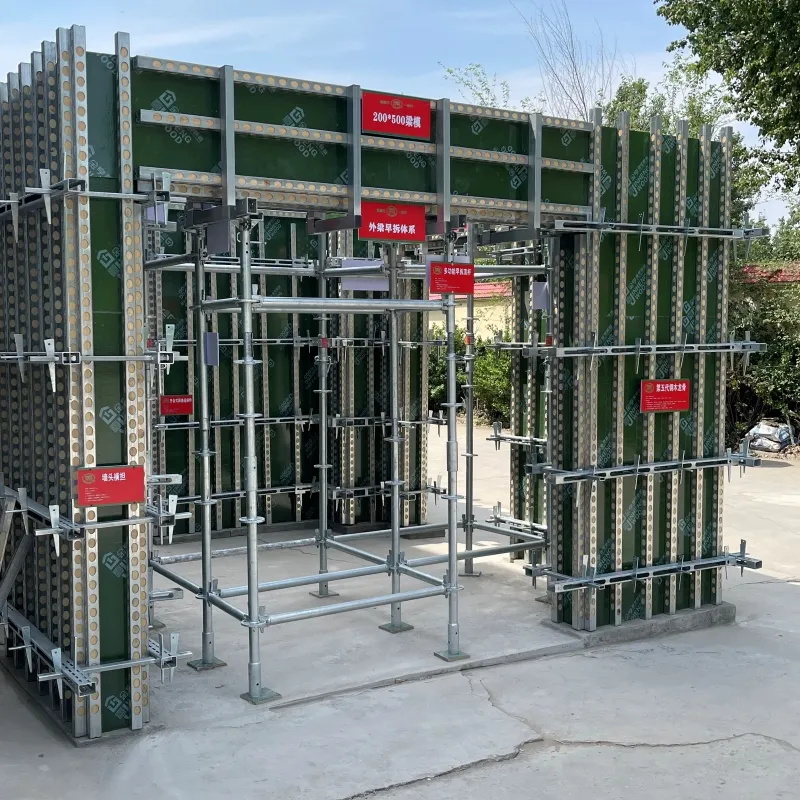
In plain terms, climbing form work refers to a temporary mold that “climbs” upwards along a building’s vertical surface, allowing concrete to be poured safely layer by layer. Unlike traditional formwork fixed to the ground, climbing formwork moves up as each floor sets, reusing the same equipment for successive sections of a structure. This technique is essential for tall vertical concrete walls, cores, and columns.
Think of it as scaffolding meets mold — a dynamic formwork system that adapts to the building’s height. Its importance extends beyond commercial buildings; it’s used in dams, tunnels, and emergency shelters, indirectly supporting humanitarian infrastructure efforts worldwide.
Key Components of Climbing Form Work
1. Structural Durability
The materials and design must withstand intense pressure from wet concrete, weather, and repeated use. Steel and aluminum frames are common, optimized for weight and strength balance. Durability translates directly to safety and long-term project savings.
2. Mobility & Scalability
Its defining feature — climbing formwork can be jacked up mechanically or hydraulically. This scalability means it accommodates varying building heights without replacing components, saving time and costs.
3. Safety Features
Integrating guardrails, working platforms, and secure anchoring is essential. Many engineers emphasize investing in these features to protect workers and prevent costly accidents on-site.
4. Cost Efficiency
Though climbing formwork has a higher upfront cost, its reuse and reduced crane time make it attractive. Construction firms save on labor and material waste, a big win on large projects.
5. Adaptability
Customization allows climbing formwork to suit complex architectural designs and varied concrete thicknesses. Flexibility here supports innovation rather than hampers it.
Mini takeaway: The best climbing form work systems blend durability, movement, safety, and adaptability — all crucial considerations when planning tall concrete structures.
Global Applications and Real-World Use Cases
Climbing formwork is everywhere—from the burgeoning skylines of Shanghai to the hydroelectric dams of Brazil. In Southeast Asia, it's enabling rapid construction of residential towers to house exploding urban populations. In post-disaster zones, such technology accelerates the rebuilding of infrastructure while adhering to safety standards.
- Urban Developments: High-rise residential and office towers depend on climbing formwork for concrete cores.
- Infrastructure: Bridge piers and tunnel linings often use climbing systems for large vertical pours.
- Industrial Facilities: Chemical plants and power stations use it for thick concrete walls that must meet stringent safety standards.
Organizations such as the International Federation of Red Cross have acknowledged that rapid deployment of reinforced concrete shelters is facilitated by advances in climbing formwork methods. The ability to reuse components internationally also adds an economical and logistical benefit for global projects.
Product Specification: Typical Climbing Form Work System
| Component | Specification | Purpose |
|---|---|---|
| Frame Material | Steel Grade S355 / Aluminum Alloy | Strength and lightweight |
| Mechanical Lifting System | Hydraulic jacks, capacity > 30 tons | Automated vertical movement |
| Work Platforms | Modular, non-slip surfaces | Enables safe worker access |
| Anchorage Systems | Custom-brackets for structural walls | Secures formwork to structures |
Comparing Leading Climbing Form Work Vendors
| Vendor | Material Quality | Safety Features | Customization Options | Typical Project Scale |
|---|---|---|---|---|
| FormX Solutions | High-grade steel, certified ISO 9001 | Advanced guardrails and fail-safe jacks | Fully modular with custom brackets | Large commercial towers |
| SkyLift Formwork | Aluminum alloy, lightweight | Built-in safety nets and scaffolding | Flexible modular design | Mid-rise buildings, bridges |
| TowerEdge Systems | Hybrid steel-aluminum | Custom fall arrest & alarms | Specialized for complex curves | Special infrastructure projects |
Advantages and Long-term Value of Climbing Form Work
When a construction manager chooses climbing formwork, they’re really betting on time savings, reduced labor risk, and material efficiency. This choice translates into measurable benefits:
- Cost Savings: Less crane time and fewer workers at height equals smaller budgets.
- Improved Safety: Integrated platforms and safety nets reduce accidents dramatically.
- Sustainability: Durable reusable components cut down waste and embodied energy.
- Social Impact: Faster, safer buildings mean communities get vital infrastructure quicker.
Frankly, these long-term values establish trust between engineers, workers, and stakeholders — which every project needs.
Looking Ahead: Innovations & Future Trends
The climbing formwork industry is not standing still. Digital transformation is now embedding sensors and real-time monitoring into formwork platforms, boosting safety and reporting. Materials science is pushing lightweight composites alongside steel, shaving pounds without losing strength. And with sustainability in focus, many vendors are optimizing designs for circular use and lower carbon footprints.
Oddly enough, these systems might even integrate with robotic automation soon, enabling semi-autonomous climbing and concrete pouring — a real leap forward addressing labor shortages.
Challenges and Expert Solutions
Of course, climbing formwork faces challenges:
- Initial Cost: Upfront investment can be high — but long-term models usually offset this.
- Complexity: Custom projects take skilled engineers to design and operate successfully.
- Weather Dependency: Harsh environments slow or complicate climbing formwork deployment.
Experts recommend thorough site analysis, staged training for crews, and choosing vendors with after-sales support to mitigate these issues. Innovative modular designs and hydraulic controls continue to evolve to meet these challenges.
FAQ: Common Questions About Climbing Form Work
- How does climbing formwork improve construction speed?
- By allowing the entire formwork system to rise with the concrete structure, it eliminates repeated assembly/disassembly between floors, streamlining workflow and reducing crane use.
- Is climbing formwork suitable for irregular building shapes?
- Yes, many modern systems are customizable with flexible panels and brackets to accommodate complex architectural designs, though these require advanced engineering.
- What safety measures are typically included?
- Platforms with guardrails, safety nets, fail-safe locks, and fall arrest systems are standard to protect workers operating at height.
- Can climbing formwork be used in disaster relief housing?
- While normally for commercial projects, modular and rapidly deployable climbing systems help build durable concrete shelters quickly, improving resilience in disaster zones.
Conclusion: Climbing Form Work — Building the Future, Floor by Floor
Climbing form work isn't just construction jargon; it's a pivotal technology for modern infrastructure, balancing efficiency, safety, and sustainability. Whether it’s reshaping urban lockdowns or reinforcing vital dams, its long-term benefits ripple through society. For those curious to dive deeper or explore solutions tailored to your project, climbing form work experts are ready to help.
In real terms, investing in reliable climbing formwork is investing in tomorrow’s city skylines and safer communities. You might say, it’s the hidden hero in concrete construction.
References:
-
Comprehensive Guide to Scaffolding Rods for Safe Construction PracticesNewsFeb.24,2026
-
Comprehensive Guide to Different Types of Scaffolding for Construction ProjectsNewsFeb.11,2026
-
The Crucial Role and Safe Use of Scaffolding in Modern Construction ProjectsNewsJan.30,2026
-
Maximize Productivity and Safety with a Versatile 7m Scaffold TowerNewsJan.27,2026
-
6m Scaffold Tower: A Comprehensive Guide for B2B BuyersNewsJan.26,2026
-
6ft Scaffold: Durability and Safety in ConstructionNewsJan.25,2026
-
6 Scaffolding: A Modern Construction SolutionNewsJan.24,2026