
Building Formwork: Essential Guide to Construction Molds & Innovation
Understanding Building Formwork: The Backbone of Modern Construction
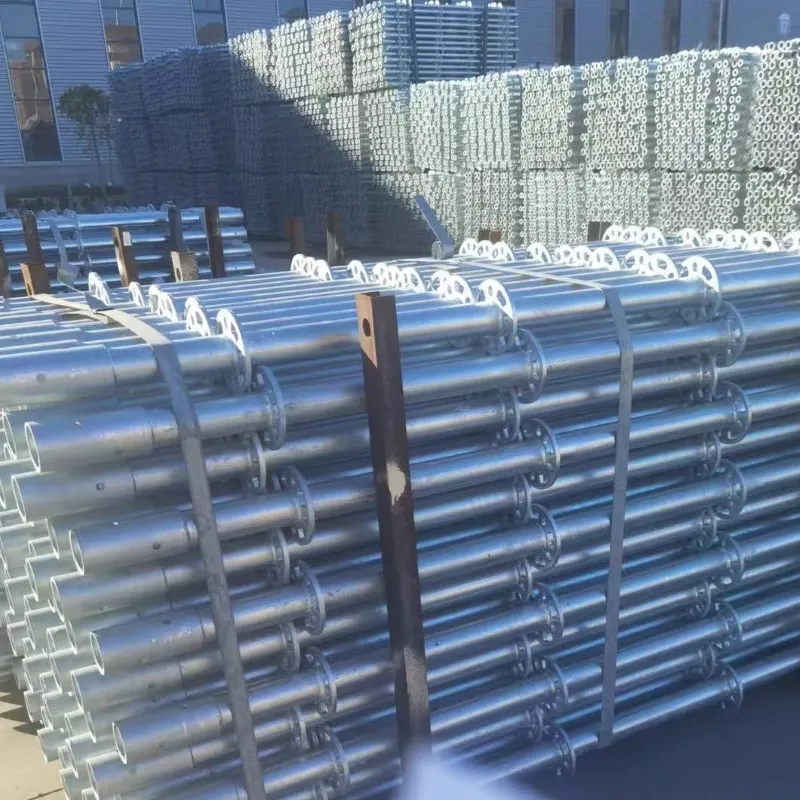
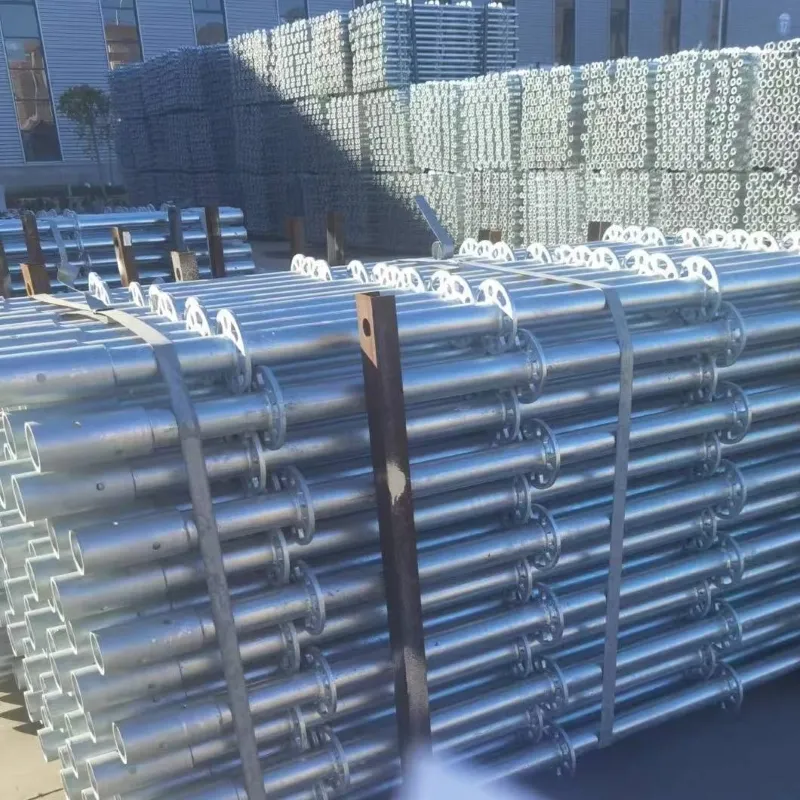
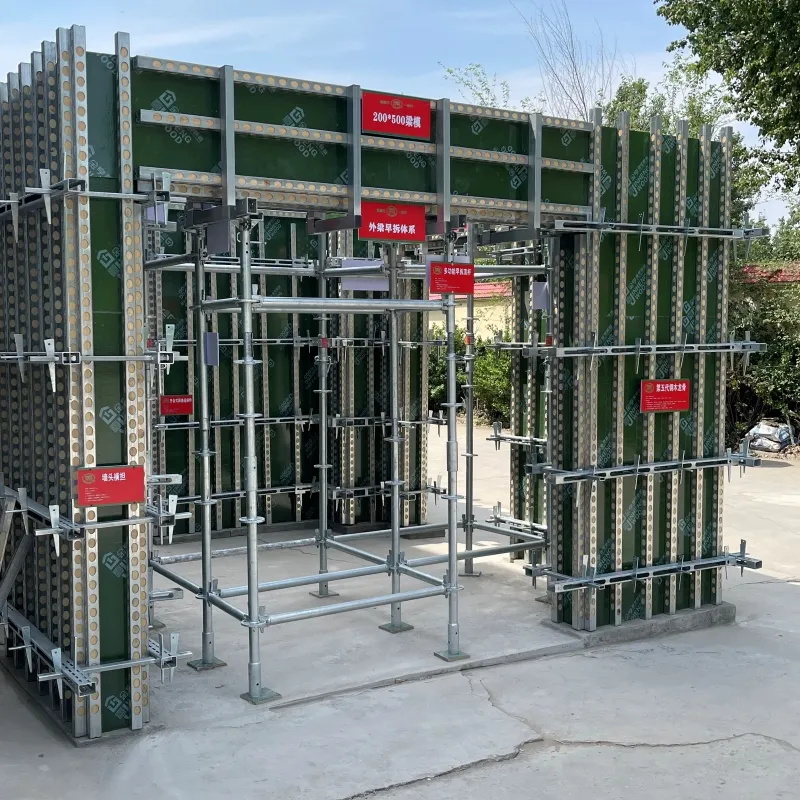
Building formwork, frankly, is one of those unsung heroes in construction that shapes the very foundations and skeletons of our buildings. Perhaps it sounds a bit technical—because it is—but really, it’s about the temporary molds or structures used to hold concrete in place until it sets solid. This matters globally; from skyscrapers in New York to emergency shelters after natural disasters, formwork ensures that structures are safe, efficient, and durable. The benefits of understanding building formwork go beyond just concrete pouring. It's about cost efficiency, sustainability, and even the potential to expedite post-disaster reconstruction. If you’re involved with the building formwork industry, whether as an engineer, project manager, or supplier, knowing its nuances unlocks practical advantages.
Global Context: Why Building Formwork Matters Today
To really appreciate modern building formwork, consider some stats: the construction industry accounts for about 13% of global GDP (World Bank, 2023). With urban populations expanding, especially in Asia and Africa, the demand for durable housing and infrastructures grows exponentially.
The UN Habitat report emphasizes that over 1 billion people live in inadequate housing, where formwork systems can accelerate safe construction. Yet, here's the challenge—traditional formwork can be expensive, labor-intensive, and environmentally taxing. At this crossroads, innovative formwork solutions are stepping in to address these issues.
What Exactly is Building Formwork?
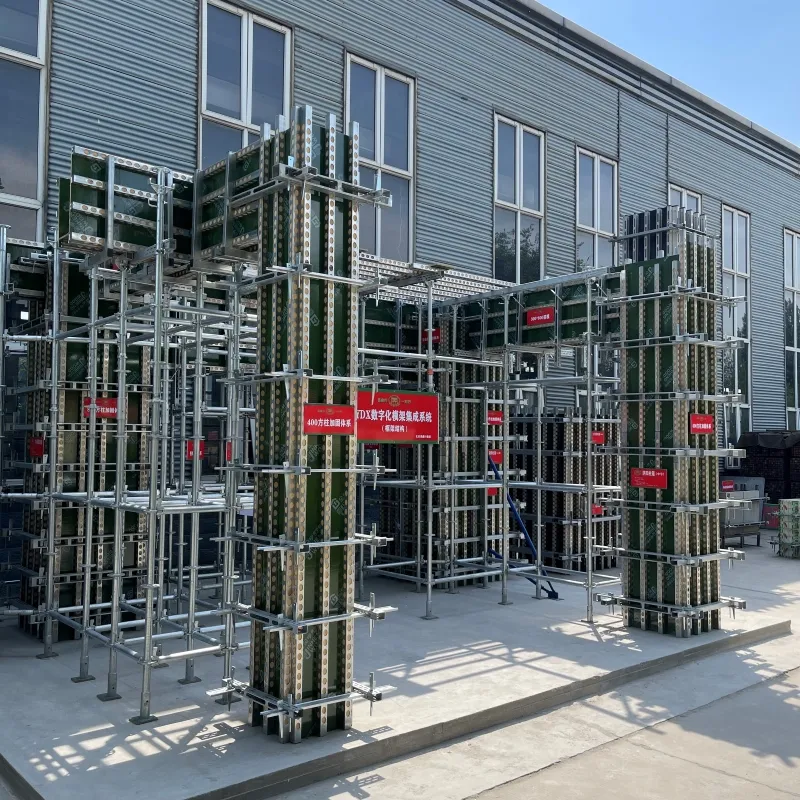
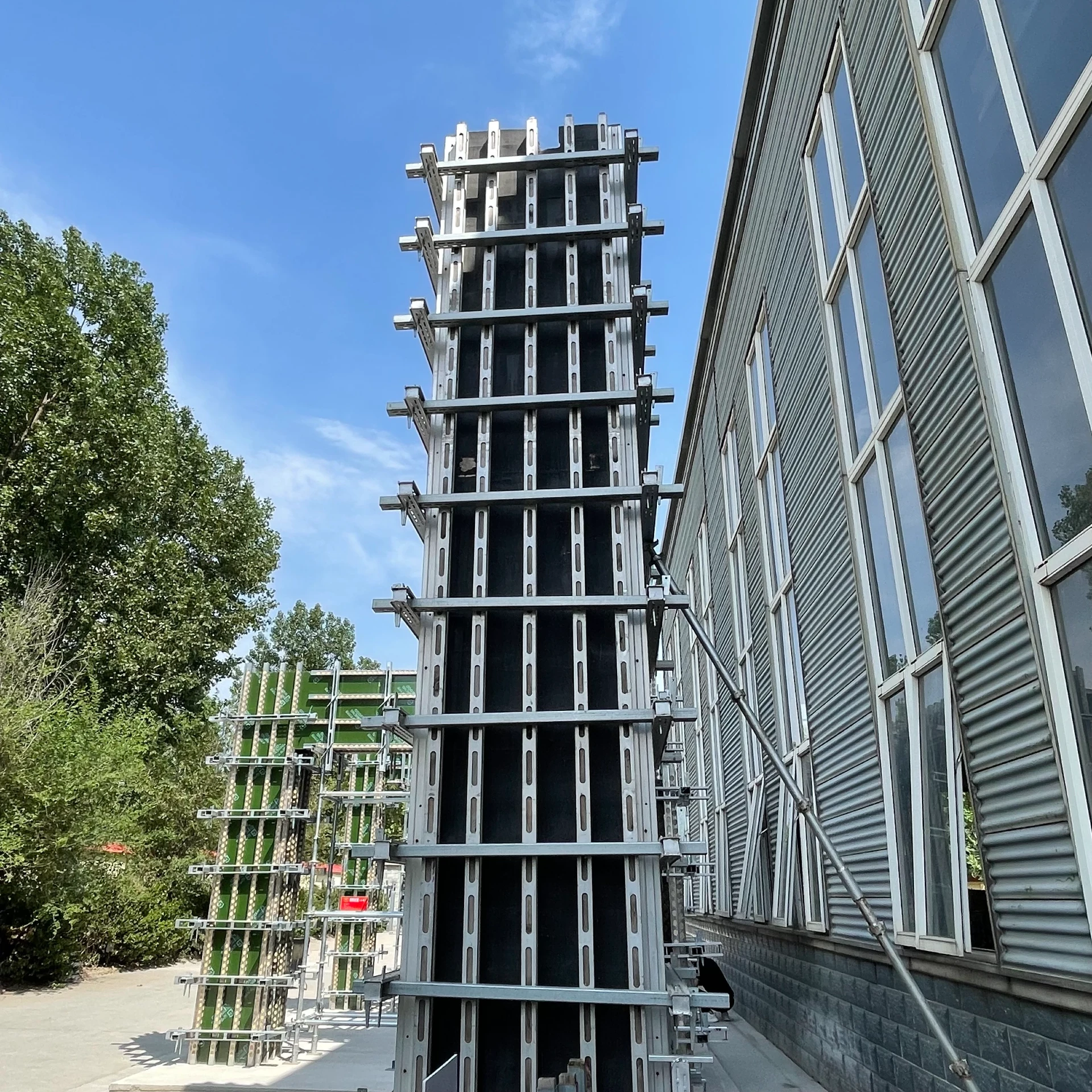
Simply put, building formwork is a temporary or permanent mold used to hold fresh concrete until it hardens. Think of it as a sturdy box in which concrete "sets" to take its intended shape—from simple slabs and columns to complex curved walls.
Its importance spans humanitarian needs, such as post-disaster shelter rebuilding, and industrial growth, including infrastructure projects that connect communities.
Core Components of Building Formwork
Durability and Strength
Formwork has to withstand significant pressure from wet concrete, sometimes reaching 5,000 pounds per square foot. Materials like steel and plastic composites have revolutionized durability, allowing repeated use and less waste.
Scalability and Flexibility
Effective formwork systems adapt well, from small residential projects to massive commercial structures. Modular components make it possible to scale quickly, a crucial factor in disaster relief or rapid urban expansion.
Cost Efficiency
While upfront costs can vary, long-term savings come from reusable panels and reduced labor. Prefabricated formwork systems reduce onsite assembly time, often slashing project duration by 20% or more.
Sustainability
Increasingly, formwork manufacturers adopt eco-friendly materials and processes—think recycled plastics or sustainably sourced timber—helping reduce construction footprints.
Safety
Safe formwork reduces accidents on construction sites. Designs now often include better scaffolding and ergonomic assembly, which directly impacts worker well-being.
Real-World Applications of Building Formwork
Globally, formwork finds use in myriad contexts:
- Urban Development: Cities in China, India, and Brazil rapidly constructing skyscrapers and residential blocks rely heavily on formwork to maintain quality and speed.
- Post-disaster Reconstruction: NGOs and governments use modular formwork systems to rebuild housing efficiently after earthquakes or floods.
- Industrial Zones: Remote mining or energy projects use adaptable formwork to erect buildings in challenging environments.
- Bridge and Infrastructure Projects: Formwork is crucial when casting concrete over water or complex terrains.
For example, in the aftermath of the 2020 floods in Southeast Asia, modular formwork helped rebuild over 3,000 homes within months, restoring dignity and shelter.
Advantages and Long-Term Value of Building Formwork
When you peel back the layers, formwork provides clear, tangible advantages:
- Cost Savings: Reusable formwork means better budgets, especially for large-scale projects.
- Environmental Impact: New eco-materials reduce deforestation and waste on sites.
- Safety Improvements: Reducing onsite accidents protects workers and improves morale.
- Speed and Innovation: Quick assembly lets contractors meet tight deadlines.
- Social Impact: Faster completion of housing creates safer, healthier communities.
Ultimately, this translates into trust—among developers, workers, and end-users—that structures will hold up and serve their purposes well.
Future Trends & Innovations in Building Formwork
Technology isn’t standing still. Oddly enough, digital transformation and sustainability intersect significantly here:
- Automation: Robots and AI-assisted assembly reduce human error and speed installation.
- Smart Materials: Embed sensors in formwork to monitor curing processes in real-time.
- Green Energy Integration: Formwork components that incorporate solar panels or insulation materials.
- 3D-Printed Formwork: Enables highly customizable, intricate shapes with less waste.
These trends hint at a more resilient and responsive construction future.
Common Challenges & Their Solutions
That said, building formwork still faces practical challenges:
- High Initial Cost: While reusable, the upfront investment can deter smaller builders. Leasing models and cooperative ownership are emerging as workarounds.
- Logistical Complexity: Transporting large panelized formwork can be tricky. Local manufacturing reduces dependency on long-haul shipments.
- Material Wear: Even durable materials degrade. Ongoing maintenance schedules extend lifespan.
- Worker Training: New tech requires skilled operators. Training programs boost adoption.
Technical Specification Table: Typical Building Formwork Panel
| Specification | Details |
|---|---|
| Material | Steel frame with plywood or plastic facing |
| Panel Size | 1.2m × 2.4m standard (custom sizes available) |
| Max Load Capacity | Up to 50 kN/m² |
| Reusability | 30+ cycles with proper maintenance |
| Weight | ~ 30kg per panel |
| Typical Cost | $50 - $80 per panel |
Vendor Comparison: Building Formwork Providers
| Vendor | Product Range | Eco-Friendliness | Price Tier | Customer Support |
|---|---|---|---|---|
| FormMaster Inc. | Universal and Custom Panels | High (recycle-based materials) | Mid-range | 24/7 Support |
| EcoForm Solutions | Modular Plastic & Timber Panels | Very High (sustainably sourced timber) | Premium | Personalized Training |
| BuildRight Corp. | Standard Steel Frame Systems | Moderate | Budget | Limited Hours |
Frequently Asked Questions About Building Formwork
- What makes modular building formwork better than traditional timber shuttering?
- Modular formwork systems are reusable, faster to install, and provide better uniformity in concrete shapes. Unlike timber shuttering, which is often single-use and labor-intensive, modular panels reduce waste, improve onsite safety, and cut project timelines significantly.
- How long can modular formwork typically last on construction sites?
- With proper maintenance, modular building formwork panels can be reused up to 30 or more cycles. Material choice and handling affect longevity, but steel and plastic composite panels help extend lifespan far beyond traditional timber options.
- Are eco-friendly formwork materials really cost-effective?
- Though initial costs might be higher for eco-friendly materials like recycled plastics or sustainably sourced timber, their reusability and waste reduction provide long-term savings. Additionally, they align better with green building certifications increasingly demanded by clients.
- Can NGOs easily import building formwork solutions for disaster relief internationally?
- Yes, many formwork manufacturers offer logistics support and modular designs tailored for easy shipping. International aid organizations often partner with suppliers experienced in rapid deployment kits that are simple to transport and assemble onsite.
- How does digital technology integrate with building formwork today?
- Sensors embedded in formwork monitor concrete curing and structural integrity in real-time. Also, BIM (Building Information Modeling) software assists in planning formwork layout, minimizing errors and improving resource allocation.
Conclusion
In summary, building formwork is a vital, evolving cornerstone of the construction world. It bridges the gap between raw materials and resilient structures — sustainably, efficiently, and safely. As the global demand for housing and infrastructure rises, understanding and investing in innovative formwork systems pays dividends in speed, cost, and environmental impact. For anyone curious or involved, a visit to building formwork suppliers and resources is well worth your time.
It feels like formwork is more than just a technical element—it’s a facilitator of progress, safety, and dignity in building the spaces we live and work in.
References
- World Bank: Urban Development Overview
- UN-Habitat: Global Housing Report
- ISO 39001: Road Traffic Safety Management Systems (for safety standard context)
-
Comprehensive Guide to Scaffolding Rods for Safe Construction PracticesNewsFeb.24,2026
-
Comprehensive Guide to Different Types of Scaffolding for Construction ProjectsNewsFeb.11,2026
-
The Crucial Role and Safe Use of Scaffolding in Modern Construction ProjectsNewsJan.30,2026
-
Maximize Productivity and Safety with a Versatile 7m Scaffold TowerNewsJan.27,2026
-
6m Scaffold Tower: A Comprehensive Guide for B2B BuyersNewsJan.26,2026
-
6ft Scaffold: Durability and Safety in ConstructionNewsJan.25,2026
-
6 Scaffolding: A Modern Construction SolutionNewsJan.24,2026