
Aluminium Shuttering Price: Key Factors, Global Trends, and Cost Benefits Explained
Understanding Aluminium Shuttering Price: What Drives Its Value in Modern Construction?
Aluminium shuttering price might sound like a niche term, but in construction circles worldwide, it’s a phrase that echoes in budgeting meetings and procurement plans daily. At its core, it refers to the cost of aluminium formwork systems used to mold concrete structures — essentially the temporary molds that shape walls, columns, and slabs. Why does this matter beyond the construction yard? Because the price of aluminium shuttering influences project profitability, sustainability measures, and even the speed at which infrastructure is built globally. Knowing the variables impacting it helps engineers, contractors, and planners make smarter investments — especially as urban populations surge and demand for speedy, reliable construction rises.
Aluminium Shuttering Price: A Global Industry Perspective
Globally, infrastructure development is booming. The United Nations reported that over 55% of the world’s population lives in urban areas as of 2023, a number expected to hit 68% by 2050. This urban surge translates to an extraordinary demand for housing, commercial spaces, and transportation networks. To keep up, construction firms increasingly rely on aluminium shuttering systems because they are lightweight, reusable, and speed up the concrete setting process. That said, the aluminium shuttering price remains a key challenge. Fluctuations in raw aluminium costs, transport expenses, and tech innovation all affect it. Industry experts note that the price stability of aluminium shuttering directly impacts project timelines, especially in emerging economies where budget constraints and supply chain volatility collide.
Oddly enough, while steel is still dominant in some regions, aluminium shuttering is becoming preferred not just for economic reasons but due to increasing emphasis on sustainability and worker safety. In parts of Asia and Africa, where rapid urbanization meets resource constraints, the affordability and durability of aluminium shuttering systems are particularly game-changing.
What is Aluminium Shuttering Price? Breaking It Down
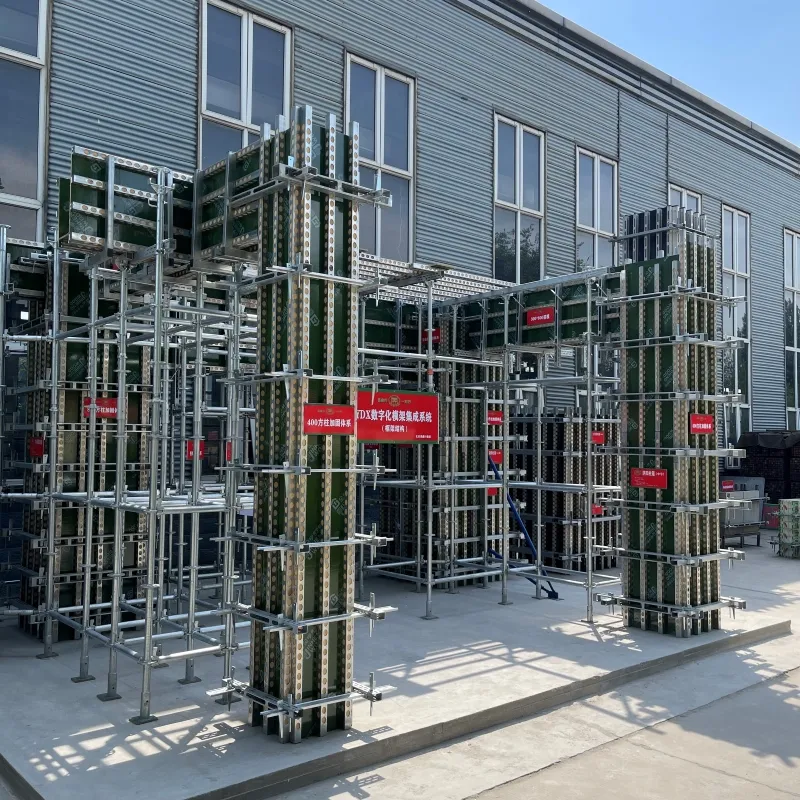
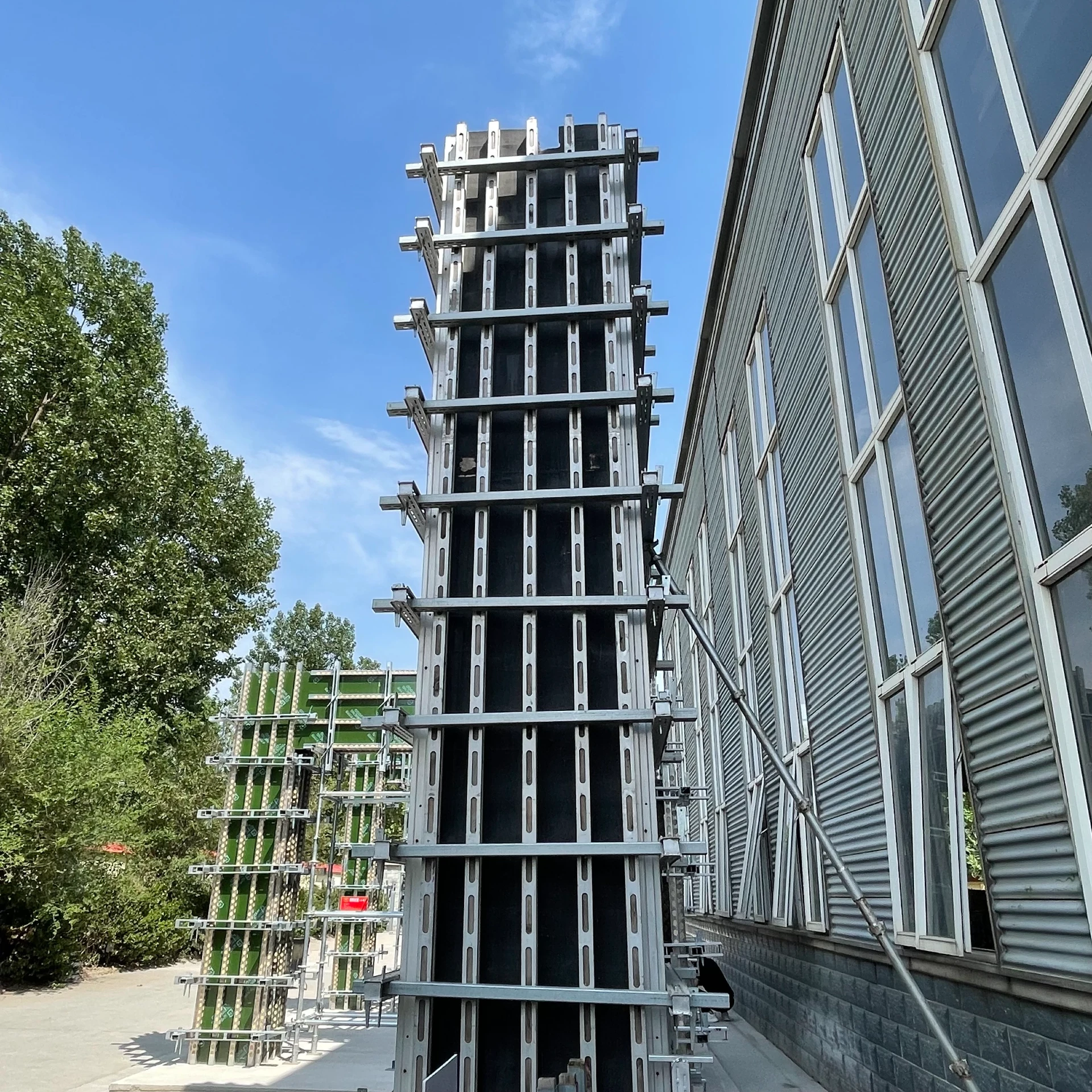
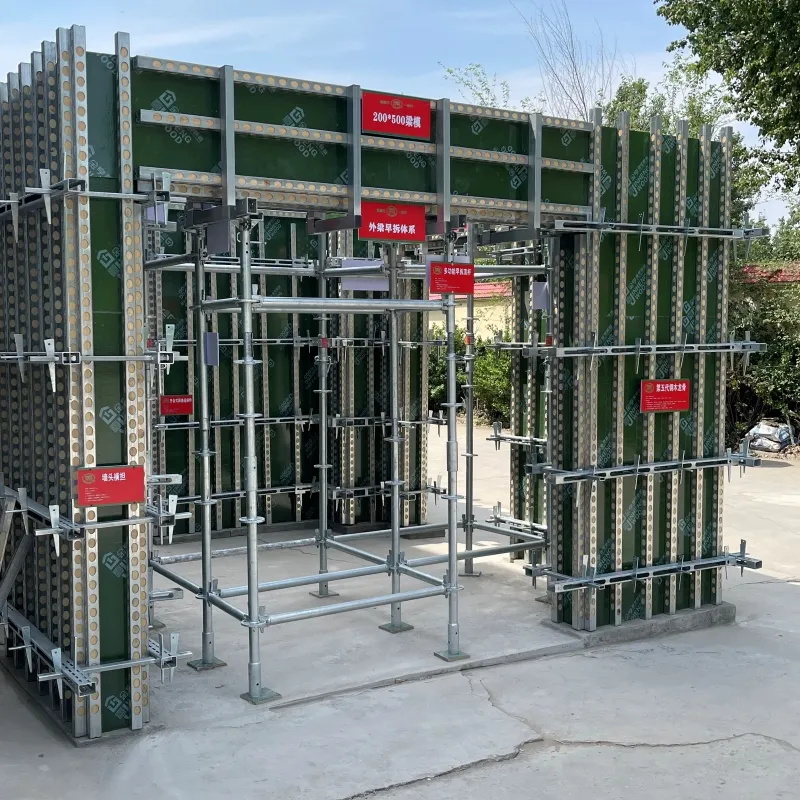
Simply put, aluminium shuttering price is the cost associated with acquiring and using aluminium formwork panels and accessories for concrete molding. Aluminium shuttering forms are panels made from lightweight aluminium alloys designed to withstand repeated use under harsh construction conditions. Unlike timber or steel shuttering, aluminium offers a good balance of weight, durability, and surface finish quality.
This price encapsulates the production expenses, raw material costs, transportation, installation labor, maintenance, and eventual resale or recycling value. It holds a mirror to innovation cycles in construction technology — the more advanced the system (often more modular or digital-ready), the higher the initial price, but with long-term savings.
Core Factors Leveraging Aluminium Shuttering Price
- Durability: The inherent strength and corrosion resistance of aluminium make shuttering panels last longer, reducing frequency of replacement and hence cost over time.
- Weight & Handling: Aluminium's lighter weight compared to steel or wood cuts down labor efforts and transportation fuel usage, an underappreciated factor influencing price.
- Production Quality: Precision manufacturing—like CNC machining and anodizing—improves reuse rates and finish quality, factors baked into pricing.
- Market Demand & Raw Material Prices: Aluminium prices vary with global mining outputs, tariffs, and geopolitical tensions, immediately reflecting in shuttering system prices.
- Technological Integration: Increasingly, formwork includes digital sensors or modular connections for fast assembly, that boost initial costs but promote efficiency.
- Scalability and Customization: Tailored sizes and shapes for complex architectural needs can increase the price margin, while standard panels benefit from economies of scale.
Mini takeaway: Aluminium shuttering price is a dynamic figure influenced by technical, material, and market factors — not just a simple sticker price.
Real-World Applications of Aluminium Shuttering Price
Take Mumbai’s skyward skyline — developers choose aluminium shuttering systems to accelerate construction while withstanding the city’s humid coastal climate. In post-disaster reconstruction zones, like after Nepal's 2015 earthquake, NGOs have found aluminium shuttering essential for erecting durable shelters quickly and sustainably.
Remote industrial zones in Canada’s north leverage modular aluminium formworks to minimize transport weight and assembly time under tough weather conditions. Even large infrastructure hubs like the European high-speed rail networks are investing in cutting-edge aluminium shuttering to reduce project downtime.
| Specification | Typical Value | Remarks |
|---|---|---|
| Panel Size | 1200 x 2400 mm | Modular, fits standard construction |
| Weight | 15 - 18 kg per panel | Lighter than steel, easier handling |
| Reusability | 500+ uses | Great lifecycle value |
| Cost per m² | $25 - $40 | Varies by region/quality |
Benefits & Long-Term Value of Aluminium Shuttering
There’s a reason aluminium shuttering, although sometimes pricier upfront, remains a top choice across the board. It offers:
- Cost savings over time: With proper maintenance, panels can be reused hundreds of times, slashing overall project budgets.
- Environmental advantages: Aluminium is 100% recyclable without quality loss — a big plus in eco-conscious construction.
- Safety and speed: Its lightweight nature reduces worker strain and accelerates assembly/disassembly times.
- Reliability: Aluminium resists deformation, giving better concrete finish quality and structural accuracy.
Frankly, for builders who’ve dealt with warped timber shuttering or rusty steel, the upgrade feels like a breath of fresh air. There’s also an intangible benefit — knowing your formwork system is sturdy and predictable builds trust with clients and workers alike.
Emerging Trends Shaping Aluminium Shuttering Price
The future of aluminium shuttering price is tied to technological shifts. Automation and robotics in panel manufacture promise tighter tolerances and lower labor costs. Innovations in alloys yield stronger, lighter composites. Integration of IoT sensors for real-time formwork monitoring — tracking pressure and curing — could become standard, pushing prices slightly higher but improving safety and quality.
Additionally, governmental green policies promote recycled aluminium content, affecting supply chains and potentially stabilizing price swings. It feels like the industry will see a phase where sustainability and digital transformation dance together, defining shuttering costs for the next decade.
Overcoming Challenges in Aluminium Shuttering Procurement
One notable hurdle remains: the upfront capital investment needed. Smaller or regional contractors sometimes balk at the higher initial price compared to timber. Plus, logistical difficulties in delivering bulky formwork to remote sites add to costs.
Solutions? Leasing models are increasingly popular — allowing contractors to spread costs over project phases. Also, modular, lightweight panel systems reduce transport fees. Innovators suggest more localised aluminium recycling hubs could cut raw material costs on a regional basis.
| Vendor | Price Range per m² | Key Features | Support & Services |
|---|---|---|---|
| AluForm Inc. | $28 - $35 | High durability, modular design | Global shipping, training programs |
| FormTech Solutions | $25 - $40 | Lightweight panels, integrated sensors | On-site consultation, 24/7 support |
| EcoShutter Systems | $30 - $38 | Recycled aluminium, green certifications | Sustainability workshops, custom orders |
FAQ: Frequently Asked Questions About Aluminium Shuttering Price
- Q1: How does aluminium shuttering price compare to timber or steel alternatives?
- Aluminium shuttering typically has a higher upfront cost than timber, but it offers superior durability and reuse potential, reducing total lifecycle costs. Compared to steel, aluminium is lighter and easier to handle, generally translating to lower transport and labor expenses.
- Q2: Does investing in advanced aluminium shuttering systems speed up construction?
- Yes, advanced systems designed for modular assembly and integrated technology can significantly reduce setup and takedown times, accelerating project schedules and helping meet tight deadlines.
- Q3: Are there environmental benefits related to choosing aluminium shuttering?
- Absolutely. Aluminium is highly recyclable with minimal quality loss, meaning systems can be reprocessed and reused, contributing to sustainable construction practices.
- Q4: How can smaller contractors manage the high upfront price of aluminium shuttering?
- Leasing options and partnering with vendors offering modular systems or shared formwork pools can spread costs and improve accessibility, making aluminium shuttering feasible for smaller budgets.
- Q5: Can aluminium shuttering be used in all climate conditions?
- Yes, aluminium’s natural corrosion resistance allows it to perform well in humid, coastal, and cold environments, often outperforming traditional timber forms.
Conclusion: Why Understanding Aluminium Shuttering Price Matters
When you dive behind the curtain of aluminium shuttering price, you find a balancing act of material science, market forces, and practical construction needs. Taking the time to understand these elements — durability, cost efficiency, and global applications — empowers smarter procurement decisions, smoother construction workflows, and greener building practices. Whether you’re managing a high-rise in Dubai or rebuilding after a natural disaster in Asia, the right aluminium shuttering system at the right price can make a fundamental difference.
Ready to learn more or source high-quality formwork systems? Don’t hesitate to visit our website and explore our expert solutions tailored for your project’s unique demands.
A little reflection: Investing in better construction materials may seem pricey initially, but it’s often the smartest long-term bet — reducing waste, improving safety, and elevating quality. Aluminium shuttering price is no exception.
-
Comprehensive Guide to Scaffolding Rods for Safe Construction PracticesNewsFeb.24,2026
-
Comprehensive Guide to Different Types of Scaffolding for Construction ProjectsNewsFeb.11,2026
-
The Crucial Role and Safe Use of Scaffolding in Modern Construction ProjectsNewsJan.30,2026
-
Maximize Productivity and Safety with a Versatile 7m Scaffold TowerNewsJan.27,2026
-
6m Scaffold Tower: A Comprehensive Guide for B2B BuyersNewsJan.26,2026
-
6ft Scaffold: Durability and Safety in ConstructionNewsJan.25,2026
-
6 Scaffolding: A Modern Construction SolutionNewsJan.24,2026