
Aluminium Tilt Panel Formwork: Efficient & Sustainable Concrete Construction Solutions
Unlocking the Potential of Aluminium Tilt Panel Formwork
In today’s construction sphere, aluminium tilt panel formwork is quietly revolutionizing how we build fast, strong, and sustainable concrete structures. But why does this matter beyond a simple industry tweak? Well, with the global demand for efficient, cost-effective building methods skyrocketing—especially in growing urban areas and post-disaster zones—understanding this technology could be key to creating more resilient infrastructure worldwide.
Introduction: The Global Stage for Aluminium Tilt Panel Formwork
Concrete tilt-up construction has been around for a while, but adding aluminium formwork amps up the game through improved speed and reusability. According to the United Nations’ Habitat report, accelerated construction methods are crucial to meet urban housing needs, projected to reach 2.5 billion more people in cities by 2050. Yet, traditional formwork can be slow and costly—and sometimes unsustainable.
Enter aluminium tilt panel formwork: offering a lighter, more durable alternative that saves time, reduces waste, and enables consistent quality, it answers many challenges of modern construction demands.
What Exactly Is Aluminium Tilt Panel Formwork?
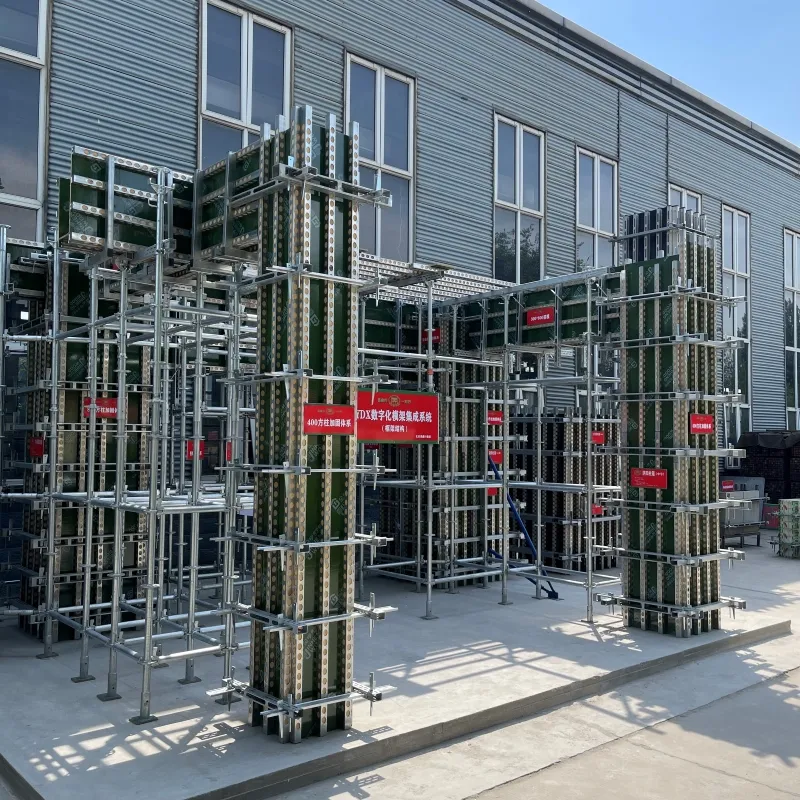
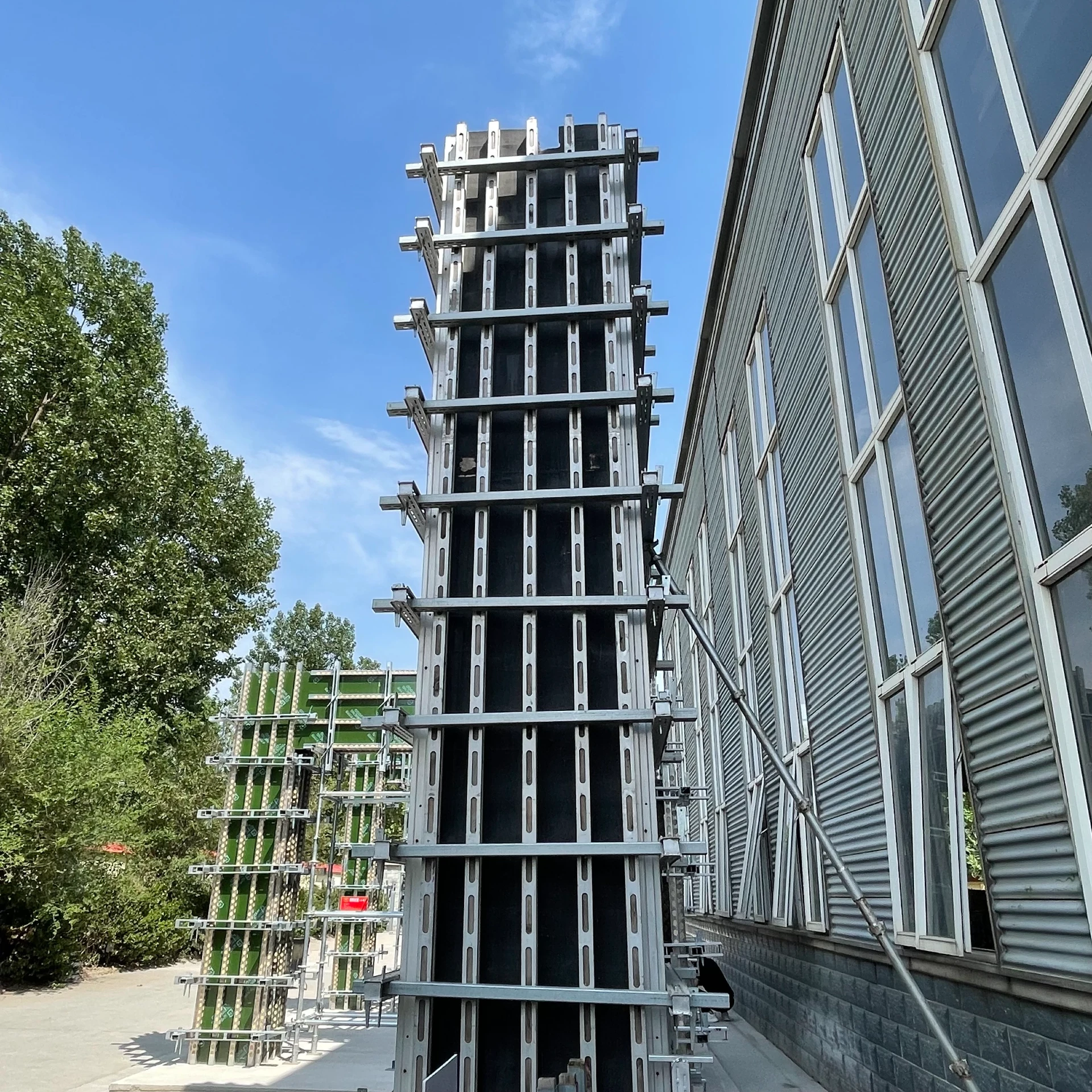
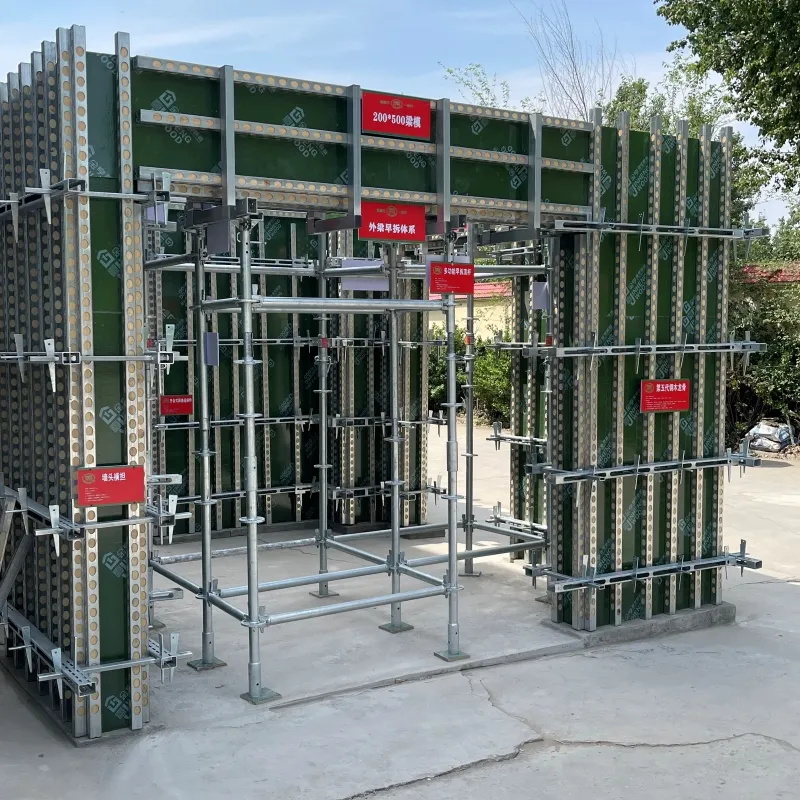
Simply put, aluminium tilt panel formwork is a lightweight, reusable mold system made primarily from aluminium materials designed for casting concrete panels that are tilted up into place as walls. This system supports creating large, load-bearing concrete panels quickly onsite, allowing building walls to be cast flat and then tilted vertically.
It ties closely to industrial efficiency and sustainability efforts — since aluminium not only cuts down weight compared to steel but also resists corrosion, making it ideal for repeated use in diverse environments, from sprawling urban areas to remote humanitarian zones.
Key Factors Behind Aluminium Tilt Panel Formwork’s Success
Durability and Reusability
The aluminium composition means the formwork lasts for hundreds of cycles, unlike timber alternatives which wear out quickly. This durability translates directly into cost savings and environmental gains.
Scalability and Speed
Because panels can be cast and tilted onsite often with minimal crane use, projects see up to 30% faster construction timelines—particularly vital in rapid-deployment scenarios like refugee housing or emergency clinics.
Cost Efficiency
Despite the initial investment, the reusability lowers long-term expenses. Plus, aluminium’s light weight minimizes transport and assembly costs.
Precision and Finish Quality
Aluminium’s smooth surface produces highly consistent, visually appealing concrete panels, often reducing the need for secondary finishing work.
Environmental Impact
Recycling aluminium and limiting timber usage helps projects reduce their carbon footprint, aligning with ISO 14001 environmental management standards.
Global Applications & Use Cases
- Urban Development: Major cities in North America and Europe adopt aluminium tilt panel formwork for commercial buildings and apartment complexes to cut costs and timelines.
- Post-Disaster Relief: NGOs leverage the fast deployment aspect in Asia-Pacific regions rebuilding after typhoons and earthquakes.
- Industrial Facilities: Remote mining operations in Australia and Africa utilize these systems for quick, durable facility construction.
- Public Infrastructure: Schools and hospitals in Latin America and the Middle East have benefited from the quality and speed of tilt panel construction.
For more technical insights on similar systems, check out our resource on aluminium tilt panel formwork.
Product Specification Table: Typical Aluminium Tilt Panel Formwork System
| Feature | Specification |
|---|---|
| Material | 6061-T6 Aluminium Alloy |
| Panel Size Range | 2.5m to 6m width; up to 3.5m height |
| Weight | Approx. 25-35 kg/m² |
| Reusability | Over 500 cycles with proper maintenance |
| Surface Finish | Smooth, minimal porosity reducing finishing needs |
| Typical Panel Thickness | 150mm – 300mm |
Vendor Comparison: Leading Aluminium Tilt Panel Formwork Providers
| Vendor | Material Quality | Typical Project Size | Price Range | Customer Support |
|---|---|---|---|---|
| FormSmart Co. | Premium 6061-T6 Alloy | Medium to Large | $$$ | 24/7 Technical Support |
| AluPanel Tech | Standard Alloy | Small to Medium | $$ | Business Hours |
| EcoTilt Solutions | Recycled Aluminium | Small Projects, Green Builds | $$$ | Consultative, Project-Based |
Frequently Asked Questions About Aluminium Tilt Panel Formwork
- What are the main benefits of aluminium tilt panel formwork compared to traditional timber formwork?
- Aluminium formwork is lighter, more durable, and reusable hundreds of times, reducing waste and long-term costs, while speeding up construction schedules.
- How long can aluminium tilt panel formwork last in tough environments?
- With proper maintenance, aluminium formwork can undergo over 500 casting cycles, maintaining integrity even in corrosive or humid conditions.
- Is the initial cost of aluminium formwork justified?
- Although upfront costs are higher, lower labor, reduced material waste, and faster project timelines often deliver better overall cost efficiency.
- Can aluminium tilt panel formwork be customized for unique architectural designs?
- Yes, aluminium systems can be engineered into custom shapes and sizes, enabling flexibility for diverse design requirements.
- How do NGOs source aluminium tilt panel formwork for international projects?
- Many vendors provide international shipping and support; NGOs typically coordinate with suppliers offering turnkey solutions and local technical training.
Conclusion: Why Aluminium Tilt Panel Formwork Is a Game-Changer
To wrap it up, aluminium tilt panel formwork offers a compelling blend of efficiency, sustainability, and quality for modern construction projects worldwide. Whether you’re racing against time in disaster relief efforts or aiming to streamline urban development, it’s the kind of solution that pays off in dollars, carbon footprint, and human impact.
Interested in seeing how this technology can work for your next project? Visit our website: https://www.formworkreinforced.com to explore options, specs, and expert support.
So yeah, aluminium tilt panel formwork isn’t just about new materials—it’s about building smarter, faster, and better for our future.
Quick Takeaway: Aluminium tilt panel formwork blends innovation, durability, and sustainability to transform concrete construction globally.
-
Comprehensive Guide to Scaffolding Rods for Safe Construction PracticesNewsFeb.24,2026
-
Comprehensive Guide to Different Types of Scaffolding for Construction ProjectsNewsFeb.11,2026
-
The Crucial Role and Safe Use of Scaffolding in Modern Construction ProjectsNewsJan.30,2026
-
Maximize Productivity and Safety with a Versatile 7m Scaffold TowerNewsJan.27,2026
-
6m Scaffold Tower: A Comprehensive Guide for B2B BuyersNewsJan.26,2026
-
6ft Scaffold: Durability and Safety in ConstructionNewsJan.25,2026
-
6 Scaffolding: A Modern Construction SolutionNewsJan.24,2026