
Aluminium Formwork Companies: Innovations in Sustainable and Efficient Construction
Understanding Aluminium Formwork Companies: Building the Future Efficiently
When it comes to modern construction methods, aluminium formwork companies have quietly reshaped how buildings are assembled worldwide. But why does this matter beyond the construction site itself? Globally, rapid urbanization, sustainability demands, and efficiency pressures are pushing the construction industry toward innovative solutions. Aluminium formwork offers durability, speed, and cost savings—key benefits that any builder, developer, or policymaker should understand today.
Setting the Global Stage for Aluminium Formwork Companies
Globally, the construction sector accounts for nearly 38% of energy-related carbon dioxide emissions (International Energy Agency, 2021). Aluminium formwork systems contribute by cutting down waste and speeding up building timelines, which reduces overall environmental impact. According to ISO standards on sustainable construction, modular, reusable materials are becoming more widely adopted. Additionally, urban populations are expected to reach 68% by 2050 (United Nations, 2018), spiking demand for efficient, scalable building methods.
Despite these trends, traditional concrete formwork remains labor-intensive, time-consuming, and wasteful. That’s where aluminium formwork companies step in—offering a technologically advanced alternative addressing these challenges.
What Are Aluminium Formwork Companies?
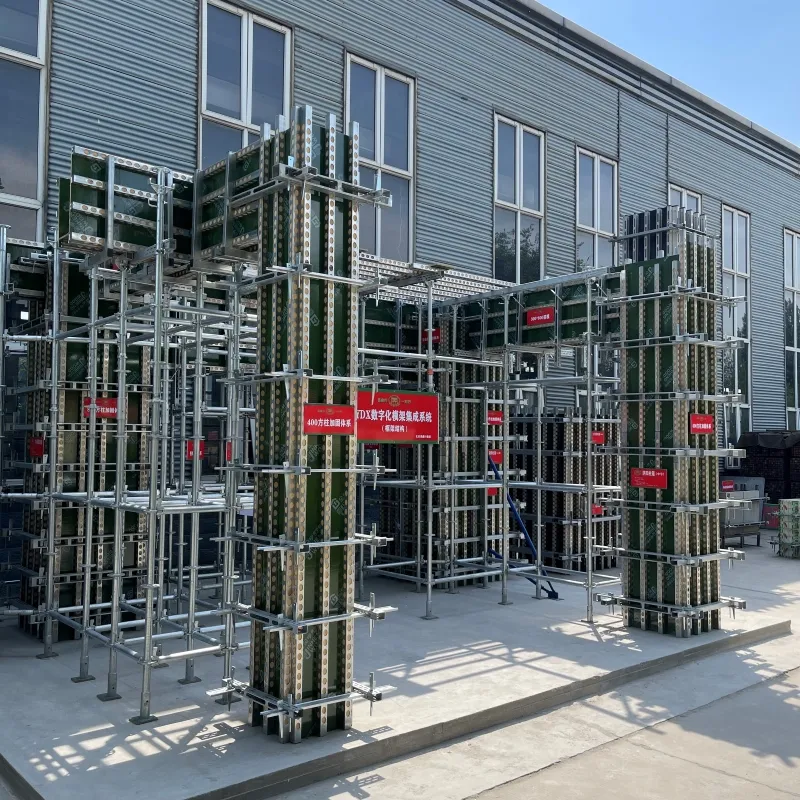
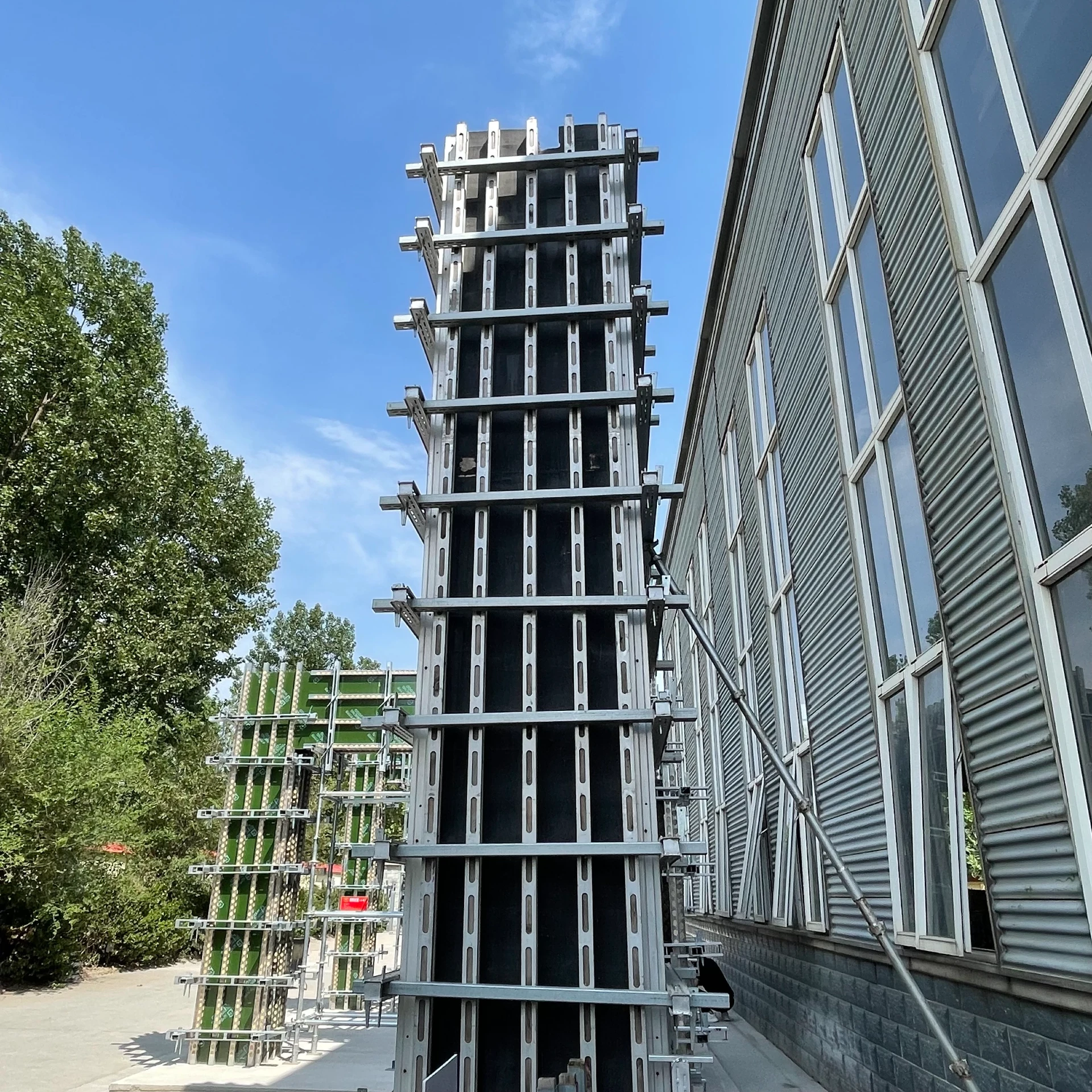
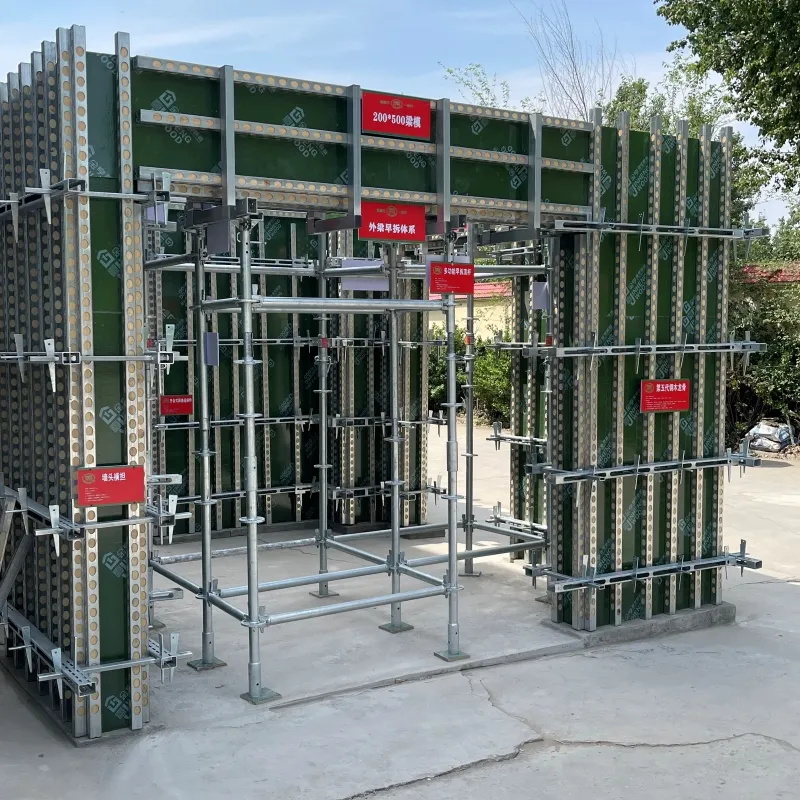
Simply put, aluminium formwork companies design and manufacture reusable moulding systems composed mainly of aluminium panels. These panels are used as molds for shaping reinforced concrete structures floor-by-floor. Unlike wood or steel formwork, aluminium is lightweight but strong, resistant to corrosion, and extremely durable. These firms also provide services like modular design consultation, custom panel fabrication, logistics, and onsite assembly instructions.
These systems have become essential in modern industries—from high-rise apartments in Asia to affordable housing projects in Africa—especially where time, quality, and sustainability are critical.
Core Components and Key Factors Behind Aluminium Formwork
Durability
Aluminium’s natural corrosion resistance means forms last hundreds of cycles without significant wear. This translates into material savings and consistent quality across projects.
Scalability and Speed
Modular, interlocking panels allow construction teams to assemble large wall and slab molds quickly. Often, entire building frameworks can be reconfigured for different projects, speeding up progress by 30-50% (industry reports).
Cost Efficiency
Though initial setup can be pricier than timber formwork, the lifecycle cost advantages—thanks to reuse and reduced labor—make it attractive for large-scale deployments.
Sustainability
Reusability reduces waste and demand for fresh timber, supporting circular economy goals. Aluminium formwork systems align well with green building certifications like LEED.
Precision and Safety
Machined aluminium panels maintain precise dimensions, resulting in faster finishing work and ensuring enhanced safety on job sites due to uniform quality and reduced manual adjustments.
Product Specification Table
| Specification | Typical Metric | Notes |
|---|---|---|
| Panel Thickness | 3.5–6 mm | Balancing strength and weight |
| Cycle Life | 500+ uses | Depends on usage conditions |
| Weight per Panel | 15–20 kg | Easier handling on site |
| Max Panel Size | 3 m × 1 m | Varies by manufacturer |
| Material Finish | Anodized or powder-coated | Enhances durability |
Mini takeaway: Aluminium formwork’s core strengths lie in its reusability, precision, and speed—making it a compelling choice especially for fast and sustainable construction worldwide.
Global Applications & Use Cases
From bustling Asian metropolises to the rapidly urbanizing regions of Africa and South America, aluminium formwork companies have found diverse real-world applications:
- High-rise residential buildings: Cities like Singapore and Dubai rely on aluminium formwork to complete apartment projects ahead of schedule.
- Disaster relief housing: In post-earthquake Nepal, rapid assembly systems have dramatically improved shelter availability.
- Remote industrial zones: Mines and oil facilities in Canada and Australia use modular aluminium formwork to build secure infrastructure efficiently.
- Affordable housing programs: Governments in South Asia partner with aluminium formwork suppliers to fast-track quality dwellings.
Aluminium formwork companies often customize their systems based on project size, climate, and logistics—making them adaptable across diverse environments.
Vendor Comparison: Leading Aluminium Formwork Providers
| Company | Specialty | Typical Markets | Key Feature |
|---|---|---|---|
| AluForm Solutions | High-rise concrete structures | Asia, Middle East | Lightest panel design |
| BuildEco Systems | Eco-friendly modular housing | Africa, South America | Recycled aluminium panels |
| QuickForm Technologies | Industrial & commercial projects | North America, Europe | Integrated digital setup tools |
Advantages & Long-Term Value of Aluminium Formwork
Building with aluminium formwork isn't just a fad — it’s a practical investment in time, cost, and quality control. Here’s how:
- Cost efficiency: Reduced labor and faster build times greatly lower overheads.
- Sustainability: Less timber waste and energy consumption align with global green building goals.
- Safety & reliability: Precision forms reduce jobsite hazards and improve structural consistency.
- Social impact: Faster, safer housing delivery elevates community dignity, especially in emergency responses.
Frankly, when you think about construction’s impact on both the environment and society, it feels like aluminium formwork is one of those smart steps the industry has needed for a long time.
Looking Ahead: Future Trends & Innovations
Technology is always pushing the edges. In aluminium formwork, that means automation, digital design integration, and more eco-conscious alloys:
- Digital templating and 3D scanning: Allowing customized form creation faster and more accurately.
- Smart materials: Future alloys that can self-heal minor damage or adapt to environmental conditions.
- Automation & robotics: For quicker, safer assembly and disassembly on site.
- Green energy usage: Aluminium recycling powered by renewable energy reduces carbon footprint.
All this points toward an exciting future where aluminium formwork companies don’t just provide parts — they deliver integrated construction ecosystems.
Common Challenges & Practical Solutions
Of course, no technology is without hiccups:
- Initial cost: Some consider the upfront investment steep compared to timber.
- Logistics complexity: Transporting large panels requires coordination and infrastructure.
- Skill gaps: Workers need training to assemble systems efficiently.
Experts often recommend phased adoption strategies, supplier partnerships for training, and leveraging rental models to mitigate costs. Over time, lifecycle savings tend to outweigh initial expenditures.
Frequently Asked Questions About Aluminium Formwork Companies
- What advantages do aluminium formwork systems have over traditional wood or steel forms?
- Aluminium formwork offers higher durability, lighter weight for easier handling, faster assembly, and better reusability—resulting in significant time and cost savings over a project's lifespan.
- How long do aluminium formwork panels typically last?
- With proper maintenance, panels often remain functional for over 500 uses, which means considerable lifetime value compared to disposable timber alternatives.
- Are aluminium formwork systems eco-friendly?
- Yes. They reduce timber waste, generate less construction debris, and many companies source recycled aluminium, making them aligned with sustainable building practices.
- Can aluminium formwork companies support projects in remote or developing regions?
- Absolutely. Many providers offer modular components that are easy to ship and assemble, backed by training and design support to adapt to various environments.
Conclusion: Building Smarter with Aluminium Formwork Companies
To sum it all up, aluminium formwork companies offer an indispensable blend of innovation, sustainability, and economic efficiency that’s transforming global building practices. Whether it’s speeding up urban housing construction or providing quality shelters in hard-to-reach areas, their impact is tangible and growing.
If you're curious how your projects can benefit from the precision and speed of aluminium formwork, do explore further—start with us at formworkreinforced.com. The future’s bright, indeed.
Oddly enough, sometimes the simplest shift in a tool or material can cascade into huge improvements — and aluminium formwork is one of those shifts.
References:
-
Comprehensive Guide to Scaffolding Rods for Safe Construction PracticesNewsFeb.24,2026
-
Comprehensive Guide to Different Types of Scaffolding for Construction ProjectsNewsFeb.11,2026
-
The Crucial Role and Safe Use of Scaffolding in Modern Construction ProjectsNewsJan.30,2026
-
Maximize Productivity and Safety with a Versatile 7m Scaffold TowerNewsJan.27,2026
-
6m Scaffold Tower: A Comprehensive Guide for B2B BuyersNewsJan.26,2026
-
6ft Scaffold: Durability and Safety in ConstructionNewsJan.25,2026
-
6 Scaffolding: A Modern Construction SolutionNewsJan.24,2026