
Aluminium Shuttering Work: Durable & Sustainable Formwork Solutions for Global Construction
Understanding Aluminium Shuttering Work: A Global Perspective
Aluminium shuttering work stands as an unassuming yet critical pillar in modern construction, especially when efficiency, durability, and sustainability are top priorities worldwide. For anyone involved in building infrastructure—from skyscrapers in bustling cities to humanitarian shelters in remote areas—grasping the nuances of aluminium formwork is invaluable. Frankly, it’s one of those topics that merges technical savvy with practical global need, bridging gaps between innovation, environmental responsibility, and cost-efficiency.
Why Aluminium Shuttering Work Matters Globally
The construction sector accounts for roughly 38% of global carbon emissions, according to recent IPCC reports. Aluminium shuttering systems, which serve as reusable molds for concrete casting, offer an eco-friendlier alternative to traditional timber or steel frameworks. Not only do they shrink construction timelines by enabling faster, more precise assembly, but they also reduce waste. This efficiency addresses an urgent global challenge: building resilient infrastructure aligned with sustainability goals, such as those endorsed by the UN Sustainable Development Goals.
Moreover, industries worldwide wrestle with labor shortages and cost overruns. Aluminium shuttering work helps ease these pains by improving scalability and reproducibility. But before we delve too deep, let's clarify exactly what aluminium shuttering work entails.
What Is Aluminium Shuttering Work?
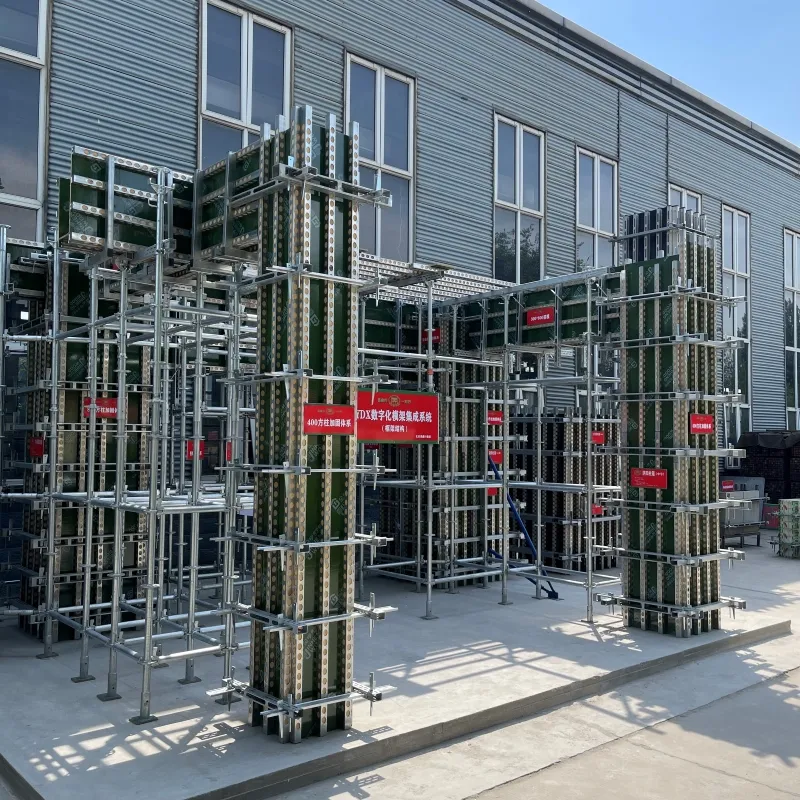
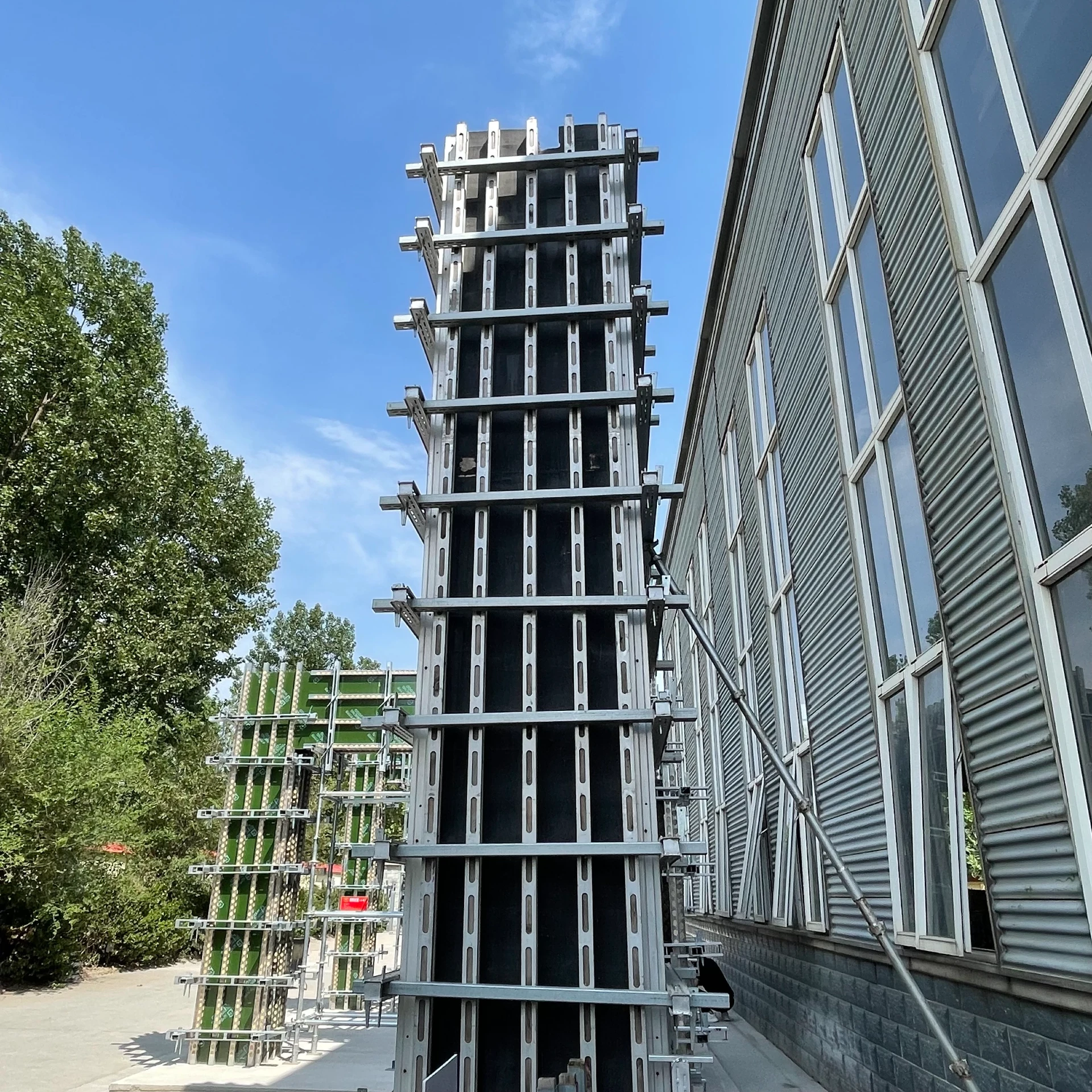
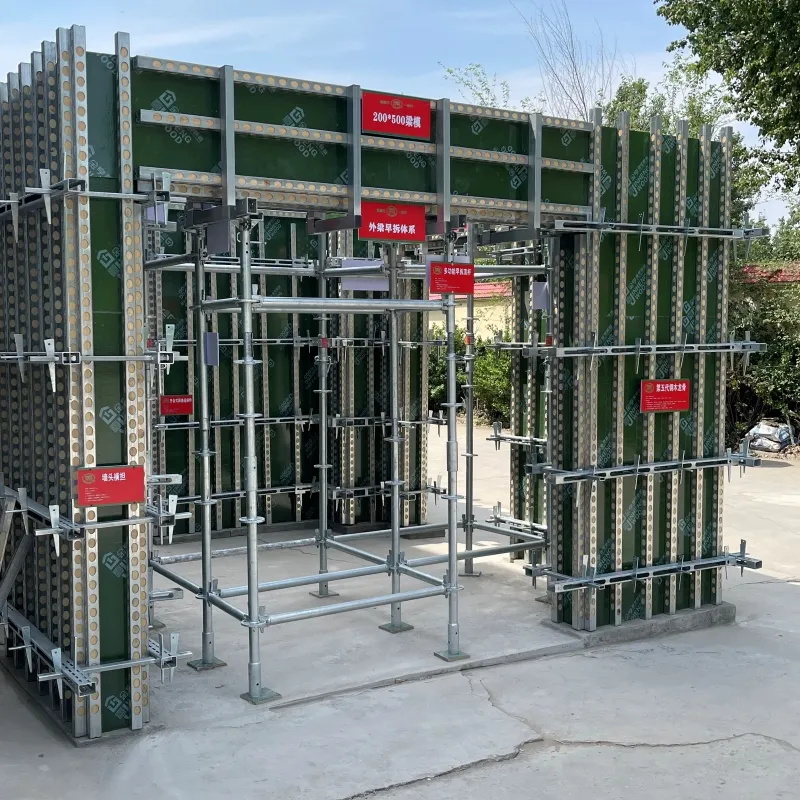
Simply put, aluminium shuttering involves the use of lightweight, durable aluminium panels and frames to create molds into which concrete is poured. These molds, or “shutters,” define the shape and texture of the concrete until it sets solid. Its rise in popularity is owed to aluminium’s unbeatable strength-to-weight ratio compared to traditional materials.
This technique is essential not only in commercial and residential building projects but also vital for humanitarian efforts—think quick-erect shelters after natural disasters or modular infrastructure in developing regions. It’s sort of the unsung hero in making modern construction more adaptable and sustainable.
Core Components of Aluminium Shuttering Work
1. Durability
Aluminium is corrosion-resistant, especially when treated or anodized, meaning these shuttering panels can be reused dozens—sometimes hundreds—of times without losing structural integrity. In real terms, this durability translates to lower lifecycle costs and less environmental waste.
2. Scalability
The modular nature of aluminium shuttering systems lets contractors scale projects easily. Whether it’s a small villa or a huge high-rise, components adapt to different sizes with simple configurations.
3. Cost Efficiency
Though initial investment might be higher than timber shuttering, the reusability and speed compensate significantly. This leads to shorter project cycles and less labor-intensive work.
4. Lightweight & Ease of Handling
Aluminium panels are substantially lighter than steel, making transportation and on-site maneuvering less laborious and safer, especially where crane use is limited.
5. Precision & Quality Finish
The aluminium molds provide a smoother concrete finish, reducing the need for additional plastering or surface treatment—speeding up handover times and improving aesthetics.
- Mini takeaways: Aluminium shuttering's core strengths underpin its growing global adoption—durability, scalability, and cost savings aren't just buzzwords here; they’re lived realities on worksites.
Typical Aluminium Shuttering Product Specifications
| Specification | Details |
|---|---|
| Material | Anodized Aluminium Alloy 6061-T6 |
| Panel Size | Typically 600mm x 1200mm or customizable |
| Weight per panel | Approx. 12–15 kg |
| Reusability | Up to 300 casts with proper maintenance |
| Compatibility | Works with standard concrete mixes & automated systems |
Global Applications & Use Cases
Oddly enough, aluminium shuttering work is not just for high-end construction projects in metropolitan hubs. Humanitarian organizations increasingly rely on it for quick-deployment housing in disaster zones. For instance, after the 2015 Nepal earthquake, aluminium formwork enabled the rapid construction of temporary yet sturdy shelters — providing victims with safety and dignity.
In industrial contexts, remote mining towns and developing regions benefit as well, where speed and worker safety are paramount.
Furthermore, major infrastructure projects in Asia and the Middle East employ aluminium shuttering for skyscrapers, noting accelerated timelines and fewer site accidents compared to traditional methods.
- Mini takeaway: The versatility of aluminium shuttering work bridges diverse sectors—construction, disaster relief, and remote infrastructure—with a common thread of efficiency and reliability.
Vendor Comparison: Aluminium Shuttering Providers
| Feature | AluForm Plus | RapidShutter Co. | EcoBuild Systems |
|---|---|---|---|
| Average Panel Weight | 13 kg | 15 kg | 12.5 kg |
| Max Reusability | 300 casts | 250 casts | 280 casts |
| Price Range | $$$ | $$ | $$$ |
| Customization | High | Medium | High |
| Lead Time | 4 Weeks | 2-3 Weeks | 5 Weeks |
Advantages & Long-Term Value of Aluminium Shuttering Work
Choosing aluminium shuttering translates into tangible and intangible benefits—from saving labor costs to promoting sustainability. Using this technology reassures stakeholders on job sites because the system enhances worker safety with lighter panels and secure locking mechanisms. Socially, providing quality construction tools indirectly supports livelihoods by reducing delays that can incur financial hardship.
Emotionally, there's a sense of pride and trust when workers and owners see a project come alive faster, cleaner, and with less waste.
- Mini takeaway: Aluminium shuttering work isn’t just a cost-saving tool; it fosters safer, more dignified construction—innovations that truly matter to people.
Future Trends & Innovations
Looking ahead, the aluminium shuttering field is flirting with digital transformation—think integrated IoT sensors monitoring concrete curing or automated robotic assembly of panels. On materials, hybrid composites combining aluminium with renewable bio-based polymers are in early testing phases to further reduce carbon footprints.
Policies tied to green building certifications increasingly favor materials like aluminium that offer reusability and lower embodied energy. So, if you’re in the industry, keep an eye on sustainability-linked incentives—they’re reshaping procurement and standards.
Common Challenges & Expert Solutions
Of course, no system is flawless. The biggest hurdle for aluminium shuttering work remains the high upfront capital cost, which can strain small contractors or NGOs in emerging markets. Also, aluminum’s thermal expansion can create alignment issues if not properly managed on large projects.
Experts recommend thorough training and routine maintenance to extend panel lifespan. Additionally, modular system designs let organizations rent panels flexibly rather than buying outright, lowering capital burdens.
FAQ: Your Aluminium Shuttering Questions Answered
- Q1: How does aluminium shuttering work compare to traditional timber in terms of environmental impact?
- A1: Aluminium is highly reusable, often lasting hundreds of cycles, reducing deforestation and waste compared to timber, which usually has a shorter lifespan and ends up as landfill or requires treatment chemicals. Overall, aluminium shuttering promotes a greener construction process.
- Q2: Are aluminium shuttering panels suitable for all types of concrete structures?
- A2: Generally yes. They’re versatile and compatible with standard concrete mixes. However, complex architectural shapes may require custom fabrication. Many manufacturers can accommodate such requests, so discuss your project specifics upfront.
- Q3: What logistics considerations does aluminium shuttering work entail for large-scale projects?
- A3: Due to being lightweight and modular, transport is more manageable than steel. Still, storing panels in a sheltered space protects them from corrosion. Careful planning ensures efficient on-site retrieval and assembly, cutting down delays.
- Q4: Can NGOs and smaller organizations access aluminium shuttering for rapid housing projects?
- A4: Absolutely. Many vendors offer rental or leasing options tailored for humanitarian use. Plus, some regional distributors specialize in humanitarian deployment, easing import and customs issues.
- Q5: How long does it typically take to erect structures using aluminium shuttering?
- A5: Compared to timber or steel, projects using aluminium shuttering see faster turnaround—sometimes cutting formwork installation by 30% to 40%. Exact timing depends on project scale and crew experience.
Conclusion & Call to Action
In sum, aluminium shuttering work represents more than just an alternate construction method—it’s a pathway toward smarter, safer, and greener building worldwide. The long-term value it offers in cost savings, environmental impact, and quality is clear. So, if you’re considering streamlining your next project with state-of-the-art formwork, explore our aluminium shuttering work solutions to get started. Construction isn’t just about bricks and cement; it’s about building futures sustainably.
It feels like aluminium shuttering truly reshapes how we think about construction — practical, scalable, and resilient.
References:
1. United Nations Sustainable Development Goals
2. IPCC: Climate Change Reports
3. Wikipedia: Formwork
-
Comprehensive Guide to Scaffolding Rods for Safe Construction PracticesNewsFeb.24,2026
-
Comprehensive Guide to Different Types of Scaffolding for Construction ProjectsNewsFeb.11,2026
-
The Crucial Role and Safe Use of Scaffolding in Modern Construction ProjectsNewsJan.30,2026
-
Maximize Productivity and Safety with a Versatile 7m Scaffold TowerNewsJan.27,2026
-
6m Scaffold Tower: A Comprehensive Guide for B2B BuyersNewsJan.26,2026
-
6ft Scaffold: Durability and Safety in ConstructionNewsJan.25,2026
-
6 Scaffolding: A Modern Construction SolutionNewsJan.24,2026