
Aluminium Formwork Price Explained: Key Factors, Global Trends & Benefits
Understanding Aluminium Formwork Price: A Key to Modern Construction Efficiency
Aluminium formwork price might not be the first thing that comes to mind when you think about construction, but it actually plays a huge role in shaping how quickly, safely, and cost-effectively buildings rise. From towering urban apartments to post-disaster shelters, the influence of aluminium formwork technology is global. Why? Because knowing about the aluminium formwork price helps stakeholders—from builders to aid organizations—make smart, sustainable choices that affect timelines, budgets, and even social impact. Let’s unpack what’s behind this term, why it matters, and why it might just be the unsung hero of the construction world.
Global Context: Why Aluminium Formwork Price Matters Today
The modern construction sector is worth trillions globally, with the World Bank estimating over $10 trillion in annual value across industries. In this buzzing space, efficiency is king. Aluminium formwork systems have surged in popularity, offering faster build cycles and less waste compared to traditional timber or steel options. Yet, understanding the aluminium formwork price remains a challenge—prices can fluctuate due to raw material costs, manufacturing complexity, and supply chain logistics.
Oddly enough, much of the industry still doesn’t fully grasp how this cost factor influences everything from project feasibility to long-term sustainability. For instance, organizations like the UN and ISO highlight the need for modular, cost-effective construction methods to tackle housing shortages in developing regions and post-disaster recovery zones. Aluminium formwork systems, shaped by their price, are central to meeting these global needs.
Defining Aluminium Formwork Price: What Are We Talking About?
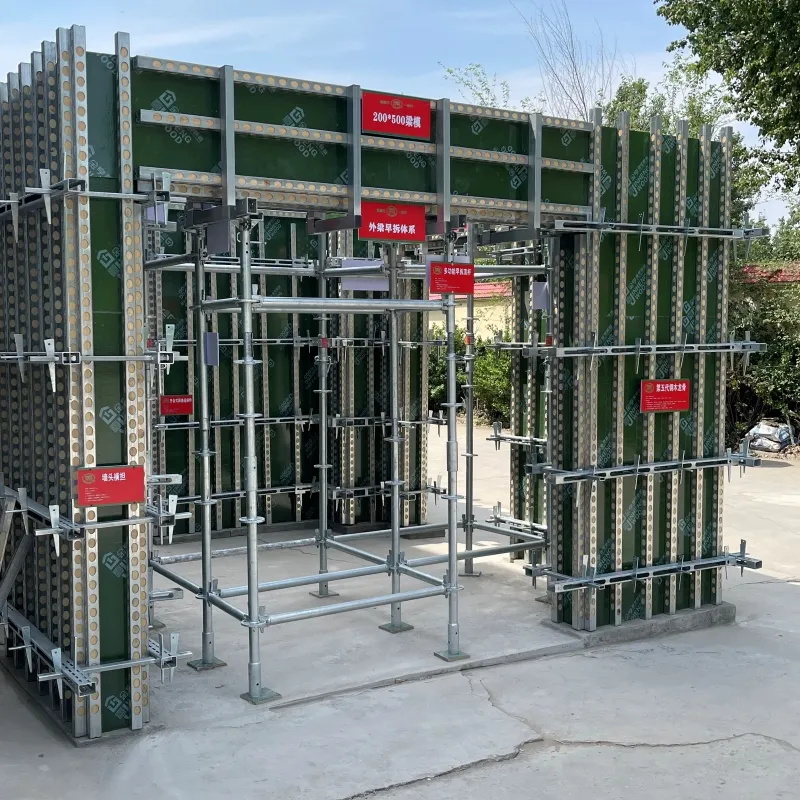
Simply put, aluminium formwork price refers to the total cost involved in procuring, deploying, and maintaining aluminium moulding systems used to shape concrete buildings. Remember, these systems are not just simple molds; they’re engineered, reusable frameworks designed to speed up construction while ensuring structural integrity.
In real terms, aluminium formwork price includes raw aluminium costs, fabrication, finishing, logistics, and tooling customization. The clever bit about using aluminium instead of traditional wood or steel is that aluminium forms can be reused many more times, cutting down recurring costs. Plus, they align well with modern humanitarian and industrial needs, especially where rapid, reliable construction is vital.
Key Factors Influencing Aluminium Formwork Price
1. Material Quality and Durability
The grade of aluminium used—usually 6061 or 6063 alloys—impacts both price and longevity. Higher-quality alloys resist corrosion better, which means fewer replacements and better ROI. Durability directly ties to how often the form can be reused, thus influencing value over time.
2. Design Complexity and Scalability
Custom designs that fit unique project needs, like curved walls or intricate facades, increase the initial price but offer scalability. The more standardized the formwork, generally, the cheaper it is. But adaptability can save money on future projects—a kind of investment.
3. Manufacturing and Automation
Advanced production methods, such as CNC machining and automated welding, raise upfront costs but ensure precision and uniformity, leading to fewer failures onsite and faster assembly times.
4. Logistics and Supply Chain Factors
Transporting aluminium formwork is costly due to size and weight, particularly for international projects. This adds to final pricing and can vary widely depending on regional infrastructure and regulations.
5. Labor Costs and Training
Using aluminium formwork often requires skilled labor. Well-trained teams speed up construction but might increase costs initially. Still, the time saved usually outweighs these extra expenses.
Aluminium Formwork Price: Product Specifications at a Glance
| Specification | Details |
|---|---|
| Material Grade | Aluminium Alloy 6061-T6 / 6063-T5 |
| Panel Size | Standard: 600 x 1200 mm (custom sizes available) |
| Weight per Panel | ~12 to 15 kg |
| Reuse Cycles | Up to 300 times depending on care |
| Typical Cost Range | $30-$50 per m² (varies by region & specs) |
Mini takeaway: The price you pay for aluminium formwork isn’t just about the metal—it’s a full-package deal covering reuse potential, quality, and efficiency gains. Evaluating these specs can help you understand true value beyond sticker shock.
Where Aluminium Formwork Price Creates Global Impact
Aluminium formwork technology isn’t just confined to fancy urban offices. It’s being used worldwide—from Southeast Asia’s booming residential complexes to Africa’s rapidly growing infrastructure projects. Organizations engaged in disaster relief also increasingly rely on these systems due to rapid assembly and durability.
- Asia: Rapid urbanization in countries like India and China has driven demand for cost-efficient formwork to meet skyrocketing housing needs.
- Africa: Post-conflict and disaster reconstruction projects utilize aluminium formwork to rebuild schools and clinics swiftly and affordably.
- Middle East: Large-scale commercial and residential projects prioritize aluminium formwork for its scalability and speed.
- Americas: Both private developers and public agencies are adopting aluminium form solutions to reduce environmental impact.
In these regions, the right aluminium formwork price can mean the difference between stalled construction and on-schedule delivery—no small matter when lives and economic prospects depend on it.
Advantages & Long-Term Value: Why Aluminium Formwork is More Than Just a Price Tag
Everybody likes saving money, but aluminium formwork offers perks beyond just the sticker price.
- Cost savings over time: The high reuse rate means expenses amortize quickly compared to disposable timber forms.
- Environmental sustainability: Aluminium is recyclable, and less waste is generated on-site.
- Safety and quality: Precision-milled forms reduce construction defects, improving safety and occupant confidence.
- Social impact: Faster builds mean quicker access to housing or facilities, restoring dignity for affected communities.
Frankly, it feels like investing in aluminium formwork pays dividends in both money and societal trust.
Future Trends & Innovations Shaping Aluminium Formwork Price
Looking ahead, we see exciting advances transforming aluminium formwork economics:
- Green energy integration: Production powered more by renewables, reducing carbon footprint.
- Smart manufacturing: AI-assisted design optimizing material use.
- Automation: Robots improving assembly speed & consistency onsite.
- Sustainability policies: Increasing regulations incentivizing eco-friendly materials push prices toward greener options.
Overall, these trends suggest aluminium formwork price will continue to evolve, reflecting growing demand for smarter, cleaner construction methods.
Challenges & Practical Solutions in Managing Aluminium Formwork Price
Of course, no technology is perfect. Higher upfront costs sometimes deter smaller contractors. Transport logistics may be tricky in remote areas. Also, improper handling can reduce panel lifespan.
Yet solutions abound: Training programs uplift labor expertise; regional warehouses cut shipping expenses; leasing models spread upfront costs. Some companies now offer smartphone apps for real-time formwork inventory and condition monitoring—kind of a digital safety net.
| Vendor | Price Range (per m²) | Regions Served | Warranty |
|---|---|---|---|
| BuildForm Asia | $28–45 | Asia, Middle East | 5 Years |
| EcoForm Panels | $32–50 | Global (including Africa) | 7 Years |
| RapidAlu Systems | $30–48 | Americas, Europe | 6 Years |
FAQ: Common Queries about Aluminium Formwork Price
- What factors make aluminium formwork more cost-effective than traditional timber formwork?
- Aluminium formworks are reusable up to 300 times, significantly cutting material wastage and labor time. Though upfront prices are higher, the long-term savings on materials, labor, and reduced construction duration often outweigh initial costs.
- How does transportation affect the overall aluminium formwork price?
- Due to their size and weight, shipping aluminium panels adds substantial cost, especially for remote or landlocked regions. Local warehousing or leasing can mitigate these impacts effectively.
- Are aluminium formworks environmentally friendly?
- Yes. Aluminium is highly recyclable, and the ability to reuse formwork multiple times reduces waste. This aligns well with sustainability initiatives endorsed by organizations like ISO and the UN.
- How does labour training influence the cost of aluminium formwork projects?
- Proper training reduces assembly errors and damages, helping extend panel life and reducing repair costs. Many suppliers offer workshops to ensure efficient use, ultimately lowering overall expenses despite modest initial training investment.
- Can small contractors afford to invest in aluminium formwork systems?
- Though upfront costs can be significant, leasing options, partnerships, or shared-use programs lower barriers for smaller firms, making aluminium formwork accessible without huge capital outlays.
Conclusion: The Value Behind Aluminium Formwork Price
In the end, aluminium formwork price is more than just dollars per square meter—it’s a gateway to smarter, sustainable, and faster construction methods worldwide. From meeting urgent housing demands after disasters to supporting sprawling urban centers, understanding this cost helps build stronger futures. If you’re curious to explore options and get detailed pricing tailored to your needs, I’d definitely recommend visiting our website. Knowledge truly is power here, and the right choice could mean the difference between a delayed project and a landmark success.
Quick Summary
- Aluminium formwork offers high durability with multiple reuse cycles, making its price competitive over time.
- Key price drivers include material quality, design complexity, manufacturing, and logistics.
- Global demand spans Asia, Africa, Middle East, and the Americas for residential, commercial, and relief construction.
- Technological advances and sustainability goals are poised to influence future pricing positively.
- Expert training and smart supply chain solutions help overcome cost challenges.
“Aluminium formwork price is a classic case where initial investment paves the way for efficiency and sustainability gains—truly a win-win for construction stakeholders everywhere.”
References
-
Comprehensive Guide to Scaffolding Rods for Safe Construction PracticesNewsFeb.24,2026
-
Comprehensive Guide to Different Types of Scaffolding for Construction ProjectsNewsFeb.11,2026
-
The Crucial Role and Safe Use of Scaffolding in Modern Construction ProjectsNewsJan.30,2026
-
Maximize Productivity and Safety with a Versatile 7m Scaffold TowerNewsJan.27,2026
-
6m Scaffold Tower: A Comprehensive Guide for B2B BuyersNewsJan.26,2026
-
6ft Scaffold: Durability and Safety in ConstructionNewsJan.25,2026
-
6 Scaffolding: A Modern Construction SolutionNewsJan.24,2026