
Aluminium Shuttering Material – Durable, Sustainable Formwork for Modern Construction
Aluminium Shuttering Material: A Core Component in Modern Construction
Aluminium shuttering material plays a surprisingly pivotal role in today’s construction and infrastructural projects worldwide. If you’ve ever wondered how buildings maintain perfect concrete shapes or how fast construction teams adapt to complex architectural designs, this often-underappreciated material deserves your attention. Globally, its importance spans from urban high-rises in Asia to humanitarian projects in disaster-affected zones. Understanding its benefits can really open up how you view efficient and sustainable construction today.
Introduction: Why Aluminium Shuttering Material Matters Globally
According to the United Nations Human Settlements Programme (UN-Habitat), the demand for rapid, safe, and sustainable construction isn’t slowing down anytime soon. In 2022 alone, the construction sector contributed over 38% of global CO2 emissions — a staggering figure. Aluminium shuttering materials not only speed up build times but also offer sustainability advantages because they can be reused extensively and reduce waste compared to traditional timber formwork. This aligns well with ISO 14001 standards that encourage environmentally responsible manufacturing processes.
Yet, there’s a challenge: many developing countries face delays and cost overruns in infrastructure projects due to unreliable formwork solutions. Aluminium shuttering materials address these issues by combining strength, lightness, and versatility — a practical solution with real-world impact.
What Exactly Is Aluminium Shuttering Material?
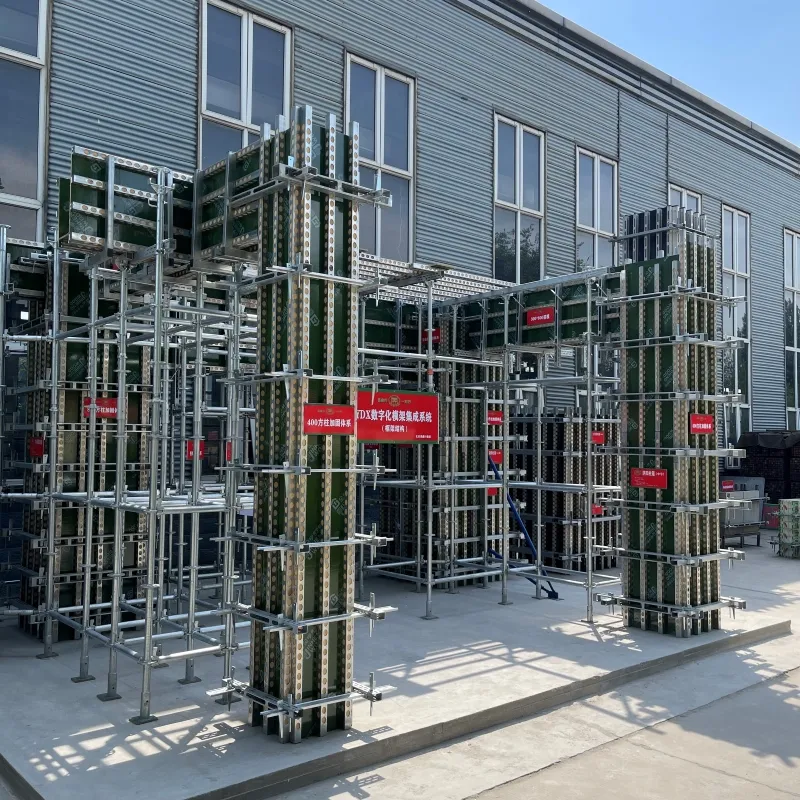
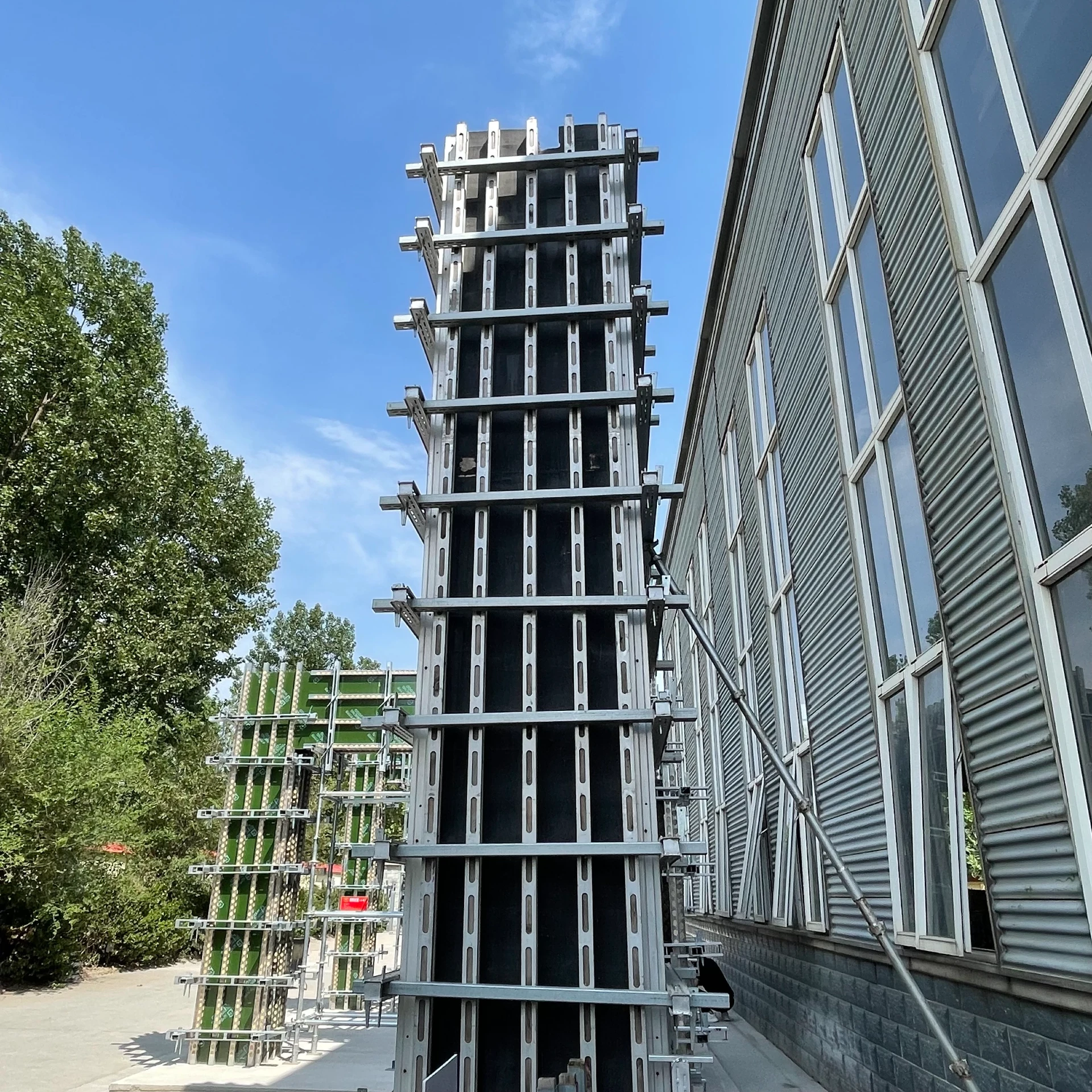
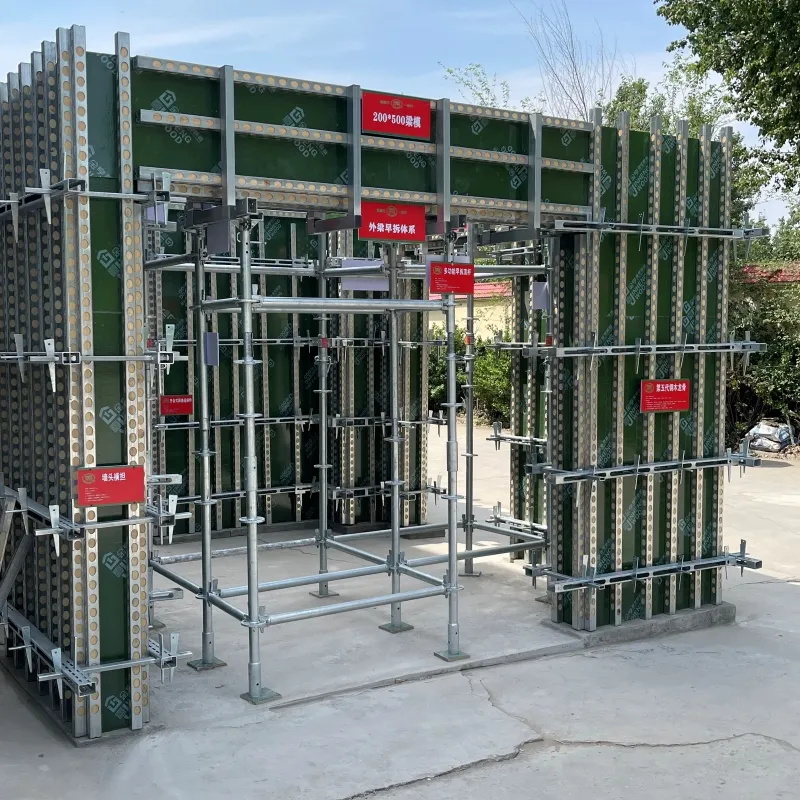
At its core, aluminium shuttering material refers to specially designed aluminium panels and frames used as molds or "forms" to shape freshly poured concrete until it hardens. Think of it like a cookie cutter but for concrete walls, columns, and floors. Unlike wood or steel, aluminium shuttering boasts a unique combination of being lightweight yet sturdy, corrosion-resistant, and easier to handle on-site.
This makes it essential not only for commercial construction but also for humanitarian projects, such as quick-setup housing in emergency shelters, where speed and repeatability matter.
Key Factors That Define Aluminium Shuttering Material
Durability and Strength
Aluminium’s natural resistance to rust and corrosion means these shuttering panels last for thousands of cycles. This longevity translates to a better ROI and less frequent replacement — a big win for cost-conscious builders.
Lightweight Design
One of the most appreciated features is its weight. Contractors often note how aluminium shuttering material feels like a breath of fresh air compared to cumbersome steel—especially in projects with tricky logistics.
Scalability and Flexibility
The modular nature of aluminium shuttering systems allows customization for everything from simple walls to complex curves. It scales effortlessly for projects large or small.
Cost Efficiency Over Time
While the initial investment might surpass traditional timber, its reusable nature, coupled with speedier installation, leads to significant cost savings overall.
Environmental Impact
Recyclability plays a big role here. Aluminium can be fully recycled with minimal energy loss, embodying a circular economy approach favored worldwide.
Product Specifications: Aluminium Shuttering Material
| Feature | Specification | Benefit |
|---|---|---|
| Panel Size | 1200mm × 600mm (custom sizes available) | Easy handling & modularity |
| Material Thickness | 1.5 – 3 mm | Balanced strength & lightweight |
| Max Reuse Cycles | Up to 3000 times | Sustainable & cost-effective |
| Surface Finish | Polyurethane coating | Smooth concrete finish & durability |
Global Applications: Where Aluminium Shuttering Material Shines
The versatility of aluminium shuttering material is evident across continents:
- Asia-Pacific: Rapid urbanization demands fast & reusable systems — major metro projects in India employ aluminium shuttering to accelerate schedules without sacrificing quality.
- Europe: Stricter environmental norms push builders toward recyclable, lightweight materials. Aluminium shuttering fits perfectly with green building certifications like LEED.
- Africa: NGOs implement aluminium shuttering for rapid housing in disaster recovery zones. It’s lightweight, allowing easy transportation to remote areas.
For example, during the 2023 floods in Bangladesh, emergency shelter units using aluminium shuttering panels were erected within days, providing sturdier temporary accommodations than tarps or wooden frames.
Vendor Comparison: Aluminium Shuttering Suppliers
| Vendor | Panel Thickness | Customization Options | Average Cost per Panel | Sustainability Certification |
|---|---|---|---|---|
| AluForm Solutions | 2 mm | Custom sizes, curves | $85 | ISO 14001 |
| FormTech Industrial | 1.8 mm | Standard panels only | $75 | Limited certifications |
| EcoForm Materials | 3 mm | Custom sizes + eco coatings | $95 | Cradle to Cradle Certified |
Advantages and Long-Term Value of Aluminium Shuttering Material
Here’s the kicker: beyond just its technical appeal, aluminium shuttering material offers profound emotional and social value. Workers find it easier and safer to maneuver, reducing onsite fatigue and injuries. For communities, faster project completion means homes and schools come online more quickly — improving dignity and quality of life. Plus, investors appreciate its role in lowering lifecycle costs while meeting sustainability goals.
What Does the Future Hold?
Looking ahead, the integration of digital tech into aluminium shuttering is advancing fast. BIM (Building Information Modeling) and IoT sensors embedded into panels optimize realtime on-site data to preempt issues. Manufacturers are now exploring bio-based coatings and alloys to further reduce ecological footprints. Automation in panel assembly and dismantling is also on the rise, promising even faster turnaround times.
Challenges and How To Overcome Them
That said, adopting aluminium shuttering broadly isn’t without hitches. Initial capital expenditure can seem daunting for small contractors. And sometimes local supply chains lack the expertise to maintain or customize these panels. Expert advice suggests partnerships with specialized vendors and training onsite personnel are key solutions. Furthermore, modular designs can help companies phase investments rather than buy all at once.
FAQ: Aluminium Shuttering Material
- Q: How long does aluminium shuttering material typically last in repeated use?
A: High-quality aluminium shuttering panels can last up to 3000 cycles if properly maintained, which typically translates to many years on a busy construction site. - Q: Is aluminium shuttering more expensive than traditional timber formwork?
A: Initially, yes, but over time the reusability and reduced labor costs due to ease of handling often make aluminium shuttering more economical. - Q: Can aluminium shuttering material be used in extreme weather conditions?
A: Absolutely. Its corrosion resistance and thermal stability make it reliable in harsh environments, from tropical rains to freezing winters. - Q: How does aluminium shuttering impact project sustainability?
A: Aluminium’s recyclability and long service life reduce waste significantly, contributing positively to green building certifications. - Q: Where can I source aluminium shuttering material?
A: Several specialized vendors supply aluminium shuttering panels globally. For tailored advice and reliable sourcing, visit our aluminium shuttering material partner.
Conclusion
In a nutshell, aluminium shuttering material isn’t just another construction accessory — it’s a key enabler of efficient, sustainable, and safe building practices worldwide. The long-term gains in cost savings, environmental stewardship, and worker well-being make it an investment worth serious consideration. For anyone in civil engineering, construction management, or humanitarian infrastructure work, exploring aluminium shuttering systems could prove transformative.
If you want to dive deeper and explore available options, do visit https://www.formworkreinforced.com for expert insights and products.
Reflecting on this, it’s fascinating how such a material combines engineering precision with real human impact — not to mention environmental benefits. Sometimes, it’s the quiet innovations like aluminium shuttering materials that quietly build our future.
-
Comprehensive Guide to Scaffolding Rods for Safe Construction PracticesNewsFeb.24,2026
-
Comprehensive Guide to Different Types of Scaffolding for Construction ProjectsNewsFeb.11,2026
-
The Crucial Role and Safe Use of Scaffolding in Modern Construction ProjectsNewsJan.30,2026
-
Maximize Productivity and Safety with a Versatile 7m Scaffold TowerNewsJan.27,2026
-
6m Scaffold Tower: A Comprehensive Guide for B2B BuyersNewsJan.26,2026
-
6ft Scaffold: Durability and Safety in ConstructionNewsJan.25,2026
-
6 Scaffolding: A Modern Construction SolutionNewsJan.24,2026