
Aluminium Shuttering Plates: Durable & Efficient Formwork Solutions for Global Construction
Understanding Aluminium Shuttering Plates: A Key to Modern Construction Efficiency
Aluminium shuttering plates have become an essential element in the construction industry worldwide. But why the buzz? Frankly, it’s because they marry lightweight convenience with the strength and reusability that contractors crave, especially in fast-paced or resource-challenged environments. By understanding these plates and their global applications, one can appreciate their role in making construction more efficient, sustainable, and cost-effective.
Introduction: Why Aluminium Shuttering Plates Matter Globally
Concrete construction continues to expand with urban growth, infrastructure development, and disaster recovery projects. According to the United Nations Environment Programme, the building sector consumes about 36% of global energy and contributes 39% of CO2 emissions. So innovations that reduce waste, speed up builds, and improve material sustainability are critical.
Aluminium shuttering plates address key challenges faced globally: reducing construction time, lowering labor costs, and enhancing the reusability of formwork systems. The World Bank notes that delays and inefficiencies in construction can inflate project costs by over 20%, so materials that streamline operations really matter.
Mini takeaway: Aluminium shuttering plates offer a globally relevant, practical solution aligning with sustainability and efficiency imperatives in construction.
What Are Aluminium Shuttering Plates?
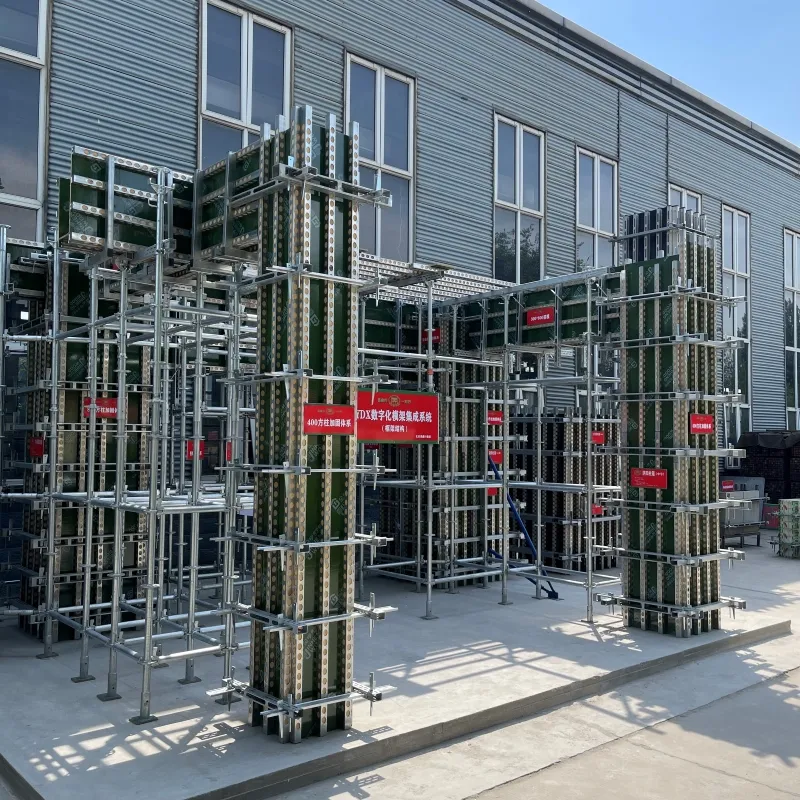
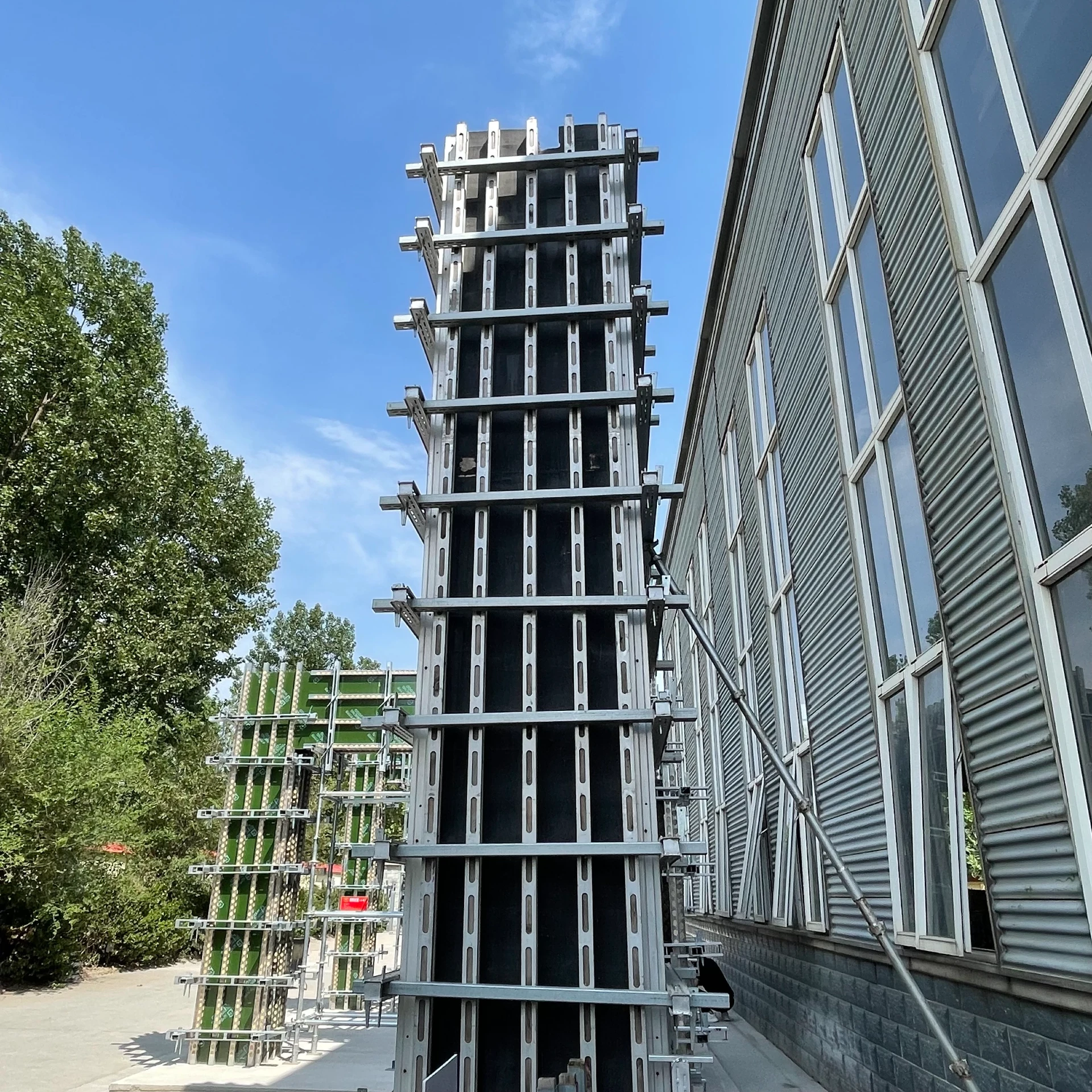
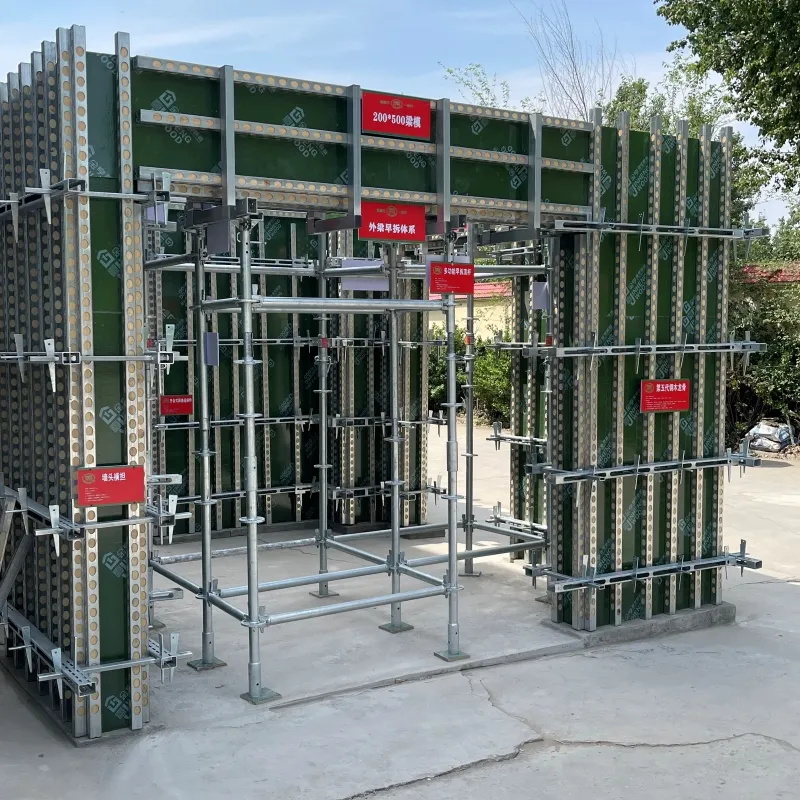
At its core, an aluminium shuttering plate is a lightweight, rigid panel used as a mold—or formwork—to shape poured concrete. Think of it as a reusable cookie cutter: strong enough to hold wet concrete in place until it hardens, yet light enough to handle and reposition easily. Compared to traditional timber or steel formworks, aluminium shuttering plates combine durability with portability.
Industries from urban building to emergency shelter construction rely on these plates for rapid, quality concrete work. Beyond just industrial use, they're increasingly important in humanitarian projects, where quick, safe, and sturdy structures save lives and rebuild communities.
Key Factors of Aluminium Shuttering Plates
Durability and Strength
Made from high-grade aluminium alloys, these plates resist corrosion and withstand the physical demands of repeated use. Their strength does not come at the expense of weight — they typically weigh less than half of steel equivalents, which helps reduce manual labor strain.
Cost Efficiency
Initially more expensive than timber, aluminium plates amortize cost over many cycles, often 100+ uses, dramatically reducing formwork expenses and onsite waste.
Scalability and Flexibility
Sizes and thicknesses vary, enabling scalability from small-scale repairs to large infrastructure projects. Plus, modular designs allow easy assembly into complex shapes.
Surface Quality and Finish
The smooth aluminium surface ensures a finer concrete finish, reducing the need for additional surface treatments or repairs post-casting — this saves both time and money.
Environmental Impact
Recyclability and reduced timber consumption contribute to a smaller environmental footprint, meeting rising demands for green building materials.
Typical Aluminium Shuttering Plate Specifications
| Specification | Typical Value | Notes |
|---|---|---|
| Material | Aluminium Alloy 6061-T6 | Common for structural strength |
| Thickness | 2 mm - 6 mm | Higher thickness for heavy loads |
| Weight | 5 - 15 kg/m² | Varies with thickness |
| Reusable Cycles | >100 times | Depends on care and usage |
| Surface Finish | Smooth, anti-corrosion coating | Improves concrete appearance |
Vendor Comparison: Leading Aluminium Shuttering Plate Suppliers
| Supplier | Product Range | Price Range (per m²) | Lead Time | Customization Options |
|---|---|---|---|---|
| AluForm Co. | Standard & Heavy Duty Plates | $35 - $50 | 2-3 weeks | Thicker panels, non-slip coating |
| FormTech International | Lightweight Modular Systems | $40 - $60 | 1-2 weeks | Custom sizes & shapes |
| Global Shutter Plates | Eco-Friendly & Recycled Aluminium | $45 - $55 | 3-4 weeks | Green-certified products |
Global Applications & Use Cases
From the skyscrapers of Dubai to the rebuilding efforts after hurricanes in the Caribbean, aluminium shuttering plates are everywhere. In Asia’s booming construction markets—India, China, Southeast Asia—these plates help contractors meet tight deadlines while maintaining quality. In post-disaster relief scenarios, such as the 2010 Haiti earthquake reconstruction, NGOs turned to modular formwork systems that included aluminium shuttering plates to quickly erect durable shelters.
Oddly enough, remote mining sites in Australia rely on aluminium shuttering for rapid infrastructure that withstands harsh environments. And in Europe, construction firms integrate them into green building projects aligning with ISO 14001 environmental standards.
Mini takeaway: Aluminium shuttering plates support diverse projects worldwide, proving their versatility and global appeal.
Advantages & Long-Term Value
The value of aluminium shuttering plates extends beyond quick setup times. Logically, their reusability shrinks material waste, boosting sustainability. Emotionally, project teams appreciate the reliability and the lower risk of formwork failure, enhancing safety on site. Plus, better concrete finishes mean less rework — cutting frustration and improving deadlines.
These plates also reinforce social impact; using high-quality, long-lasting materials elevates construction dignity, especially in humanitarian shelters. And the innovation in design—such as integrating anti-slip coatings or specialized edges—boosts trustworthiness across projects.
Future Trends & Innovations
Looking forward, aluminium shuttering plates are part of a digital transformation. Industry 4.0 incorporates BIM (Building Information Modeling) to design custom shuttering with precise digital blueprints. Automation and robotics promise to ease formwork installation in the next decade, reducing human risk.
Materials innovation focuses on greener alloys and coating technologies to bolster resistance and recyclability. Furthermore, some manufacturers explore integrating solar-reflective coatings to manage heat during curing — small adjustments that improve concrete integrity.
Challenges & Practical Solutions
Despite many benefits, challenges exist. Aluminium’s upfront cost can deter smaller builders. Handling requires care — dents or warping compromise performance. Plus, custom sizes may delay lead times.
Engineers suggest training crews on careful handling to extend plate life. Bulk purchasing and collaboration with suppliers can reduce costs. Modular systems with adjustable frames solve customization needs by fitting different shapes without ordering a new plate each time.
FAQ: Frequently Asked Questions About Aluminium Shuttering Plates
- Q: How do aluminium shuttering plates compare to timber formwork in terms of cost?
A: While aluminium plates have a higher upfront price, their durability and reusability often result in lower costs over multiple construction cycles, reducing waste and need for replacements. - Q: Are aluminium shuttering plates suitable for all types of concrete structures?
A: Yes, they are versatile enough for walls, slabs, beams, and even complex shapes when combined with modular panel systems. - Q: Can these plates be used in extreme weather conditions?
A: Definitely. Aluminium alloys resist corrosion and maintain strength across temperature ranges, making them ideal even in humid or cold environments. - Q: How easy is it to transport and handle aluminium shuttering plates onsite?
A: Their lightweight nature makes them more manageable compared to steel, often requiring fewer personnel or mechanical aids, thus saving time and effort. - Q: What sustainability benefits do aluminium shuttering plates provide?
A: They reduce timber consumption, minimize construction waste, and can be recycled at the end of their lifecycle, aligning well with green building initiatives.
Conclusion: Embrace Aluminium Shuttering Plates for Future-Ready Construction
Aluminium shuttering plates stand as a testament to how material science and practical innovation come together to tackle real-world construction challenges. Their blend of durability, cost-effectiveness, and environmental benefits makes them an indispensable part of modern building strategies worldwide.
For those intrigued by boosting project efficiency and sustainability, aluminium shuttering plates offer a compelling choice. Curious? Explore more about their specs, vendors, and how they can elevate your next construction project.
Because, in construction—as in life—it often pays to work smarter, not just harder.
Quick reflection: I’ve always noticed how selecting the right formwork can make or break a job’s timeline and budget. Aluminium shuttering plates blend modern tech with practical needs in a way that's frankly refreshing.
-
Comprehensive Guide to Scaffolding Rods for Safe Construction PracticesNewsFeb.24,2026
-
Comprehensive Guide to Different Types of Scaffolding for Construction ProjectsNewsFeb.11,2026
-
The Crucial Role and Safe Use of Scaffolding in Modern Construction ProjectsNewsJan.30,2026
-
Maximize Productivity and Safety with a Versatile 7m Scaffold TowerNewsJan.27,2026
-
6m Scaffold Tower: A Comprehensive Guide for B2B BuyersNewsJan.26,2026
-
6ft Scaffold: Durability and Safety in ConstructionNewsJan.25,2026
-
6 Scaffolding: A Modern Construction SolutionNewsJan.24,2026