
Aluminium Shuttering Construction: Efficient, Sustainable Formwork for Modern Building
Aluminium Shuttering Construction: A Modern Framework Shaping the Future of Building
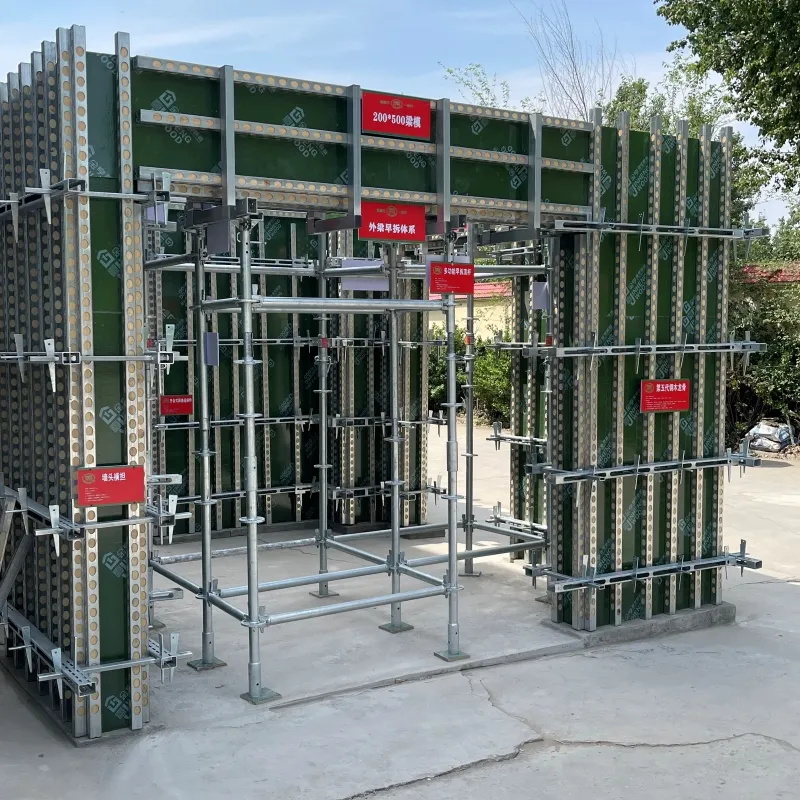
If you work in construction or infrastructure, chances are you’ve heard of aluminium shuttering construction. It’s a term that’s quietly gaining momentum globally—and for good reason. At its core, aluminium shuttering refers to the use of lightweight yet strong aluminium frameworks as forms or molds into which concrete is poured to shape structural elements like walls, slabs, and columns. This method has rapidly become a game-changer in construction projects around the world.
But why does it matter so much? Simply put, aluminium shuttering construction blends efficiency, sustainability, and adaptability in a way that addresses many challenges plaguing modern building—things like labor shortages, safety concerns, and the need for eco-friendlier materials. And it’s not just about fancy skyscrapers in developed cities: from humanitarian relief in disaster zones to booming industrial hubs in developing countries, aluminium shuttering is rewriting expectations about speed, quality, and cost-effectiveness in concrete construction.
Mini takeaway: Aluminium shuttering is more than a construction technique—it’s a vital response to the evolving demands of global infrastructure development.
Global Context: Why Aluminium Shuttering Is On The Rise
Did you know that the global construction industry accounts for nearly 39% of greenhouse gas emissions? That drives a big push toward sustainable and efficient building methods. According to the World Bank, urban populations are expected to increase by 2.5 billion by 2050. This surge requires scalable solutions to build safer, faster, and smarter. Aluminium shuttering construction fits the bill perfectly.
Unlike traditional timber shuttering—often heavy and prone to wear—aluminium systems dramatically reduce formwork preparation time and can be reused hundreds of times, lessening resource waste. Industries from commercial high-rise projects in Asia to public housing in Africa are turning to aluminium shuttering to overcome challenges like material scarcity, labor costs, and environmental targets.
Mini takeaway: The intersection of urban growth and sustainability demands innovative formwork solutions—and aluminium shuttering is steadily becoming the preferred choice.
What Is Aluminium Shuttering Construction?
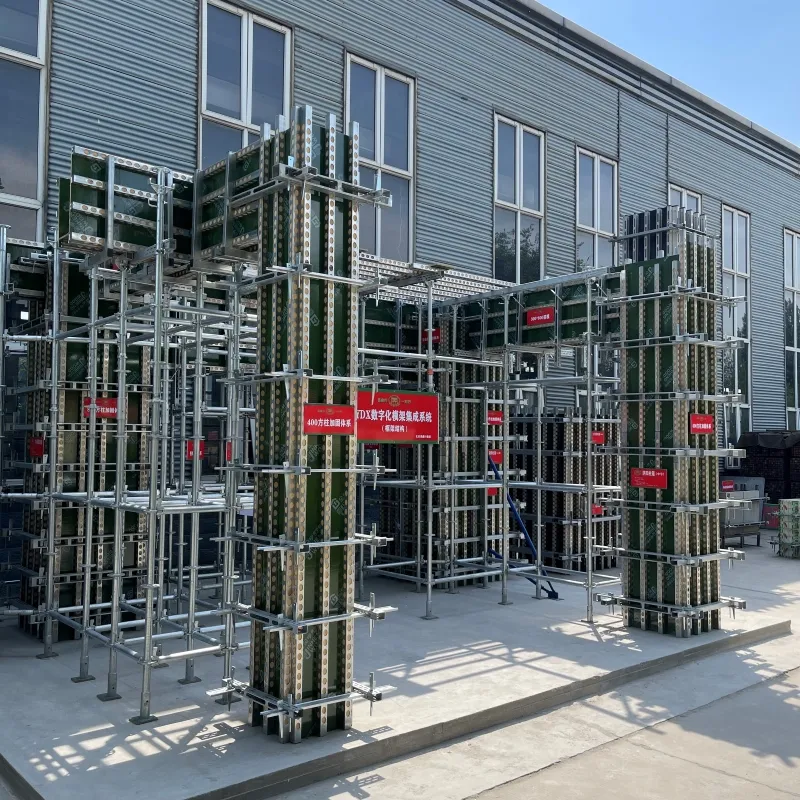
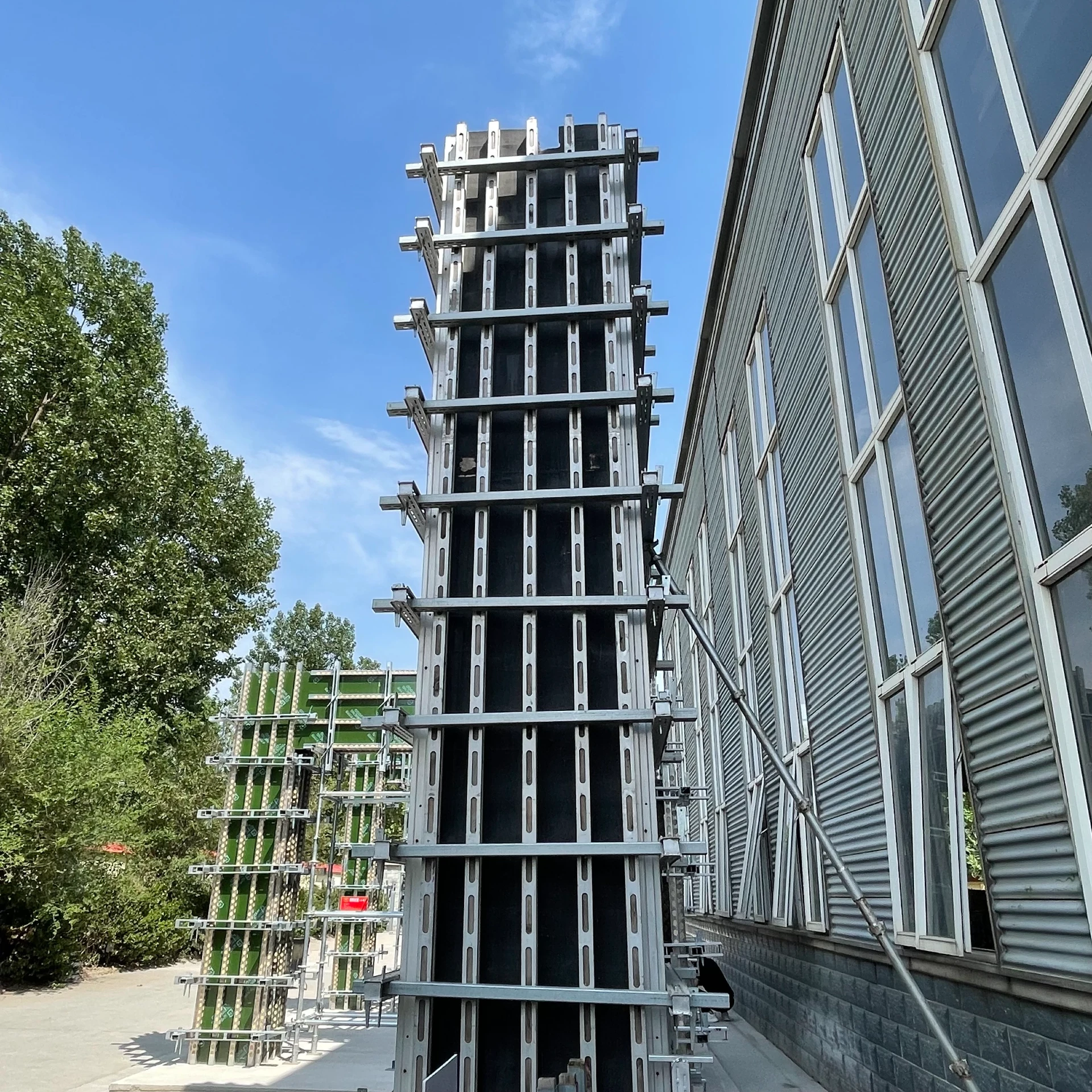
In layman’s terms, aluminium shuttering construction involves assembling prefabricated aluminium panels or frames that serve as molds for freshly poured concrete. These shutters hold the concrete in place until it hardens to the desired shape. The aluminium used is typically lightweight but robust—often an alloy designed specifically for structural support and corrosion resistance.
Its connection to modern industry is profound. Aluminium shuttering not only streamlines construction workflows but also adapts well to automation and digital design techniques like BIM (Building Information Modeling). At the humanitarian level, it enables rapid construction of durable shelters and facilities in disaster-affected areas where speed is critical.
Key Components of Aluminium Shuttering Construction
1. Durability & Reusability
Aluminium shuttering panels can be reused 300-500 times or more, far surpassing timber shuttering’s lifespan. This reduces costs and waste throughout a project lifecycle.
2. Lightweight Handling
One man can carry an aluminium panel where timber requires two or three—saving labor costs and improving site safety.
3. Modularity & Customization
Shuttering kits often come in modular designs, allowing easy assembly into complex geometries to suit different architectural demands without compromising structural integrity.
4. Corrosion Resistance
Aluminium alloys resist moisture and chemical damage, which means less maintenance and longer shelf life, especially important in humid or coastal environments.
5. Faster Cycle Times
Aluminium’s smooth surface eases concrete release, accelerating de-molding and reducing project delays.
Typical Aluminium Shuttering Product Specifications
| Specification | Details |
|---|---|
| Material | Aluminium Alloy 6061-T6 or equivalent |
| Panel Dimensions | Variable, typically 1.2m x 2.4m |
| Weight per Panel | 10 - 15 kg |
| Reusability | Up to 500 cycles |
| Finish | Smooth anodized surface for easy concrete release |
| Corrosion Resistance | High resistance; suitable for humid/coastal sites |
Global Applications & Use Cases
Aluminium shuttering construction is not bound by geography. Across Asia’s fast-growing megacities, aluminium formwork systems shorten construction cycles of multi-story residential blocks. In Europe and North America, engineered aluminium shuttering supports stringent safety and quality codes while helping reduce carbon footprints of construction projects.
In humanitarian relief, NGOs rely on aluminium shutters to build emergency hospitals and shelter structures rapidly after natural disasters like earthquakes or floods. The lightweight nature of aluminium allows quick air-lifting and installation on challenging terrain. An interesting case happened after the 2015 Nepal earthquake, where aluminium shuttering enabled local builders to erect safer buildings faster (source: Wikipedia).
Remote industrial zones also benefit—ranging from mining camps in Africa to pipeline infrastructure in South America. The durability of aluminium shuttering withstands harsh environmental conditions, ensuring safer, long-lasting structural work that can be maintained easily.
Vendor Comparison: Leading Aluminium Shuttering Providers
| Vendor | Material Quality | Cost per Panel | Typical Use Cases | Reusability |
|---|---|---|---|---|
| AluForm | 6061-T6 Alloy | $120 | High-rise residential & commercial | ~500 cycles |
| FormTech | 6063 Alloy | $110 | Infrastructure & industrial | ~400 cycles |
| EcoShutter | Recycled Alloy Blend | $100 | Social housing & disaster relief | ~350 cycles |
Advantages & Long-Term Value
Thinking about choosing aluminium shuttering? Here’s what makes it a solid investment:
- Cost efficiency: Its reusability reduces need for continuous material purchases.
- Speed & Safety: Light panels mean less heavy lifting, reducing accidents and speeding workflow.
- Sustainability: Aluminium is recyclable, minimizing landfill waste compared to timber.
- Quality Control: The smooth finish delivers consistent concrete surfaces, lowering finishing costs.
- Social impact: Faster construction translates to quicker housing delivery, especially important in disaster recovery.
Emotionally, there’s a sense of trust in modern systems that balance innovation and environmental responsibility. Many engineers I’ve spoken with say aluminium shuttering “feels like the future already arrived.”
Future Trends & Innovations
The world is leaning into digital and green. Aluminium shuttering is poised to benefit from:
- Automation & robotics: Integration with robotic assembly and concrete pouring systems.
- Smart materials: Improved alloys with self-healing or corrosion-detecting coatings.
- Digital design: Use in BIM workflows for precise, optimized shuttering layouts.
- Sustainability policies: More regulation pushing for low-carbon materials positions aluminium well.
Frankly, it’s exciting to see a decades-old construction method morph into a digitally-supported, environmentally conscious tool.
Challenges & Solutions
Of course, no system is perfect. Some drawbacks include higher initial investment and vulnerability to dents if mishandled. Plus, technical know-how is needed to assemble and plan modular shuttering effectively.
Luckily, training programs and improved manufacturing standards are making these issues less of a barrier. Several companies now offer on-site support and manuals that simplify adoption—even in low-resource settings.
FAQ: Frequently Asked Questions About Aluminium Shuttering Construction
- How does aluminium shuttering compare to timber in cost-effectiveness?
- Though aluminium panels cost more upfront than timber, their ability to be reused hundreds of times leads to significant savings over multiple projects, making them more cost-effective in the long run.
- Can aluminium shuttering be used in extremely humid or coastal environments?
- Yes, aluminium alloys used are typically corrosion-resistant, especially when anodized or treated, making them suitable for harsh environments including coastal and tropical regions.
- How quickly can structures be built using aluminium shuttering systems?
- Due to modularity and lightweight handling, construction times can be reduced by 30-50% compared to traditional formwork methods, allowing faster project completion.
- Are these systems eco-friendly?
- Definitely. Aluminium is highly recyclable and reusability reduces timber harvesting and waste, aligning with green building principles.
- Where can I find suppliers of aluminium shuttering panels?
- You can explore global and regional suppliers such as aluminium shuttering construction providers online or contact construction material vendors offering modular formwork solutions.
Conclusion: Why Aluminium Shuttering Construction Deserves a Spot in Your Next Project
To sum up, aluminium shuttering construction delivers a powerful mix of speed, sustainability, and durability that few other formwork solutions can match. It’s not just about efficiency—but also about being future-ready for the evolving demands of global infrastructure.
If you want to make your building projects faster, safer, and greener—or are involved in humanitarian construction requiring rapid deployment—aluminium shuttering is definitely worth looking into. For detailed inquiries and sourcing, visit our website to get started.
Mini takeaway: Investing in aluminium shuttering means investing in resilient, sustainable construction solutions for today—and tomorrow.
References & Further Reading:
-
Comprehensive Guide to Scaffolding Rods for Safe Construction PracticesNewsFeb.24,2026
-
Comprehensive Guide to Different Types of Scaffolding for Construction ProjectsNewsFeb.11,2026
-
The Crucial Role and Safe Use of Scaffolding in Modern Construction ProjectsNewsJan.30,2026
-
Maximize Productivity and Safety with a Versatile 7m Scaffold TowerNewsJan.27,2026
-
6m Scaffold Tower: A Comprehensive Guide for B2B BuyersNewsJan.26,2026
-
6ft Scaffold: Durability and Safety in ConstructionNewsJan.25,2026
-
6 Scaffolding: A Modern Construction SolutionNewsJan.24,2026