
Aluminium Formwork System – Fast, Sustainable Construction Solutions
Understanding the Aluminium Formwork System: A Game Changer in Construction
When you hear “aluminium formwork system,” you might think, “Okay, some construction jargon.” But honestly, this technology is quietly reshaping the way buildings rise worldwide. It’s not just about speed; it’s about sustainability, cost-saving, and quality that speaks volumes in both booming cities and disaster-struck areas. Let’s unpack why the aluminium formwork system matters to engineers, developers, and even humanitarian responders alike.
Introduction: How the Aluminium Formwork System Fits Into a Global Landscape
The construction sector is responsible for roughly 38% of global carbon emissions according to recent UN climate reports. Facing rapid urbanization with the rural-to-urban migration increasing 2% every year (World Bank, 2023), efficient building methods have never been more urgent. Traditional concrete casting is labor-intensive, slow, and sometimes wasteful. Here, the aluminium formwork system arrives as a practical, greener fix. It addresses delays, reduces waste, and ultimately improves building quality.
In fact, many countries battling housing shortages or rebuilding after natural disasters rely increasingly on it to accelerate construction without compromising on safety or sustainability.
Mini takeaway:
The aluminium formwork system isn’t just a fancy pipeline for concrete – it’s a response to global urbanization pressures combined with environmental demands.
What Exactly Is an Aluminium Formwork System?
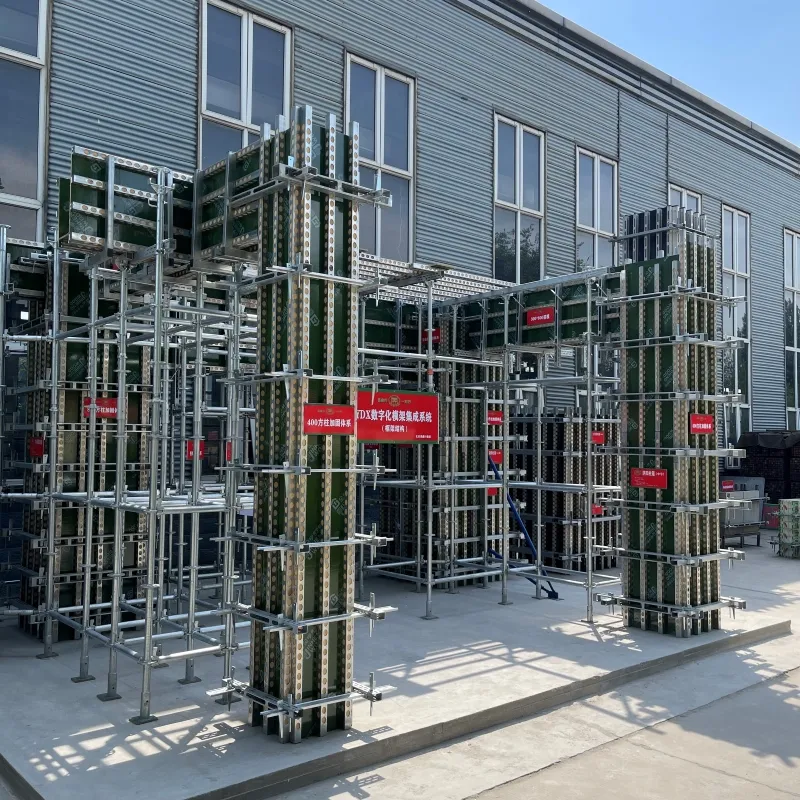
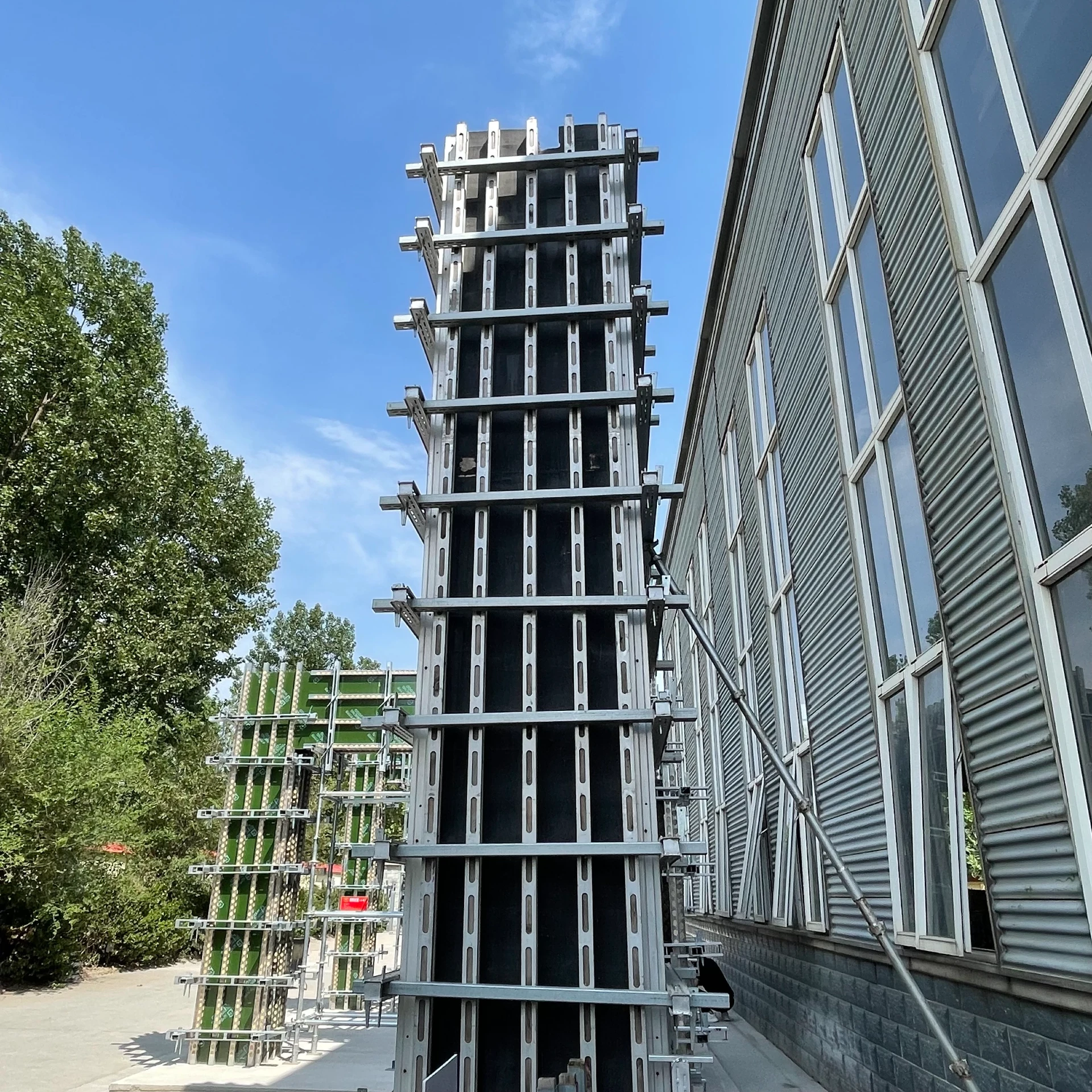
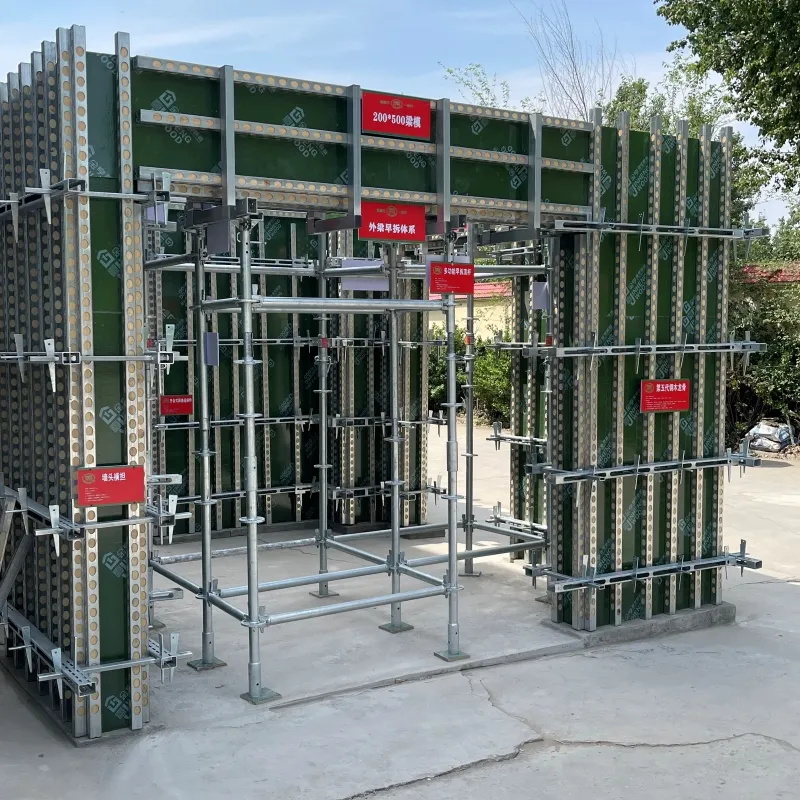
Simply put, an aluminium formwork system is a set of reusable, lightweight moulds made of aluminium alloy that shapes concrete when building walls, slabs, beams, or columns. These formworks are designed to snap together quickly, creating permanent molds significantly faster than traditional timber or steel alternatives.
Think of it as a precision “casting glove” that keeps structures consistent and stable while concrete cures—then gets stripped off and used again. This modular, repeatable process streamlines building, which is why it’s favored not only in commercial buildings but also in humanitarian projects requiring fast, safe shelter setups.
Mini takeaway:
It’s modular, reusable, fast, and an environmental upgrade from older methods.
Core Components that Make Aluminium Formwork Systems Tick
Durability and Lightweight Design
Aluminium alloys provide an excellent strength-to-weight ratio. Unlike steel, aluminium formworks weigh much less—making transportation and assembly faster. Yet, they resist corrosion well, even in humid or coastal environments, extending their operational lifespan. This dual trait saves time and money at every step.
Precision and Quality Control
Because aluminium formworks are milled with tight tolerances, the resulting concrete finishes are smoother and require less plastering. Many engineers report fewer defects and quicker finishing times, which in real terms means earlier building handovers and reduced rework.
Cost Efficiency
While aluminium formwork needs higher upfront investment compared to timber, its reusability (often over 200 cycles) drastically cuts long-term costs. Reduced labor hours and less material wastage also factor in.
Scalability and Flexibility
Systems come in modular panels and accessories, enabling construction teams to adapt them easily for different building designs— from houses to multi-story apartment blocks to bridges. This flexibility has made aluminium formwork system popular worldwide.
Safety Aspects
Prefabricated panels reduce onsite cutting and adjustments, lowering accident risks. Plus, lighter forms mean less strain on workers — a tangible improvement in building site safety.
Mini takeaway:
Durability, precision, cost-effectiveness, flexibility, and safety combine to make aluminium formwork systems smart building partners.
Real-World Applications & Who’s Using Aluminium Formwork Systems
The real versatility of aluminium formwork shows up in various settings:
- Urban Housing Projects: Cities in India, China, and UAE increasingly use it to meet housing demands fast without sacrificing quality.
- Post-Disaster Reconstruction: NGOs and governments turn to aluminium formwork to rebuild earthquake or flood-hit communities quickly, ensuring safer shelters.
- Industrial Zones & Infrastructure: Remote industrial plants choose these formworks because they reduce onsite confusion and keep schedules tight.
- Educational and Commercial Buildings: From schools in Africa to offices in Europe, rapidly deployable aluminium formwork systems simplify complex designs.
| Parameter | Typical Value | Benefits |
|---|---|---|
| Weight Per Panel | 25-40 kg | Easier handling and faster assembly |
| Reusability Cycles | Up to 200+ uses | Significant cost reduction over timber methods |
| Assembly Time per Floor | 2-4 days | Speeds project timelines drastically |
| Corrosion Resistance | High (aluminium alloy) | Longevity in varied climates |
| Finish Quality | Smooth, minimal plastering | Reduced finishing costs |
Mini takeaway:
The aluminium formwork system shines brightest where time, quality, and reuse combine — from mega-cities to vulnerable zones.
The Advantages that Keep Industry Buzzing
- Cost Saving – By slashing labor hours, reducing formwork waste, and cutting finishing time, many developers note 15-20% cost savings.
- Sustainability – Aluminium’s recyclability complements eco-friendly construction initiatives, aligning with ISO 14000 standards.
- Reliability & Safety – Known dimensional accuracy means less human error. Less onsite cutting means fewer injuries, in environments notorious for hazards.
- Social Impact – Faster build cycles mean quicker access to safe housing, helping communities regain stability post-crisis.
- Innovation – Supports complex architectural shapes while maintaining structural integrity, giving architects room to be creative.
Mini takeaway:
Aluminium formwork systems might feel like just “hardware,” but their deeper contribution is to safer, more sustainable living.
What Does the Future Hold for Aluminium Formwork Systems?
Technology is evolving rapidly. Here are a few trends to watch:
- Integration with Digital Tools: BIM (Building Information Modeling) and IoT sensors enable dynamic monitoring, reducing errors.
- Lightweight Composite Hybrids: New formulations mixing aluminium with carbon fiber could make forms even lighter and stronger.
- Green Energy Powered Manufacturing: More vendors are pushing to manufacture aluminium components with solar or wind power, shrinking carbon footprints even further.
- Automation and Robotics: Robots for panel assembly and dismantling reduce human fatigue and speed up timelines.
- Policy Drivers: As governments set stricter green building codes, adoption of aluminium formwork systems should accelerate.
Mini takeaway:
We’re heading toward smarter, greener, and faster construction with aluminium formwork continuing to lead the pack.
Common Challenges and How Industry Tackles Them
No system is without hurdles. Aluminium formwork systems do have a few:
- High Initial Cost: The upfront investment can deter small builders. Some vendors offer leasing or modular purchase plans to ease cash flow.
- Training Needs: Proper handling requires skilled operators. Training programs and certifications help smooth adoption.
- Design Limitations: Though flexible, extreme architectural curves still pose challenges. Hybrid systems combining timber for intricate parts are a common workaround.
Interestingly, many projects report that investing upfront compensates handsomely in savings on labor, quality control, and waste management long term.
FAQ: Common Questions About Aluminium Formwork Systems
- How does aluminium formwork speed up construction?
- Because the panels are lightweight and modular, assembly time reduces drastically—often by up to 50%. The precision fit also means fewer corrections and faster concrete curing cycles.
- Are these systems eco-friendly compared to traditional methods?
- Yes. Aluminium panels can be reused hundreds of times, lowering timber waste and reducing landfill debris. Plus, aluminium is highly recyclable, helping comply with environmental standards.
- Can aluminium formworks be used in earthquake-prone areas?
- Definitely. Their strength and precision contribute to structural integrity, and many have been approved in seismic zones following ISO and local standards compliance.
- What kind of maintenance do aluminium formworks require?
- Minimal maintenance — mainly cleaning and storage dry to prevent corrosion. Occasional checks for panel damage ensure consistent quality.
- Is it suitable for small-scale builders?
- Although initially costly, rental or shared purchase models now allow smaller firms access without heavy upfront expenses, broadening the market accessibility.
Conclusion: A Long-Term Perspective on Aluminium Formwork Systems
After years in the field, it feels like aluminium formwork systems are more than just a tech fad—they're becoming fixtures in modern, sustainable construction. Faster projects mean quicker occupancy. Less waste means a better planet. Safer work environments mean healthier teams. The blend of efficiency and care is rare but very welcome here.
If you are curious about how switching to aluminium formworks could transform your projects, don’t hesitate to check our detailed system options and vendor insights. The future builds fast and strong, and maybe aluminium is your next best partner.
| Vendor | Product Range | Average Panel Weight | Reusability Cycles | Lead Time |
|---|---|---|---|---|
| AluForm Tech | Residential, Commercial | 30 kg | 200+ | 2-3 weeks |
| BuildMould Systems | Industrial, Infrastructure | 35 kg | 180–220 | 3-4 weeks |
| NextGen Aluminium | Multi-Purpose | 28-32 kg | 150-200 | 1-2 weeks |
Final thoughts
It’s exciting to see how this technology keeps evolving — aluminium formwork systems seem poised to stay a favorite among builders who care about speed, sustainability, and quality. After all, the world won’t wait for slow buildings anymore.
References
-
Comprehensive Guide to Scaffolding Rods for Safe Construction PracticesNewsFeb.24,2026
-
Comprehensive Guide to Different Types of Scaffolding for Construction ProjectsNewsFeb.11,2026
-
The Crucial Role and Safe Use of Scaffolding in Modern Construction ProjectsNewsJan.30,2026
-
Maximize Productivity and Safety with a Versatile 7m Scaffold TowerNewsJan.27,2026
-
6m Scaffold Tower: A Comprehensive Guide for B2B BuyersNewsJan.26,2026
-
6ft Scaffold: Durability and Safety in ConstructionNewsJan.25,2026
-
6 Scaffolding: A Modern Construction SolutionNewsJan.24,2026