
Aluminium Form: The Future of Durable and Sustainable Construction Formwork
What Is Aluminium Form and Why Does It Matter Globally?
In the world of modern construction and infrastructure, the term aluminium form crops up quite frequently — and for good reason. These lightweight yet robust systems are reshaping how buildings, bridges, and other structures come together, with global impact touching everything from urban development to humanitarian aid. But why does aluminium form deserve your attention? Simply because it offers a combination of strength, adaptability, and sustainability that many industries desperately need in an era of fast-paced growth and environmental concerns.
Beyond just being a shiny metal, aluminium forms change the way we approach construction challenges globally — meaning faster build times, reduced waste, and structures that often outperform traditional methods. Stick around, and you’ll get the full lowdown on what aluminium form really means, where it’s making waves, and why savvy engineers (and project managers) are keeping it top of mind.
Setting the Stage: Aluminium Form in the Global Context
To appreciate aluminium forms, it helps to zoom out a bit. According to the International Organization for Standardization (ISO), construction is one of the largest global economic sectors, accounting for roughly 13% of GDP worldwide. Yet, it’s also one of the industries grappling heavily with sustainability and resource efficiency. Enter aluminium form systems—engineered frameworks made mostly from recyclable aluminium — designed to optimize concrete construction and reduce environmental footprints.
The World Bank estimates that cities will add 2.5 billion people by 2050, putting buildings and infrastructure under massive pressure. Rigidity, delays, and disposal headaches from traditional timber or steel formwork simply won’t cut it anymore. Aluminium forms solve some core problems: they’re reusable, lightweight for faster transport and handling, and often modular to fit diverse projects. The rapid urbanization, along with disaster recovery efforts worldwide, increasingly calls for smart solutions such as this.
So the challenge: how do we build strong, reliable, and sustainable structures in a timely manner while mitigating carbon footprints? Aluminium form is one of the answers.
Defining Aluminium Form in Simple Terms
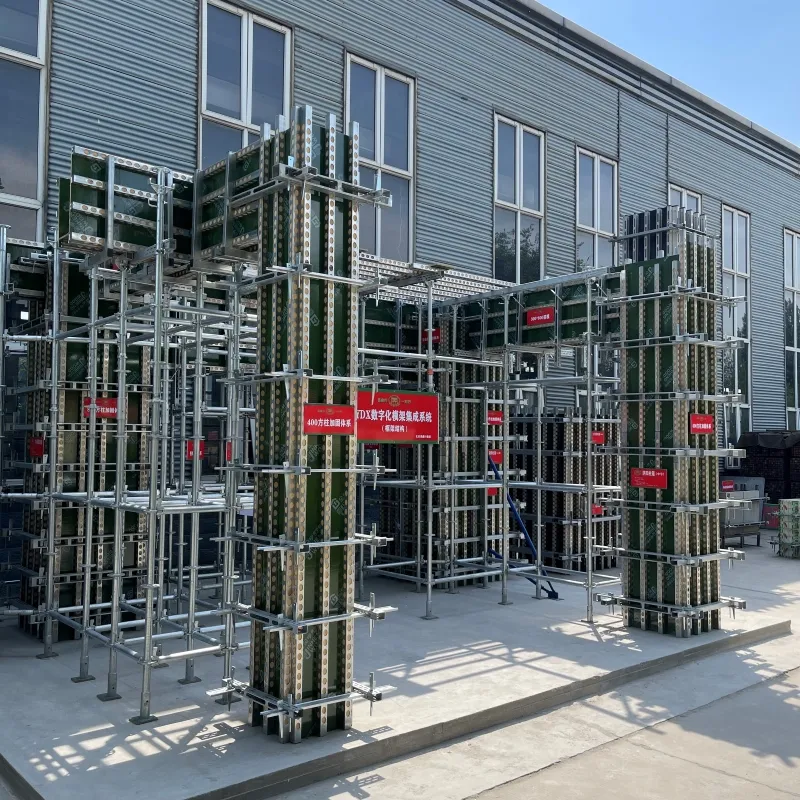
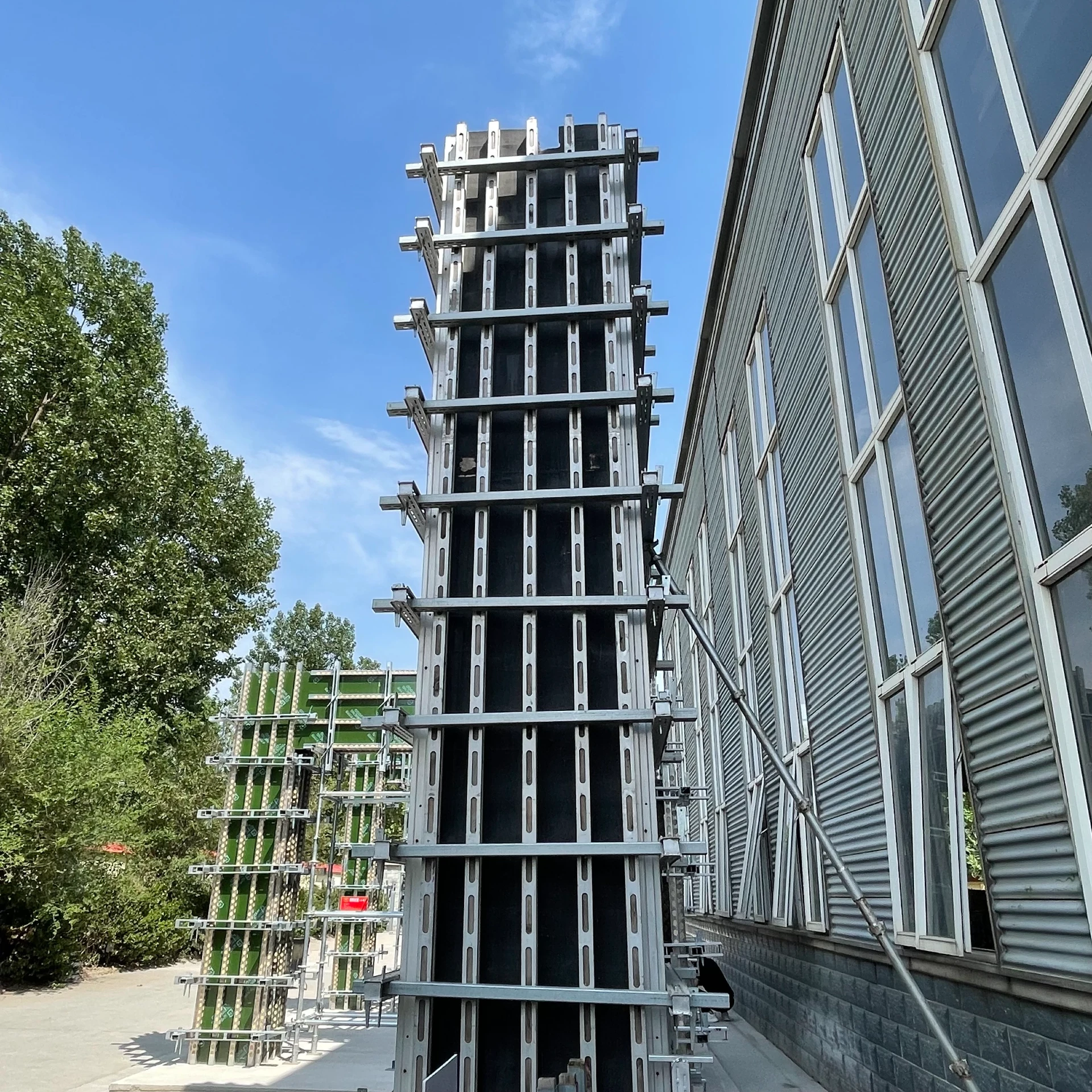
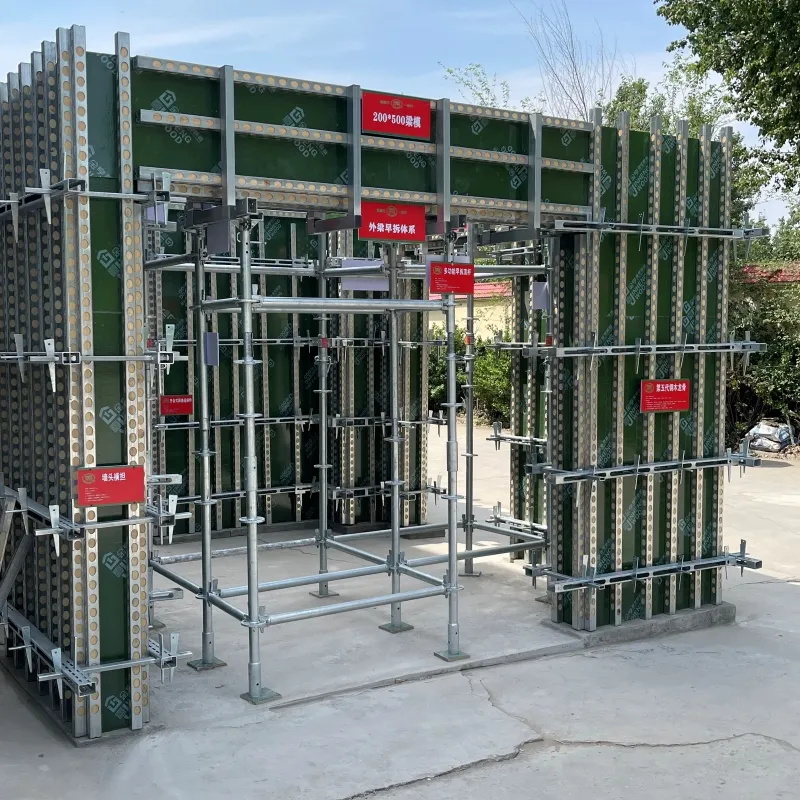
At its core, an aluminium form is a prefabricated mould or framework made primarily from aluminium alloys, designed to shape poured concrete into desired forms. Think of it as a temporary "skin" or "mould" that holds wet concrete while it sets into walls, slabs, or columns.
Unlike traditional timber or steel formwork, aluminium form systems are lightweight yet incredibly strong. Their durability often means dozens, sometimes hundreds, of reuse cycles — saving time, money, and resources on large projects.
And in more practical terms, these forms are critical for everything from skyscrapers to emergency shelters where precision and speed are needed.
Mini takeaway:
Aluminium form systems offer a modern alternative to traditional formwork — marrying strength and efficiency in construction worldwide.
Key Features That Make Aluminium Form Stand Out
Durability & Strength
Aluminium alloys are naturally corrosion-resistant, which means forms don’t degrade easily, especially compared with wood that rots or steel that rusts. This durability results in longer life spans and less maintenance hassle on-site.
Lightweight Design
The low density of aluminium reduces weight by roughly 50%–60% compared to steel. This makes transportation easier and speeds up assembly and disassembly — especially important in tight or remote projects.
Modularity & Versatility
Many aluminium form systems come with modular panels and adjustable components, meaning you can reuse them in multiple project types or customize sizes on the fly.
Cost Efficiency Over Time
Though the upfront costs may be higher than timber, aluminium forms pay off over repeated use due to durability, lower labor costs, and faster construction cycles. They often reduce waste too.
Eco-friendliness
Aluminium is highly recyclable; in fact, recycling aluminium requires only about 5% of the energy compared to primary production. This aligns aluminium formwork with global sustainability goals.
Precision & Safety
The engineering precision that aluminium enables keeps concrete dimensions true and reduces risk of structural defects. Also, the lighter weight contributes to safer handling for workers.
Mini takeaway:
Durable, lightweight, modular, and recyclable: these features make aluminium form systems smart investments for long-term construction projects.
Real-World Applications of Aluminium Formwork
Across continents and industries, aluminium formwork finds a diverse range of uses:
- Urban construction: In fast-growing cities like Dubai or Singapore, aluminium forms speed up construction schedules for high-rise towers and residential blocks.
- Disaster relief housing: NGOs use aluminium formworks to rapidly build durable shelters after floods or earthquakes, where traditional building materials may be scarce.
- Industrial infrastructure: Refineries, power plants, and remote mining operations prefer aluminium forms for custom concrete structures that can be assembled on-site quickly.
- Bridges and tunnels: Engineering firms rely on aluminium forms for shaping complex concrete geometries, contributing to safer and sturdier transport networks.
- Educational institutions: Universities and training centers employ aluminium modular forms for teaching modern construction techniques and sustainable building.
Mini takeaway:
From skyscrapers to disaster shelters, aluminium formwork adapts to diverse sectors needing fast, precise, and durable concrete shaping solutions.
Aluminium Form Specification — A Quick Reference Table
| Feature | Typical Value / Range | Notes |
|---|---|---|
| Material Alloy | 6061-T6 or similar | Good strength & corrosion resistance |
| Panel Weight | 15–25 kg per sqm | Varies by thickness & size |
| Reusability | Up to 200+ cycles | Depends on handling |
| Standard Panel Sizes | 1.2m x 2.4m, others custom | Customizable |
| Typical Cost per sqm | $20–$35 USD | Higher upfront but cost-effective long-term |
Comparing Popular Aluminium Form Vendors
| Vendor | Product Range | Price Range | Global Reach | Unique Selling Point |
|---|---|---|---|---|
| AluForm Tech | Modular panels, column forms, slab forms | Mid to high | Global (EMEA, APAC) | Highly customizable quick-lock system |
| FormLite Solutions | Lightweight panels, beam forms | Budget friendly | Strong in North America | Easy assembly, suitable for small builders |
| ReinforcedTech | Full turnkey systems, including accessories | Premium | Asia, Middle East | Integrated engineering support and training |
Advantages and Long-Term Value of Aluminium Formwork
Frankly, it feels like aluminium formwork is a rare marriage of logic and emotion in the construction world. Yes, the numbers are attractive — fewer labor hours, less material waste, faster project turnaround. But there’s also something reassuring about a system that boosts safety on-site and delivers predictable quality with every use.
Socially, aluminium forms allow projects to proceed more reliably, which for urban growth means better housing and infrastructure for millions. Environmentally, they tick boxes for sustainability and circular economy goals, as aluminium can be recycled repeatedly without degradation. Long term, you’re investing in a tool that grows with your projects — adaptable, robust, and ready for future demands.
Looking Forward: Innovations and Trends in Aluminium Form
The aluminium form industry, like many others, is riding the wave of digital transformation. Think smart forms embedded with sensors to monitor concrete curing in real-time or integration with BIM (Building Information Modeling) software for seamless project planning.
On materials science, new aluminium alloys and surface treatments aim to make forms even lighter and tougher. Automation in handling and assembly is gradually taking off, with robotic systems ready to speed up erection and dismantling of forms.
Most exciting is the push toward green energy footprint reduction — manufacturers are increasingly using renewable energy in fabrication, and pushing the carbon-neutral mantra further down the supply chain.
Challenges on the Horizon and How Experts Are Tackling Them
Not everything is perfect, of course. Aluminium formwork can face challenges like a higher initial purchase price — which sometimes deters smaller builders. Also, improper handling can definitely reduce the lifespan of these systems.
Industry experts recommend thorough training on-site and better inspection regimes. Leasing or shared ownership models are gaining traction to lower cost barriers. Plus, innovations in modular design continue to enhance adaptability and reduce damage risks.
FAQ: Your Aluminium Form Questions Answered
- Q: How does aluminium form compare to traditional timber in terms of sustainability?
A: Aluminium forms generally have a higher initial energy footprint due to alloy production but offset this by lasting far longer, reducing waste, and being highly recyclable. Timber forms tend to degrade quickly and generate more landfill waste. (Source: Wikipedia - Formwork) - Q: Can aluminium formwork be used for fast-deployment housing in disaster zones?
A: Absolutely. Due to their modularity and lightweight nature, aluminium forms enable quick, repeatable construction of durable shelters — a big plus in emergency relief where speed and reliability matter. - Q: What is the typical lifespan of aluminium form systems?
A: With proper care, aluminium forms can be reused for 150–200 cycles or more, depending on the project scale and handling quality. - Q: Are there risks with aluminium formwork in extreme climates?
A: Aluminium is generally corrosion-resistant, but extreme acidic environments or salty coastal areas require special alloys or coatings. It's best to consult with vendors for regional adaptations. - Q: How can international NGOs efficiently import aluminium forms?
A: Partnering with local suppliers or vendors offering shipping and assembly training can smooth the process. Some suppliers provide turnkey kits designed for global delivery and quick on-site use.
Wrapping Up: The Last Word on Aluminium Form
If I had to sum it up, aluminium formwork feels like one of those unsung heroes quietly revolutionizing construction from behind the scenes. It blends engineering know-how, sustainability considerations, and real-world practicality in ways that just make sense. Whether you’re planning a high-rise condo or building shelters after disaster strikes, investing in aluminium form systems is planting a seed for faster, cleaner, and smarter construction.
Ready to explore more about aluminium form solutions? Visit our website for expert guides, product specs, and vendor connections tailored to your project needs.
References
-
Comprehensive Guide to Scaffolding Rods for Safe Construction PracticesNewsFeb.24,2026
-
Comprehensive Guide to Different Types of Scaffolding for Construction ProjectsNewsFeb.11,2026
-
The Crucial Role and Safe Use of Scaffolding in Modern Construction ProjectsNewsJan.30,2026
-
Maximize Productivity and Safety with a Versatile 7m Scaffold TowerNewsJan.27,2026
-
6m Scaffold Tower: A Comprehensive Guide for B2B BuyersNewsJan.26,2026
-
6ft Scaffold: Durability and Safety in ConstructionNewsJan.25,2026
-
6 Scaffolding: A Modern Construction SolutionNewsJan.24,2026