
Aluminium Formwork Shuttering – The Future of Efficient & Sustainable Construction
Understanding Aluminium Formwork Shuttering: A Modern Solution for Construction
When you hear aluminium formwork shuttering, you might picture some shiny metal panels stacked on a construction site. But honestly, it’s so much more than just a set of molds — it’s a game-changer in how we build, globally. In a world grappling with rapid urbanisation, environmental concerns, and a dire need for durable housing, understanding this technology matters quite a bit. Why? Because it promises faster builds, less wastage, cost efficiency, and scalable solutions that take us a step closer to sustainable construction.
Global Context: Why Aluminium Formwork Shuttering Matters
Globally, the construction industry consumes nearly 40% of raw materials and contributes about 38% of CO2 emissions, according to the ISO. Cities are expanding rapidly, especially in Asia and Africa, with millions needing affordable, resilient homes. Traditional shuttering systems—mostly timber or steel—pose challenges like slow installation, heavy manual labor, and environmental burden.
Aluminium formwork shuttering addresses these issues with a lightweight, reusable, and modular system that can dramatically reduce build times (sometimes by up to 50%). The UN’s Sustainable Development Goals also emphasize sustainable infrastructure, and innovative formworks align perfectly with that.
What Is Aluminium Formwork Shuttering?
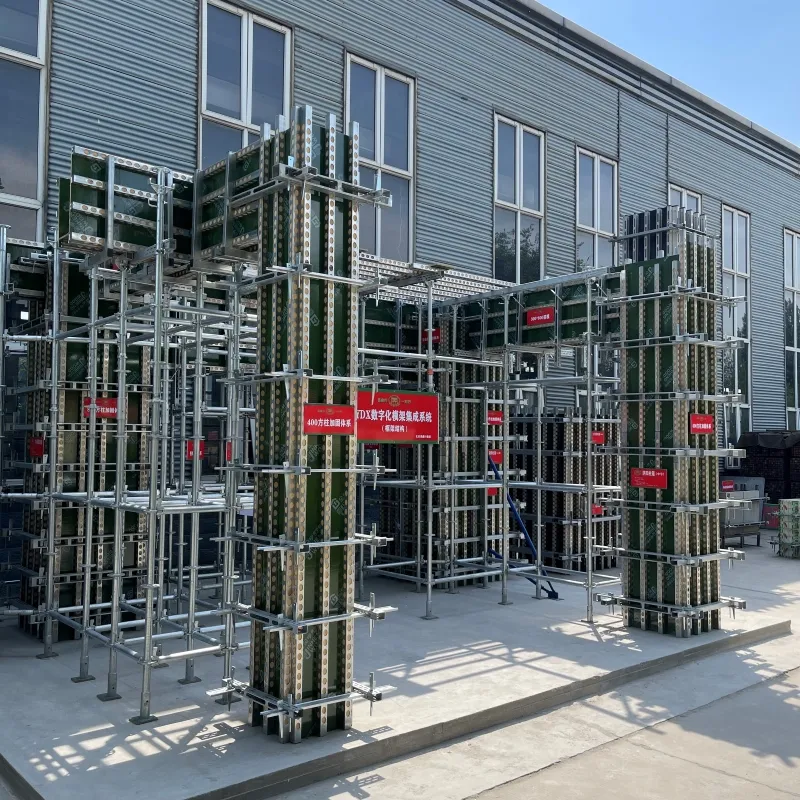
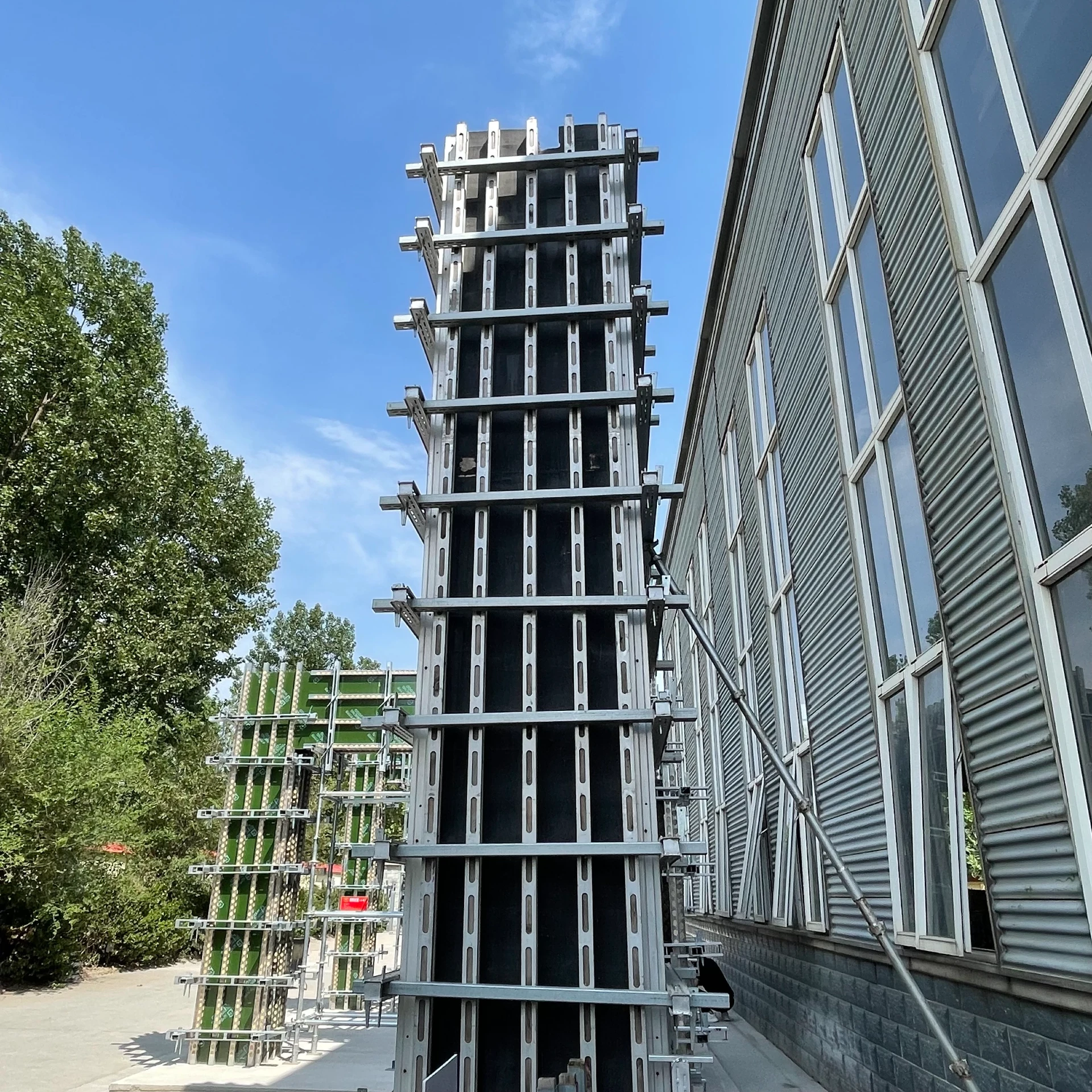
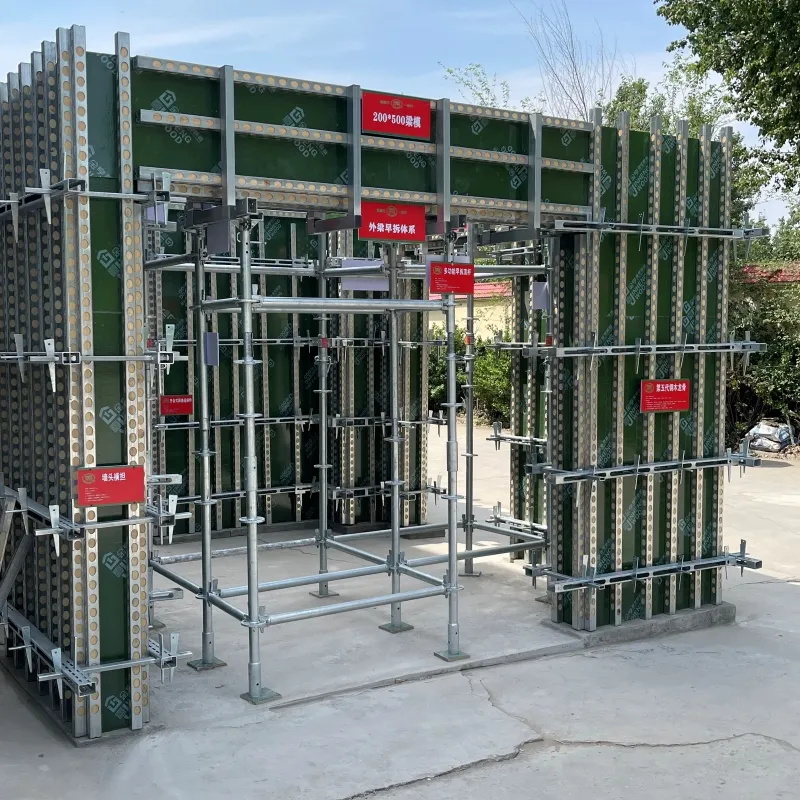
In simple terms, aluminium formwork shuttering is a construction system that uses aluminium alloy panels to mold concrete structures — walls, slabs, columns — quickly and with high precision. Unlike traditional timber shuttering, aluminium panels are sturdy yet light, reusable thousands of times, and enable speedy, consistent construction cycles.
You can think of it as a kind of industrial LEGO — snapping panels together to create molds, pouring concrete, and after curing, removing the panels for the next use. This method ties closely to modern industrialized construction approaches, which are increasingly important for humanitarian agencies solving urgent housing shortages or for contractors minimizing on-site waste.
Core Attributes of Aluminium Formwork Shuttering
1. Durability & Longevity
Aluminium alloys resist corrosion and mechanical damage better than timber or even some steel forms. This means panels last longer and stay dimensionally stable, leading to consistently high-quality concrete finishes.
2. Lightweight & Handling
Panels typically weigh between 10 to 25 kg per square meter, making them far easier to maneuver onsite, requiring less heavy equipment and reducing worker fatigue.
3. Scalability & Versatility
Modular design allows adaptation for different building geometries — from residential apartments to commercial spaces — and supports repetitive, standardized construction methods favored in large-scale projects.
4. Cost Efficiency & Sustainability
Although initial investment is higher than timber shuttering, reuse and faster turnaround times translate into lower long-term costs and less wood harvesting, which benefits environmental conservation efforts.
5. Thermal Efficiency & Finish Quality
Aluminium panels yield smooth concrete surfaces that often need minimal finishing, saving time and costs. They also support better thermal mass in buildings, contributing to energy efficiency.
Typical Specifications of Aluminium Formwork Panels
| Specification | Details |
|---|---|
| Material | Aluminium Alloy 6061-T6 |
| Panel Size | Typically 1200mm x 600mm |
| Weight | 15-22 kg/m² |
| Reusability | Up to 300+ uses |
| Finish | Smooth, minimal finishing needed |
Global Impact: Where Aluminium Formwork Shuttering Excels
Across Asia — particularly in China, Malaysia, and India — aluminium formwork shuttering is used extensively for speeding up affordable housing developments. In Africa, international NGOs deploy it during post-disaster reconstruction for durable shelters that can be built quickly and reused.
Industrial zones in the Middle East and parts of Europe favor this system for its repeatability and quality control, critical to high-rise and commercial developments. It also fits well in regions where timber is scarce or expensive.
Oddly enough, some remote island communities are starting to embrace this method because it reduces waste and transport logistics, which can be quite challenging otherwise.
Vendor Comparison: Leading Aluminium Formwork Providers
| Vendor | Panel Weight (kg/m²) | Reusability | Typical Use Cases | Price Range |
|---|---|---|---|---|
| FormPlus | 16 kg/m² | 300+ uses | Residential, Commercial | $$ |
| AluShutterTech | 14 kg/m² | 250+ uses | Industrial, High-rise | $$$ |
| EcoForm | 18 kg/m² | 350 uses | Affordable Housing, NGOs | $ |
Advantages of Aluminium Formwork Shuttering
- Faster construction cycles: Save 30-50% build time compared to traditional shuttering.
- Sustainability: Less timber usage, reduced waste, and panels reused hundreds of times.
- Consistent quality: Smooth concrete finishes decrease labor for plastering or painting.
- Improved worker safety: Lightweight panels reduce risk of injury.
- Cost savings over time: Though upfront cost is higher, payback comes from speed and reusability.
And don't forget the social impact — quicker, stronger housing means more secure shelter and dignity, especially in challenging contexts like disaster recovery.
Future Trends in Aluminium Formwork Shuttering
The industry is evolving fast: additive manufacturing might soon enable customized panels, while embedded sensors may monitor concrete curing in real-time. On the materials side, recycled aluminium alloys are gaining traction to cut energy use and emissions further.
Plus, as smart cities become a reality, integrated digital systems can orchestrate formwork assembly with automated cranes and robotics for precision and speed. Policies worldwide are emphasizing green building standards, nudging adoption of more reusable and eco-friendly shuttering options.
Challenges & Practical Solutions
Of course, this system isn’t perfect. The initial capital cost can be a barrier for small contractors or NGOs. Also, skilled labor is needed to handle and assemble panels correctly. Adverse onsite conditions can damage panels if mishandled.
Solutions include leasing or financing models to spread cost, robust worker training programs, and modular designs adaptable to onsite realities. Repair kits and surface treatments extend panel life, minimizing downtime and replacement.
FAQs About Aluminium Formwork Shuttering
-
Q: How does aluminium formwork shuttering speed up building construction?
A: Aluminium panels are prefabricated and lightweight, making assembly and dismantling faster. This reduces the typical curing and setup delays associated with timber or steel forms. -
Q: Is aluminium formwork shuttering suitable for disaster-prone areas?
A: Yes, because these panels produce strong, monolithic structures with higher durability. The system’s reusability allows for rapid reconstruction in emergencies. -
Q: What environmental benefits does aluminium formwork bring?
A: It significantly reduces timber waste, extends material life cycles, and encourages sustainable building practices aligned with global climate goals. -
Q: Can NGOs easily import and use aluminium formwork for relief projects?
A: While they might face upfront costs and logistical challenges, many vendors offer export options and training support, making it a feasible and effective solution worldwide.
Wrapping Up
Aluminium formwork shuttering stands at the intersection of technological innovation and sustainable construction practices. It represents a practical answer to global housing challenges and environmental concerns, delivering faster, safer, and greener building solutions. Whether you’re in urban development, humanitarian aid, or industrial projects, it’s a tool worth understanding and investing in.
For those wanting to dive deeper or source reliable systems, do visit aluminium formwork shuttering providers — there’s a world of potential waiting to speed up your next build.
It’s fascinating how a shift in materials and method can ripple through industries and communities alike — sometimes the smallest parts make the biggest difference.
References
-
Comprehensive Guide to Scaffolding Rods for Safe Construction PracticesNewsFeb.24,2026
-
Comprehensive Guide to Different Types of Scaffolding for Construction ProjectsNewsFeb.11,2026
-
The Crucial Role and Safe Use of Scaffolding in Modern Construction ProjectsNewsJan.30,2026
-
Maximize Productivity and Safety with a Versatile 7m Scaffold TowerNewsJan.27,2026
-
6m Scaffold Tower: A Comprehensive Guide for B2B BuyersNewsJan.26,2026
-
6ft Scaffold: Durability and Safety in ConstructionNewsJan.25,2026
-
6 Scaffolding: A Modern Construction SolutionNewsJan.24,2026