
Aluminium Formwork Cost: Understanding the True Value for Global Construction
Understanding Aluminium Formwork Cost: A Key to Smarter Construction Worldwide
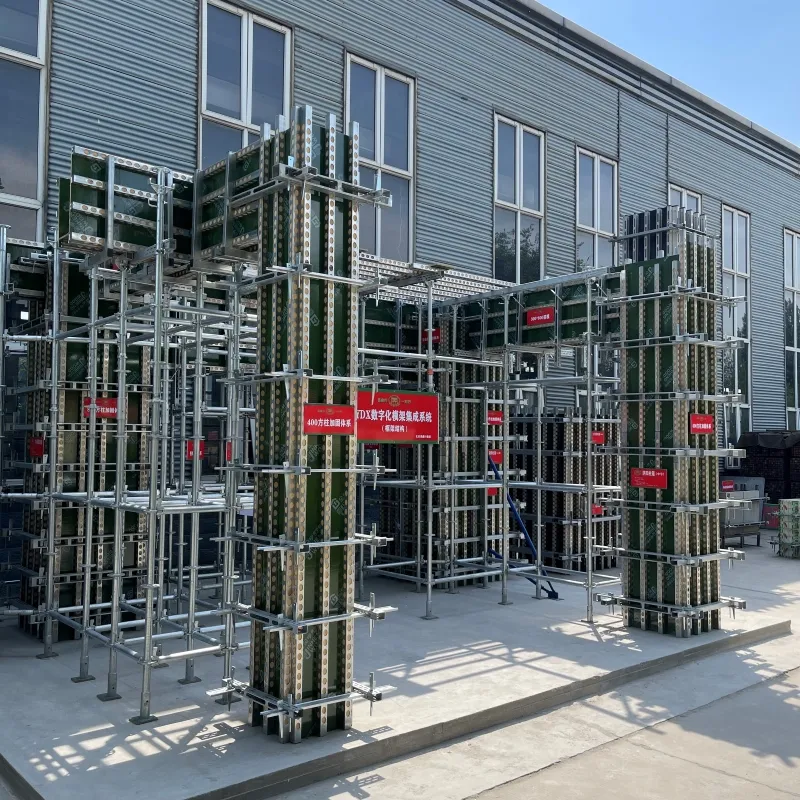
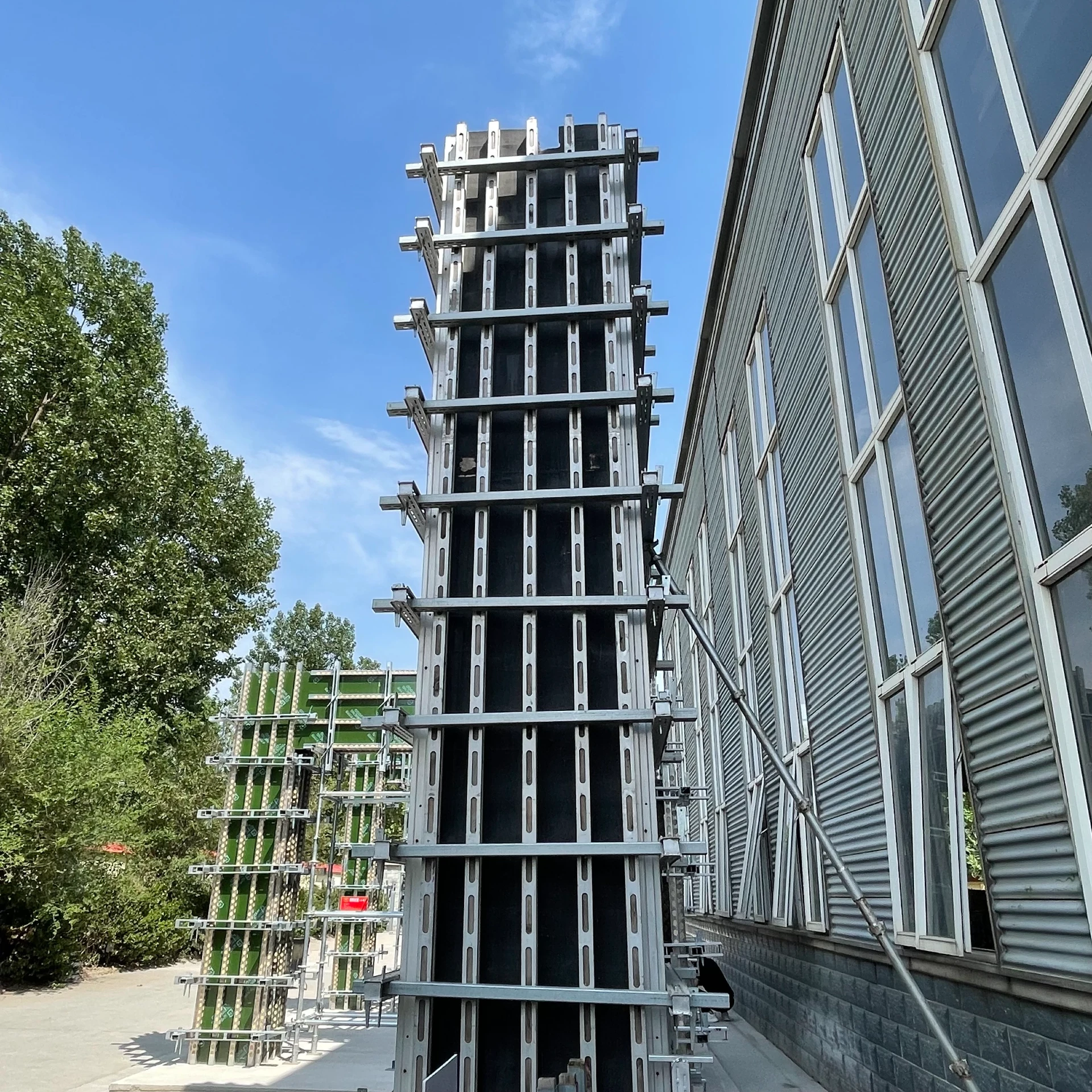
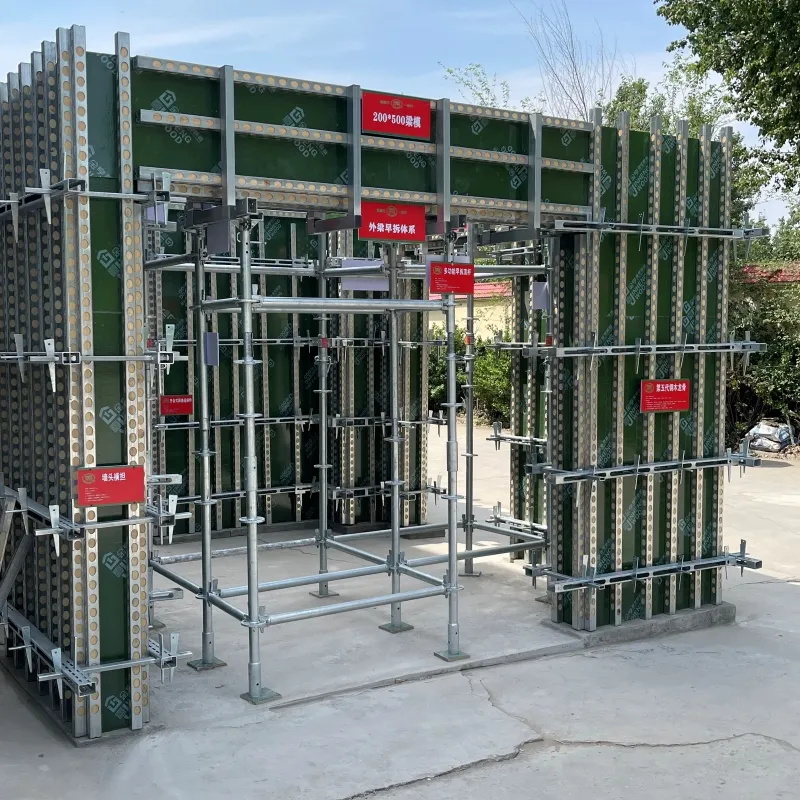
When we talk about building smarter, faster, and more sustainably around the globe, aluminium formwork cost is a topic that keeps popping up—and for good reason. It’s not just about dollars and cents; it’s about how this innovative building method shapes industries and communities worldwide. Aluminium formwork, essentially a modular mould system used repeatedly for concrete structures, has revolutionized modern construction by combining speed, strength, and cost-effectiveness. But like any system, the cost side carries plenty of nuance, and understanding it can unlock major benefits for developers, builders, and planners everywhere.
Global Context: Why Aluminium Formwork Cost Matters
Globally, construction contributes nearly 40% of carbon emissions (source: UNEP 2019), and the push for sustainable methods has never been stronger. Aluminium formwork, favored for its reusability and lighter weight compared to traditional timber or steel alternatives, addresses both environmental and financial concerns.
Moreover, with rapid urbanization—mostly in Asia and Africa—and the necessity for affordable housing, understanding the aluminium formwork cost can guide investments into scalable, durable infrastructure. The World Bank estimates that by 2050, nearly 70% of the world population will live in urban areas, underscoring the demand for efficient building methods.
However, the upfront investment in aluminium formwork systems can be a sticking point. Deciphering these costs versus long-term savings is critical for stakeholders to make informed choices.
What Is Aluminium Formwork Cost?
In simple terms, aluminium formwork cost refers to the total expenditure associated with acquiring, deploying, and maintaining aluminium mould systems used as reusable frameworks for concrete structural components. This includes the price of materials, manufacturing of the panels, transportation, labor for installation, and potential upkeep. Unlike traditional timber formwork, which is often expendable or of limited reuse, aluminium can be reused dozens—sometimes hundreds—of times, spreading out that initial cost over many projects.
The connection to modern industry lies in its role in speeding up construction cycles while ensuring consistency and quality—especially valuable in humanitarian or large-scale urban projects where timelines and budgets are tight.
Core Components Affecting Aluminium Formwork Cost
1. Durability and Reusability
Aluminium's corrosion resistance and strength mean these formworks last several years under daily construction stresses. This longevity drives down per-use costs, making the upfront investment worthwhile, especially for repetitive projects.
2. Manufacturing Quality and Design
Cost varies with the complexity of design and the grade of aluminium used. Precision engineering for easy assembly/disassembly adds value but can raise initial prices.
3. Scalability and Modularity
Systems designed for modularity allow for wide application across different building types and sizes—this flexibility can reduce overall project costs by limiting the need for custom solutions.
4. Labor and Installation
Aluminium formwork can reduce labor intensity because of its lighter weight and ergonomic design. Lower installation time reduces manpower costs, impacting total project budgets.
5. Transportation and Logistics
Because aluminium is lighter than steel, transportation costs tend to be lower, especially important in remote or disaster-hit areas.
| Specification | Typical Range | Notes |
|---|---|---|
| Initial Purchase Cost | $15 - $25 per sq.ft. | Varies by grade and design complexity |
| Reusability Lifespan | 500 - 1000+ uses | Depends on maintenance, handling |
| Installation Labor Savings | 20% - 40% | Compared to timber or steel forms |
| Transport Cost | Up to 30% less | Due to lighter weight |
Mini takeaway: The upfront aluminium formwork cost might be higher than traditional options, but its durability, reusability, and labor savings often lead to reduced overall project expenses.
Global Use Cases & Applications
Across Asia—particularly in countries like China, India, and Singapore—aluminium formwork has become almost a standard for rapid residential and commercial building, capitalizing on fast urban growth. African nations also embrace it in post-disaster reconstruction, where speed and quality matter. Oddly enough, some European eco-friendly projects use aluminium formwork for its sustainability credentials.
In the humanitarian sector, NGOs employ formwork solutions to rebuild communities devastated by earthquakes or floods—leveraging modularity and repeatability.
Advantages & Long-Term Value
- Cost Efficiency: Reusability spreads costs over multiple projects.
- Reduced Carbon Footprint: Aluminium’s long lifespan cuts down waste.
- Enhanced Safety: Lighter weight means fewer onsite accidents.
- Consistent Quality: Precision moulding assures uniform concrete finishes.
- Social Impact: Faster construction supports housing availability.
On an emotional note, it feels reassuring that such technology not only saves money but also helps communities regain dignity through safe, durable homes.
Emerging Trends & Innovations
Smart construction technologies now incorporate sensors embedded in aluminium formwork to monitor concrete curing in real time—optimizing cycle times. Meanwhile, recycling initiatives target aluminium from obsolete formworks to reduce environmental impact fully.
Policymakers emphasizing green building certifications push this technology forward, creating incentives for adopting aluminium over less sustainable materials. Automation in assembly is also cutting labor costs further, though adoption varies regionally.
Common Challenges and Solutions
One limitation is the relatively high initial capital, which may discourage smaller builders. Renting or leasing aluminium formwork is an emerging solution to democratize access. Another challenge is logistics in extremely remote areas—improved supply chain partnerships and local fabrication hubs help bridge this gap.
| Vendor | Price Range | Reusability | Support & Training |
|---|---|---|---|
| AluFormTech | $20–25 / sq.ft. | 800 uses | Comprehensive on-site training |
| BuildLight Systems | $15–20 / sq.ft. | 500 uses | Online support, occasional on-site |
| FormPro Solutions | $18–22 / sq.ft. | 1000+ uses | Dedicated support team, training included |
Frequently Asked Questions About Aluminium Formwork Cost
- Q: How does aluminium formwork cost compare to traditional timber formwork?
A: Although the initial expense is higher for aluminium, its reusability of up to 1000 uses plus reduced labor and transportation costs often make it cheaper in the long run. - Q: What factors cause variation in aluminium formwork prices?
A: Material grade, design complexity, volume ordered, and vendor pricing policies all affect cost. Location and logistics can also influence final prices significantly. - Q: Can aluminium formwork be used in tropical climates?
A: Absolutely. Aluminium resists corrosion and warping better than timber or steel, making it well suited for humid, tropical environments. - Q: Is renting aluminium formwork a viable option?
A: Many suppliers offer rental or lease programs to lower upfront investment barriers, making it accessible to smaller projects or one-off needs.
Conclusion: Why Paying Attention to Aluminium Formwork Cost Pays Off
To sum it up, though aluminium formwork cost may seem steep at first glance, when you factor in durability, fast turnaround, safety, and environmental impact, it’s often one of the smartest investments for construction projects aiming for longevity and efficiency. If you want to explore cost breakdowns further or see how you can optimize your projects, don’t hesitate to visit our website: aluminium formwork cost.
After all, smart spending here doesn’t just build structures — it builds futures.
References
-
Comprehensive Guide to Scaffolding Rods for Safe Construction PracticesNewsFeb.24,2026
-
Comprehensive Guide to Different Types of Scaffolding for Construction ProjectsNewsFeb.11,2026
-
The Crucial Role and Safe Use of Scaffolding in Modern Construction ProjectsNewsJan.30,2026
-
Maximize Productivity and Safety with a Versatile 7m Scaffold TowerNewsJan.27,2026
-
6m Scaffold Tower: A Comprehensive Guide for B2B BuyersNewsJan.26,2026
-
6ft Scaffold: Durability and Safety in ConstructionNewsJan.25,2026
-
6 Scaffolding: A Modern Construction SolutionNewsJan.24,2026