
Aluminium Formwork Construction | Sustainable & Efficient Building Systems
The Growing Importance of Aluminium Formwork Construction Worldwide
When you hear “aluminium formwork construction,” what probably comes to mind is some sleek, futuristic building technique — and you wouldn't be far off. It’s a global game-changer for the construction industry, especially in fast-paced urban environments and emergency housing projects. But why does it matter beyond just building sturdy walls? Well, worldwide, the construction sector accounts for nearly 40% of global energy consumption and resources (source: UN Environment Programme). Aluminium formwork systems significantly reduce waste, time, and labor costs, helping tackle urban housing shortages while supporting sustainability goals.
Understanding the nuances of aluminium formwork construction gives engineers, architects, and humanitarian agencies the tools to build smarter, faster, and more responsibly. Plus, the modular designs allow for quick assembly that’s perfect when every minute counts.
Aluminium Formwork Construction: Defining the Concept
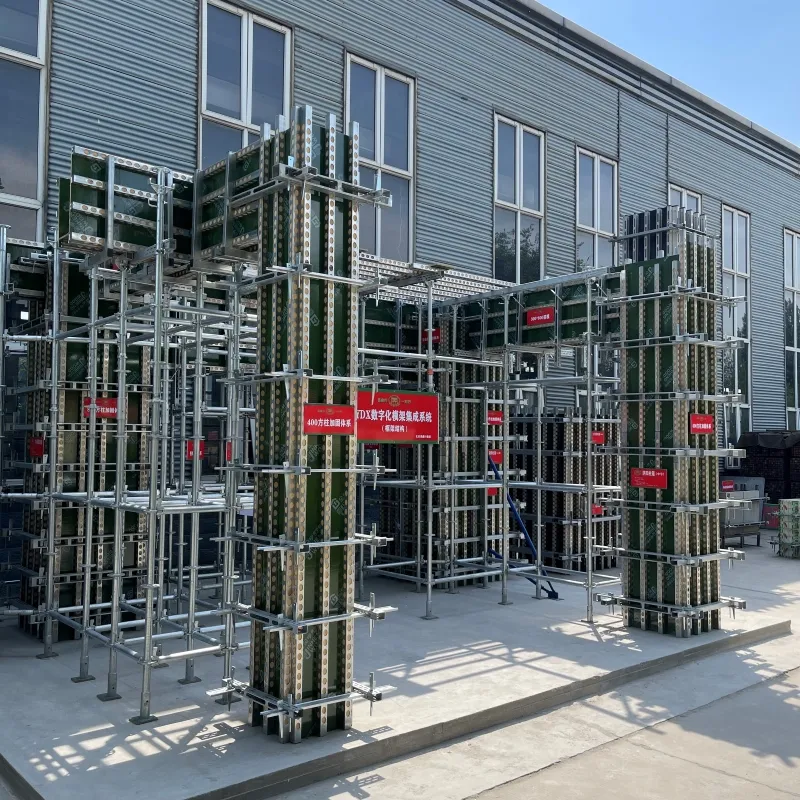
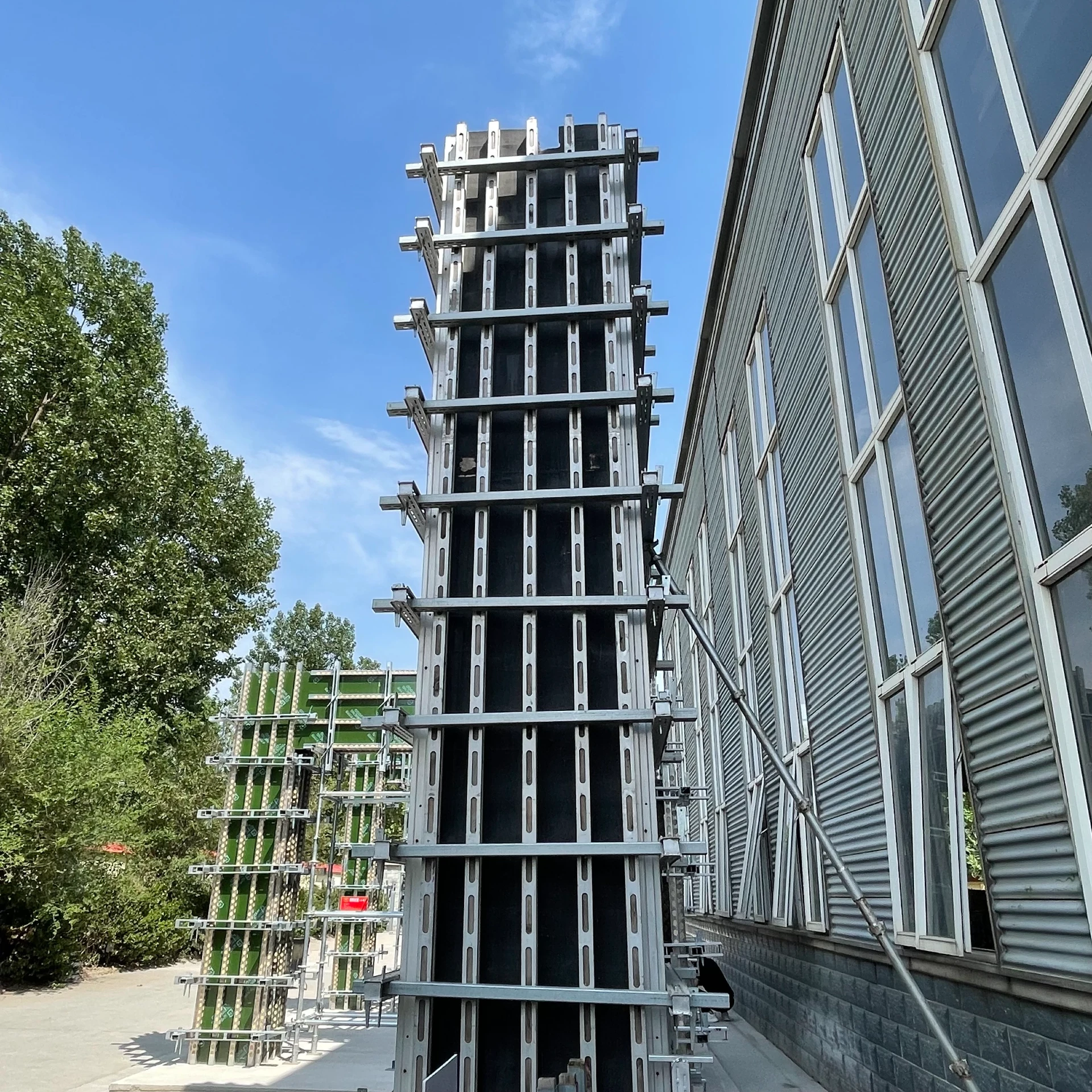
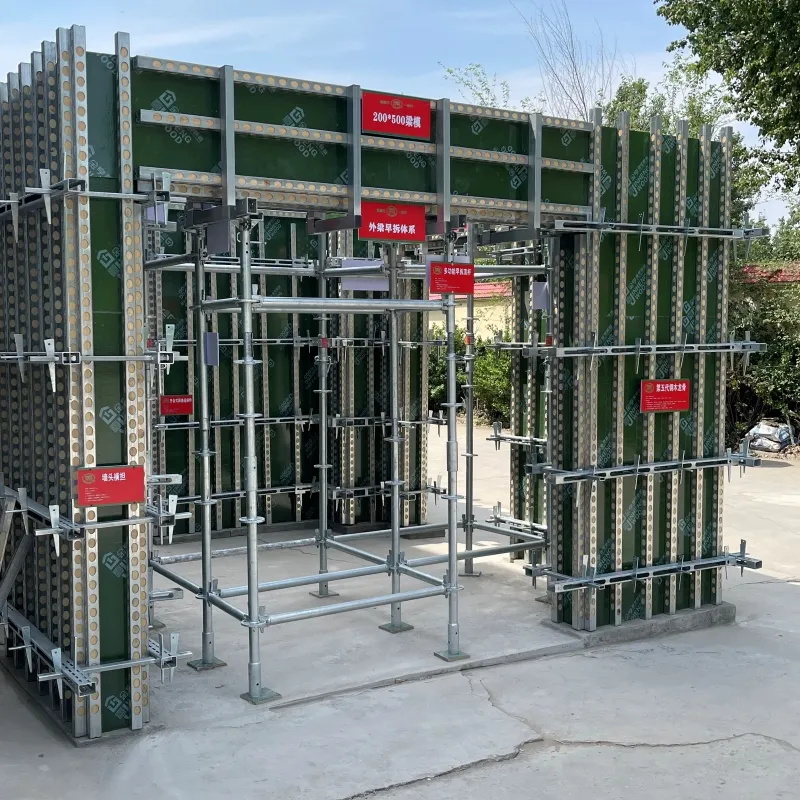
Simply put, aluminium formwork construction is a building method where pre-engineered panels and moulds made from aluminium alloy are used as molds for concrete structures. Instead of wooden or steel frameworks, these lightweight, durable panels shape walls, slabs, and columns in one smooth go.
This technique has become crucial especially in modern cityscapes where speed and quality need to be balanced, but it also plays a humanitarian role, delivering robust housing solutions in relief efforts or resource-constrained areas.
What makes it stand out?
- Modularity – The panels can be reused dozens, sometimes hundreds, of times, reducing material costs and landfill waste.
- Lightweight yet strong – Easier to handle on site compared to steel, which speeds up assembly while maintaining quality.
- Precision engineering – High tolerances mean clean finishes and fewer on-site corrections.
Core Components That Define Aluminium Formwork Success
1. Durability and Reusability
Unlike traditional wooden formworks that degrade fast, aluminium panels maintain integrity over multiple cycles—sometimes exceeding 300 uses in optimum conditions. That dramatically affects project budgets and sustainability.
2. Speed & Scalability
Imagine erecting a multi-story frame in weeks versus months. Aluminium formwork systems enable quick turnaround with fewer workers, letting projects scale up effortlessly from a single house to large residential complexes.
3. Cost Efficiency Over Time
While upfront investment might feel steep, the return on investment typically comes through labor savings, minimized material waste, and shorter timelines—sometimes slicing construction duration by 30–50% compared to conventional formwork.
4. Safety and Quality Control
The lighter panels reduce risks related to heavy lifting, and the uniform moulds ensure consistent concrete curing for reliable structural strength across the board.
5. Environmental Benefits
Less timber consumption and landfill waste translate into a smaller carbon footprint. Plus, many systems are designed for recyclability at end-of-life.
Global Applications: Where Aluminium Formwork Makes a Difference
From Delhi’s sprawling housing projects to Tokyo’s high-rise condominiums, aluminium formwork construction is everywhere. Asian markets dominate its adoption due to rapid urbanization and labor shortages, while European countries use it more selectively for sustainable developments.
Interestingly, humanitarian organizations have adopted it for quick emergency shelters post-disasters, such as after the 2015 Nepal earthquake, where aluminium forms helped build resilient, reusable units within weeks — vital when traditional construction was impossible.
- Urban residential complexes: Efficient mass housing with consistent quality.
- Commercial buildings: High precision needed for complex designs.
- Disaster relief and temporary housing: Fast deployment saves lives.
- Remote industrial sites: Robust, modular structures assembled with minimal infrastructure.
Advantages & Long-Term Value of Aluminium Formwork Construction
Here’s where it gets interesting. The rationale behind choosing aluminium formwork isn’t just technical — it’s deeply emotional and social too.
- Cost Savings: Less wasted material means more money saved. Fewer man-hours on-site reduce overtime and accidents.
- Environmental Friendliness: Reduced deforestation and lower CO₂ emissions contribute to green building certifications like LEED.
- Social Impact: Faster builds mean people have safe homes sooner, and these homes last longer, sustaining dignity and safety.
- Innovation & Trust: Using cutting-edge materials fosters confidence among investors and buyers alike.
- Reliability: Uniform quality means structures withstand harsh weather and seismic activity better.
In short, aluminium formwork ticks the boxes for financial logic and human values—no small feat in the construction world.
Product Specification Table: Typical Aluminium Formwork System
| Component | Material/Specification | Typical Use |
|---|---|---|
| Panels | 6061-T6 Aluminium Alloy, 4-5 mm thickness | Forming walls, beams, slabs |
| Accessories (Clamps, Supports) | Galvanized steel or aluminium | Panel joining and bracing |
| Surface Coating | Anti-corrosive powder coating | Protect from weather and erosion |
| Dimensions | Panels ~1200mm x 600mm (varies by application) | Optimized for standard concrete pours |
Comparing Popular Aluminium Formwork Vendors
| Vendor | Experience (Years) | Key Markets | Typical Project Types | Notable Strength |
|---|---|---|---|---|
| GlobalForm Tech | 15 | Asia, Middle East | High-rise residential, hotels | Customizable panels & rapid delivery |
| AluStruct Systems | 10 | Europe, North America | Commercial, government projects | Focus on sustainability and reusability |
| FormBuild Experts | 20 | Global | Disaster relief, affordable housing | Modular designs optimized for speed |
Emerging Trends in Aluminium Formwork Construction
The future is certainly bright—and a bit wired. Many manufacturers are integrating digital technologies like BIM (Building Information Modeling) to better plan panel configurations, which reduces onsite errors. Automation in manufacturing is improving panel precision dramatically, while lightweight robotics assist with lifting and positioning.
On the materials side, the push for greener construction is inspiring innovations such as recycled aluminium alloys and coatings derived from natural, non-toxic substances. Oddly enough, these “eco-panels” are trending not just for social responsibility but also because recyclability boosts lifespan and appeal.
Additionally, governments worldwide are encouraging formwork systems aligned with their carbon-neutral pledges, which means better incentives and bigger budgets for companies willing to innovate sustainably.
Challenges and How the Industry Is Tackling Them
No method is perfect, right? So aluminium formwork has its sticking points—mostly the higher initial cost and the need for skilled labor trained in system-specific handling. Getting precise control over tight joints and alignment in very complex architectural designs sometimes requires extra custom tooling, which can slow down projects temporarily.
Experts recommend: investing early in worker training and partnering with experienced vendors who offer design consultancy for smooth integration. Some firms also combine aluminium formwork with advanced concrete mixes that reduce curing time, further speeding up the process.
FAQs About Aluminium Formwork Construction
Q1: What are the main benefits of aluminium formwork over traditional timber?
A1: Aluminium formworks are more durable, reusable, and lighter. They allow for faster construction and reduce waste, whereas timber forms often warp, absorb moisture, and need frequent replacement.
Q2: How long can aluminium formwork panels last?
A2: With proper maintenance, aluminium panels can be reused upwards of 200 to 300 times, making them a highly cost-efficient and sustainable choice over several years.
Q3: Are aluminium formwork systems suitable for emergency housing?
A3: Absolutely. Their modular nature and speed make them ideal for rapid deployment of strong shelter solutions, especially after natural disasters when traditional methods are slow or unavailable.
Q4: How do organizations import aluminium formwork products internationally?
A4: Most vendors provide global shipping and partner with logistics firms experienced in handling heavy, modular building materials. Custom clearance and certifications usually are arranged beforehand to streamline delivery.
Q5: Can aluminium formwork reduce the carbon footprint of a construction project?
A5: Yes, due to less waste and reusability, the construction carbon footprint drops significantly compared to timber or steel alternatives. Plus, many panels today use recycled aluminium to further cut emissions.
Conclusion: Why Aluminium Formwork Matters for Our Shared Future
In real terms, aluminium formwork construction isn’t just about building walls — it’s about building possibilities: faster housing for growing populations, stronger shelters for vulnerable communities, and more sustainable practices for an industry often criticized for its environmental impact.
If you’re looking to dive deeper or explore cutting-edge systems, you might want to visit our website: https://www.formworkreinforced.com. There’s a whole world of expertise waiting for you — ready to help construct the future, panel by panel.
References & Further Reading
-
Comprehensive Guide to Scaffolding Rods for Safe Construction PracticesNewsFeb.24,2026
-
Comprehensive Guide to Different Types of Scaffolding for Construction ProjectsNewsFeb.11,2026
-
The Crucial Role and Safe Use of Scaffolding in Modern Construction ProjectsNewsJan.30,2026
-
Maximize Productivity and Safety with a Versatile 7m Scaffold TowerNewsJan.27,2026
-
6m Scaffold Tower: A Comprehensive Guide for B2B BuyersNewsJan.26,2026
-
6ft Scaffold: Durability and Safety in ConstructionNewsJan.25,2026
-
6 Scaffolding: A Modern Construction SolutionNewsJan.24,2026