
Alu Formwork: Fast, Durable, and Sustainable Concrete Forming Solutions
Understanding Alu Formwork: Modern Solutions for Faster, Better Construction
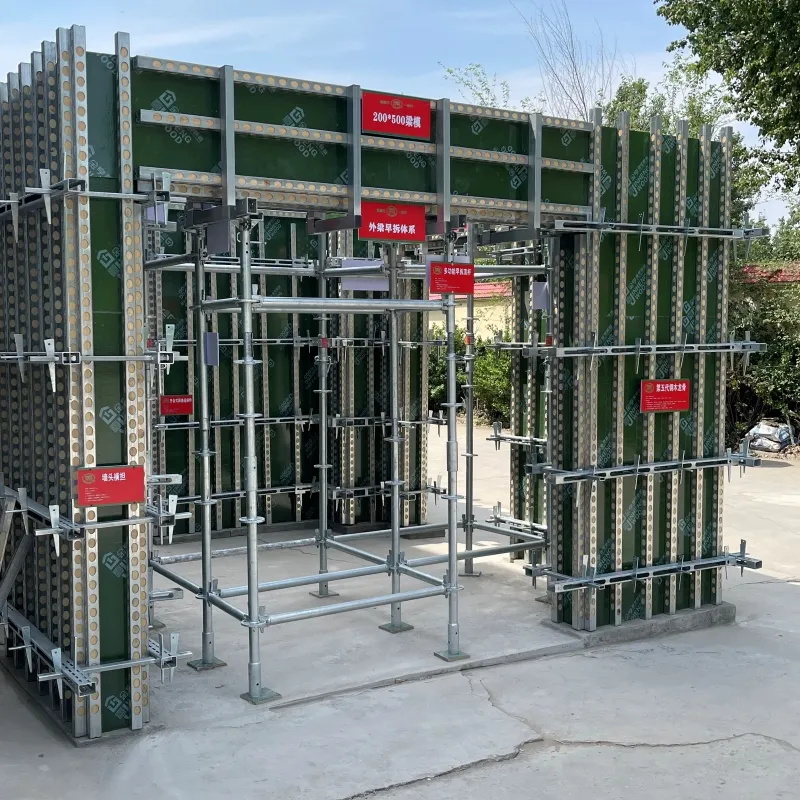
Alu formwork might sound like yet another industry buzzword, but it’s actually a game-changer in construction worldwide. Essentially, alu formwork refers to large, reusable aluminum molds used to shape concrete structures efficiently and precisely. Why does it matter? Because as urbanization accelerates and demands for affordable housing soar globally, technologies like alu formwork help builders deliver quality projects faster, stronger, and with less waste.
Think of all the booming cities, refugee camps expanding in response to humanitarian crises, or infrastructure projects in tough environments. Alu formwork streamlines construction here, offering scalability and speed that traditional timber or steel molds simply cannot match. For anyone interested in modern building techniques — whether developer, engineer, or policymaker — it’s worth understanding alu formwork’s nuts and bolts.
The Global Context: Why Alu Formwork is Gaining Ground
The global construction market is expected to surpass $12 trillion by 2030 (World Bank estimates), with an ongoing push toward sustainable, cost-effective methods. In many emerging economies — from Southeast Asia to Africa — the pressure to build quickly and sustainably is intense. The United Nations has emphasized resilient infrastructure as a critical Sustainable Development Goal (SDG 9). Here, alu formwork helps answer the call.
However, challenges remain. Conventional formwork can be slow, heavy, and labor-intensive—resulting in longer project timelines and higher costs. Meanwhile, quality inconsistencies may arise with reusable timber forms that degrade quickly. Alu formwork’s lightweight material and precision engineering address these issues, leading to reduced delays and better structural uniformity.
Mini Takeaway
If you need rapid, repeatable concrete framework that performs worldwide—from crowded cities to disaster zones—alu formwork stands out as a strategic choice.
Breaking It Down: What Exactly is Alu Formwork?
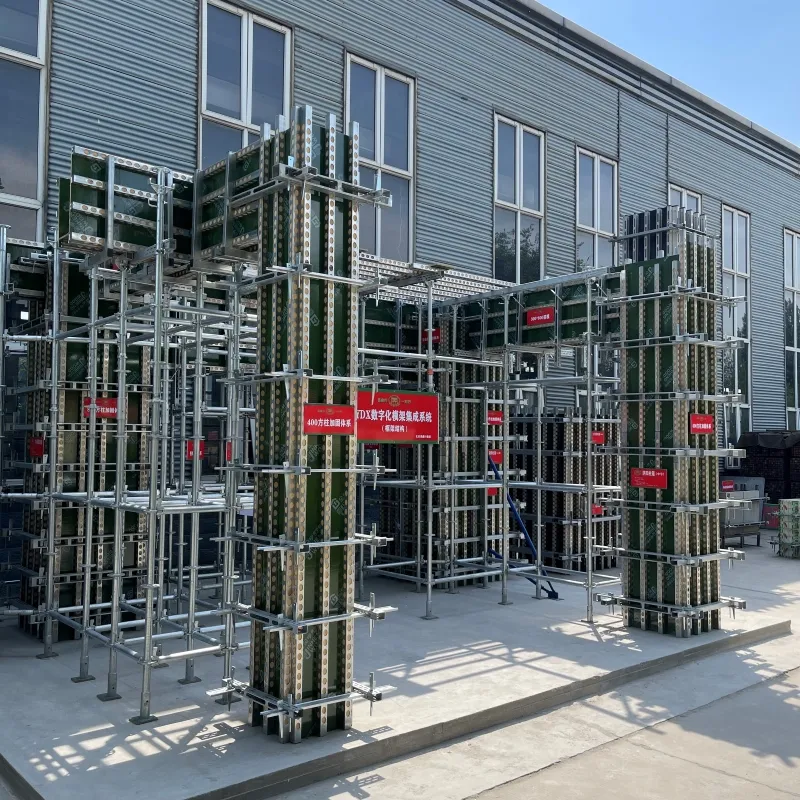
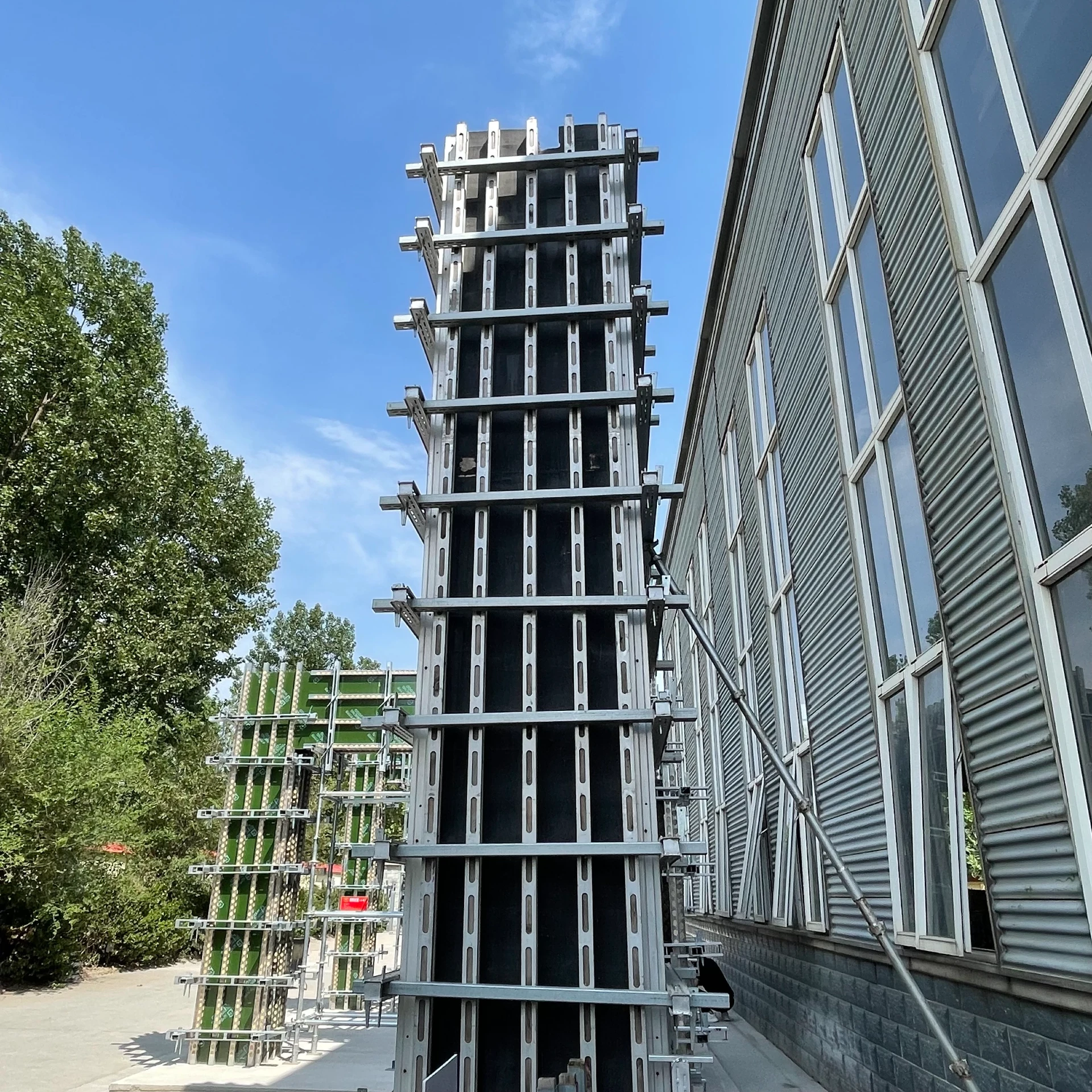
Simply put, alu formwork is a system of panels made primarily from aluminum alloys, designed to act as molds for concrete until it sets. Unlike traditional timber formwork, aluminum offers:
- Lightweight strength — easier for workers to assemble and dismantle.
- Precision — meaning smoother walls and fewer finishing needs.
- Durability — these panels can be reused dozens or even hundreds of times with minimal wear.
It’s closely linked to modern industrial methods and humanitarian architecture because it allows for modular, scalable construction that respects time, budget, and resource constraints. In other words, if a project demands rapid shelter or infrastructure in a fluctuating environment, alu formwork fits the bill perfectly.
Core Features of Alu Formwork Systems
Durability & Reusability
Aluminum, with its naturally rust-resistant properties, fares far better over time than wood or steel. A single panel might be reused between 200 to 300 times before replacement is needed. This reduces waste and procurement costs — build after build, job after job.
Speed of Construction
Because the panels are lightweight and engineered to lock together perfectly, teams report construction cycles significantly shortened — sometimes by up to 50% compared to traditional formwork. Less waiting, fewer mistakes, and better project flow.
Quality & Finish
Concrete comes out smoother with alu formwork, minimizing manual patching. The mold precision also supports more complex architectural designs or repeating unit production, which is crucial for mass housing developments.
Cost Efficiency
Though the initial investment in alu formwork might be higher than timber, the long-term savings in labor, materials, and time usually outweigh upfront costs — especially on medium-to-large projects.
Sustainability
Aluminum production has a significant footprint, but panels are recyclable and last much longer than wood or steel, reducing the environmental impact overall. Many manufacturers also use eco-friendly coatings to further minimize harm.
Where Is Alu Formwork Most Useful? Real-World Applications
The reach is extensive. In Asia, governments use alu formwork to speed up affordable housing schemes, where tens of thousands of units have been built quarterly. In Africa, NGOs employing rapid shelter technologies rely on alu formwork to respond quickly after floods or earthquakes. Even in industrial zones like remote mining camps or logistics hubs, reusable formwork helps erect durable facilities under tight deadlines.
Consider a recent project in the Philippines, where a post-typhoon rebuilding effort installed over 1,000 homes using alu formwork. What could have taken months was completed in weeks, with local workers trained quickly on the system. Another example: Dubai’s rapid expansion uses alu formwork systems to keep up with the demand for large-scale commercial buildings.
Mini Takeaway
Alu formwork systems shine in fast-paced, resource-constrained environments — humanitarian or commercial — where precision and time are invaluable.
The Advantages—and Why They Matter Long Term
- Reliable quality means less rework and higher occupant satisfaction.
- Safety improves since panels are lighter and easier to handle, reducing job site accidents.
- Economic efficiency: contractors save both on labor and materials.
- Environmental benefits through recycling and less timber usage.
- Social good: shorter project timelines mean communities get homes, schools, or clinics sooner.
Frankly, it’s the mix of emotional reassurance and logical return that makes alu formwork trusted. People want safe, dignified housing. Builders want costs locked down. Governments want policy wins. Alu formwork can deliver on all fronts.
What’s Next? Future Trends & Innovations
The industry isn’t standing still. We’re seeing:
- Digital integration: laser scanning and BIM software paired with alu formwork to further reduce alignment errors and speed assembly.
- Lightweight composite materials: hybrid frames combining aluminum with carbon fiber to increase lifespan and reduce weight even more.
- Automation: robotics for panel installation in large projects, speeding up construction even with less human labor.
- Greener production: more use of recycled aluminum and eco coatings aligned with stricter ISO environmental standards.
Simply put, alu formwork is evolving alongside digital and sustainability trends, and this only broadens its usefulness.
Addressing Challenges: What's Holding Alu Formwork Back?
Despite upsides, alu formwork is not perfect. Its initial cost is a barrier, especially in small or informal projects. Transportation can be cumbersome — large aluminum panels need careful handling and storage. Also, skilled labor is critical; improper assembly can cause costly delays or structural flaws.
Yet advances in modular design make systems increasingly customizable for small-scale use. And training programs tailored to local contexts are growing, ensuring skills aren’t a bottleneck. Plus, vendors now bundle after-sales support and logistics services to streamline procurement.
Mini Takeaway
Challenges exist but smart design and better support help unlock the full potential of alu formwork systems.
Product Specification Table: Typical Alu Formwork Panels
| Parameter | Specification | Notes |
|---|---|---|
| Material | 6061-T6 Aluminum Alloy | High strength & corrosion resistant |
| Panel Dimensions | 2m x 0.6m (standard) | Varies by vendor |
| Weight per panel | ~15-18 kg | Light enough for manual handling |
| Reusability | 200+ cycles | Depends on maintenance |
| Surface Finish | Smooth, uniform concrete walls | Less need for plastering |
Top Alu Formwork Vendors Compared
| Vendor | Panel Weight | Reusability | Price per sqm | Support & Training |
|---|---|---|---|---|
| FastForm Co. | ~16 kg | 250 cycles | $40 - $50 | Comprehensive onsite training |
| AluBuild Systems | ~18 kg | 200 cycles | $35 - $45 | Online tutorials + international support |
| ReForm Tech | ~15 kg | 300 cycles | $45 - $55 | On-demand local workshops |
FAQ: Practical Questions About Alu Formwork
- Q1: How does alu formwork speed up construction compared to timber?
- Alu formwork panels are lightweight and designed to lock together quickly and precisely. Unlike timber, which requires cutting, fitting, and often rework due to wear, aluminum panels can be reused many times with minimal adjustments. This decreases assembly time, reduces on-site labor, and facilitates faster concrete curing cycles, speeding up the entire build process.
- Q2: Is alu formwork suitable for small or remote projects?
- Yes, especially with newer modular designs. Though initial costs are higher, many vendors offer scalable systems and training to make alu formwork viable even for small or remote construction sites. Plus, the lightweight panels are easier to transport than heavy steel, making them a practical choice for challenging environments.
- Q3: What maintenance is required to maximize the lifespan of alu formwork?
- Basic maintenance includes cleaning concrete residue immediately after use, protecting panels from prolonged exposure to corrosive agents, and periodic inspection for wear or damage. Following manufacturer guidelines and storing panels properly between uses can extend their lifecycle significantly.
- Q4: Can NGOs use alu formwork for rapid shelter in disaster zones?
- Definitely. Alu formwork enables fast, repeatable production of concrete walls or structural elements important for permanent or semi-permanent shelters. Many humanitarian organizations have adopted alu formwork in reconstruction projects to provide safe, durable housing faster than traditional methods.
- Q5: How does alu formwork compare environmentally to other materials?
- While aluminum production can be energy-intensive, the panels' durability and reusability reduce the demand for new materials over time. Additionally, aluminum is highly recyclable. Compared to timber, which often leads to deforestation, or steel, which is heavier and more energy-consuming to transport, alu formwork presents a competitive environmental profile.
Wrapping It Up: Why the Future of Construction Is Alu Formwork
From speeding up multi-unit housing projects in Asia to enabling fast and robust shelters after disasters in Africa and the Pacific, alu formwork is proving its value globally. Its combination of durability, speed, and sustainability speaks to the urgent needs of today’s fast-changing built environment. The initial investment may raise eyebrows, but the long-term savings, combined with social and environmental benefits, make it a smart bet for contractors, governments, and NGOs alike.
If you’re curious to explore more about how alu formwork could streamline your projects, check out our latest offerings and insights. There’s no better time to get on board with this evolving tech — it feels like the kind of advancement that will shape cities for decades to come.
References:
1. World Bank Construction Market Projections, 2023
2. UN Sustainable Development Goals - SDG 9
3. ISO Environmental Standards for Construction Materials
-
Comprehensive Guide to Scaffolding Rods for Safe Construction PracticesNewsFeb.24,2026
-
Comprehensive Guide to Different Types of Scaffolding for Construction ProjectsNewsFeb.11,2026
-
The Crucial Role and Safe Use of Scaffolding in Modern Construction ProjectsNewsJan.30,2026
-
Maximize Productivity and Safety with a Versatile 7m Scaffold TowerNewsJan.27,2026
-
6m Scaffold Tower: A Comprehensive Guide for B2B BuyersNewsJan.26,2026
-
6ft Scaffold: Durability and Safety in ConstructionNewsJan.25,2026
-
6 Scaffolding: A Modern Construction SolutionNewsJan.24,2026