
Aluminium concrete formwork: durable, sustainable, and efficient building solutions
Unveiling Aluminium Concrete Formwork: The Backbone of Modern Construction
In the evolving landscape of construction, aluminium concrete formwork is quietly revolutionizing the way buildings are shaped, erected, and sustained. Why does this matter beyond the site? Because its impact stretches globally — from hastening urban development in mega-cities to providing durable housing in the aftermath of disasters.
Though often underappreciated outside industry circles, understanding this technology unlocks key benefits around efficiency, sustainability, and resilience in building projects worldwide.
Building Tomorrow: The Global Relevance of Aluminium Concrete Formwork
Construction drives economies and supports the expanding needs of a rising world population. According to the United Nations Statistics Division, urban populations are expected to grow by 2.5 billion by 2050, highlighting the urgent need for rapid, safe, and sustainable construction methods.
Yet the industry constantly wrestles with challenges: long build times, labor costs, and environmental impacts top the list. This is where aluminium concrete formwork enters the scene — a technology enabling faster assembly and higher quality structures, without resorting to wasteful or energy-hungry processes.
What Exactly Is Aluminium Concrete Formwork?
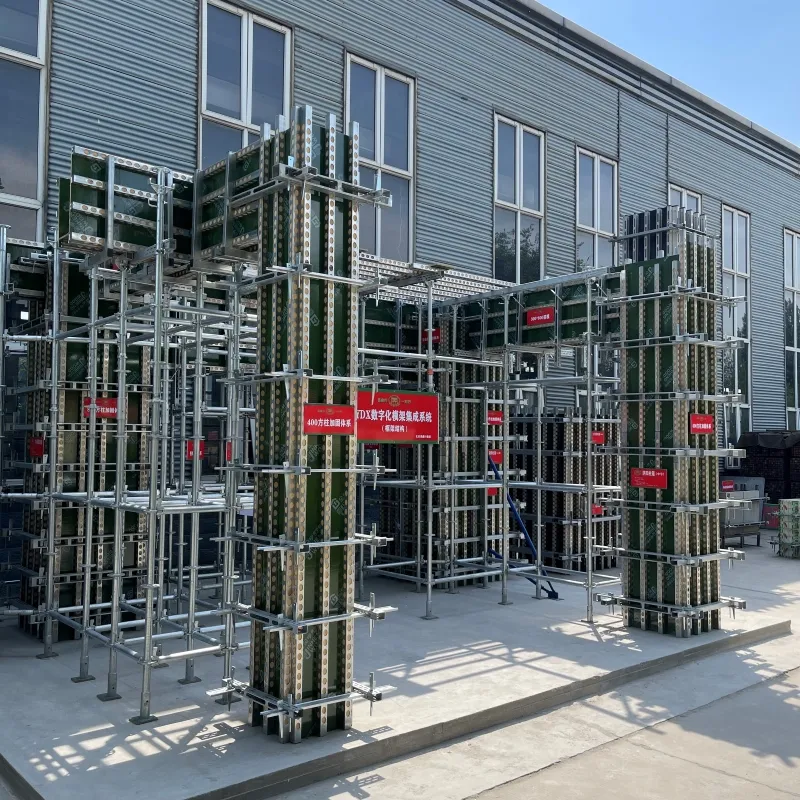
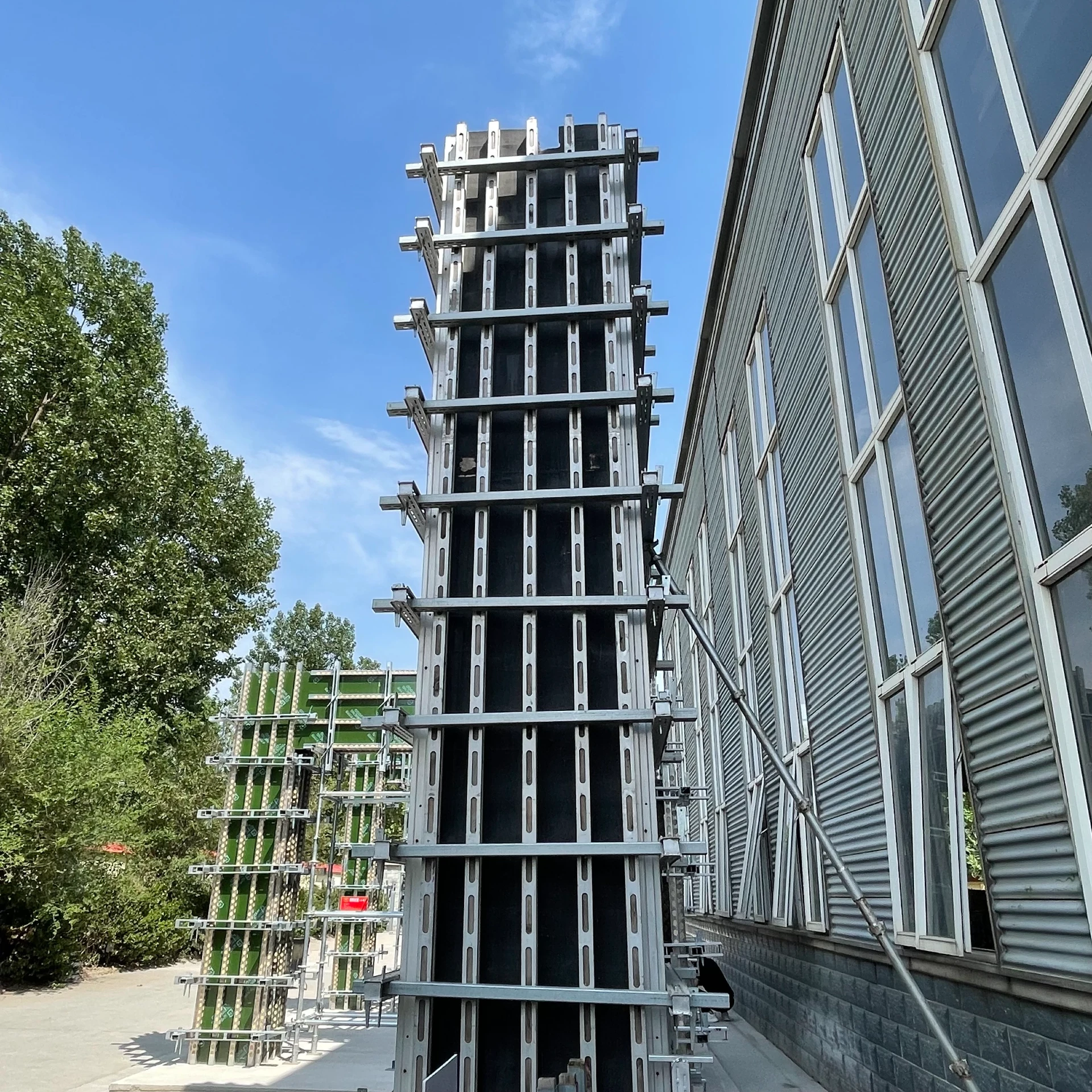
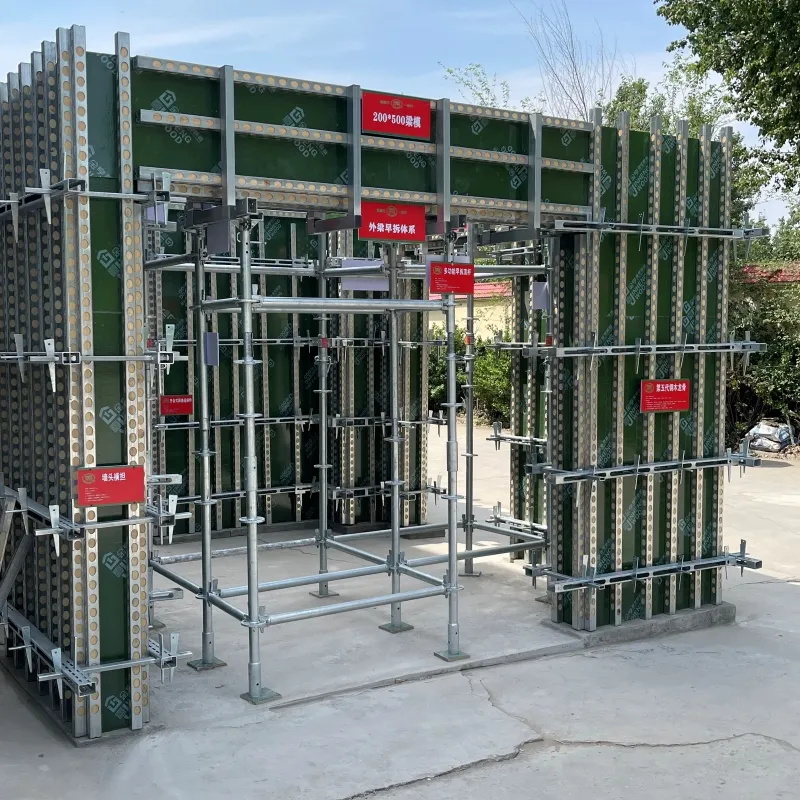
Put simply, aluminium concrete formwork is a reusable mould system made from lightweight but strong aluminium panels used to shape and hold poured concrete until it hardens. Unlike traditional timber formwork, aluminium systems are durable, precise, and designed for repeated use across multiple projects.
This seemingly simple shift from wood to aluminium transforms construction’s speed and sustainability. The technology aligns well with modern demands in commercial, residential, and infrastructure projects — as well as humanitarian efforts, where quickly erecting safe shelters can save lives.
Core Components and Key Features of Aluminium Concrete Formwork
Durability and Reusability
Aluminium doesn’t corrode or warp with moisture like wood. That means hundreds, if not thousands, of uses per panel are possible—resulting in lower material costs and waste over time.
Precision and Quality
These formwork systems produce smooth, accurate concrete surfaces, reducing the need for costly finishing work afterward. Many engineers note this drastically improves overall project timelines.
Lightweight and Easy Handling
Though robust, aluminium panels weigh much less than traditional steel forms. This aids labor efficiency and safety on-site because manual handling becomes significantly easier.
Modularity and Scalability
Most aluminium formwork systems come with modular components, allowing configurations to suit different building shapes, heights, and scales — from single-family homes to multi-story complexes.
Cost Efficiency in the Long Run
Initial investment can be higher than timber, but the extended lifecycle and reduced labor make aluminium formwork a financially savvy choice over multiple projects.
Environmentally Friendly
At a time when sustainability isn’t a luxury but a must, aluminium formwork offers reduced waste, recyclability, and less dependence on deforestation.
Mini takeaway: Aluminium concrete formwork is more than just metal panels; it’s a game-changer in construction that combines strength, flexibility, and sustainability.
Global Applications & Use Cases Illustrating Real Impact
From southeast Asia’s booming urban landscapes to sub-Saharan Africa’s rapid infrastructure needs, aluminium concrete formwork has found varied applications:
- Urban residential developments: In cities like Dubai and Singapore, modular aluminium formwork accelerates high-rise construction, shaving months off project timelines.
- Disaster relief housing: After the 2015 Nepal earthquake, NGOs used aluminium formwork for quick construction of safe, durable shelters — a definite upgrade from tents or hastily built timber sheds.
- Infrastructure projects: Bridges and tunnels in Europe benefit from precision casting facilitated by aluminium moulds, improving both strength and aesthetics.
- Remote industrial zones: In Australia, mining camps are rapidly expanded with aluminium-based formwork, overcoming logistics challenges tied to heavy steel materials.
- Aluminium concrete formwork is gaining traction in emerging markets where labor costs are volatile yet demand for quality is non-negotiable.
Mini takeaway: Its versatility turns aluminium concrete formwork into a truly global tool, helping projects large and small meet deadlines without compromising strength or cost.
The Clear Advantages and Long-Term Value of Aluminium Concrete Formwork
What really sets this technology apart? It boils down to tangible wins and intangibles combined — allowing stakeholders to build smarter and more respectfully.
- Lower long-term costs: Durability and reusability reduce repetitive purchases.
- Faster construction times: Saving weeks or even months on large builds.
- Enhanced worker safety: Lightweight aluminium means fewer injuries when lifting and assembling.
- Environmental responsibility: Minimizing deforestation and reducing waste.
- Social impact: Delivering reliable shelter promotes dignity and stability.
- Trust & innovation: Early adopters often find themselves ahead in bids and community goodwill.
Product Specification at a Glance
| Specification | Typical Values / Details |
|---|---|
| Panel Material | High-grade aluminium alloy 6061-T6 |
| Panel Weight | 10–15 kg per m² |
| Standard Panel Size | 1.2 m x 0.6 m (adjustable modular sizes) |
| Maximum Reuse Cycles | 500+ uses |
| Compatibility | Modular with timber and steel reinforcing systems |
| Maintenance | Minimal; periodic lubrication and inspection |
| Typical Lead Time for Delivery | 2–4 weeks |
Vendor Comparison: What to Expect When Sourcing Aluminium Concrete Formwork
| Feature | Vendor Alpha | Vendor Beta | Vendor Gamma |
|---|---|---|---|
| Product Range | Basic to Premium sets | Custom modular kits | Heavy-duty industrial forms |
| Customization | Limited | Extensive | Moderate |
| Lead Time | 3 weeks | 4–6 weeks | 2 weeks |
| Warranty | 5 years | 7 years | 3 years |
| Price Level | Mid-range | Premium | Budget-friendly |
Looking Ahead: Emerging Trends and Innovations
We’re standing on the edge of a construction tech leap. Automation, robotics, and AI are weaving into the fabric of aluminium formwork usage — imagine drones inspecting panel alignments or AI predicting optimal pour schedules to minimize defects.
Green energy integration also matters. Some firms experiment with recyclable, hybrid materials to reduce the carbon footprint even further. Sustainability certifications such as ISO 14001 push manufacturers toward eco-conscious innovations.
Plus, digital BIM (Building Information Modeling) allows contractors and architects to simulate every panel placement before a single screw is turned, enhancing precision and cutting rework.
Overcoming Common Challenges
Like anything, aluminium concrete formwork has hurdles. Shipping costs can be steep due to panel bulk and weight, especially for remote sites. Not every project size justifies the investment, which sometimes locks out smaller builders.
But innovations like foldable or stackable panel designs, plus shared rental models, are easing those pain points. Training workers is another challenge, though many vendors now offer on-site or video tutorials to bridge skill gaps.
FAQs: Aluminium Concrete Formwork Demystified
Q1: How does aluminium concrete formwork compare to traditional timber?
A1: Aluminium formwork lasts much longer — usually 500+ reuse cycles versus timber’s handful. It produces smoother finishes and enables faster construction, though the upfront cost is higher. In real terms, it lowers total project cost and waste.
Q2: Can aluminium formwork be easily customized for complex designs?
A2: Yes, modular panels can be combined or shaped to fit a wide variety of architectural forms. Some vendors offer bespoke options to match irregular or intricate building plans.
Q3: Is aluminium concrete formwork suitable for disaster relief housing?
A3: Absolutely. Its speed, durability, and easy transport make it ideal for rapid shelter construction where safety and longevity matter most.
Q4: What maintenance is needed to keep aluminium panels in top condition?
A4: Minimal. Periodic cleaning, lubrication of joints, and routine inspection for dents or corrosion ensure panels remain operational for hundreds of cycles.
Q5: How can NGOs or international buyers import aluminium formwork?
A5: Many vendors handle export logistics. Buyers should ensure compliance with their country’s import regulations and can often benefit from partnerships or leasing models to reduce upfront costs.
Wrapping Up: Why Aluminium Concrete Formwork Matters for the Future
Aluminium concrete formwork isn’t just a niche material — it’s shaping how we build safer, faster, and greener on a global scale. With rising urban demands and tightening sustainability requirements, this technology feels less like a luxury and more like a construction staple.
Thinking about your next project? Why not explore the proven advantages of aluminium formwork and see how it can transform your workflow — visit https://www.formworkreinforced.com for more insights, product options, and vendor details.
Mini takeaway: Investing in knowledge about aluminium concrete formwork today can pay off decades down the line — in savings, safety, and sustainability.
References
-
Comprehensive Guide to Scaffolding Rods for Safe Construction PracticesNewsFeb.24,2026
-
Comprehensive Guide to Different Types of Scaffolding for Construction ProjectsNewsFeb.11,2026
-
The Crucial Role and Safe Use of Scaffolding in Modern Construction ProjectsNewsJan.30,2026
-
Maximize Productivity and Safety with a Versatile 7m Scaffold TowerNewsJan.27,2026
-
6m Scaffold Tower: A Comprehensive Guide for B2B BuyersNewsJan.26,2026
-
6ft Scaffold: Durability and Safety in ConstructionNewsJan.25,2026
-
6 Scaffolding: A Modern Construction SolutionNewsJan.24,2026