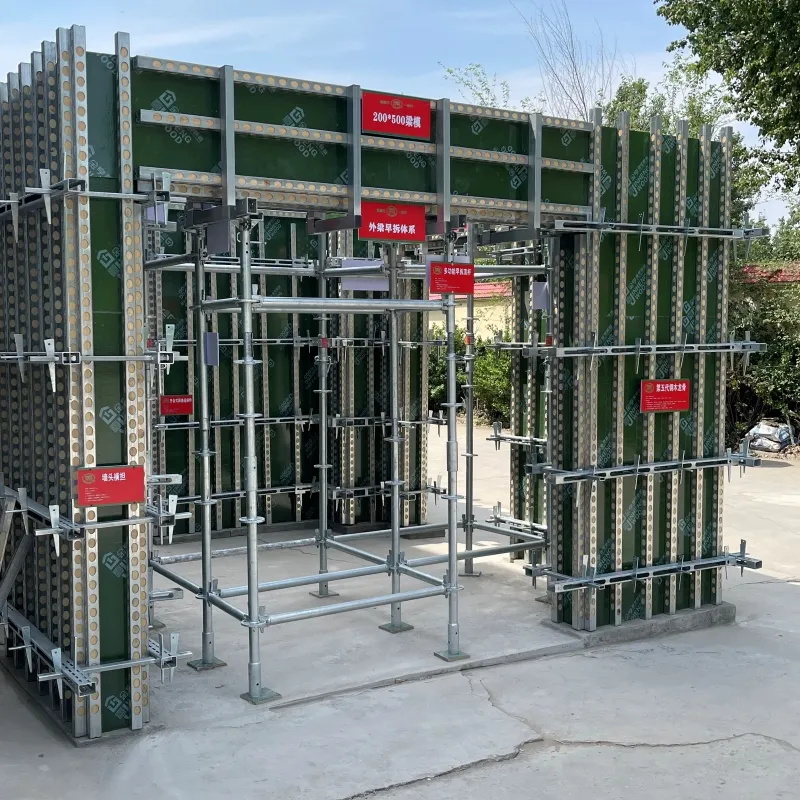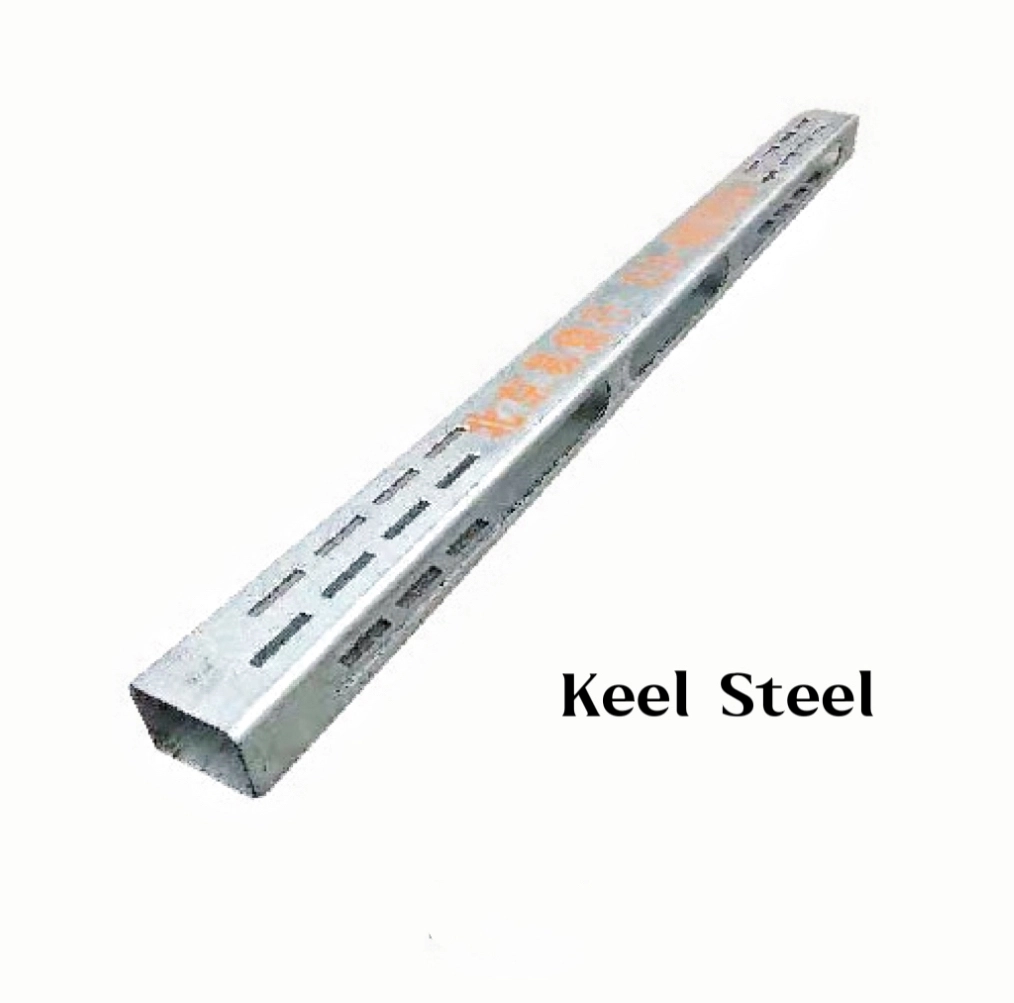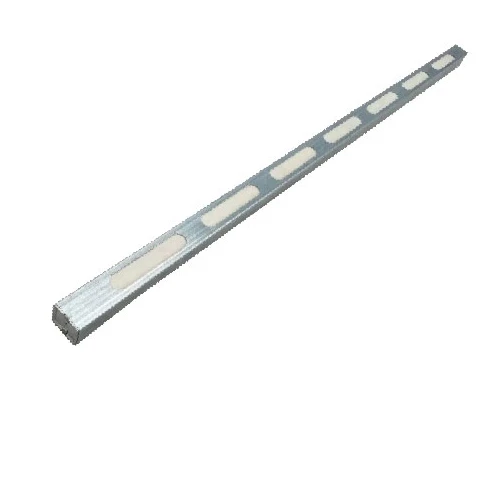

Your Scaffolding Experts: Adjustable & Durable Solutions
The Evolution and Strategic Importance of Advanced Scaffolding Systems
In complex industrial and construction environments, the integrity and efficiency of temporary access structures are paramount. Modern scaffolding systems transcend their traditional role as mere support structures, evolving into sophisticated engineering solutions that are integral to project safety, schedule adherence, and operational cost-efficiency. This overview delves into the latest trends, technical advancements, and strategic considerations surrounding high-performance scaffolding, emphasizing its critical role in demanding sectors.
The global scaffolding market is experiencing significant growth, driven by escalating infrastructure development, particularly in emerging economies, and the continuous need for maintenance and renovation in established industries. Market analysis projects a Compound Annual Growth Rate (CAGR) of over 6% for the scaffolding market from 2023 to 2030, reaching an estimated value of over USD 90 billion. Key trends include the adoption of lightweight materials, modular designs for rapid assembly, enhanced safety features, and the integration of digital tools for design and project management. Furthermore, the demand for specialized scaffolding solutions that can withstand extreme environmental conditions and meet stringent regulatory requirements is rising, particularly in sectors like petrochemical, offshore energy, and complex industrial manufacturing.
Manufacturing Process of High-Performance Scaffolding
The manufacturing of advanced scaffolding components is a multi-stage process, demanding precision engineering and rigorous quality control to ensure structural integrity and operational safety. This process typically begins with the selection of premium raw materials, followed by a sequence of highly controlled fabrication and finishing operations.
1. Material Selection
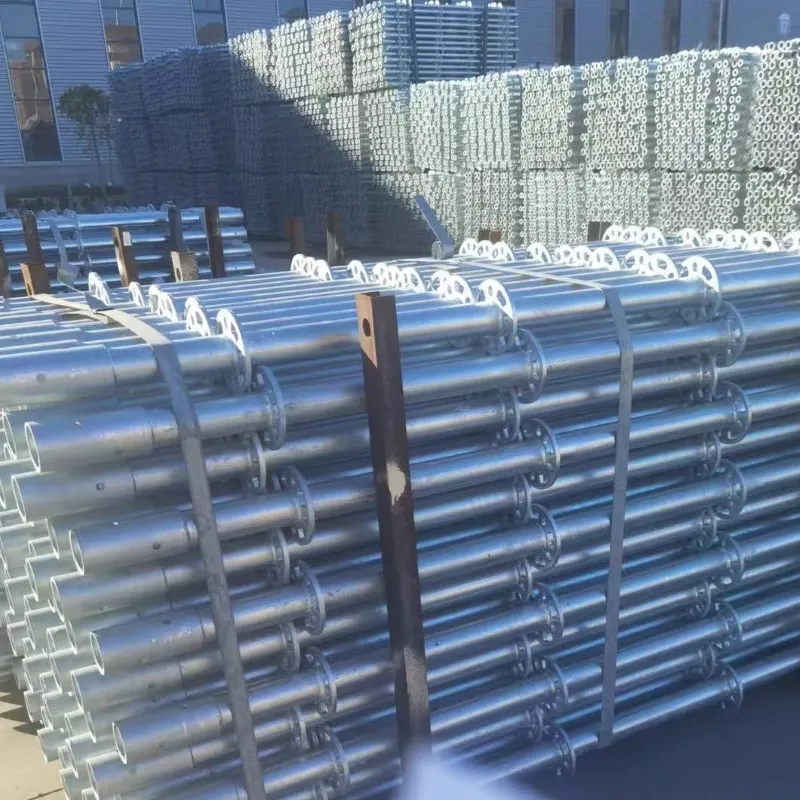
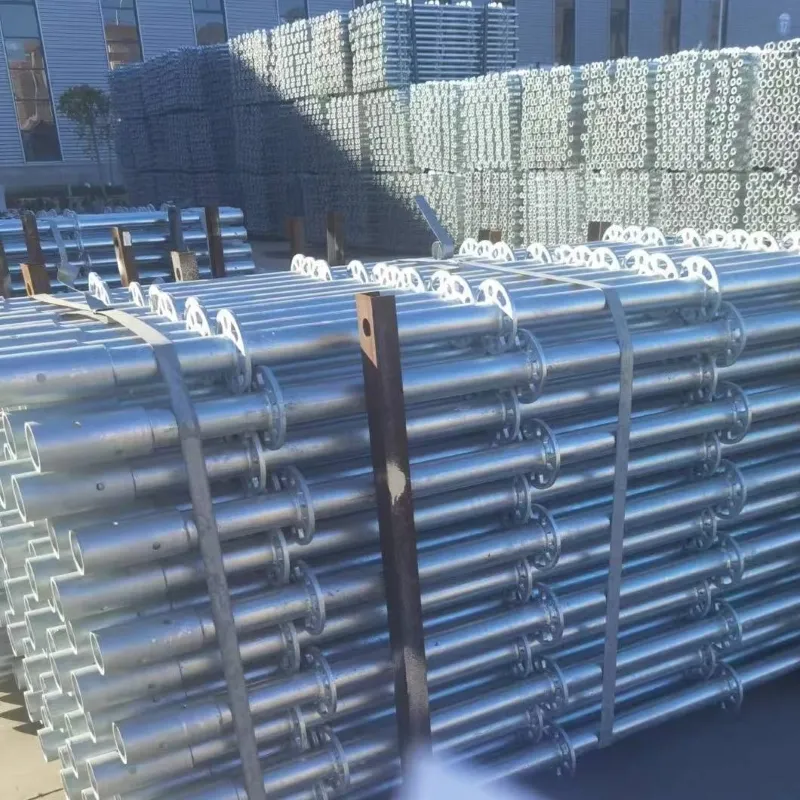
The foundation of durable scaffolding lies in its material composition. High-grade steel, often galvanized to enhance corrosion resistance, is a primary choice for heavy-duty applications due to its exceptional strength-to-weight ratio. For applications requiring reduced weight or superior corrosion resistance, such as offshore platforms or chemical plants, high-strength aluminium alloys are increasingly utilized. These materials conform to international standards such as ASTM A500 for steel and ASTM B221 for aluminium, ensuring consistency in mechanical properties.
2. Fabrication Processes
Cutting & Forming
Raw material tubes and profiles are cut to precise lengths using automated CNC plasma or laser cutters. Bending and forming operations then shape components like ledger ends or bracing members.
Welding
Critical joints are welded using Robotic Arc Welding (RAW) or skilled manual MIG/TIG welding. Weld quality is vital and subject to non-destructive testing (NDT) such as ultrasonic or magnetic particle inspection.
Forging & Casting
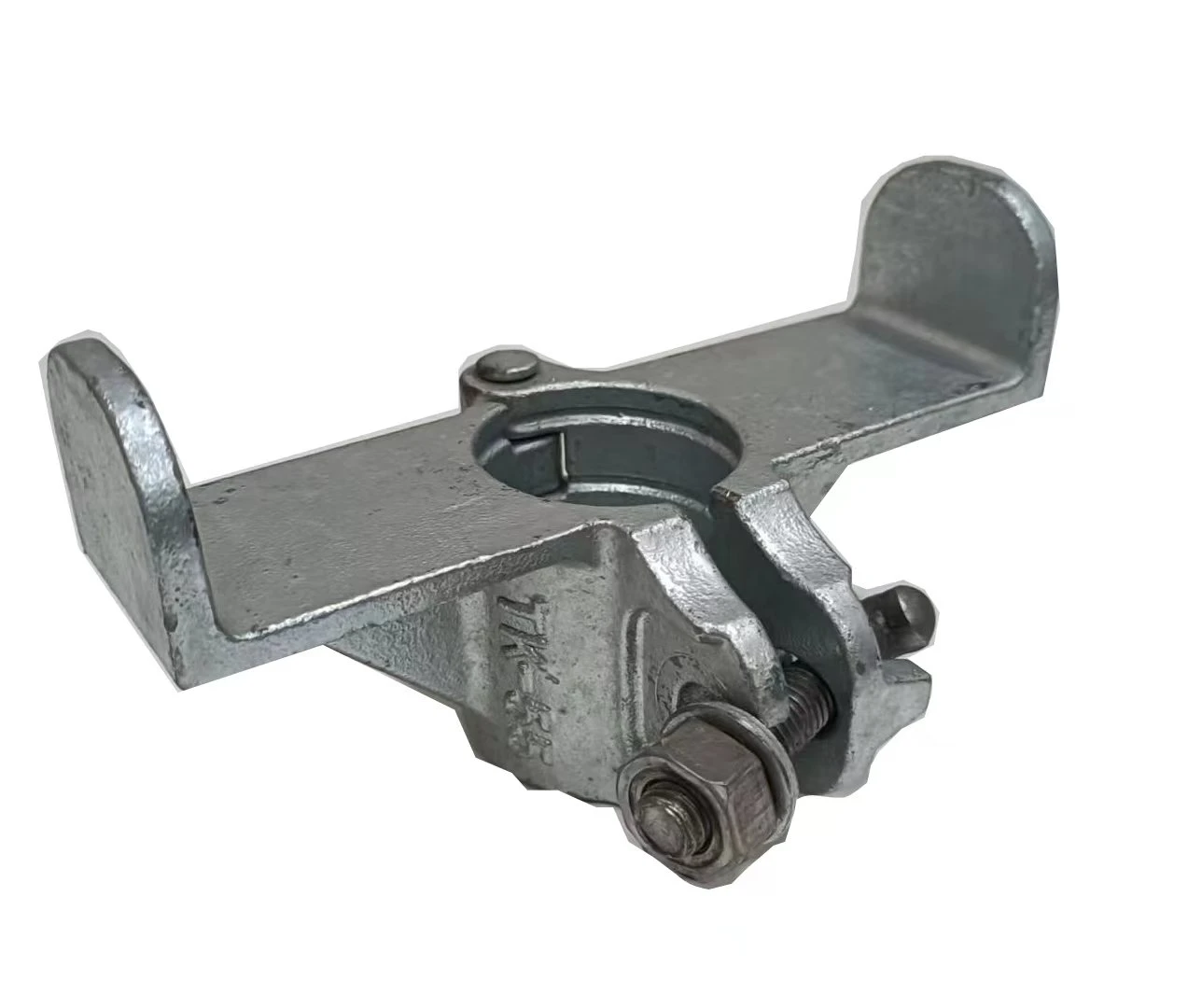
Specialized components like couplers, clamps, and certain adjustable base jacks may undergo hot forging or precision casting for superior strength and complex geometries.
CNC Machining
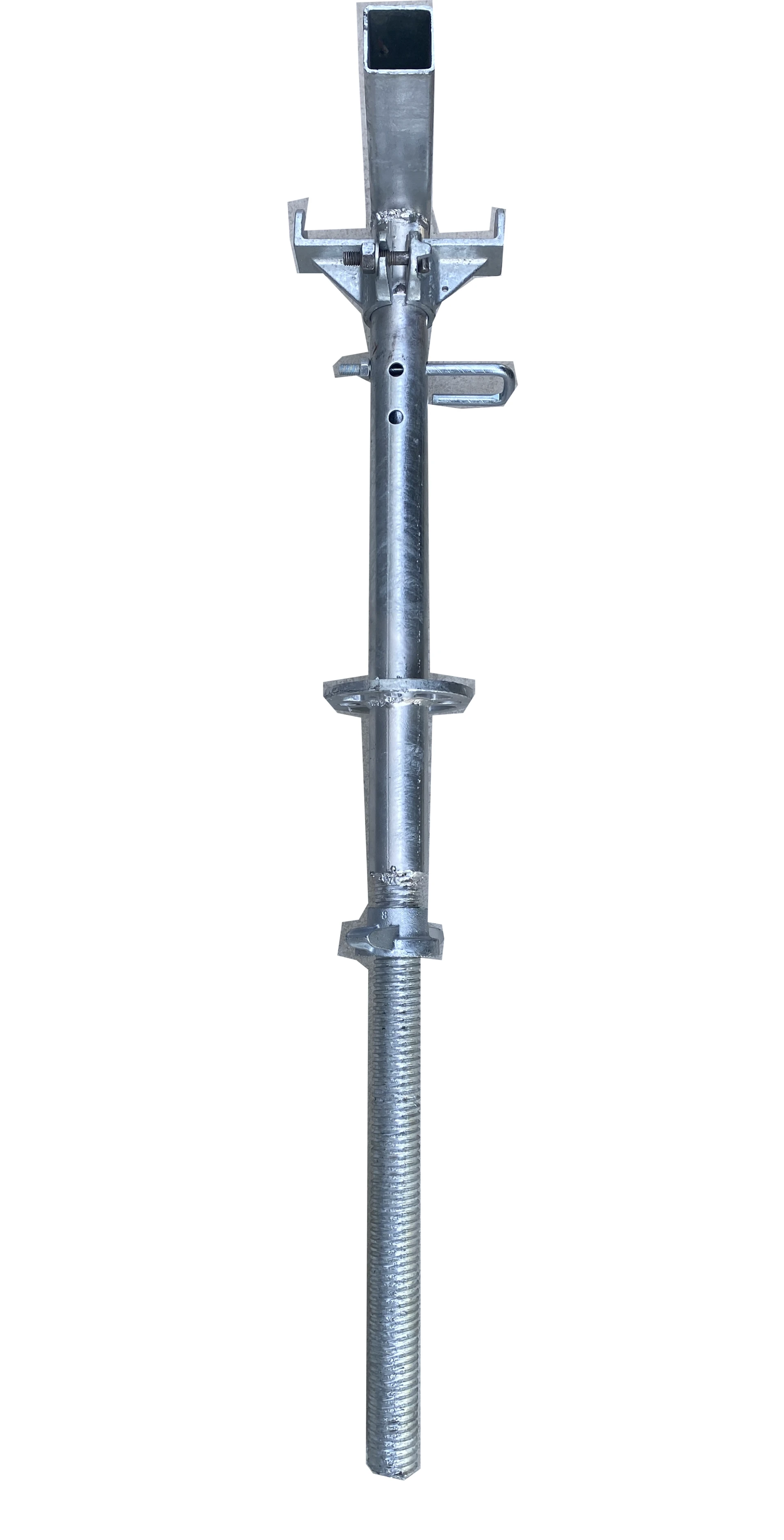
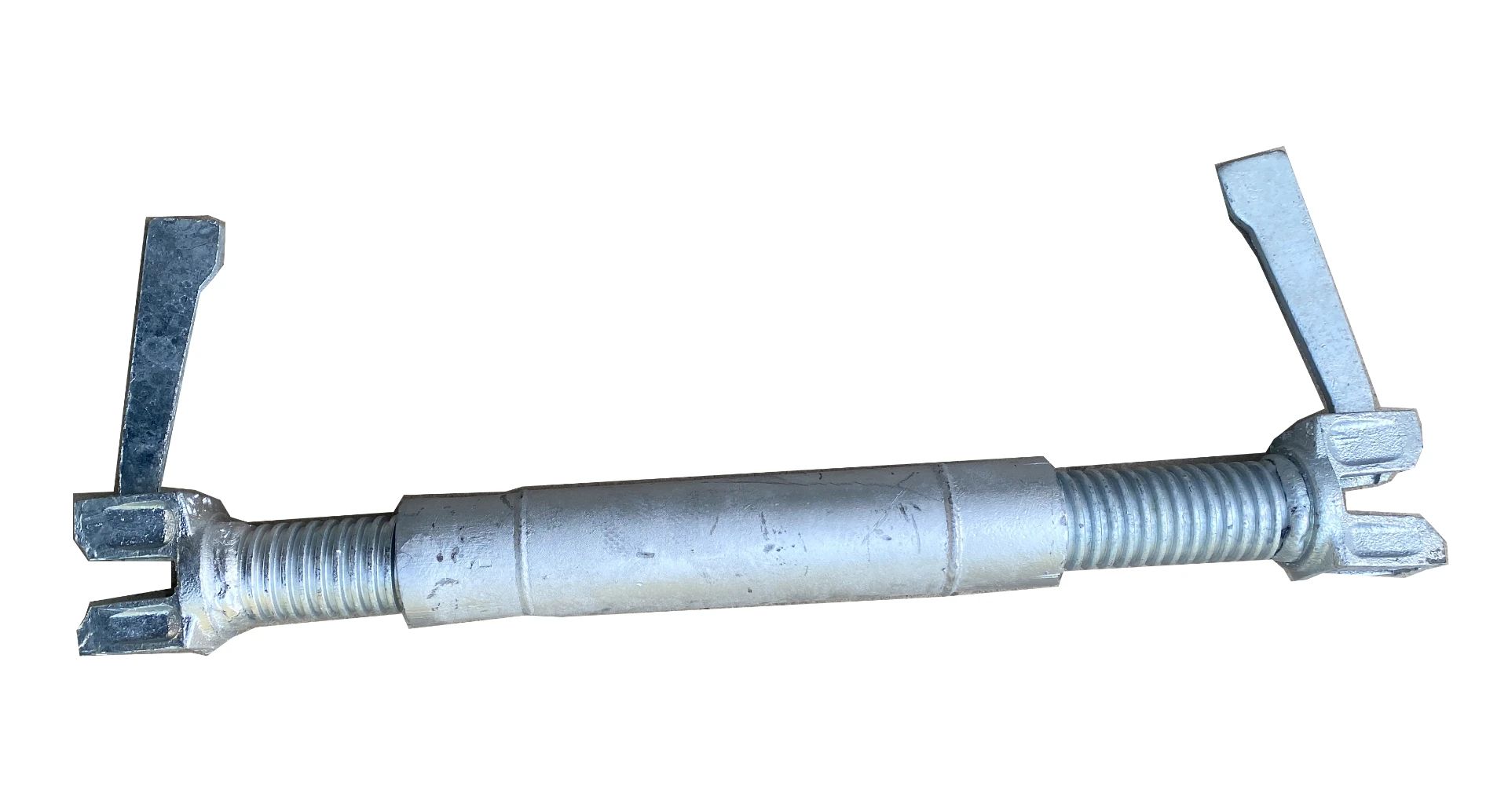
Precision components, such as threaded sections for adjustable scaffolding, are often finished with CNC machining to achieve tight tolerances and smooth operation.
3. Surface Treatment
To extend service life and enhance corrosion resistance, components typically undergo hot-dip galvanization (conforming to ISO 1461) or powder coating. This protective layer is crucial for scaffolding deployed in harsh environments, such as petrochemical refineries (exposed to chemicals) or marine applications (saltwater spray). This significantly contributes to the extended service life, often exceeding 15-20 years with proper maintenance, compared to untreated steel.
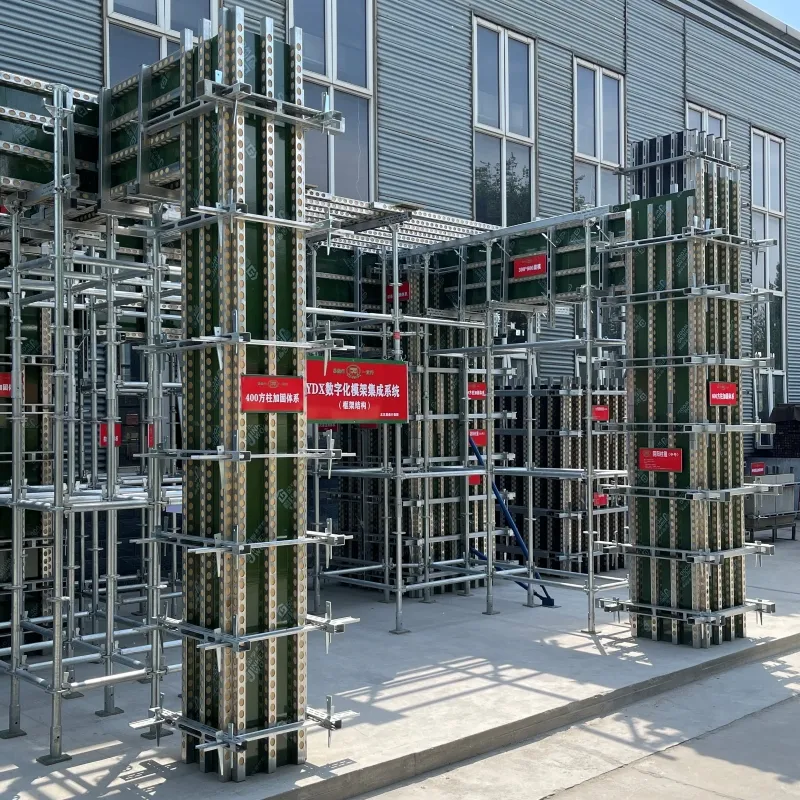
4. Quality Assurance and Testing Standards
Every batch of scaffolding components undergoes rigorous testing. Key standards include:
- ISO 9001: For quality management systems throughout the manufacturing process.
- EN 12810 & EN 12811: European standards dictating performance requirements for facade scaffolding and general components.
- ANSI/ASSE A10.8: American National Standard for Scaffolding Safety Requirements.
- AS/NZS 1576: Australian/New Zealand standards for design, erection, and dismantling.
- Load Testing: Destructive and non-destructive load tests ensure components meet specified load-bearing capacities.
- Dimensional Accuracy: Verification of component dimensions to ensure seamless interoperability.
Adherence to these standards is not merely a compliance issue; it directly translates to enhanced worker safety and operational reliability in the field.
Technical Specifications and Performance Advantages
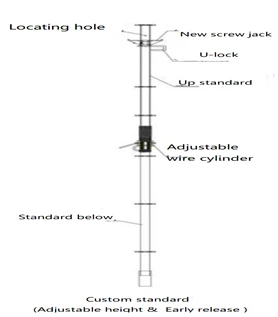
Modern scaffolding systems are designed for optimal performance, balancing high load capacity with ease of assembly and adaptability. The "Standards - Early Release" product line, for example, embodies these principles, offering robust solutions for demanding applications.
Product Specification Table: Standards - Early Release (Example Parameters)
| Parameter | Specification | Description |
|---|---|---|
| Material Grade | Q235/Q345 Galvanized Steel | High-strength structural steel, hot-dip galvanized for corrosion resistance. |
| Vertical Load Capacity (per standard) | Up to 60 kN (approx. 6.1 metric tons) | Ensures stability for heavy loads and multiple work platforms. |
| Tube Diameter | 48.3 mm (OD) | Standard dimension for compatibility with various accessories. |
| Wall Thickness | 3.2 mm - 4.0 mm | Optimized for strength and weight balance. |
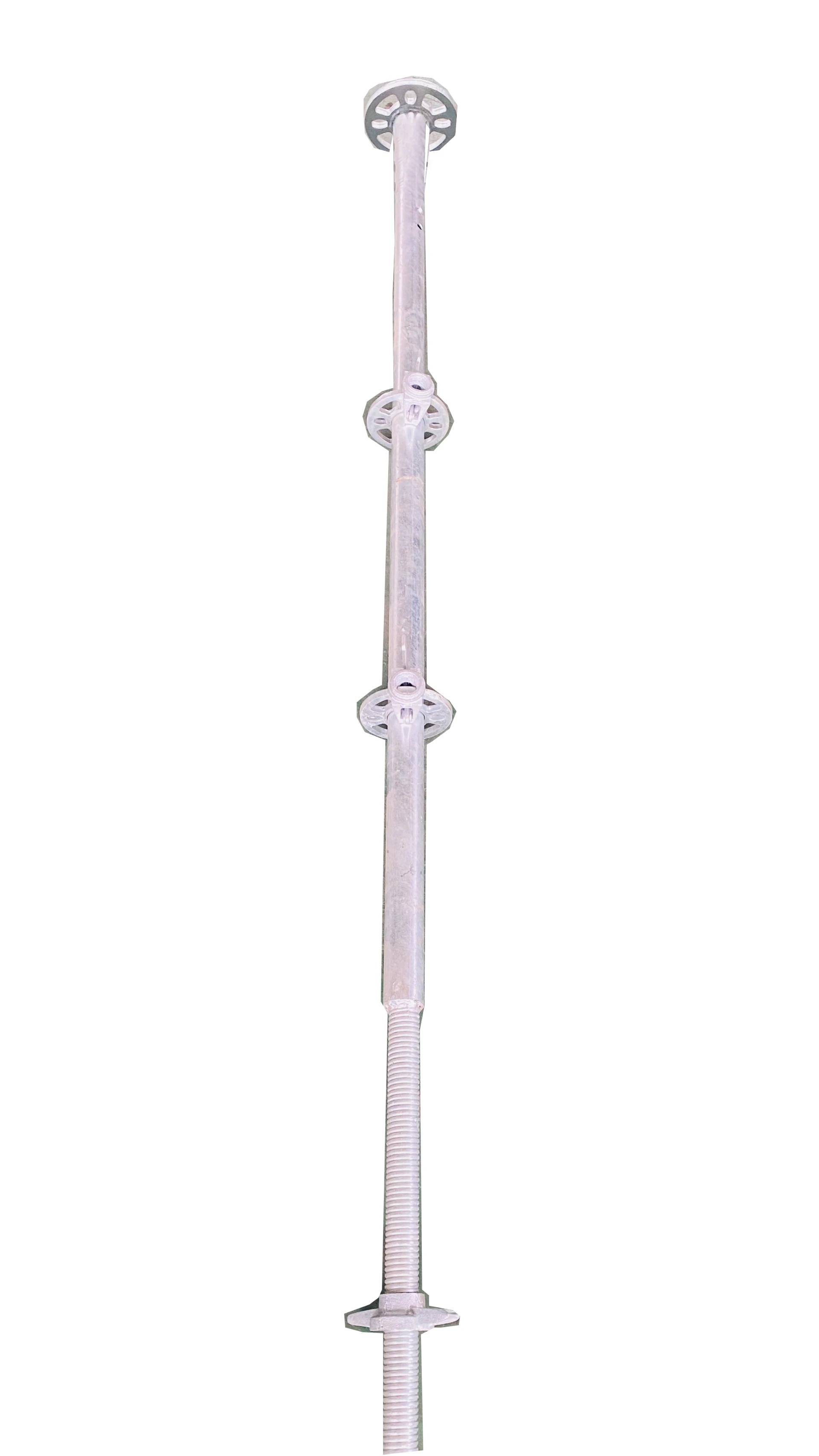
| Connection Type | Cuplock/Ringlock Compatible | Versatile and quick-locking mechanism for efficient assembly. |
| Corrosion Protection | Hot-dip Galvanized (≥ 80 microns) | Superior protection against rust and environmental degradation. |
| Compliance | EN 12810, AS/NZS 1576, ANSI A10.8 | Meets stringent international safety and performance standards. |
Key Technical Advantages:
- Enhanced Load-Bearing Capacity: Optimized structural design and high-grade materials allow for greater vertical and horizontal load distribution, crucial for multi-story projects and heavy equipment support.
- Rapid Assembly & Dismantling: Modular systems, such as Cuplock or Ringlock scaffolding, significantly reduce labor time, with studies showing up to a 50% reduction in erection time compared to traditional tube and coupler systems. This translates directly into cost savings and accelerated project timelines.
- Superior Corrosion Resistance: Hot-dip galvanization provides a robust barrier against rust, extending the asset's lifespan, especially in corrosive industrial environments like petrochemical plants or coastal construction sites. This reduces maintenance costs and ensures long-term safety.
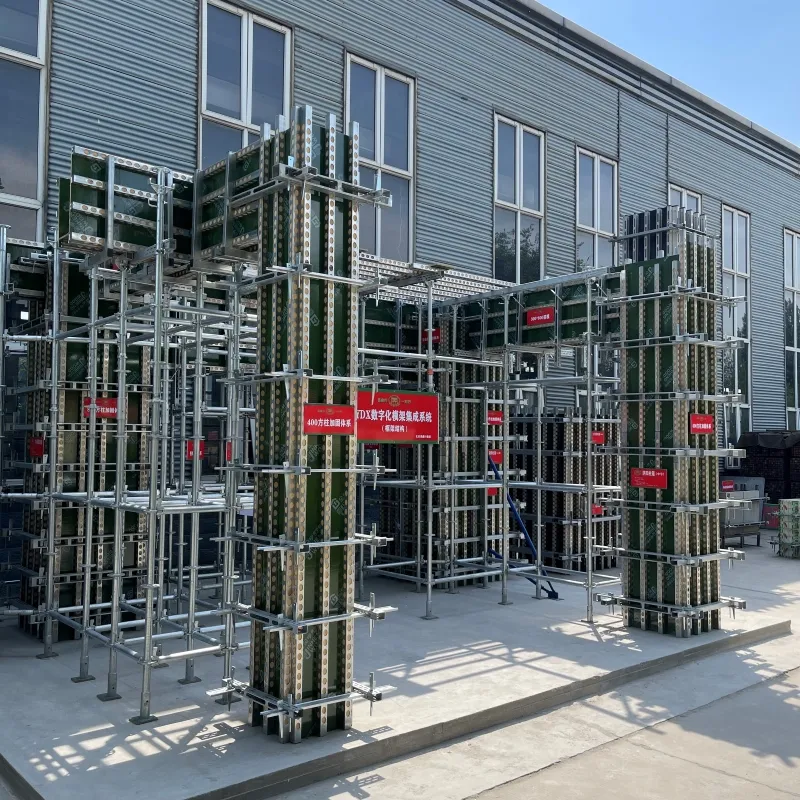
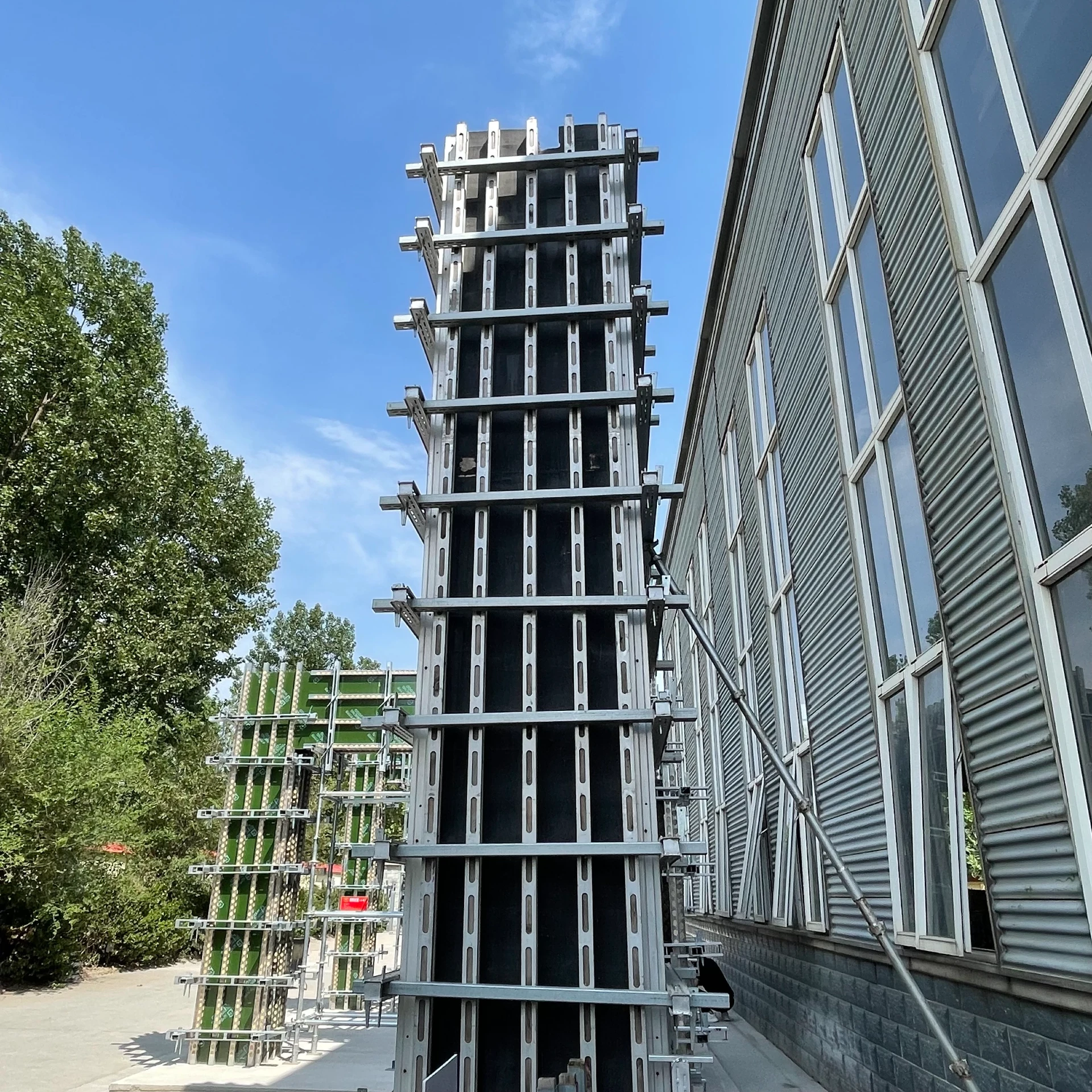
- Adaptability and Versatility: The modular nature allows for intricate configurations, adapting to complex geometries of industrial facilities, historical building renovations, or bridge construction. This includes flexible designs for adjustable scaffolding, enabling precise height and width modifications.
- Safety Integration: Advanced designs incorporate integrated guardrails, non-slip platforms, and robust bracing elements, exceeding industry safety standards and minimizing fall risks.
- Cost-Efficiency: While initial investment might be higher for premium systems, the extended service life, reduced labor for setup, and minimal maintenance requirements result in a lower total cost of ownership (TCO) over the project lifecycle.
Application Scenarios and Industry Engagement
The versatility of modern scaffolding systems makes them indispensable across a wide spectrum of industries, providing safe and efficient access for construction, maintenance, and repair operations. Our solutions are deployed in critical sectors where reliability and safety are non-negotiable.
Target Industries:
- Petrochemical & Oil & Gas: For refinery turnarounds, plant maintenance, and new construction, where resistance to corrosive chemicals and extreme temperatures is crucial. The robust galvanization ensures long-term integrity in harsh environments, reducing the frequency of costly re-scaffolding operations.
- Metallurgy & Heavy Manufacturing: Supporting furnace relining, structural repairs, and equipment installation in high-temperature and abrasive environments.
- Water Supply & Drainage: Essential for building and maintaining water treatment plants, pumping stations, and large-scale pipeline infrastructure, often requiring complex structures over uneven terrain.
- Power Generation (Thermal & Nuclear): For boiler maintenance, turbine inspections, and reactor component servicing, demanding precision-engineered solutions and often requiring non-conductive or specialized materials.
- Infrastructure & Civil Engineering: Bridge construction, tunnel lining, dam repair, and monument restoration, where large-scale, adaptable, and high-load capacity scaffolding is vital.
- Shipbuilding & Marine: Providing access for hull maintenance, painting, and interior fitting in dry docks, where saltwater corrosion resistance is paramount.
Application Case Study: Petrochemical Plant Turnaround
Client: Major Global Energy Company, Gulf Coast Refinery
Challenge: A critical turnaround required extensive access to multiple distillation columns and reactors for inspection and maintenance within a compressed timeframe of 45 days. The environment presented high temperatures, corrosive residues, and limited space for traditional access methods.
Solution: Our team deployed a specialized Cuplock scaffolding system, utilizing hot-dip galvanized steel components. The modular design allowed for rapid erection around complex piping and vessel geometries. We also provided specialized access stair towers and integrated debris netting.
Results: The system's efficiency reduced erection time by 30% compared to previous turnarounds, directly contributing to the project completing on schedule. The robust corrosion resistance of the galvanized components ensured safety and integrity throughout the turnaround, despite exposure to harsh conditions. Workers reported significantly improved access and a safer working environment, enhancing productivity. This project underscored our commitment to delivering not just a product, but a comprehensive, safe, and efficient access solution.
Vendor Comparison and Customized Solutions
Choosing the right scaffolding provider is a strategic decision that impacts project safety, efficiency, and budget. While many scaffolding companies offer standard products, differentiation lies in engineering capability, material quality, service, and the ability to provide bespoke solutions.
Comparative Analysis: Steel vs. Aluminium Scaffolding
| Feature | Steel Scaffolding (e.g., Cuplock) | Aluminium Scaffolding |
|---|---|---|
| Weight | Heavy, requiring mechanical assistance for large structures. | Lightweight, often handled manually, reducing labor fatigue. |
| Load Capacity | Very high, ideal for heavy construction and industrial loads. | Moderate to high, suitable for most construction and maintenance. |
| Corrosion Resistance | Excellent with galvanization; susceptible if coating is damaged. | Inherently high, self-passivating oxide layer. |
| Ease of Assembly | Efficient with modular systems (Cuplock, Ringlock), but heavy. | Very fast, especially for towers and mobile units. |
| Price (Approx.) | Lower initial cost (e.g., cuplock scaffolding price generally more competitive). | Higher initial cost (e.g., aluminium scaffolding price reflects material and fabrication). |
| Target Applications | Heavy industrial, infrastructure, long-term projects. | Maintenance, aircraft, temporary access, light construction, projects requiring frequent relocation. |
Customized Scaffolding Solutions
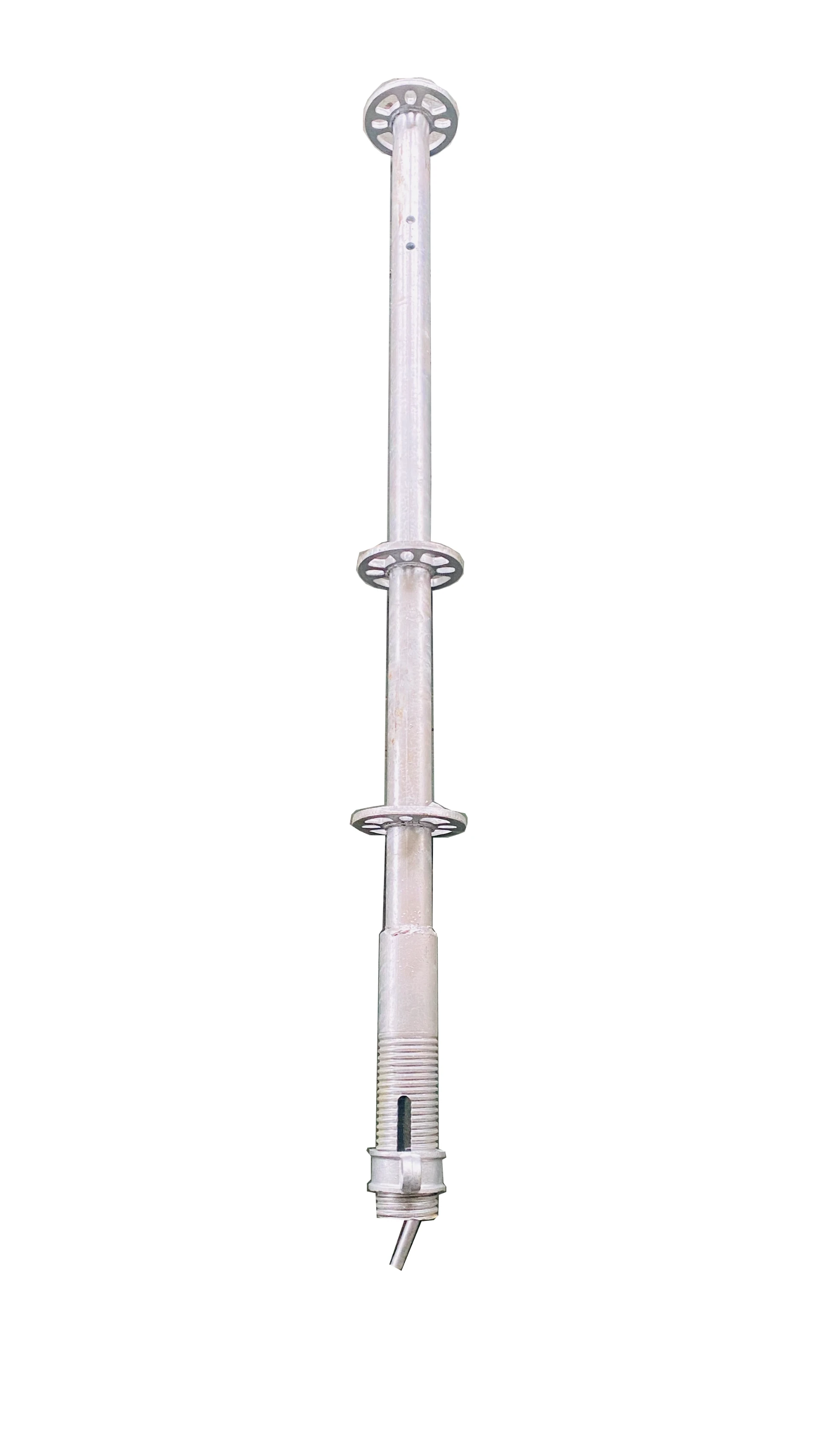
Recognizing that no two projects are identical, we specialize in developing bespoke scaffolding solutions. This involves a collaborative approach from initial design to final implementation, leveraging advanced engineering capabilities and deep industry experience.
- Conceptual Design & Engineering: Utilizing CAD and finite element analysis (FEA) software, our engineers design systems tailored to unique structural geometries, load requirements, and site constraints. This includes specialized designs for cantilevers, suspended platforms, or circular structures.
- Material Optimization: Advising on the optimal material choice (e.g., galvanized steel, aluminium, or hybrid systems) based on environmental factors, load specifications, and budget.
- Modular Adaptations: Custom fabrication of non-standard components or adaptations to existing modular systems to achieve specific clearances or access points.
- Integrated Safety Features: Designing in additional safety elements such as personnel and material hoists, weather protection systems, and emergency egress pathways.
- Project Management & Support: Providing end-to-end support, including logistics, on-site supervision, and training for erection and dismantling teams to ensure compliance and efficiency.
Ensuring Trustworthiness: FAQ, Logistics, and Support
Frequently Asked Questions (FAQ)
- Q: What is the typical lead time for large-scale scaffolding orders?
- A: Lead times vary based on project scope and customization requirements. For standard modular systems, production and shipping can range from 4-8 weeks. Customized or high-volume orders will be quoted with a specific timeline after detailed project review, often involving 8-12 weeks.
- Q: What warranty is offered on your scaffolding products?
- A: We offer a comprehensive 5-year warranty against manufacturing defects and material failures under normal use and maintenance. Specific terms and conditions are provided with each order, adhering to industry best practices and quality standards.
- Q: Can you assist with the engineering design and planning of complex scaffolding structures?
- A: Absolutely. Our in-house engineering team provides full design services, including detailed CAD drawings, load calculations (FEA), and safety planning. We collaborate closely with your project engineers to ensure optimal, compliant, and cost-effective solutions for even the most challenging projects.
- Q: What are your after-sales support services?
- A: Our commitment extends beyond delivery. We provide technical support, spare parts availability, on-site training for assembly/dismantling, and maintenance guidance to ensure your scaffolding operates safely and efficiently throughout its lifespan. Our goal is to be a long-term partner in your success.
Lead Time and Fulfillment
We understand the critical nature of project timelines. Our robust supply chain and optimized manufacturing processes enable efficient fulfillment. Standard orders are typically processed and shipped within 4-6 weeks. For urgent requirements or large-volume projects, expedited manufacturing and logistics solutions can be arranged to meet aggressive deadlines. All shipments are meticulously packed and documented to ensure safe and complete delivery to your site, globally.
Warranty Commitments
Our confidence in the quality and durability of our scaffolding products is reflected in our warranty. We provide a 5-year limited warranty covering defects in materials and workmanship. This commitment ensures peace of mind, knowing that your investment is protected and that you are receiving products engineered for longevity and reliability, backed by our dedicated support.
Customer Support and After-Sales Service
Our customer support philosophy is built on partnership. From initial consultation to post-installation, our team of experts is available to provide technical assistance, answer queries, and offer solutions. We provide comprehensive after-sales support including:
- Dedicated project managers for complex orders.
- Technical documentation and user manuals.
- Replacement parts inventory for rapid dispatch.
- On-site technical specialists for commissioning and problem-solving.
- Training programs for safe and efficient product use.
Our goal is to ensure maximum uptime and operational efficiency for your projects.
References
- ISO. (n.d.). ISO 9001: Quality Management Systems – Requirements. Retrieved from International Organization for Standardization.
- European Committee for Standardization. (n.d.). EN 12810 & EN 12811: Scaffolds – Performance requirements and general design. Retrieved from CEN.
- American National Standards Institute. (n.d.). ANSI/ASSE A10.8: Scaffolding Safety Requirements. Retrieved from ANSI.
- Grand View Research. (2023). Scaffolding Market Size, Share & Trends Analysis Report. Retrieved from Grand View Research.
- ASTM International. (n.d.). ASTM A500: Standard Specification for Cold-Formed Welded and Seamless Carbon Steel Structural Tubing in Rounds and Shapes. Retrieved from ASTM.
-
Comprehensive Guide to Scaffolding Rods for Safe Construction PracticesNewsFeb.24,2026
-
Comprehensive Guide to Different Types of Scaffolding for Construction ProjectsNewsFeb.11,2026
-
The Crucial Role and Safe Use of Scaffolding in Modern Construction ProjectsNewsJan.30,2026
-
Maximize Productivity and Safety with a Versatile 7m Scaffold TowerNewsJan.27,2026
-
6m Scaffold Tower: A Comprehensive Guide for B2B BuyersNewsJan.26,2026
-
6ft Scaffold: Durability and Safety in ConstructionNewsJan.25,2026
-
6 Scaffolding: A Modern Construction SolutionNewsJan.24,2026