
What is a Self Climbing Scaffolding System? Benefits, Applications & Trends
Understanding the Self Climbing Scaffolding System: A Modern Solution in Construction
If you’ve ever watched skyscrapers rise or towering dams take shape, you might have noticed a peculiar type of scaffolding that seems to defy gravity—climbing steadily upward without external cranes. This is the self climbing scaffolding system, a brilliant innovation that is reshaping construction sites worldwide. But why does it matter globally, and what makes it so much more than just another scaffold?
At its core, the self climbing scaffolding system is a game-changer in how tall structures are built safely and efficiently. By understanding it, engineers and project managers can optimize costs, reduce risk, and speed up construction timelines. Plus, it’s instrumental in challenging environments where cranes can’t safely operate, such as offshore platforms or disaster zones.
Introduction: Global Relevance of Self Climbing Scaffolding Systems
Globally, the construction industry accounts for nearly 13% of worldwide GDP (World Bank, 2023), and a significant portion of this is high-rise and infrastructure projects requiring specialized scaffolding solutions. The UN has recognized that urban populations will double by 2050, meaning the demand for vertical development will skyrocket. Enter self climbing scaffolding systems. With increasing emphasis on worker safety and faster builds, these systems are becoming essential tools.
One pressing challenge in high-rise construction is safely providing working platforms as buildings grow taller. Cranes are expensive, limited by weather, and can cause congestion around sites—especially in dense urban areas. The self climbing scaffolding system addresses these concerns by moving autonomously with the building structure, reducing dependency on external cranes and manual rigging.
What Is a Self Climbing Scaffolding System?
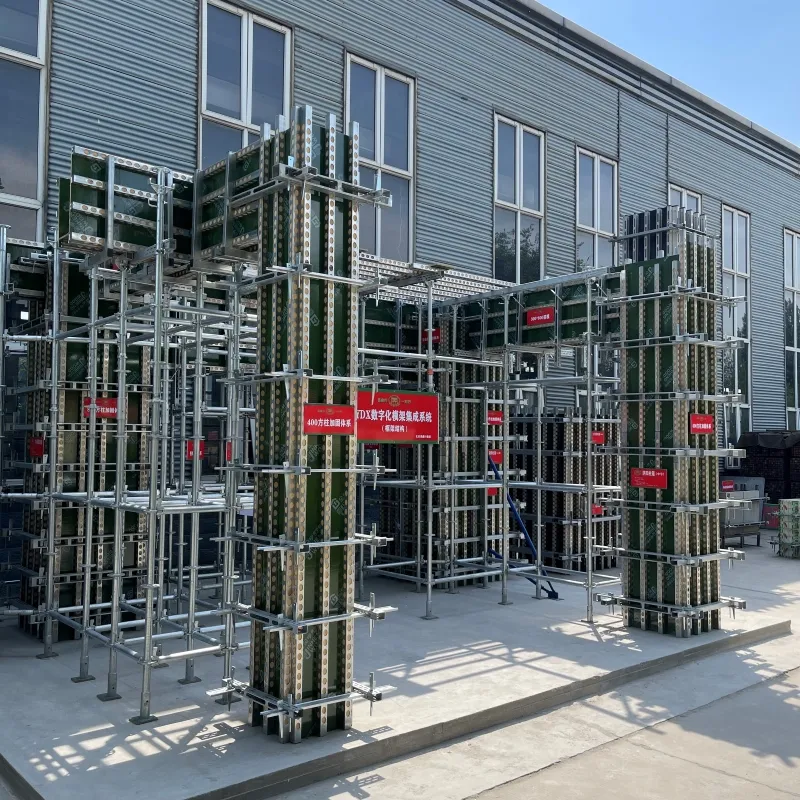
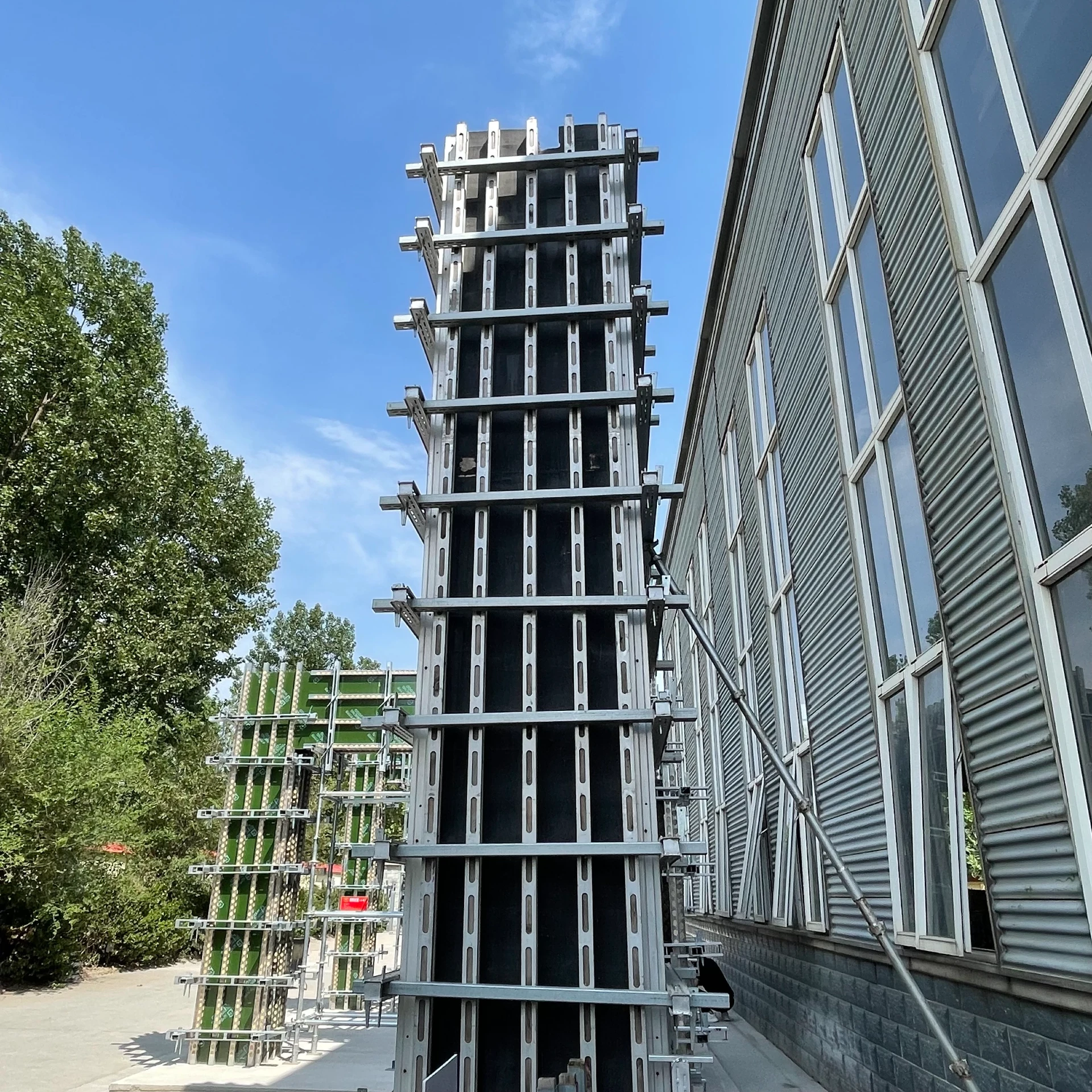
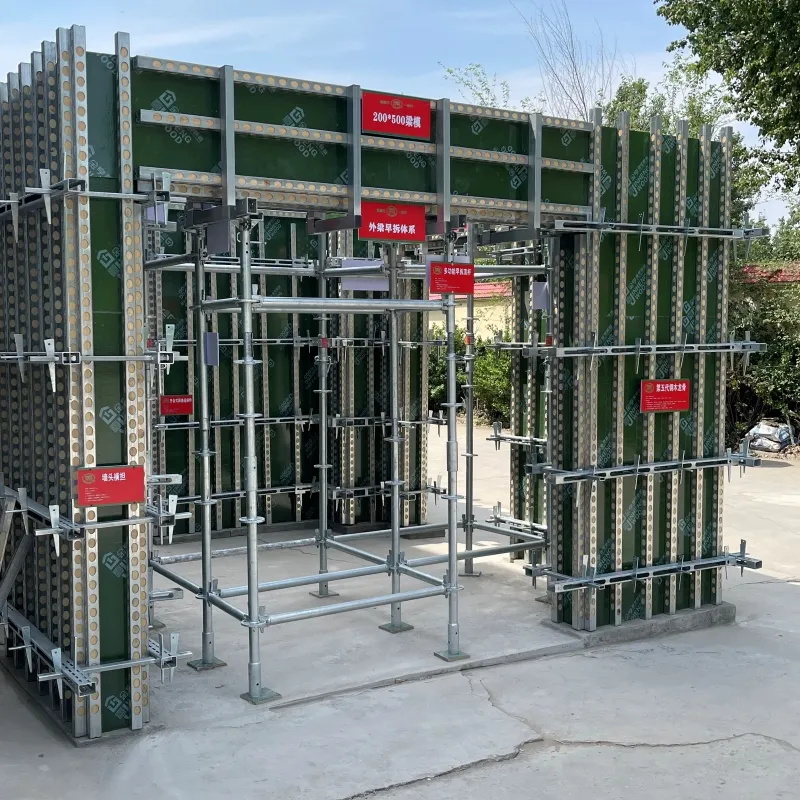
Simply put, a self climbing scaffolding system is a type of scaffolding that can ascend a structure on its own, usually powered by hydraulic jacks and rails fixed to the building. Unlike conventional scaffolding that gets dismantled and rebuilt repeatedly, this system “climbs” the structure as construction progresses—like an elevator for workers and materials.
This method connects closely to modern industry needs for safety, speed, and adaptability. In humanitarian efforts, such systems accelerate relief housing projects or rebuilding efforts in hard-to-access regions. Their modularity and self-sufficiency often make them invaluable in both developed and developing countries alike.
Core Components and Key Features
Durability
Self climbing scaffolding systems are typically made of high-strength steel alloys designed to withstand harsh weather and heavy loads. This durability ensures that the system remains safe and reliable over extended projects, sometimes lasting months or even years at a single site.
Scalability and Modularity
One of the major advantages is that these scaffolds scale easily with the building’s height and complexity. Sections can be added or removed depending on the specific floor layout, making it highly customizable. This modular design dramatically cuts down labor compared to traditional scaffolding.
Cost Efficiency
While the initial investment might appear steep, the time saved and reduction in crane use usually yield significant cost benefits. Labor costs drop because workers don’t have to dismantle and reassemble platforms repeatedly, and the quicker project completion means earlier revenue streams.
Safety and Stability
Integrated safety features like guard rails, anti-fall mechanisms, and controlled hydraulic lifts help prevent accidents. The fact that the system remains anchored to the structure means less sway and vibration compared to free-standing scaffolds.
Ease of Operation
With hydraulic control panels, trained operators can maneuver the entire scaffold platform smoothly, ensuring optimal positioning for various trades like concrete pouring, welding, or installing facade elements.
Product Specification Table: Typical Self Climbing Scaffolding System
| Feature | Specification |
|---|---|
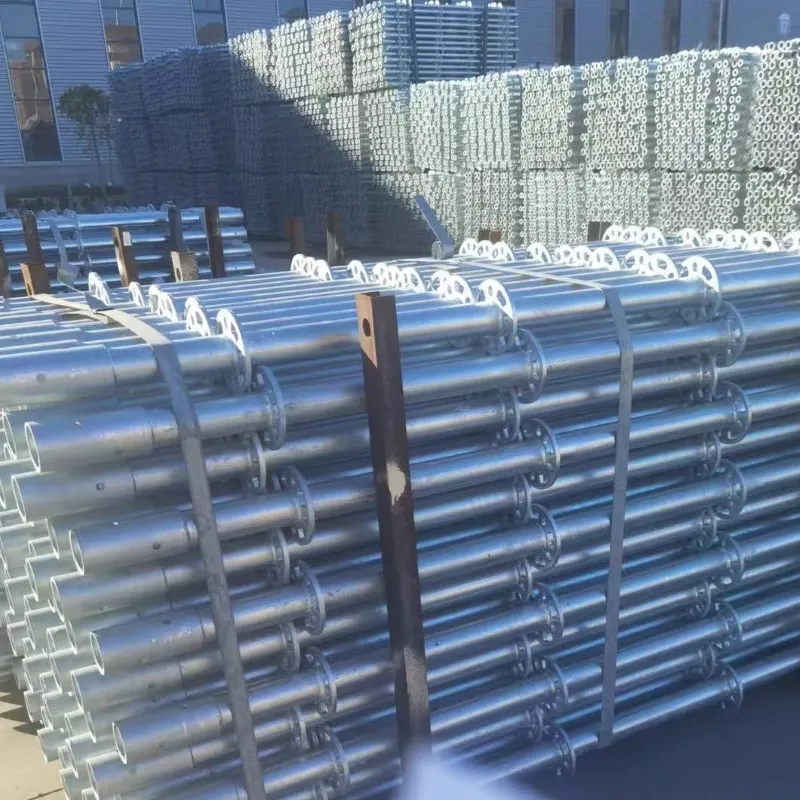
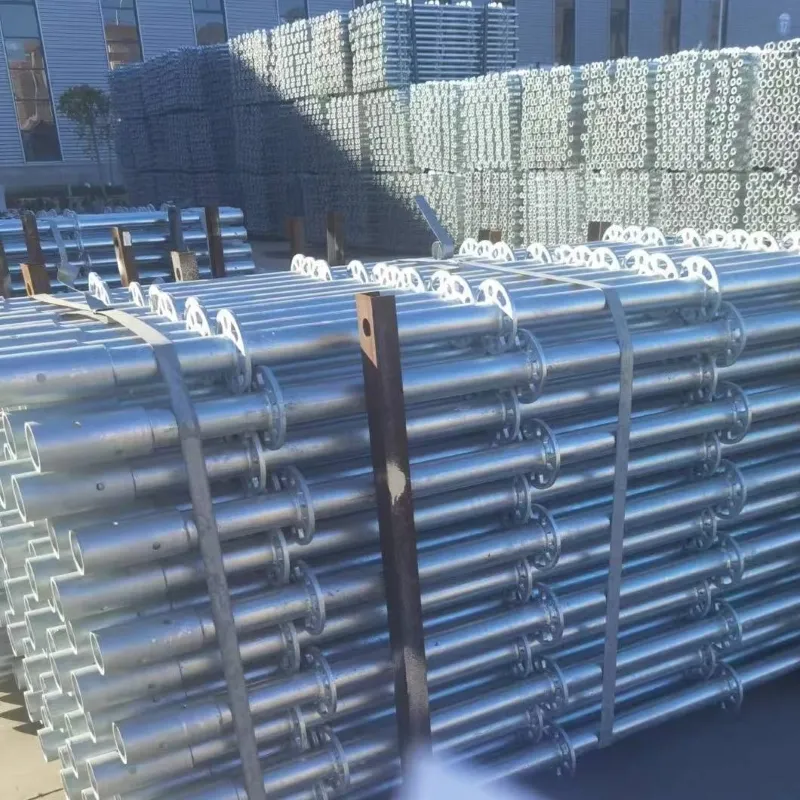
| Material | High-strength galvanized steel |
| Platform Size | Up to 10m x 3m per unit |
| Max Load Capacity | 5,000 kg per section |
| Climbing Method | Hydraulic jack system with guide rails |
| Operational Height | Unlimited (modular segments added as needed) |
| Safety Features | Guardrails, emergency stop, anti-fall anchors |
Global Applications & Use Cases
It’s fascinating to see how diverse the applications of self climbing scaffolding have become. In dense urban centers like Singapore and Dubai, for instance, skyscraper construction relies heavily on these systems to save space and speed up builds. The self climbing scaffolding system is particularly useful in locations where crane access is restricted or weather conditions are unpredictable.
In post-disaster reconstruction zones, such as after earthquakes in Nepal or floods in Mozambique, quick erecting scaffolding systems enable emergency teams to build temporary shelters and infrastructure rapidly. Off-shore oil platforms in the North Sea also benefit, where conventional scaffolding and crane operation are difficult due to rough seas.
Vendor Comparison: Leading Self Climbing Scaffolding Providers
| Vendor | Price Range | Max Load (kg) | Key Features | Warranty |
|---|---|---|---|---|
| BuildLift Systems | $25k – $45k per segment | 5,500 | Automated controls, remote diagnostics | 3 years |
| SkyClimb Tech | $20k – $40k per segment | 5,000 | Manual & hydraulic hybrid system | 2 years |
| ElevateScaff | $30k – $50k per segment | 6,000 | Integrated safety sensors, modular platforms | 5 years |
Advantages & Long-Term Value
One of the biggest draws of self climbing scaffolding systems is their long-term reliability—they just keep going upwards with the building, safely and steadily. This results in faster project delivery and less downtime. And frankly, from a social standpoint, it feels reassuring knowing the workers’ safety is prioritized through sturdy platforms and built-in safety measures.
The cost savings often have ripple effects: reduced insurance premiums, minimized material waste due to fewer scaffold re-assemblies, and a lower carbon footprint because cranes work less. Over the years, which is important as sustainability standards tighten worldwide, these scaffolding systems align with green building certifications and ISO standards for environmental management.
Future Trends & Innovations in Self Climbing Scaffolding
Technology never sleeps, and neither do innovations in scaffolding. We’re starting to see integration of IoT sensors that monitor scaffold load, vibration, and environmental conditions in real time. Imagine having an app alert you if a component experiences unusual stress—pretty smart, right?
Also intriguing is the push for eco-friendly materials—think composites or recycled steel—that maintain strength but cut emissions during manufacturing. Automation could also play a bigger role with robotic systems adjusting scaffold positions without human operation. Over time, drones might even assist in regular inspections to further improve safety standards.
Challenges & Solutions
Of course, nothing is perfect. Some challenges include the initial training required to operate hydraulic systems safely and the upfront investment that can be a hurdle for smaller firms. Weather conditions like strong winds may still limit use on certain days.
Experts suggest phased training programs and leasing models that reduce the capital barrier for new adopters. Additionally, combining conventional scaffolding with self climbing systems in hybrid applications can help in adverse weather.
FAQ: Frequently Asked Questions About Self Climbing Scaffolding Systems
- Q: Is a self climbing scaffolding system suitable for all building types?
A: While ideal for high-rise and concrete structures, it may not be cost-effective for low-rise buildings where traditional scaffolding suffices. - Q: How fast can the scaffolding ascend during construction?
A: Typically, it can climb between 1–3 meters per hour depending on the system and site conditions. - Q: Can operators control the scaffolding remotely?
A: Many modern systems include remote controls and automated features for enhanced precision and safety. - Q: What safety certifications do these systems have?
A: Most comply with ISO 45001 for occupational safety and meet local regulatory standards such as OSHA in the US or EN standards in Europe. - Q: How can companies in emerging markets import and maintain these scaffolds?
A: Partnering with authorized distributors and engaging in local training ensures ease of import compliance and long-term maintenance.
Conclusion & Call to Action
In real terms, embracing the self climbing scaffolding system means investing in smarter, safer, and more sustainable construction. From towering megastructures in cosmopolitan cities to rapid post-disaster rebuilds in rural areas, these systems stitch efficiency and safety into every layer of the project. If you’re curious about deploying this technology yourself, it’s worth exploring vendors and innovations further.
Visit our website to discover how modern self climbing scaffolding system solutions can elevate your next project.
Mini takeaway: Self climbing scaffolding isn’t just scaffolding that moves—it’s scaffolding that transforms the very way we build upward safely and smartly.
References:
1. World Bank, “Global Construction Industry Statistics,” 2023.
2. United Nations, “World Urbanization Prospects,” 2018 Revision.
3. ISO 45001 Occupational Health and Safety Management Systems — Requirements with guidance for use.
-
Comprehensive Guide to Scaffolding Rods for Safe Construction PracticesNewsFeb.24,2026
-
Comprehensive Guide to Different Types of Scaffolding for Construction ProjectsNewsFeb.11,2026
-
The Crucial Role and Safe Use of Scaffolding in Modern Construction ProjectsNewsJan.30,2026
-
Maximize Productivity and Safety with a Versatile 7m Scaffold TowerNewsJan.27,2026
-
6m Scaffold Tower: A Comprehensive Guide for B2B BuyersNewsJan.26,2026
-
6ft Scaffold: Durability and Safety in ConstructionNewsJan.25,2026
-
6 Scaffolding: A Modern Construction SolutionNewsJan.24,2026