
Understanding Roof Top Floors: Sustainable Solutions for Growing Cities
Getting to Know the Roof Top Floor: Why It Matters Today
When someone mentions a roof top floor, you might picture a stylish penthouse or a rooftop garden where city dwellers catch the sunset. But in construction and urban planning worlds, it’s much more than just an aesthetic perk. A roof top floor often represents the final build layer, the crowning jewel of architectural design that can transform spaces upwards — quite literally.
Why does it matter globally? Well, as city populations balloon and available land becomes scarcer (the UN reports that by 2050, roughly 68% of the world’s population will live in urban areas), building upward efficiently isn’t just a luxury—it’s a necessity. Understanding and leveraging roof top floors can unlock sustainable housing, innovative green spaces, and usable infrastructure in some of the most congested cities worldwide.
So, what’s in it for builders, planners, and even NGOs? Increased space without footprint expansion, potential energy savings, and the chance to rethink urban living. Stick with me, and I’ll walk you through the essentials of roof top floors, from definition to future trends, including real-world applications and the challenges they pose.
The Big Picture: Why the Roof Top Floor is a Global Game-Changer
Globally, we’re facing an urban crunch that demands smarter uses of vertical space. According to data from the United Nations Department of Economic and Social Affairs, the projected increase in urban density is staggering. It’s not just about cramming people into high-rises, though; it’s about enhancing quality of life.
Here’s where the roof top floor comes in—a way to add function, beauty, and sustainability perched atop existing structures. But there are challenges. Weatherproofing, load-bearing capacity, building codes, and construction logistics all make roof top floors a complex puzzle. Yet, the payoff is substantial: more usable space, less land consumption, and potential environmental benefits. For industries involved in construction and urban development, understanding the nuances of roof top floors means gaining an edge in an increasingly space-starved market.
What Exactly is a Roof Top Floor?
Simply put, a roof top floor is a usable floor area built on or above a building’s existing roof structure. Unlike a traditional roof that serves primarily to protect the building from weather, this floor is designed to be occupied or utilized, whether as living quarters, offices, recreational areas, or green spaces.
In modern industry, roof top floors intersect with innovative architectural techniques, modular construction methods, and sustainability goals. Humanitarian efforts have also adopted the concept — for example, creating rapidly deployable housing units on building rooftops in densely populated disaster zones where expanding footprint-wise is not viable.
Core Components That Make Roof Top Floors Work
1. Structural Durability
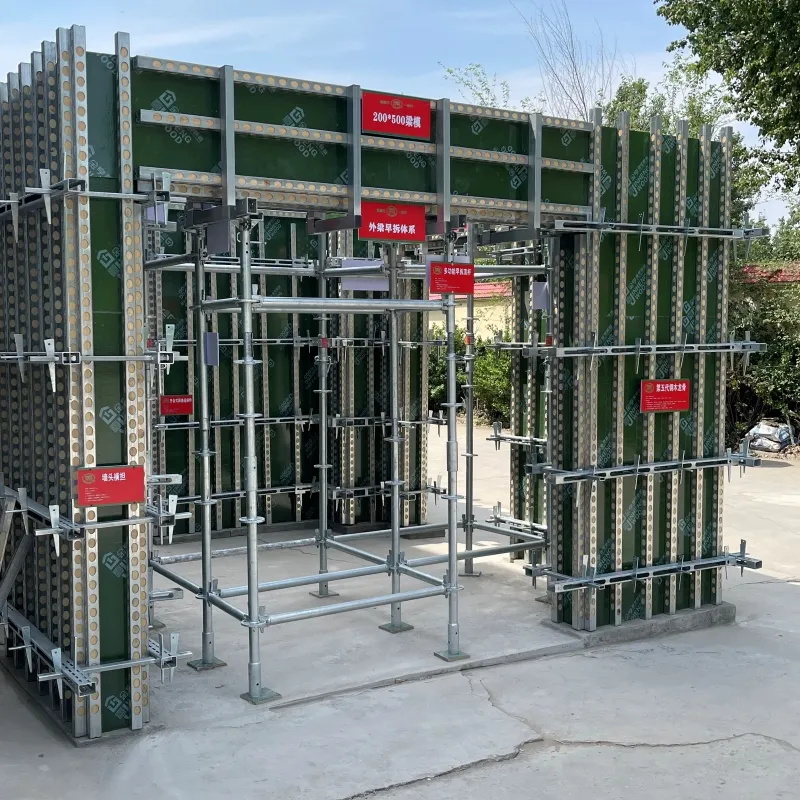
Not every roof is designed for the additional weight of a floor. This demand means strong, reinforced materials and thorough engineering assessments to ensure load-bearing capacity. Many engineers say this is the make-or-break factor—no matter how flash the design, without durability, the whole thing risks failure.
2. Weatherproofing & Insulation
The roof top floor must keep the building dry and insulated, despite being exposed higher up to extreme weather conditions. Advanced membrane systems, thermal barriers, and drainage solutions are crucial here—often customized to local climates.
3. Scalability & Modularity
Modern construction often favors modular units to speed up installation and reduce costs. Roof top floors that adopt prefabricated components can be scaled up or adjusted without major disruption—a big plus for fast-growing urban centers.
4. Cost Efficiency
Adding a roof top floor is often more cost-effective than purchasing new property or building outward due to land prices. Still, upfront costs for structural reinforcement can be significant, so smart budgeting and phased deployment may be necessary.
5. Sustainability & Green Integration
Incorporating green roofs, solar panels, or rainwater harvesting systems into roof top floors aligns with tighter environmental regulations and corporate responsibility goals. Here, the roof top floor is not just an addition but a contributor to a greener future.
Mini takeaway: The roof top floor isn’t just a simple add-on—it’s a carefully engineered space combining strength, smart design, and sustainability.
Where Roof Top Floors Shine: Real-World Applications
- Urban Housing Solutions: In cities like Tokyo or New York, where land is prohibitively expensive and scarce, roof top floors offer a way to add apartments without expanding neighborhoods.
- Post-Disaster Relief Efforts: NGOs sometimes use modular roof top floor solutions to create quick, safe housing on existing structures in disaster-hit zones, reducing homelessness swiftly.
- Commercial & Office Spaces: Tech companies in Silicon Valley and Berlin have embraced roof top floors for adding creative workspaces and breakout areas with fresh air and sunlight.
- Green Infrastructure: Cities in Scandinavia use roof top floors combined with vegetated roofs for biodiversity, insulation, and local food growing programs.
Mini takeaway: From densely packed mega-cities to remote relief sites, roof top floors adapt across scenarios, marrying practicality with innovation.
Advantages: More Than Just Extra Space
The tangible benefits of roof top floors are quite compelling. Cost savings by avoiding land acquisition, enhanced property values, and better energy efficiency through insulation or solar integration come right to mind.
But they also bring emotional comfort—people appreciate natural light, fresh air, and elevated views that a roof top floor can deliver. That feeling of freedom in a crowded city can’t be overstated. And then there’s safety; properly engineered roof top floors add structural resilience in earthquakes or storms by reinforcing roofs.
Looking Ahead: Future Trends Shaping Roof Top Floors
It’s odd but exciting how this area blends old-school engineering with cutting-edge tech. Trends include:
- Green Energy Integration: Solar tiles and smart energy management embedded in roof top floors.
- Digital Twins & BIM: Using digital replicas for better planning and maintenance.
- Automation: Innovations in robotic construction and prefabrication make installation faster and cheaper.
- Advanced Materials: Lightweight composites and sustainable timber alternatives altering load profiles.
Challenges and Smart Fixes
Despite the appeal, challenges remain:
- Building Codes: Regulations vary wildly by region, some lagging behind technical possibilities.
- Structural Limitations: Older buildings may simply not support added floors without massive retrofits.
- Costs & Planning: Initial investment and complexity can scare off smaller developers.
Innovations like modular design, public-private partnerships, and advanced modeling help tackle these issues. Many experts encourage phased implementations to spread costs and mitigate risks.
FAQs About Roof Top Floors
- Can a roof top floor be added to any building?
- Not quite. A detailed structural assessment is critical because older or lightly built roofs may not support extra floors without reinforcement. Consulting engineers early in the design phase is key.
- How do costs compare with traditional extensions?
- Generally, roof top floors can save on land purchase costs and foundation work, but require investment in roof strengthening and weatherproofing. Overall, they often offer better return on urban plots.
- Are roof top floors energy efficient?
- Yes, when designed well, they improve insulation and can incorporate solar panels or green roofs, reducing energy demand for heating/cooling.
- What about access and safety?
- Adding staircases, elevators, and proper fire safety systems is necessary and must comply with local codes. Planning for safe egress is a critical aspect during design.
- Can roof top floors help in disaster relief housing?
- Absolutely. NGOs sometimes deploy modular roof top floor units to rapidly expand shelter capacity without needing new land — this is vital in space-limited disaster zones.
Wrapping Up: Why Roof Top Floors Deserve Your Attention
The roof top floor is more than just a design trend — it’s a pragmatic solution responding to one of the century’s biggest urban challenges: how to grow smarter, greener, and more human-focused in ever-crowded cities. It offers hope for sustainable housing expansion, commercial creativity, and the blending of nature and technology above our heads.
If you’re in construction, urban planning, or humanitarian relief, understanding the full potential of roof top floors could unlock big opportunities. Don’t miss out. Visit our website for more insights and cutting-edge products: roof top floor.
Product Specification Table
| Feature | Typical Value/Option | Notes |
|---|---|---|
| Load Capacity | Up to 1500 kg/m² | Depends on building and reinforcement |
| Insulation R-Value | R-30 (typical) | Improved thermal regulation |
| Construction Time | 4-8 weeks for modular units | Depends on size and site conditions |
| Weatherproofing | Multi-layer membranes | Custom for climate |
| Sustainability | Solar-ready + green roof options | Supports carbon reduction goals |
Vendor Comparison Table
| Vendor | Modularity | Customization | Lead Time | Price Range |
|---|---|---|---|---|
| SkyPlus Structures | High | Extensive | 6-8 weeks | $$$ |
| UrbanBuild Modular | Medium | Moderate | 4-6 weeks | $$ |
| GreenTop Solutions | High | Limited | 8-10 weeks | $ |
A quick thought — many developers find themselves balancing speed, customization, and price. Not every project needs the top-tier vendor, but knowing what each brings helps make sharper decisions.
Final Reflections
In the big scheme, the roof top floor is more than a technical add-on—it's an evolving response to a world demanding smarter, greener, and innovative spaces. Whether it’s in bustling cities or emergent relief camps, it offers a chance to make the most of what’s already there.
Of course, challenges like regulation and structural limits keep the field interesting and ever-changing.
But that’s the fun part, isn’t it? Pushing boundaries, building up, reaching for better futures — one rooftop at a time.
References
-
Comprehensive Guide to Scaffolding Rods for Safe Construction PracticesNewsFeb.24,2026
-
Comprehensive Guide to Different Types of Scaffolding for Construction ProjectsNewsFeb.11,2026
-
The Crucial Role and Safe Use of Scaffolding in Modern Construction ProjectsNewsJan.30,2026
-
Maximize Productivity and Safety with a Versatile 7m Scaffold TowerNewsJan.27,2026
-
6m Scaffold Tower: A Comprehensive Guide for B2B BuyersNewsJan.26,2026
-
6ft Scaffold: Durability and Safety in ConstructionNewsJan.25,2026
-
6 Scaffolding: A Modern Construction SolutionNewsJan.24,2026