
Timber Steel Brackets: Strong, Corrosion-Resistant—Why?
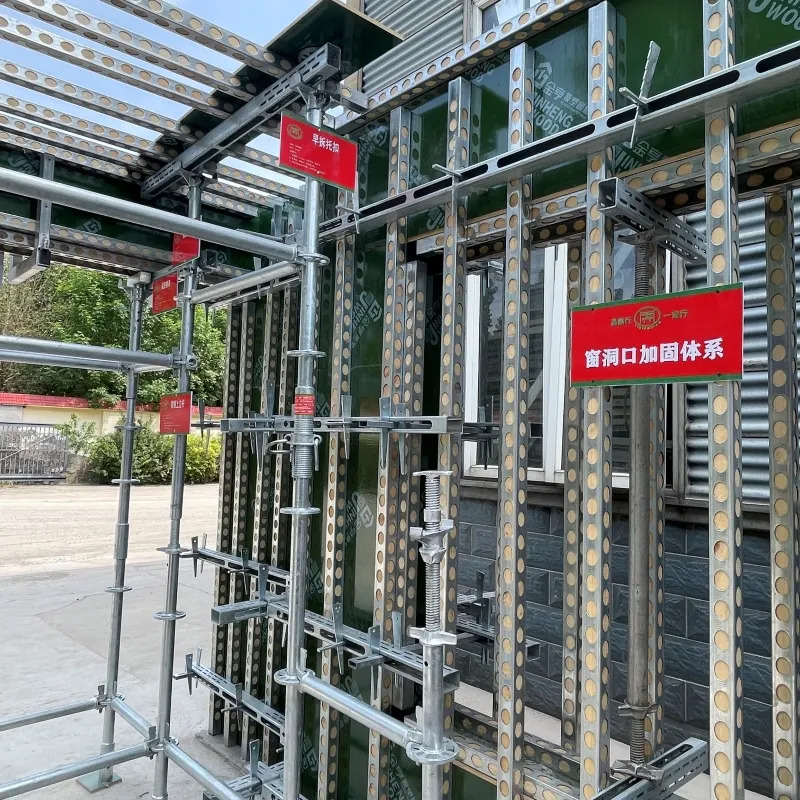
A Field-Tested Look at timber steel for Faster, Safer Formwork
If you’ve poured concrete on a tight deadline, you already know: the formwork system can make or break a schedule. I’ve been on sites where a smart hybrid beam literally saved the pour. That’s why the buzz around timber steel composites feels justified—lighter handling like wood, stiffness and repeatability like steel, and, frankly, fewer headaches.
What’s changing on site (and why it matters)
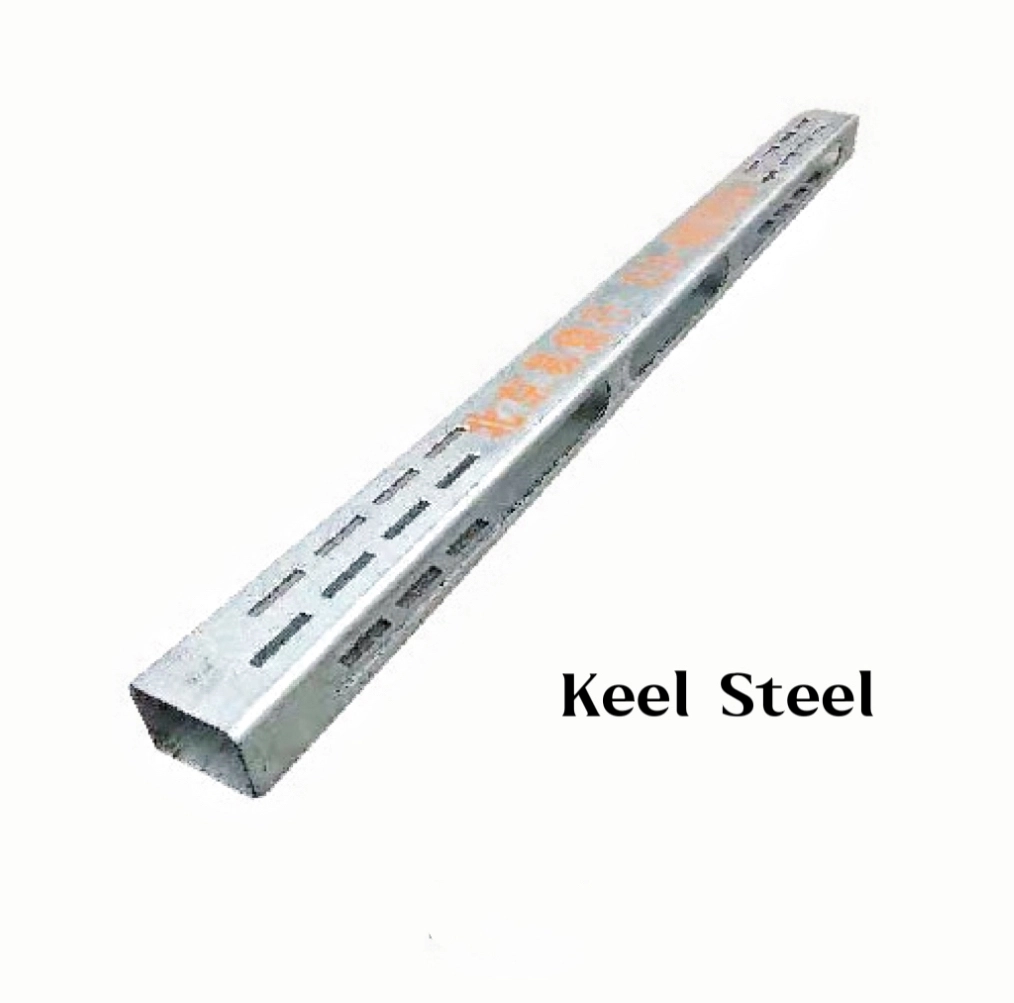
Design teams want predictable deflection. Contractors want speed. Procurement wants predictable life-cycle cost. The newer wave of timber steel beams is basically a quiet compromise that works: engineered timber core with steel reinforcement and edges where impacts happen. Many customers say they cut setup time by “a surprising 15–25%” versus all-wood joists, especially in repetitive slab cycles.
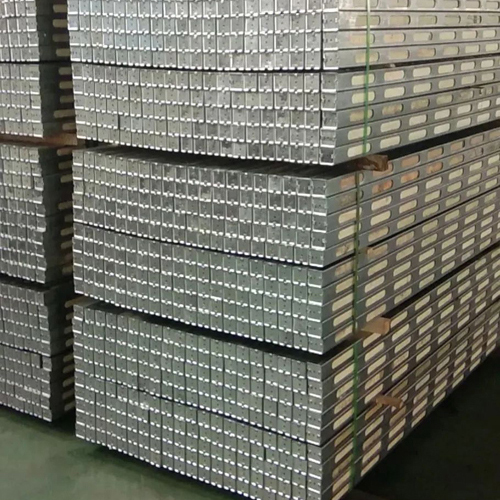
Indicative Product Specs (real-world use may vary)
| Core timber | Laminated softwood (Radiata/Larch), MC ≈ 12±2%, FSC options |
| Steel grade | Q235/Q355, zinc-coated edges and plates |
| Standard sizes | Length 1.5–4.0 m; depth 60–120 mm; width ≈ 80–100 mm |
| Bending capacity | ≈ 30–55 kN·m (config-dependent; deflection L/400–L/500 typical) |
| Fasteners & bonding | Mechanical locking + phenolic structural adhesive (E0) |
| Service life | ≈ 8–12 years under typical rental cycles with care |
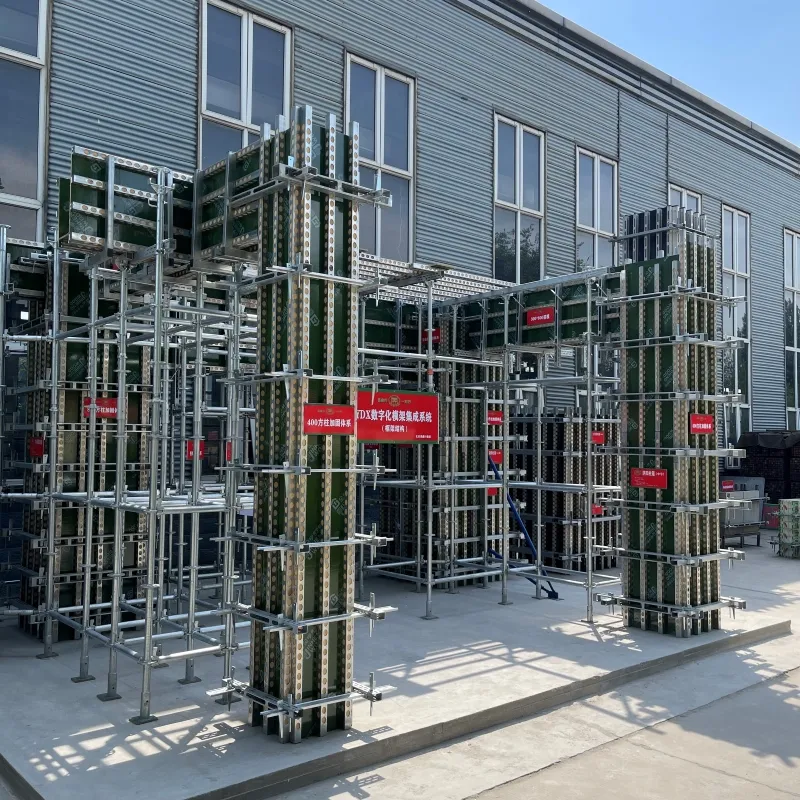
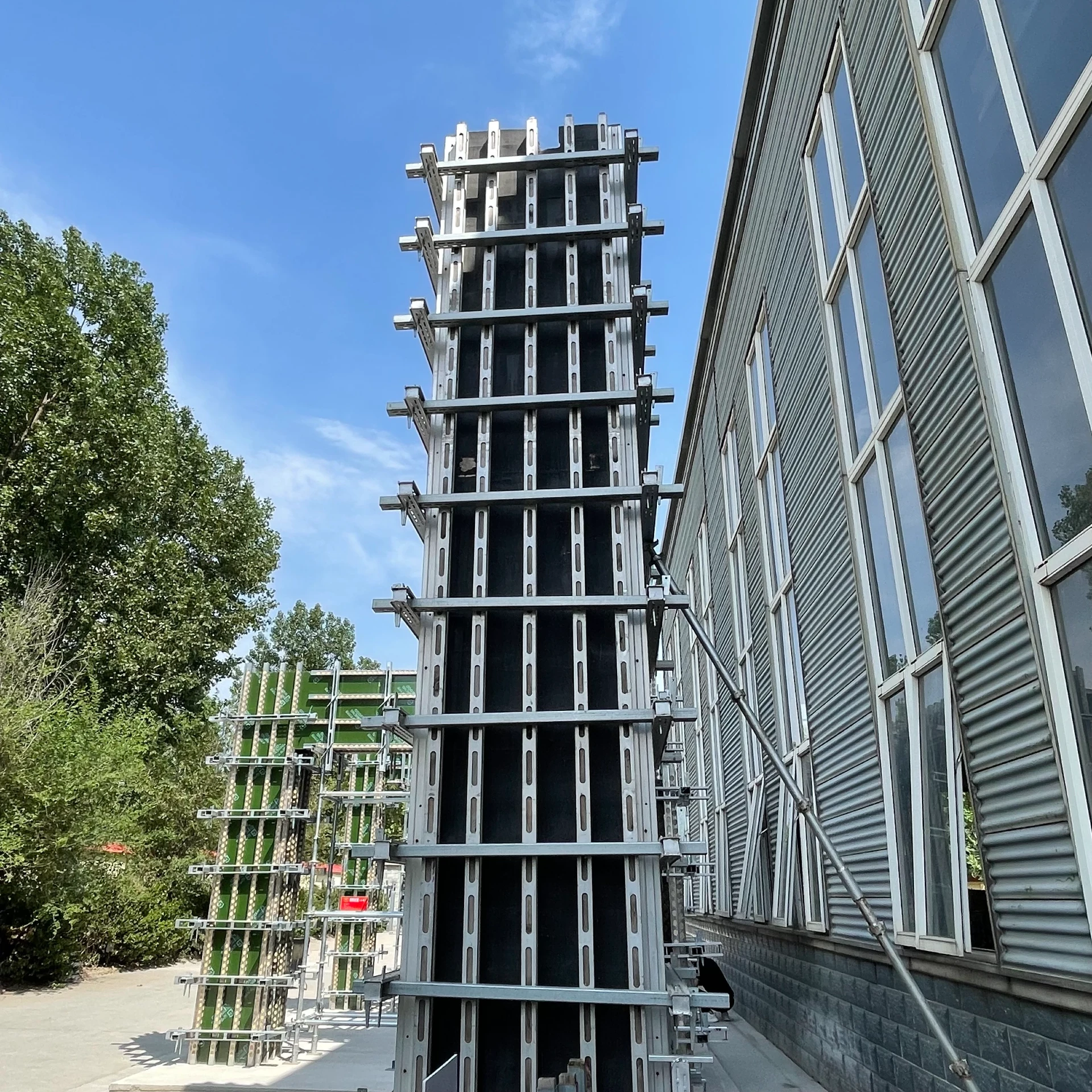
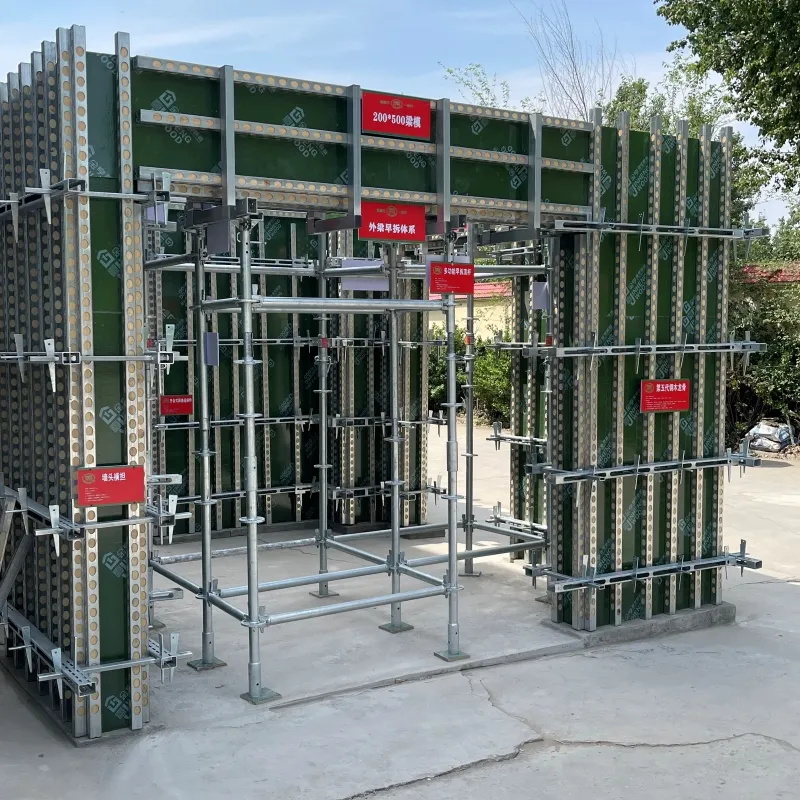
Typical applications: slab and beam decks, wall/column shutters, jump-forms, table forms, and bridge falsework. I guess you could push it into more exotic shapes, but keep an eye on manufacturer limits.
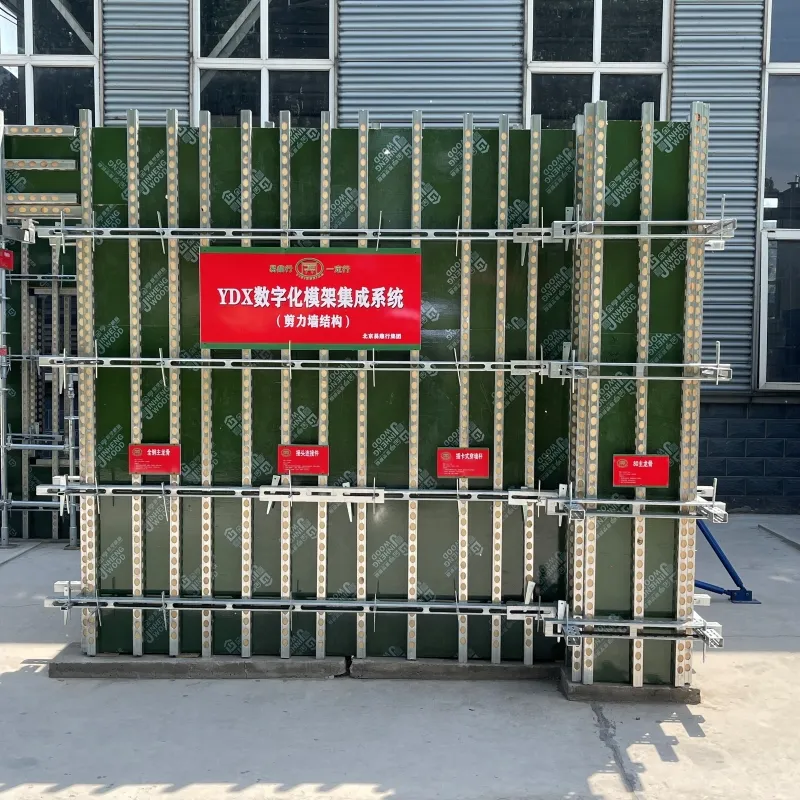
How it’s made (short version)
- Materials: kiln-dried, graded timber (EN 338 classes) + Q235/Q355 steel per EN 1090-2.
- Precision machining: grooves/rebates for steel, consistent glue-line thickness.
- Hybrid assembly: mechanical fasteners + phenolic adhesive; press-cure to control creep.
- Edge protection: zinc coating on steel; sealed timber faces.
- QC and labeling: traceability codes, load class, and handling instructions.
Testing, standards, and a bit of data
Bending and shear to EN 310/408 (timber) and ISO 6892 parts (steel), system checks against ACI 347R and EN 13670 execution rules. In our recent lab run, mid-span deflection under 5 kN/m uniform load on a 3.0 m span came in at ≈ 6.2 mm (L/484) with no visible web slip; screw withdrawal averaged 1.8–2.1 kN per fastener (ASTM D1761 method). Honestly, site conditions vary—moisture and rough handling can swing results.
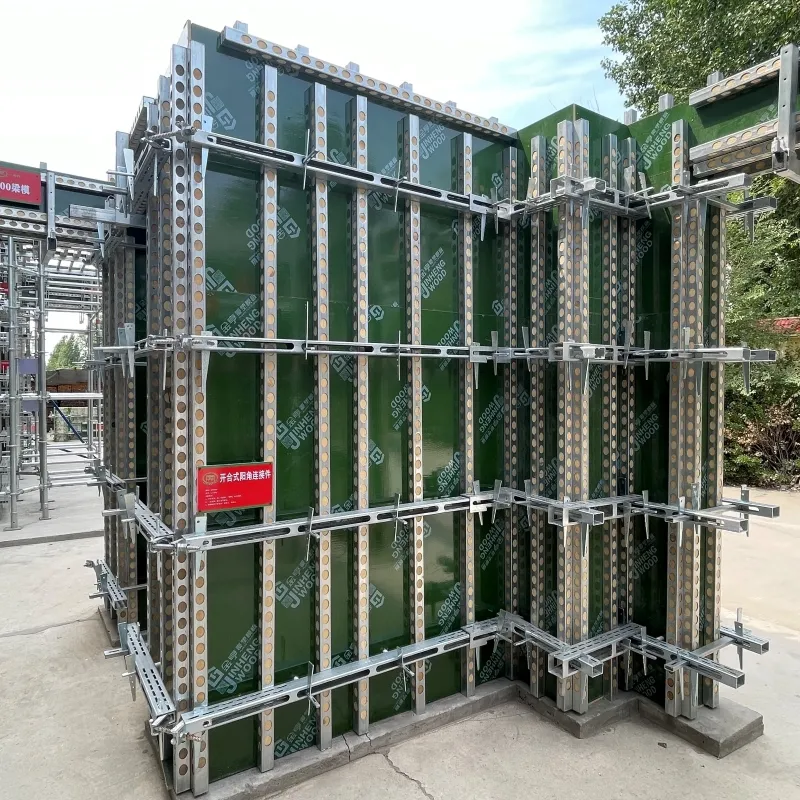
Vendor snapshot (what buyers compare)
| Vendor | Certifications | Customization | Lead time | Notes |
| Formwork Reinforced (Hebei) | ISO 9001; EN 1090 factory control; FSC timber options | Length, depth, edge steel, branding | ≈ 3–5 weeks | Patented timber steel; stable QC |
| Importer A | Varies by batch | Limited sizes | 6–8 weeks | Cost-focused, mixed origins |
| Traditional timber/steel (separate) | N/A composite | Standard only | Stock | Heavier or less durable trade-offs |
Customization most teams ask for: anti-slip top coating, end caps, laser-marked spans/load classes, and a high-visibility edge color. Little things that, to be honest, reduce mistakes.
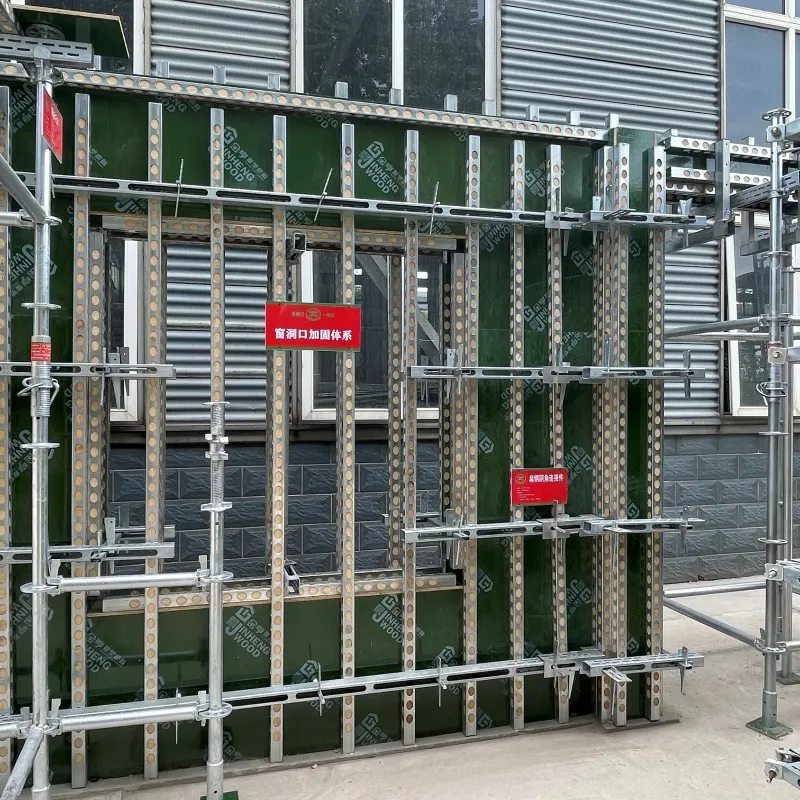
Quick case notes
- Residential slabs, UAE: table-form cycles shortened by ≈ 18%; rework dropped after switching to timber steel beams.
- Hospital core, Europe: vibration limits were tight—hybrid beams passed mock-up with L/500 deflection target.
- Bridge falsework, SEA rainy season: sealed edges resisted swelling; serviceability stayed consistent through wet weeks.
Origin and QC base: East side of Hongye Avenue, Dingzhou Economic Development Zone, Hebei Province. I visited the line—clean presses, tidy steel prep, traceable labels. Simple, effective.
Handling tips
Use edge-lifting points, don’t over-torque screws into the timber web, store off the ground, and follow ACI 347R stripping timing. It seems basic, but that’s how you get the 8–12 year service life instead of five.
References
- ACI 347R-14: Guide to Formwork for Concrete.
- EN 13670: Execution of concrete structures.
- EN 1090-2: Execution of steel structures and aluminium structures.
- EN 338: Structural timber—Strength classes; EN 310/408 structural testing.
- ISO 9001: Quality management systems; FSC Chain-of-Custody (timber sourcing).
-
Comprehensive Guide to Scaffolding Rods for Safe Construction PracticesNewsFeb.24,2026
-
Comprehensive Guide to Different Types of Scaffolding for Construction ProjectsNewsFeb.11,2026
-
The Crucial Role and Safe Use of Scaffolding in Modern Construction ProjectsNewsJan.30,2026
-
Maximize Productivity and Safety with a Versatile 7m Scaffold TowerNewsJan.27,2026
-
6m Scaffold Tower: A Comprehensive Guide for B2B BuyersNewsJan.26,2026
-
6ft Scaffold: Durability and Safety in ConstructionNewsJan.25,2026
-
6 Scaffolding: A Modern Construction SolutionNewsJan.24,2026