
Timber steel brackets for frames—stronger, rust-resistant?
Hybrid formwork that actually saves time (and budget)
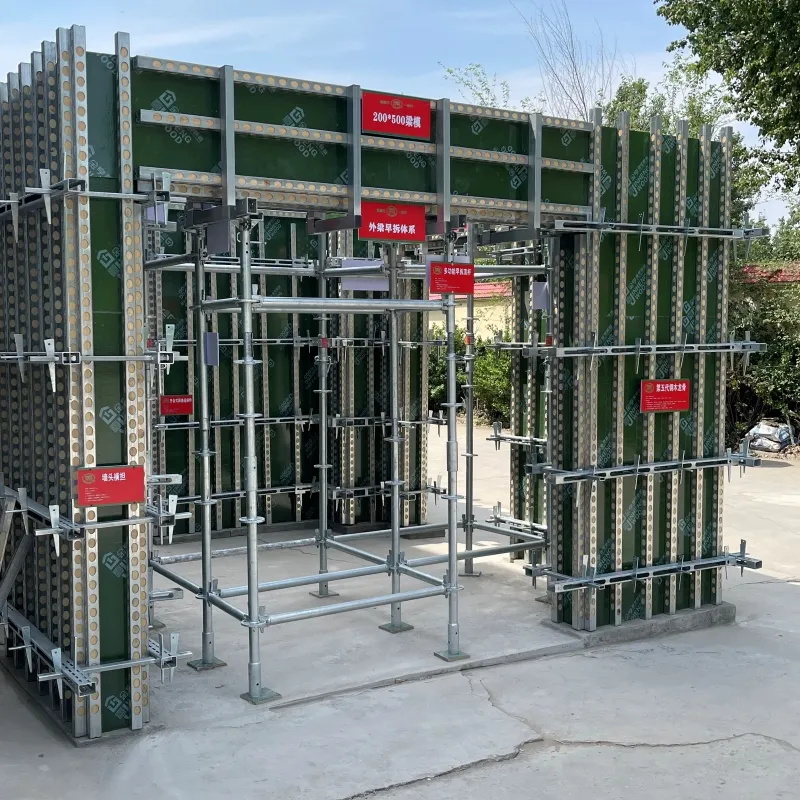
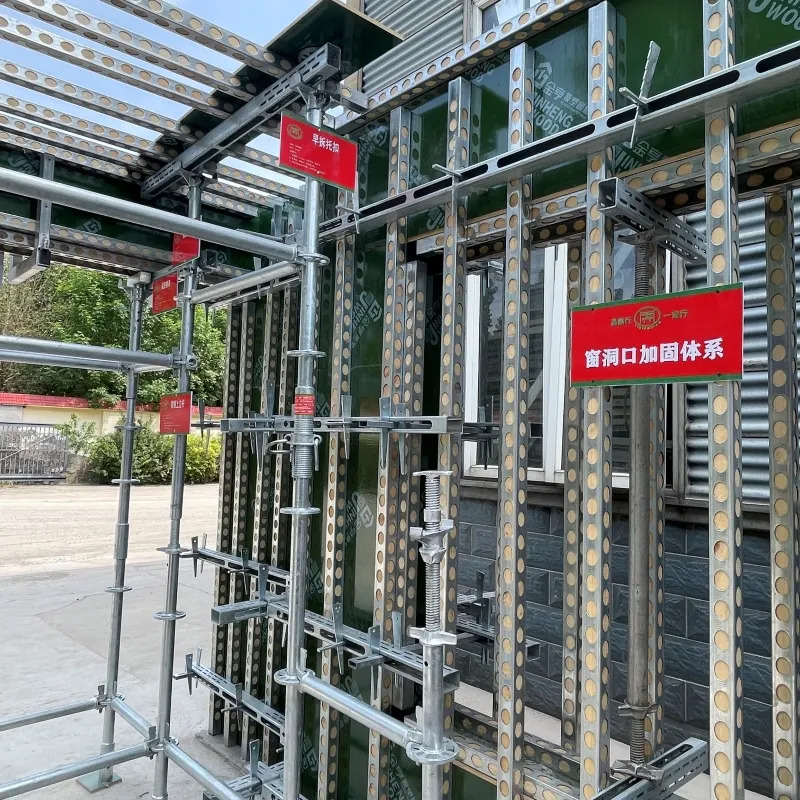
On a windy site outside Dingzhou last spring, a foreman told me, “If it carries like wood but behaves like steel, we’ll pour faster.” That’s pretty much the promise of timber steel—a composite formwork member engineered to combine a timber core with steel reinforcement. I’ve watched crews swap these in for old plywood-and-joist setups and, to be honest, the pace change is visible by lunch.
What’s happening in the industry
Three trends are converging: labor scarcity, tighter schedules, and sustainability targets. Hybrid members like timber steel cut setup time, extend reuse cycles, and reduce waste compared with all-wood solutions. In fact, many contractors I speak with now spec composites on slabs and cores as a default, reserving heavy steel frames for extreme loads.
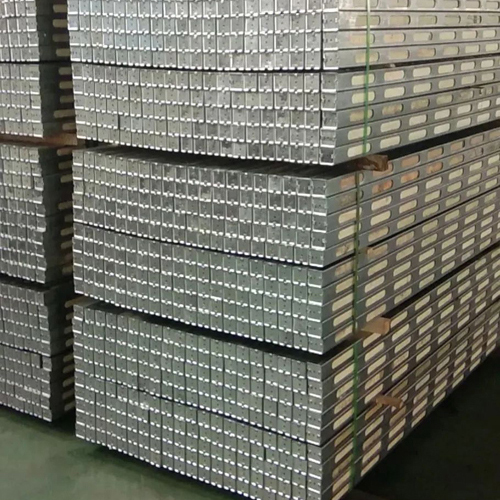
Product snapshot: specs that matter onsite
| Parameter | Typical value (≈ / real-world may vary) |
|---|---|
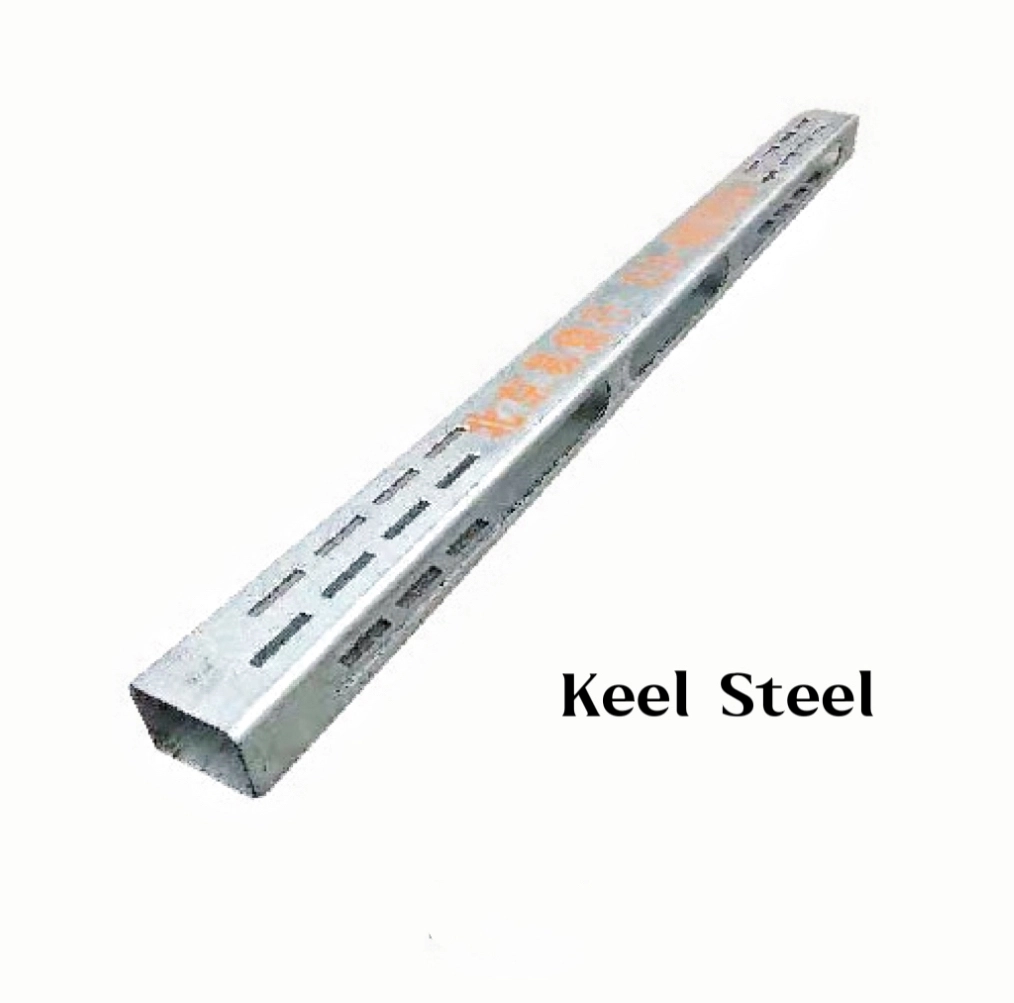
| Composite build | Steel reinforcement bonded to structural timber core; sealed edges |
| Unit weight | ≈ 5.5–7.8 kg/m (size-dependent) |
| Bending capacity | Up to ≈ 18–24 kN·m; deflection L/400 target |
| Surface | Factory-coated; moisture-resistant seal |
| Reuse cycles | ≈ 80–150 pours with proper handling |
| Fire behavior | Design per EN 1993/1995 guidance; site protection as required |
| Corrosion protection | Coated steel per ISO 12944 category C3–C4 |
How it’s made (and tested)
Materials: graded structural timber, hot-rolled steel strips/sections, structural adhesives and mechanical fasteners, moisture barriers. Methods: precision milling, surface prep, adhesive application, pressure bonding, mechanical locking, edge sealing, and QC.
Testing and standards followed in qualification: four-point bending (ASTM D198), metalwork conformity (EN 1090), design checks (EN 1993 for steel, EN 1995 for timber), corrosion testing (ISO 9227 salt spray), coatings (ISO 12944), factory QA (ISO 9001). Onsite, I’ve seen L/400 deflection targets met under slab props at 600–900 mm spacing, which is reassuring.
Service life: ≈ 5–8 years in mixed climates with standard maintenance; the steel edges protect the timber arrises—surprisingly effective against chipping from tie-rod clashes.
Where contractors use it
- Flat slabs and beams (fast cycling, fewer joists)
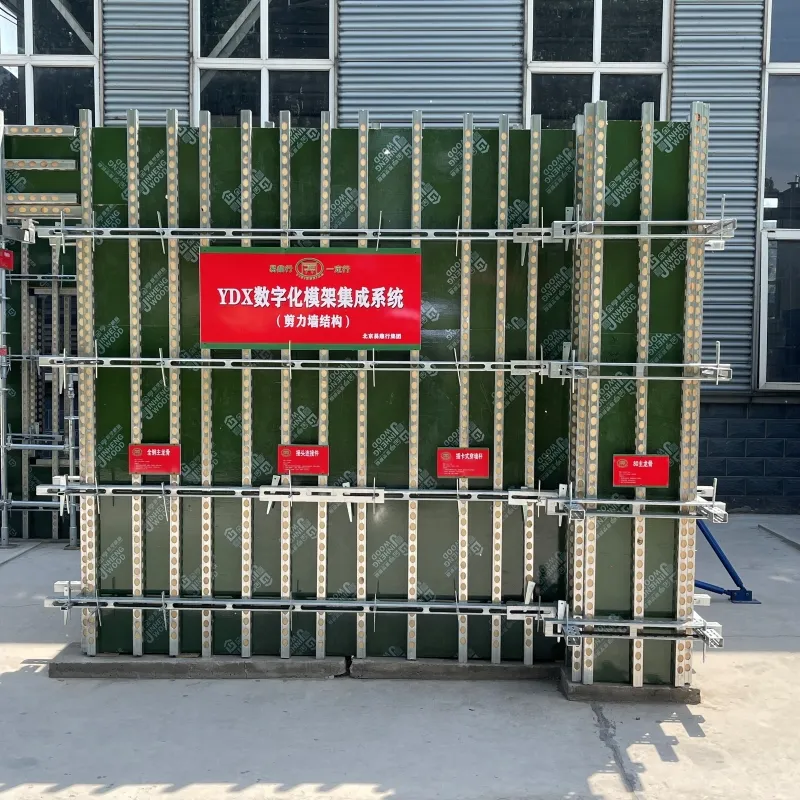
- Shear walls and cores (clean faces, fewer panel repairs)
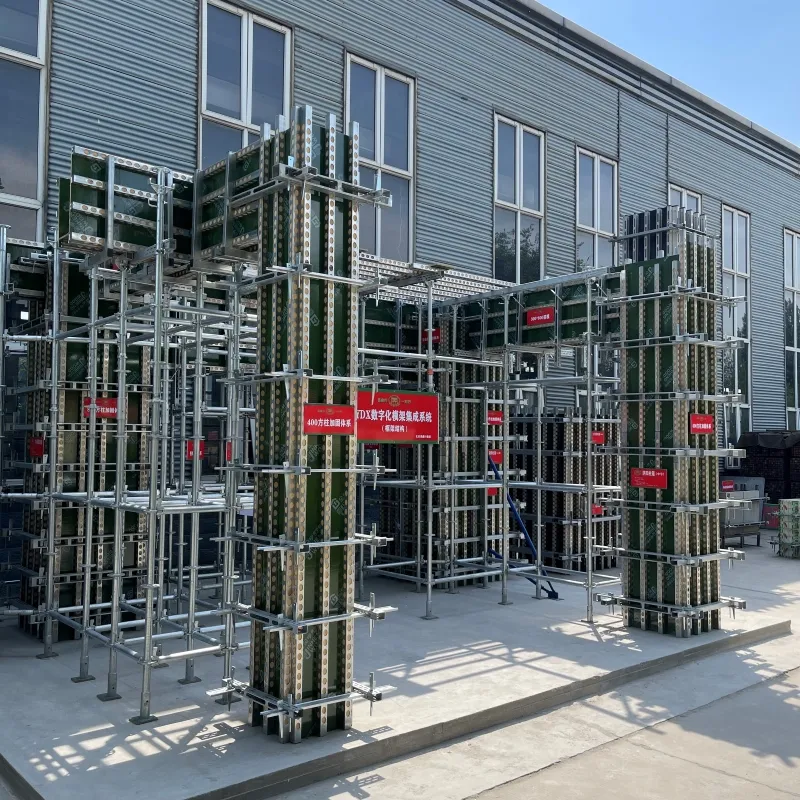
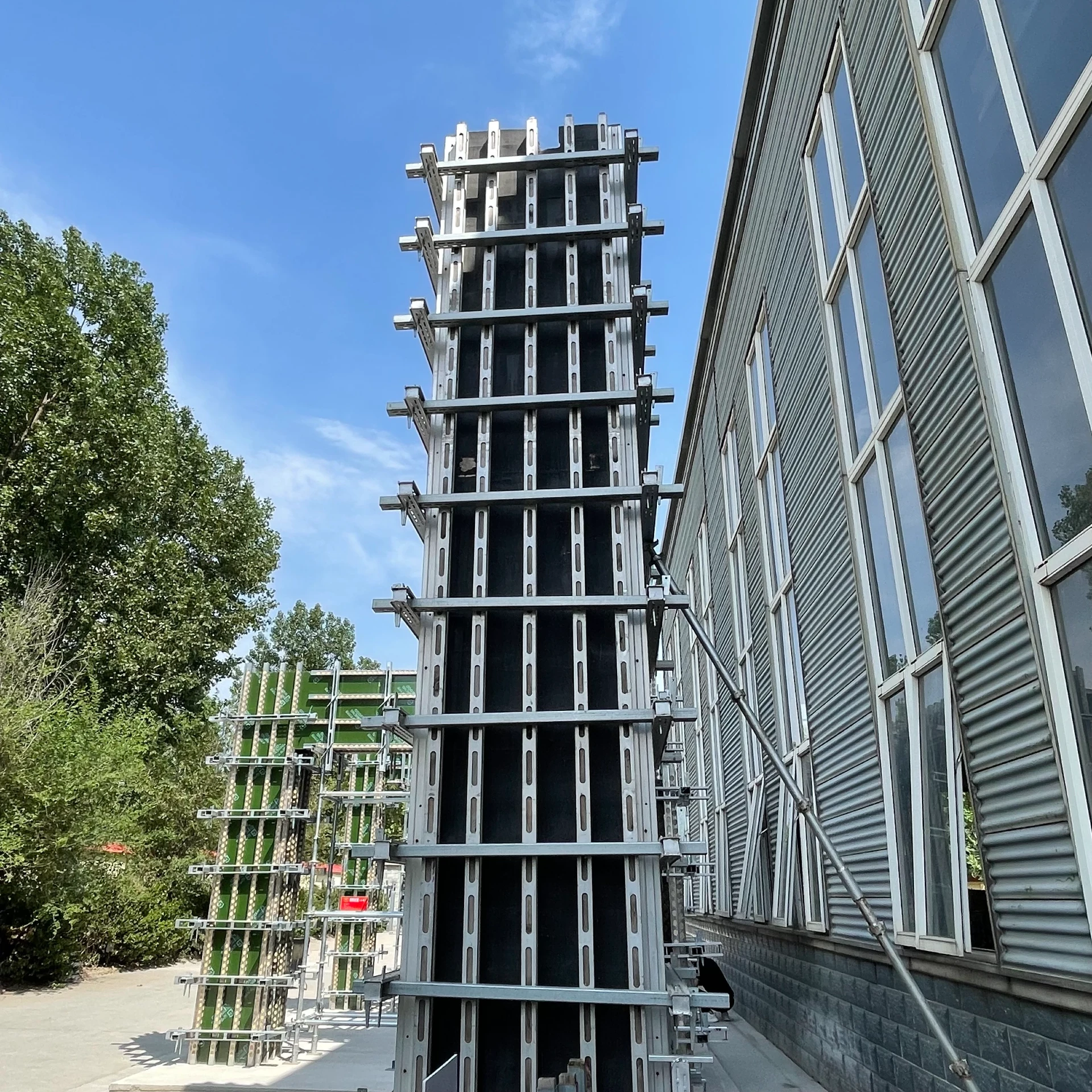
- Columns and pilasters (edge durability pays off)
- Infrastructure pours: abutments, piers, culverts
Many customers say timber steel hits a sweet spot: lighter than full steel frames yet stiffer and more durable than all-timber members.
Customization and options
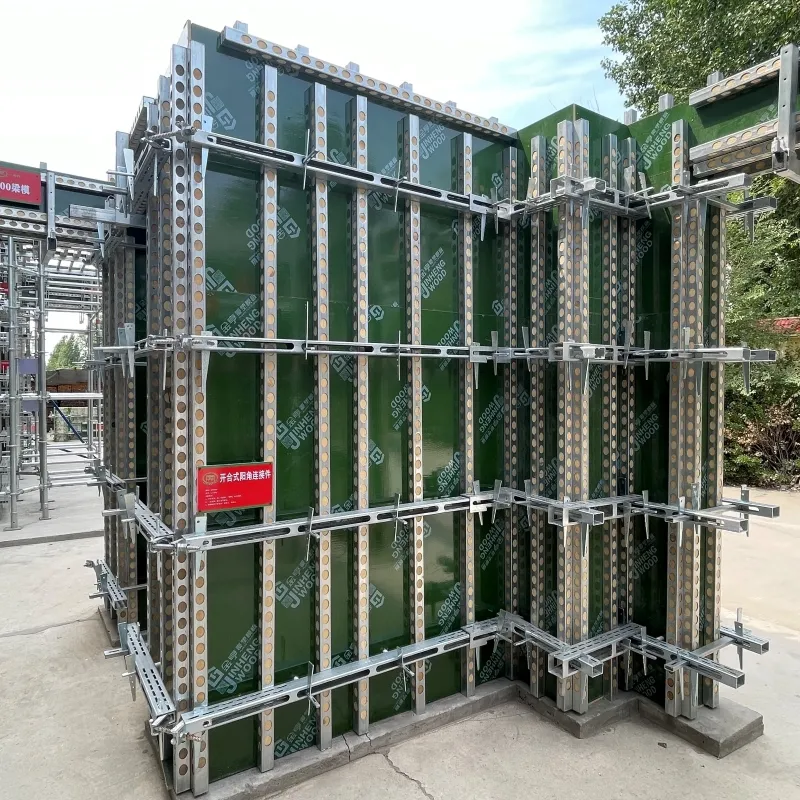
Custom lengths (≈ 1.5–6.0 m), coating grades for coastal or industrial sites, pre-drilled patterns for common clamp systems, and branding. Lead times are usually 2–4 weeks, but I’ve seen rushes turn around faster when schedules squeeze.
Vendor snapshot: how it compares
| Vendor | Capacity | Reuse | Lead time | Certs |
|---|---|---|---|---|
| Formwork Reinforced (Hebei) | ≈ 18–24 kN·m | ≈ 80–150 cycles | 2–4 weeks | ISO 9001, EN 1090 |
| Plywood-only supplier | ≈ 8–12 kN·m | ≈ 20–50 cycles | 1–2 weeks | FSC (varies) |
| Aluminum-frame competitor | ≈ 20–28 kN·m | ≈ 100–200 cycles | 3–6 weeks | ISO 9001, CE (varies) |
Field notes and case data
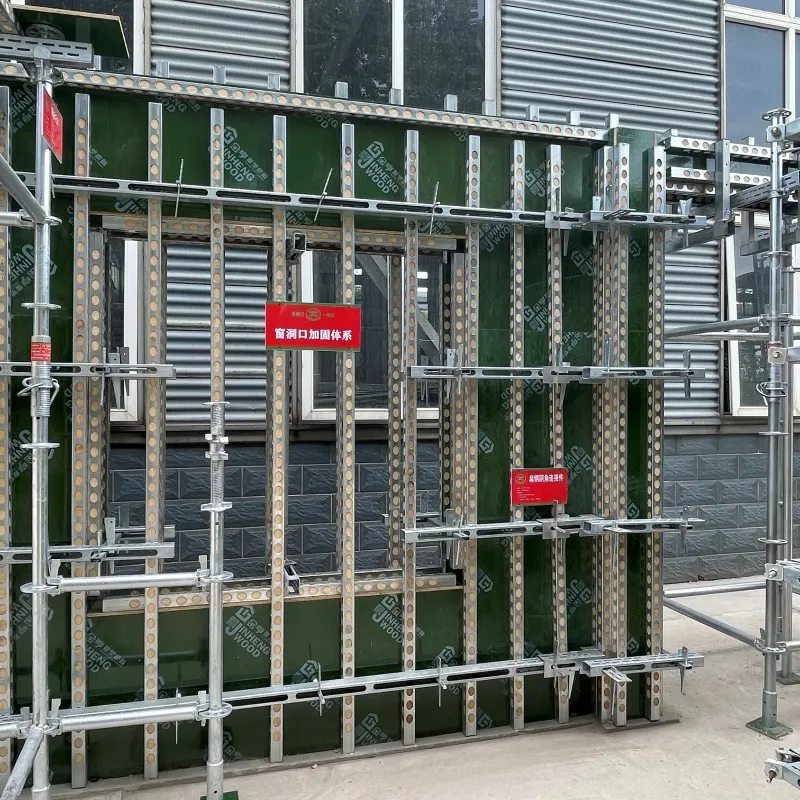
Hebei mid-rise core: 24 stories, winter start. Crew switched to timber steel for slab and wall forms. Result: 28% fewer labor-hours per cycle; average deflection measured at 3.2–3.6 mm on 800 mm spacing; 96 reuses before refurbishment. “Edges hold up—no splintering,” site lead Li reported.
Bridge abutment, county project: Heavy rebar congestion; panels faced tough stripping. Composite members resisted denting and stayed straight. Pour schedule held despite two cold snaps—impressive, given the conditions.
Sourcing and origin
Manufactured in Dingzhou: East side of Hongye Avenue, Dingzhou Economic Development Zone, Hebei Province. Logistics are straightforward across North China, with export crating available. If you’re weighing swaps mid-project, I guess the main constraint is crew training—half a day usually does it.
Certifications and documentation
Factory QA to ISO 9001; steelwork per EN 1090; design aligned to EN 1993/1995; coating systems per ISO 12944. Ask for material test reports (MTRs), salt-spray results, and bending test curves—worth having on file.
Authoritative citations
- EN 1993-1-1: Eurocode 3 – Design of steel structures.
- EN 1995-1-1: Eurocode 5 – Design of timber structures.
- EN 1090: Execution of steel structures and aluminum structures.
- ISO 12944: Corrosion protection of steel structures by protective paint systems.
- ASTM D198: Standard test methods of static tests of lumber in structural sizes.
-
Comprehensive Guide to Scaffolding Rods for Safe Construction PracticesNewsFeb.24,2026
-
Comprehensive Guide to Different Types of Scaffolding for Construction ProjectsNewsFeb.11,2026
-
The Crucial Role and Safe Use of Scaffolding in Modern Construction ProjectsNewsJan.30,2026
-
Maximize Productivity and Safety with a Versatile 7m Scaffold TowerNewsJan.27,2026
-
6m Scaffold Tower: A Comprehensive Guide for B2B BuyersNewsJan.26,2026
-
6ft Scaffold: Durability and Safety in ConstructionNewsJan.25,2026
-
6 Scaffolding: A Modern Construction SolutionNewsJan.24,2026