
The Essential Guide to Second Floor Slabs – Design, Benefits & Trends
Understanding the Second Floor Slab: More Than Just Concrete
If you’ve ever inspected a modern building, chances are the second floor slab played a silent but vital role in its strength, usability, and lasting appeal. This structural element isn't just about pouring concrete; it’s about creating a safe, durable platform that defines a building’s function and future. Globally, as urban populations mushroom and vertical construction becomes the norm, the second floor slab has morphed from a simple technical step into a critical piece of the infrastructure puzzle.
Beyond the very immediate—supporting what goes on above it—understanding the ins and outs of the second floor slab helps architects, engineers, and policymakers design buildings that can withstand environmental stresses, optimize material use, and even improve sustainability.
The Global Context: Why the Second Floor Slab Matters Worldwide
Consider this: according to recent UN Habitat reports, vertical housing is projected to increase by up to 40% in major cities worldwide by 2040 to accommodate rapid urbanization. This means more slabs, more floors, more challenges—and opportunities. The second floor slab isn’t just a horizontal floor; it’s a solution addressing space constraints, seismic requirements, and load distribution, a linchpin in multi-story buildings whether in New York, Nairobi, or New Delhi.
But there’s a catch. With rising demand, challenges like material scarcity, cost constraints, and environmental impact weigh heavily on decision-makers. The second floor slab thus becomes central in tackling the puzzle of affordable, resilient, and eco-friendly urban architecture.
What Exactly Is a Second Floor Slab?
Simply put: the second floor slab is the horizontal structural element that forms the floor of the second story in a building. Think of it as the “ceiling” for the first floor and the “floor” for the second. Usually made of reinforced concrete, it transfers loads to beams and columns, ensuring safety and integrity.
In industrial or humanitarian contexts—think temporary shelters or post-disaster reconstruction—slabs can be designed to optimize speed, cost, and modularity. In fact, their versatility makes them essential in a wide range of environments, from local housing projects to industrial complexes.
Core Aspects to Know About Second Floor Slabs
1. Durability and Load Capacity
The slab’s strength must match the purpose: residential slabs have different load requirements than commercial or industrial ones. Engineers often design slabs to withstand dynamic loads (like people moving or machinery running) and static loads (furniture, walls), with safety factors factored in.
2. Material Selection & Sustainability
Ironically, concrete slabs contribute to about 8% of global CO2 emissions. New trends include using fly ash, recycled aggregates, and even bamboo reinforcements to lower environmental footprints.
3. Thickness and Span Dimensions
Thickness affects flexibility and deflection. Engineers balance it against weight—the heavier, the more strain on columns and foundations—and cost. Longer spans often require prestressed or post-tensioned slabs to reduce thickness without compromising strength.
4. Thermal and Acoustic Performance
In residential and office spaces, slabs double as barriers for heat transfer and sound transmission. Insulated sandwich slabs or incorporating lightweight aggregates assist here.
5. Speed and Method of Construction
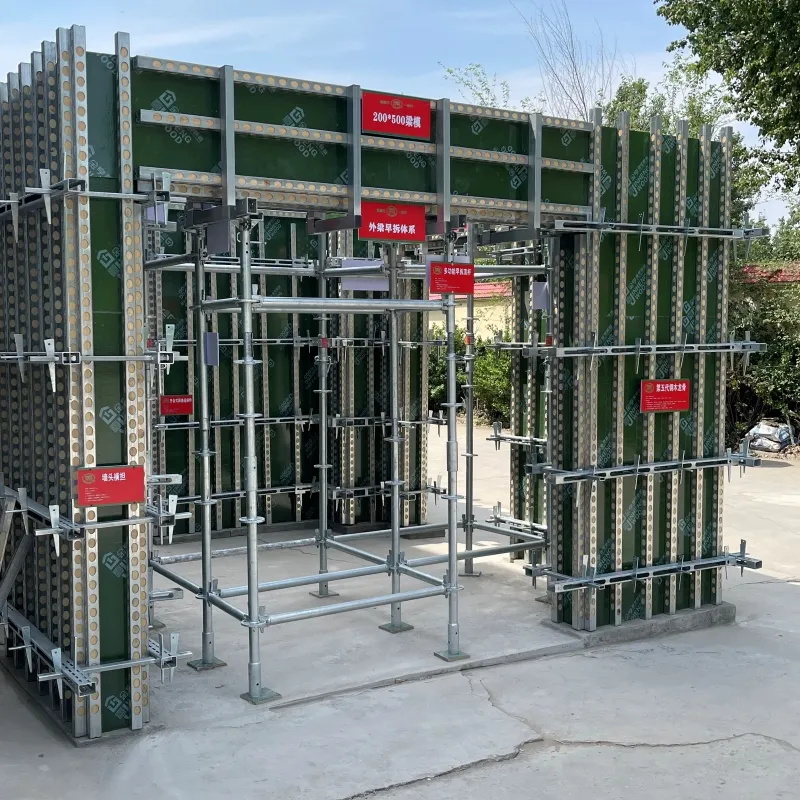
Time is money. Precast slabs can speed up builds, while cast-in-place allows for customization and better anchorage.
Mini takeaway:
When you think “second floor slab,” remember it’s a juggling act—strength, sustainability, comfort, and speed all balanced with typically one main raw material: concrete.
Global Applications and Use Cases
From high-rise condos in Tokyo to schools in rural Kenya, the second floor slab plays a role beyond just support.
- Post-Disaster Relief: Fast-deployable slabs allow quick assembly of housing units in refugee camps or earthquake-affected zones, thanks to modular precast designs.
- Commercial Skyscrapers: In Dubai, post-tensioned concrete slabs enable huge open office spaces without intrusive columns.
- Industrial Uses: Heavy equipment in warehouses demands slabs with higher load tolerance and chemical resistance, common in manufacturing hubs like Germany or South Korea.
- Sustainable Urban Housing: Scandinavian countries push eco-friendly slabs emphasizing insulation and recycled materials.
In real terms, this diversity means that one slab solution fits no one project perfectly—yet the underlying principles remain the same globally.
The Advantages and Long-Term Value of a Well-Designed Second Floor Slab
The benefits add up quickly:
- Cost Efficiency: Optimal slabs help minimize raw material use while maximizing strength.
- Longevity: Quality concrete and reinforcement extend building life spans by decades.
- Safety and Comfort: Proper slabs reduce vibration, noise, and provide thermal comfort.
- Sustainability: Using green materials and design cuts emissions.
- Trust and Innovation: For landlords and tenants alike, knowing the floor beneath you won’t fail is priceless.
Future Trends and Innovations in Second Floor Slab Design
Tech is catching up with tradition. Here are some trends shaping the future:
- 3D Printed Concrete: Custom geometries with less waste and faster assembly.
- Smart Sensor Integration: Embedded sensors in slabs for real-time stress and temperature monitoring.
- Green Certifications Compliance: Slabs designed to meet LEED or BREEAM standards.
- Use of Ultra-High-Performance Concrete (UHPC): These slabs are thinner, stronger, and more durable.
- Digital Twins: Virtual models allow engineers to simulate slab performance before construction.
Facing Challenges: Common Issues & Creative Fixes
Not everything is perfect. Common hurdles include:
- Cracking and Shrinkage: Balanced additives and curing methods can mitigate early-age cracking.
- Material Cost Volatility: Alternative materials and local sourcing help manage budget risks.
- Construction Delays: Modular and precast slabs help reduce weather dependence.
Many contractors I’ve talked to swear by hybrid methods: precast elements combined with on-site finishing for the best of both worlds.
Product Specification Table: Typical Second Floor Slab Features
| Specification | Value/Range | Notes |
|---|---|---|
| Material | Reinforced Concrete | Standard mix with options for additives |
| Thickness | 120-250 mm (4.7-9.8 inches) | Depends on load & span |
| Span Length | Up to 9 meters (30 ft) | Longer spans require prestressing |
| Load Capacity | 2-5 kN/m² | Varies for residential to industrial |
| Thermal Insulation | Optional (R-value 0.7 - 2) | Often added for energy efficiency |
| Construction Type | Cast-in-place / Precast | Choice depends on project timelines |
Vendor Comparison: Who Supplies What?
| Vendor | Slab Types | Customization | Typical Lead Time | Eco-Friendly Options |
|---|---|---|---|---|
| ConcreteCorp | Cast-in-place, precast | High - custom thickness and reinforcements | 4-6 weeks | Yes (fly ash mixes) |
| SpeedSlab Inc. | Precast only | Medium - standard sizes with minor adjustments | 2-3 weeks | Limited |
| GreenSlab Solutions | Cast-in-place | Low - eco-certified standard designs | 5-7 weeks | Extensive (recycled materials) |
Frequently Asked Questions About Second Floor Slabs
- What factors determine the thickness of a second floor slab?
- Thickness mainly depends on the intended load, span length, and building use. For example, residential slabs typically range from 120 to 150 mm, while industrial slabs might be thicker or use prestressing techniques to span longer distances without supports. Soil conditions and building codes also heavily influence design decisions.
- Are precast slabs more cost-effective than cast-in-place ones?
- Precast slabs can reduce construction time and limit weather-related delays, which might lower overall costs. However, transportation and installation can be expensive, depending on site conditions. Cast-in-place slabs offer versatility and may be preferable for irregular geometries or remote sites.
- How do second floor slabs contribute to a building’s sustainability?
- Using eco-friendly materials like recycled aggregates, fly ash, or low-carbon concrete reduces environmental impact. Also, slabs designed with insulation improve energy efficiency by stabilizing indoor temperatures, reducing heating and cooling demands over the building's life.
- Can second floor slabs be adapted for seismic areas?
- Absolutely. Engineers often reinforce slabs with additional steel or prestress tendons, and design connections carefully to accommodate seismic forces. Flexible joint design and material choices improve performance during earthquakes.
- How do I choose the right vendors for second floor slab supply?
- Look for vendors offering customization, quality certifications, eco-friendly options, and reliable delivery times. Local suppliers often save logistic costs, but worldwide companies might provide more advanced technology or tailored solutions.
Wrapping Up: The Long-Term Value of Mastering Second Floor Slabs
At the heart of urban growth, industrial expansion, and humanitarian efforts lies a deceptively simple element: the second floor slab. By balancing structural needs, sustainability, and cost-efficiency, it enables buildings not only to stand but to endure—and serve.
Want to dive deeper and explore the latest in slab technology? Visit our website for expert solutions and insights: https://www.formworkreinforced.com.
References
-
Comprehensive Guide to Scaffolding Rods for Safe Construction PracticesNewsFeb.24,2026
-
Comprehensive Guide to Different Types of Scaffolding for Construction ProjectsNewsFeb.11,2026
-
The Crucial Role and Safe Use of Scaffolding in Modern Construction ProjectsNewsJan.30,2026
-
Maximize Productivity and Safety with a Versatile 7m Scaffold TowerNewsJan.27,2026
-
6m Scaffold Tower: A Comprehensive Guide for B2B BuyersNewsJan.26,2026
-
6ft Scaffold: Durability and Safety in ConstructionNewsJan.25,2026
-
6 Scaffolding: A Modern Construction SolutionNewsJan.24,2026