
Supported Scaffold Solutions for Industry Leaders | Formwork Reinforced
Supported Scaffold is a key solution in the industry, specifically within construction and industrial maintenance sectors. This article explores how Formwork Reinforced supports professionals with durable, high-performance products, and explains why this product is an ideal choice for businesses in these sectors.
Table of Contents
- Supported Scaffold Overview
- Benefits & Use Cases of Supported Scaffold
- Cost, Maintenance & User Experience
- Sustainability & Market Trends
- Frequently Asked Questions
- Conclusion on Supported Scaffold from China
Supported Scaffold Overview
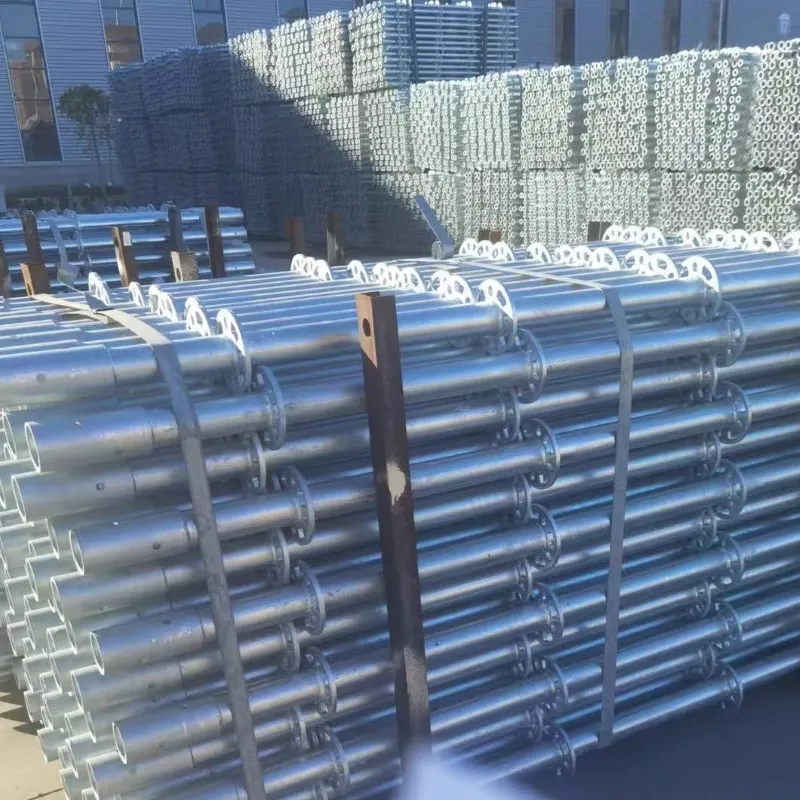
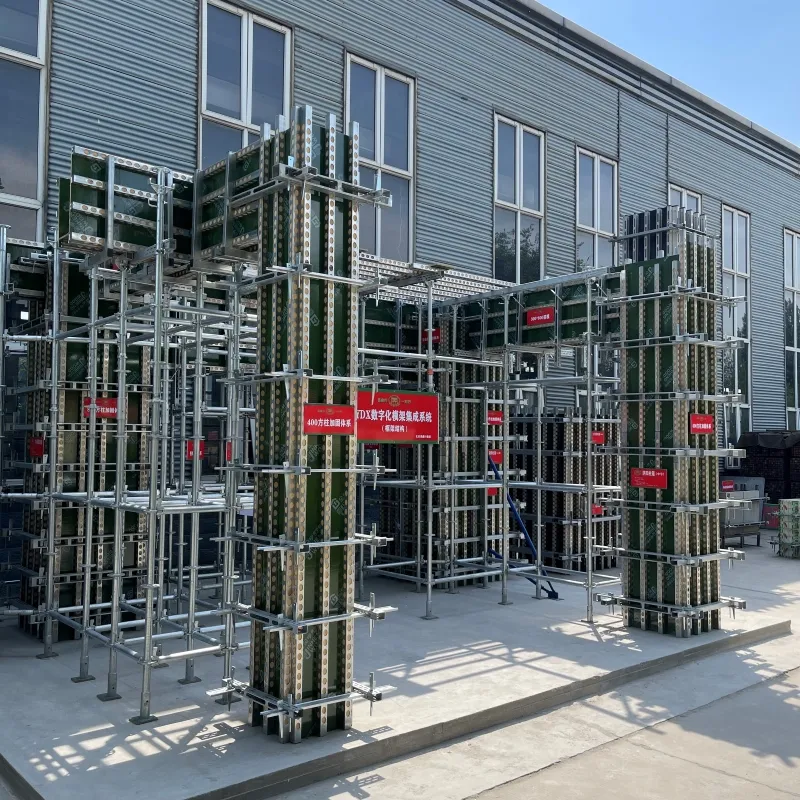
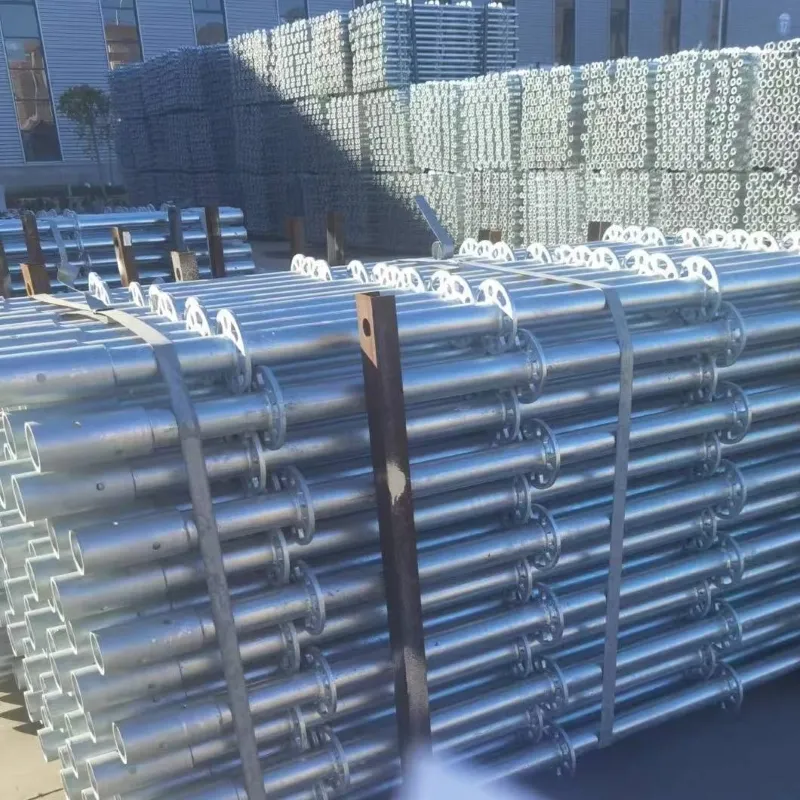
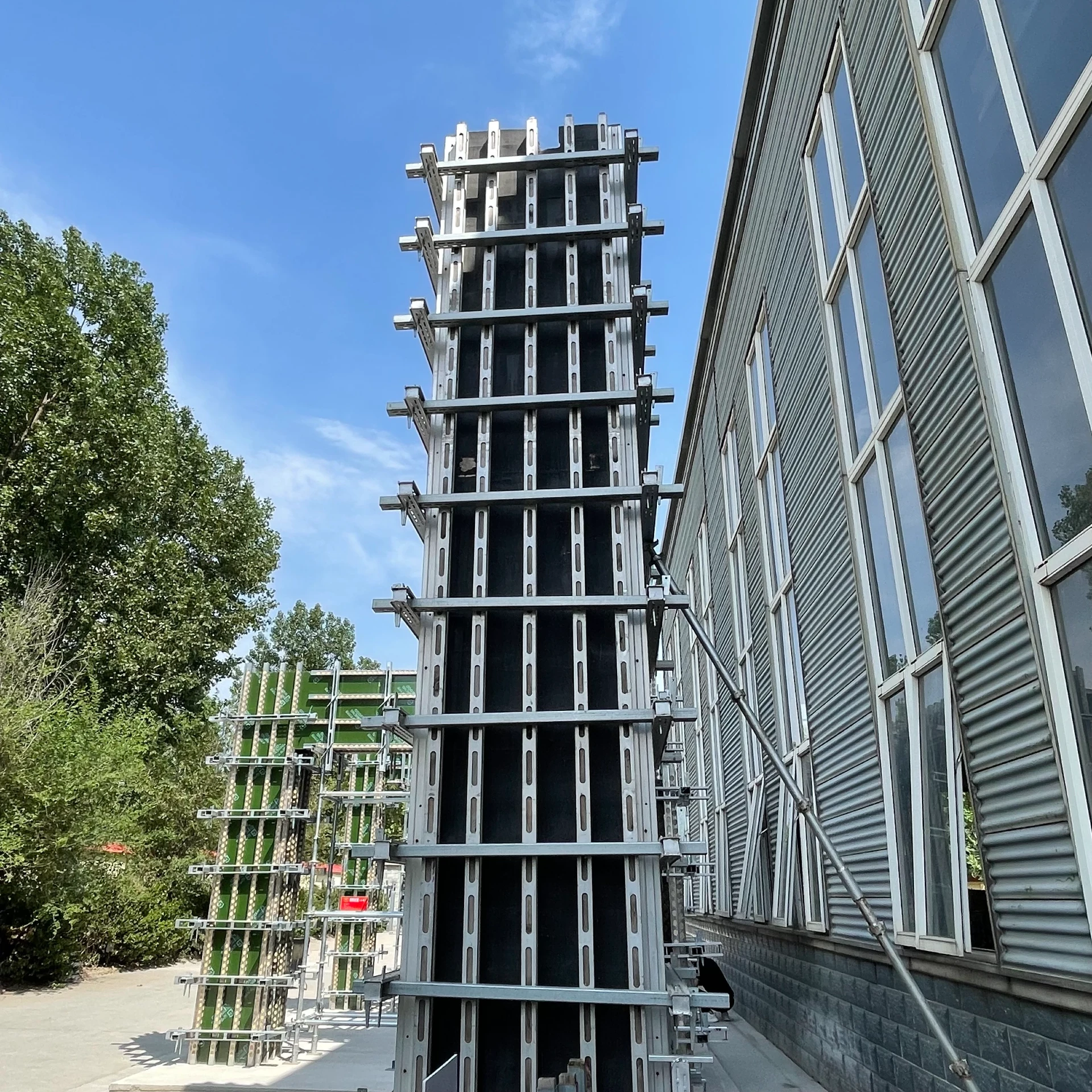
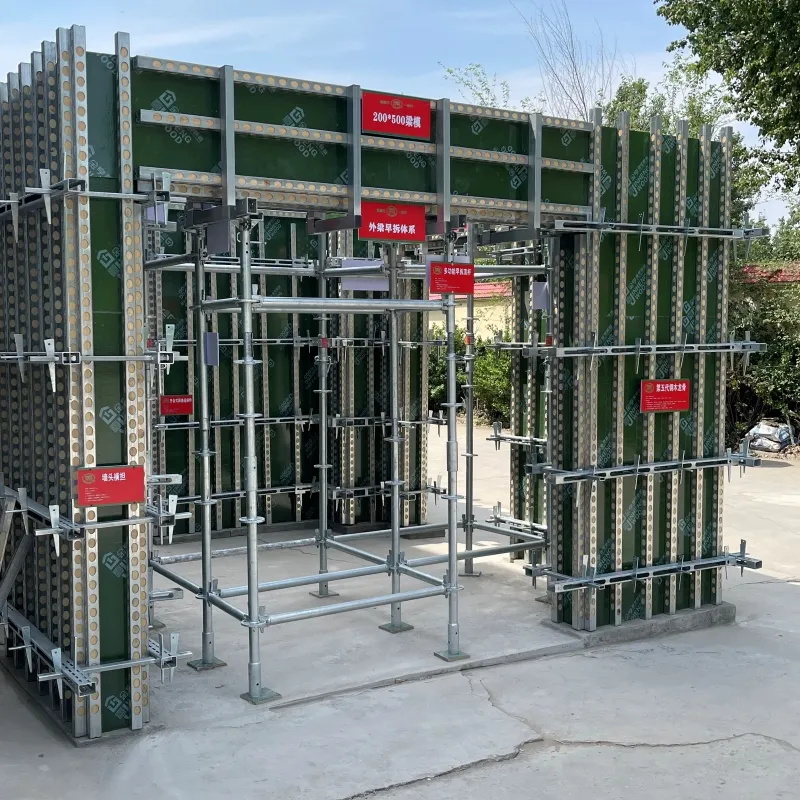
A supported scaffold is essentially a temporary structure designed to provide safe working platforms for construction, maintenance, or repair tasks at height. Unlike suspended scaffolds, these rely on a solid base for support, often constructed with modular frames and braces. Why is this relevant? Well, because they offer unmatched stability and load capacity, which is critical on complex sites where worker safety and productivity go hand in hand.
Technically speaking, the core components usually include vertical standards, horizontal ledgers, transoms, and decking materials. For instance, the systems offered by Formwork Reinforced typically feature galvanized steel or aluminum frames, designed to meet or exceed OSHA and EN standards for scaffold safety. A case that sticks in my mind was a recent large-scale industrial refit—there, their scaffold endured heavy-duty loads combined with tight space constraints, proving both versatile and robust.
| Feature | Specification |
|---|---|
| Material | Galvanized Steel / Aluminum |
| Load Capacity | Up to 500 kg/m² |
| Maximum Height | 50 meters (varies by structure design) |
| Compliance | OSHA, EN 12811-1 |
| Assembly Time | Typically 3-5 hours (depends on structure size) |
Benefits & Use Cases of Supported Scaffold
In real terms, supported scaffolds serve as the backbone for countless construction and maintenance jobs. I suppose one of their key advantages is the ability to customize configurations precisely to site-specific challenges — narrow gaps, uneven ground, or extended heights. For industrial sectors like oil and gas, power plants, and civil infrastructure, this flexibility isn’t just a bonus; it’s a necessity.
Features like adjustable base jacks, quick-connect couplers, and corrosion-resistant finishes stand out on Formwork Reinforced’s product range. These aspects combine to reduce downtime while increasing worker safety. Oddly enough, many experienced engineers I've chatted with prefer these supported scaffolds over traditional timber-based systems because they require less maintenance and provide a more stable platform under heavy loads.
Cost, Maintenance & User Experience
When it comes to total cost of ownership, supported scaffolds from Formwork Reinforced offer compelling ROI thanks to durability and reuse potential. Yes, the initial investment might be higher than basic options, but long-term savings on repairs, replacements, and labor make a strong argument for adopting them. Particularly in busy or harsh environments, the resilience of galvanized steel frames means fewer surprises on site.
Customer feedback often highlights ease of assembly and disassembly as major pluses — something that, frankly, speeds up project timelines. One maintenance firm I spoke with praised the modular design’s intuitive nature, noting it “feels like the scaffolding almost thinks for itself.” That kind of user-friendly approach, combined with detailed manuals and responsive tech support, strengthens trust among B2B buyers looking for reliability.
Vendor Comparison: Supported Scaffold Providers
| Vendor | Material Quality | Customization | Price Range | Lead Time |
|---|---|---|---|---|
| Formwork Reinforced | High-grade galvanized steel & aluminum | Flexible modular systems for complex sites | $$$ (mid to premium) | 3-5 weeks |
| Vendor B | Standard steel, some corrosion concerns | Limited customization options | $$ (budget-friendly) | 4-6 weeks |
| Vendor C | Premium materials but higher costs | Highly customizable, bespoke solutions | $$$$ (high-end) | 6-8 weeks |
Sustainability & Market Trends
Sustainability is increasingly steering decisions in construction supply chains. Supported scaffolds made from recyclable materials like aluminum and galvanized steel tick important boxes for reducing waste — what’s more, their long lifespan means fewer replacements, which naturally lowers the carbon footprint. Industry regulations continue to evolve, pushing vendors to adopt greener manufacturing and logistics processes.
Market trends suggest that as infrastructure projects grow worldwide, especially in emerging economies, demand for safe, cost-effective supported scaffolds is rising steadily. Interestingly, digital innovations such as scaffold design software and IoT sensors for load monitoring are bringing the next level of sophistication to this traditionally analog field. I wouldn’t be surprised if Formwork Reinforced integrates such tech soon, given their commitment to quality and client support.
Frequently Asked Questions about Supported Scaffold
- What is Supported Scaffold and how does it work?
- Supported Scaffold is a temporary structure that rests on firm ground to support workers and materials during construction or maintenance. It works by assembling frames, ledgers, and platforms into a secure framework that supports loads and ensures safe access at heights.
- What are the main benefits of using Supported Scaffold in industrial applications?
- The main benefits include high load capacity, safety compliance, adaptability to complex site conditions, durability, and cost-efficiency over the scaffolding system’s lifecycle.
- How does Supported Scaffold compare to traditional alternatives?
- Compared to timber or pipe-and-coupler systems, supported scaffolds offer faster assembly, better load distribution, modular customization, and often improved safety due to engineered design.
- What industries can benefit most from Supported Scaffold implementation?
- Construction, industrial maintenance, power generation, oil and gas, and civil infrastructure projects benefit greatly, especially where safe elevated access and material handling are critical.
Conclusion on Supported Scaffold from China
To wrap up, supported scaffolds remain an indispensable part of modern industrial and construction work. The value offered by trusted suppliers like Formwork Reinforced lies not only in product quality but also in system flexibility and customer-centered service. For businesses aiming to upgrade safety standards and efficiency on their sites, investing in such scaffolding solutions makes practical sense.
- Recap the value of Supported Scaffold
- Visit our website: https://www.formworkreinforced.com
Reflecting on the steady evolution of supported scaffolds, it’s clear that practical innovations combined with regulatory demands continue to shape this essential construction tool. The future seems poised to blend traditional strength with digital intelligence for safer, smarter industrial work environments.
-
Comprehensive Guide to Scaffolding Rods for Safe Construction PracticesNewsFeb.24,2026
-
Comprehensive Guide to Different Types of Scaffolding for Construction ProjectsNewsFeb.11,2026
-
The Crucial Role and Safe Use of Scaffolding in Modern Construction ProjectsNewsJan.30,2026
-
Maximize Productivity and Safety with a Versatile 7m Scaffold TowerNewsJan.27,2026
-
6m Scaffold Tower: A Comprehensive Guide for B2B BuyersNewsJan.26,2026
-
6ft Scaffold: Durability and Safety in ConstructionNewsJan.25,2026
-
6 Scaffolding: A Modern Construction SolutionNewsJan.24,2026