
Strong Steel Keel & Light Steel Keel for Durable Framing Solutions
Introduction to steel keel Technology
In the dynamic landscape of modern construction and industrial engineering, the integrity and longevity of structural components are paramount. A fundamental element widely recognized for its robust support and versatility is the steel keel. Derived from the structural backbone of a ship, the term "keel" aptly describes its role as a foundational support member. In an industrial context, specifically, the steel keel refers to a robust, load-bearing metal profile, often fabricated from various steel alloys, designed to provide stability, rigidity, and structural support within a myriad of applications. Understanding the steel keel meaning in english is crucial for professionals across diverse sectors, where it denotes a critical structural element.
The demand for high-performance structural materials continues to grow, driven by increasingly stringent safety standards, environmental considerations, and the need for greater efficiency in construction and manufacturing processes. As a result, the engineering and application of steel keel systems have seen significant advancements, offering solutions that combine superior strength-to-weight ratios with exceptional durability and corrosion resistance. This article delves into the intricate details of steel keel technology, exploring its manufacturing, specifications, applications, and the strategic advantages it offers to B2B decision-makers and engineers.
The Manufacturing Process of Steel Keel
The production of high-quality steel keel involves a meticulously controlled, multi-stage manufacturing process designed to ensure structural integrity and meet rigorous performance specifications. Each step is critical in producing a product capable of withstanding extreme loads and environmental conditions.
1. Raw Material Selection and Preparation
The foundation of any superior steel keel lies in the selection of premium-grade steel alloys. Common materials include carbon steel for general structural applications, galvanized steel for enhanced corrosion resistance, and various grades of stainless steel, particularly for specialized marine or chemical environments where a stainless steel keel band is required. Materials are chosen based on the intended application's mechanical property requirements, such as tensile strength, yield strength, and impact resistance. Raw materials undergo rigorous chemical composition and metallurgical testing to confirm compliance with international standards like ASTM, EN, or JIS.
2. Forming and Shaping
- Casting: For complex geometries or very large components, casting may be employed. Molten steel is poured into molds, then cooled and solidified to form the basic shape of the steel keel.
- Forging: This process enhances the material's grain structure, resulting in superior strength and fatigue resistance. Steel billets are heated to forging temperature and then shaped using localized compressive forces, typically with hammers or presses.
- Rolling: For longer, uniform profiles, hot rolling or cold rolling techniques are used. Hot rolling is performed above the steel's recrystallization temperature, making it easier to shape and reduce size. Cold rolling, done below this temperature, results in higher strength and a finer surface finish, often used for light steel keel applications.
- Bending and Profiling: Modern bending machines and press brakes, often CNC-controlled, precisely form sheet steel into required keel profiles, ensuring high dimensional accuracy.
3. Precision Machining
Post-forming, many steel keel components undergo CNC (Computer Numerical Control) machining. This highly precise method allows for the creation of intricate features, drilled holes, cutouts, and exact finishes, ensuring that the components fit together perfectly and meet tight tolerances required for modern engineering projects. CNC machining minimizes material waste and ensures consistent quality across production batches.
4. Surface Treatment and Finishing
To enhance durability and corrosion resistance, steel keel products often receive various surface treatments:
- Galvanization: Hot-dip galvanizing involves immersing the steel in a bath of molten zinc, creating a highly protective, sacrificial coating that prevents rust and extends service life significantly.
- Powder Coating: An electrostatic process applies dry powder which is then cured under heat to form a hard finish that is tougher than conventional paint and offers excellent corrosion and abrasion resistance.
- Passivation (for Stainless Steel): This chemical treatment removes free iron from the surface of stainless steel, enhancing its natural corrosion resistance, crucial for applications requiring a stainless steel keel band.
5. Quality Control and Testing
Throughout the entire manufacturing process, stringent quality control measures are implemented. This includes dimensional checks, visual inspections for surface defects, and non-destructive testing (NDT) methods such as ultrasonic testing and magnetic particle inspection to detect internal flaws. Mechanical property testing (tensile, yield, hardness) and corrosion resistance tests are conducted on samples from each batch. Compliance with international testing standards like ISO 9001 (Quality Management), ISO 14001 (Environmental Management), ANSI/AWS (Welding Standards), and various ASTM standards (e.g., A36 for structural steel) ensures that every steel keel product meets specified performance criteria.
Technical Specifications and Parameters of Steel Keel
Understanding the technical specifications of steel keel is crucial for engineers and procurement specialists to ensure optimal performance and compliance with project requirements. These parameters dictate the suitability of a keel for specific applications, ranging from supporting drywall to underpinning marine structures.
Material Grades
- Carbon Steel: Typically, Q235, Q345 (Chinese standards); ASTM A36, A572 Grade 50 (American standards); S235, S355 (European standards). These offer excellent strength and weldability for general structural use.
- Galvanized Steel: Often pre-galvanized or hot-dip galvanized versions of carbon steel, providing a protective zinc coating for enhanced corrosion resistance in humid or outdoor environments. Essential for `light steel keel` in construction.
- Stainless Steel: Grades such as 304, 316, 316L. These provide superior corrosion resistance, particularly in marine, chemical, and food processing industries where a `stainless steel keel band` is vital.
Dimensions and Profiles
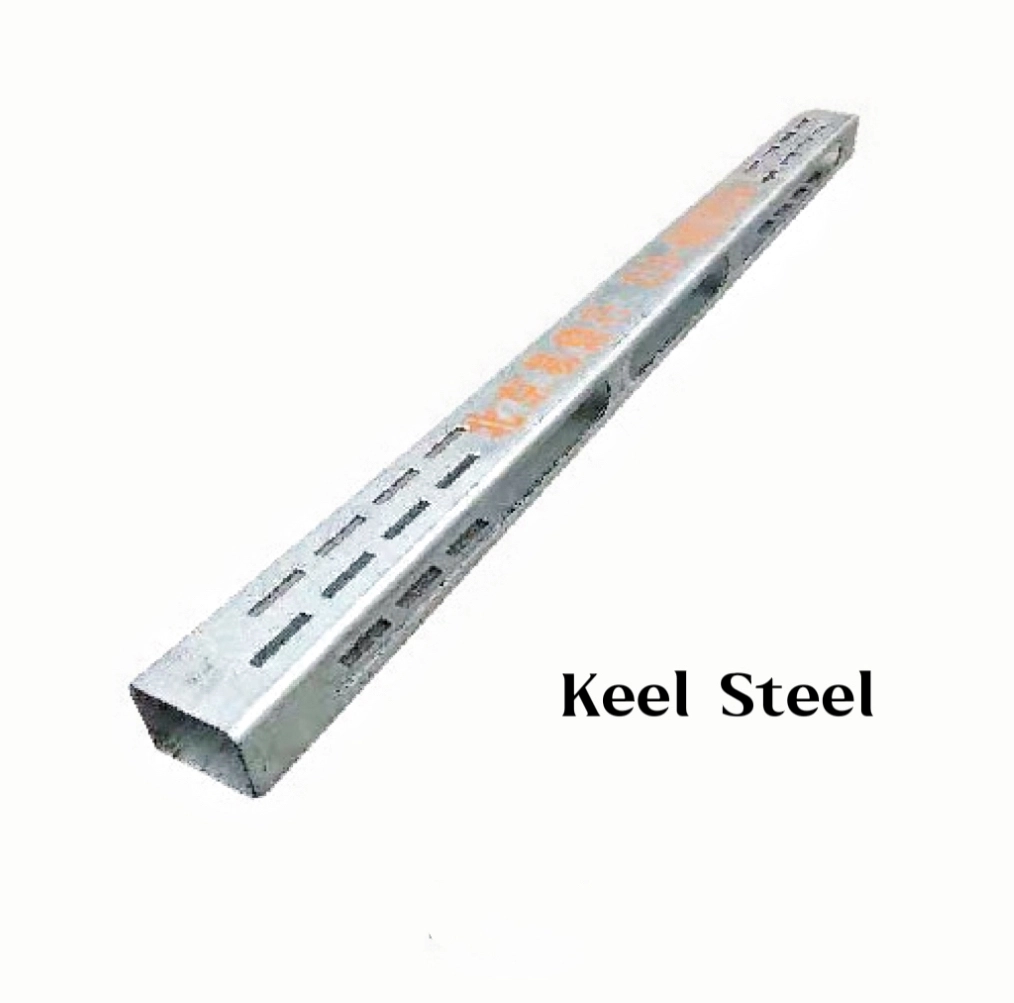
Steel keel profiles are highly diverse, including C-channels, U-channels, Hat channels, Z-sections, and custom-fabricated box sections.
- Web Height: Ranging from 25mm to 300mm, dictating the load-bearing capacity.
- Flange Width: Typically 25mm to 100mm, affecting lateral stability and connection points.
- Thickness: From 0.5mm for `light steel keel` applications (e.g., drywall) up to 10mm or more for heavy-duty structural keels.
- Length: Standard lengths often range from 3m to 6m, with custom lengths available.
Mechanical Properties
These properties are crucial for structural design and safety.
- Tensile Strength: The maximum stress a material can withstand while being stretched or pulled before breaking (e.g., 400-550 MPa for common structural steel).
- Yield Strength: The stress at which a material begins to deform plastically (e.g., 235-355 MPa).
- Elongation: A measure of the material's ductility, indicating how much it can stretch before fracturing.
- Hardness: Resistance to indentation (e.g., Brinell, Rockwell).
Corrosion Resistance Ratings
Depending on the environment, different levels of protection are required. Galvanized steel keel is rated for various atmospheric corrosion categories, while stainless steel grades are selected based on resistance to specific chemicals or marine conditions.
Table: Typical Steel Keel Product Specifications (Example)
| Parameter | Description | Common Values/Ranges | Relevant Standards |
|---|---|---|---|
| Material Grade | Type of steel alloy used | Q235, Q345, ASTM A36, S355, SS304, SS316L | ASTM, EN, JIS, GB |
| Profile Type | Geometric shape of the keel | C-channel, U-channel, Hat, Z-section, Box | Manufacturer Specific, ISO |
| Web Height (H) | Overall height of the profile | 25mm - 300mm | Dimensional Tolerances (e.g., ISO 657) |
| Flange Width (B) | Width of the top/bottom flanges | 25mm - 100mm | Dimensional Tolerances |
| Thickness (T) | Material gauge | 0.5mm - 10mm+ | Dimensional Tolerances |
| Yield Strength | Stress at plastic deformation | 235 MPa - 355 MPa (for structural steel) | ASTM E8, ISO 6892-1 |
| Tensile Strength | Max stress before fracture | 360 MPa - 550 MPa (for structural steel) | ASTM E8, ISO 6892-1 |
| Surface Finish | Protective or aesthetic coating | Plain, Galvanized (Z180, Z275), Powder Coated | ASTM A653, EN 10346 |
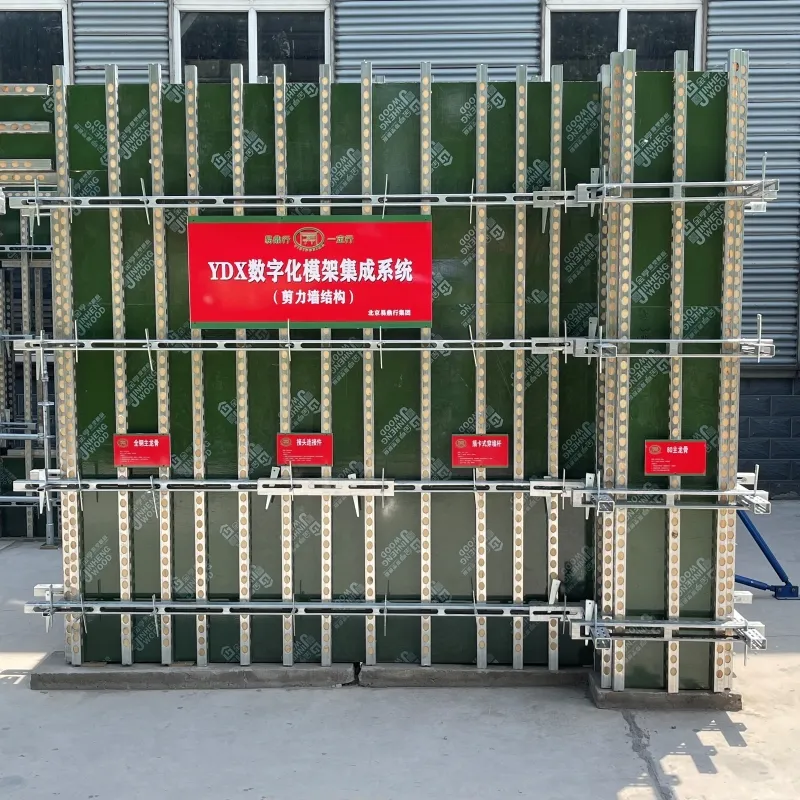
Industry Trends in Steel Keel Technology
The steel keel industry is continually evolving, driven by innovations in material science, manufacturing processes, and increasing demands for sustainability and performance. Key trends include:
- Lightweighting and High Strength: There is a growing emphasis on developing `light steel keel` systems that offer comparable or superior strength with reduced weight. This is achieved through advanced steel alloys (e.g., high-strength low-alloy steels) and optimized profile designs, leading to lower transportation costs, easier installation, and reduced overall structural load.
- Enhanced Corrosion Protection: Beyond traditional galvanization, advanced coating technologies like duplex systems (galvanizing plus powder coating) and specialized alloys are extending the service life of steel keel in aggressive environments, further solidifying the relevance of `stainless steel keel band` solutions.
- Sustainability and Recyclability: With environmental concerns at the forefront, manufacturers are increasingly focusing on sustainable production methods, using recycled content in steel, and ensuring that steel keel products are fully recyclable at the end of their long service life. This aligns with circular economy principles.
- Digitalization and Automation: Industry 4.0 principles are being applied to steel keel manufacturing, integrating CAD/CAM for design and production, robotic fabrication for precision and speed, and AI-driven quality control systems. This enhances efficiency, reduces errors, and allows for greater customization.
- Modular and Prefabricated Systems: The trend towards off-site construction and modular building is impacting steel keel design, with a focus on pre-engineered, easy-to-assemble kits that expedite on-site construction and reduce labor costs.
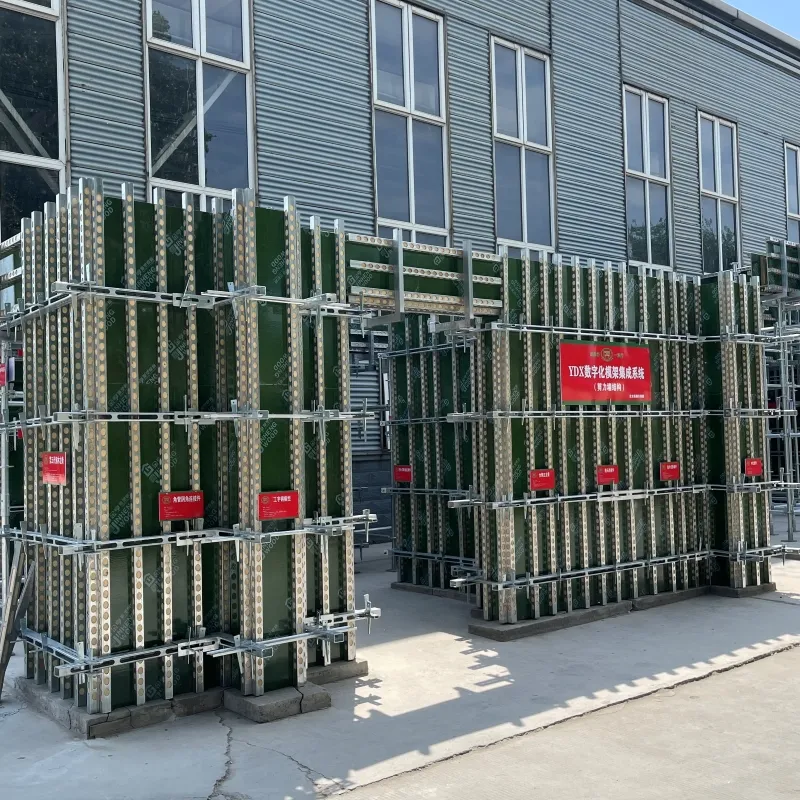
Application Scenarios and Target Industries
The versatility and robustness of steel keel make it indispensable across a broad spectrum of industries, providing essential structural support and framework solutions.
Construction Industry
This is perhaps the most prominent sector for steel keel applications.
- Drywall and Ceiling Systems: `Light steel keel` (or light gauge steel framing) forms the skeleton for internal partition walls, suspended ceilings, and wall cladding, offering rapid installation, fire resistance, and superior acoustic properties compared to traditional timber.
- Facade and Cladding Support: Providing the structural framework for external building envelopes, supporting various cladding materials like composite panels, glass, or stone.
- Modular Buildings: As a core structural component in prefabricated modular units, ensuring stability and load distribution.
Marine and Shipbuilding
True to its original meaning, the keel is the backbone of a ship. While the primary keel is part of the hull, `stainless steel keel band` systems are used for reinforcing sections, protecting hull areas from abrasion, or providing structural support for internal compartments and superstructures, especially in corrosive saltwater environments.
Industrial Infrastructure
- Petrochemical and Chemical Plants: Used for supporting piping systems, cable trays, and equipment platforms where robust, corrosion-resistant framing is essential. Stainless steel keels are frequently specified here.
- Metallurgy and Mining: Providing heavy-duty support for conveyor systems, access platforms, and structural elements within harsh, high-stress industrial settings.
- Water Supply & Drainage Systems: Employed in the construction of treatment plants, pumping stations, and large-scale pipe support structures, often requiring galvanized or stainless steel keel for long-term corrosion resistance.
- Power Generation: Used in thermal, nuclear, and renewable energy facilities for various structural support applications, including solar panel mounting systems and wind turbine ancillary structures.
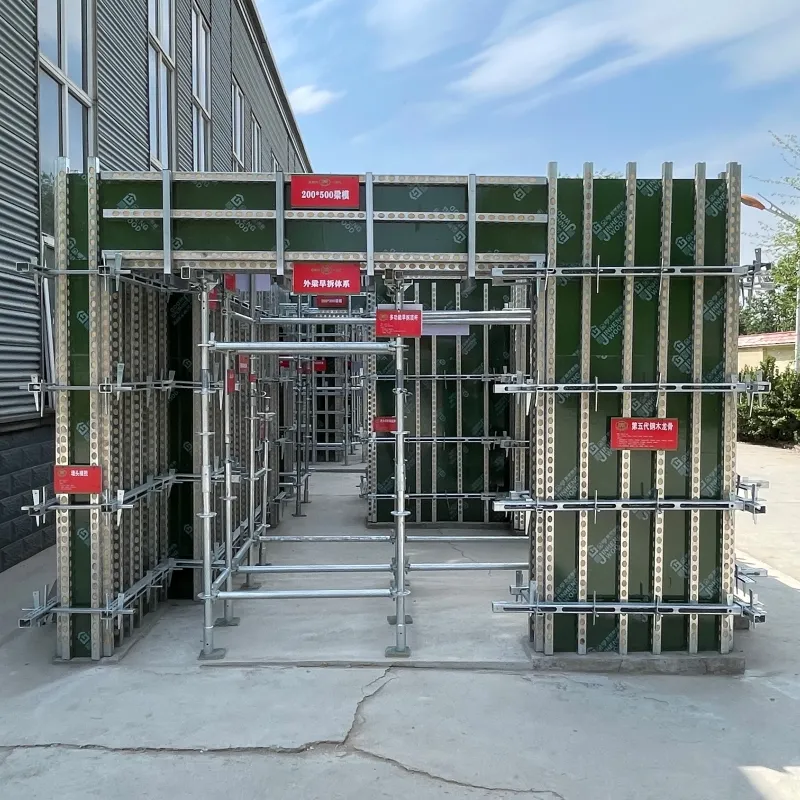
Technical Advantages of Steel Keel
The widespread adoption of steel keel in critical applications is a testament to its compelling technical advantages over alternative materials.
- Exceptional Durability and Longevity: Steel is inherently durable and, when properly treated (e.g., galvanized, coated), offers an extended service life often exceeding 50 years, even in harsh environments. This minimizes replacement costs and ensures long-term structural integrity.
- High Strength-to-Weight Ratio: Steel keel provides superior load-bearing capacity relative to its weight, enabling lighter yet stronger structures. This is particularly beneficial for `light steel keel` applications where reduced dead load is desired, and for complex engineering designs.
- Superior Corrosion Resistance: Through galvanization, advanced coatings, or the use of stainless steel, steel keel offers excellent protection against rust and chemical degradation. A `stainless steel keel band`, for instance, is virtually impervious to saltwater corrosion.
- Inherent Fire Resistance: Steel is non-combustible and maintains structural integrity at higher temperatures for longer periods compared to many other building materials, providing crucial time for evacuation and mitigating structural collapse in fire events.
- Dimensional Stability and Precision: Steel does not warp, twist, or shrink like timber, ensuring consistent dimensions and precise structural alignment, which is critical for intricate designs and modular construction. CNC machining further enhances this precision.
- Ease and Speed of Installation: Prefabricated steel keel components are designed for rapid assembly on-site, reducing construction time and labor costs. Their standardized profiles allow for efficient connection methods.
- Versatility and Design Flexibility: The ability to be easily shaped, welded, and joined allows for immense design freedom, accommodating complex architectural and engineering requirements. Custom profiles and lengths can be manufactured to exact specifications.
- Energy Efficiency (Indirect): By supporting well-insulated building envelopes, `light steel keel` can contribute to the overall energy efficiency of a structure by reducing thermal bridging and allowing for optimized insulation layers.
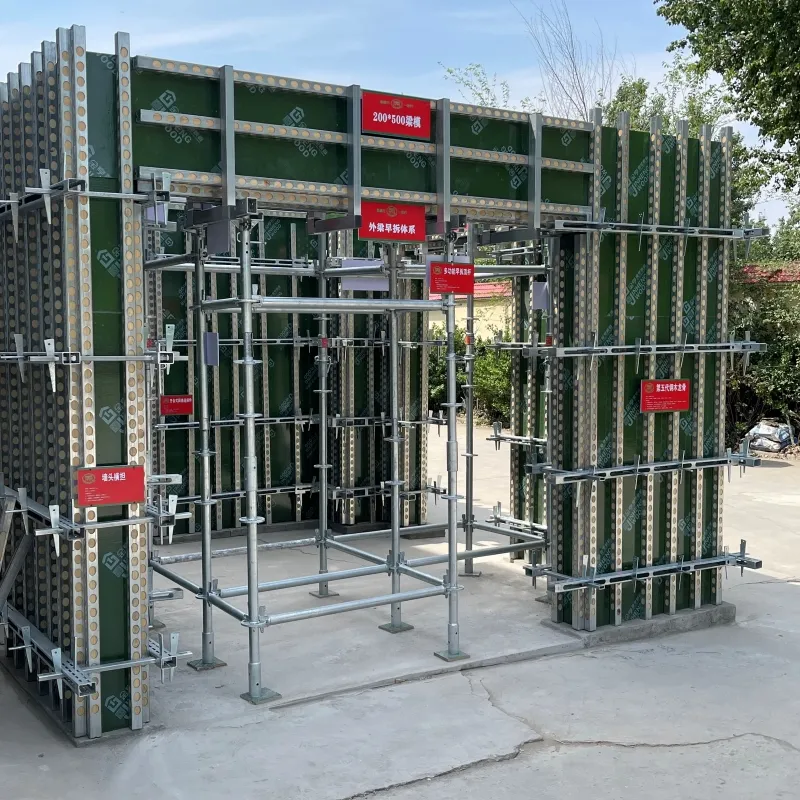
Vendor Comparison and Selection Criteria
Selecting the right supplier for steel keel products is a critical decision that impacts project timelines, budget, and structural integrity. A comprehensive evaluation based on several key criteria is essential.
Key Selection Criteria
- Quality Certifications and Compliance: Verify certifications such as ISO 9001 (Quality Management System), CE marking (for European markets), and compliance with relevant ASTM, EN, or JIS standards. This assures adherence to strict quality control and manufacturing processes.
- Material Traceability: Ensure the vendor provides full material traceability, from raw material origin to the final product, including mill certificates. This is vital for accountability and quality assurance.
- Customization Capabilities: For specialized projects, a vendor's ability to provide custom profiles, lengths, material grades (e.g., specific `stainless steel keel band` requirements), and surface finishes is paramount.
- Lead Time and Production Capacity: Evaluate the vendor's capacity to meet project deadlines and handle large order volumes without compromising quality. Reliable lead times are crucial for project scheduling.
- Technical Support and Engineering Expertise: A good vendor offers pre-sales technical consultation, design assistance, and post-sales support to address any application-specific challenges.
- Cost-Effectiveness and Value Proposition: While price is a factor, focus on the overall value, including product quality, service life, maintenance requirements, and the vendor's ability to prevent costly project delays.
- Reputation and Client References: Research the vendor's industry reputation, review client testimonials, and request references for similar projects to gauge their reliability and performance.
- Logistics and Supply Chain Management: Assess their ability to manage complex logistics, including packaging, transportation, and on-time delivery to various geographical locations.
Table: Vendor Feature Comparison (Illustrative)
| Feature | Vendor A (e.g., Formwork Reinforced) | Vendor B | Vendor C |
|---|---|---|---|
| ISO 9001 Certified | Yes | No | Yes |
| Custom Profile Fabrication | Extensive | Limited | Moderate |
| Stainless Steel Keel Band Options | Full Range (304, 316, 316L) | Only 304 | Limited Grades |
| Average Lead Time (Standard Orders) | 2-3 Weeks | 4-6 Weeks | 3-4 Weeks |
| Technical Support | Dedicated Engineering Team | Basic Only | Consultation Available |
| After-Sales Service | Excellent, Warranty Included | Standard | Good |
| Project References | Extensive Portfolio | Few Public | Available Upon Request |
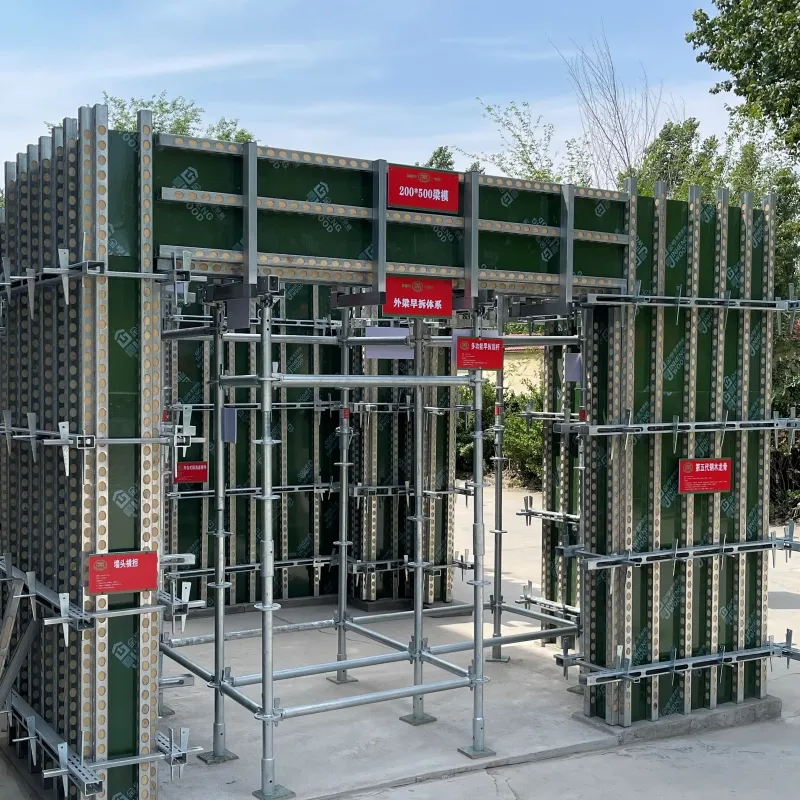
Customized Solutions for Steel Keel
Off-the-shelf steel keel products meet many standard requirements, but complex or specialized projects often necessitate tailored solutions. Leading manufacturers understand this need and offer extensive customization options to precisely match project demands.
- Tailored Profiles and Dimensions: Beyond standard C-channels or U-sections, manufacturers can fabricate custom profiles with specific web heights, flange widths, lip sizes, and unique geometries. This includes varying material thicknesses to meet precise load-bearing or aesthetic requirements, often crucial for advanced `light steel keel` designs.
- Specialized Material Alloys: For environments with extreme temperatures, corrosive agents, or specific mechanical stresses, custom `steel keel` can be produced from specialized steel alloys, including various grades of high-strength low-alloy (HSLA) steels, weathering steels (Corten), or a wider range of stainless steel grades (e.g., Duplex stainless steel for enhanced corrosion resistance and strength, beyond standard 304/316).
- Bespoke Surface Treatments: While galvanization and powder coating are common, specialized applications might require unique finishes such as anti-graffiti coatings, highly chemical-resistant epoxies, or aesthetic finishes for architectural exposed `steel keel` elements. For marine applications, specific paint systems can be applied over a `stainless steel keel band` for anti-fouling or UV protection.
- Integrated Fabrications and Pre-Assemblies: Manufacturers can provide steel keel sections with pre-drilled holes, cutouts, welded-on brackets, or even as pre-assembled modular units, significantly reducing on-site fabrication time and labor costs. This streamlines the construction process, enhancing efficiency.
- Engineering Support and Design Collaboration: Reputable suppliers offer a complete engineering support package, including CAD/CAM design services, structural analysis, load calculations, and expert consultation to help clients optimize their steel keel designs for performance, cost-efficiency, and ease of installation.
By partnering with a manufacturer offering comprehensive customized solutions, clients can ensure that their steel keel components are perfectly aligned with their project's unique specifications, maximizing efficiency, safety, and long-term performance.
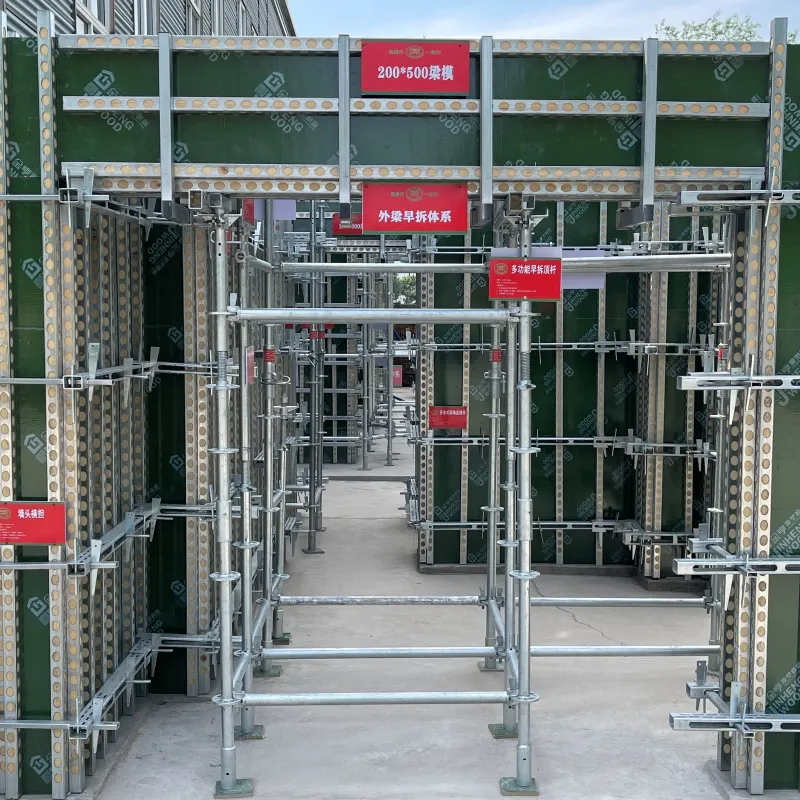
Application Case Studies
Case Study 1: High-Rise Commercial Building - Lightweight Partitioning
Challenge: A developer needed to rapidly construct internal partitioning for a 30-story commercial office tower in a dense urban environment. The design required lightweight, fire-resistant, and acoustically insulated walls to maximize usable space and meet stringent building codes. Traditional masonry or heavy-gauge steel framing would add significant dead load and extend construction timelines.
Solution: The project utilized `light steel keel` (C-channel and Hat-channel profiles) for all internal non-load-bearing walls and suspended ceilings. Pre-galvanized `steel keel` with thicknesses ranging from 0.55mm to 0.75mm was fabricated off-site to exact dimensions, then delivered for just-in-time installation. The lightweight nature reduced foundation requirements and accelerated floor-to-floor cycle times.
Outcome: The `light steel keel` system allowed for a 30% reduction in installation time compared to traditional methods. The inherent fire resistance of steel, combined with appropriate gypsum board layering, exceeded fire rating requirements. The project achieved its accelerated completion target, demonstrating the efficiency and performance benefits of `light steel keel`.
Case Study 2: Marine Vessel Renovation - Hull Protection
Challenge: A large offshore supply vessel undergoing a refit required enhanced protection for its lower hull section, prone to abrasion from docking maneuvers and ice contact in colder waters. The existing steel hull needed a durable, corrosion-resistant external reinforcement that would not significantly impact the vessel's hydrodynamics or add excessive weight.
Solution: A custom-fabricated `stainless steel keel band` system was designed and installed along critical sections of the hull. Using marine-grade 316L stainless steel, renowned for its superior corrosion resistance in saltwater environments, the bands were precision-cut and formed. The `stainless steel keel band` was then meticulously welded to the hull, ensuring a seamless, watertight, and hydrodynamic fit.
Outcome: The `stainless steel keel band` provided robust protection against abrasion and corrosion, significantly extending the operational life of the hull in vulnerable areas. The vessel experienced reduced maintenance downtime and costs associated with hull repairs, ensuring greater reliability during its service in challenging marine conditions.
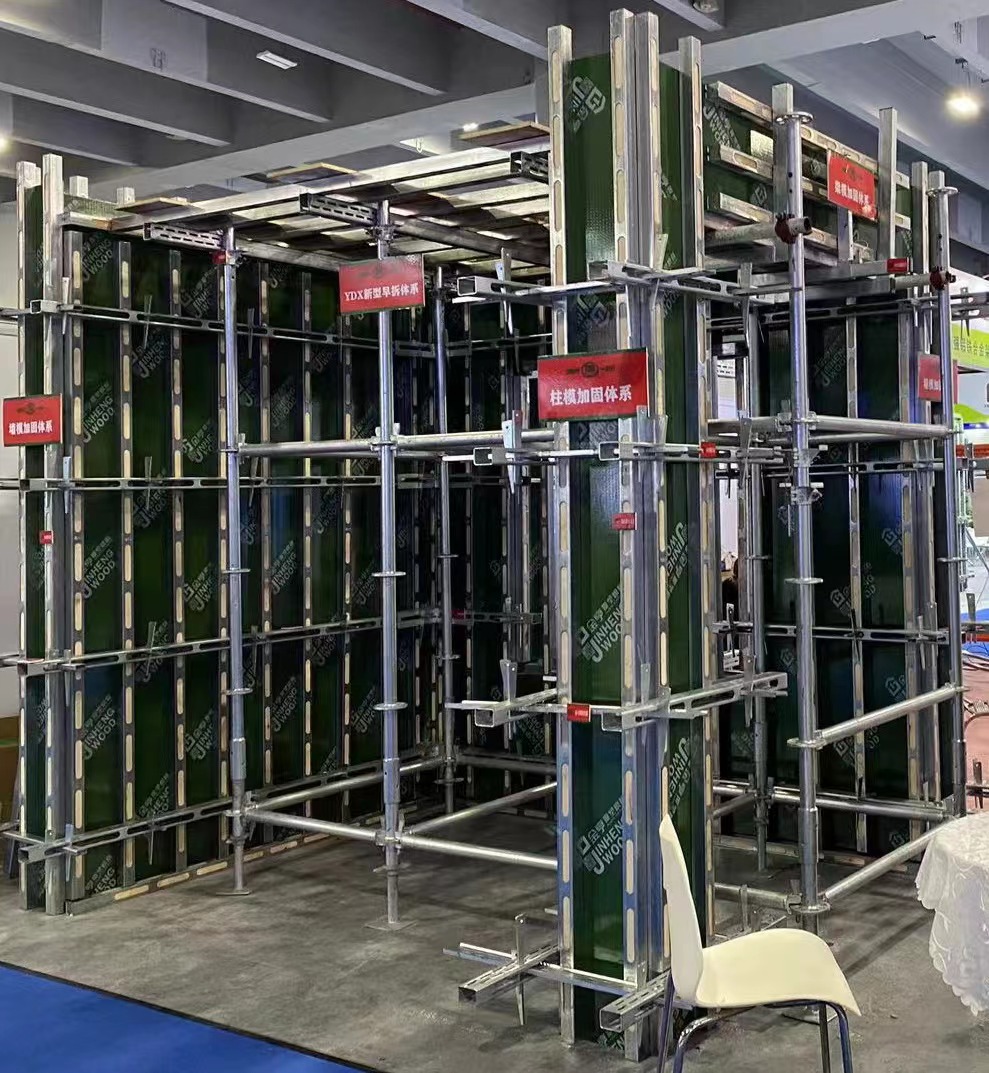
Ensuring Trustworthiness (Google - T)
For B2B clients, trustworthiness is built on transparency, reliability, and robust support systems. Our commitment to these principles ensures a confident partnership.
Frequently Asked Questions (FAQ)
A: Our `steel keel` products, particularly galvanized or stainless steel variants, are engineered for exceptional longevity. Depending on the environmental conditions and specific surface treatment, the service life can range from 30 to over 50 years with minimal maintenance. Proper installation and adherence to design specifications further extend this lifespan.
A: We offer multiple corrosion protection options. Standard `steel keel` is typically hot-dip galvanized to ASTM A123/A153 standards, providing a thick, sacrificial zinc coating. For highly corrosive environments, such as marine applications, we recommend `stainless steel keel band` (grades 304, 316, 316L) or specialized duplex coating systems for ultimate protection.
A: Absolutely. We specialize in customized solutions. Our engineering team works closely with clients to design and fabricate `steel keel` with specific profiles, dimensions, material grades, and finishes. Whether it's a unique `light steel keel` for a facade system or a heavy-duty section for industrial infrastructure, we can tailor the product to your exact needs.
A: Lead times vary based on order volume, customization complexity, and current production schedules. For standard products, typical lead times range from 2-4 weeks. Customized orders may require 4-8 weeks. We maintain transparent communication throughout the process and can often accommodate expedited requests for urgent projects.
Lead Time and Fulfillment Details
Our production facilities are optimized for efficiency and flexibility. We leverage advanced manufacturing techniques and a robust supply chain to ensure timely fulfillment. Project managers are assigned to each order to provide real-time updates on production status, logistics, and delivery schedules, ensuring transparency from order placement to final delivery. Our global distribution network ensures efficient shipping to diverse locations.
Warranty Commitments
We stand behind the quality and performance of our steel keel products with comprehensive warranty programs. Our standard warranty covers manufacturing defects and material integrity for a specified period, typically 10-25 years, depending on the product type and application. Extended warranties are available for specific projects or environmental conditions, providing our clients with long-term peace of mind and protection for their investment.
Customer Support and After-Sales Service
Our commitment extends beyond product delivery. We provide dedicated customer support, accessible via phone, email, and online portals, to address any technical inquiries, installation guidance, or post-purchase assistance. Our team of experts is available to provide on-site support or virtual consultations as needed, ensuring optimal performance and troubleshooting any issues efficiently. We believe proactive after-sales service is key to fostering lasting client relationships.
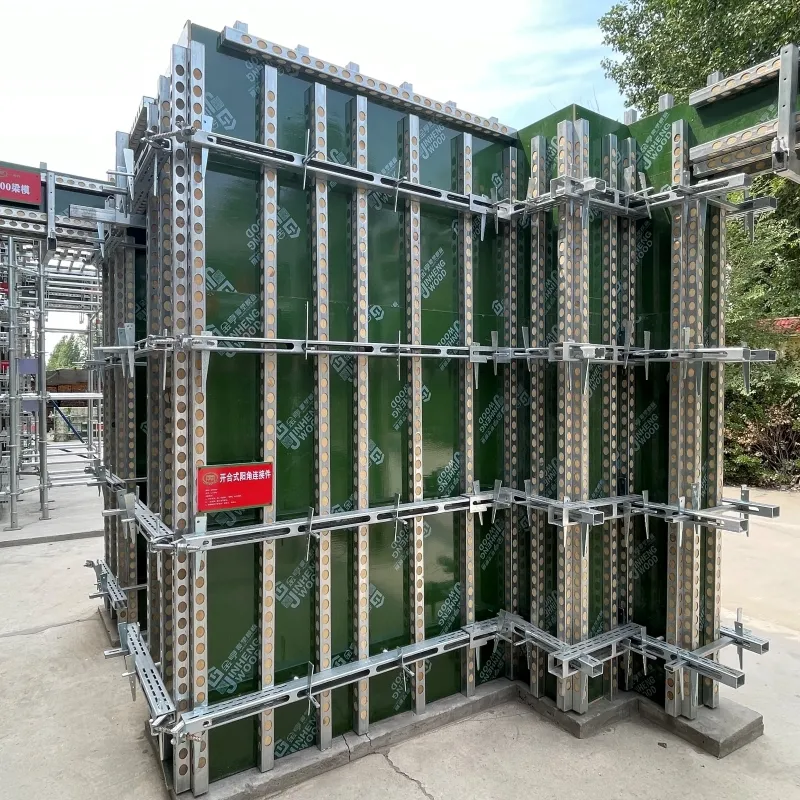
Authoritativeness and Expertise (Google - A, E)
Our position as a trusted provider of steel keel solutions is built upon decades of experience, adherence to global standards, and a robust portfolio of successful projects. We continuously invest in research and development to maintain our leadership in `steel keel` technology.
Certifications and Compliance
- ISO 9001: Our Quality Management System is certified to ISO 9001, ensuring consistent product quality from design to delivery.
- ISO 14001: We adhere to environmental management standards, minimizing our ecological footprint throughout the manufacturing process.
- CE Marking: All relevant steel keel products comply with European safety, health, and environmental protection requirements.
- ASTM & EN Standards: Our products meet or exceed internationally recognized standards for material composition, mechanical properties, and performance, including ASTM A653 for galvanized `light steel keel` and EN 10025 for hot-rolled structural steels.
- AWS D1.1 (Structural Welding Code – Steel): Our welding procedures and personnel are certified to relevant American Welding Society standards, ensuring structural integrity of fabricated components.
Years of Industry Service and Experience
With over 20 years in the steel fabrication and structural component manufacturing industry, our deep-rooted experience translates into unparalleled expertise. We have successfully delivered steel keel solutions for thousands of projects worldwide, from complex architectural structures to heavy-duty industrial applications. This extensive history provides us with insights into diverse engineering challenges and the ability to provide optimized solutions.
Key Partner Clients and Projects
Our client base includes leading construction firms, marine engineering companies, petrochemical giants, and governmental infrastructure departments. We have contributed to landmark projects that demand the highest standards of structural performance and reliability, utilizing our expertise in general steel keel and specialized `stainless steel keel band` solutions. While client confidentiality prevents specific naming, our portfolio includes major commercial developments, public transportation hubs, and critical industrial facilities.
Test Data and Performance Reports
Every batch of our steel keel undergoes rigorous testing in accredited laboratories. We provide comprehensive test reports, including:
- Mechanical Test Reports: Detailing tensile strength, yield strength, elongation, and hardness.
- Chemical Analysis Reports: Verifying material composition to ensure compliance with specified grades.
- Corrosion Resistance Test Reports: Including salt spray tests (ASTM B117) for galvanized `steel keel` and intergranular corrosion tests for stainless steel.
- Dimensional Accuracy Reports: Confirming adherence to tight manufacturing tolerances.
Experience and Customer Feedback (Google - E)
Our reputation is built on the satisfaction and success of our clients. We value their feedback as it continuously drives our innovation and service improvements. The practical experience gained from real-world applications and customer insights forms the bedrock of our product development and service delivery.
Customer Testimonials and Success Stories
"Partnering with [Manufacturer Name, e.g., Formwork Reinforced] for our latest high-rise project's `light steel keel` requirements was a game-changer. Their technical support team helped us optimize the design for maximum strength and minimal weight, significantly reducing installation time and overall project costs. The quality of the galvanized `steel keel` was consistently excellent." - Project Director, Major Construction Group
"For our offshore platform's structural upgrade, the `stainless steel keel band` supplied by [Manufacturer Name] was crucial. The precision fabrication and the superior corrosion resistance of the SS316L material have ensured the longevity of our critical infrastructure in the harsh marine environment. Their engineering team's collaboration was invaluable." - Lead Engineer, Offshore Energy Company
"We faced tight deadlines for a new petrochemical plant expansion. [Manufacturer Name]'s ability to deliver customized `steel keel` components, including specialized profiles for pipe support, within our demanding schedule was impressive. Their quality control documentation provided complete confidence in the materials used." - Procurement Manager, Petrochemical Sector
Conclusion
The steel keel is far more than a simple structural component; it is a meticulously engineered foundation for modern infrastructure across diverse industries. From the high-performance `light steel keel` framing in contemporary architecture to the robust `stainless steel keel band` protecting critical marine assets, its applications are expansive and its advantages undeniable. The continuous evolution of materials, manufacturing processes, and customization capabilities ensures that steel keel remains at the forefront of durable, efficient, and sustainable construction.
For B2B decision-makers and engineers, selecting a partner who embodies expertise, experience, authoritativeness, and trustworthiness is paramount. A reliable supplier not only delivers high-quality steel keel products that meet stringent technical specifications but also provides the comprehensive support, customization options, and assurance needed for the success of complex projects. As industries continue to demand higher standards of performance and sustainability, the strategic choice of steel keel technology and its dedicated providers will undoubtedly shape the resilience and efficiency of the built environment for decades to come.
References
- American Society for Testing and Materials (ASTM International). Standards for Steel Products. www.astm.org
- International Organization for Standardization (ISO). Quality Management and Environmental Standards. www.iso.org
- European Committee for Standardization (CEN). Eurocodes and Product Standards. www.cencenelec.eu
- The World Steel Association. Steel in Construction and Sustainable Development. www.worldsteel.org
- American Iron and Steel Institute (AISI). Cold-Formed Steel Design Manual. www.steel.org
- Galvanizers Association. Hot Dip Galvanizing: A Guide for Specifiers. www.galvanizing.org.uk
-
Comprehensive Guide to Scaffolding Rods for Safe Construction PracticesNewsFeb.24,2026
-
Comprehensive Guide to Different Types of Scaffolding for Construction ProjectsNewsFeb.11,2026
-
The Crucial Role and Safe Use of Scaffolding in Modern Construction ProjectsNewsJan.30,2026
-
Maximize Productivity and Safety with a Versatile 7m Scaffold TowerNewsJan.27,2026
-
6m Scaffold Tower: A Comprehensive Guide for B2B BuyersNewsJan.26,2026
-
6ft Scaffold: Durability and Safety in ConstructionNewsJan.25,2026
-
6 Scaffolding: A Modern Construction SolutionNewsJan.24,2026