
Secure Concrete Cover for Rebar | Positioners & Reinforcement
Understanding Concrete Cover for Rebar: A Critical Component in Modern Construction
In the realm of reinforced concrete structures, the durability and longevity of a building are intrinsically linked to the protection afforded to its steel reinforcement. Concrete cover for rebar refers to the depth of concrete between the reinforcing bar and the outer surface of the concrete. This seemingly simple parameter is, in fact, a crucial engineering specification designed to safeguard the steel from environmental degradation, primarily corrosion. Adequate cover ensures that aggressive agents like chlorides and carbon dioxide take a longer time to reach the rebar, thus delaying the onset of rust and subsequent concrete spalling. Moreover, it provides essential fire protection, insulating the steel from high temperatures that could compromise its structural integrity. The precise placement of rebar within the concrete matrix, often facilitated by reinforcing bar positioners, is paramount to achieving the intended cover and maximizing the service life of the structure.
The construction industry's increasing focus on sustainable construction and infrastructure resilience has elevated the importance of proper concrete cover. With global infrastructure development accelerating, especially in challenging environments like coastal areas or industrial zones, the demand for robust and long-lasting concrete structures is higher than ever. This trend necessitates a deeper understanding of the science behind concrete cover, its measurement, and its impact on structural performance. Advanced materials and precise installation techniques are continually evolving to meet these rigorous demands for enhanced durability and safety, ultimately contributing to more resilient and sustainable infrastructure worldwide.
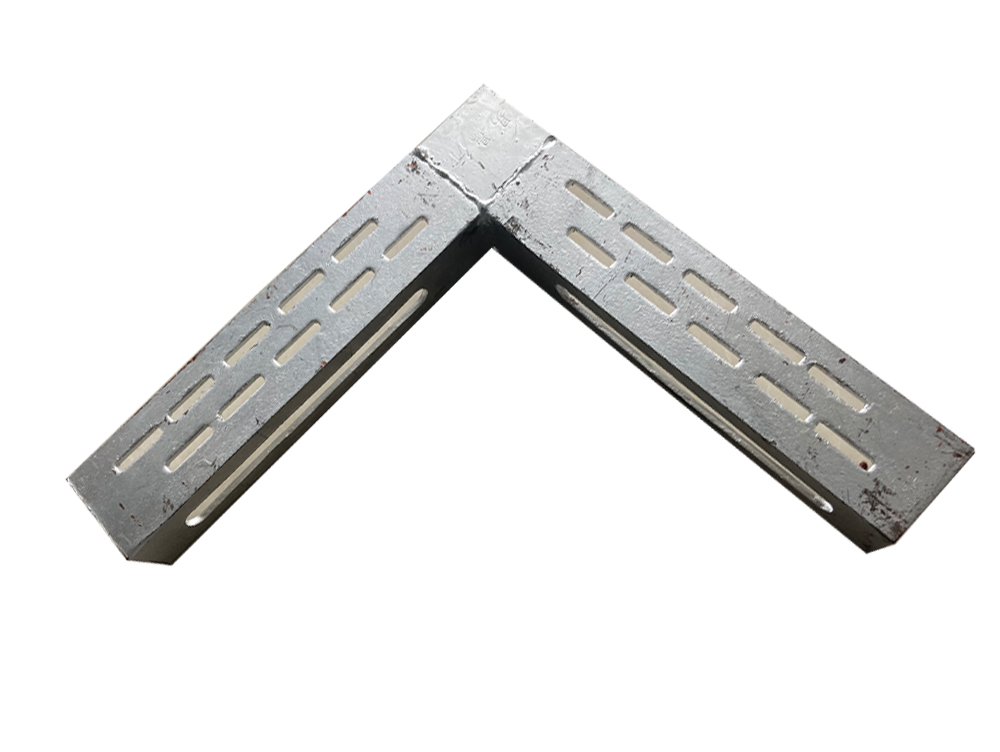
Manufacturing Process: Ensuring Precision and Durability of Accessories
The manufacturing of accessories essential for achieving proper concrete cover for rebar, such as spacers, chairs, and wheels, involves a meticulous process to guarantee their performance and longevity. These components are primarily made from high-strength plastic (e.g., PVC, PP) or fiber-reinforced concrete, chosen for their inertness, durability, and compatibility with the concrete mix. Our products, part of the "Accessories" range, are engineered to meet the highest industry standards.
Material Selection and Preparation
For plastic spacers, raw polymer granules are selected based on their mechanical properties, UV resistance, and chemical stability. They must withstand the harsh alkaline environment of curing concrete without degrading or affecting the concrete's properties. For fiber-reinforced concrete spacers, high-quality cement, aggregates, and synthetic fibers are carefully proportioned to achieve high compressive strength and low permeability, mirroring the properties of the surrounding structural concrete. This dual material approach allows for versatility in meeting diverse project specifications, especially concerning environmental exposure and load-bearing requirements.
Key Manufacturing Processes:
- Injection Molding (for plastic components): This is the predominant method for plastic spacers. Molten polymer is injected under high pressure into precisely designed molds, allowing for complex geometries and consistent dimensions. The molds are typically made via CNC machining to ensure accuracy, which is critical for defining the exact concrete cover for rebar. This automated process guarantees high volume production with minimal deviation, crucial for large-scale construction projects.
- Casting/Molding (for concrete components): A carefully mixed batch of fiber-reinforced concrete is poured into molds and vibrated to eliminate air voids, ensuring high density and strength. Curing is then performed under controlled temperature and humidity to achieve optimal material properties. This method ensures that the concrete spacers provide excellent compatibility and fire resistance, making them ideal for high-performance applications.
- Quality Control & Testing: Throughout the process, rigorous testing is conducted. This includes dimensional checks, compressive strength tests (for concrete spacers), impact resistance, and material composition analysis. Products adhere to international standards such as ISO 9001 for quality management and relevant ASTM or EN standards for material performance. A typical service life for high-quality spacers aligns with the design life of the concrete structure itself, often exceeding 50-100 years, ensuring long-term concrete cover for rebar. Our commitment to these standards ensures the reliability and durability of our cover reinforcement solutions.
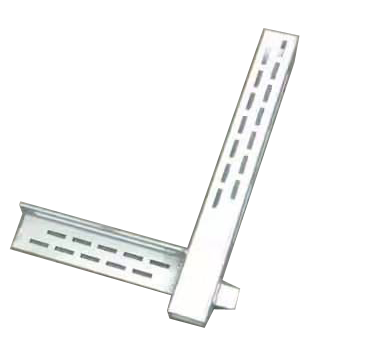
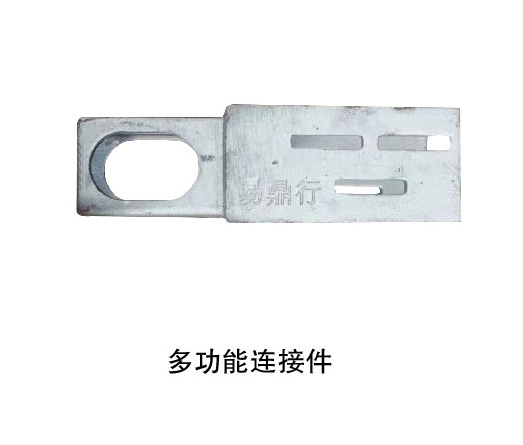
Technical Parameters and Specifications of Concrete Cover Accessories
The performance of accessories designed for achieving precise concrete cover for rebar is defined by specific technical parameters that ensure their suitability for various construction applications. These parameters dictate the type, size, and material composition required to achieve the necessary concrete cover as per design codes and environmental exposure conditions. Understanding these specifications is vital for engineers and contractors to select the correct reinforcing bar positioners and spacers for optimal structural performance and longevity.
| Parameter | Description | Typical Range/Value | Relevant Standard |
|---|---|---|---|
| Cover Height (H) | Distance from rebar to concrete surface. | 15mm - 100mm+ | ACI 318, Eurocode 2, BS 8500 |
| Material Type | Primary material of the spacer. | PP, PVC, Fiber Concrete | ASTM D4101 (PP), ASTM D1784 (PVC) |
| Compressive Strength | Load-bearing capacity (for concrete types). | > 40 MPa (concrete spacers) | ASTM C39 |
| Rebar Diameter Compatibility | Range of rebar diameters the spacer can accommodate. | 6mm - 40mm | Manufacturer Specific |
| Temperature Resistance | Operational temperature range. | -20°C to +80°C (plastic) | ASTM D648 |
| Chemical Resistance | Resistance to alkalis, acids, salts. | High (especially for PP/Fiber Concrete) | ASTM D543 |
| Fire Resistance | Ability to maintain cover during fire events. | Material dependent (concrete spacers preferred for high fire rating) | EN 13501-2 |
Technical Advantages and Application Scenarios
The strategic use of precise concrete cover for rebar and its associated accessories offers a multitude of technical advantages crucial for the longevity and performance of reinforced concrete structures. These benefits extend beyond mere corrosion prevention, impacting the overall structural integrity, fire resistance, and even the aesthetic quality of the finished product. Proper application of these elements is a hallmark of high-quality construction, ensuring compliance with stringent building codes and design specifications.
Key Technical Advantages:
- Enhanced Corrosion Protection: The primary advantage. Adequate concrete cover delays the penetration of aggressive agents like chlorides (from de-icing salts or marine environments) and carbon dioxide, which cause steel passivation to break down, leading to rust. This significantly extends the structure's service life, reducing costly repairs and maintenance.
- Superior Fire Resistance: Concrete is an excellent insulator. Sufficient concrete cover protects the steel reinforcement from rapid heating during a fire, preventing it from losing its strength and ductility prematurely. This buys critical time for evacuation and fire suppression, enhancing occupant safety and structural resilience.
- Improved Bond Strength: Correct cover ensures sufficient concrete mass surrounds the rebar, allowing for optimal bond development between the steel and concrete. This is critical for effective stress transfer within the composite material, preventing issues like delamination and ensuring the structural member performs as designed.
- Prevention of Spalling and Cracking: By preventing rebar corrosion, which can cause internal expansion pressures, adequate cover minimizes the risk of concrete spalling (flaking off of the concrete surface) and superficial cracking, maintaining the structure's aesthetic and structural integrity.
- Facilitates Compliance: Adherence to specified cover requirements is a fundamental aspect of building codes (e.g., ACI, Eurocode), ensuring that structures meet regulatory standards for safety and durability. Using certified reinforcing bar positioners simplifies achieving these critical compliance levels.
Typical Application Scenarios:
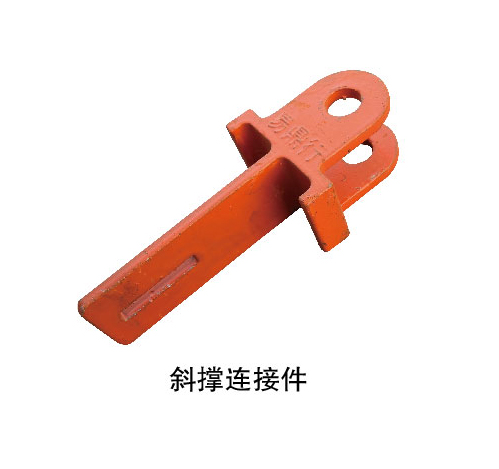
The application of correct concrete cover for rebar is universal across various construction sectors, but its importance is amplified in environments where structural elements are exposed to aggressive conditions. Our Accessories product range serves diverse needs, ensuring optimal concrete protection for rebar in critical applications.
- Marine and Coastal Structures: Bridges, jetties, sea walls, and offshore platforms are highly susceptible to chloride ingress from saltwater. Robust cover reinforcement is critical to prevent premature corrosion and ensure long-term stability in these demanding environments.
- Chemical and Petrochemical Facilities: Structures in these industries are exposed to a range of aggressive chemicals. Enhanced concrete cover provides an additional layer of defense against chemical attack and associated rebar degradation, crucial for operational safety and asset protection.
- Infrastructure Projects: Roads, bridges, tunnels, and railway structures often face harsh weather, de-icing salts, and heavy traffic loads. Adequate concrete cover ensures their long-term structural integrity and reduces maintenance cycles, contributing to reliable public services.
- Water and Wastewater Treatment Plants: Elements exposed to treated or untreated water, as well as various chemicals, require meticulous attention to concrete cover to prevent corrosion from moisture and chemical attack, ensuring the purity of water and structural integrity.
- High-Rise Buildings and Commercial Complexes: Fire safety requirements dictate specific minimum concrete cover for structural elements to ensure adequate fire resistance ratings, protecting both life and property in dense urban environments.
Industry Trends and Custom Solutions for Optimal Cover Reinforcement
The construction industry is continually evolving, driven by demands for greater sustainability, resilience, and efficiency. These trends significantly impact the approaches to achieving optimal concrete cover for rebar. Innovations in materials, smart monitoring, and integrated design methodologies are shaping the future of cover reinforcement, moving beyond traditional methods to embrace more sophisticated and data-driven solutions, enhancing both performance and environmental responsibility.
Emerging Industry Trends:
- Advanced Material Science: Beyond traditional plastic and concrete spacers, there's growing interest in composite materials and those with self-healing properties or integrated sensors to monitor moisture and chloride levels, providing real-time data on the effectiveness of the concrete protection for rebar.
- Digitalization and BIM Integration: Building Information Modeling (BIM) is increasingly used to precisely model rebar layouts and confirm cover requirements virtually, reducing errors on-site. Digital tools assist in calculating optimal spacer density and placement, streamlining the design and construction process.
- Sustainable Practices: A move towards recycled content in plastic spacers and low-carbon concrete mixes for concrete spacers aligns with green building initiatives. Manufacturers are focusing on products with lower environmental footprints, contributing to a circular economy in construction.
- Performance-Based Design: Rather than prescriptive codes, performance-based design emphasizes achieving specific durability targets. This requires more advanced analysis of environmental exposure and precise control over concrete mix design and concrete cover for rebar to ensure long-term structural integrity.
Custom Solutions and Specialized Accessories:
Recognizing that not all projects fit standard specifications, leading manufacturers offer bespoke solutions for achieving precise concrete cover for rebar. This often involves a collaborative design process to meet unique structural and environmental challenges.
- Tailored Spacer Designs: For unique rebar configurations, precast elements, or specific formwork systems, custom-designed spacers can be produced via rapid prototyping and injection molding. This includes specialized shapes for pre-stressed concrete or areas requiring exceptionally high cover, ensuring seamless integration with complex designs.
- Material Customization: Adjusting the polymer blend for plastic spacers to enhance properties like extreme temperature resistance or chemical inertness, or formulating specific concrete mixes for high-strength, low-permeability concrete spacers. This ensures that the accessories perform optimally in the most aggressive environments.
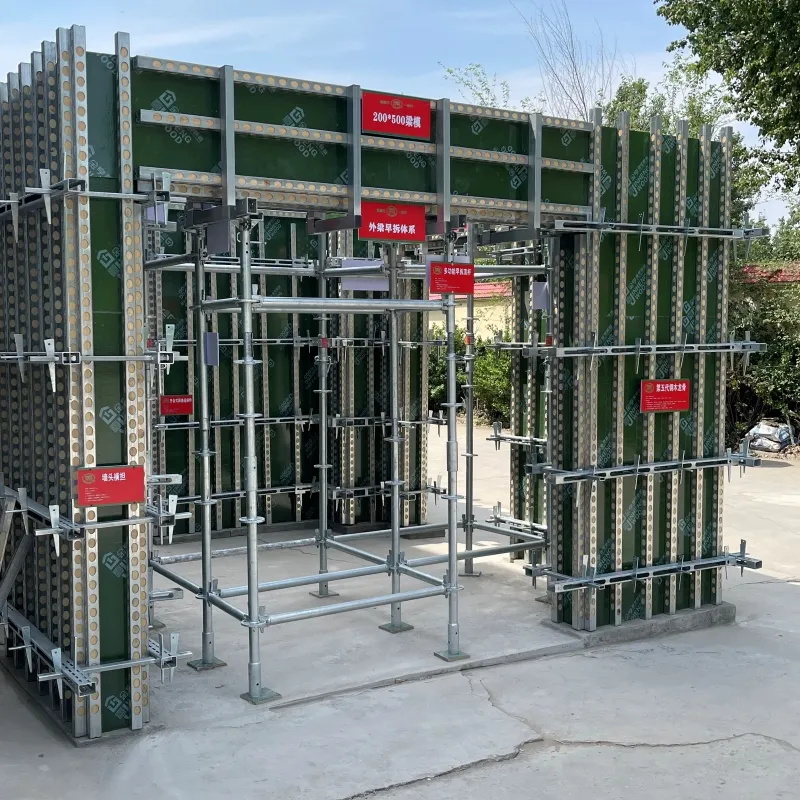
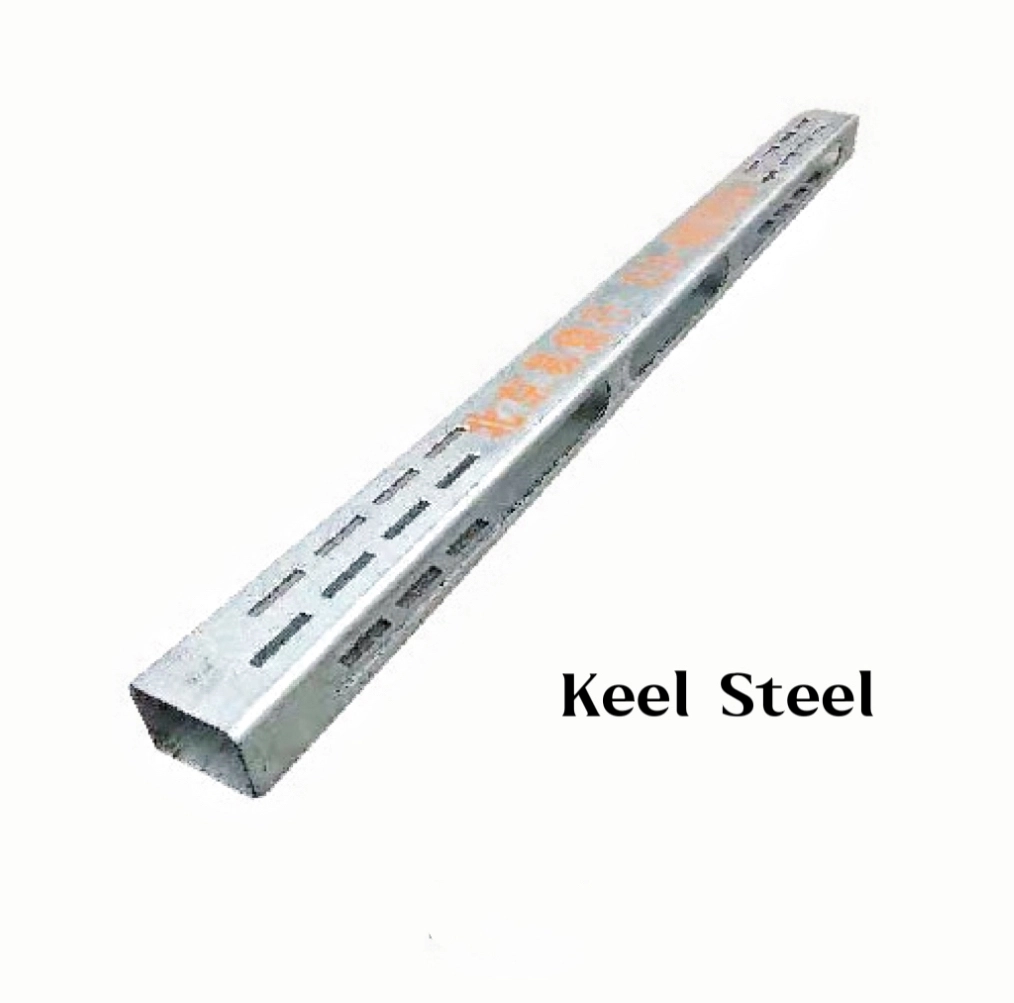
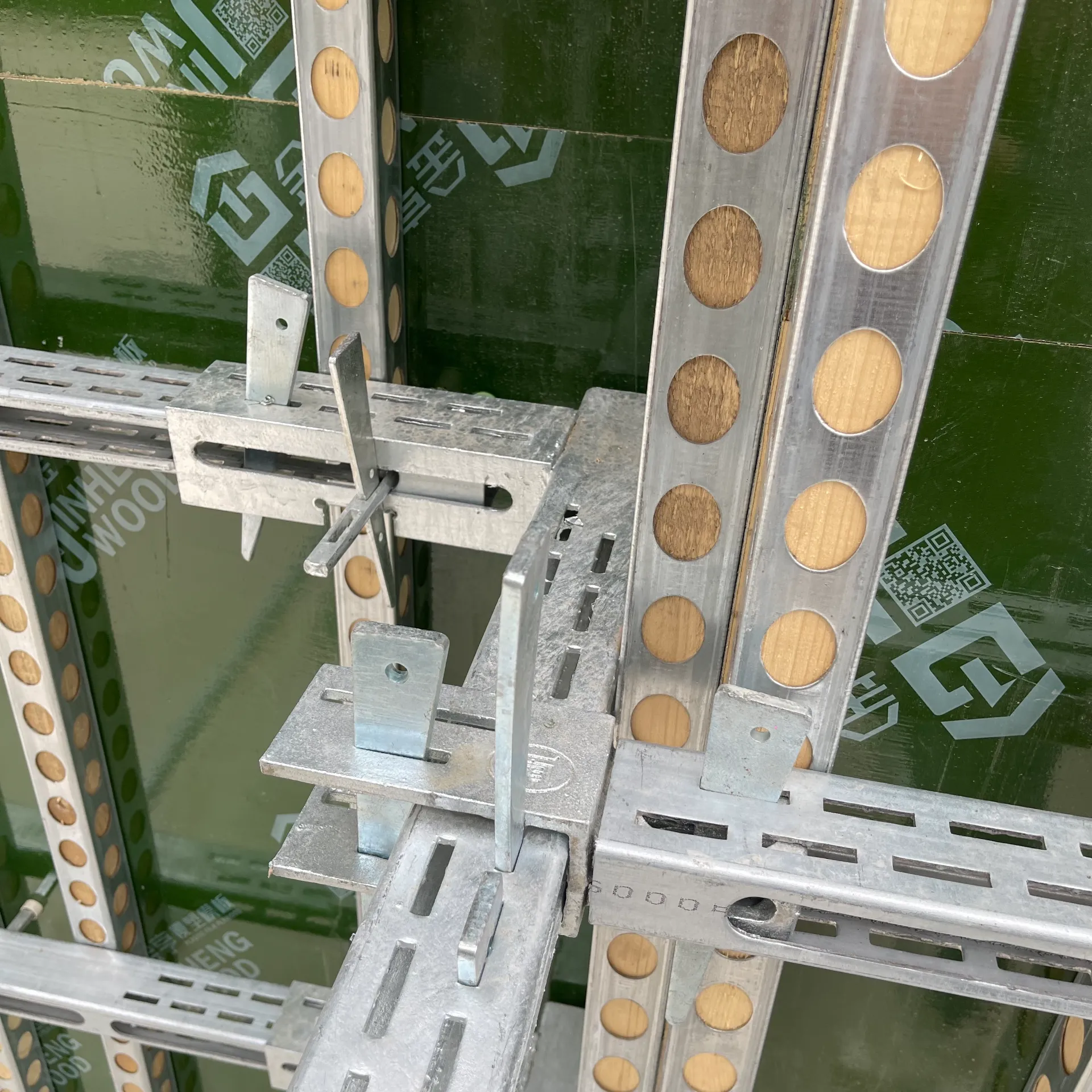
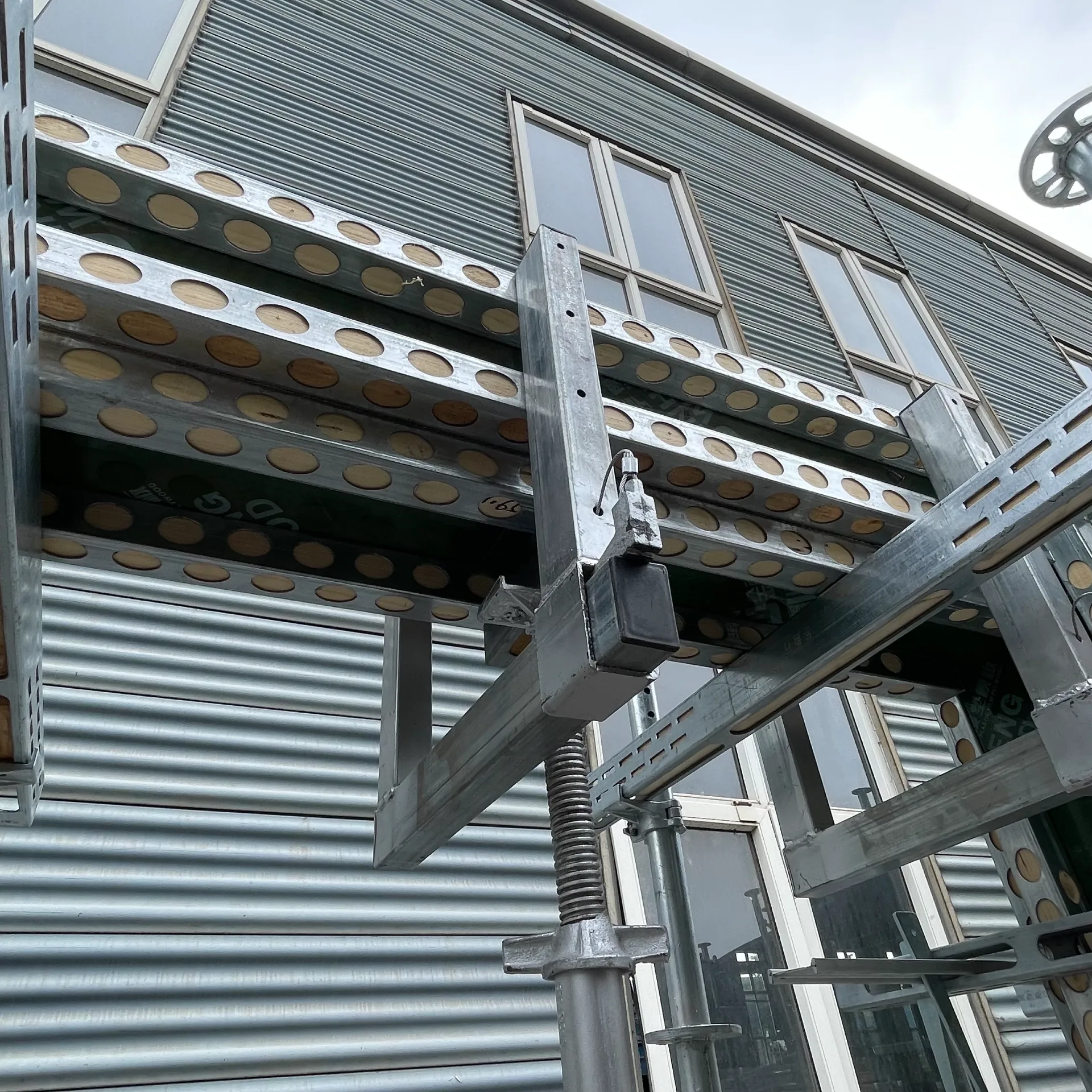
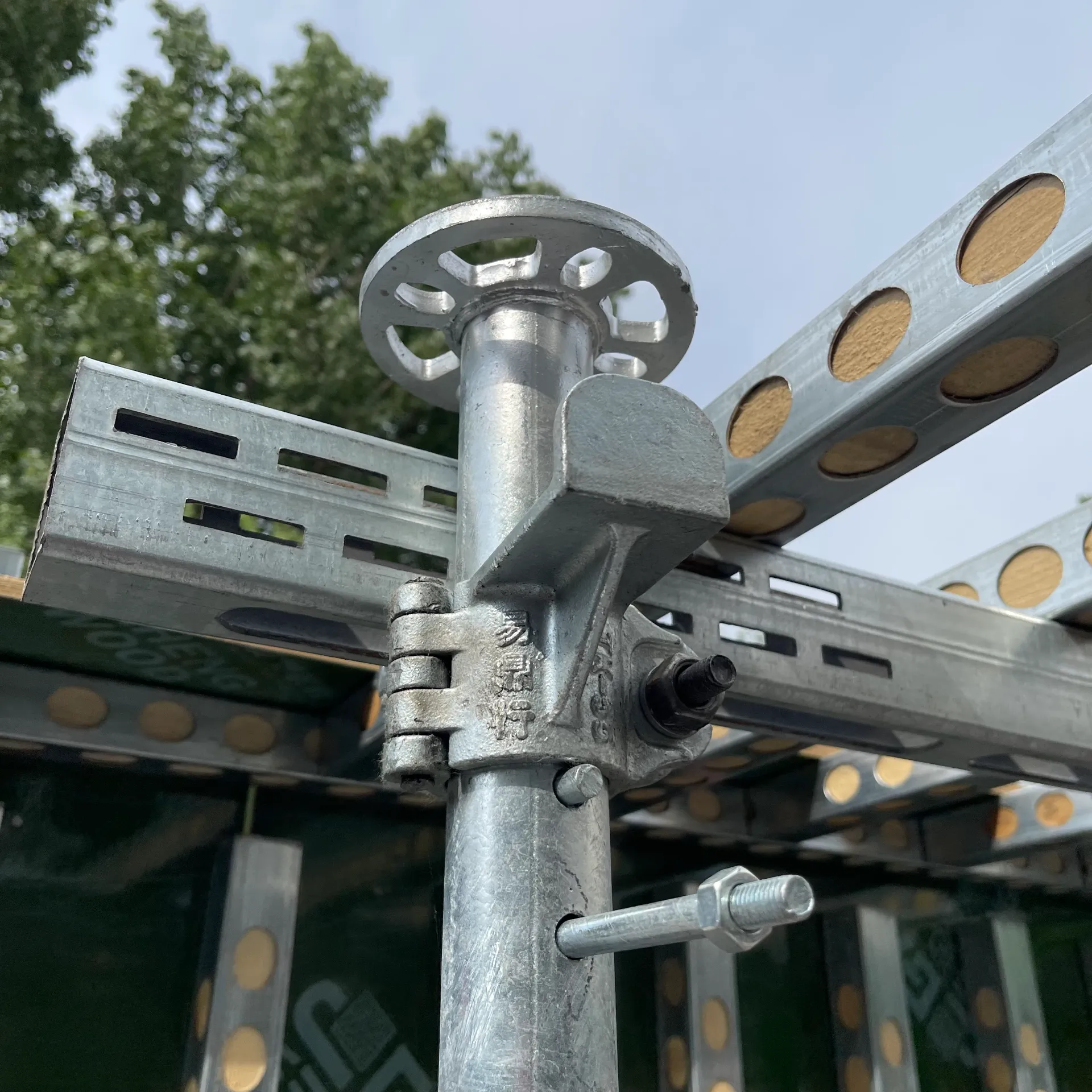
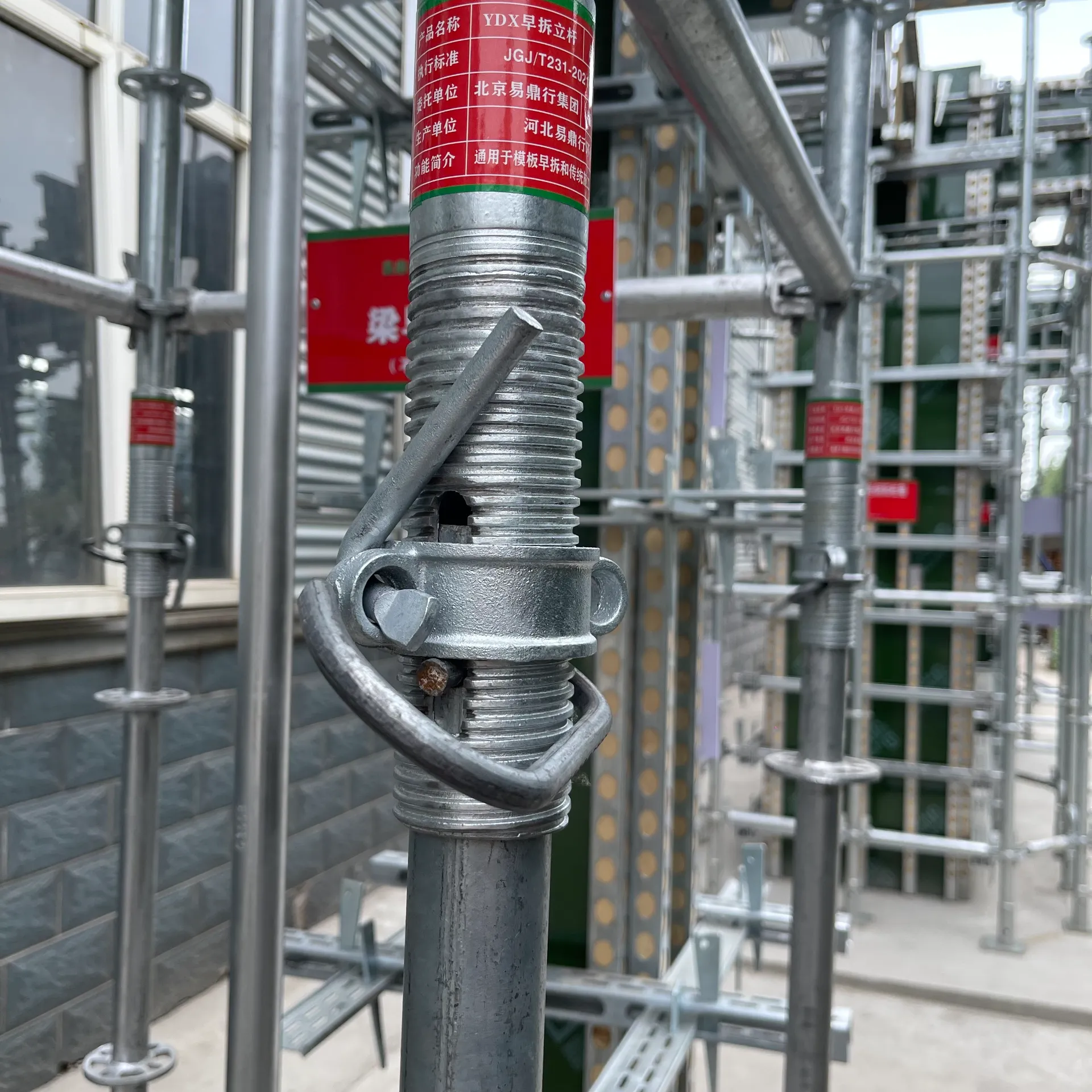
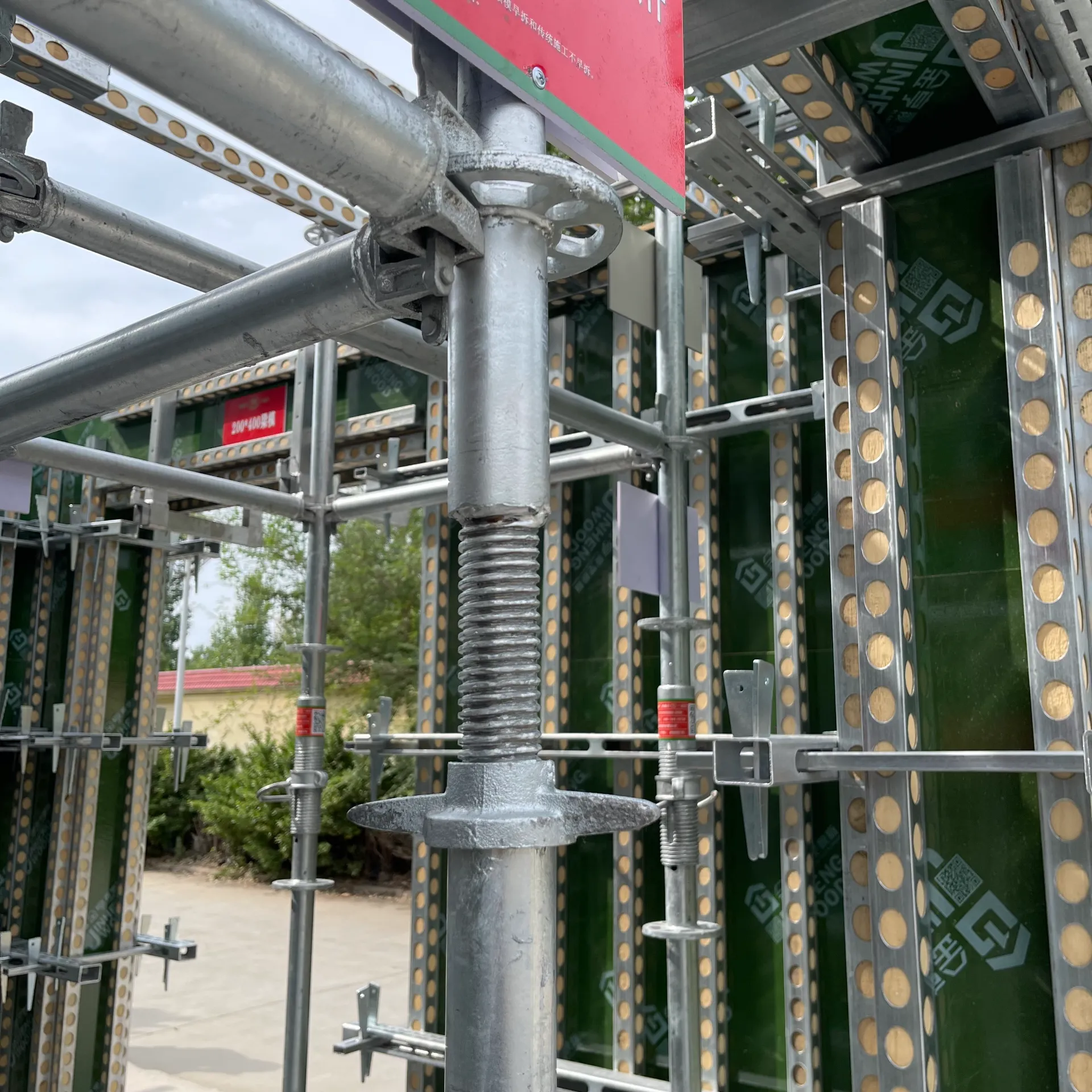
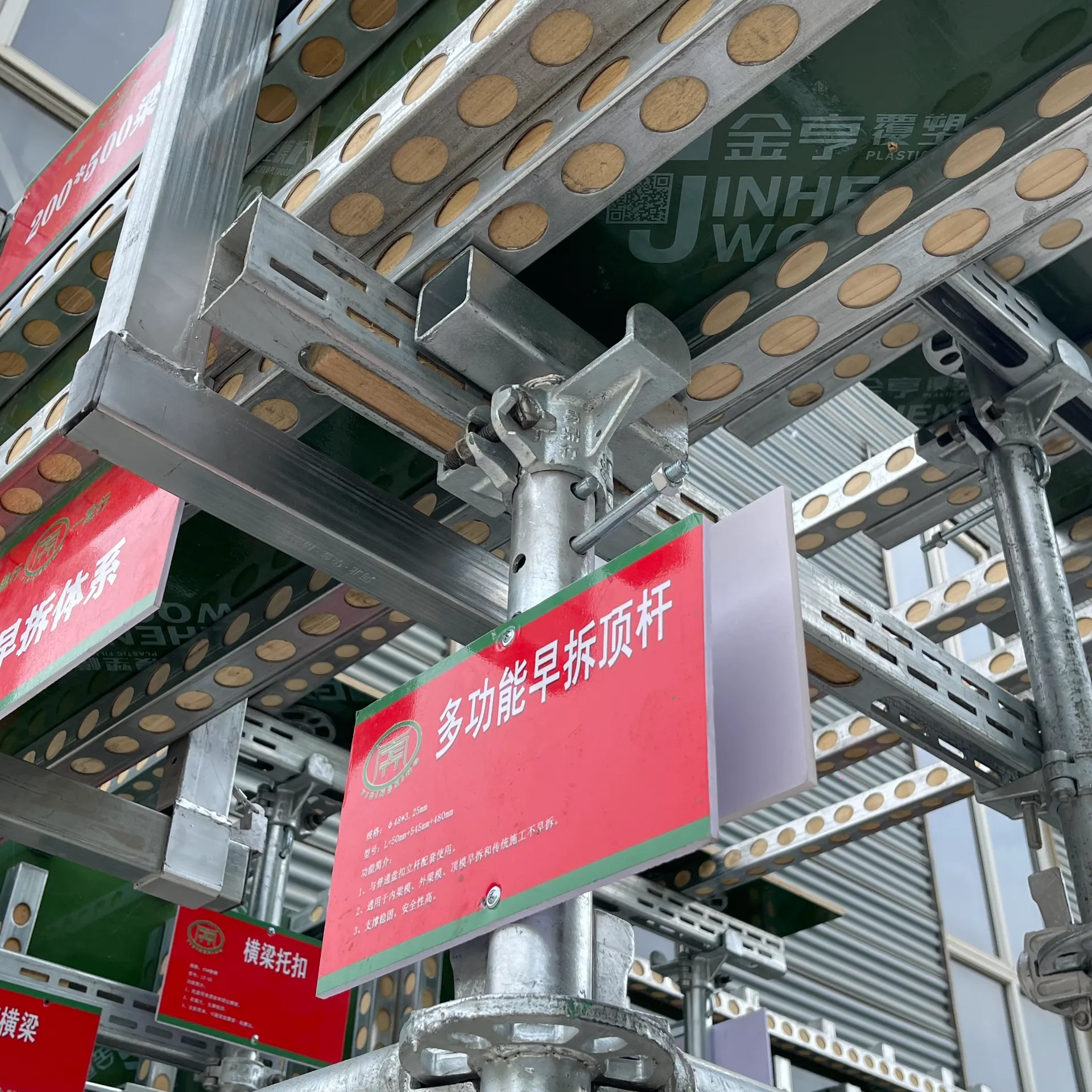
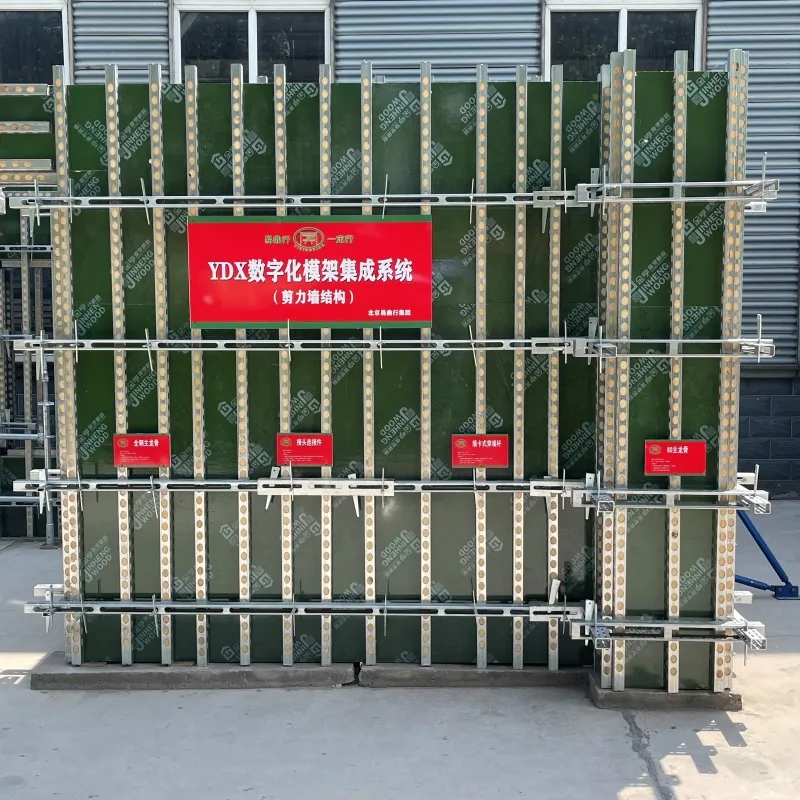
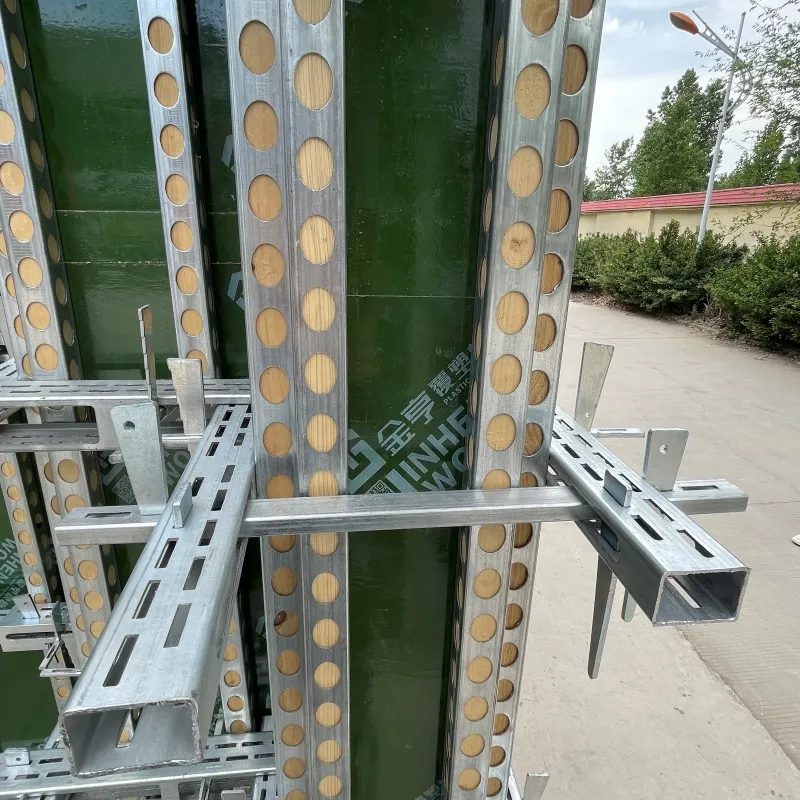
- Integration with Formwork Systems: Development of cover reinforcement accessories that seamlessly integrate with advanced formwork technologies, including specialized components for tunnel formwork, climbing formwork, or modular construction systems. This ensures precise rebar positioning and minimizes on-site adjustments. While not directly concrete cover products, complementary elements like slotted angle steel and rack slotted angle may be utilized in the construction of temporary support structures for specialized formwork, highlighting the broader ecosystem of construction accessories.
Manufacturer Comparison and Choosing Your Partner
Selecting the right manufacturer for concrete cover for rebar accessories, such as reinforcing bar positioners, is a critical decision that impacts project timelines, quality, and long-term structural performance. Manufacturers vary significantly in product range, material expertise, quality control, and customer support. A comprehensive evaluation is essential for B2B procurement to ensure that the chosen supplier aligns with project demands and quality expectations.
| Feature | Manufacturer A (Our Offerings) | Manufacturer B (Typical Standard) | Manufacturer C (Specialized Niche) |
|---|---|---|---|
| Primary Materials | High-grade PP, PVC, Fiber Concrete | Standard PP, Wire Chairs | Fiber Concrete, Specialized Composites |
| Product Range | Extensive: Spacers, wheels, continuous chairs, custom solutions | Basic: Common chairs, limited spacers | Specialized: High-performance, large cover, niche products |
| Certifications | ISO 9001, CE, ASTM/EN compliant | Local/Basic standards only | ISO 14001, LEED contributing, specific material certs |
| Customization | Full design and material customization, rapid prototyping | Limited to no customization | Highly specialized, complex customization |
| Lead Time (Typical) | 2-4 weeks (standard), 4-8 weeks (custom) | 1-3 weeks | 4-12 weeks (for complex custom orders) |
| Customer Support | Dedicated account managers, engineering consultation, post-sales support | Standard inquiries only | Project-specific engineering, R&D collaboration |
Application Case Studies and Real-World Impact
The theoretical benefits of precise concrete cover for rebar are best illustrated through successful application in real-world projects. These case studies highlight how meticulous attention to cover reinforcement, using quality accessories from our "Accessories" product line, contributes to superior structural performance and client satisfaction across diverse construction sectors.
Case Study 1: Coastal Bridge Infrastructure
A major coastal bridge project, facing severe chloride exposure from saltwater spray, mandated an increased concrete cover for rebar of 75mm on all exposed structural elements. This required specialized high-density fiber-reinforced concrete spacers designed to withstand aggressive environments. By partnering with a manufacturer capable of producing custom 75mm spacers with enhanced durability, the project achieved its demanding durability specifications. Post-construction chloride penetration tests confirmed the effectiveness of the increased cover, predicting a service life exceeding 100 years, far surpassing the typical 50-year design life for similar structures with standard cover. This was a critical success metric for the regional infrastructure authority, demonstrating the long-term value of investing in quality cover components.
Case Study 2: High-Rise Commercial Building
For a LEED-certified high-rise building, maintaining precise concrete cover for rebar was crucial for achieving fire rating compliance and ensuring structural integrity against seismic loads. The project utilized a combination of robust plastic wheel spacers for vertical elements and continuous plastic chairs for horizontal slabs, providing consistent 40mm cover. The chosen spacers featured strong interlocking mechanisms to prevent displacement during concrete pouring, a common challenge in large-scale pours. Independent inspections verified that 98% of the measured cover met or exceeded specifications, contributing directly to the building's robust fire resistance and structural reliability. The efficiency of installation, aided by the reliable reinforcing bar positioners, also contributed to overall project cost-effectiveness and timely completion, demonstrating real-world operational benefits.
Case Study 3: Industrial Water Treatment Facility
An industrial water treatment facility required concrete structures that could withstand constant exposure to corrosive chemicals and moisture. For this project, chemical-resistant PVC spacers were specifically chosen to maintain the required 50mm concrete cover for rebar. These specialized reinforcing bar positioners ensured that the steel reinforcement was adequately protected from the highly aggressive internal environment of the tanks and sumps. The manufacturer provided extensive data on the chemical inertness of their PVC products, crucial for satisfying the facility's stringent safety and durability standards. After five years of operation, visual inspections and non-destructive testing confirmed zero signs of rebar corrosion or concrete degradation attributable to inadequate cover, validating the investment in high-performance cover reinforcement accessories for long-term operational success.
Frequently Asked Questions (FAQ)
Q1: Why is concrete cover for rebar so important?
Concrete cover for rebar is crucial because it protects the steel reinforcement from environmental elements that cause corrosion, such as moisture, oxygen, chlorides, and carbon dioxide. Adequate cover ensures the steel remains in a passivated state (protected by an alkaline environment), preventing rust. It also provides essential fire resistance by insulating the rebar from high temperatures. Without proper cover, steel reinforcement is susceptible to premature degradation, leading to concrete spalling, cracking, and ultimately, structural failure. It is a fundamental design parameter for durability and safety in all reinforced concrete construction.
Q2: What are common types of accessories used to maintain concrete cover for rebar?
The most common accessories used to maintain concrete cover for rebar are spacers, chairs, and wheels, all part of our "Accessories" range. Spacers come in various shapes (e.g., circular, flat, bar) and are placed directly between the rebar and the formwork. Chairs are typically used to support upper layers of reinforcement in slabs and beams, ensuring two-way reinforcement can be accurately placed. Wheels, usually circular with clips, wrap around rebar for vertical elements like columns and walls, ensuring a consistent cover around the bar. These accessories are made from durable plastics (PP, PVC) or fiber-reinforced concrete, selected to be compatible with the concrete and withstand construction stresses. They act as essential reinforcing bar positioners.
Q3: How do environmental conditions affect the required concrete cover for rebar?
Environmental conditions significantly influence the required concrete cover for rebar. Structures exposed to aggressive environments, such as marine environments (chlorides), industrial areas (chemical exposure), or freeze-thaw cycles, demand a greater depth of concrete cover. This increased cover provides a larger buffer against the ingress of corrosive agents, thereby enhancing durability and extending service life. Building codes categorize exposure conditions (e.g., mild, moderate, severe) and prescribe minimum cover depths accordingly. For instance, a coastal structure will require substantially more cover than an interior column in a dry, temperate climate to achieve the same design life, underscoring the need for tailored solutions.
Q4: What happens if the concrete cover for rebar is insufficient?
Insufficient concrete cover for rebar leads to premature structural deterioration. When the cover is too thin, corrosive substances like chlorides and carbon dioxide can reach the rebar more quickly, initiating corrosion. As steel rusts, it expands significantly (up to 6 times its original volume), generating internal pressure that causes the surrounding concrete to crack and spall. This exposes more rebar to corrosive elements, accelerating the damage in a vicious cycle. Ultimately, this compromises the structural integrity, reduces load-bearing capacity, and necessitates costly repairs or even premature demolition, highlighting the critical role of adequate cover reinforcement in maintaining a structure's health and longevity.
Delivery Cycles, Quality Assurance, and Customer Support
For B2B clients, especially in the demanding construction sector, the reliability of delivery, stringent quality assurance, and responsive customer support are as crucial as the product itself. Our commitment to these areas ensures that project timelines are met and the highest standards of construction are maintained when utilizing our "Accessories" for concrete cover for rebar. We prioritize seamless operations from order to installation.
Optimized Delivery Cycles:
We understand the time-sensitive nature of construction projects. For standard concrete cover accessories, our typical delivery cycle is 2-4 weeks from order confirmation, depending on volume and specific product requirements. We leverage efficient logistics networks and maintain optimal inventory levels to facilitate prompt dispatch, minimizing project delays. For large-scale or custom orders, lead times are communicated transparently and proactively managed with the client, often involving staggered deliveries to align with project phases. Our supply chain is designed to minimize disruptions, ensuring consistent availability of critical components like reinforcing bar positioners.
Unwavering Quality Assurance & Warranty:
Our products undergo rigorous multi-stage quality control. From raw material inspection to final product testing, every batch of accessories for concrete cover for rebar is meticulously checked against industry standards (e.g., ISO, ASTM, CE). This includes dimensional accuracy, material strength, and chemical resistance tests conducted in accredited laboratories. We provide a comprehensive warranty against manufacturing defects for all our products, typically covering a period of 5 years or the expected service life of the accessory itself, whichever is greater, under normal use conditions. This commitment reflects our confidence in the durability and performance of our cover reinforcement solutions, providing peace of mind to our partners.
Dedicated Customer Support:
Our B2B clients benefit from dedicated account management and technical support teams. Whether it's assistance with product selection, detailed technical specifications, project-specific calculations for concrete cover, or post-sales inquiries, our experts are available to provide prompt and knowledgeable assistance. We offer engineering consultation for complex projects and are committed to resolving any issues efficiently, ensuring minimal downtime and optimal project progress. Our goal is to forge long-term partnerships built on trust, reliability, and mutual success, extending beyond simple product supply to true collaborative support.
References and Authoritative Sources
- ACI Committee 318. (2019). Building Code Requirements for Structural Concrete (ACI 318-19) and Commentary (ACI 318R-19). American Concrete Institute.
- Eurocode 2: Design of concrete structures - Part 1-1: General rules and rules for buildings. (2004). European Committee for Standardization.
- BS 8500-1:2015+A2:2019. Concrete - Complementary British Standard to BS EN 206 - Method of specifying and guidance for the specifier. British Standards Institution.
- Mehta, P. K., & Monteiro, P. J. M. (2014). Concrete: Microstructure, Properties, and Materials. McGraw-Hill Education.
- Neville, A. M. (2011). Properties of Concrete. Pearson Education Limited.
- ASTM International. (Ongoing). Various standards related to concrete and plastics, e.g., ASTM C39 for Compressive Strength of Cylindrical Concrete Specimens, and relevant ASTM standards for plastic materials properties.
-
Comprehensive Guide to Scaffolding Rods for Safe Construction PracticesNewsFeb.24,2026
-
Comprehensive Guide to Different Types of Scaffolding for Construction ProjectsNewsFeb.11,2026
-
The Crucial Role and Safe Use of Scaffolding in Modern Construction ProjectsNewsJan.30,2026
-
Maximize Productivity and Safety with a Versatile 7m Scaffold TowerNewsJan.27,2026
-
6m Scaffold Tower: A Comprehensive Guide for B2B BuyersNewsJan.26,2026
-
6ft Scaffold: Durability and Safety in ConstructionNewsJan.25,2026
-
6 Scaffolding: A Modern Construction SolutionNewsJan.24,2026