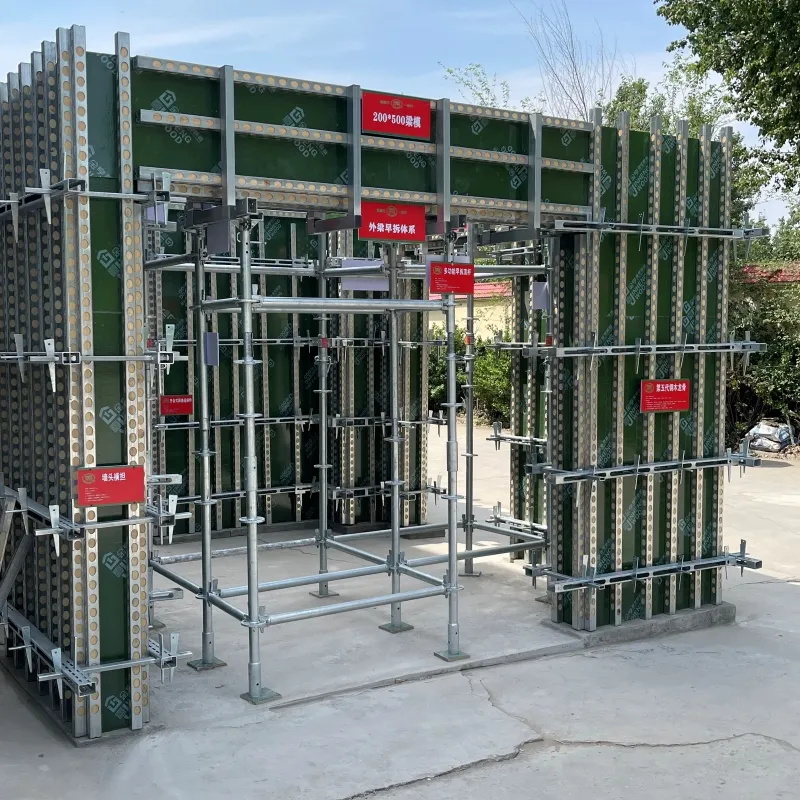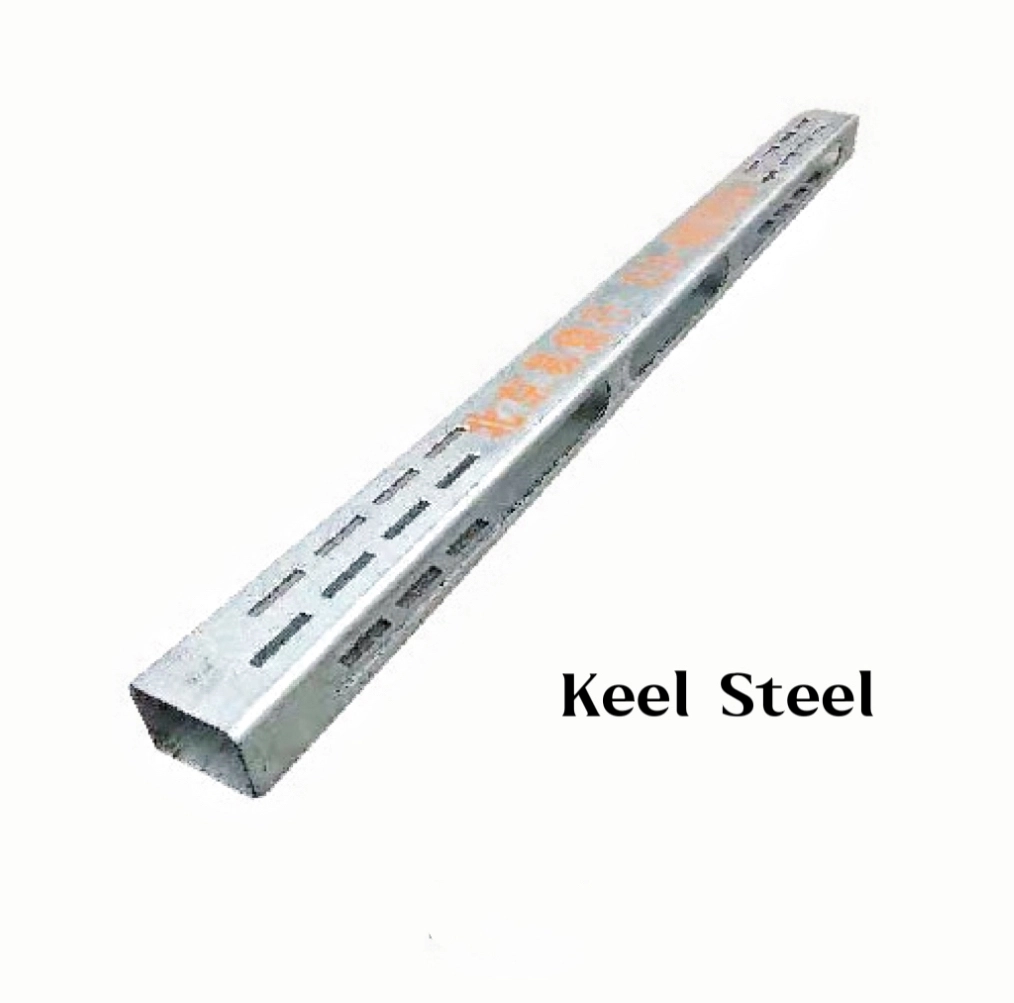

Scaffolding for Sale | Durable, Safe, Fast Shipping
Disk-Buckle Scaffolding Insider Guide: What to Look For Before You Buy
If you’re scanning the market for scaffolding for sale, here’s the short version: ring/disk-buckle systems are winning bids because they assemble fast, carry serious loads, and pass audits with fewer headaches. Demand’s been climbing in high-rise concrete frames, bridge deck overhangs, and shipyard refits. To be honest, the gap between good and merely “okay” gear is wider than it looks in photos.
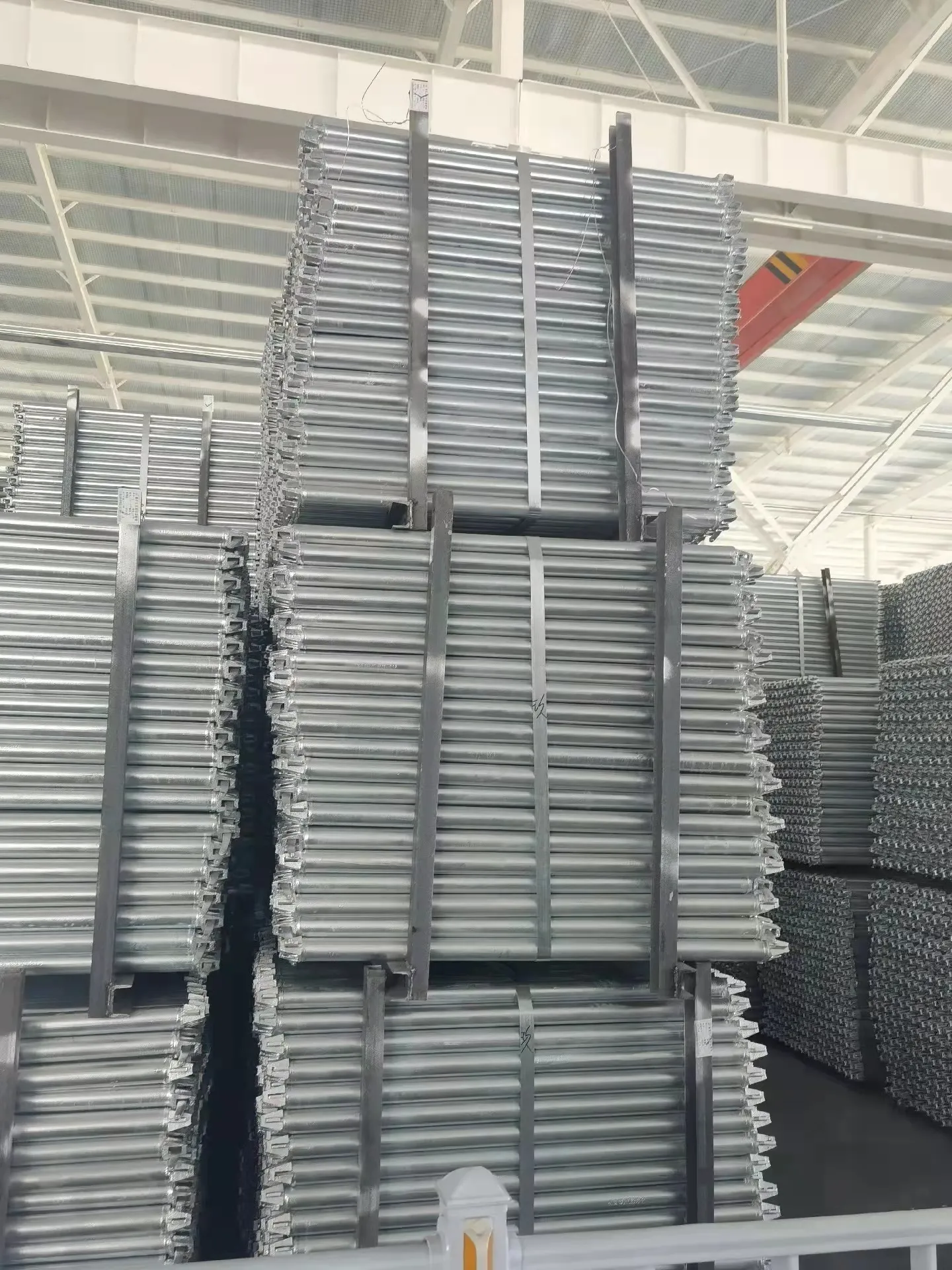
What this system is (and where it comes from)
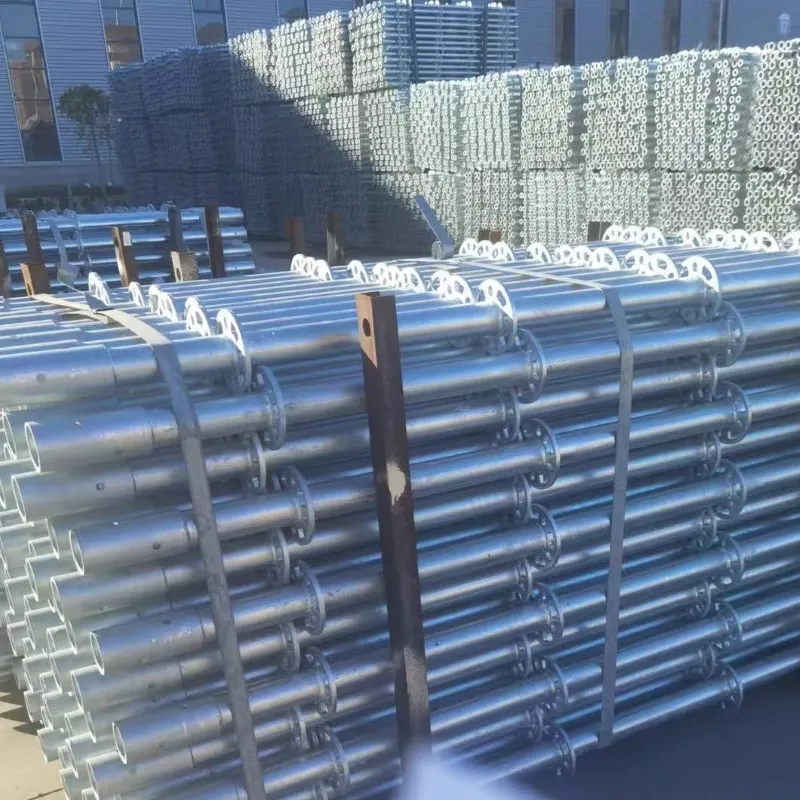
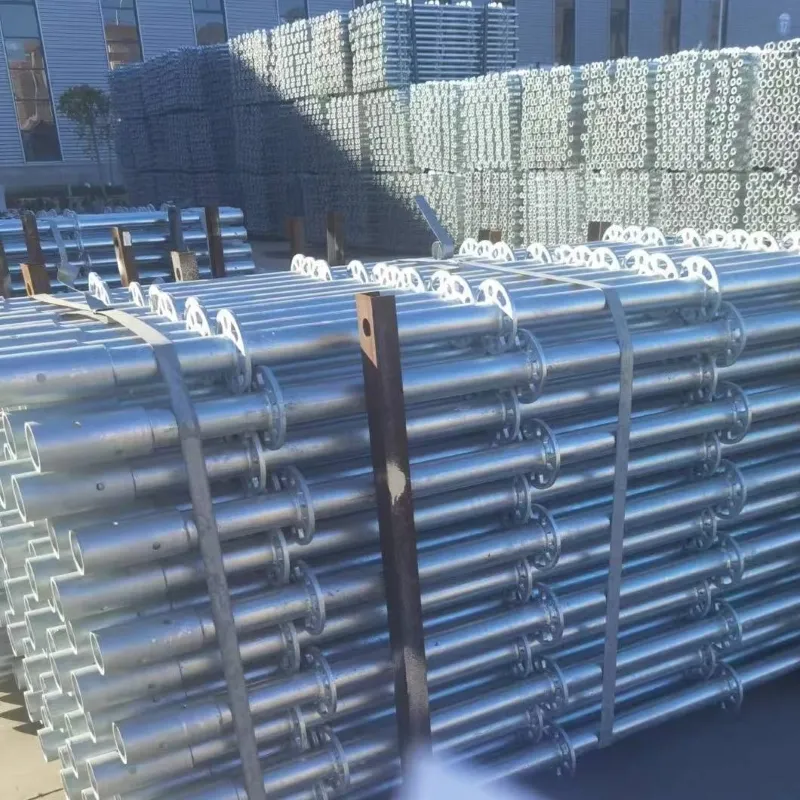
Disk-buckle (often called ringlock) uses vertical standards, ledgers, diagonals and rosettes with latch-type connections. The manufacturer highlighted here is based in Hebei—Origin: East side of Hongye Avenue, Dingzhou Economic Development Zone, Hebei Province—an area known for steelwork. The system is usually offered in two categories: Type A for heavy-duty shoring; Type B for house construction, façade work, and decoration. In practice, contractors mix both, depending on spans and slab depths.
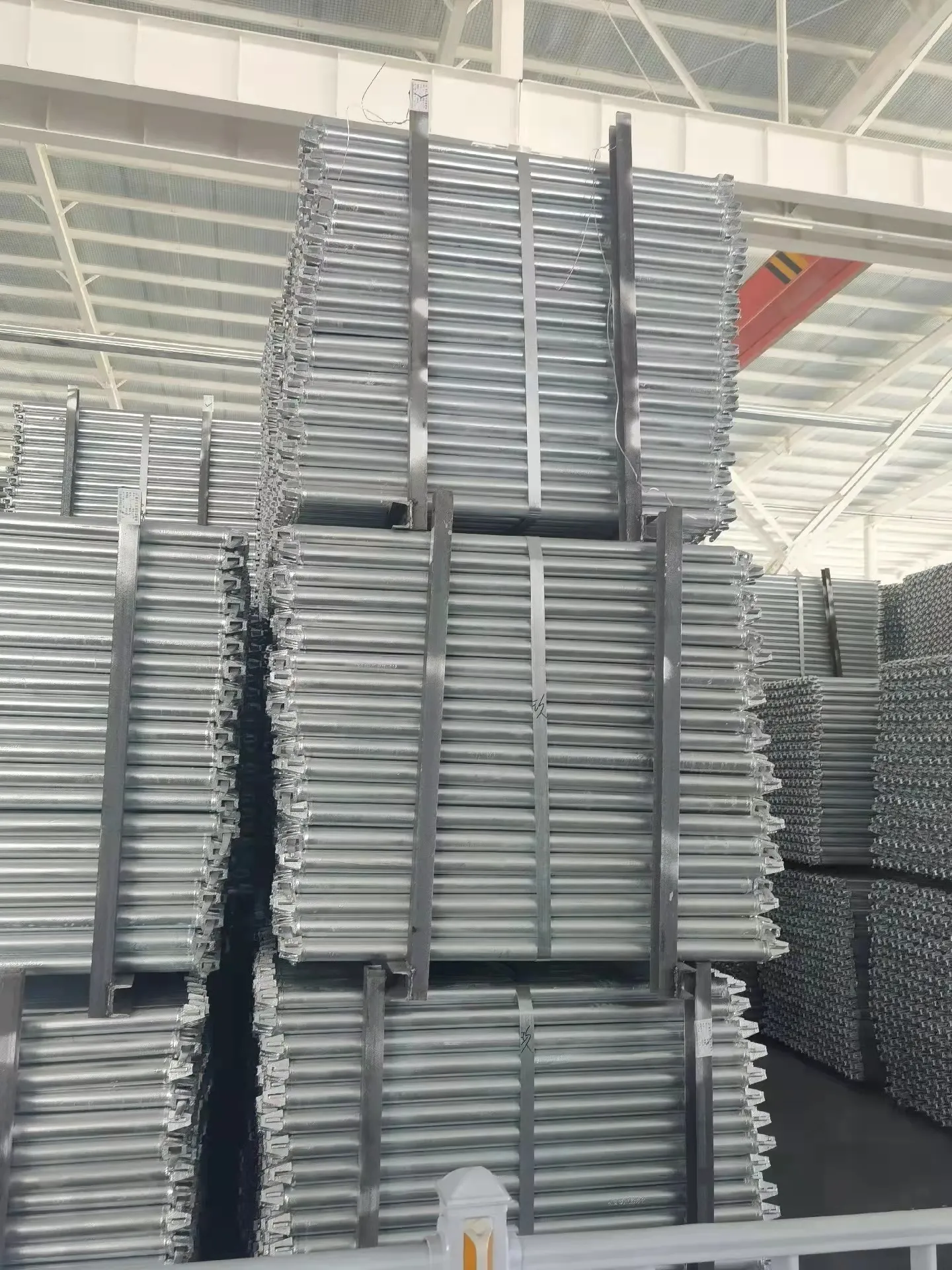
Core specifications (real-world values)
| Component | Material/Spec | Typical Size | Performance |
|---|---|---|---|
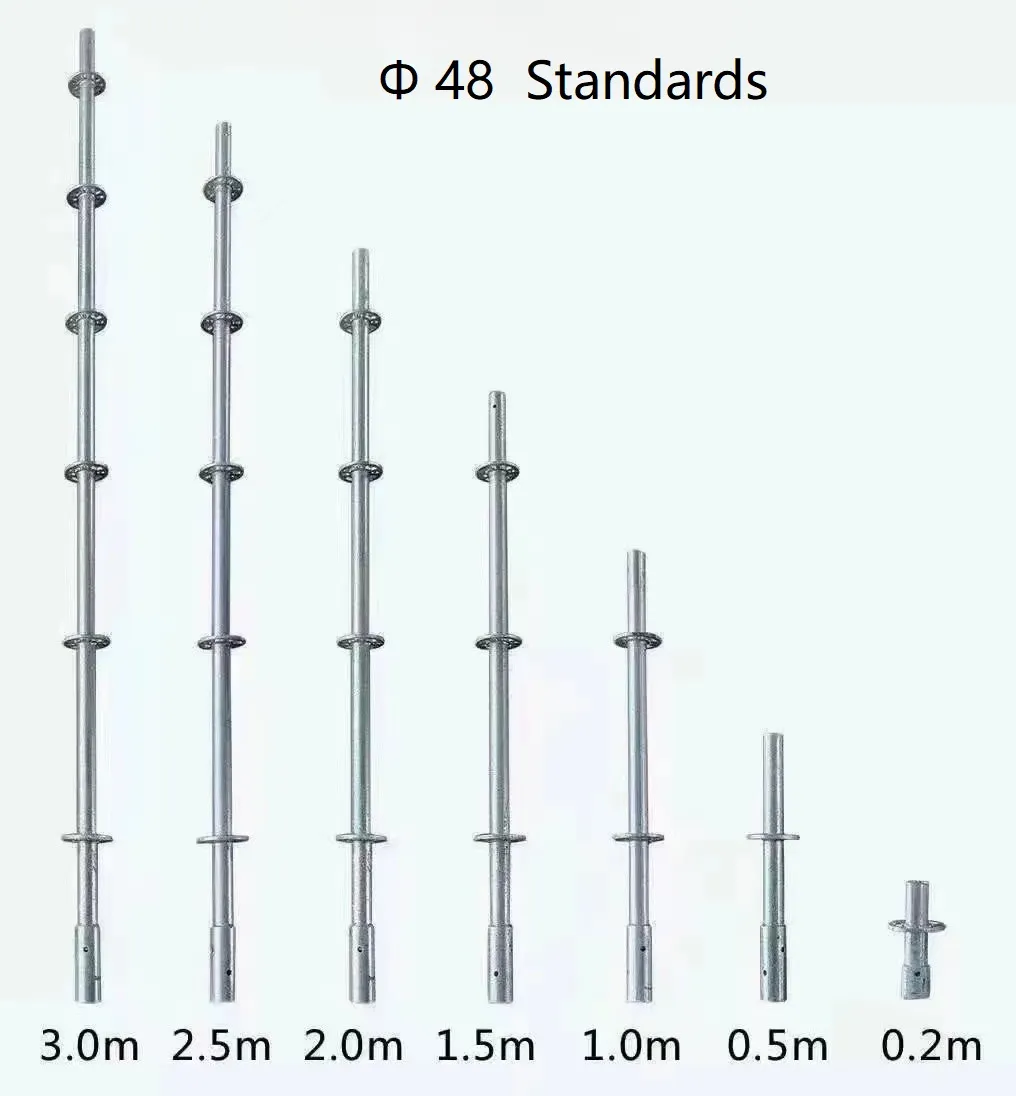
| Vertical Standard | Q345B steel (GB/T 1591) | Ø48.3 × 3.2–3.5 mm | Compression capacity ≈ 60–90 kN/leg (spacing dependent) |
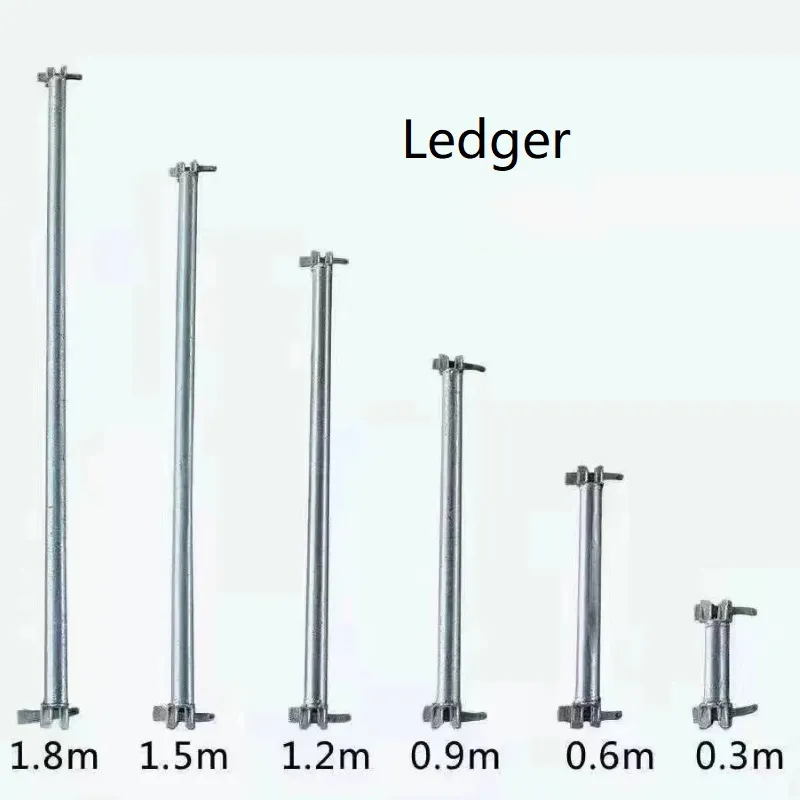
| Ledger/Cross | Q235/Q345 | Ø48.3 × 2.8–3.2 mm | Deflection under design load within EN 12811 limits |
| Rosette/Node | Low-alloy steel, 8–10 mm | 8-point circle, 50 cm spacing | Shear resistance verified by node tests |
| Finish | Hot-dip galvanizing (ISO 1461) | Zinc coat ≈ 70–100 μm | Corrosion life 10–15 yrs (use-dependent) |
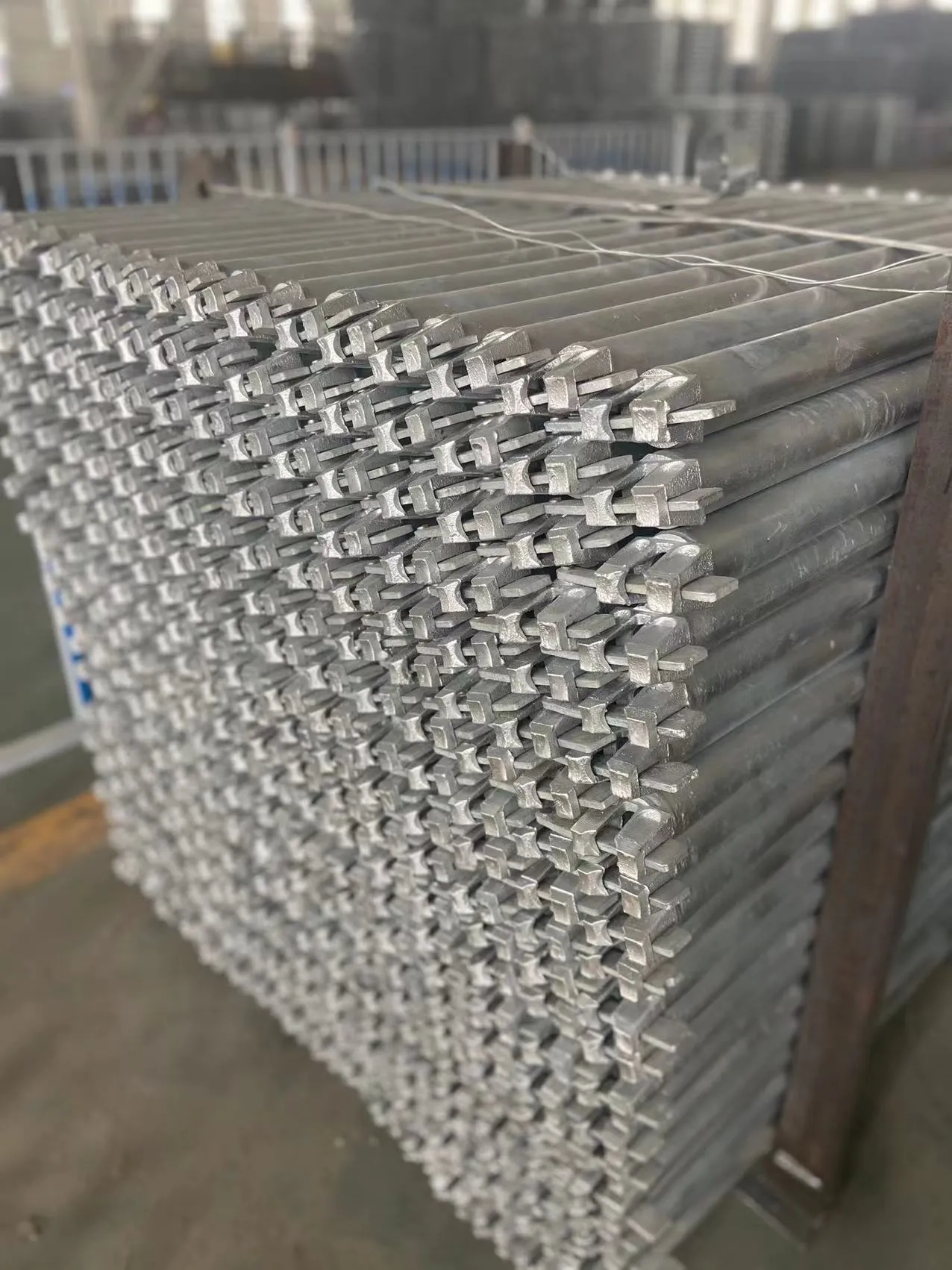
Process flow, testing, and standards
Materials: certified Q345B/Q235 tube, rosette steel;
Methods: automated cutting, robotic welding, rosette press-fit + full-penetration welds, HDG;
Testing: chemical composition and yield (mill certs), weld NDT to ISO 3834/ISO 5817, node shear tests, full-frame load tests per EN 12811-1 and local codes;
Service life: ≈ 8–15 years or 2,000–3,000 cycles with proper maintenance;
Industries: high-rise cores, bridges, power plants, shipbuilding, industrial maintenance.
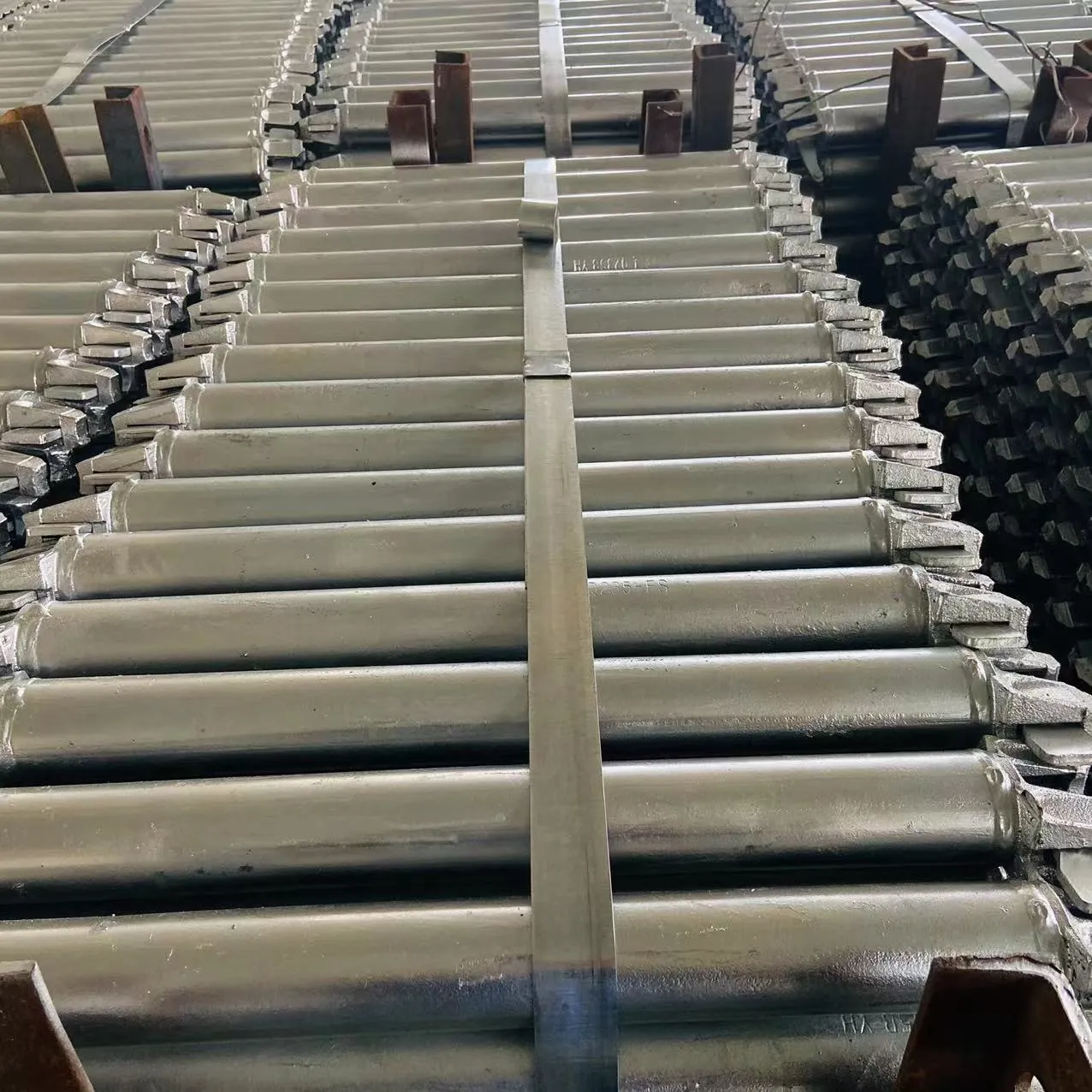
Where it shines (and why crews like it)
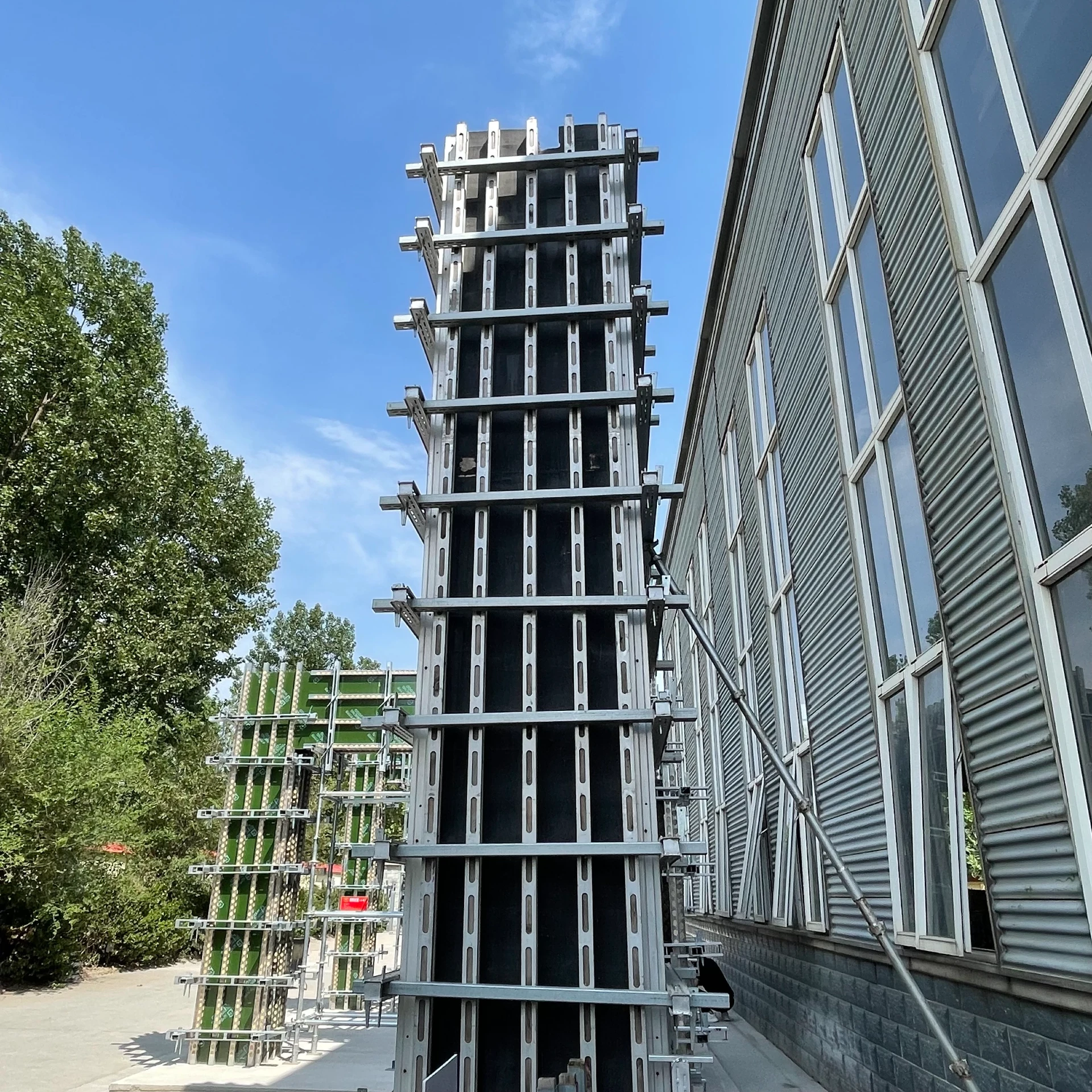
Assembly is quick—one hammer, no lost pins. Stability is excellent thanks to the rosette geometry; bracing is straightforward. Many customers say the learning curve is a shift or two for new hires. In heavy shoring (Type A), vertical legs routinely hit 70 kN+ in lab tests; in façade work (Type B), the time savings vs. tube-and-clamp can be 20–35%, which, frankly, is the difference between a smooth pour and a night-shift scramble.
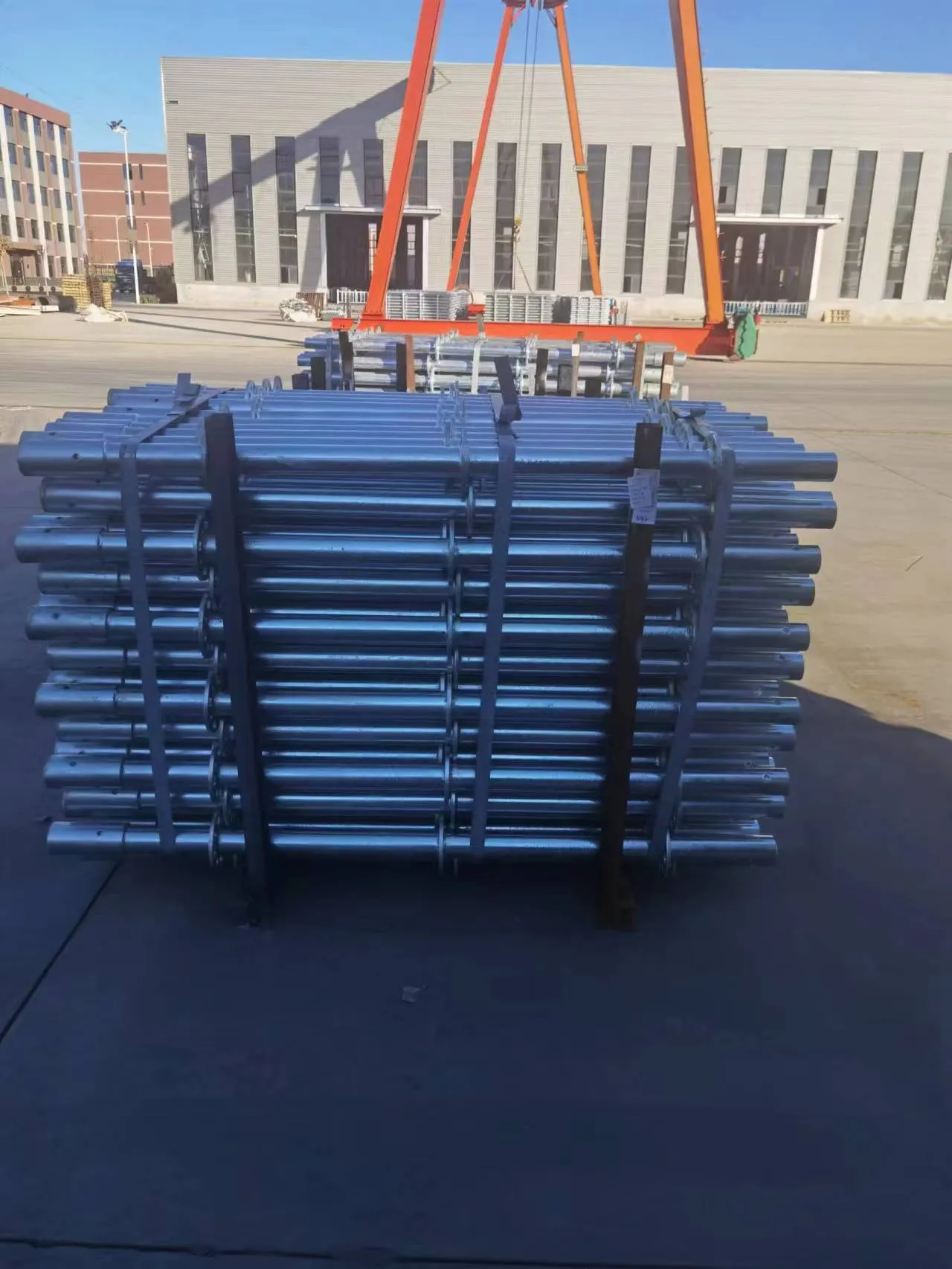
Vendor landscape (quick comparison)
| Vendor | Steel/Finish | Certs | QC & Testing | Lead Time | Price |
|---|---|---|---|---|---|
| Hebei Manufacturer (Dingzhou) | Q345B, HDG ISO 1461 | ISO 9001; EN 12811 test reports | Weld NDT, node & full-frame load tests | 2–5 weeks | Mid |
| Generic Importer | Q235, pre-galv or paint | Basic mill certs | Spot checks only | 1–3 weeks (stock) | Low |
| Used-Market Broker | Mixed lots | Varies | Visual inspection | Immediate | Lowest, but variable |
Customization and options
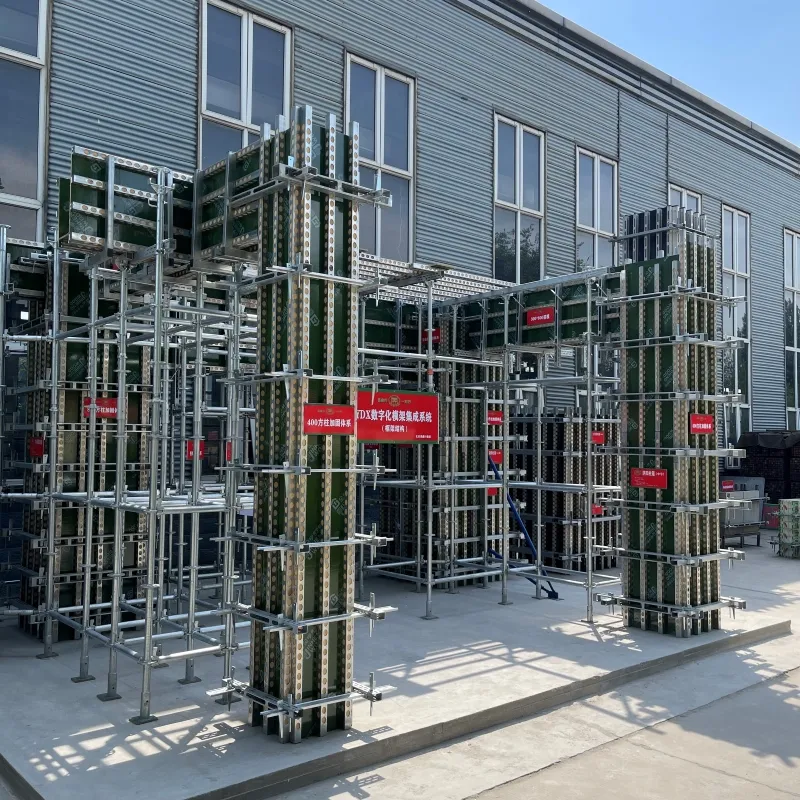
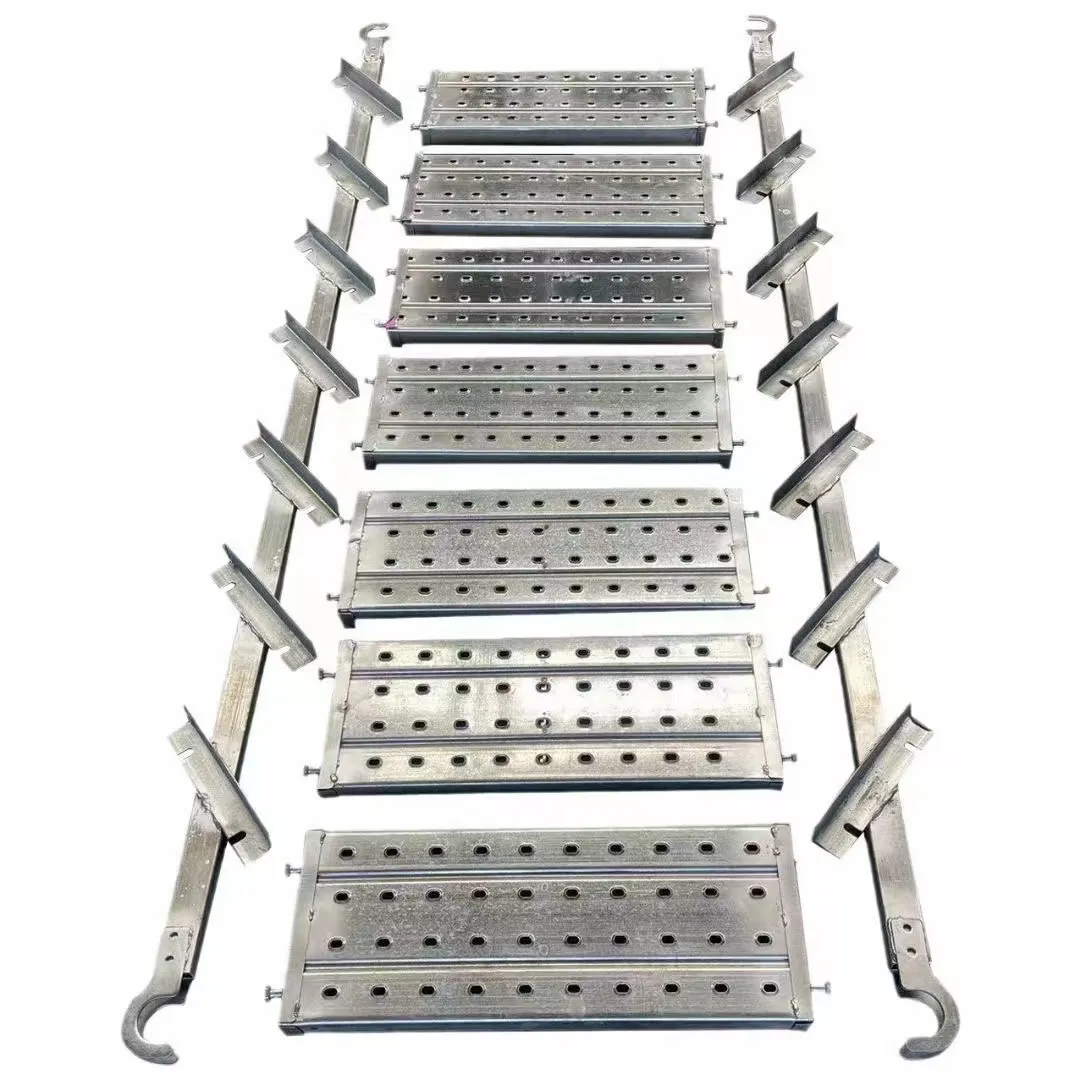
Available: custom ledger lengths, adjustable base jacks (350–700 mm), special brackets for cantilevers, steel/ply toeboards, and galvanized stair towers. Surface coatings can be tailored; HDG is my default recommendation for coastal jobs. Load data, layout drawings, and method statements are typically included.
Field notes and mini case studies
Bridge rehab, 28 m span: heavy-shoring grid at 1.5 m centers; pour went two days earlier than program after switching from tube-and-clamp. High-rise core, 42 stories: crews reported ≈30% faster re-shore turnover. A shipyard client liked the stiffness—less sway on tall birds-nests. Feedback keeps circling back to “fast locks, clean galvanizing, fewer loose bits.”
If you’re comparing scaffolding for sale this season, check weld documentation, zinc thickness, node test reports, and compliance to EN 12811-1 or local equivalents. And yes, make sure the supplier can backstop with spares—rosettes and ledgers get “borrowed” across sites more than anyone admits.
Compliance and references
- EN 12811-1: Temporary works equipment—Scaffolds—Performance requirements and general design.
- OSHA 29 CFR 1926 Subpart L—Scaffolds.
- ISO 1461—Hot dip galvanized coatings on fabricated iron and steel articles.
- ISO 3834/ISO 5817—Quality requirements and acceptance levels for welding.
- JGJ/T 231-2010—Technical specification for disk-lock tubular scaffold support system (China).
-
Comprehensive Guide to Scaffolding Rods for Safe Construction PracticesNewsFeb.24,2026
-
Comprehensive Guide to Different Types of Scaffolding for Construction ProjectsNewsFeb.11,2026
-
The Crucial Role and Safe Use of Scaffolding in Modern Construction ProjectsNewsJan.30,2026
-
Maximize Productivity and Safety with a Versatile 7m Scaffold TowerNewsJan.27,2026
-
6m Scaffold Tower: A Comprehensive Guide for B2B BuyersNewsJan.26,2026
-
6ft Scaffold: Durability and Safety in ConstructionNewsJan.25,2026
-
6 Scaffolding: A Modern Construction SolutionNewsJan.24,2026