
Quick Stage Scaffold: Safe, Efficient Access Equipment
Quick Stage Scaffold: Efficiency Meets Safety on Site
Having spent more than a decade in the industrial equipment sector, I can tell you that the scaffold you choose makes a tangible impact on both productivity and safety. It’s not just about holding workers up near ceilings anymore – it’s about saving time, reducing accidents, and even cutting costs where possible. Enter the quick stage scaffold. Oddly enough, this piece of kit has quietly become one of the unsung heroes on many construction and maintenance sites.
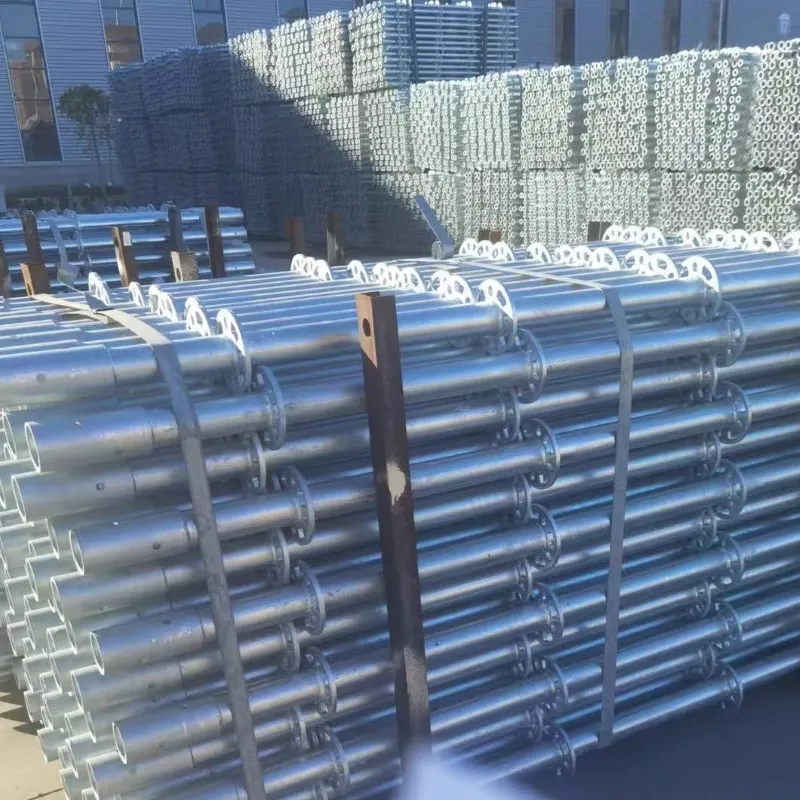
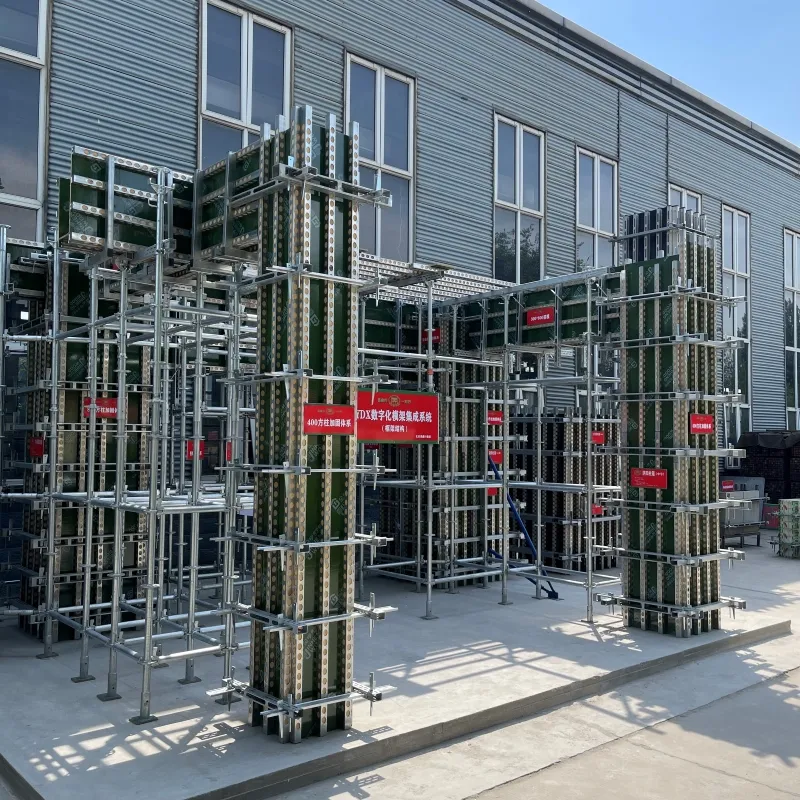
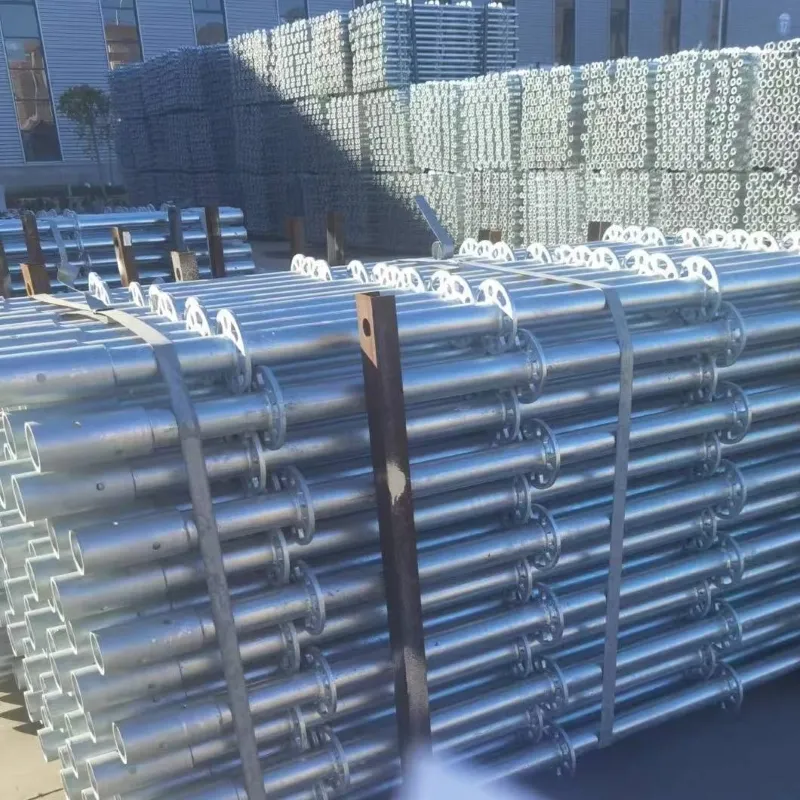
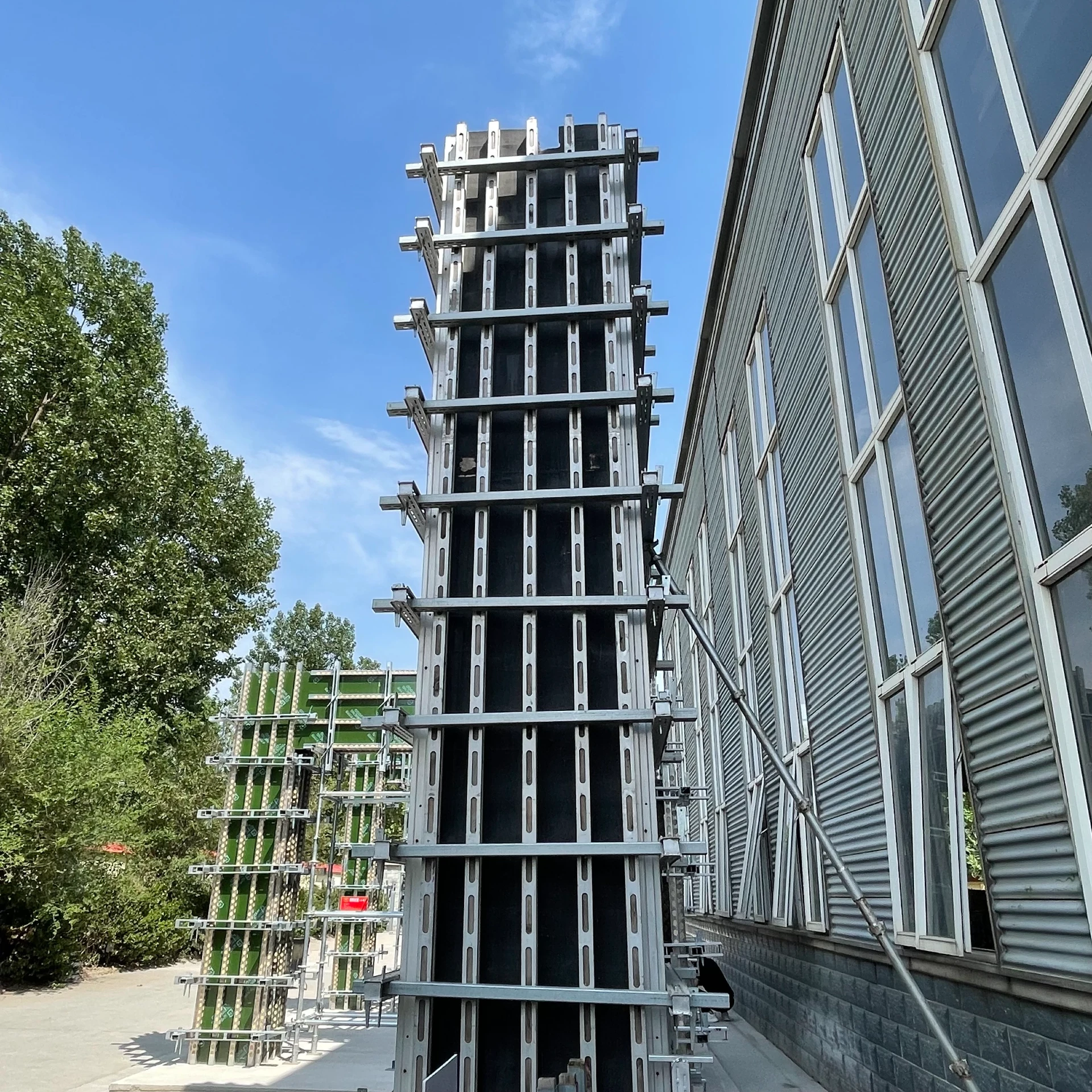
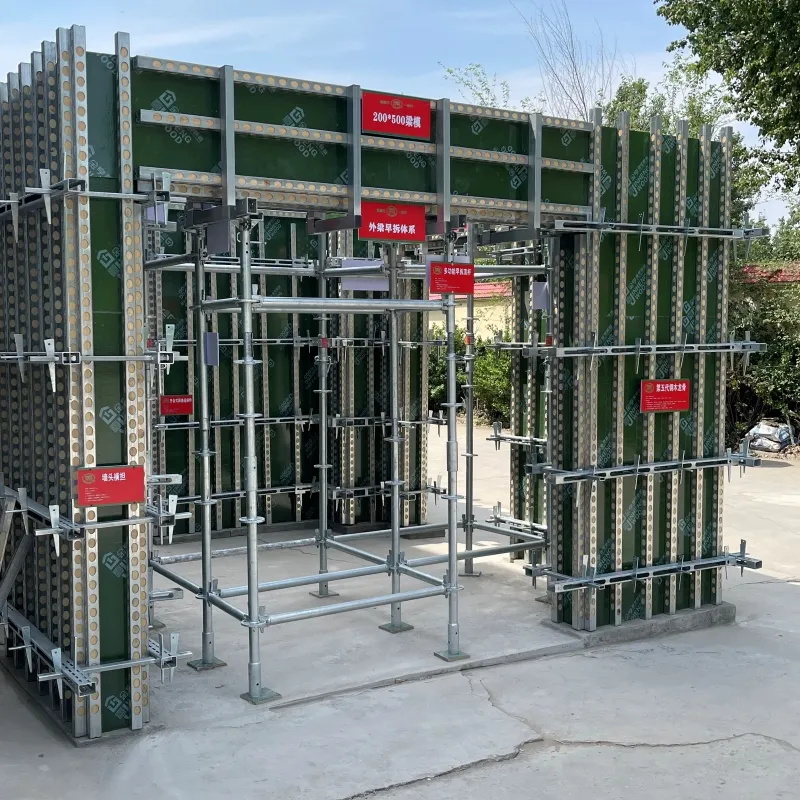
In my early days, scaffolding felt cumbersome and slow to assemble. But the quick stage scaffold changed that perception for a lot of us out in the trenches. The design is straightforward yet clever – modular frames with quick-connect coupling systems that allow assembly in record time without sacrificing stability. Honestly, when you see these things go up, you realize the engineering brainpower behind something so simple but effective.
One interesting point is the material choice. Most quick stage scaffolds use galvanized steel or lightweight aluminum alloys. Galvanized steel supports loads well and resists corrosion, which honestly is a must for outdoor environments exposed to the elements. Aluminum frames, on the other hand, cut down worker fatigue because they’re lighter. You often have to balance durability with ease of handling, especially if you’re moving scaffold frequently.
Testing and certification are non-negotiable, and many manufacturers comply with international standards like OSHA or EN 12811. In my experience, it's always worth double-checking load ratings and guardrail integrity. The last thing anyone wants is a failure at height.
| Feature | Specification |
|---|---|
| Frame Material | Galvanized Steel / Aluminum Alloy |
| Maximum Load Capacity | 300-500 kg per platform level |
| Platform Size | 1.2 m x 0.6 m (standard) |
| Connection Type | Quick-lock clips / wedge pins |
| Weight per Frame | 15-20 kg |
| Guardrails Included | Yes, meets safety standards |
| Customization | Available on request (heights, widths) |
Now, it’s not just the specs that matter. For example, I recall a client who was renovating a century-old factory — a tricky environment with limited floor space and lots of obstacles. They found the quick stage scaffold’s modularity a real advantage, allowing quick repositioning without tearing everything down and starting over. It cut days off their schedule, which frankly made a big difference to their project budget.
Choosing a vendor for quick stage scaffolds also requires some homework. You want a balance between cost, quality, and service. Many vendors offer similar-looking products, but the devil’s in the details — finishing quality, warranty, delivery times, and support. Here's a quick comparison table I put together, based on firsthand discussions with suppliers and users over the years:
| Vendor | Material Quality | Price Range | Lead Time | Customer Support |
|---|---|---|---|---|
| Formwork Reinforced | High-grade galvanized steel | Mid to high | 1-2 weeks | Responsive, knowledgeable |
| BuildPro Systems | Standard steel with powder coating | Mid | 2-3 weeks | Average |
| AluScaff Solutions | Light aluminum alloy | High | 1 week | Good, but limited spare parts |
If you ask me, the quick stage scaffold stands out because it blends reliability with convenience. Every time I’ve recommended it, clients come back satisfied — often with stories of how it helped them avoid those last-minute scheduling nightmares.
Of course, nothing beats hands-on training and familiarization before starting work at height. Safety culture always trumps the fanciest equipment. But if you’re looking to reduce setup times and keep crews safe, this scaffold type deserves serious consideration. It feels like a simple innovation, but in real terms, it makes a world of difference on site.
So, whether you’re a contractor, safety officer, or engineer, take a closer look at quick stage scaffolding options. It might just be the piece you didn’t know you were missing.
Reflection: The further I dive into construction equipment innovation, the more I realize how the small stuff — like scaffold design — quietly shapes entire projects’ success stories. It’s a reminder that in this industry, efficiency and safety walk hand in hand.
References:
1. OSHA Scaffold Standards, 2023
2. EN 12811 Scaffolding Performance Requirements, European Committee for Standardization
3. Vendor product sheets and industry user feedback, 2021-2024
-
Comprehensive Guide to Scaffolding Rods for Safe Construction PracticesNewsFeb.24,2026
-
Comprehensive Guide to Different Types of Scaffolding for Construction ProjectsNewsFeb.11,2026
-
The Crucial Role and Safe Use of Scaffolding in Modern Construction ProjectsNewsJan.30,2026
-
Maximize Productivity and Safety with a Versatile 7m Scaffold TowerNewsJan.27,2026
-
6m Scaffold Tower: A Comprehensive Guide for B2B BuyersNewsJan.26,2026
-
6ft Scaffold: Durability and Safety in ConstructionNewsJan.25,2026
-
6 Scaffolding: A Modern Construction SolutionNewsJan.24,2026