
Pro Scaffolding Solutions for Safe and Efficient Work at Height
Pro Scaffolding: A Comprehensive Guide to Safe Access Solutions
In the world of construction and industrial maintenance, safe and efficient access to heights is paramount. Pro scaffolding systems offer robust, reliable, and versatile solutions for a wide array of projects. This article will delve into the benefits, types, applications, and safety considerations surrounding pro scaffolding, providing a comprehensive overview for contractors, site managers, and anyone involved in work at height. Choosing the right scaffolding can significantly reduce workplace accidents and improve project efficiency. We’ll explore the different options and how to select the best fit for your needs.
Understanding the Benefits of Pro Scaffolding
Pro scaffolding offers a multitude of advantages over traditional access methods, like ladders or makeshift structures. Its inherent stability and load-bearing capacity provide a secure work platform. The modular design allows for customization to fit complex building geometries and varying height requirements. Furthermore, professional scaffolding systems significantly enhance worker productivity by providing easy access to all areas of a structure. Investing in high-quality scaffolding is an investment in safety, efficiency, and project success.
Key Benefits: Enhanced worker safety, increased productivity, adaptability to complex structures, reduced risk of accidents, and compliance with safety regulations.
Types of Pro Scaffolding Systems
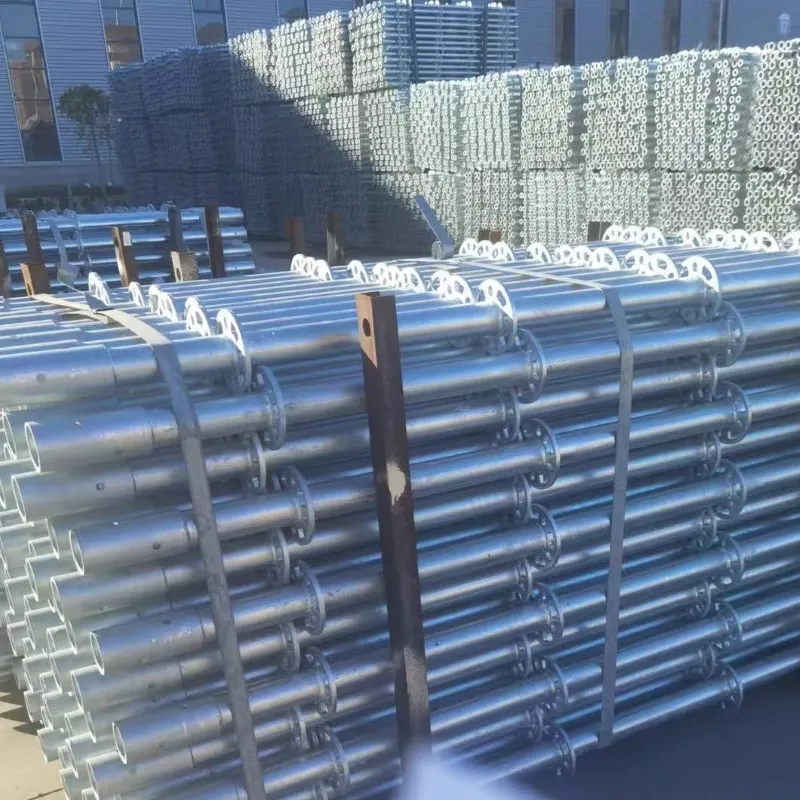
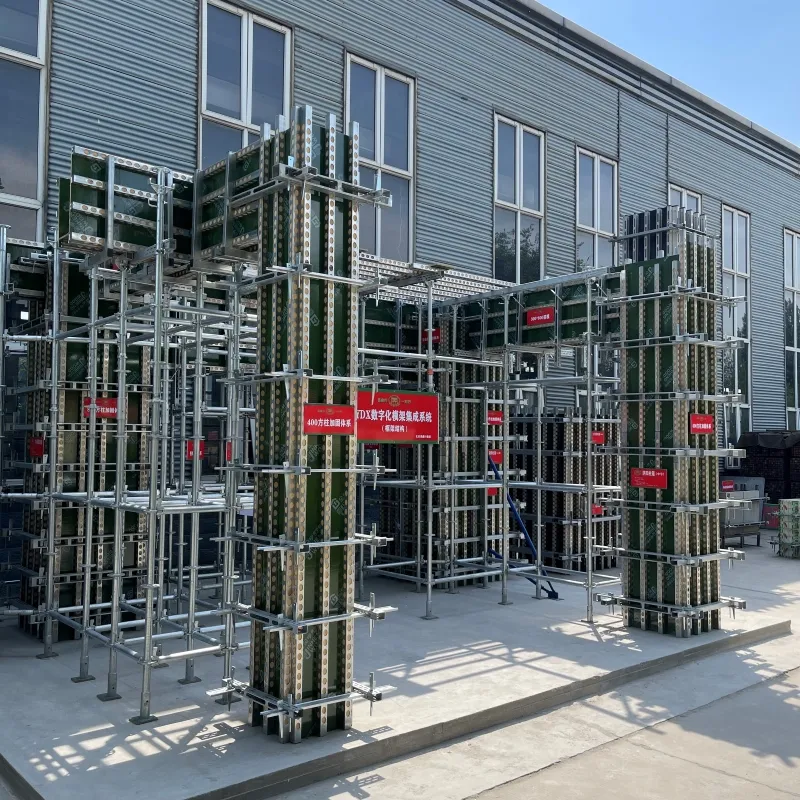
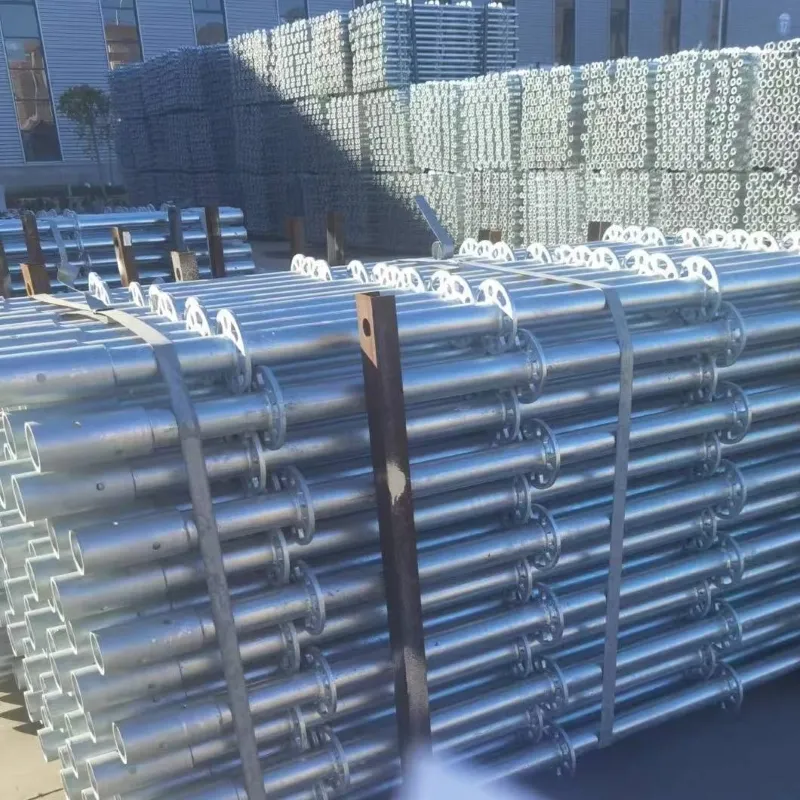
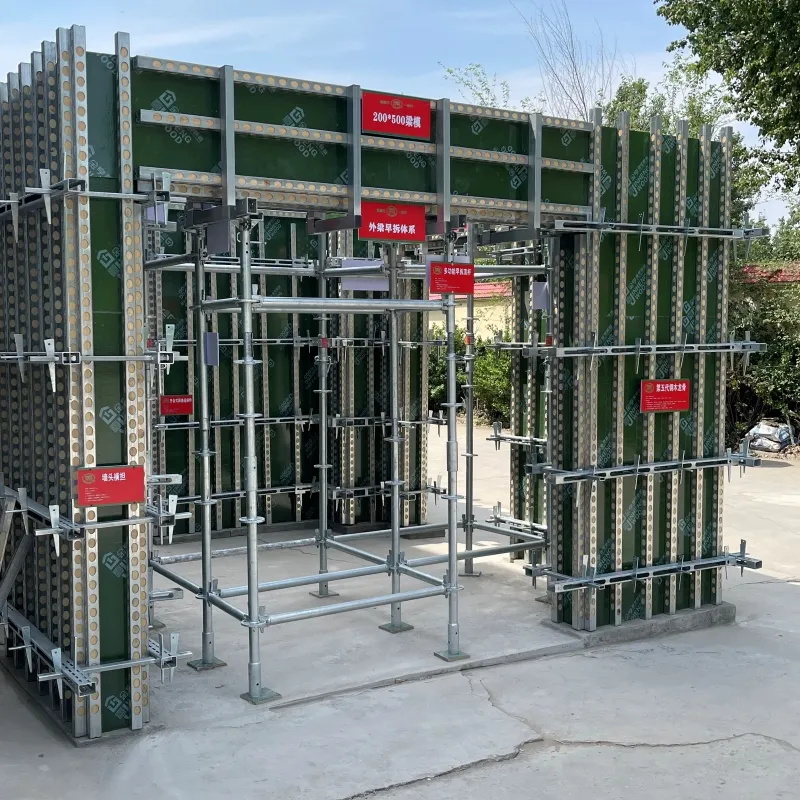
There are several types of pro scaffolding available, each suited for different applications. Some of the most common include: Frame scaffolding, known for its ease of assembly and portability; System scaffolding, offering a high degree of flexibility and load capacity; Mobile scaffolding, providing a rolling work platform for quick access to different areas; and Suspended scaffolding, ideal for high-rise projects and facade work. Selecting the appropriate type depends on factors like project height, complexity, and budget. Formwork Reinforced offers a comprehensive range of scaffolding solutions to meet diverse project needs.
Scaffolding Type Overview:
• Frame Scaffolding: Easy to assemble, portable, suitable for low to medium heights.
• System Scaffolding: Highly adaptable, high load capacity, ideal for complex structures.
• Mobile Scaffolding: Rolling platform, quick access, suitable for interior and exterior work.
• Suspended Scaffolding: High-rise projects, facade work, requires specialized installation.
Pro Scaffolding vs. Traditional Access Methods: A Comparison
Comparing pro scaffolding to traditional access methods reveals significant advantages in terms of safety and efficiency. Ladders, while convenient for small tasks, pose a high risk of falls. Makeshift platforms are inherently unstable and unsafe. Professional scaffolding provides a secure, stable, and code-compliant work platform, minimizing the risk of accidents and injuries. While scaffolding may have a higher initial cost, the long-term benefits – reduced insurance premiums, improved productivity, and enhanced worker morale – far outweigh the expense.
Essential Safety Considerations When Using Pro Scaffolding
Safety is paramount when working with scaffolding. All personnel must receive proper training on scaffold erection, inspection, and dismantling. Regular inspections are crucial to identify and address any potential hazards. Guardrails, toe boards, and access ladders must be in place and maintained. Workers should always wear appropriate personal protective equipment (PPE), including hard hats, safety shoes, and fall protection harnesses when required. Adherence to OSHA regulations and local building codes is essential for ensuring a safe work environment. Formwork Reinforced provides safety training resources and compliant scaffolding solutions.
Choosing the Right Pro Scaffolding Supplier
Selecting a reputable scaffolding supplier is crucial. Look for a company with a proven track record of safety, quality, and reliability. Ensure they offer a wide range of scaffolding systems to meet your specific needs. Verify that the supplier provides thorough training and support. Competitive pricing is important, but don't compromise on quality or safety. Formwork Reinforced is a leading provider of pro scaffolding solutions, committed to delivering superior products and exceptional customer service.
Conclusion: Investing in Safe Access with Pro Scaffolding
Investing in pro scaffolding is a critical step towards ensuring workplace safety, improving efficiency, and achieving project success. By choosing the right scaffolding system and adhering to safety best practices, you can protect your workers, minimize risks, and deliver projects on time and within budget. Don't compromise on safety – choose a reliable scaffolding partner like Formwork Reinforced.
Frequently Asked Questions (FAQs)
What is the maximum load capacity of pro scaffolding?
The maximum load capacity of pro scaffolding varies depending on the type of system and its configuration. Frame scaffolding typically has a load capacity of 750-1000 lbs per section. System scaffolding can handle significantly higher loads, up to 2000 lbs per section or more. It’s crucial to consult the manufacturer's specifications and load charts before using any scaffolding system. Overloading scaffolding can lead to catastrophic failure and serious injuries. Always distribute weight evenly and never exceed the specified load limits.
How often should scaffolding be inspected?
Scaffolding should be inspected before each work shift and after any alterations or inclement weather. A qualified person should conduct these inspections, checking for damaged components, loose connections, and proper installation. Detailed inspection records should be maintained. Any deficiencies should be corrected immediately before work begins. Regular inspections are essential for identifying and mitigating potential hazards.
What training is required for scaffolding use?
OSHA requires that workers who erect, dismantle, move, or alter scaffolding receive comprehensive training. This training should cover hazard recognition, safe work practices, proper use of PPE, and inspection procedures. Supervisors also need training to ensure proper oversight and compliance with safety regulations. Formwork Reinforced offers training resources to help you meet these requirements.
Can scaffolding be used in windy conditions?
Using scaffolding in windy conditions poses a significant hazard. Most scaffolding manufacturers specify maximum wind speeds for safe operation. Work should be stopped if wind speeds exceed these limits. Scaffolding should be properly braced and secured to withstand wind loads. It’s crucial to monitor weather forecasts and take appropriate precautions to protect workers from wind-related hazards.
-
Comprehensive Guide to Scaffolding Rods for Safe Construction PracticesNewsFeb.24,2026
-
Comprehensive Guide to Different Types of Scaffolding for Construction ProjectsNewsFeb.11,2026
-
The Crucial Role and Safe Use of Scaffolding in Modern Construction ProjectsNewsJan.30,2026
-
Maximize Productivity and Safety with a Versatile 7m Scaffold TowerNewsJan.27,2026
-
6m Scaffold Tower: A Comprehensive Guide for B2B BuyersNewsJan.26,2026
-
6ft Scaffold: Durability and Safety in ConstructionNewsJan.25,2026
-
6 Scaffolding: A Modern Construction SolutionNewsJan.24,2026