
Premium Scaffolding & Adjustable Systems for Safety & Efficiency
Industry Trends in Advanced Scaffolding Solutions
The global market for advanced temporary access solutions, commonly known as scaffolding, is undergoing significant transformation driven by stringent safety regulations, technological advancements, and a growing emphasis on operational efficiency. Industry reports project a Compound Annual Growth Rate (CAGR) of over 5% for the global scaffolding market from 2023 to 2030, reaching an estimated value of USD 80 billion. This growth is primarily fueled by increasing infrastructure development, particularly in emerging economies, alongside robust maintenance and renovation activities in mature markets.
Key trends include the widespread adoption of modular and system scaffolding, which offers enhanced safety, faster erection, and greater adaptability compared to traditional tube and coupler systems. Material innovation is also a critical factor, with lightweight yet high-strength aluminium scaffolding gaining traction due to its ease of handling, corrosion resistance, and reusability, despite a potentially higher initial aluminium scaffolding price. Digital integration, such as Building Information Modeling (BIM) for precise design and planning, and IoT-enabled monitoring for structural integrity, are becoming standard practices, optimizing project timelines and reducing risks.
Furthermore, there's a heightened demand for sustainable solutions, prompting manufacturers to focus on recyclable materials and production processes that minimize environmental impact. The drive towards zero-harm work environments is pushing for innovations like integrated fall protection systems, advanced guardrail solutions, and enhanced stability features across all types of scaffolding.
Manufacturing Process: Precision and Durability
The production of high-performance scaffolding components, such as our "Standards - Early Release" line, adheres to rigorous engineering principles and quality control protocols. The manufacturing process is designed to ensure maximum strength, durability, and safety for demanding industrial and construction applications. Our materials primarily consist of high-grade steel, often Q235 or Q345, for robust structural integrity, and specialized aluminum alloys (e.g., 6061-T6 or 6082-T6) for lightweight, corrosion-resistant systems.
The typical process flow includes:
- Material Sourcing & Preparation: Raw steel pipes or aluminum extrusions are selected based on precise metallurgical specifications. These materials undergo initial inspection for dimensional accuracy and material composition.
- Cutting & Forming: Advanced CNC cutting machines ensure precise lengths and angles for all components. Specialized bending and rolling equipment form tubes and profiles into required shapes, maintaining structural integrity and tight tolerances.
- Welding: Components are joined using highly controlled welding processes, such as MIG (Metal Inert Gas) or TIG (Tungsten Inert Gas) welding. Certified welders ensure full penetration and defect-free welds, critical for load-bearing capacity. Robotic welding is often employed for consistency and speed.
- Casting/Forging (for specific components): Certain elements like base plates, couplers, or specialized connectors may be produced through casting (e.g., ductile iron) or hot forging processes to achieve superior strength and complex geometries not feasible with simple fabrication. CNC machining then refines these components.
- Surface Treatment: To enhance corrosion resistance and extend service life, components undergo surface treatment. Hot-dip galvanization (HDG) to EN ISO 1461 standards is standard for steel components, providing a thick, durable zinc coating. Aluminum components may receive anodization or powder coating. This treatment is crucial for performance in harsh environments, such as petrochemical plants or offshore platforms, where corrosion resistance translates to significant energy saving in maintenance over a 15-20 year service life.
- Assembly & Quality Control: Sub-assemblies are put together, followed by comprehensive quality inspections. These include visual checks, dimensional verification, weld integrity testing (e.g., magnetic particle inspection, ultrasonic testing), and mechanical testing (e.g., load testing, hardness testing) to comply with international standards such as ISO 9001, EN 12810/12811, and ANSI/ASSE A10.8.
Our products are designed for extreme durability, with a typical service life exceeding 15 years under proper maintenance, even in target industries like petrochemical, metallurgy, water supply & drainage, and shipbuilding where corrosive agents are prevalent. The emphasis on high-quality materials and processes ensures superior performance in typical application scenarios, such as maintaining structural integrity on offshore rigs or providing stable access for boiler maintenance, where energy saving is a direct result of reliable, long-lasting equipment reducing downtime.
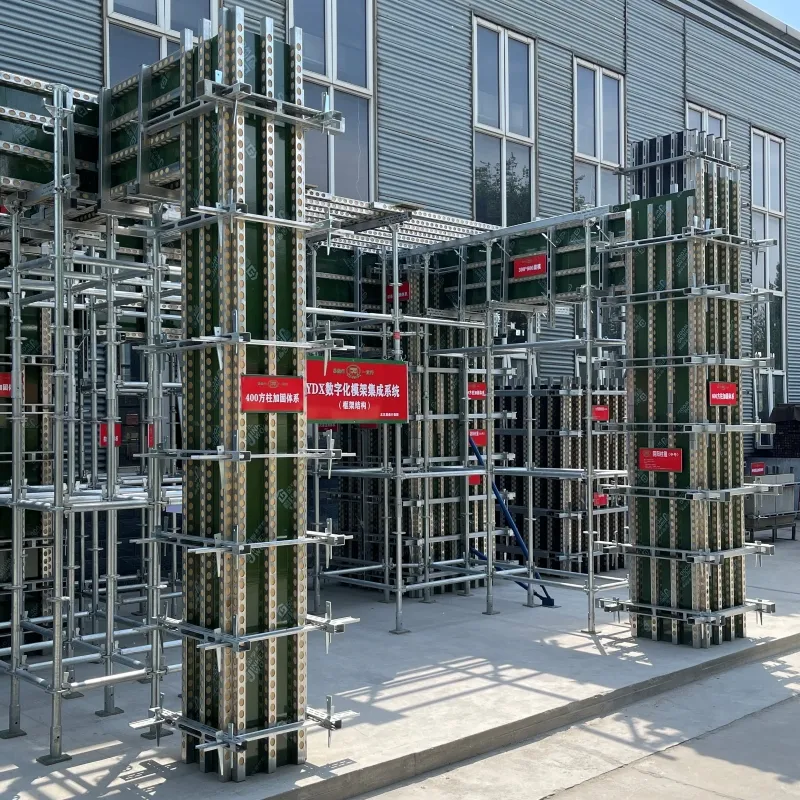
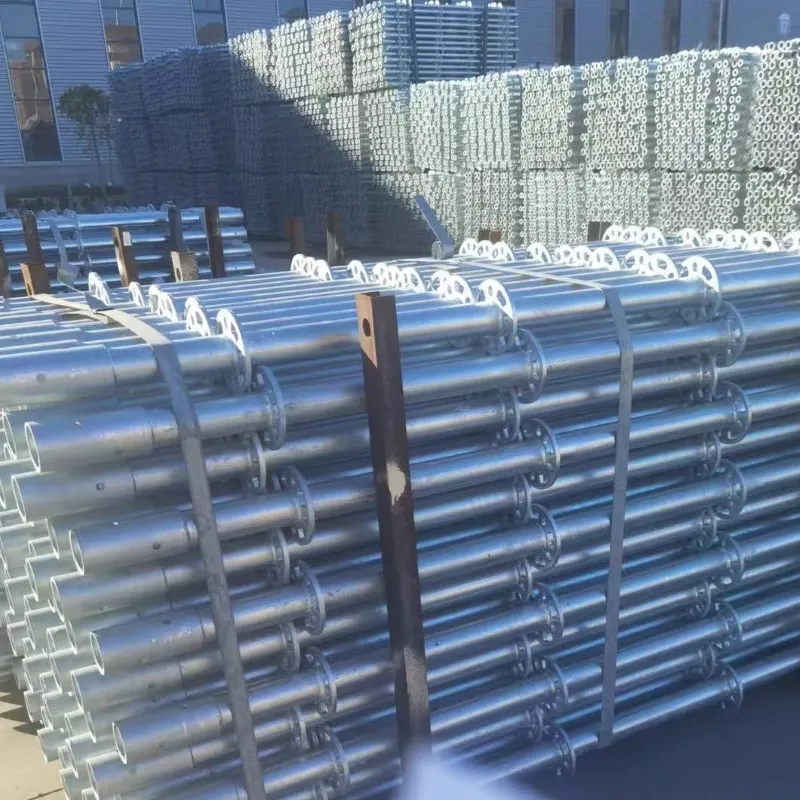
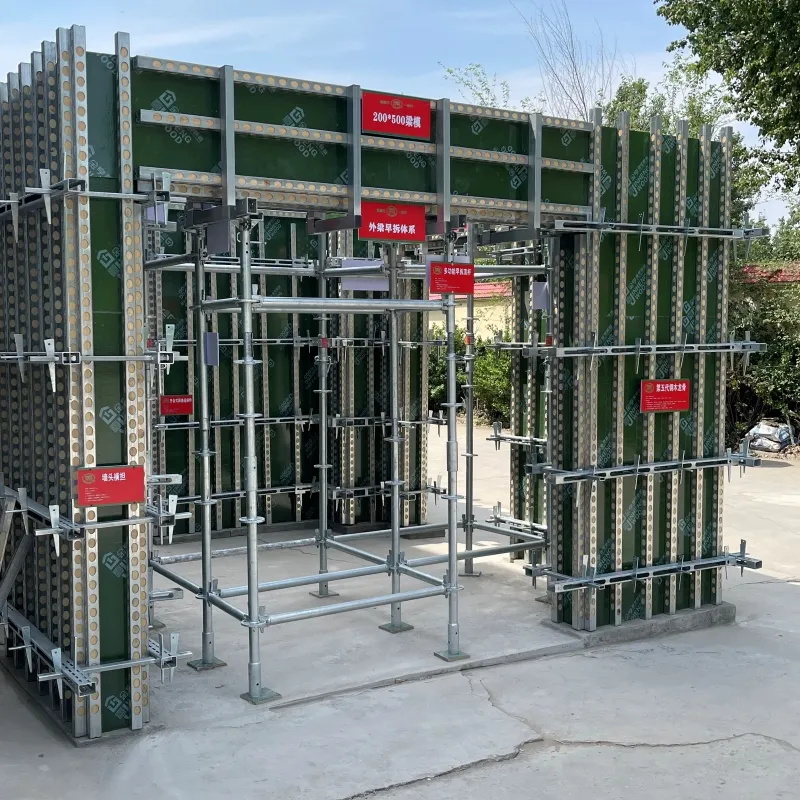
Fig 1: Advanced manufacturing techniques ensure structural integrity.
Technical Specifications and Performance Parameters
Understanding the technical specifications of scaffolding components is paramount for ensuring safety, efficiency, and compliance on any project. Our "Standards - Early Release" products, and other high-quality system scaffolding, are engineered to precise parameters, ensuring compatibility and robust performance.
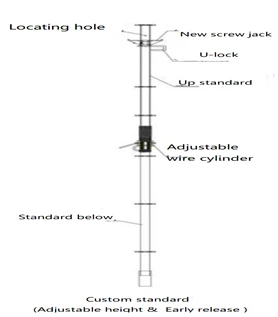
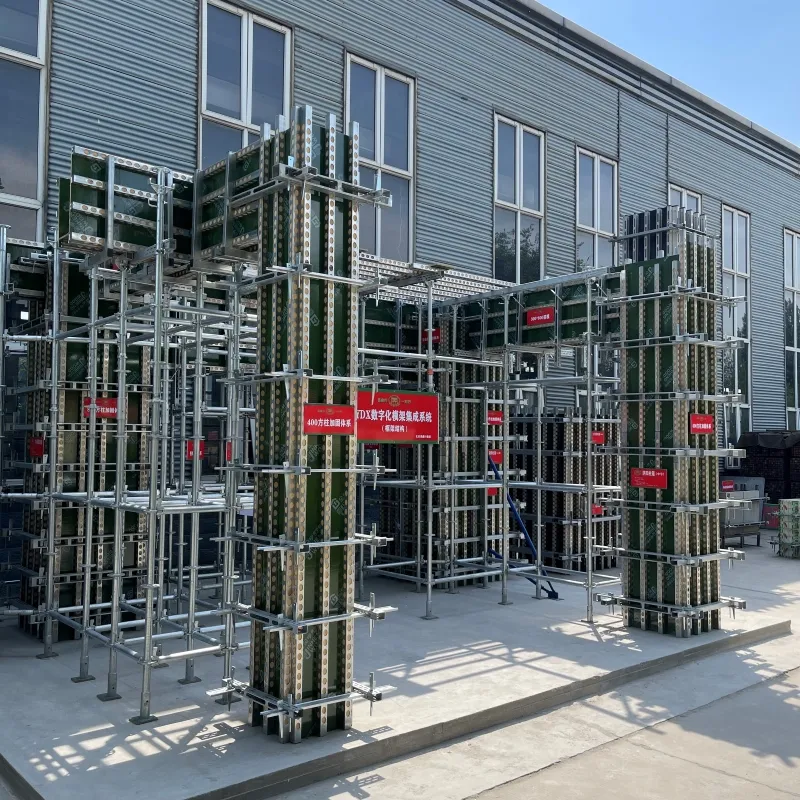
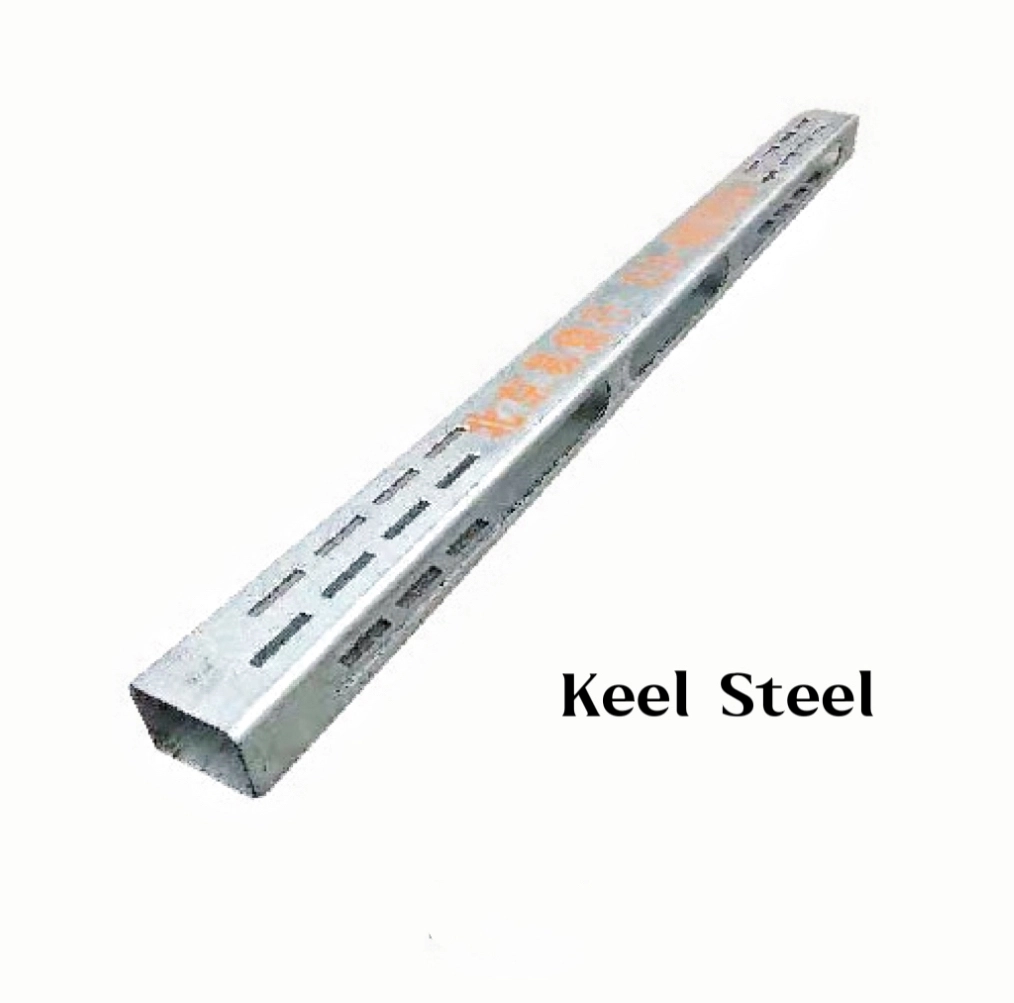
Fig 2: Precision-engineered scaffolding components.
Typical Scaffolding Vertical Standard Specifications
| Parameter | Specification (Steel - Cuplock/Ringlock Compatible) | Specification (Aluminium - Frame/Modular) |
|---|---|---|
| Material Grade | Q235/Q345 Steel (EN 10219 compliant) | 6061-T6/6082-T6 Aluminium Alloy |
| Outer Diameter (OD) | 48.3 mm (1.9 inches) | 48.3 mm or 50.8 mm |
| Wall Thickness | 3.2 mm or 4.0 mm | 4.0 mm or 4.5 mm |
| Yield Strength (min) | 235-345 MPa | 240-310 MPa |
| Ultimate Tensile Strength (min) | 360-490 MPa | 290-345 MPa |
| Surface Finish | Hot-dip Galvanized (45-85 µm zinc coating) | Mill Finish / Anodized / Powder Coated |
| Typical Standard Lengths | 0.5m to 3.0m (in 0.5m increments) | 1.0m to 4.0m (customizable) |
| Load Capacity (per standard) | Up to 60 kN (depending on bracing and configuration) | Up to 45 kN (depending on bracing and configuration) |
| Compliance Standards | EN 12810, EN 12811, AS/NZS 1576, ANSI/ASSE A10.8 | EN 12810, EN 12811, AS/NZS 1576, BS 1139 |
These specifications ensure that our products meet or exceed the performance requirements for safe operation, providing robust support for heavy loads and resisting environmental degradation. For example, a cuplock scaffolding price calculation often accounts for the galvanized finish's long-term value against corrosion, which is a critical factor in lifecycle cost analysis. Similarly, the inherent corrosion resistance of aluminum systems, despite a potentially higher initial aluminium scaffolding price, offers significant long-term savings in maintenance and extended usability.
Diverse Application Scenarios
The versatility of modern scaffolding systems allows for their deployment across an extensive range of industries and project types. From conventional building construction to highly specialized industrial maintenance, the adaptability of these systems ensures safe and efficient access for personnel and materials.
- High-Rise Construction: Providing safe working platforms for facade installation, concrete pouring, and structural erection on multi-story buildings.
- Industrial Plant Shutdowns & Maintenance: Essential for access to boilers, reactors, pipelines, and complex machinery in petrochemical, power generation, and metallurgical facilities. The modularity of systems like cuplock scaffolding is highly valued here for rapid assembly and disassembly.
- Bridge Construction & Maintenance: Creating suspended or supported access platforms for inspection, repair, painting, and construction of bridges and viaducts. Adjustable scaffolding components are crucial for conforming to varied geometries.
- Shipbuilding & Repair: Enabling access to hulls, tanks, and superstructures during construction, repair, and outfitting processes in shipyards.
- Offshore Platforms: Specialized, corrosion-resistant systems for maintenance and inspection of oil and gas platforms, often utilizing lightweight aluminium scaffolding for ease of transport and installation in confined spaces.
- Event Staging & Entertainment: Constructing temporary structures for stages, lighting rigs, seating, and viewing platforms at concerts, festivals, and sporting events.
- Facade Renovation & Restoration: Providing stable access for delicate work on historical buildings or complex architectural structures, requiring precise height and width adjustments.
In each scenario, the selection of the appropriate scaffolding system—be it modular ringlock, robust cuplock, or lightweight frame scaffolding—is critical. Experienced scaffolding companies offer detailed engineering and design services to tailor solutions that meet specific project demands, including load requirements, environmental conditions, and logistical challenges. The availability of adjustable scaffolding components ensures optimal fit and safety for even the most intricate access needs.
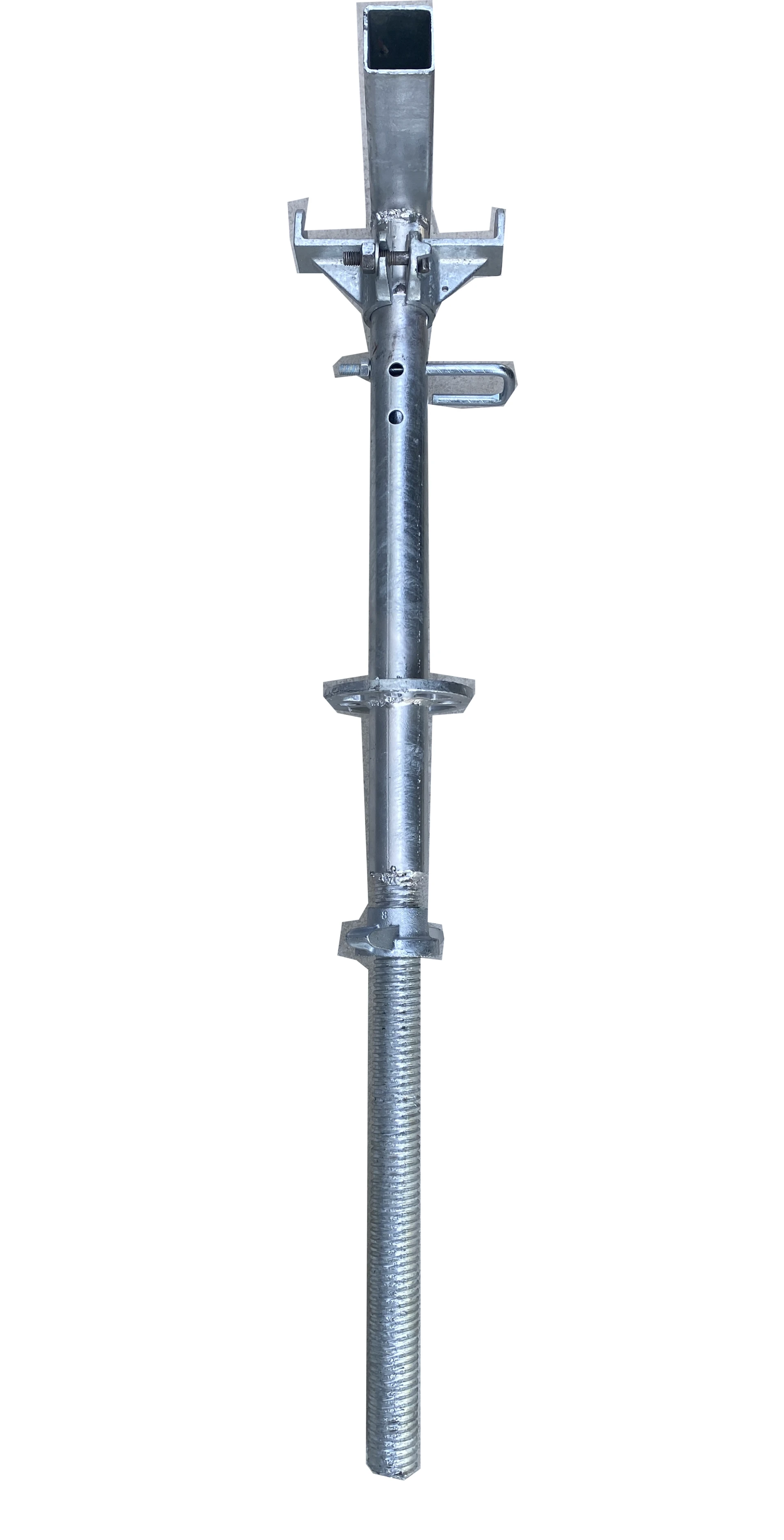
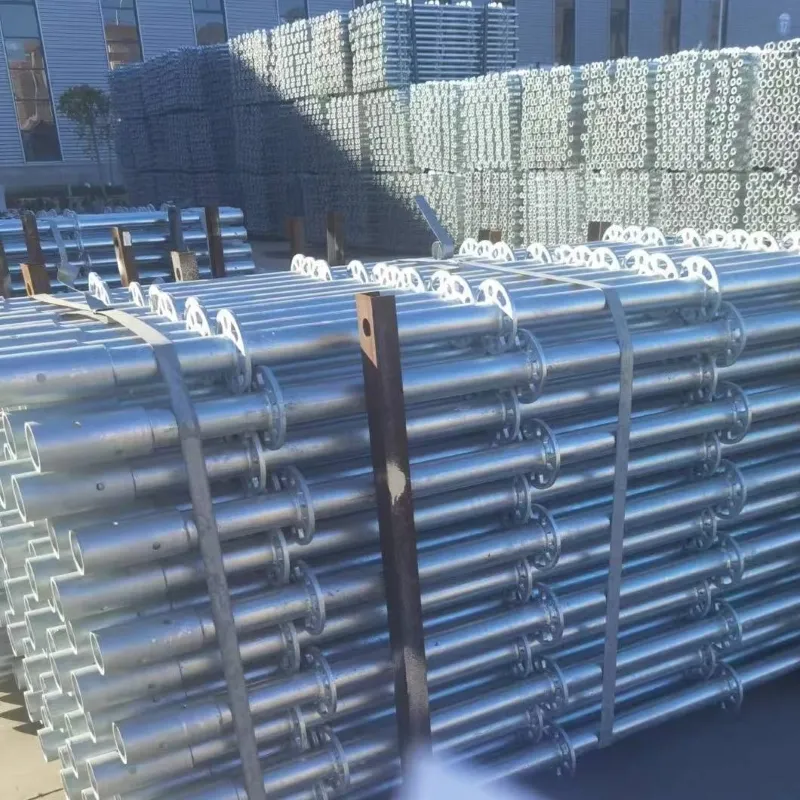
Fig 3: Scaffolding supporting complex industrial structures.
Technical Advantages and Performance Excellence
The selection of advanced scaffolding systems offers a multitude of technical advantages that directly contribute to project success, worker safety, and operational efficiency. These benefits extend beyond mere access, impacting overall project timelines and cost-effectiveness.
- Enhanced Safety Standards: Modern modular scaffolding, such as ringlock and cuplock systems, incorporates integrated safety features like rosette connections for multiple ledgers and diagonals, positive locking mechanisms, and pre-installed guardrail options. This significantly reduces the risk of human error during erection and dismantling, aligning with global safety mandates.
- Rapid Erection and Dismantling: The standardized, interlocking components allow for significantly faster assembly and breakdown compared to traditional tube and coupler systems. This translates to reduced labor costs and accelerated project schedules. For instance, studies show that system scaffolding can reduce erection time by 30-50%.
- Superior Load-Bearing Capacity: Engineered with high-strength materials (Q345 steel or 6082-T6 aluminum) and precision welding, these systems boast exceptional vertical and horizontal load capacities, allowing for heavy material handling and multiple personnel at height without compromising structural integrity.
- Versatility and Adaptability: The modular nature of advanced scaffolding permits its configuration into complex geometries, accommodating irregular building shapes, industrial machinery, and varying terrains. Adjustable scaffolding components, including adjustable bases, jacks, and extendable ledgers, provide unparalleled flexibility.
- Durability and Corrosion Resistance: Hot-dip galvanized steel components offer superior protection against rust and corrosion, extending product lifespan and reducing maintenance requirements, especially in harsh environments. Aluminium scaffolding provides inherent corrosion resistance and is ideal for coastal or chemical plant applications.
- Cost-Effectiveness Over Lifecycle: While initial investment might be higher for some advanced systems, their longevity, reusability, reduced labor requirements, and minimal maintenance costs result in a lower total cost of ownership over the product's lifespan. The efficiency gains often offset the initial cuplock scaffolding price or aluminium scaffolding price within a few projects.
These advantages position system scaffolding as the preferred choice for projects demanding high performance, safety, and efficiency. Our "Standards - Early Release" products embody these technical superiorities, ensuring reliable access solutions for our B2B partners.
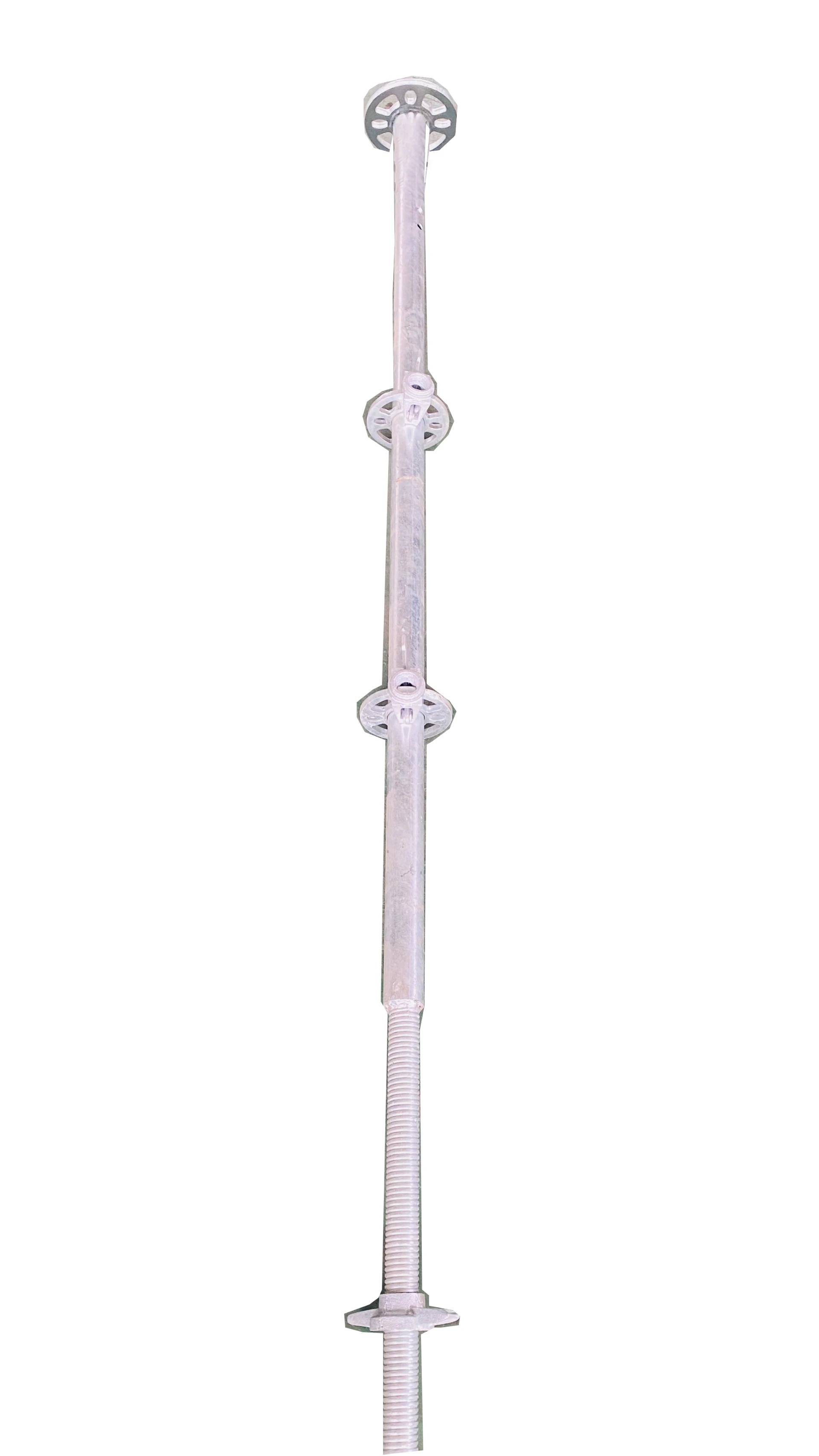
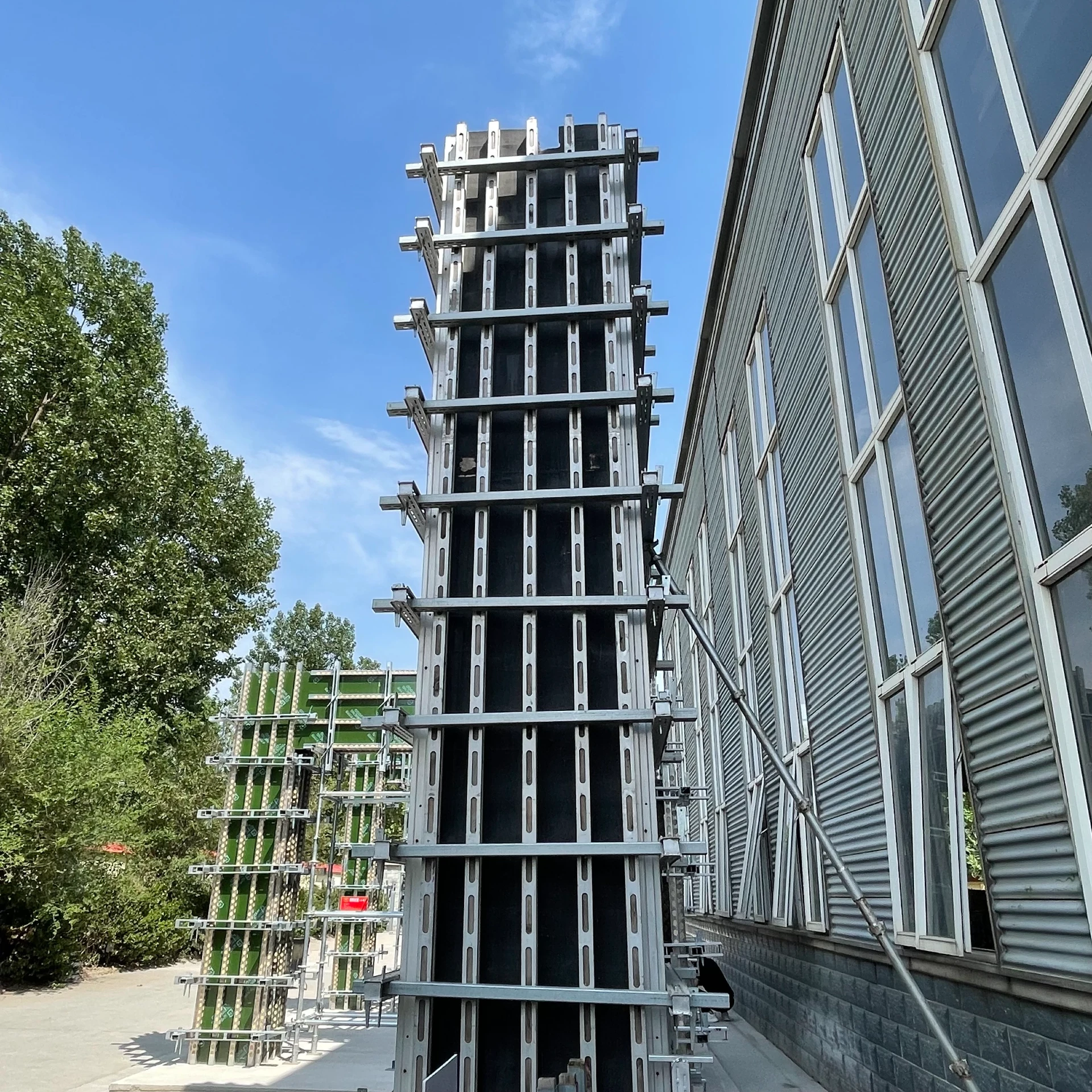
Fig 4: Modular design for rapid and secure assembly.
Vendor Comparison: Choosing the Right Scaffolding Partner
Selecting the right scaffolding vendor is a strategic decision that impacts project safety, efficiency, and budget. While many scaffolding companies offer similar products, key differentiators lie in their engineering expertise, product quality, service capabilities, and overall reliability. Below is a comparison table outlining critical factors to consider when evaluating potential suppliers for your next project.
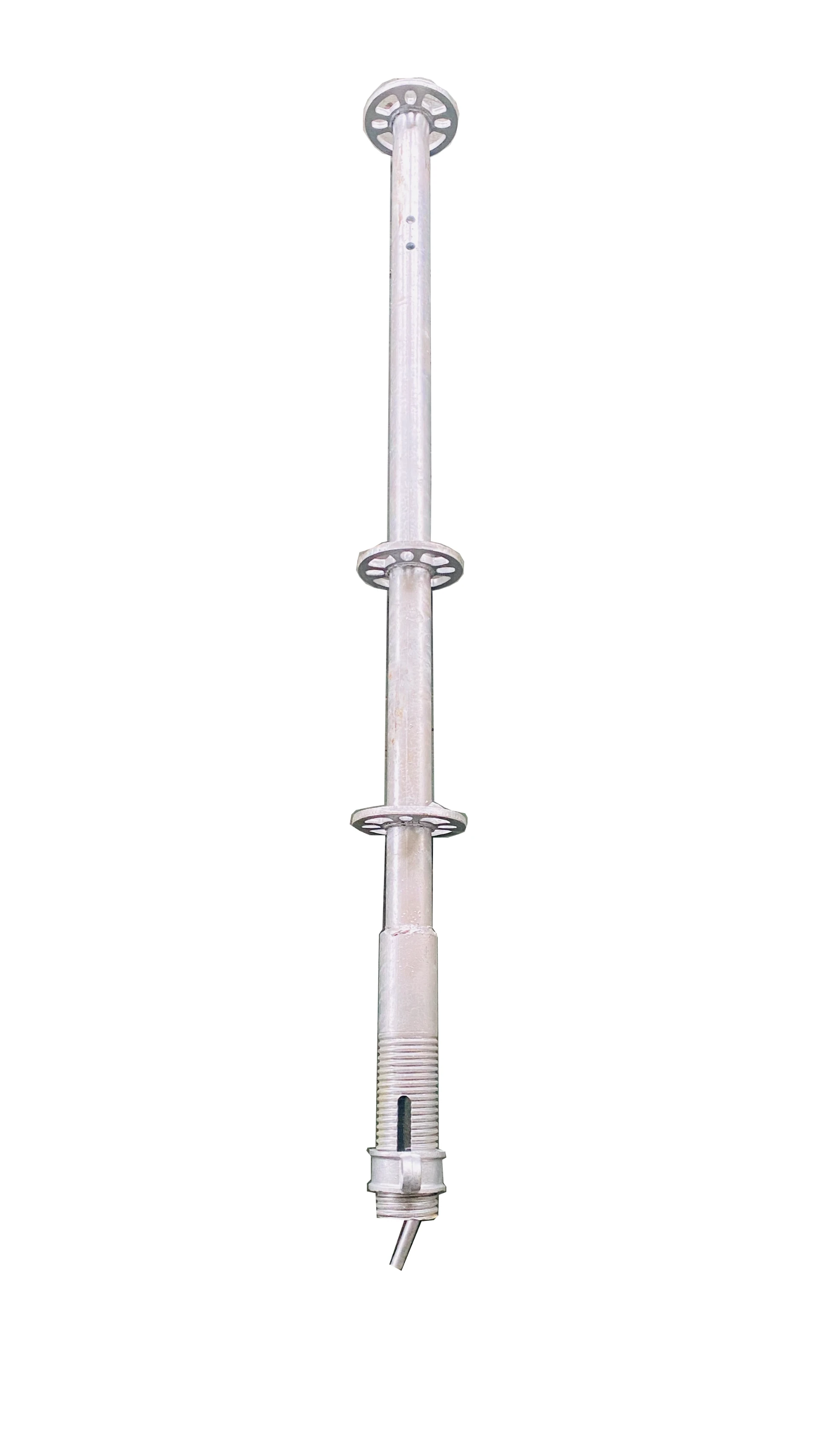
Fig 5: Comprehensive scaffolding solutions.
Scaffolding Vendor Comparison Matrix
| Feature/Criterion | Leading Supplier (e.g., Formwork Reinforced) | Standard Supplier (Typical Offerings) | Budget Supplier (Commodity Focus) |
|---|---|---|---|
| Product Quality & Certifications | ISO 9001, EN 12810/12811, AS/NZS 1576, ANSI/ASSE A10.8 compliant; Premium materials (Q345, 6082-T6); HDG finish. | Often meets basic EN/AS standards; Q235 steel; Galvanized finish. | May only meet local standards; Lower grade steel; Paint/Pre-galv finish. |
| Engineering & Design Support | Comprehensive in-house engineering, BIM integration, custom CAD designs, structural analysis. | Basic design support, standard configurations. | Minimal to no design support, reliance on client. |
| Product Range & Versatility | Extensive range: Ringlock, Cuplock, Kwikstage, Frame, Aluminium; highly customizable and adjustable scaffolding. | Limited to 1-2 major system types (e.g., Cuplock or Ringlock). | Basic frame or tube & coupler. |
| Lead Times & Logistics | Optimized production, global logistics network, reliable lead times (e.g., 4-6 weeks for large orders). | Standard lead times (6-10 weeks), regional shipping. | Variable lead times, client-arranged shipping. |
| After-Sales Support & Warranty | Dedicated technical support, comprehensive warranty, training, spare parts availability. | Basic warranty, limited technical support. | Minimal warranty, limited support. |
| Pricing (General Indicator) | Competitive, reflects high quality and comprehensive service; often provides best lifecycle cost. (e.g., optimized cuplock scaffolding price). | Mid-range, standard market rates. | Lowest upfront cost, but potential hidden costs in quality/support. |
Our commitment to quality, backed by decades of experience (established 2005) and partnerships with leading construction and industrial firms, positions us as a trusted partner. We hold multiple certifications, including ISO 9001 and various national safety standards, reinforcing our authoritativeness in the industry. For a detailed aluminium scaffolding price or cuplock scaffolding price, it's essential to consider these factors beyond just the initial quote.
Customized Scaffolding Solutions
In complex industrial or architectural projects, off-the-shelf scaffolding solutions often fall short. Recognizing this, we specialize in providing tailored scaffolding designs that address unique site challenges, unconventional geometries, and stringent safety requirements. Our approach begins with a comprehensive consultation, engaging directly with project engineers and stakeholders to understand every nuance of the application.
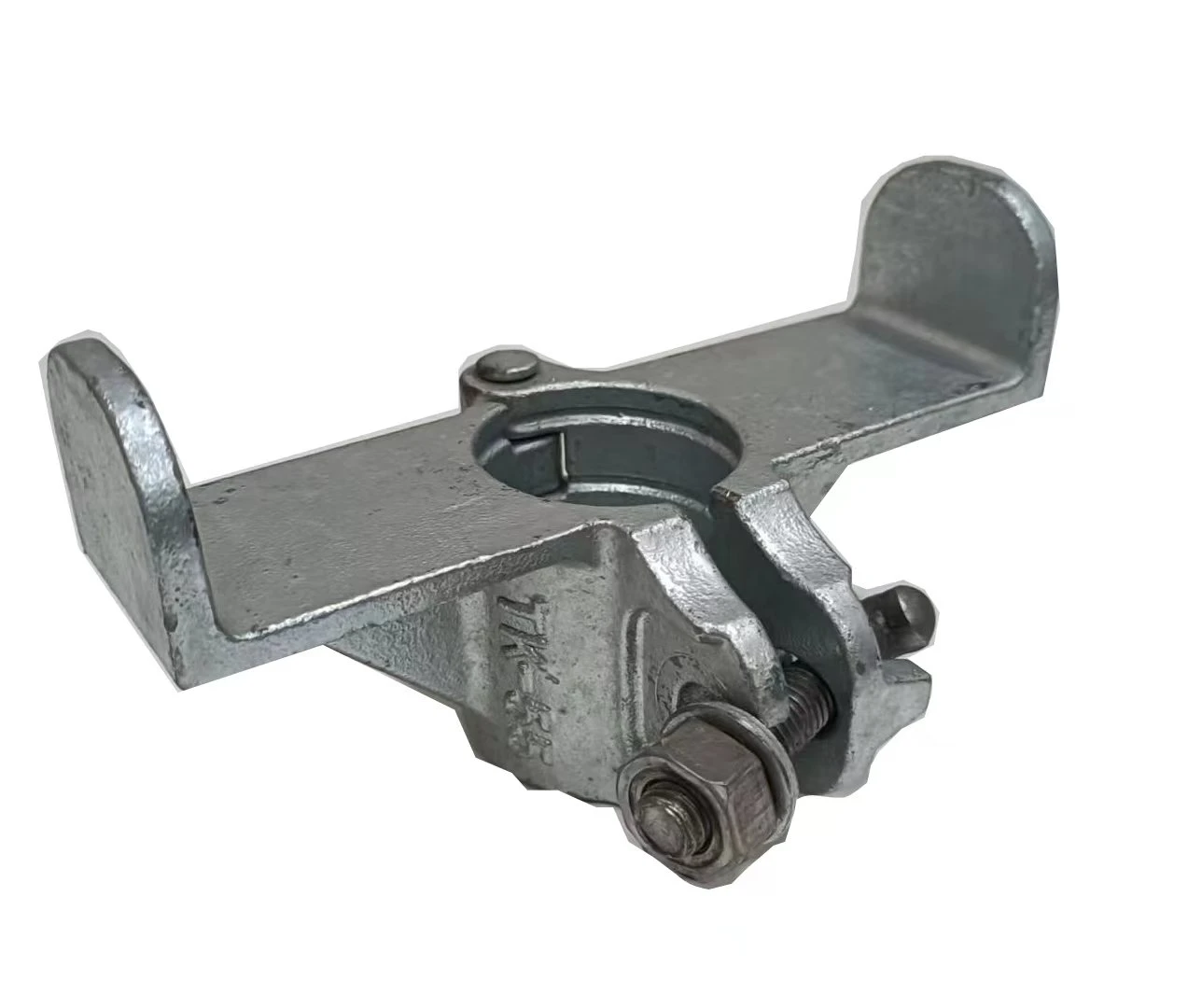
Fig 6: Tailored solutions for complex access needs.
Our engineering team leverages advanced CAD software and structural analysis tools to develop bespoke scaffolding configurations. This includes:
- Specialized Component Design: Manufacturing custom-length ledgers, transoms, or bracing, along with bespoke couplers or adaptors to interface with existing structures or equipment.
- Complex Geometry Solutions: Designing circular, cantilevered, or suspended scaffolding systems that perfectly conform to the contours of structures like storage tanks, domes, or bridges.
- Heavy-Duty Support Systems: Engineering shoring or heavy-duty access solutions for projects involving exceptionally high loads or demanding construction techniques.
- Integrated Access & Fall Protection: Incorporating specialized stair towers, hoists, and integrated fall arrest systems that are tailored to the specific flow of personnel and materials on site.
- Material Optimization: Advising on the optimal material choice (e.g., steel for robustness, aluminium for weight reduction and corrosion resistance) to meet both performance and budget goals.
This bespoke service ensures that every project receives an access solution that is not only safe and compliant but also maximally efficient and cost-effective, reflecting true project-specific value beyond the standard cuplock scaffolding price or aluminium scaffolding price.
Application Case Studies & Customer Experience
Our commitment to providing reliable and advanced scaffolding solutions is demonstrated through successful projects across various challenging environments. These case studies highlight our expertise, the robust performance of our products, and the tangible benefits realized by our clients.
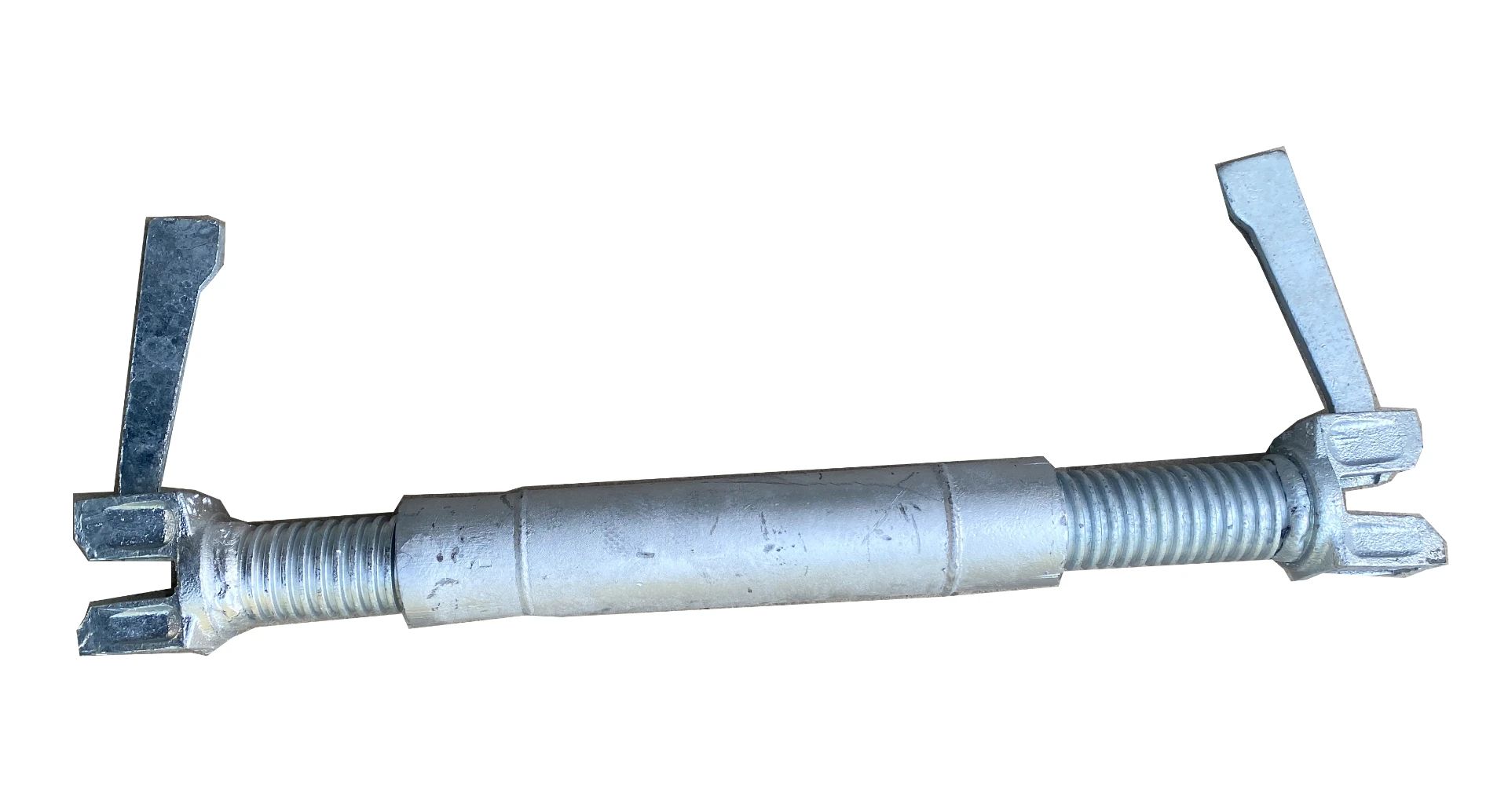
Fig 7: Scaffolding in action on a major construction site.
Case Study 1: Petrochemical Plant Turnaround
Client: Major International Energy Company
Location: Coastal Refinery, Middle East
Challenge: Required safe, rapid access for a critical 6-week plant turnaround, including work on distillation columns and heat exchangers, under corrosive marine conditions. Strict safety protocols and tight deadlines were paramount.
Solution: We provided a comprehensive modular ringlock scaffolding system, specifically utilizing hot-dip galvanized components for superior corrosion resistance. Our engineering team worked closely with the client to design complex access towers and suspended platforms, integrating adjustable scaffolding elements to navigate intricate pipework. The system's rapid erection capability significantly reduced downtime.
Outcome: The project was completed on schedule and within budget, with zero safety incidents related to scaffolding. The client praised the system's ease of assembly and dismantling, which contributed to a 20% reduction in scaffolding-related labor hours compared to previous turnarounds. "The durability and efficiency of the scaffolding from Formwork Reinforced were crucial for our turnaround success," commented the Project Manager.
Case Study 2: High-Rise Commercial Tower Facade Installation
Client: Tier-1 Construction Contractor
Location: Major Metropolitan City
Challenge: Erecting over 500 linear meters of access scaffolding for facade installation on a 40-story building with a unique, curved architectural design, demanding high stability and precise alignment.
Solution: Our team deployed a bespoke Kwikstage scaffolding system, complemented by custom-fabricated components and extensive design consultation. We integrated adjustable base jacks and U-head jacks, along with specialized bracing, to adapt to the building's curved profile and varying floor heights. Weekly site inspections and technical support ensured continuous compliance and optimal performance.
Outcome: The scaffolding provided stable and secure working platforms, facilitating the efficient and accurate installation of the facade. The modularity and robust design minimized material handling and streamlined operations. The site safety officer noted, "The stability and professional setup of the scaffolding were exemplary, meeting all our stringent safety audits."
Frequently Asked Questions (FAQ) about Scaffolding
A1: Safety is paramount. Key considerations include ensuring proper erection by trained personnel, regular inspections, adherence to load limits, proper bracing and tying, use of guardrails and toe boards, and maintaining clear access and egress routes. All scaffolding must comply with local and international safety standards (e.g., OSHA, EN 12810).
A2: System scaffolding (e.g., Ringlock, Cuplock, Kwikstage) uses prefabricated, standardized components with integrated connection points, allowing for faster and more consistent assembly. Tube and coupler scaffolding, conversely, uses individual tubes joined by external clamps, offering greater flexibility but requiring more skilled labor and time for erection.
A3: Scaffolding should be inspected before each work shift, after any alteration, after exposure to severe weather (e.g., high winds, heavy rain), and at regular intervals (e.g., weekly) by a competent person. Comprehensive initial inspection by a certified inspector is also mandatory before first use.
A4: Yes, modern aluminium scaffolding systems are engineered for significant load-bearing capacity. While generally lighter duty than steel, high-grade aluminium alloys and robust designs allow them to handle many heavy-duty access requirements, offering advantages in terms of weight, corrosion resistance, and speed of erection, which can be critical for the overall project schedule and cost-effectiveness.
A5: The cuplock scaffolding price is influenced by material quality (steel grade, galvanization thickness), manufacturing precision, component complexity, order volume, and logistical considerations. Value-added services like engineering design, certification, and after-sales support also play a role. A higher initial price often reflects superior quality and longer service life.
Lead Time, Fulfillment, Warranty, and Support
As a professional scaffolding provider, we understand the critical importance of timely delivery, reliable product performance, and robust support services for our B2B clients.
Lead Time & Fulfillment:
Our standard lead times for manufacturing and delivery typically range from 4 to 8 weeks for common system components, depending on order size and customization requirements. For large-scale projects or bespoke solutions, lead times will be communicated clearly during the quotation phase. We maintain a robust supply chain and utilize efficient logistics partners to ensure on-time global delivery, adhering to Incoterms as agreed upon. Our order fulfillment process includes detailed packing lists, container111 optimization, and comprehensive documentation for smooth customs clearance.
Warranty Commitments:
We stand behind the quality and durability of our products. All "Standards - Early Release" and other system scaffolding components come with a comprehensive 5-year warranty against manufacturing defects and material failures under normal usage conditions and proper maintenance. This warranty covers the integrity of welds, material resistance to specified environmental conditions (e.g., galvanized coating integrity), and dimensional stability in accordance with our technical specifications. Full warranty terms and conditions are provided with every order.
Customer Support & After-Sales Service:
Our commitment extends beyond delivery. We offer dedicated after-sales support to ensure the long-term success of your projects. This includes technical assistance from our engineering team for erection planning and problem-solving, availability of spare parts for routine maintenance or unexpected replacements, and optional on-site training for your assembly crews. Our customer service representatives are available via phone, email, or a dedicated online portal to address any inquiries or support needs promptly. We believe in building lasting partnerships based on trust and mutual success.
Authoritative References
- International Organization for Standardization (ISO). ISO 9001:2015 - Quality management systems – Requirements. Retrieved from www.iso.org
- European Committee for Standardization (CEN). EN 12810-1:2003 - Facade scaffolds made of prefabricated components. Parts 1 and 2. Retrieved from www.en-standard.eu
- American National Standards Institute (ANSI) & American Society of Safety Professionals (ASSP). ANSI/ASSE A10.8-2019 - Safety Requirements for Scaffolding. Retrieved from www.asse.org
- Occupational Safety and Health Administration (OSHA). Scaffolding eTool. U.S. Department of Labor. Retrieved from www.osha.gov
- Mordor Intelligence. Scaffolding Market – Growth, Trends, COVID-19 Impact, and Forecasts (2023 - 2028). Retrieved from www.mordorintelligence.com
-
Comprehensive Guide to Scaffolding Rods for Safe Construction PracticesNewsFeb.24,2026
-
Comprehensive Guide to Different Types of Scaffolding for Construction ProjectsNewsFeb.11,2026
-
The Crucial Role and Safe Use of Scaffolding in Modern Construction ProjectsNewsJan.30,2026
-
Maximize Productivity and Safety with a Versatile 7m Scaffold TowerNewsJan.27,2026
-
6m Scaffold Tower: A Comprehensive Guide for B2B BuyersNewsJan.26,2026
-
6ft Scaffold: Durability and Safety in ConstructionNewsJan.25,2026
-
6 Scaffolding: A Modern Construction SolutionNewsJan.24,2026