
Portable Scaffold Tower – Durable & Safe Industrial Platforms
The Reliable Choice: Portable Scaffold Tower in Industrial Work
Having spent over a decade working hands-on in the industrial equipment sector, I can tell you that when it comes to on-site accessibility and worker safety, the portable scaffold tower is often the unsung hero. It’s one of those tools that doesn’t get flashy reviews but quietly makes a huge difference day after day.
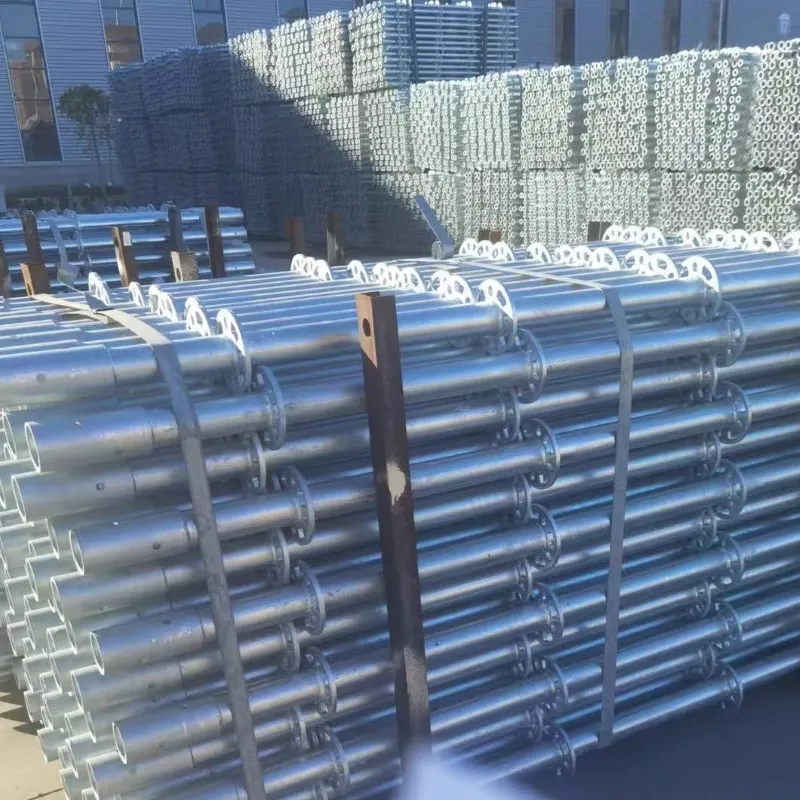
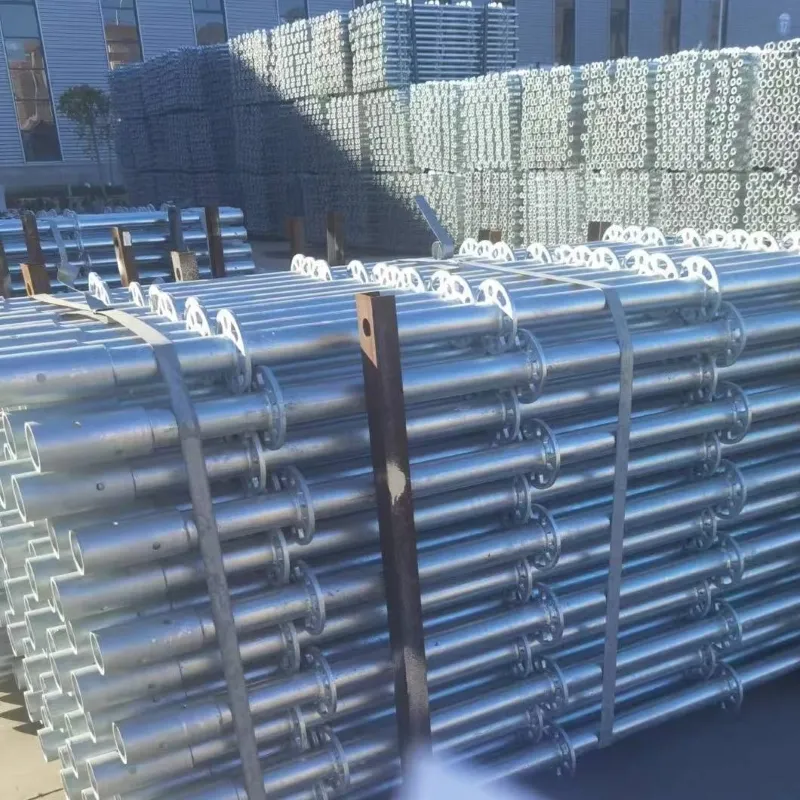
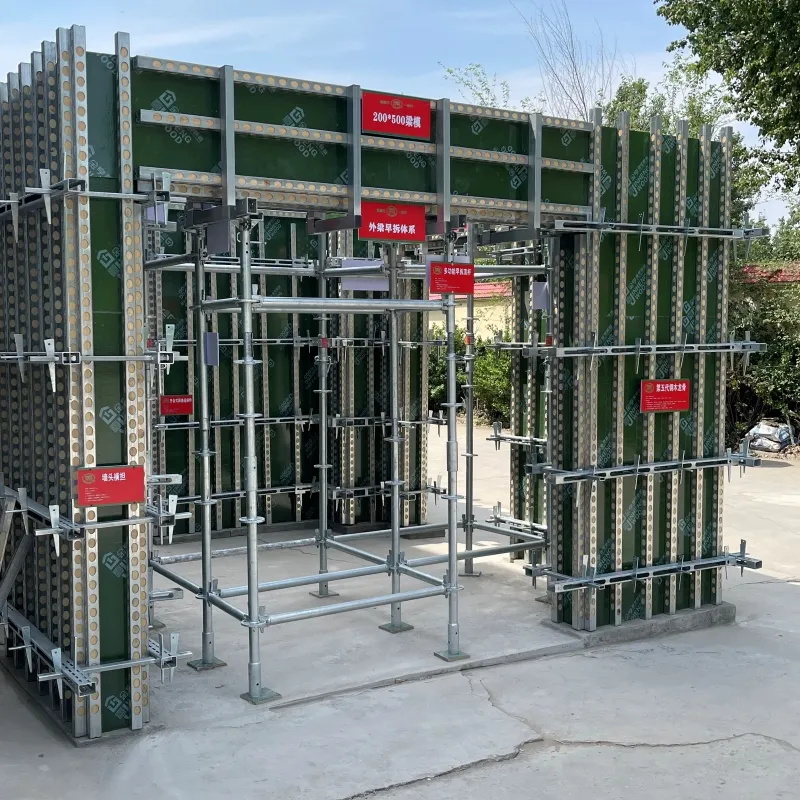
First off, let’s get practical. Portable scaffold towers are designed primarily to provide safe elevated working platforms. You’ll find them built to be lightweight yet sturdy, often using galvanized steel or aluminum frames. Frankly, it’s this combination that makes them portable without compromising on safety—a fine balance that’s not as easy as it sounds. Back in my early days, I remember one project where the site had uneven ground. We swapped out the standard steel scaffold for a lightweight aluminum tower with adjustable legs; that adaptability saved us weeks and kept the crew secure.
Oddly enough, the material choice also affects corrosion resistance, which many don’t consider upfront. In my experience, aluminum towers tend to last longer in damp or coastal environments but can be pricier upfront. Steel towers, especially those treated with galvanization, perform well but need periodic inspections to avoid rust. Safety standards like EN 1004 or OSHA regulations mandate thorough testing—loads, footings, guardrails—so verifying these compliance marks is crucial before purchase.
Now, let’s talk specs because numbers matter when you’re deciding what to buy or rent. A good portable scaffold tower will provide a safe working height of up to 5 meters or more, depending on your needs, and support live loads commonly around 200 kg per platform. What’s more, locking castor wheels are standard to prevent unwanted movement during work.
| Feature | Typical Specs |
|---|---|
| Material | Aluminum or Galvanized Steel |
| Max Working Height | 5 m – 12 m (modular) |
| Load Capacity | Up to 200 kg per platform |
| Platform Size | 1.5 m × 0.7 m (typical) |
| Mobility | Lockable castor wheels |
| Compliance | EN 1004, OSHA |
I suppose anyone who’s worked a site long enough quickly notices that no two jobs are alike. Portable scaffold towers, quite naturally, come with customization options. For example, adding outriggers for extra stability or non-slip platforms for oily surfaces can make a big difference. I recall a paint contractor who swore by their cushioned platforms to reduce fatigue during long shifts—small tweaks like that can improve morale as much as safety.
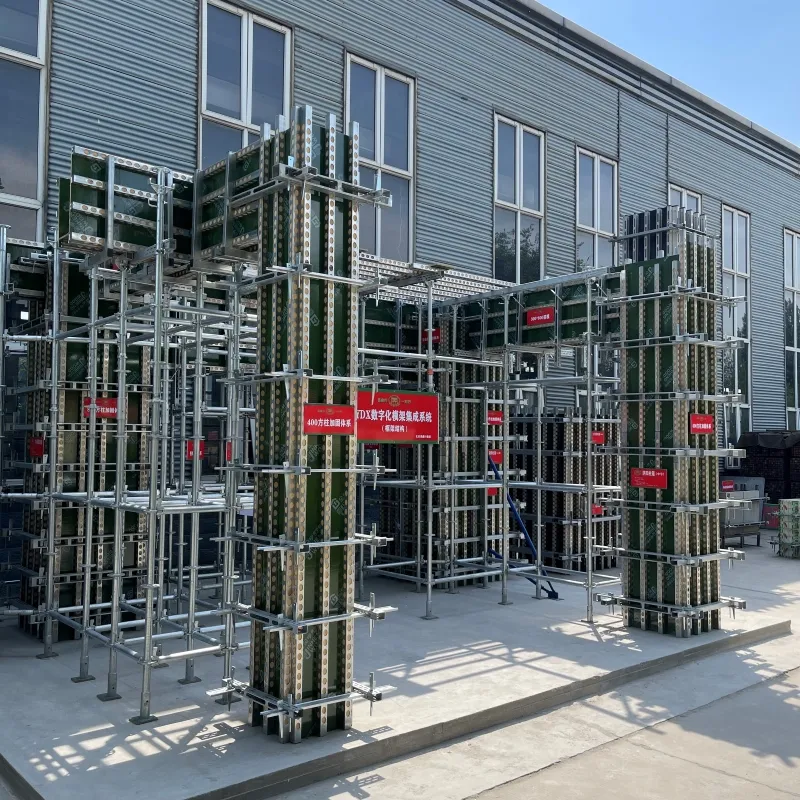
Speaking of contractors, I once worked alongside a crew who had a vendor dispute over scaffold quality. The good news: not all scaffold towers are created equal. That’s where knowing who you buy from matters. Here’s a simple comparison I put together between three major suppliers I’ve seen commonly used in the field. It’s not exhaustive, but hopefully helpful.
| Vendor | Price Range | Material | Max Height | Warranty |
|---|---|---|---|---|
| Formwork Reinforced | $$$ | Galvanized Steel | 12 m | 5 years |
| TowerPro | $$ | Aluminum | 10 m | 3 years |
| SafeBuild | $$$ | Galvanized Steel | 8 m | 4 years |
My takeaway? Always consider upfront costs but weigh heavily the long-term durability and the warranty terms. You don’t want downtime caused by faulty equipment. Also, training the crew to use these towers correctly is key—no scaffold should feel inherently “tricky” or unsafe if following manufacturer guidelines.
You know, over the years, I've noticed a trend towards lighter, modular scaffold towers that ship compactly and assemble quickly. It’s a real boon for smaller contractors or maintenance teams who need flexibility on varied job sites. It feels like these innovations are slowly transforming a traditionally rigid market into something more adaptable and user-friendly.
In closing, whether you’re erecting high-rise repairs or a quick inspection platform, the portable scaffold tower remains an essential piece of equipment. Choosing it wisely, customizing where possible, and respecting safety guidelines will keep your projects rolling smoothly—and your team safe.
Stay safe out there.
References:
- EN 1004: Mobile access and working towers made of prefabricated elements — Materials, dimensions, design loads
- Occupational Safety and Health Administration (OSHA) - Scaffolding Standards
- Industry case studies & personal interviews, 2015–2023
-
Comprehensive Guide to Scaffolding Rods for Safe Construction PracticesNewsFeb.24,2026
-
Comprehensive Guide to Different Types of Scaffolding for Construction ProjectsNewsFeb.11,2026
-
The Crucial Role and Safe Use of Scaffolding in Modern Construction ProjectsNewsJan.30,2026
-
Maximize Productivity and Safety with a Versatile 7m Scaffold TowerNewsJan.27,2026
-
6m Scaffold Tower: A Comprehensive Guide for B2B BuyersNewsJan.26,2026
-
6ft Scaffold: Durability and Safety in ConstructionNewsJan.25,2026
-
6 Scaffolding: A Modern Construction SolutionNewsJan.24,2026