
Optimal Concrete Cover for Rebar | Protect & Position Rebar
The Critical Role of concrete cover for rebar in Structural Integrity
In reinforced concrete construction, the strategic placement and adequate protection of reinforcing steel (rebar) are paramount to ensuring long-term structural integrity and durability. A fundamental aspect of this protection is the provision of precise concrete cover, which refers to the depth of concrete surrounding the rebar. This cover acts as a crucial barrier against environmental aggressors, including moisture, chlorides, and carbon dioxide, which can lead to corrosion of the steel reinforcement. Insufficient or inconsistent concrete cover can significantly compromise the service life of a structure, leading to costly repairs and potential safety hazards.
The accessories used to maintain this critical spacing, often referred to as reinforcing bar positioners, spacers, or cover blocks, are engineered components designed to accurately position the rebar cage within the formwork. These specialized components, including those made from high-strength concrete or durable plastics, ensure that the specified cover is achieved on all sides of the reinforcement, fulfilling the design intent for fire resistance, corrosion protection, and structural performance. Proper concrete cover for rebar is not merely a construction guideline; it is a cornerstone of resilient infrastructure.
Industry Trends in Concrete Construction and Cover Reinforcement
The construction industry is constantly evolving, driven by demands for greater sustainability, enhanced durability, and cost-efficiency. Current trends significantly impact the design and application of products like concrete cover for rebar. There's a growing emphasis on high-performance concrete (HPC) and ultra-high-performance concrete (UHPC), which offer superior strength and reduced permeability. These materials, however, require equally robust and precise spacing solutions to maximize their benefits.
Another key trend is the increasing adoption of Building Information Modeling (BIM), which allows for precise planning and visualization of rebar placement and cover requirements, reducing errors on site. Furthermore, environmental considerations are leading to the development of eco-friendly spacer materials, including those made from recycled aggregates or sustainable concrete mixes. The demand for advanced corrosion protection strategies, particularly in aggressive environments like coastal areas or industrial zones, is also driving innovation in the composition and design of cover reinforcement elements.
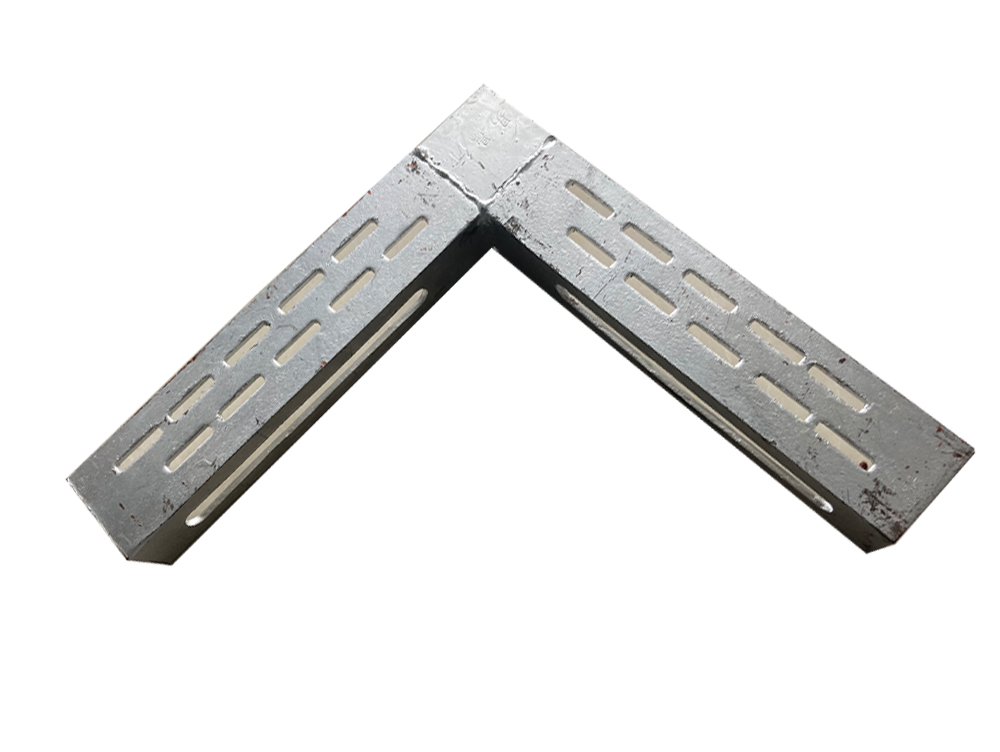
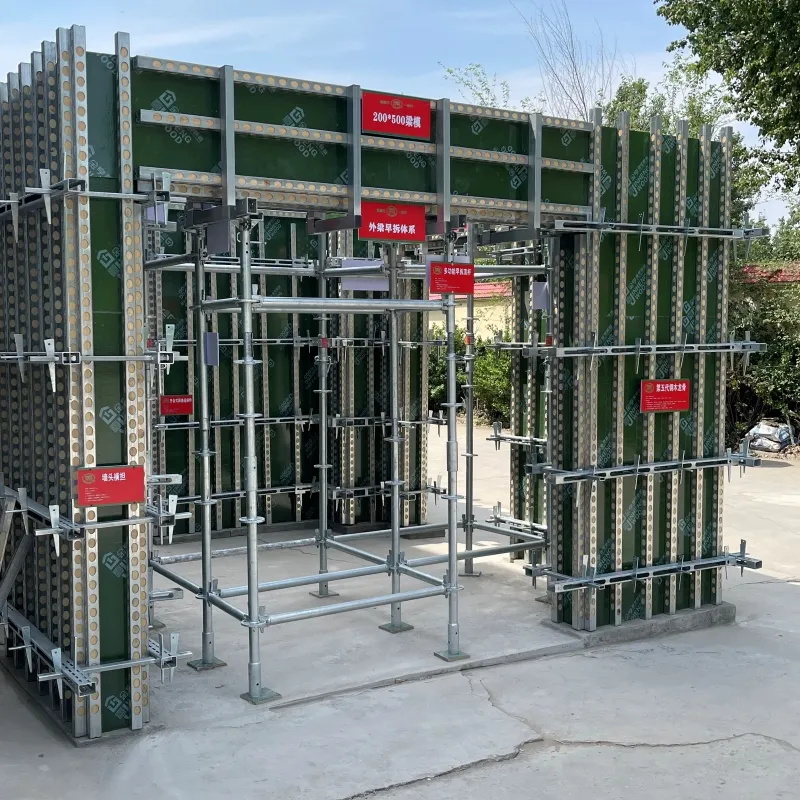
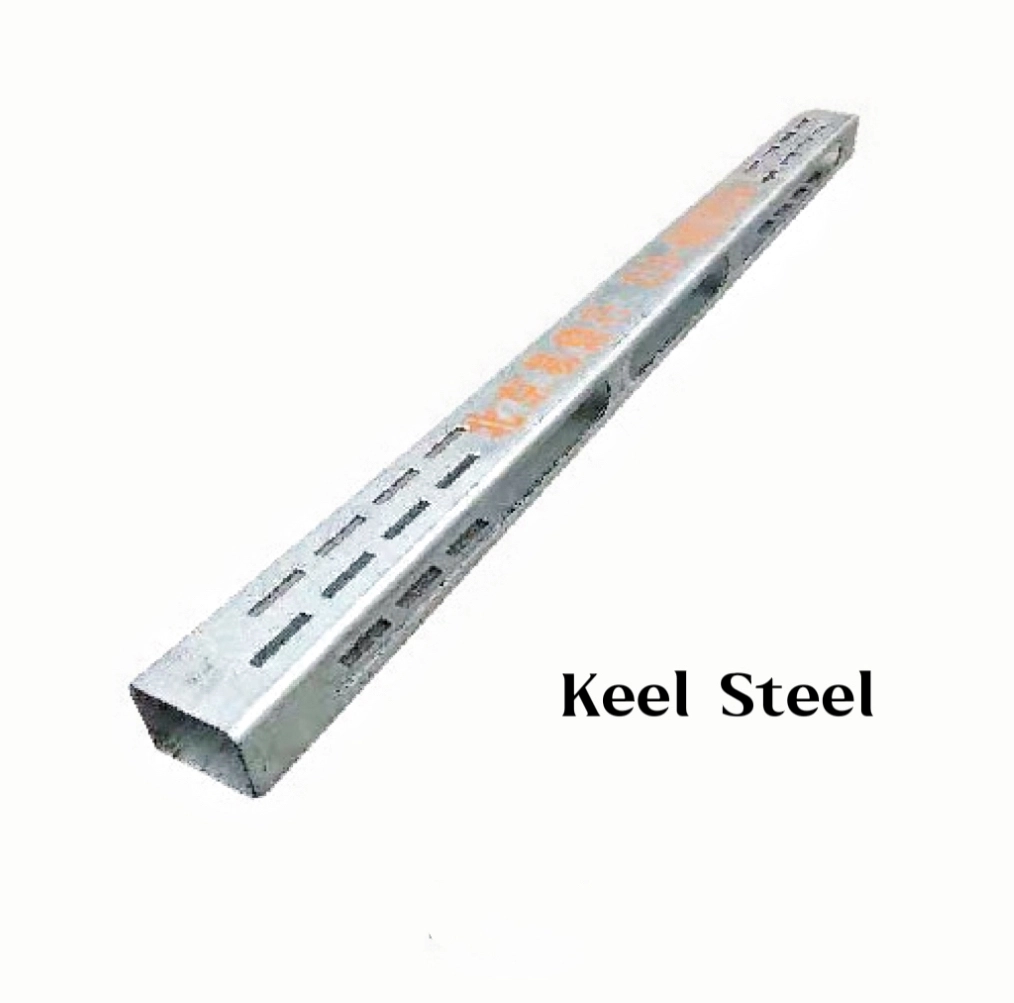
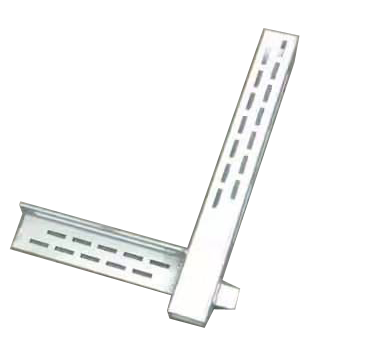
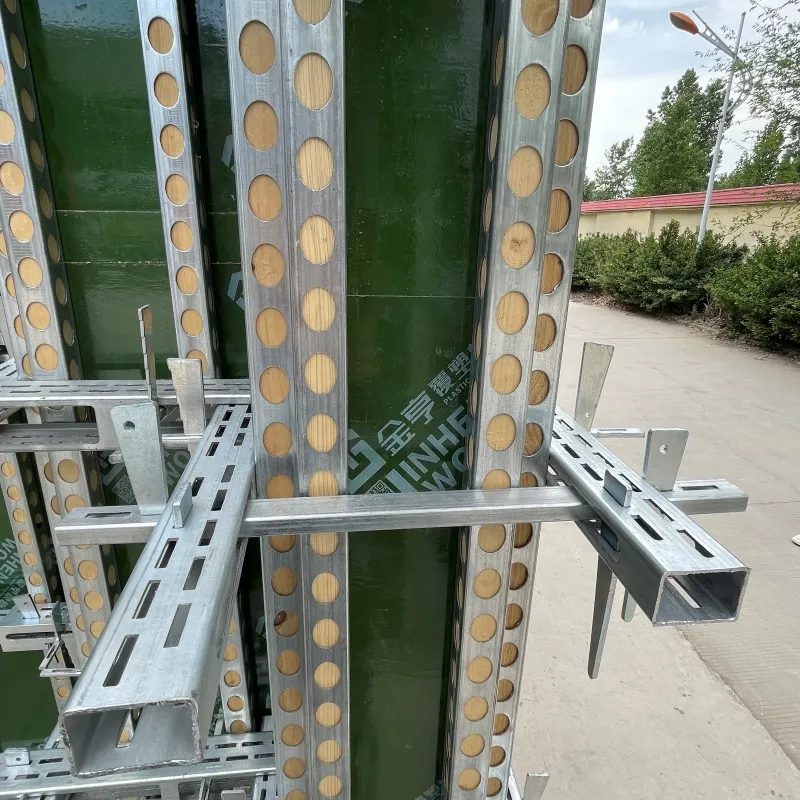
Simultaneously, the development of specialized formwork systems, including advanced shuttering and pre-cast concrete technologies, necessitates compatible and robust `reinforcing bar positioners`. These systems often demand spacers that can withstand higher pressures, maintain their position during concrete pouring, and integrate seamlessly with complex reinforcement geometries. The future of concrete cover for rebar lies in materials science advancements, digital integration, and tailor-made solutions for increasingly complex and performance-driven construction projects. The related keywords like `slotted angle steel` and `rack slotted angle` come into play in the broader context of formwork support structures and storage for these accessories on construction sites, indicating a holistic approach to construction material management.
Technical Specifications and Parameters
The efficacy of any concrete cover for rebar solution is defined by its adherence to stringent technical specifications. These parameters dictate the performance, durability, and suitability of the spacer for various applications. Key specifications typically include material composition, compressive strength, chemical resistance, fire rating, and dimensional accuracy.
| Parameter | Description | Typical Value/Standard |
|---|---|---|
| Material Composition | High-strength fiber-reinforced concrete or engineered polymer. | C30/37 equivalent concrete, UV-stabilized PP/HDPE. |
| Compressive Strength | Resistance to crushing under load, crucial during concrete pour. | ≥ 60 MPa (concrete spacers), ≥ 400 kg (plastic spacers). |
| Chloride Ion Permeability | Rate at which chloride ions penetrate the material. Lower is better. | Very Low (e.g., < 1000 Coulombs per ASTM C1202). |
| Water Absorption | Amount of water absorbed, affecting freeze-thaw resistance. | < 3% by mass. |
| Fire Resistance | Ability to withstand high temperatures without degradation. | Non-combustible (concrete), Self-extinguishing (plastic). |
| Dimensional Accuracy | Precision in maintaining the specified cover thickness. | Tolerance ± 2mm. |
| Chemical Resistance | Resistance to acids, alkalis, and other corrosive agents. | High resistance, especially for industrial applications. |
These specifications are crucial for engineers and contractors selecting the appropriate `reinforcing bar positioners` for their projects, ensuring compliance with local building codes and design requirements. The material science behind these accessories, particularly concrete spacers, ensures compatibility with the surrounding concrete, preventing issues like differential expansion or cold joints. This thorough approach to material selection is key for durable `cover reinforcement`.
Detailed Manufacturing Process Flow for Concrete Spacers
The production of high-quality concrete spacers, essential for precise concrete cover for rebar, involves a series of carefully controlled manufacturing steps to ensure product integrity and performance. The process emphasizes material selection, precise mixing, forming, and rigorous quality control.
- 1. Material Selection & Proportioning:
High-grade aggregates (typically quartz sand, basalt), cement (e.g., Portland cement CEM I 42.5 N), and admixtures (plasticizers, superplasticizers, air-entraining agents, corrosion inhibitors, fibers for enhanced strength) are selected. Proportioning is critical, often utilizing sophisticated weigh batching systems to achieve optimal mix design. This ensures the resulting concrete matches or exceeds the properties of the structural concrete, preventing differential expansion and ensuring monolithic behavior.
- 2. Mixing:
The dry ingredients are thoroughly mixed before water and admixtures are gradually added. A high-shear planetary or twin-shaft mixer is typically used to ensure a homogeneous, low water-cement ratio mix that minimizes porosity and maximizes density. This crucial step directly influences the spacer's durability and permeability.
- 3. Forming (Casting/Molding):
The freshly mixed concrete is poured into precision molds. Depending on the spacer type (e.g., circular, block, linear), various molding techniques are employed. Vibration (internal or external) is applied during molding to eliminate air voids and achieve maximum compaction, ensuring a dense and void-free product. This is a form of casting, distinct from traditional forging or CNC machining, though the latter may be used for mold fabrication.
- 4. Curing:
After demolding, the spacers undergo a controlled curing process. This typically involves maintaining specific temperature and humidity conditions for several days (e.g., 7-28 days) to allow the cement hydration process to complete, achieving the desired compressive strength and durability. Steam curing or water curing tanks are common methods.
- 5. Quality Control & Testing:
Finished spacers are subjected to rigorous testing to ensure compliance with international standards such as ISO 17660-1, EN 10080, and ASTM C942. Tests include compressive strength, water absorption, dimensional accuracy, density, and sometimes chloride penetration resistance. This ensures that the reinforcing bar positioners meet the specified engineering requirements. Service life for well-produced concrete spacers is designed to match or exceed that of the concrete structure itself, often 50-100+ years.
- 6. Packaging & Distribution:
Spacers are typically packaged in bulk or on pallets for efficient transport to construction sites. The target industries for these critical components span petrochemical plants, metallurgy facilities, complex water supply & drainage systems, infrastructure projects (bridges, tunnels), and high-rise commercial and residential buildings.
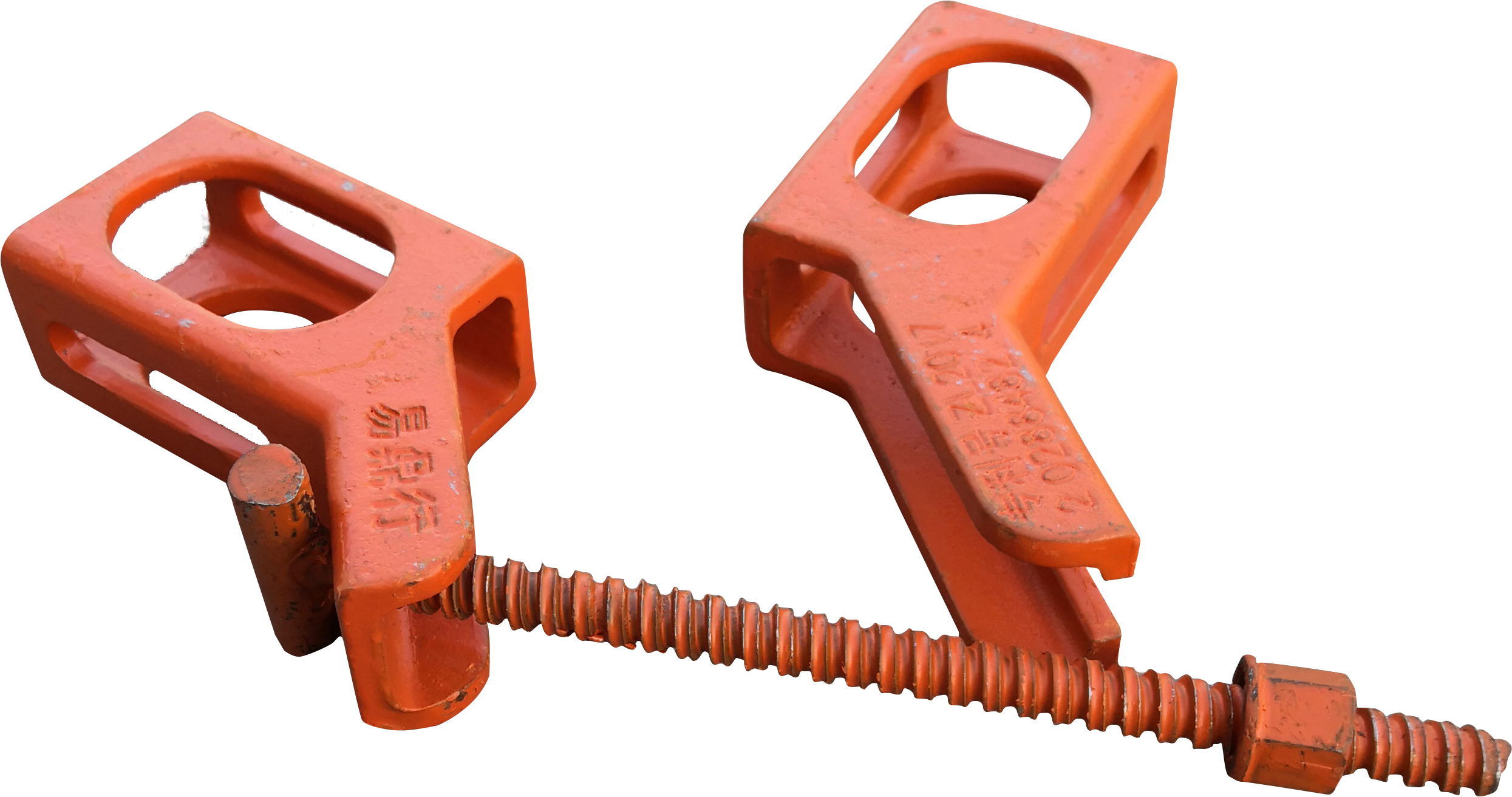
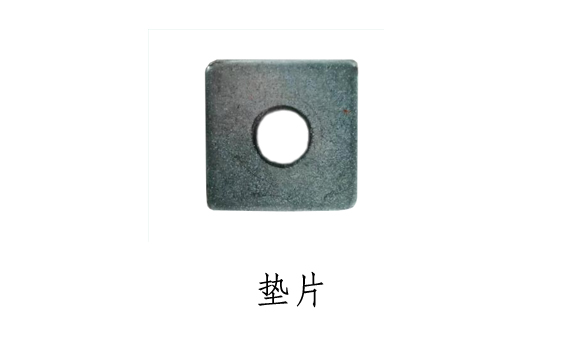
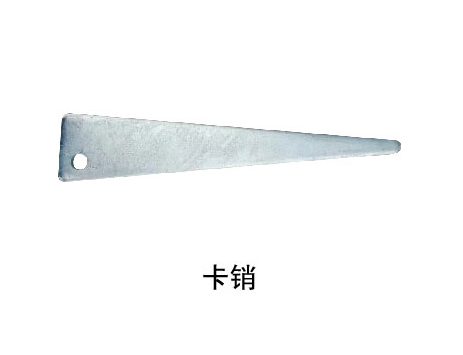
In typical application scenarios, these high-quality concrete spacers demonstrate advantages in providing uniform concrete cover for rebar, which in turn leads to enhanced energy saving through better thermal performance (reducing cracks that allow air infiltration) and superior corrosion resistance due to the robust protective layer. Their material compatibility ensures the structural integrity of the overall concrete element.
Application Scenarios for Reinforcing Bar Positioners
The versatile nature and critical function of reinforcing bar positioners make them indispensable across a wide array of construction applications. From massive civil engineering projects to intricate architectural designs, ensuring accurate `cover reinforcement` is fundamental.
- High-Rise Buildings & Skyscrapers: In vertical construction, consistent concrete cover is vital for structural stability and fire resistance across numerous floors. Spacers ensure the exact positioning of vertical and horizontal rebar, accommodating complex shear walls and floor slabs.
- Bridges, Tunnels, and Infrastructure: These structures are exposed to severe environmental conditions, including de-icing salts, heavy traffic loads, and aggressive atmospheric elements. Precise concrete cover for rebar is critical here for preventing chloride ingress and carbonation, thus extending the structure's operational lifespan and reducing maintenance costs. Concrete spacers, matching the concrete's thermal expansion, are preferred.
- Marine & Coastal Structures: Piers, jetties, sea walls, and offshore platforms face relentless attack from saltwater, which contains highly corrosive chlorides. Here, maximum concrete cover and high-performance concrete spacers are mandatory to achieve a durable, impermeable barrier protecting the steel.
- Water Treatment Plants & Wastewater Facilities: Structures in these environments are exposed to a range of chemicals and continuous moisture. Corrosion-resistant concrete and compatible spacers are essential for long-term functional integrity.
- Pre-cast Concrete Manufacturing: In controlled factory environments, precise positioning of rebar is even more critical for high-volume production of elements like beams, columns, and panels. Specialized spacers ensure rapid assembly and consistent quality.
- Industrial Facilities (Petrochemical, Metallurgy): These environments often involve extreme temperatures, chemical exposure, and heavy loads. The robustness and chemical resistance of the spacers contribute directly to the safety and operational continuity of such critical infrastructure.
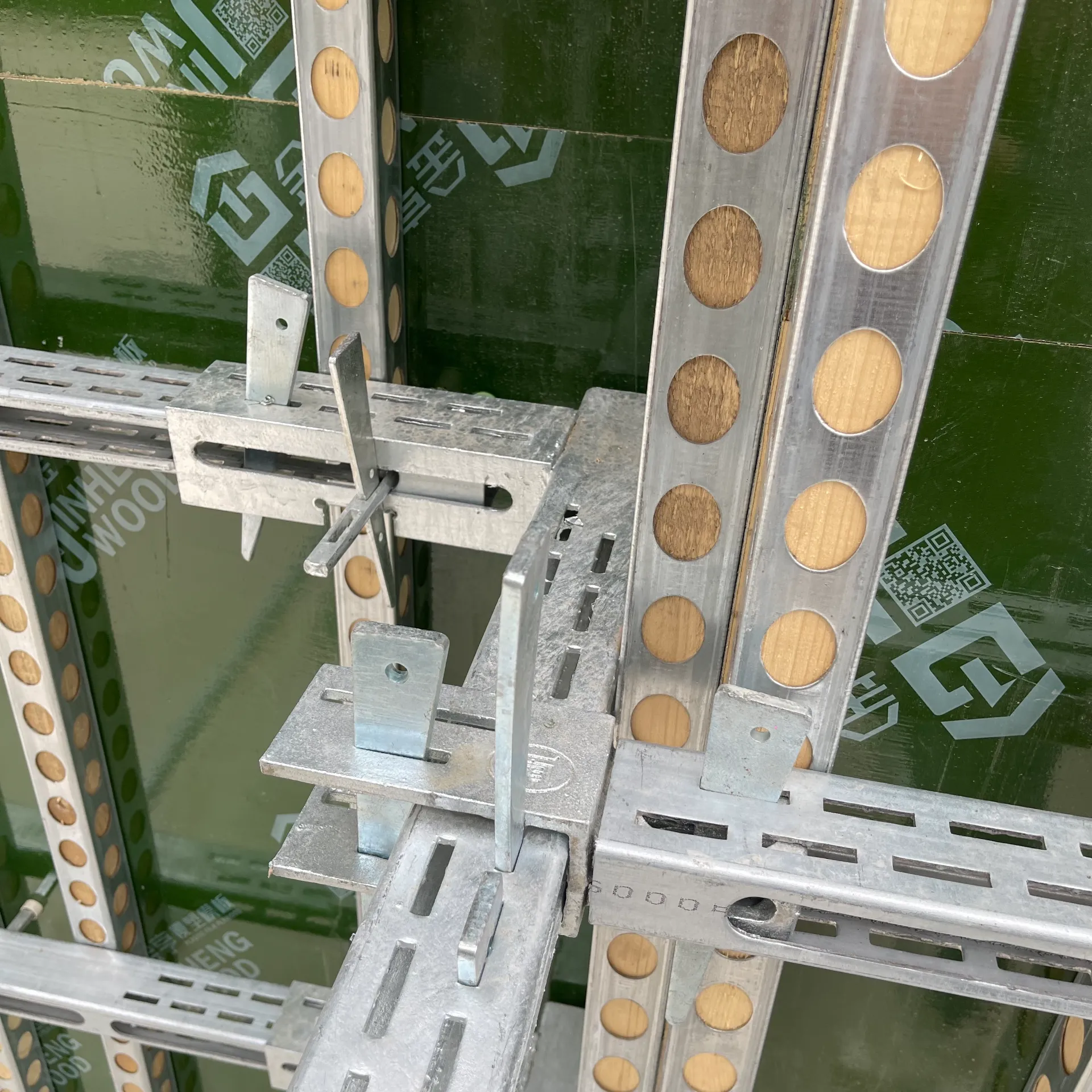
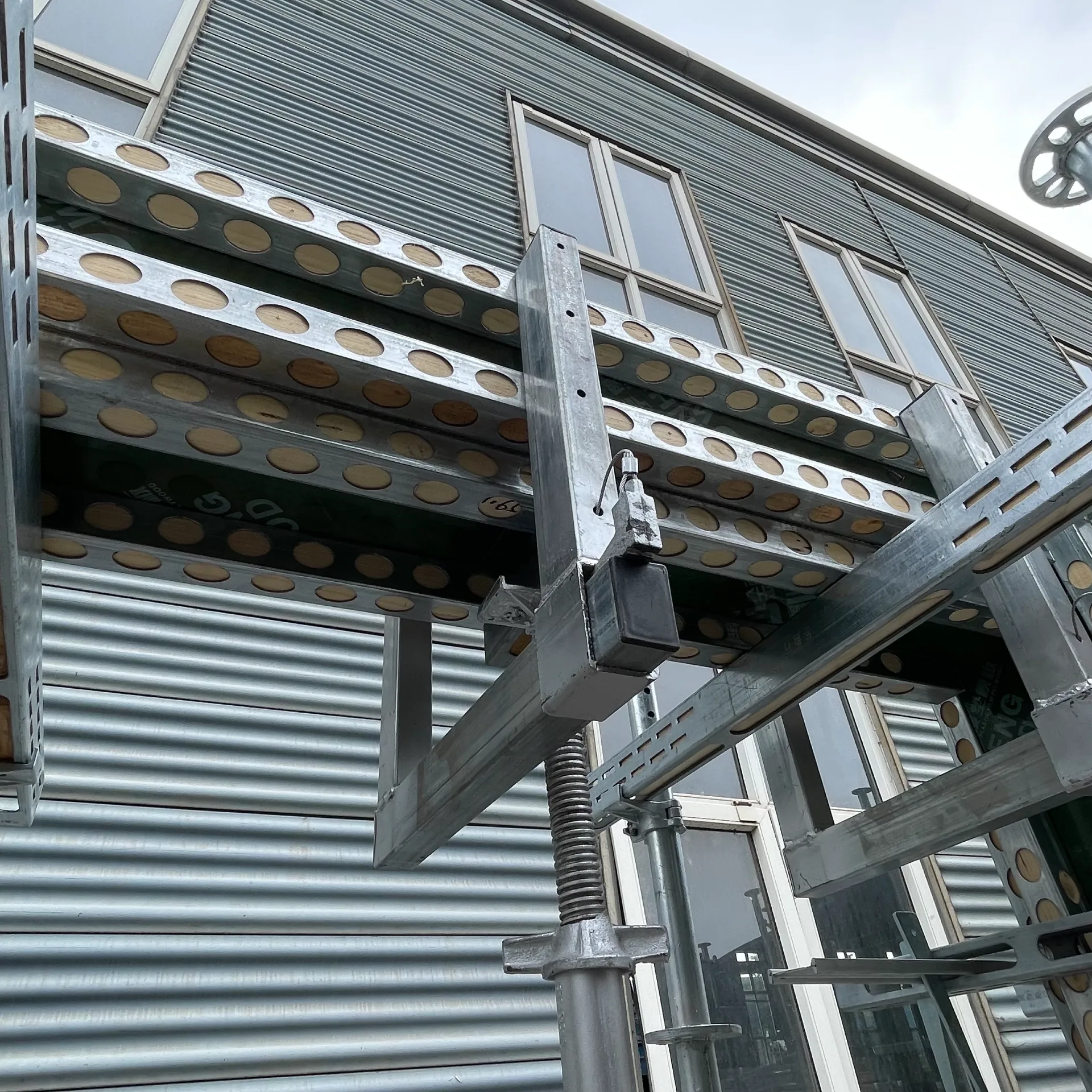
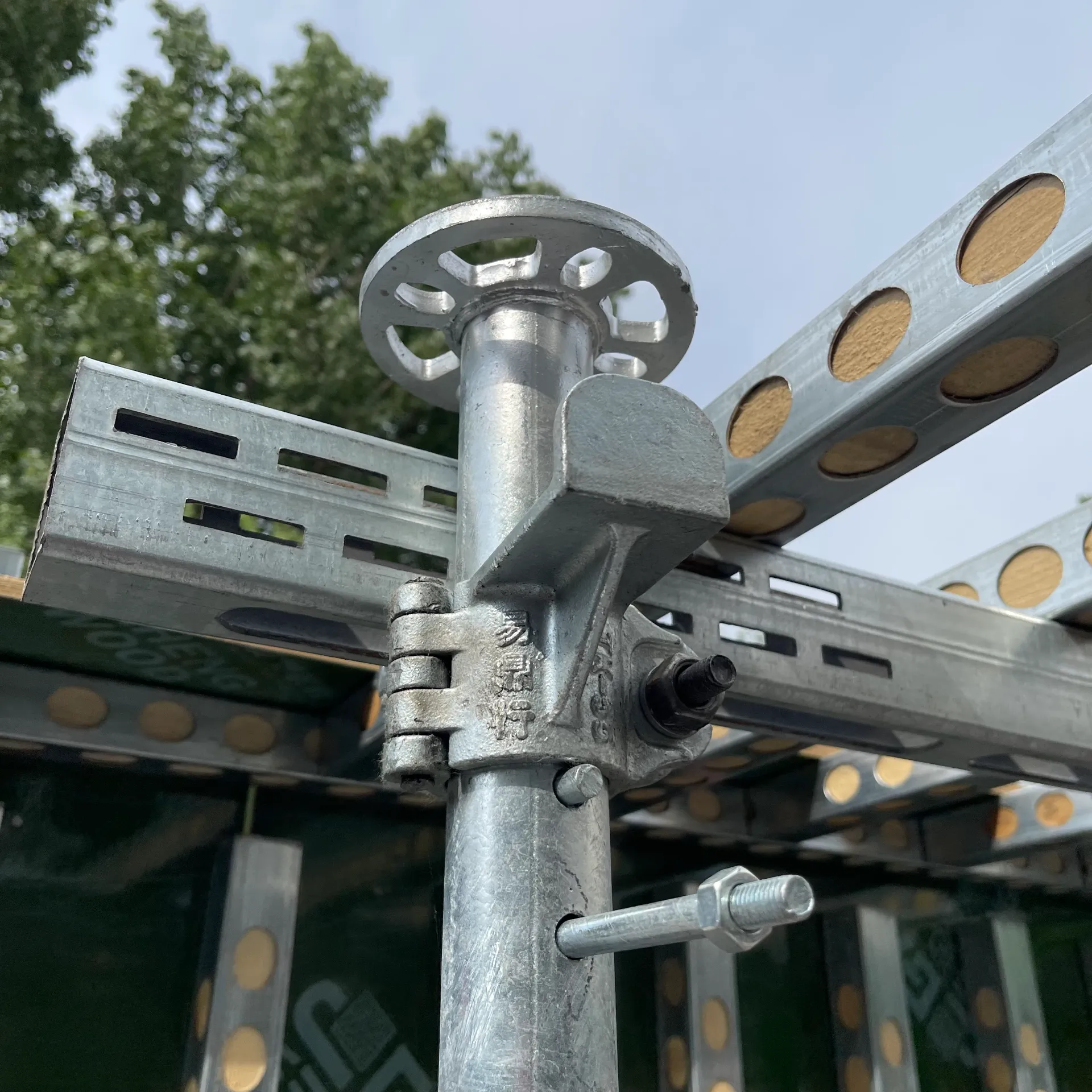
In each scenario, the selection of the correct spacer type and material is dictated by the specific environmental conditions, structural demands, and design life requirements, underscoring the technical nuance involved in ensuring effective `cover reinforcement`.
Technical Advantages of High-Performance Concrete Cover Spacers
Utilizing high-performance concrete spacers for concrete cover for rebar offers distinct technical advantages over traditional or less advanced alternatives, contributing significantly to project efficiency and long-term structural resilience.
- Material Homogeneity & Compatibility: Concrete spacers are chemically and physically identical to the surrounding concrete. This ensures thermal expansion compatibility, preventing internal stresses, cracking, or spalling that can occur with dissimilar materials (e.g., plastic spacers in high-temperature or fire events). They become an integral part of the concrete matrix.
- Superior Fire Resistance: Unlike plastic spacers that can melt, deform, or even contribute to fire propagation at elevated temperatures, concrete spacers maintain their structural integrity and protective function during a fire, enhancing the overall fire rating of the concrete element.
- Enhanced Corrosion Protection: With low water absorption and reduced permeability to aggressive agents like chlorides and carbon dioxide, high-density concrete spacers offer an excellent additional layer of defense against rebar corrosion, contributing directly to extended service life, particularly in aggressive environments.
- High Compressive Strength: Engineered concrete spacers possess significantly higher compressive strength compared to many plastic alternatives. This prevents crushing or deformation under the weight of heavy rebar cages or during concrete pouring and vibration, ensuring consistent cover thickness.
- Durability & Longevity: Designed to last for the entire design life of the structure, these spacers are resistant to UV degradation, chemical attack, and biological growth, maintaining their performance without embrittlement or breakdown.
- Aesthetic Integration: For exposed concrete surfaces, concrete spacers blend seamlessly with the finished concrete, avoiding unsightly spots or marks often left by other spacer materials. This is crucial for architectural concrete.
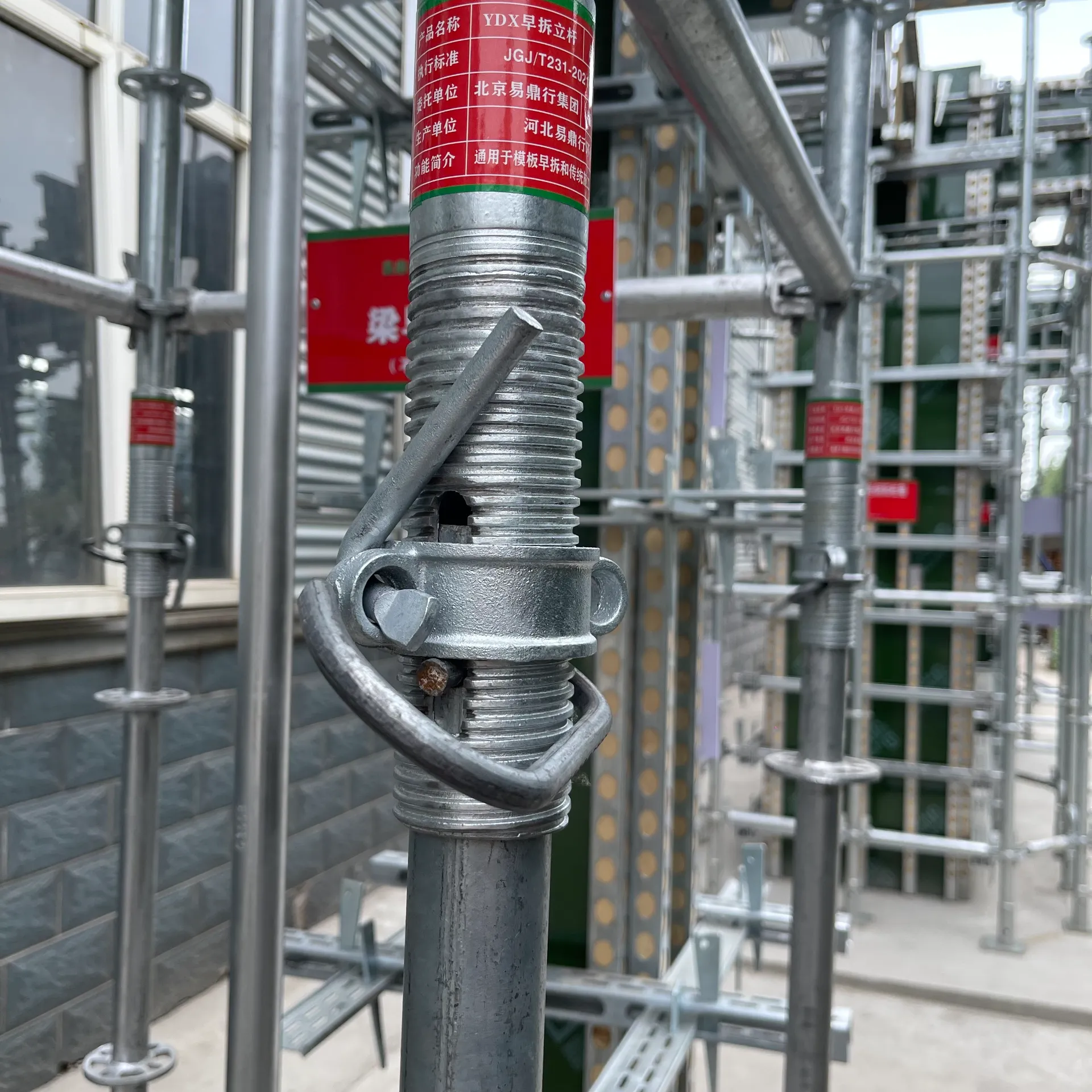
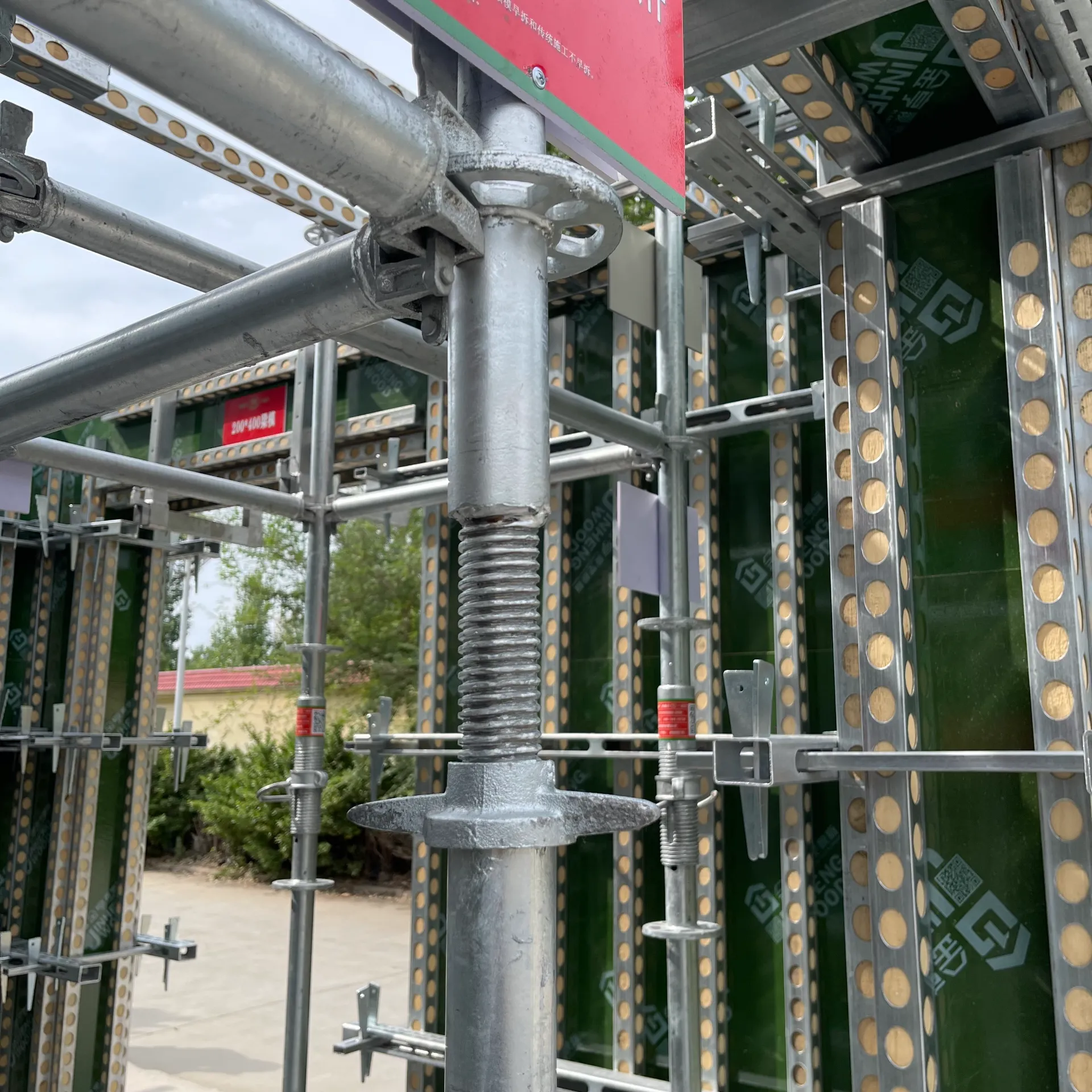
These advantages collectively underscore why concrete spacers are the preferred choice for demanding projects where uncompromising quality, durability, and safety are paramount for effective `reinforcing bar positioners`.
Vendor Comparison: Concrete vs. Plastic Reinforcing Bar Positioners
When specifying `reinforcing bar positioners` for concrete cover for rebar, a key decision involves choosing between concrete and plastic spacers. While both serve the fundamental purpose of maintaining cover, their material properties lead to distinct advantages and disadvantages across various applications. This comparison table highlights critical differences:
| Feature | Concrete Spacers | Plastic Spacers |
|---|---|---|
| Material Compatibility | Excellent; homogeneous with concrete, preventing differential expansion/contraction. | Good, but material dissimilarity can lead to thermal stress points, potentially causing micro-cracks or spalling. |
| Fire Resistance | Superior; non-combustible and maintains integrity at high temperatures. | Poor; melts, deforms, and creates voids at elevated temperatures, compromising fire rating. |
| Corrosion Protection | Excellent; low permeability to chlorides and carbonation, offering a robust barrier. | Good if high-quality plastic, but can be susceptible to UV degradation and less effective against long-term chemical ingress if not properly formulated. |
| Compressive Strength | High; resists heavy loads and vibratory forces during concrete placement. | Moderate to good, but can deform under extreme loads or temperatures. |
| Cost | Generally higher initial cost per unit. | Generally lower initial cost per unit. |
| Application Ease | Can be heavier; clips/wires often needed for secure attachment. | Lightweight, often designed with integrated clips for quick attachment. |
| Environmental Impact | Natural materials, often recyclable, lower embodied carbon with proper mix. | Made from virgin or recycled plastics; biodegradability concerns. |
While plastic spacers may offer advantages in certain non-structural or internal applications due to their lightweight nature and ease of installation, concrete spacers remain the superior choice for critical structural elements, high-performance concrete, and environments demanding exceptional durability and fire safety. The decision often hinges on balancing performance requirements, project budget, and long-term service life expectations for `cover reinforcement`.
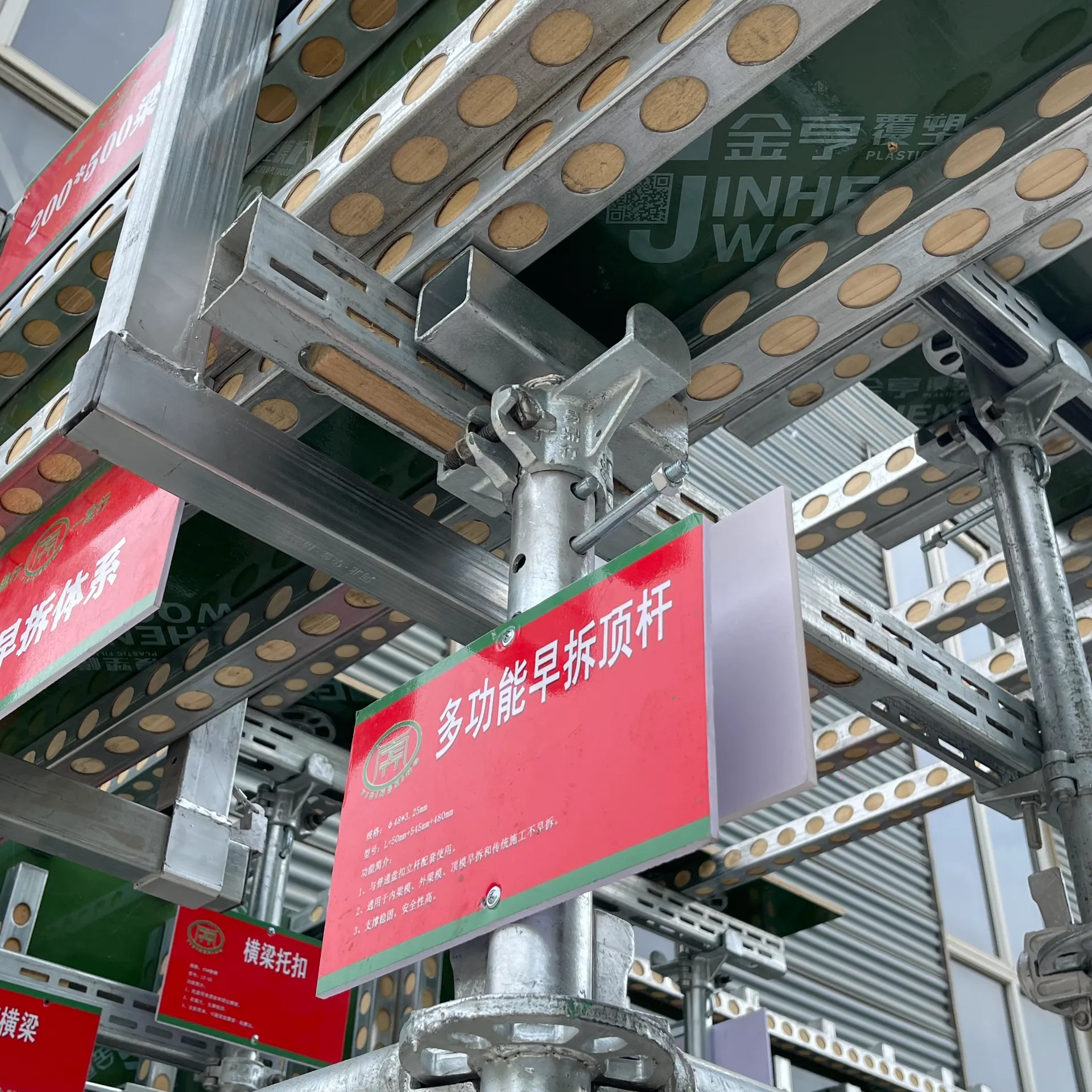
Customized Solutions for Complex Projects
Modern construction often demands bespoke solutions beyond standard off-the-shelf products. Recognizing this, leading manufacturers offer customized concrete cover for rebar solutions tailored to specific project needs. This includes producing spacers with unique geometries, varying cover depths, or specialized material compositions to address challenging structural designs or extreme environmental conditions.
Customization capabilities extend to:
- Special Dimensions: For unusually thick concrete elements, very high cover requirements, or exceptionally dense rebar cages.
- Integrated Fixings: Spacers designed with specific wire ties, clips, or rebar cradles for complex rebar configurations or pre-cast applications.
- Material Enhancements: Incorporating specific admixtures for increased chemical resistance, anti-freeze properties, or even self-healing capabilities for ultra-long-life structures.
- Color Matching: For architectural concrete where the spacers must blend seamlessly with the exposed concrete surface.
- Load-Bearing Design: Heavier duty spacers for applications where the rebar cage itself is exceptionally heavy, or specific point loads are expected before concrete placement.
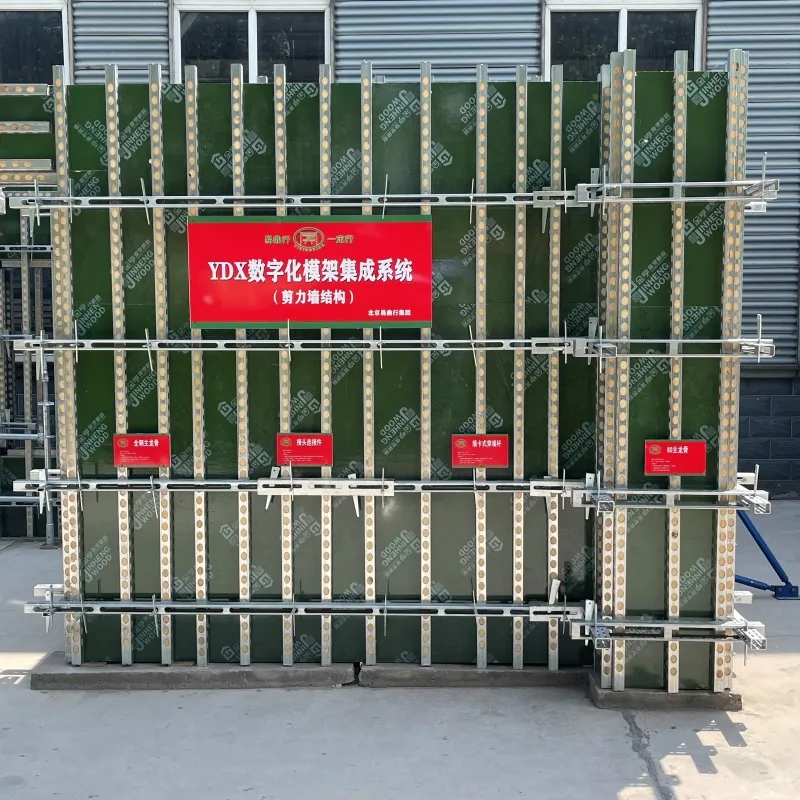
These tailored solutions, often developed in close collaboration with project engineers and architects, ensure that even the most ambitious construction visions are realized with optimal structural integrity and durability. This approach demonstrates a commitment to technical excellence and problem-solving in the realm of `cover reinforcement`.
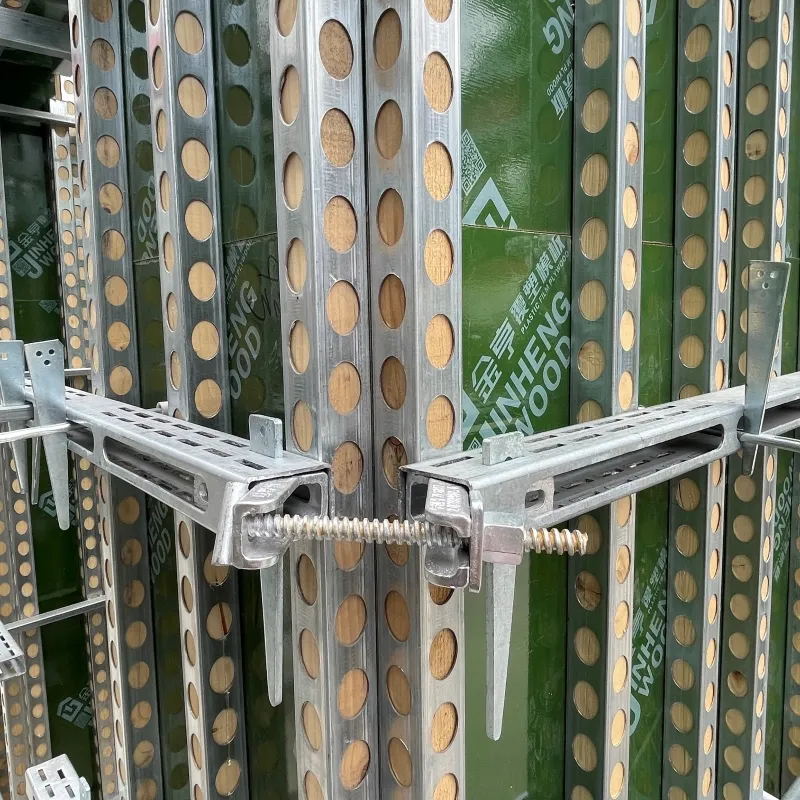
Application Case Studies: Delivering Durable Concrete Structures
The practical impact of precision `reinforcing bar positioners` is best illustrated through real-world applications. Our products have been instrumental in ensuring the longevity and structural integrity of diverse projects worldwide, working with esteemed partner clients who prioritize quality and durability.
Case Study 1: Coastal Bridge Deck Reinforcement
Client: Major Infrastructure Developer, Southeast Asia
Challenge: Constructing a new bridge deck in a highly corrosive marine environment, requiring a minimum of 75mm concrete cover for rebar to protect against rapid chloride ingress from saltwater spray. The rebar cage was exceptionally heavy, demanding high compressive strength spacers.
Solution: High-strength, fiber-reinforced concrete block spacers, specifically designed for 75mm cover, were selected. These spacers demonstrated compressive strength exceeding 80 MPa and ultra-low chloride permeability (<500 Coulombs). Their robust design prevented displacement during concrete pouring and ensured consistent cover across the expansive bridge deck sections.
Outcome: The project successfully achieved the specified cover tolerance, contributing to the bridge's projected 100-year design life. Regular inspections have confirmed no signs of rebar corrosion after 5 years of service, attesting to the effectiveness of the `cover reinforcement` strategy.
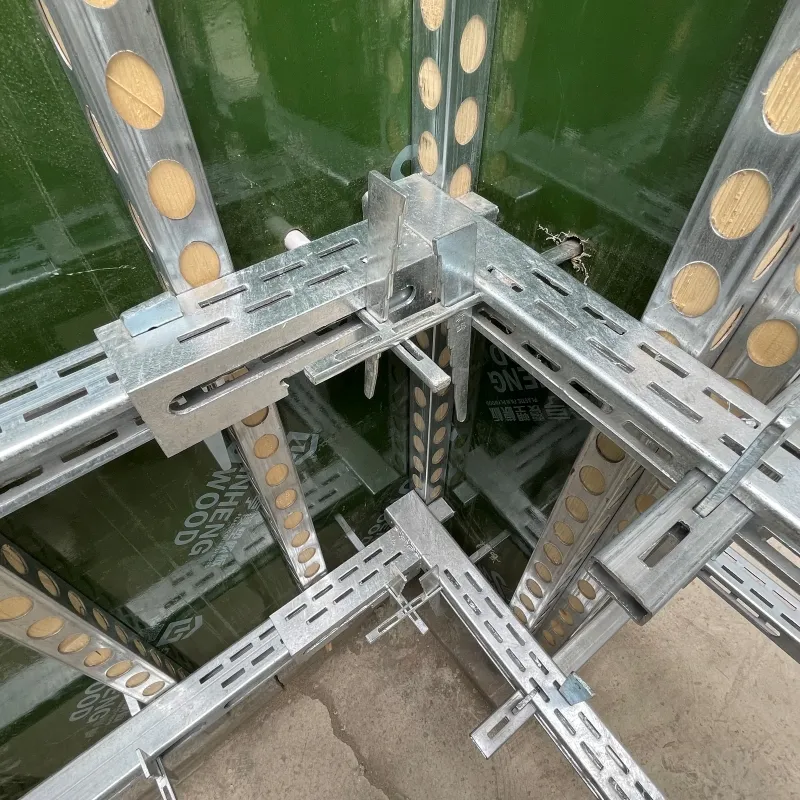
Case Study 2: Pre-cast Concrete Panels for Data Center
Client: Leading Pre-cast Manufacturer, Europe
Challenge: Producing thousands of high-precision pre-cast concrete facade panels for a data center, requiring exact 40mm concrete cover for rebar for both fire rating and architectural aesthetics. Efficiency in placement and demolding was critical for high-volume production.
Solution: Customized concrete wheel spacers with integrated wire ties were utilized. These spacers offered precise positioning and secure attachment to the rebar cage, minimizing labor during assembly. Their robust design ensured no deformation during the automated pouring and vibrating process.
Outcome: The manufacturer achieved stringent quality control standards, with all panels meeting the exact cover specifications. The seamless integration of the concrete spacers prevented any visible marks on the exposed concrete surfaces, satisfying both structural and aesthetic requirements and accelerating production cycles.
Frequently Asked Questions (FAQ)
Q: Why is precise concrete cover for rebar so important?
A: Precise concrete cover for rebar is critical because it acts as a primary protective layer for the steel reinforcement. It prevents harmful elements like moisture, oxygen, chlorides, and carbon dioxide from reaching the rebar and initiating corrosion. Adequate cover also contributes to the fire resistance of the concrete element, enhancing overall structural safety and extending the service life of the building or infrastructure.
Q: What are the main types of reinforcing bar positioners?
A: The two main types are concrete spacers and plastic spacers. Concrete spacers are preferred for high-performance and critical applications due to their material compatibility, fire resistance, and durability. Plastic spacers are often used for lighter duties or where cost is a primary concern. There are also wire and metal spacers, but these can pose corrosion risks if not properly coated or if they penetrate the cover.
Q: How do you ensure the quality of concrete spacers?
A: Quality is ensured through rigorous material selection, controlled manufacturing processes (mixing, forming, curing), and comprehensive testing. This includes tests for compressive strength, water absorption, dimensional accuracy, and chloride ion permeability, adhering to international standards like ISO and ASTM. Reputable manufacturers also have certifications and robust internal quality control protocols.
Q: Can these spacers be used with `slotted angle steel` or `rack slotted angle` systems?
A: While concrete spacers are specifically for rebar positioning within concrete, the storage and organization of these accessories on a construction site or in a warehouse can certainly involve `slotted angle steel` racking systems. These systems provide a robust and flexible solution for organizing various construction materials, including `reinforcing bar positioners`, ensuring easy access and efficient inventory management.
Q: What cover thickness is typically required?
A: Required cover thickness varies significantly based on the structural element (e.g., slab, beam, column), environmental exposure class (e.g., dry, humid, marine), and fire resistance requirements. It is always specified by the structural engineer in accordance with local building codes and design standards (e.g., ACI 318, Eurocode 2).
Lead Time & Fulfillment Details
Understanding lead times and fulfillment processes is crucial for effective project planning. Our standard lead time for common `reinforcing bar positioners` is typically 7-14 business days from order confirmation, subject to stock availability and order volume. For large-scale or customized orders, lead times may extend to 3-4 weeks to accommodate specific production runs and quality assurance protocols. We maintain robust inventory levels of popular concrete cover for rebar accessories to facilitate expedited delivery when required.
We offer flexible fulfillment options, including ex-works, FOB, and CIF, to cater to various client logistical needs. Our logistics team works diligently to ensure timely and secure delivery to your project site or warehouse, minimizing downtime and optimizing project schedules. We partner with reliable freight carriers specializing in construction materials, capable of handling both domestic and international shipments efficiently. Customers receive regular updates on order status and shipping progress to ensure full transparency.
Warranty Commitments & Customer Support
We stand behind the quality and performance of our `cover reinforcement` products. All our concrete spacers come with a standard 10-year limited warranty, guaranteeing them against manufacturing defects and material failures under normal use and installation conditions. This warranty reflects our confidence in our stringent quality control processes and the durability of our materials, ensuring peace of mind for engineers and contractors.
Our commitment extends beyond product delivery to comprehensive customer support. Our dedicated team of technical specialists and sales professionals is available to assist with product selection, application guidance, and troubleshooting. We provide:
- Technical Consultations: Expert advice on selecting the optimal concrete cover for rebar solution for your specific project requirements.
- On-Site Support: For large or complex projects, we can arrange for technical experts to visit the site, providing installation guidance and quality assurance checks.
- Responsive Communication: Prompt responses to inquiries, whether by phone, email, or through our online support portal.
- After-Sales Service: Assistance with any post-purchase queries, warranty claims, or product performance concerns.
Our aim is to build long-term partnerships by delivering not just superior products, but also unparalleled service and support throughout the lifecycle of your project. We are ISO 9001 certified, underscoring our commitment to consistent quality management and customer satisfaction.
Conclusion
The integrity and longevity of reinforced concrete structures are inextricably linked to the quality and precision of their `cover reinforcement`. As demonstrated, selecting the correct concrete cover for rebar and ensuring its proper installation are non-negotiable aspects of modern construction. By embracing high-performance materials, adhering to rigorous manufacturing standards, and leveraging expert support, stakeholders can significantly enhance the durability, safety, and cost-effectiveness of their projects, ensuring resilient infrastructure for generations.
References
- ACI Committee 318. (2019). Building Code Requirements for Structural Concrete (ACI 318-19) and Commentary. American Concrete Institute.
- Eurocode 2: Design of concrete structures - Part 1-1: General rules and rules for buildings (EN 1992-1-1). (2004). European Committee for Standardization.
- ASTM C1202 - 19. (2019). Standard Test Method for Electrical Indication of Concrete's Ability to Resist Chloride Ion Penetration. ASTM International.
- ISO 17660-1. (2006). Welding — Welding of reinforcing steel — Part 1: Load-bearing welded joints. International Organization for Standardization.
- Mehta, P. K., & Monteiro, P. J. M. (2014). Concrete: Microstructure, Properties, and Materials (4th ed.). McGraw-Hill Education.
-
Comprehensive Guide to Scaffolding Rods for Safe Construction PracticesNewsFeb.24,2026
-
Comprehensive Guide to Different Types of Scaffolding for Construction ProjectsNewsFeb.11,2026
-
The Crucial Role and Safe Use of Scaffolding in Modern Construction ProjectsNewsJan.30,2026
-
Maximize Productivity and Safety with a Versatile 7m Scaffold TowerNewsJan.27,2026
-
6m Scaffold Tower: A Comprehensive Guide for B2B BuyersNewsJan.26,2026
-
6ft Scaffold: Durability and Safety in ConstructionNewsJan.25,2026
-
6 Scaffolding: A Modern Construction SolutionNewsJan.24,2026