
Internal Scaffolding: Essential Insights into Construction’s Hidden Backbone
Understanding Internal Scaffolding: A Backbone for Modern Construction and Beyond
Internal scaffolding may sound like a straightforward construction term, but its role in global infrastructure, humanitarian efforts, and even industrial innovation is surprisingly significant. At its core, internal scaffolding supports workers and materials inside structures during construction, renovation, or emergency repairs. Yet, the concept extends further—impacting safety standards, project efficiency, and sustainable building practices worldwide.
Why does internal scaffolding matter? Well, globally, the construction sector accounts for roughly 6% of GDP, employing millions and shaping urban growth everywhere (World Bank). Safe, reliable internal scaffolding speeds projects and reduces workplace accidents, critical in rapidly urbanizing regions, disaster response, or pioneering architectural designs. Getting scaffolding right isn’t just about hardware—it’s about enabling innovation, protecting lives, and often, rebuilding hope.
Global Context: The Rising Stakes
With the United Nations estimating nearly 2 billion new housing units needed by 2030 to meet urban population growth, internal scaffolding becomes a key player behind the scenes. Its proper design and deployment help reduce project delays—often costly and dangerous. Plus, in places prone to natural disasters, such as Southeast Asia or the Horn of Africa, scaffolding acts as a literal support system to rebuild infrastructure swiftly.
There’s a real challenge here: how to make scaffolding systems adaptable, durable, and cost-effective across dramatically different environments? That’s why the study and evolution of internal scaffolding carry global urgency.
What is Internal Scaffolding?
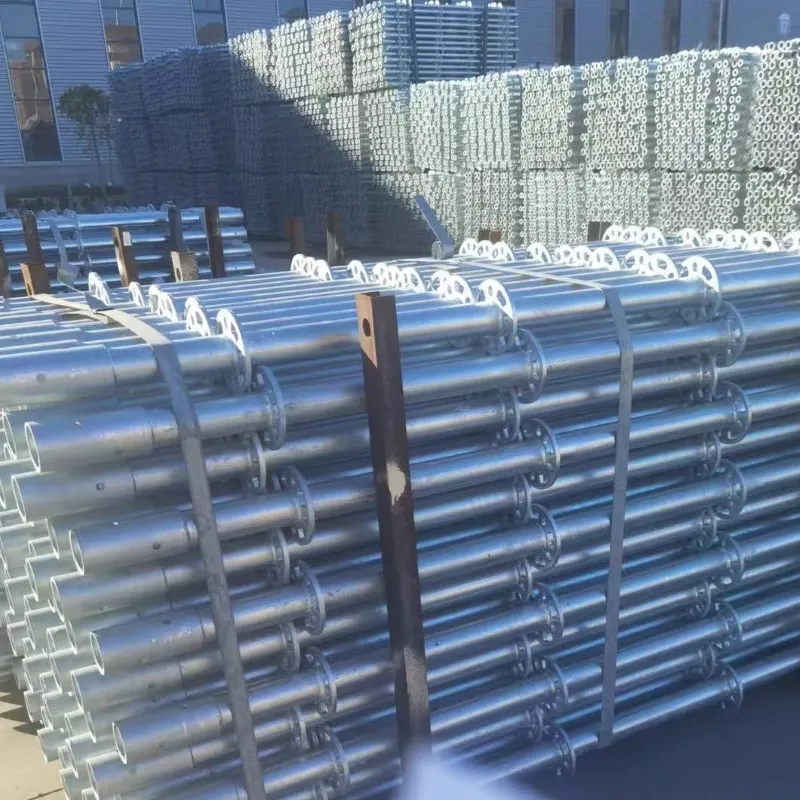
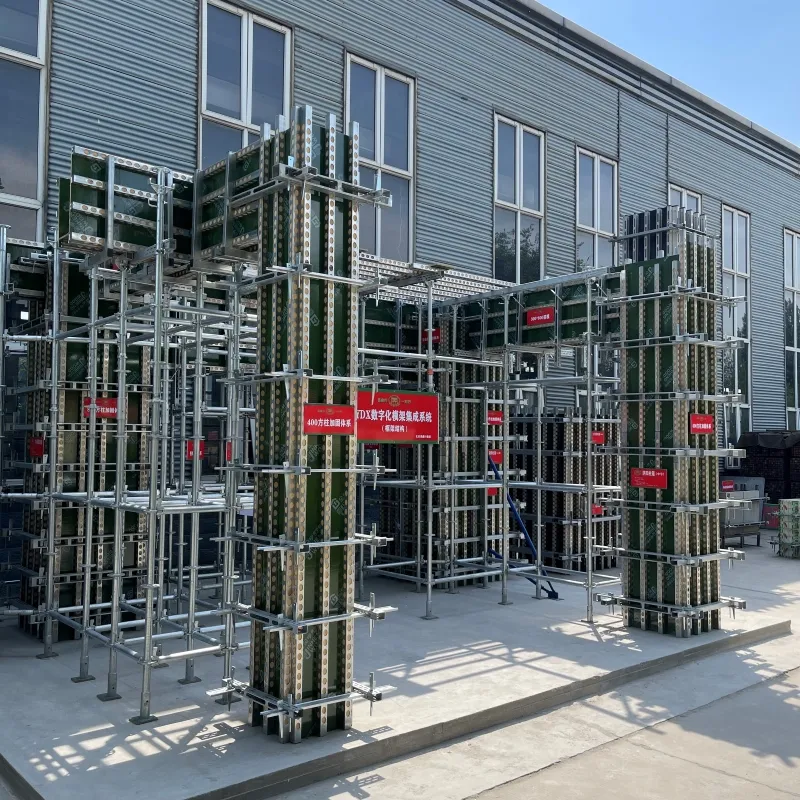
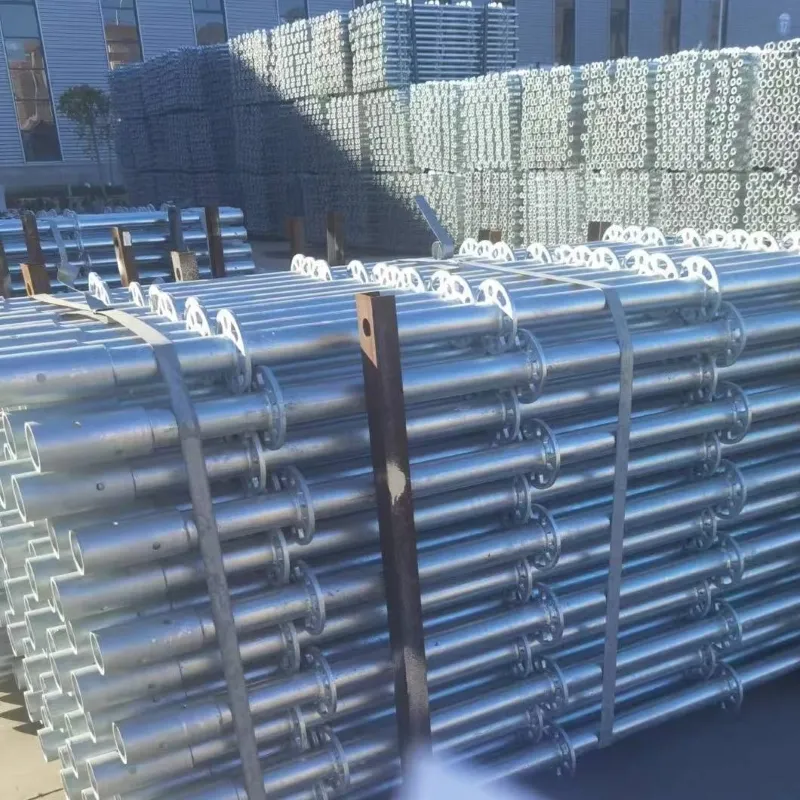
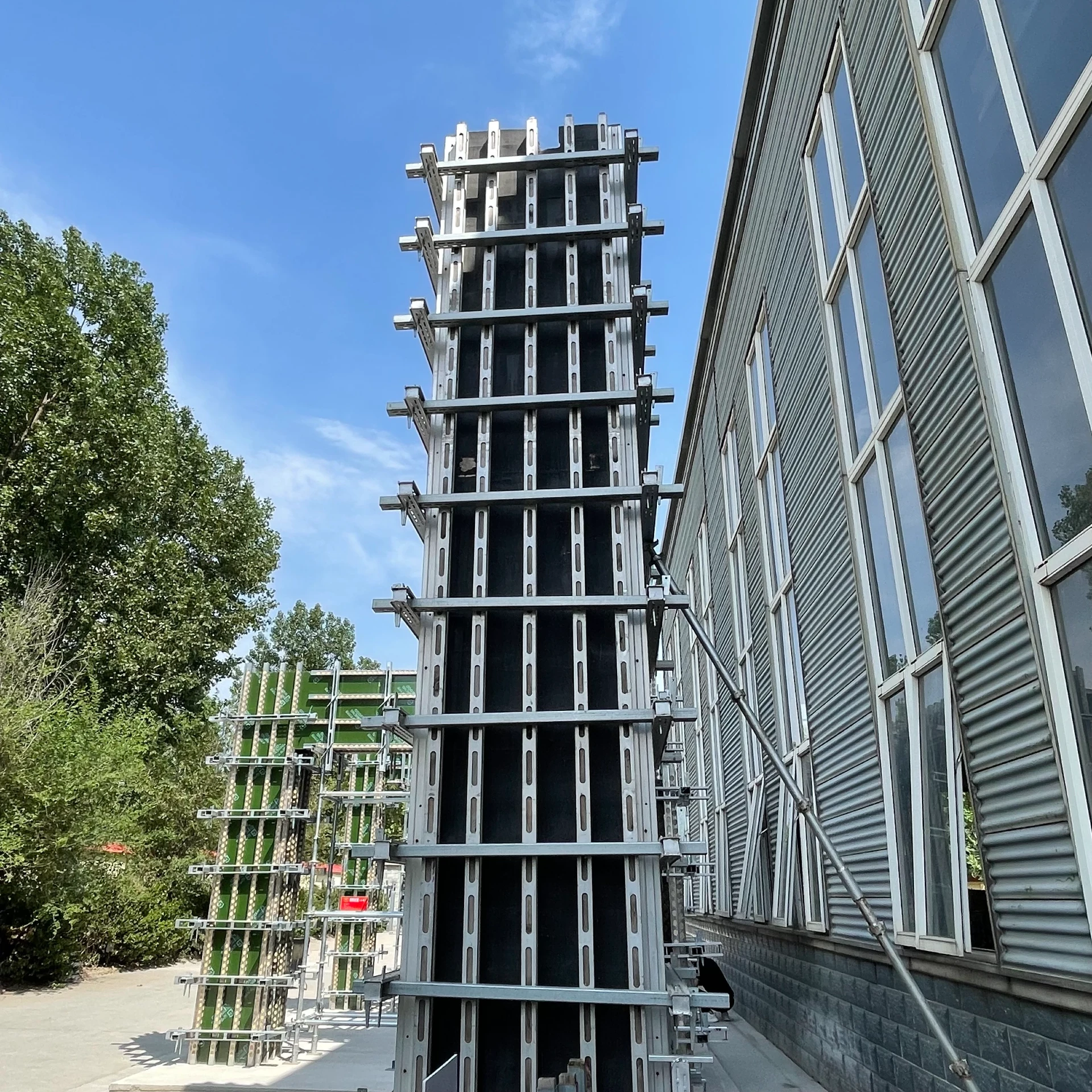
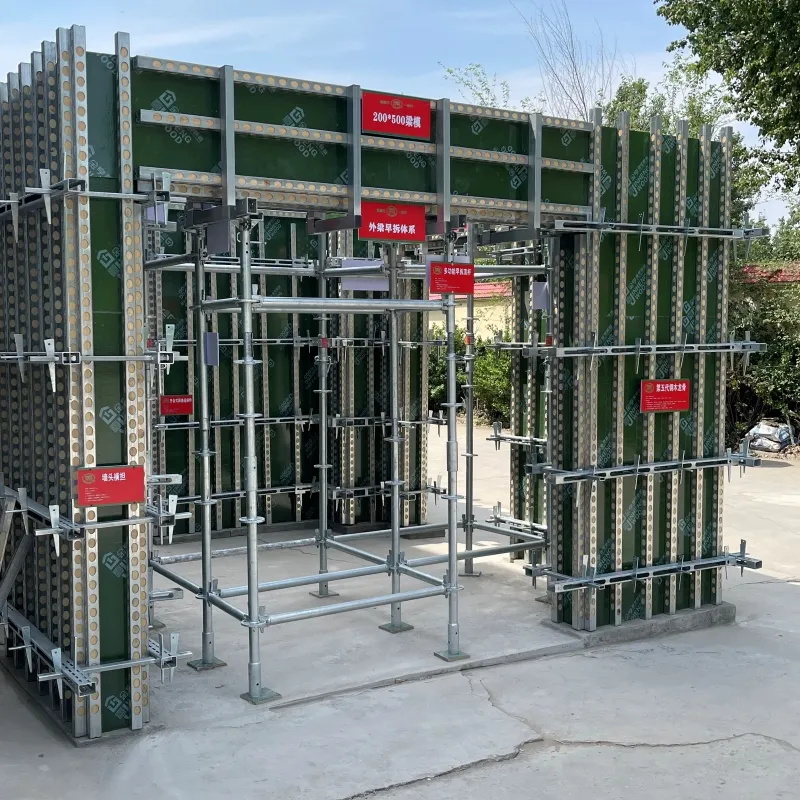
Put simply, internal scaffolding refers to the temporary modular structures placed inside buildings under construction or restoration. Unlike external scaffolding that wraps around exteriors, internal systems support ceilings, walls, and workers inside confined spaces. It’s like the skeletal muscle behind a building’s progress, enabling safe access and load-bearing during the critical stages.
This scaffolding connects directly to modern industrial needs—from skyscrapers under construction, to cruise ships in dry dock, to emergency shelters erected after earthquakes. It’s a humble but indispensable piece of the construction puzzle.
Core Components of Effective Internal Scaffolding
1. Durability
The materials—usually steel or aluminum alloys—must withstand heavy loads and environmental stresses without warping or failing prematurely. Durability affects safety and impacts how often scaffolds require replacement.
2. Scalability & Modularity
The ability to adapt scaffold sections to various building sizes, interior layouts, and project scopes without excessive custom fabrication saves time and cost. Modular designs allow quick assembly/disassembly.
3. Cost Efficiency
Balancing upfront investment with longevity and ease of maintenance makes internal scaffolding economically viable—especially for contractors working on tight budgets or multiple sites.
4. Safety Features
Incorporating guardrails, non-slip platforms, and secure locking mechanisms dramatically reduces the risk of accidents. Compliance with international safety standards like ISO 14122 is crucial.
5. Lightweight Transportability
Especially for remote or disaster-stricken areas, scaffolding components need to be transportable by trucks, ships, or even helicopters, and assembled with minimal tools or expertise.
6. Sustainability
Increasingly, scaffolding manufacturers are focusing on recyclable materials and manufacturing processes with low carbon footprints.
Product Specification: A Typical Internal Scaffolding System
| Feature | Specification |
|---|---|
| Material | Galvanized Steel / Aluminum Alloy |
| Load Capacity | Up to 500 kg/m² |
| Modularity | Interlocking frame sections, 1.5m height increments |
| Safety Features | Guardrails, Toe boards, Non-slip decking |
| Weight per unit | 9–12 kg per frame section |
| Compliance | ISO 14122, OSHA standards |
Global Applications & Real-World Use Cases
Internal scaffolding’s presence stretches across continents and industries:
- Urban Development: Modern skyscrapers in Dubai or Shanghai rely on complex internal scaffolding to support multi-floor construction safely.
- Disaster Relief: NGOs in earthquake-stricken Haiti or Nepal use internal scaffolding for rapid rebuilding of community centers and shelters.
- Industrial Refurbishment: Chemical plants and oil refineries in remote areas employ modular internal scaffolds to perform maintenance without shutting down full operations.
- Heritage Conservation: Restoration teams use scaffolding tailored for fragile historic interiors like cathedrals in Europe.
If you want to explore modern construction aids, consider visiting our dedicated page on internal scaffolding, which dives deeper into regional specifications and detailed case studies.
Mini Takeaway: Internal scaffolding’s adaptability makes it indispensable across vastly different global sectors, from luxury real estate to humanitarian aid.
Advantages & Long-Term Value
There’s something quietly profound about scaffolding. It’s not glamorous, but it delivers:
- Cost Savings: Efficiency reduces labor hours and downtime, which directly affects project budgets.
- Safety: Fewer accidents mean healthier workers and fewer delays.
- Sustainability: Reusable modular components cut waste and environmental impact.
- Social Impact: In emergency settings, scaffolding can turn rubble into dignified shelters fast, restoring a community’s confidence.
For contractors, engineers, and NGO workers alike, a reliable internal scaffolding system embodies trust. It reassures everyone involved that infrastructure can rise safely, no matter the complexity or constraints.
Vendor Comparison: Leading Internal Scaffolding Providers
| Vendor | Material Quality | Customization | Price Range | Global Shipping |
|---|---|---|---|---|
| BuildPro Scaffolds | Premium galvanized steel | High, bespoke options | $$$ | Worldwide |
| MetroSafety Systems | Aluminum alloy with corrosion-resistant coating | Moderate, standard configs | $$ | North America, Europe |
| EcoFrame Solutions | Recycled lightweight aluminum | Limited, eco-focused | $$$ | Select global regions |
Future Trends & Innovations
Here’s where it gets interesting: the scaffolding world isn’t static. Advances in materials science have introduced composites lighter than aluminum yet just as strong. Imagine carbon fiber blends in the near future.
Digitization and automation also start creeping in. Smart scaffolding equipped with sensors can monitor load distribution and structural integrity in real-time—helping prevent accidents before they happen.
And the green push? Manufacturers increasingly prioritize recyclable metals and non-toxic coatings. Some are even exploring solar-harvesting scaffolding panels, powering on-site lighting sustainably.
Challenges & Solutions
Yet, internal scaffolding isn’t without hurdles. Fast deployment in tight interiors sometimes conflicts with heavy-duty load needs—leading to compromises. Skilled labor shortages, especially in developing regions, can hamper safe assembly.
Solutions? Training programs via VR simulations help workers master scaffold setup safely. Hybrid scaffold designs blend modularity with site-specific adaptations. Plus, rental services reduce costs while ensuring access to certified equipment.
FAQs About Internal Scaffolding
Q: How quickly can internal scaffolding be installed in tight spaces?
A: Depending on the system and crew, basic setups can be done within hours. Modular systems are designed for speed while maintaining safety, even in cramped interiors.
Q: What makes internal scaffolding safer than external options?
A: Internal scaffolds provide protection from external elements (wind, rain), and their enclosed placement allows better stability and guarded work zones, reducing fall risks.
Q: Can internal scaffolding be reused at multiple job sites?
A: Absolutely. Most systems are designed modularly and with durable materials to be disassembled, transported, and reassembled, enhancing cost efficiency and sustainability.
Q: Is specialized training required for assembly?
A: Yes, trained personnel familiar with the specific scaffolding system and safety standards are essential for safe, reliable installation and use.
Conclusion
In real terms, internal scaffolding is far more than a temporary structure—it’s the unseen champion ensuring that buildings go up quickly, safely, and smartly. As urbanization presses on and humanitarian needs evolve, the demand for flexible, safe, and sustainable internal scaffolding solutions will only grow.
If you’re interested in exploring innovative internal scaffolding options for your projects, visit our site at https://www.formworkreinforced.com to learn more and connect with experts.
Mini Reflection: Oddly enough, scaffolding feels like the quiet facilitator of progress—supporting both the skyline and human ambition.
References
-
Comprehensive Guide to Scaffolding Rods for Safe Construction PracticesNewsFeb.24,2026
-
Comprehensive Guide to Different Types of Scaffolding for Construction ProjectsNewsFeb.11,2026
-
The Crucial Role and Safe Use of Scaffolding in Modern Construction ProjectsNewsJan.30,2026
-
Maximize Productivity and Safety with a Versatile 7m Scaffold TowerNewsJan.27,2026
-
6m Scaffold Tower: A Comprehensive Guide for B2B BuyersNewsJan.26,2026
-
6ft Scaffold: Durability and Safety in ConstructionNewsJan.25,2026
-
6 Scaffolding: A Modern Construction SolutionNewsJan.24,2026