
Interior Hung Scaffold: Safe, Space-Saving Elevated Work Platforms for Modern Industry
Interior Hung Scaffold: A Practical Solution for Modern Construction and Maintenance
In the world of industrial construction and building maintenance, few systems blend adaptability with safety like the interior hung scaffold. It’s a niche yet vital tool that is gaining traction worldwide. But why exactly does it matter, and how can understanding it change operations in warehouses, factories, or retail spaces? Well, for one, interior hung scaffolds have a unique ability to provide safe elevated work areas without floor obstructions, which means less downtime and greater operational efficiency. Plus, from a global standpoint, their use in urban construction projects aligns well with the increasing demand for space-conscious and sustainable solutions. This article unpacks everything you need to know about interior hung scaffolds—what they are, how they work, and why industries globally are adopting them.
Global Context: Why Interior Hung Scaffold Is Gaining Importance
Construction and maintenance sectors worldwide face growing pressure to innovate safe access solutions that don’t disrupt busy interiors. According to the International Labour Organization (ILO), falls remain one of the leading causes of workplace injuries in construction globally, making safe elevated platforms an ongoing priority. Interior hung scaffold offers a promising answer, especially in confined spaces where traditional scaffolding is impractical. Additionally, urbanization trends tracked by the UN suggest rapid vertical growth of buildings — many older structures require retrofitting with minimal intrusion. Interior hung scaffolds rise to this challenge, allowing work along ceilings, beams, or atriums efficiently. The interior hung scaffold continues to become more relevant in industries such as industrial renovation, retail fit-out services, and even cultural heritage restoration.
What Is an Interior Hung Scaffold?
At its core, an interior hung scaffold is a suspended platform system fixed to structural elements inside a building, such as beams or permanent anchoring points. Unlike traditional scaffolding that rests on the ground, this system “hangs” from above, creating a suspended work area free of floor support. This means workers can access difficult-to-reach ceiling areas or mezzanines without cluttering below space—offering not just safety but improved workflow. It’s especially useful in interiors with sensitive flooring or where space for conventional scaffolding is simply unavailable.
In modern construction or humanitarian infrastructure projects, interior hung scaffolds facilitate safe, rapid access during essential maintenance or fit-outs. For example, in emergency hospital expansions or warehouses handling sensitive goods, minimizing floor disruption while maintaining safety is critical.
Key Components and Considerations of Interior Hung Scaffold
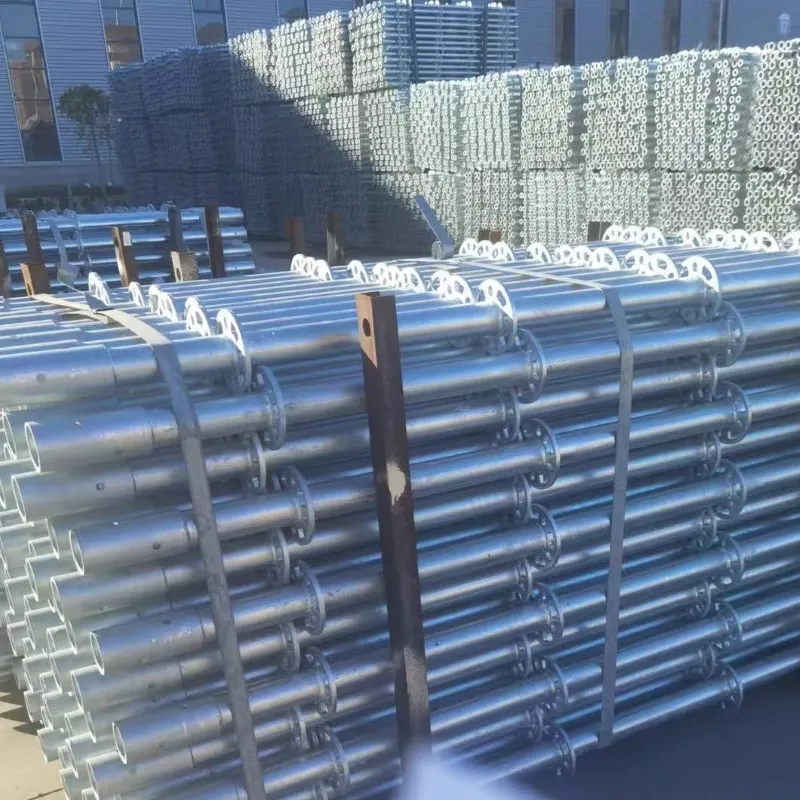
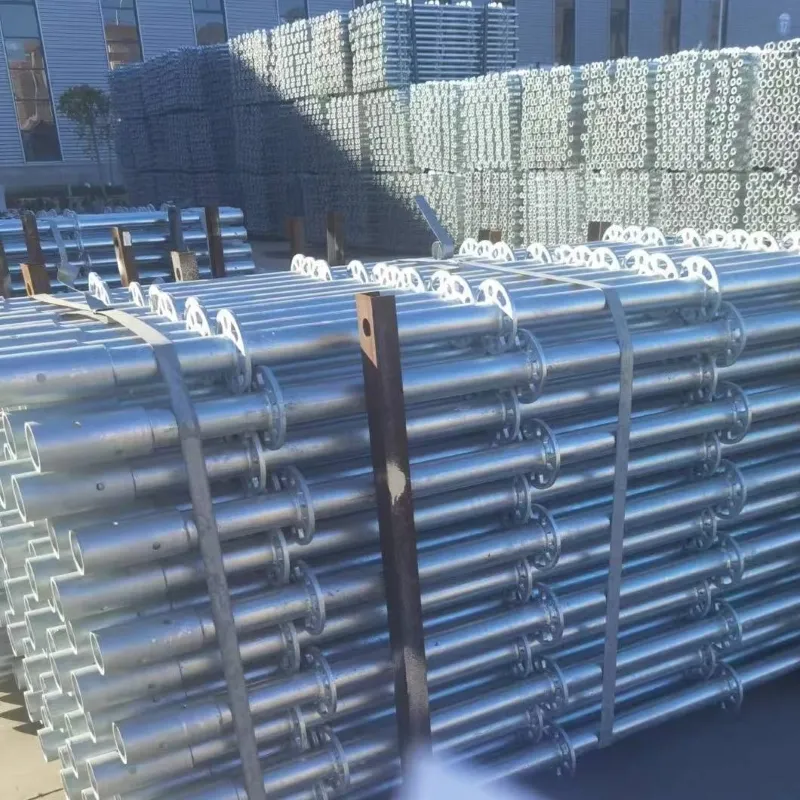
- Structural Durability: The scaffold materials, usually steel or reinforced alloys, must support dynamic loads safely, often handled by certified load-bearing hardware.
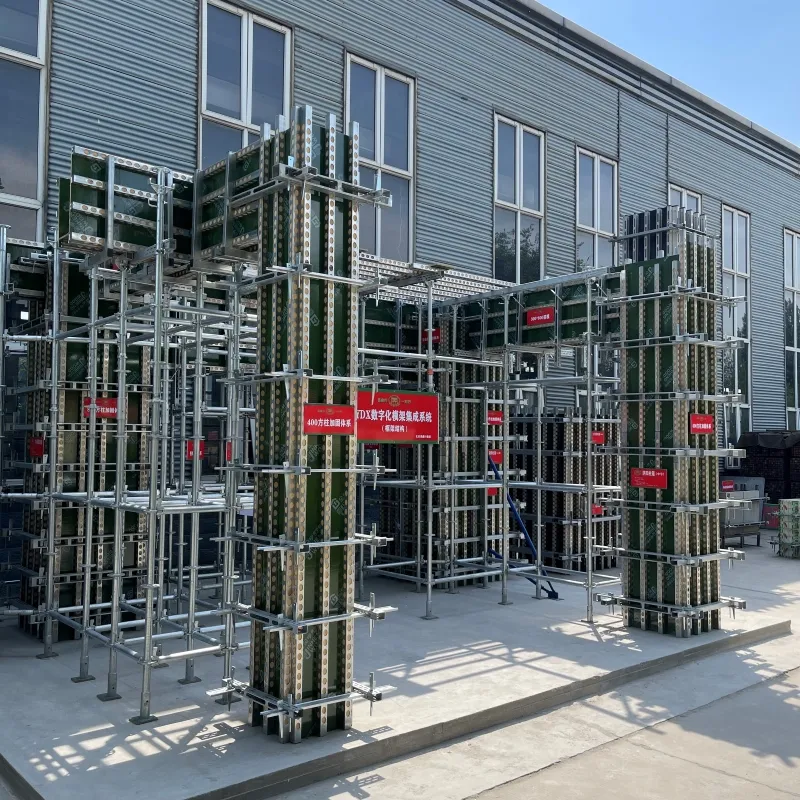
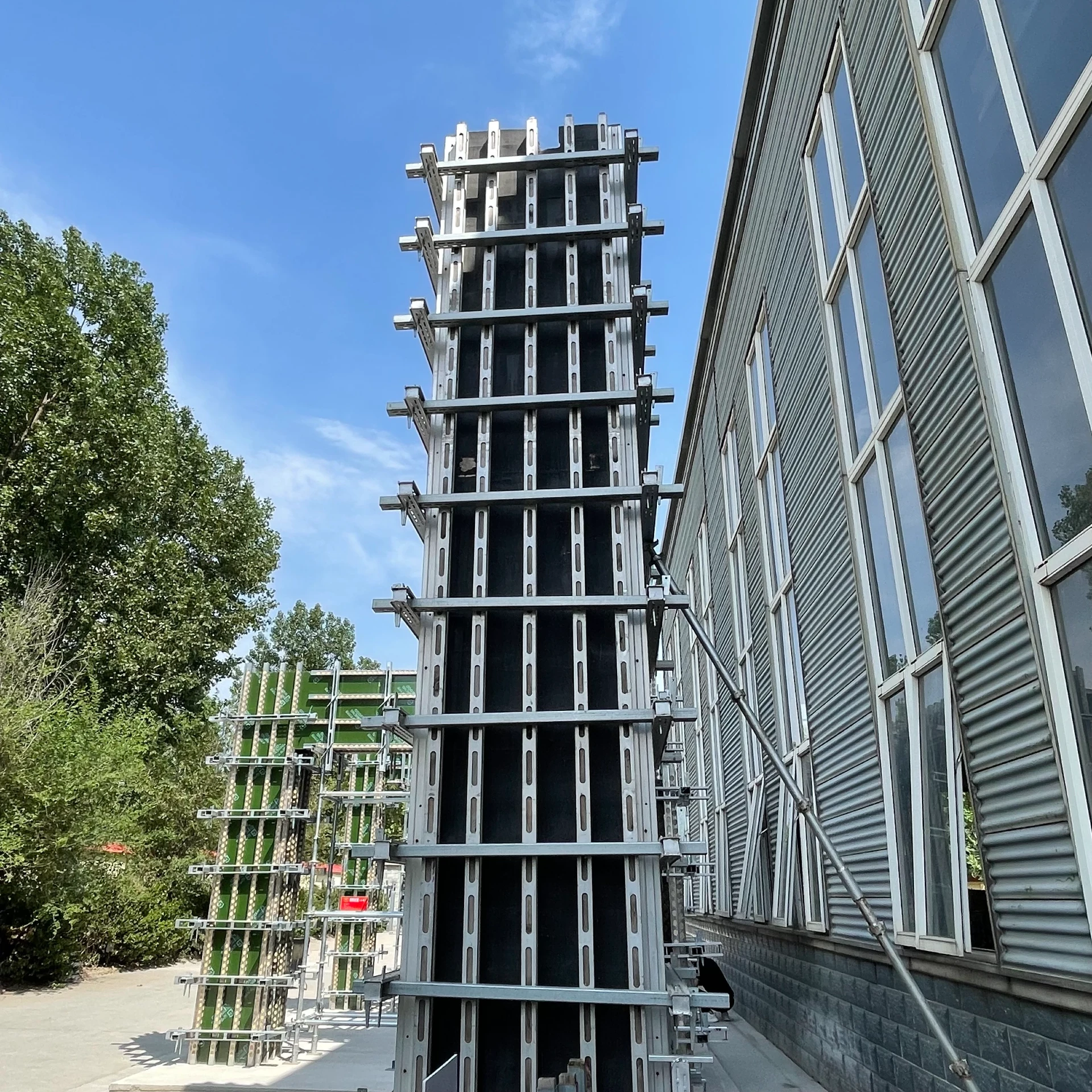
- Installation Scalability: Modular design allows quick assembly tailored to specific ceiling heights and span widths.
- Cost Efficiency: While initial setup may be higher than simple scaffolds, the reuse potential and space savings translate to long-term value.
- Safety Features: Guardrails, non-slip decking, and secure anchorage points comply with ISO and OSHA safety codes to reduce fall risks.
- Adaptability: The system integrates with lighting, temporary power supplies, and can often be moved or adjusted mid-project with minimal disruption.
Mini takeaway: Durability, safety, and smart design converge to make interior hung scaffold an industry favorite for demanding, space-constrained jobs.
Global Applications & Use Cases of Interior Hung Scaffold
Practically speaking, these scaffolds find homes across diverse sectors — commercial, industrial, cultural, and emergency response. For instance:
- Industrial Manufacturing Plants: Routine overhead equipment maintenance is simplified without disrupting active floor machinery.
- Historical and Cultural Sites: Interior hung scaffolds help restoration efforts inside cathedrals or museums, preserving fragile floors and works.
- Post-Disaster Relief: When quick internal access is needed for structural assessment or repair in damaged buildings.
- Retail and Commercial Fit-Outs: Installing or repairing ceiling-mounted systems in busy shopping centers with minimal customer impact.
It’s interesting that in parts of Europe and Asia, manufacturers also customize interior hung scaffold systems to suit seismic zones — a niche but critical adaptation.
Specification Table: Typical Interior Hung Scaffold Components
| Component | Material | Load Capacity | Key Feature |
|---|---|---|---|
| Suspension Brackets | Galvanized Steel | Up to 5 kN per bracket | Corrosion Resistant |
| Decking Platform | Aluminum Alloy / Steel | 500 kg/m² | Non-Slip Surface |
| Guard Rails | Steel Tube | Rated for Fall Protection | Integrated Safety Latches |
| Anchoring Hardware | High-Strength Alloy Steel | Custom Based on Structure | Engineered for Structural Integrity |
Comparing Top Vendors of Interior Hung Scaffold Systems
| Vendor | Material Quality | Customization Options | Safety Certifications | Typical Lead Time |
|---|---|---|---|---|
| BuildSafe Corp. | High-grade steel alloys | Modular & adjustable | ISO 45001, OSHA compliant | 4-6 weeks |
| SkyLine Access Ltd. | Aluminum-heavy frame | Custom fit on demand | CE certified | 3-5 weeks |
| SafeLift Systems | Steel + corrosion coating | Standardized models | ANSI compliant | 2-4 weeks |
Advantages & Long-Term Value of Interior Hung Scaffolding
Honestly, what stands out most is the smart space usage. Imagine a buzzing manufacturing floor where clearing equipment every time you need overhead access is a pain. Interior hung scaffold not only clears the floor for uninterrupted workflow but also cuts installation time compared to traditional scaffolds. This means less downtime — saving both time and money.
There’s also a strong sustainability angle: many components are reusable across projects, made from recyclable alloys. Plus, reducing on-floor clutter and potential trip hazards dramatically improves worker safety and morale. Using such a system feels like investing not only in productivity but in dignity and trust for the teams who operate under these conditions.
Emerging Trends and Innovations
Looking ahead, we’re seeing exciting trends shaping interior hung scaffolds. One notable development is integrating IoT sensors for real-time load monitoring and safety alerts — a sort of “smart scaffold.” Others focus on greener materials, such as ultra-light composites to cut carbon footprints. In parallel, digital modeling and BIM (Building Information Modeling) software make planning scaffold placements more precise than ever before. Larger facilities also experiment with automated repositioning platforms on hoists, making scaffolding truly dynamic in tight spaces.
Challenges & Practical Solutions
Of course, no system is perfect out of the box. Challenges include careful structural analysis to prevent overloads on existing beams, and ensuring anchor points comply with safety regulations. Untrained installation can lead to costly errors. The best practice? Rely on certified engineers for design and install phases, combine with regular safety audits, and use modular systems with clear manufacturer guidance. Vendors increasingly offer tailored training packages alongside hardware, which frankly helps close the knowledge gap.
Frequently Asked Questions About Interior Hung Scaffold
- Q: How safe is an interior hung scaffold compared to traditional scaffolds?
A: When properly installed and maintained, interior hung scaffolds are equally safe, often safer since they reduce tripping hazards on the floor and provide stable suspension points anchored to structural elements complying with ISO and OSHA standards. - Q: Can interior hung scaffolds be used in historic buildings?
A: Yes! Their minimal floor footprint and customizable anchorage make them ideal for sensitive sites where floors or fragile interiors cannot bear load or scaffolding obstructs foot traffic. - Q: What’s the average setup time for an interior hung scaffold?
A: It varies by complexity but modular systems can usually be installed within days rather than weeks, especially with experienced crews and pre-fabricated components. - Q: Are these scaffolds reusable?
A: Definitely. The modular design means components can be disassembled and relocated multiple times, making them a cost-effective choice over multiple projects.
In Conclusion: Making Space Work Better with Interior Hung Scaffold
Interior hung scaffold systems offer a compelling blend of safety, efficiency, and adaptability, making them a staple for modern construction and maintenance projects worldwide. They’re not just technical accessories but vital enablers of progress, especially in constrained or delicate spaces. If your next project demands smart scaffolding solutions that respect space and safety alike, consider exploring these systems further.
Ready to take your elevating works to the next level? Visit our website: https://www.formworkreinforced.com to dive deeper and get expert advice.
It feels like interior hung scaffolds are quietly shaping the future of construction access—and it’s worth paying attention.
References
-
Comprehensive Guide to Scaffolding Rods for Safe Construction PracticesNewsFeb.24,2026
-
Comprehensive Guide to Different Types of Scaffolding for Construction ProjectsNewsFeb.11,2026
-
The Crucial Role and Safe Use of Scaffolding in Modern Construction ProjectsNewsJan.30,2026
-
Maximize Productivity and Safety with a Versatile 7m Scaffold TowerNewsJan.27,2026
-
6m Scaffold Tower: A Comprehensive Guide for B2B BuyersNewsJan.26,2026
-
6ft Scaffold: Durability and Safety in ConstructionNewsJan.25,2026
-
6 Scaffolding: A Modern Construction SolutionNewsJan.24,2026