
Indoor Scaffolding Solutions: Expert Insights for Industrial Equipment Users
Indoor Scaffolding: A Practical Look From Someone Who's Seen It All
Having spent a good chunk of my career in the industrial equipment sector, I’ve had endless opportunities to see scaffolding of all stripes — but there’s something uniquely challenging (and oddly satisfying) about indoor scaffolding.
You might think, "Scaffolding is scaffolding," but indoors, things get trickier. Tight spaces, sensitive floors, even climate control mean that it's not just about stacking metal poles and planks anymore. In real terms, indoor scaffolding demands a level of precision and customization that many overlook.
Frankly, the surge in renovation projects and adaptive reuse of old buildings has put more eyes on indoor scaffolding solutions. It’s no longer just safety compliance that drives specs, but efficiency and minimal disruption. I’ve noticed many engineers say the same — indoor scaffolding systems must be modular, lightweight, and adaptable to uneven surfaces or existing obstacles.
Why Material and Design Matter More Than You Think
One thing that always stands out is the use of aluminum versus steel. Aluminum scaffolding tends to feel lighter on-site, which makes assembly quicker and less exhausting for teams. But of course, it’s a balance — steel structures usually offer higher load capacities, which you can’t just gloss over if you’re working on heavy ceiling installations or with bulky equipment.
I once oversaw an installation in a theater renovation where the use of modular aluminum scaffolding systems allowed the crew to navigate tight backstage corridors easily. The alternative would have meant hours lost just dragging heavy steel components into place. Plus, the surfaces were delicate; the scaffolding had rubberized feet to protect the floor, which is a neat detail you might not always see highlighted.
Testing and Safety: Critical, Yes — But Also Practical
You can find specs all day that promise 1000kg load capacities, but I’ve learned the difference is often in the testing methodology. Real-world testing tends to uncover quirks: How does a system react when unevenly loaded? What happens if one leg is slightly off-level? These are the edge cases that turn theory into trusted equipment.
The best indoor scaffolding keeps you safe but also lets you move quickly between setups. What good is a system rated for twice your load if you end up spending hours just configuring it?
| Specification | Details |
|---|---|
| Material | Aluminum Alloy 6061-T6 |
| Maximum Load Capacity | 350 kg/m² |
| Platform Heights | Adjustable 0.5m to 8m |
| Base Protection | Non-marking rubber feet |
| Assembly Time | Approx. 1.5 hours (4-person crew) |
Comparing Major Indoor Scaffolding Vendors
It’s always a good idea to shop around, even when you’ve got a preferred brand. I put together a quick comparison of some reliable players in the indoor scaffolding space to give you a sense of what’s out there.
| Vendor | Material | Load Capacity (kg/m²) | Special Features | Approx. Cost (per unit) |
|---|---|---|---|---|
| AlphaScaf | Steel | 400 | Heavy-duty base plates | $800 |
| LiteStructure | Aluminum | 320 | Quick-lock assembly | $950 |
| Formwork Reinforced | Aluminum | 350 | Modular and customizable | $900 |
| SafeScaff | Steel/Aluminum hybrid | 370 | Adjustable legs for uneven floors | $870 |
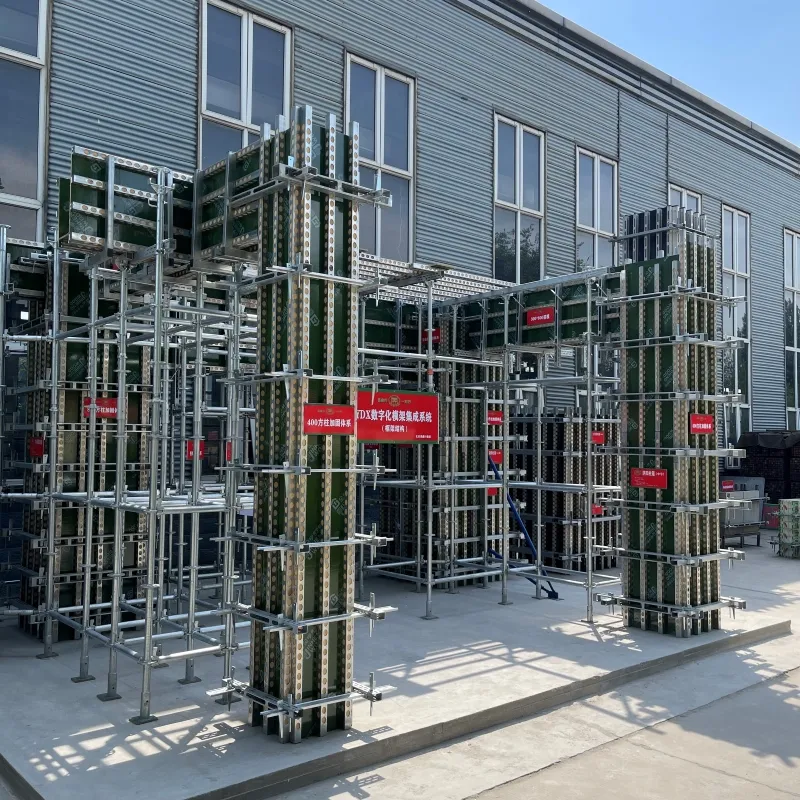
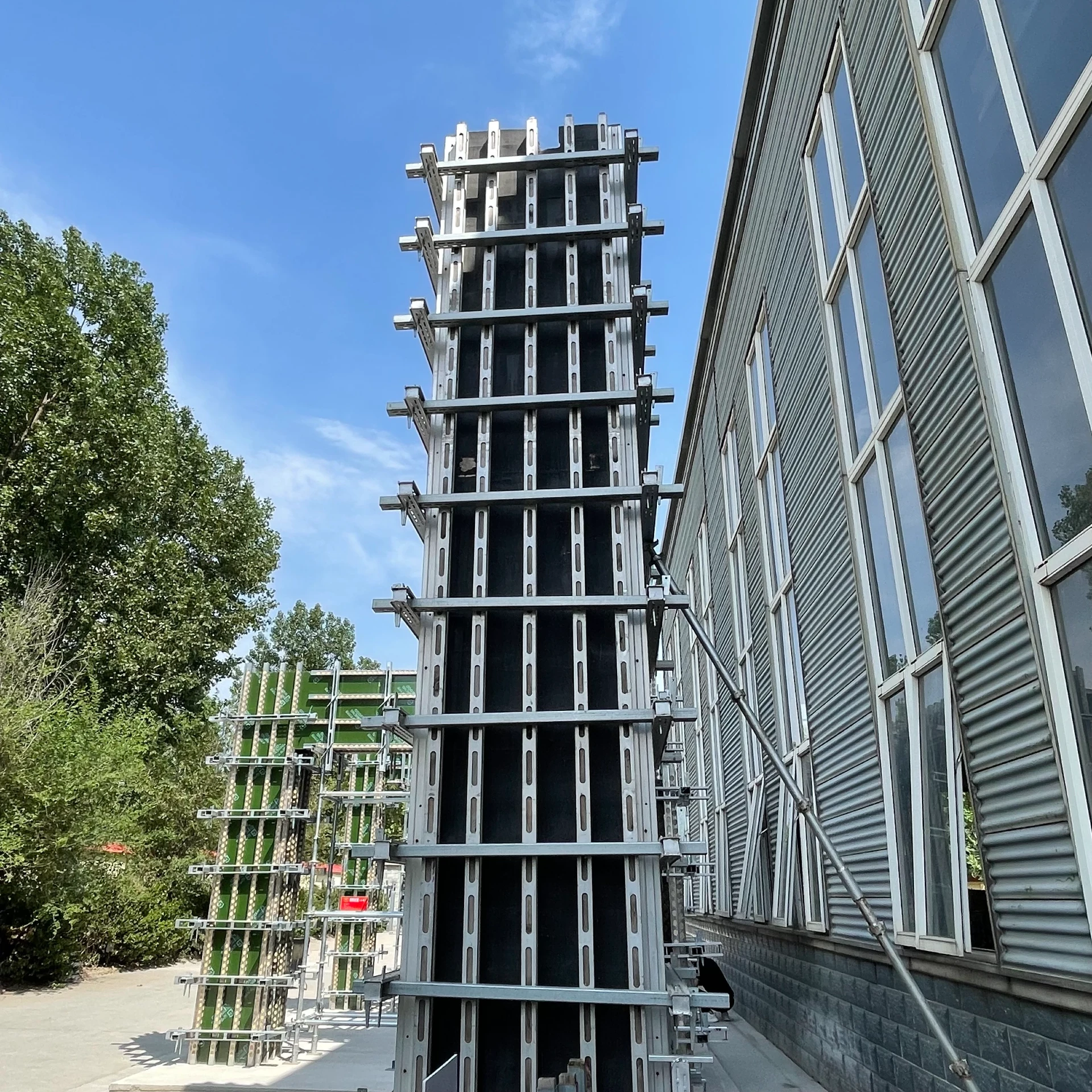
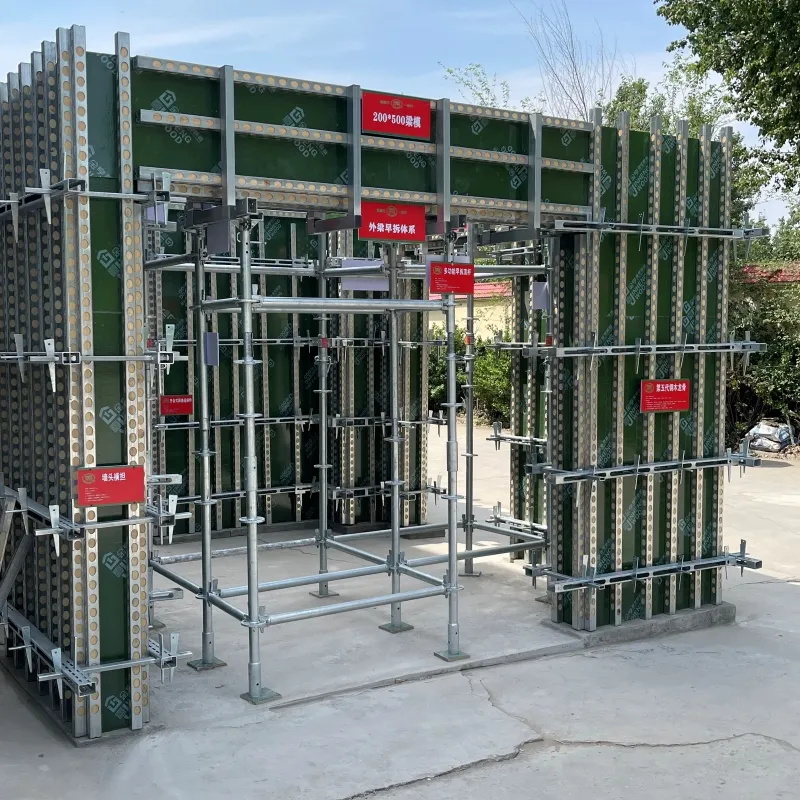
One thing I do appreciate about the indoor scaffolding systems from Formwork Reinforced is their modular approach. It really helps with customization on complex sites, especially when overhead clearance and floor load restrictions come into play.
At the end of the day, though, selecting the right system depends on your crew’s needs and the jobsite itself. Don’t underestimate local conditions — humidity, floor types, or even aesthetics can influence your choice more than the brochure suggests.
In my experience, the best indoor scaffolding blends safety with adaptability, not just raw specs. And sometimes, that’s the difference between finishing on time and an expensive delay.
References & Further Reading
- Industrial Scaffolding Safety Guidelines – OSHA
- Material Specs for Aluminum Alloys – ASM International
- Case study: Theater Renovation Project, 2021, Midwest Structural Solutions
-
Comprehensive Guide to Scaffolding Rods for Safe Construction PracticesNewsFeb.24,2026
-
Comprehensive Guide to Different Types of Scaffolding for Construction ProjectsNewsFeb.11,2026
-
The Crucial Role and Safe Use of Scaffolding in Modern Construction ProjectsNewsJan.30,2026
-
Maximize Productivity and Safety with a Versatile 7m Scaffold TowerNewsJan.27,2026
-
6m Scaffold Tower: A Comprehensive Guide for B2B BuyersNewsJan.26,2026
-
6ft Scaffold: Durability and Safety in ConstructionNewsJan.25,2026
-
6 Scaffolding: A Modern Construction SolutionNewsJan.24,2026