
Indoor Scaffolding For Stairs – Durable Solutions for Safe Indoor Access | Formwork Reinforced
Indoor Scaffolding For Stairs is a key solution in the industry, specifically within construction and renovation projects involving complex vertical access. This article explores how https://www.formworkreinforced.com supports professionals with durable, high-performance products, and explains why this product is an ideal choice for businesses in these sectors.
Table of Contents
- Indoor Scaffolding For Stairs Overview
- Benefits & Use Cases of Indoor Scaffolding For Stairs
- Cost, Maintenance & User Experience
- Sustainability & Market Trends
Indoor Scaffolding For Stairs Overview
Indoor scaffolding for stairs might sound straightforward, but honestly, it’s a very specialized product. Essentially, it’s scaffolding designed to navigate the tricky geometry of staircases inside buildings — which, as you might know, are notoriously hard to work around safely. The scaffolding needs to be adjustable, stable, and easy to assemble without damaging the stairs or the surrounding space.
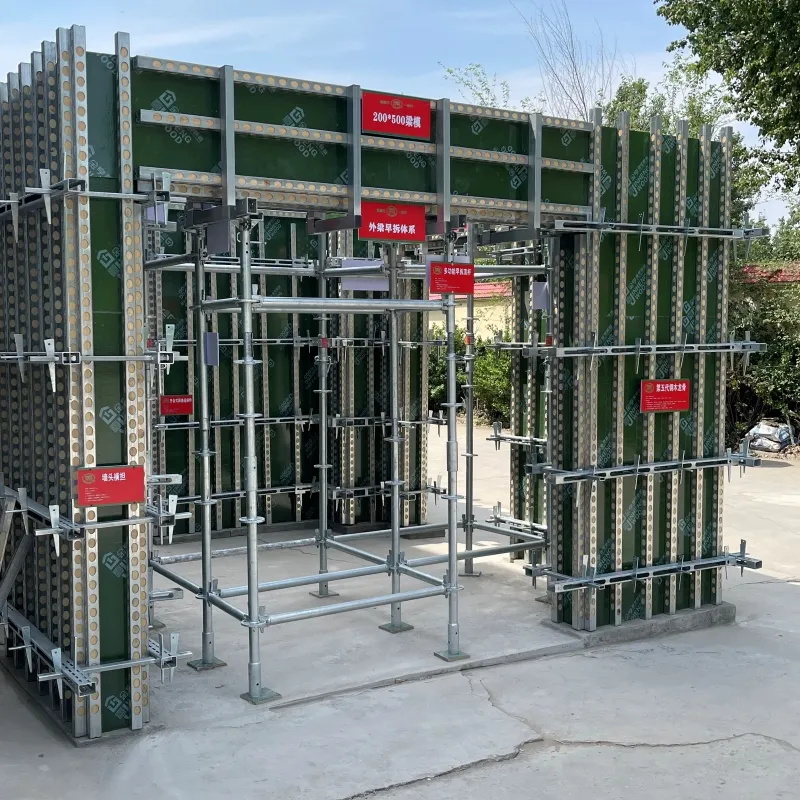
From a technical standpoint, these scaffold systems consist of modular steel or aluminum frames with adjustable legs and platforms crafted to fit irregular angles and narrow spaces. A standout example is the reinforced aluminum scaffolding offered by Formwork Reinforced, which meets EN standards for load capacity and safety. Their designs often incorporate anti-slip surfaces and integrated guardrails, making them a solid choice for any indoor stair work.
| Specification | Details |
|---|---|
| Material | Reinforced Aluminum Alloy |
| Platform Size | Adjustable up to 1.2m x 0.6m |
| Max Load Capacity | 300 kg (EN 12811 Compliant) |
| Height Adjustment Range | From 0.5m to 3m |
| Safety Features | Guardrails, Non-slip decking, Locking pins |
Benefits & Use Cases of Indoor Scaffolding For Stairs
Businesses often underestimate just how complex working on stairs can be. Using generic scaffolding indoors rarely fits perfectly and wastes time. That’s where tailored indoor scaffolding for stairs really shines. It’s designed to provide safe, level platforms even on winding staircases or steep stairwells. I’ve heard many contractors say it literally “takes the headache out” of tasks like painting, refurbishment, or even installing lighting fixtures along stairways.
The key advantages are flexibility and safety. For example, at a recent hotel renovation, the team was able to quickly assemble scaffolding that adjusted to the custom spiral staircase, avoiding damage to precious woodwork. Plus, features like integrated guardrails and anti-slip surfaces help meet rigorous safety standards, protecting workers and minimizing incidents – something every project manager cares about, as they should. Frankly, these products offer a competitive edge by speeding up project timelines and reducing risk.
Indoor Scaffolding For Stairs Use Cases
- Commercial and residential building renovations
- Industrial facilities requiring safe stairwell access
- Historic building restorations where damage prevention is critical
- Maintenance of indoor stairwell lighting and HVAC systems
Cost, Maintenance & User Experience
When it comes to budgeting, the total cost of ownership of indoor scaffolding for stairs usually comes down to material longevity and ease of use. The reinforced aluminum systems on offer from Formwork Reinforced, for instance, strike a great balance between initial investment and long-term value. Given their corrosion resistance and modular design, maintenance is minimal — which, over several projects, translates into appreciable savings.
Actually, many users report the intuitive assembly process and lighter weights make a real difference on site. A mid-sized construction company recently told me that switching to this type of scaffolding reduced setup times by nearly 30%, freeing their workers to spend more time on craft than on fiddling with equipment. Their feedback highlights how productivity improvements often exceed what you’d expect simply from buying better hardware.
| Vendor | Material | Weight | Average Cost | Warranty |
|---|---|---|---|---|
| Formwork Reinforced | Reinforced Aluminum | 18 kg per frame | $$$ | 5 years |
| Generic Scaffolding Co. | Steel | 25 kg per frame | $$ | 3 years |
| StairLift Systems | Aluminum | 20 kg per frame | $$$$ | 7 years |
Sustainability & Market Trends
Oddly enough, sustainability is starting to shape how indoor scaffolding for stairs is designed and marketed. The construction industry, as you probably know, faces tougher regulations around waste and carbon footprints. Products like modular aluminum scaffolding score highly because they’re recyclable and reduce the need for more resource-intensive formwork alternatives. Frankly, this is a market trend driven by both regulation and increasing client demand for greener project processes.
Beyond materials, manufacturers are emphasizing designs that extend product lifecycles and simplify repairs. The scaffolding market as a whole is growing steadily—largely fueled by urban development and the need for safe, indoor access solutions on tight job sites. Indoor scaffolding that fits staircases accurately prevents costly delays and accidents, so its appeal is unlikely to fade anytime soon.
Frequently Asked Questions about Indoor Scaffolding For Stairs
- What is Indoor Scaffolding For Stairs and how does it work?
- Indoor scaffolding for stairs is modular scaffold equipment designed specifically to provide safe, level working platforms across staircases inside buildings. It integrates adjustable components and platforms to fit different stair shapes, offering workers safe access where traditional scaffolding cannot be easily installed.
- What are the main benefits of using Indoor Scaffolding For Stairs in industrial applications?
- Key benefits include enhanced safety, flexibility in adjustment to various stair profiles, reduced project time as setup is faster, and minimal risk of damaging interior finishes. Durability and compliance with safety standards are huge advantages, too.
- How does Indoor Scaffolding For Stairs compare to traditional alternatives?
- Unlike traditional scaffolding, which is usually fixed and bulky, indoor scaffolding for stairs is lightweight, modular, and tailor-made to stair geometries. This leads to safer use in confined indoor spaces, reduced setup times, and fewer complications.
- What industries can benefit most from Indoor Scaffolding For Stairs implementation?
- Major sectors include commercial and residential construction, historic restorations, industrial facility maintenance, and anywhere stair access is needed without disrupting operations or damaging interiors.
Conclusion on Indoor Scaffolding For Stairs from China
To wrap up, Indoor Scaffolding For Stairs offers a practical, safe, and efficient solution for tricky indoor stair projects. The thoughtfully designed, durable scaffold systems available through trusted vendors like Formwork Reinforced deliver value that extends beyond just the specs — they improve onsite workflow and safety in tangible ways. If your business works often on indoor staircases, considering this specialized scaffolding is well worth it.
- Reconsider how you approach stairway access with products built for the task.
- Visit our website: https://www.formworkreinforced.com
A quick takeaway: in a world where safety and efficiency earn the day, investing in the right scaffolding for stairs is just smart business.
References:
1. EN 12811 Safety Standards for Scaffolding
2. Industry case studies from Formwork Reinforced clients, 2023
3. Construction Safety Regulations 2024 Updates
-
Comprehensive Guide to Scaffolding Rods for Safe Construction PracticesNewsFeb.24,2026
-
Comprehensive Guide to Different Types of Scaffolding for Construction ProjectsNewsFeb.11,2026
-
The Crucial Role and Safe Use of Scaffolding in Modern Construction ProjectsNewsJan.30,2026
-
Maximize Productivity and Safety with a Versatile 7m Scaffold TowerNewsJan.27,2026
-
6m Scaffold Tower: A Comprehensive Guide for B2B BuyersNewsJan.26,2026
-
6ft Scaffold: Durability and Safety in ConstructionNewsJan.25,2026
-
6 Scaffolding: A Modern Construction SolutionNewsJan.24,2026