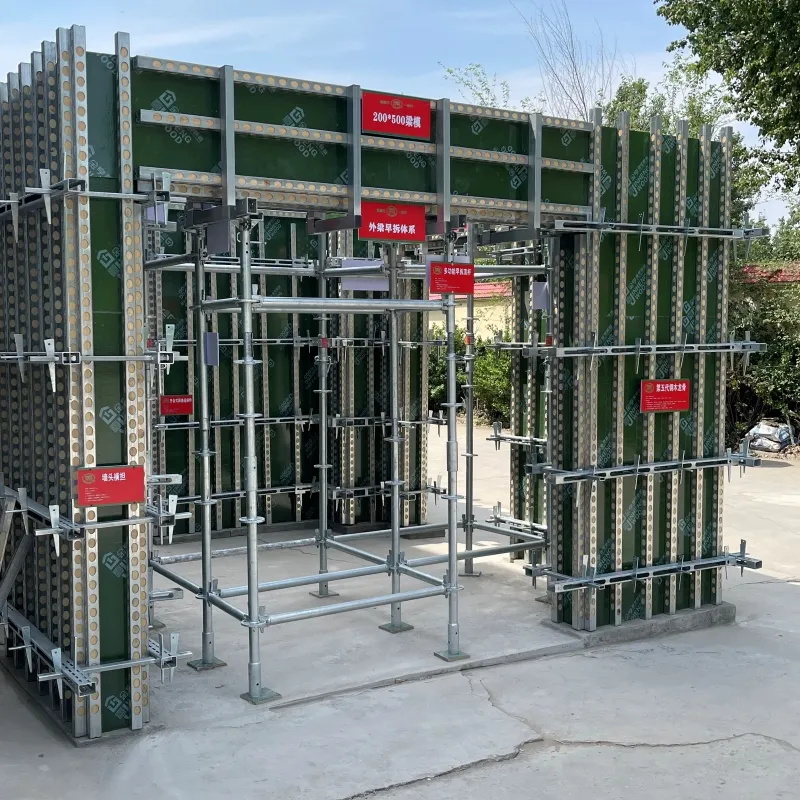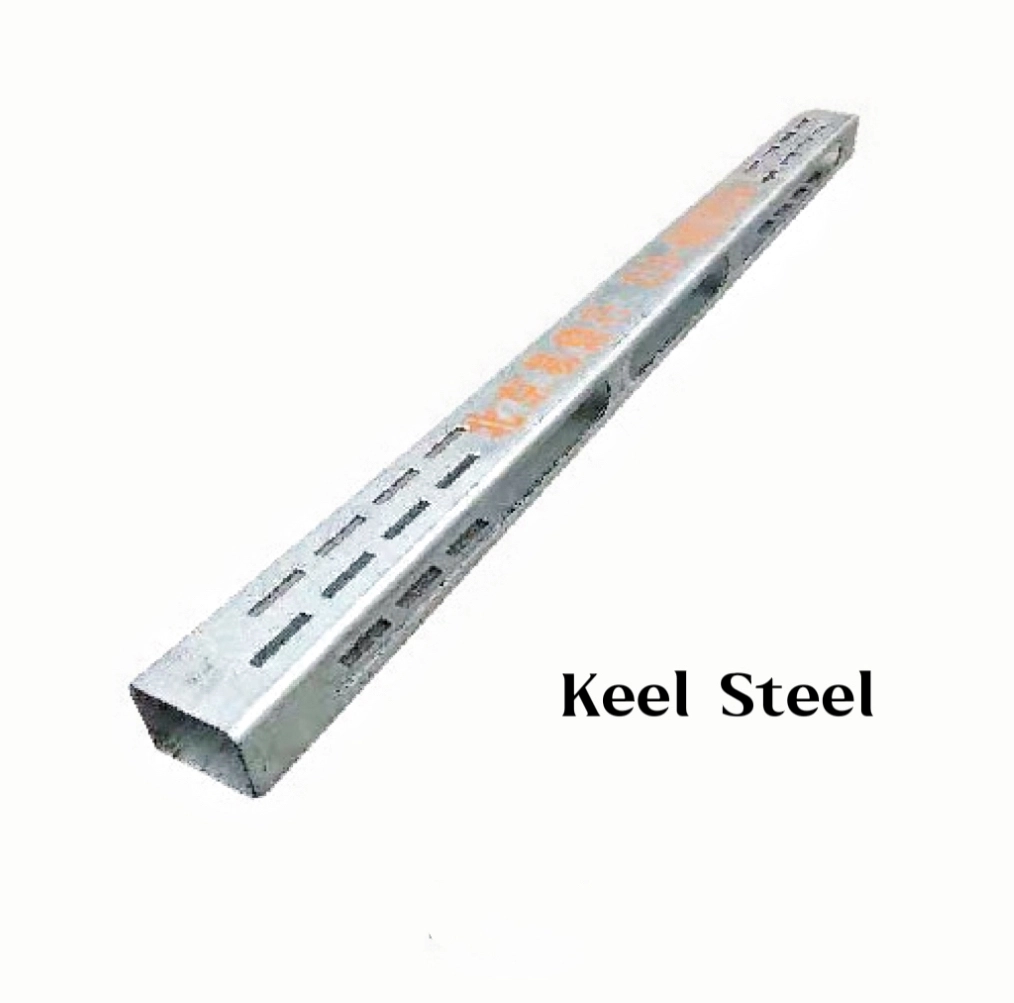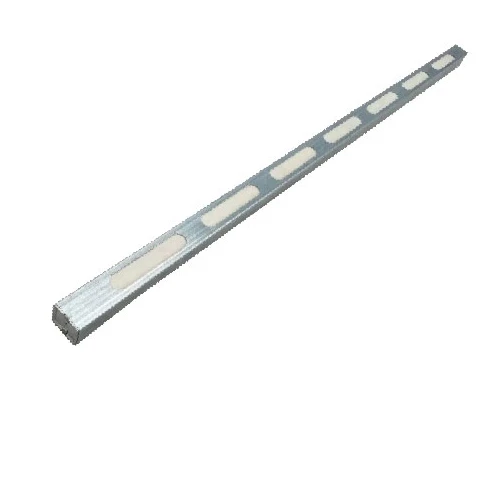

High-Quality Formwork | Boost Construction Efficiency & Savings
Understanding Advanced Formwork Systems in Modern Construction
In the dynamic landscape of modern construction, efficient and reliable structural support systems are paramount. Formwork, as a temporary mold or structure into which concrete is poured, plays a foundational role in defining the shape and structural integrity of cast-in-place concrete elements. From towering skyscrapers to intricate infrastructure projects, the quality and performance of Formwork directly impact project timelines, cost-effectiveness, and ultimate structural stability. This comprehensive overview delves into the critical aspects of high-performance Formwork, covering its technological advancements, application versatility, and strategic advantages for B2B stakeholders.
Our solutions are engineered to meet the rigorous demands of contemporary construction, ensuring precision, safety, and efficiency across diverse industrial and commercial applications.
Industry Trends and Innovations in Formwork Technology
The Formwork industry is undergoing significant transformation, driven by demands for greater sustainability, automation, and operational safety. Key trends include:
- Digitalization and BIM Integration: The adoption of Building Information Modeling (BIM) for precise Formwork planning and design is enhancing efficiency and reducing material waste. Digital twins and augmented reality are increasingly used for on-site verification and training.
- Sustainable Materials: A shift towards more eco-friendly materials, such as recycled plastics, composite panels, and improved plywood with extended lifespans, aims to reduce environmental impact.
- Modular and Prefabricated Systems: Prefabricated Formwork modules accelerate construction schedules, minimize on-site labor, and improve quality control. These systems allow for rapid assembly and disassembly.
- Enhanced Safety Features: Innovations focus on integrated safety railings, anti-slip surfaces, and fall protection systems to improve worker safety on construction sites.
- Robotics and Automation: Emerging applications of robotics for Formwork assembly, stripping, and cleaning are boosting productivity and reducing manual intervention in hazardous environments.
These trends collectively point towards a future where Formwork is not merely a temporary structure but an integrated, intelligent component of the construction process.
Technical Specifications and Design Parameters
The performance of Formwork is fundamentally governed by its technical specifications and meticulous design. Our solutions are engineered to withstand extreme pressures and environmental conditions, adhering to stringent international standards. Key parameters include:
- Material Composition: High-grade steel (e.g., Q235, Q345, S355), marine-grade plywood (phenolic-coated), aluminum alloys, and advanced composite materials for optimal strength-to-weight ratio and durability.
- Load-Bearing Capacity: Designed to safely support fresh concrete pressure, live loads, and construction loads, typically ranging from 60 kN/m² to 100 kN/m² for vertical applications and tailored for specific horizontal spans.
- Deflection Limits: Engineered to minimal deflection, often less than L/300 or L/500 for beams and slabs, ensuring the desired concrete dimensions and surface finish.
- Surface Finish Quality: Utilizing form-facing materials that provide smooth, blemish-free concrete surfaces, often reducing the need for extensive post-finishing.
- Modularity and Adaptability: Systems are designed with interlocking components for rapid assembly and versatility across various structural geometries, including columns, walls, slabs, and specialized structures.
- Resistance Properties: High resistance to corrosion, abrasion, and chemical attack, particularly in harsh industrial or marine environments.
Representative Formwork Panel Specifications
| Parameter | Steel Panel (e.g., Peri Maximo) | Aluminum Panel (e.g., Doka Frami Xlife) | Plywood Panel (e.g., Conventional) |
|---|---|---|---|
| Frame Material | Galvanized Steel | High-Strength Aluminum Alloy | Timber/Steel Frame |
| Facing Material | Birch Plywood with Phenolic Coating | Xlife Plastic Composite | WBP Plywood / Film-faced Plywood |
| Panel Thickness | 18-21 mm | 15-18 mm | 12-21 mm |
| Max. Fresh Concrete Pressure | 80 kN/m² | 60 kN/m² | 40-50 kN/m² (dependant on support) |
| Weight (per m² panel) | Approx. 50 kg | Approx. 30 kg | Approx. 25-40 kg |
| Pour Cycles (approx.) | Up to 1500 (with proper care) | Up to 1000 | 20-100 |
These specifications ensure that our Formwork systems not only meet but often exceed project requirements, contributing to structural integrity and project longevity.
Detailed Manufacturing Process of Formwork
The quality and reliability of Formwork are intrinsically linked to its manufacturing process. Our approach combines advanced engineering with rigorous quality control at every stage.
Product Materials and Sourcing
We meticulously select materials for their superior mechanical properties and environmental sustainability. For steel-based Formwork, we utilize high-grade structural steel alloys (e.g., S355JR, ASTM A36) known for their high yield strength and weldability. Aluminum components are typically crafted from 6061-T6 or 7075-T6 alloys, offering an exceptional strength-to-weight ratio. Plywood components are sourced from sustainable forestry operations, often using birch or eucalyptus, and treated with phenolic resin coatings for water resistance and extended reuse cycles. All materials undergo strict incoming quality inspection to ensure compliance with material specifications.
Manufacturing Processes
- Cutting and Forming: Steel and aluminum sheets are precision-cut using CNC laser or plasma cutters. Bending and forming operations are performed with hydraulic presses and roll-forming machines to create precise profiles and structural elements.
- Welding: Robotic and automated welding processes (MIG/MAG) ensure consistent, high-strength welds for frame components, minimizing human error and enhancing structural integrity. Manual welding is used for complex geometries by certified welders.
- Surface Treatment: Steel components undergo shot blasting, followed by hot-dip galvanization or powder coating for superior corrosion resistance. Aluminum components are often anodized to enhance surface hardness and prevent oxidation.
- Panel Assembly: Form-facing materials (plywood, plastic composites) are securely integrated into the metal frames using high-strength fasteners and specialized adhesives to ensure a watertight and durable assembly.
- CNC Machining: Critical connection points, mounting holes, and intricate components are manufactured using multi-axis CNC machining centers to achieve micron-level precision, ensuring perfect fit and interchangeability.
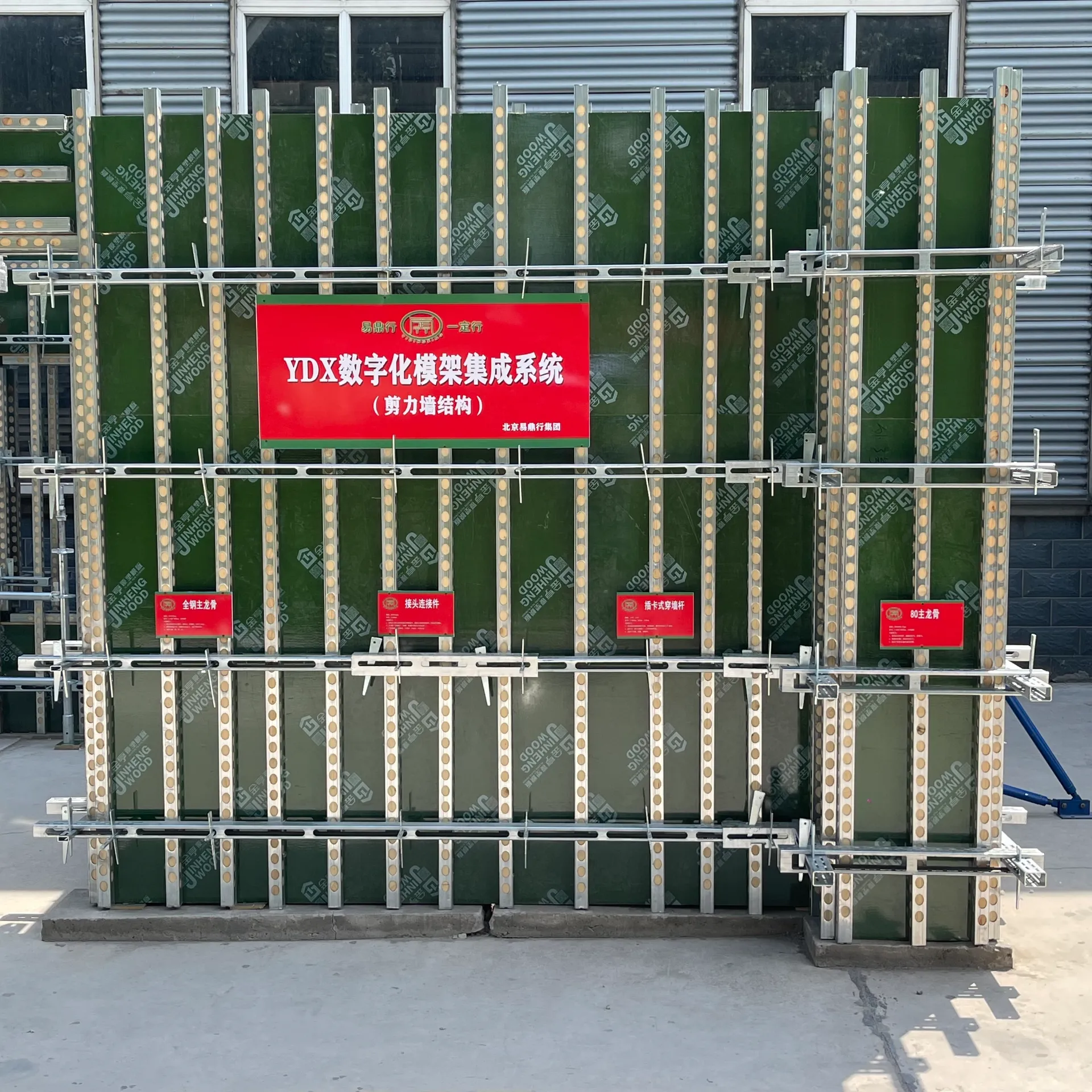
Figure 1: Advanced Formwork panel during manufacturing assembly, demonstrating precision engineering.
Testing Standards and Quality Assurance
Our Formwork products are rigorously tested to comply with international standards, including:
- ISO 9001:2015: Certified quality management system ensuring consistent product quality and continuous improvement.
- ANSI/ASSE A10.9: Safety requirements for Formwork and shoring.
- EN 12812: Performance requirements and general design for Formwork.
- ASTM standards: For material properties and testing (e.g., ASTM A36 for steel, ASTM B209 for aluminum).
Testing includes load-bearing capacity tests, deflection tests, fatigue testing, and corrosion resistance assessments in simulated harsh environments.
Service Life and Target Industries
Our high-quality Formwork systems are designed for an extended service life, typically offering 100 to over 1500 pour cycles depending on the material and maintenance regimen. This longevity translates into significant cost savings and reduced environmental impact over the project lifecycle.
Target industries include:
- Petrochemical: For constructing complex structures like containment walls, foundations for heavy machinery, and processing units requiring high precision.
- Metallurgy: Building robust foundations for furnaces, rolling mills, and heavy industrial facilities.
- Water Supply & Drainage: Construction of reservoirs, treatment plants, canals, and large-diameter pipelines requiring waterproof and durable concrete structures.
- High-Rise Commercial & Residential: Efficient vertical construction of shear walls, columns, and floor slabs.
- Infrastructure: Bridges, tunnels, dams, and rapid transit systems demanding high load-bearing capacity and resilience.
Application Scenarios and Technical Advantages
Our Formwork systems are designed for unparalleled versatility and performance across a myriad of complex construction challenges.
Typical Application Scenarios
- High-Rise Cores: Self-climbing Formwork systems allow for rapid, sequential pouring of core walls, accelerating overall building construction by decoupling core and slab work.
- Bridge Decks and Piers: Specialized heavy-duty girder Formwork and column Formwork ensure the precise geometry and structural integrity of critical transportation infrastructure.
- Large Span Slabs: Table Formwork systems enable quick repositioning and reuse for extensive floor areas in commercial and industrial buildings.
- Curved Walls and Architectural Features: Flexible Formwork allows for the creation of complex architectural shapes, enhancing aesthetic appeal while maintaining structural integrity.
Demonstrable Technical Advantages
- Energy Saving: Our precision-engineered Formwork contributes to energy efficiency by reducing concrete waste through accurate pouring and minimizing the need for extensive post-finishing processes, which are energy-intensive. Furthermore, the robust, reusable nature of our systems significantly lowers the embodied energy associated with single-use alternatives, reducing overall material consumption and transportation.
- Corrosion Resistance: Utilizing hot-dip galvanized steel frames and high-grade aluminum alloys, our Formwork exhibits superior resistance to corrosion, even in aggressive environments such as coastal areas, industrial zones, or wastewater treatment facilities. This extends the lifespan of the Formwork, reduces maintenance costs, and ensures consistent concrete surface quality over numerous pours.
- Enhanced Safety: Integrated safety components, intuitive locking mechanisms, and robust load capacities minimize on-site risks, protecting personnel and property. Our systems are designed for safe and ergonomic handling.
- Accelerated Project Timelines: Modular design, lightweight components (especially aluminum Formwork), and rapid assembly/stripping processes significantly cut down construction schedules, leading to earlier project completion and reduced labor costs.
- Superior Concrete Finish: The high-quality form-facing materials and rigid structural support deliver smooth, uniform concrete surfaces, reducing the need for plastering or extensive surface treatments.
Vendor Comparison: Why Choose Our Formwork?
Selecting the right Formwork vendor is a critical decision impacting project success. While the market offers various solutions, our offerings stand out due to a blend of innovation, quality, and comprehensive support.
| Feature/Criterion | Our Formwork Solutions | Competitor A (Mid-Range) | Competitor B (Budget) |
|---|---|---|---|
| Material Quality | Premium galvanized steel, high-grade aluminum, phenolic-coated birch plywood. | Standard galvanized steel, lower-grade aluminum, mixed plywood. | Basic steel, untreated timber. |
| Pour Cycles (Avg.) | 300-1500+ (system dependent) | 100-300 | 20-100 |
| Safety Features | Integrated safety components, fall protection, ergonomic design, compliance with EN/ANSI. | Basic safety features, additional components often needed. | Minimal, often user-implemented. |
| Technical Support & Design | Comprehensive engineering, BIM integration, on-site training, project-specific design. | Standard design guides, limited customization. | Product catalog only. |
| Total Cost of Ownership (TCO) | Higher initial investment, significantly lower TCO due to longevity, reusability, efficiency. | Moderate initial, higher TCO due to shorter lifespan, more maintenance. | Lowest initial, highest TCO due to single-use nature, waste, labor. |
Our commitment to advanced materials, rigorous engineering, and unparalleled support ensures superior performance and long-term value, making our Formwork an investment in project excellence.
Customized Formwork Solutions
Recognizing that no two construction projects are identical, we specialize in providing bespoke Formwork solutions tailored to the unique demands of each client and project. This customization ensures optimal performance, cost-efficiency, and seamless integration with complex structural designs.
Our process for customized Formwork includes:
- Detailed Project Assessment: In-depth analysis of architectural drawings, structural engineering plans, site conditions, and project timelines.
- 3D Modeling and Simulation: Utilizing advanced CAD/BIM software for precise Formwork design, clash detection, and constructability analysis, optimizing material use and assembly sequences.
- Material and System Selection: Recommending the most suitable materials (steel, aluminum, composites) and system types (wall, slab, column, climbing, special Formwork) based on project requirements, budget, and desired concrete finish.
- Prototyping and Testing: For highly complex or critical components, physical prototypes may be created and tested to validate design assumptions and performance before full-scale manufacturing.
- On-Site Support and Training: Providing expert technical guidance during assembly, pouring, and stripping phases, along with comprehensive training for site personnel.
This bespoke approach ensures that our Formwork solutions are perfectly aligned with project goals, delivering precision and efficiency where standard systems fall short.
Application Case Studies
Our Formwork systems have been instrumental in the successful execution of numerous challenging projects worldwide.
Case Study 1: High-Rise Residential Tower, Metropolis City
Challenge: Construct a 60-story residential tower with a tight schedule and a requirement for a high-quality exposed concrete finish. The project involved complex core wall geometries and extensive slab areas.
Solution: We deployed a combination of self-climbing wall Formwork for the central core and an advanced table Formwork system for the slab construction. The self-climbing system allowed for a 4-day cycle for core walls, while the table Formwork ensured rapid slab cycles with minimal propping.
Outcome: The project achieved completion 15% ahead of schedule. The client reported a significant reduction in labor costs for Formwork operations and an exceptional concrete surface finish, minimizing post-finishing work. Customer feedback highlighted the system's ease of assembly and integrated safety features.
"The efficiency and reliability of their Formwork systems were critical to our project's success. The support from their engineering team was invaluable." - Project Director, Metropolis Development Corp.
Case Study 2: Industrial Wastewater Treatment Plant, Coastal Region
Challenge: Construction of concrete tanks and settlement basins in a highly corrosive coastal environment, requiring robust, corrosion-resistant Formwork capable of delivering watertight concrete structures.
Solution: We provided heavy-duty modular Formwork with hot-dip galvanized steel frames and premium-grade, chemically resistant form-facing plywood. Specialized sealing gaskets were incorporated to prevent concrete bleed and ensure high-quality, dense concrete surfaces.
Outcome: The project successfully met all waterproofing specifications. The superior corrosion resistance of the Formwork extended its usability far beyond initial projections, reducing material replacement costs. The project team appreciated the low maintenance requirements of the Formwork in the harsh environment.
"Their Formwork performed exceptionally well under challenging conditions. The longevity and resistance to corrosion were key factors in achieving a durable structure." - Lead Engineer, Aqua-Chem Solutions Inc.
Frequently Asked Questions (FAQs)
Q: What is the typical lead time for your Formwork systems?
A: Lead times vary depending on the complexity and scale of the order. For standard modular systems, lead time is typically 4-6 weeks. For customized Formwork, this can extend to 8-12 weeks, depending on design and manufacturing requirements. We recommend contacting our sales team for precise lead time estimates for your specific project.
Q: What kind of warranty do you offer on your Formwork products?
A: We offer a standard 12-month warranty against manufacturing defects for all our Formwork components. Extended warranty options and service contracts are available upon request, covering wear parts and offering preventative maintenance guidance.
Q: Do you provide on-site technical support and training?
A: Yes, we provide comprehensive on-site technical support and training for your project teams. Our experienced engineers and technicians can assist with initial assembly, provide guidance on best practices for concrete pouring and stripping, and offer troubleshooting to ensure optimal performance and safety.
Q: How do your Formwork systems contribute to project sustainability?
A: Our Formwork systems are designed for high reusability and longevity, significantly reducing material waste compared to single-use alternatives. We also utilize durable, often recyclable materials (steel, aluminum) and precision manufacturing to minimize concrete overconsumption and rework, contributing to a lower carbon footprint for your construction projects.
Lead Time & Fulfillment
Our streamlined supply chain and manufacturing processes ensure efficient delivery of Formwork solutions. Upon order confirmation and final design approval, standard systems are typically shipped within 4-6 weeks. Custom-engineered solutions may require 8-12 weeks for design, fabrication, and quality assurance. Expedited options are available for urgent projects, subject to additional charges and production capacity. Our logistics team works closely with clients to coordinate delivery schedules and optimize transportation, ensuring your Formwork arrives on-site precisely when needed.
Warranty Commitments
We stand behind the quality and durability of our Formwork products. All new Formwork systems and components come with a comprehensive 12-month limited warranty covering manufacturing defects and material failures under normal operating conditions. This warranty underscores our commitment to excellence and provides our clients with confidence in their investment. Detailed warranty terms and conditions are available upon request. Our dedicated quality assurance team ensures every component meets our rigorous standards before shipment.
Customer Support and After-Sales Service
Our commitment to our clients extends far beyond the point of sale. We offer comprehensive customer support designed to ensure seamless project execution and maximum operational efficiency of our Formwork systems.
- Technical Assistance: Our team of expert engineers and technical specialists is available to provide guidance on Formwork design, assembly, handling, and maintenance. Support is accessible via phone, email, or video conferencing.
- On-Site Support: For complex projects or specific challenges, we can dispatch our technical personnel to your site for hands-on assistance, troubleshooting, and optimization.
- Spare Parts and Replacements: A comprehensive inventory of spare parts and replacement components is maintained to minimize downtime and ensure the continuous operation of your Formwork.
- Maintenance and Inspection Services: We offer scheduled inspection and maintenance services to assess the condition of your Formwork, recommend repairs, and extend its operational lifespan.
Our goal is to be a long-term partner in your success, providing reliable products and unparalleled support throughout the entire lifecycle of your construction projects.
References
- American Concrete Institute (ACI). ACI 347R-14: Guide to Formwork for Concrete. Farmington Hills, MI: American Concrete Institute, 2014.
- European Committee for Standardization (CEN). EN 12812: Formwork - Performance requirements and general design. Brussels: CEN, 2004.
- International Organization for Standardization (ISO). ISO 9001:2015: Quality management systems - Requirements. Geneva: ISO, 2015.
- Wang, J., & Li, Q. (2018). Advanced Formwork Systems for High-Rise Building Construction. Journal of Construction Engineering and Management, 144(7), 04018049.
- Smith, A. B., & Jones, C. D. (2020). Sustainable Practices in Formwork Materials and Reuse. Construction Research Journal, 25(3), 112-128.
-
Comprehensive Guide to Scaffolding Rods for Safe Construction PracticesNewsFeb.24,2026
-
Comprehensive Guide to Different Types of Scaffolding for Construction ProjectsNewsFeb.11,2026
-
The Crucial Role and Safe Use of Scaffolding in Modern Construction ProjectsNewsJan.30,2026
-
Maximize Productivity and Safety with a Versatile 7m Scaffold TowerNewsJan.27,2026
-
6m Scaffold Tower: A Comprehensive Guide for B2B BuyersNewsJan.26,2026
-
6ft Scaffold: Durability and Safety in ConstructionNewsJan.25,2026
-
6 Scaffolding: A Modern Construction SolutionNewsJan.24,2026