
High-Quality Formwork Systems for Efficient Construction Projects
Introduction to Advanced Formwork Systems and Industry Trends
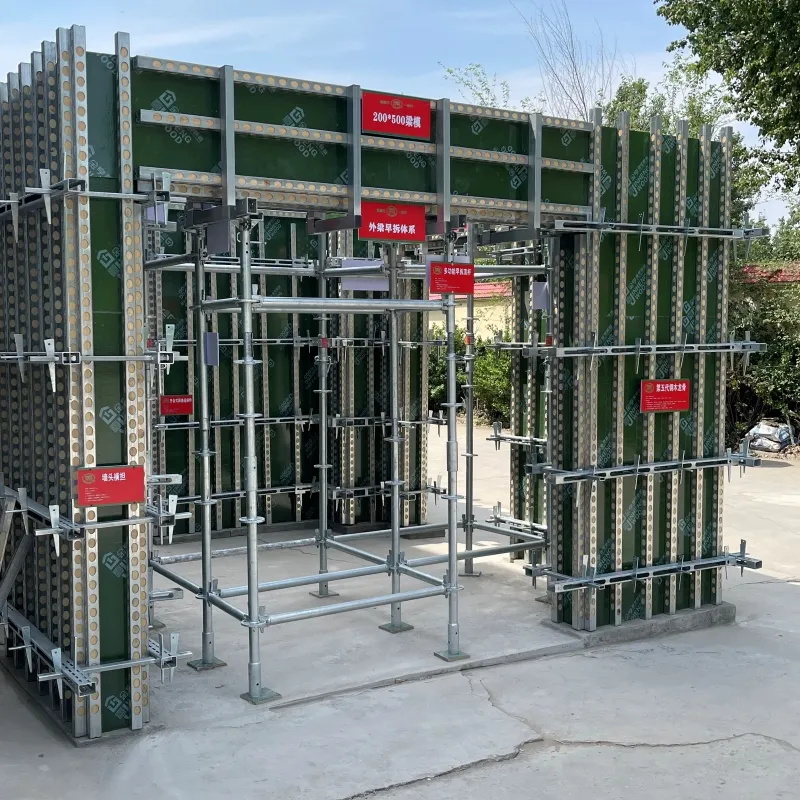
In modern construction, the integrity and efficiency of structural concrete elements are fundamentally reliant on high-quality Formwork. This critical component serves as a temporary mold into which concrete is poured, holding it in place until it gains sufficient strength to be self-supporting. The evolution of formwork technology has progressed from rudimentary timber systems to highly engineered, reusable, and sophisticated solutions that dramatically enhance project timelines, safety, and cost-effectiveness. The global formwork market is currently experiencing robust growth, driven by increasing infrastructure development, urbanization, and the demand for faster, more sustainable construction methods. Industry analysts project a compound annual growth rate (CAGR) of approximately 6-8% for the formwork market over the next five years, reaching an estimated value of over $60 billion by 2028, primarily fueled by advancements in material science and digital design integration.
Current industry trends emphasize modularity, lightweight design, and the integration of smart technologies for real-time monitoring of concrete curing and structural integrity. Sustainable practices, such as the use of recycled materials and extended service life for systems, are also gaining prominence. Furthermore, the increasing complexity of architectural designs necessitates versatile and precision-engineered systems capable of delivering intricate geometries and superior surface finishes. Our commitment is to provide cutting-edge solutions that align with these industry demands, ensuring projects achieve optimal performance and compliance with the most stringent international standards.
Manufacturing Process and Technical Specifications
The manufacturing of advanced Formwork systems is a meticulous process, demanding high precision and adherence to strict quality control protocols. Our process ensures durability, reusability, and optimal performance across diverse construction environments. The typical manufacturing flow involves several key stages:
- Material Selection and Preparation: High-grade materials are chosen based on the specific application requirements. For instance, steel formwork utilizes high-tensile steel alloys (e.g., S355JR, EN 10025) for strength and rigidity, while aluminum systems employ aerospace-grade aluminum alloys (e.g., 6061-T6, 7075-T6) for their lightweight properties and corrosion resistance. Plywood elements often use birch or phenolic-coated timber for superior concrete finish and moisture resistance.
- Precision Cutting and Shaping: Raw materials are precisely cut using advanced CNC laser or plasma cutting machines. This ensures components conform to exact design specifications, crucial for modularity and seamless assembly on-site.
- Fabrication and Assembly: Components undergo processes such as automated welding (for steel and aluminum), forging (for specialized connectors and hardware), and bending. Advanced robotic welding ensures consistent weld quality, minimizing defects and maximizing structural integrity.
- Surface Treatment: Depending on the material, surfaces are treated to enhance durability and concrete release properties. This includes powder coating, galvanization (for steel), or anodizing (for aluminum) to provide superior corrosion resistance and extend service life.
- Quality Control and Testing: Each component and assembled module undergoes rigorous inspection and testing. This includes dimensional verification, material strength testing (tensile, yield, impact), weld integrity checks (ultrasonic testing, dye penetrant inspection), and load testing to simulate operational stresses. Our systems are manufactured and tested in compliance with international standards such as ISO 9001 for quality management, EN 13670 for execution of concrete structures, and ANSI/ASSE A10.9 for construction and demolition operations.
- Packaging and Dispatch: Finished systems are carefully packaged to prevent damage during transit and delivered to project sites worldwide.
The average service life for high-quality, well-maintained steel systems can exceed 10-15 years, with aluminum systems often reaching 20+ years due to inherent corrosion resistance. Plywood components typically offer 50-100 reuses depending on care and coating quality. These robust systems find applications across a multitude of target industries, including:
- Petrochemical: For constructing complex structures like containment walls, tank foundations, and intricate pipe racks, where precise geometries and robust support are critical.
- Metallurgy: In the construction of blast furnace foundations, rolling mill bases, and heavy-duty structural elements requiring exceptional load-bearing capacity.
- Water Supply & Drainage: Essential for building reservoirs, treatment plants, canals, culverts, and large-diameter pipelines, where water tightness and long-term durability are paramount.
- High-Rise Construction: Enabling rapid, safe, and precise casting of core walls, floor slabs, and columns.
- Bridge and Tunnel Infrastructure: Supporting the creation of complex bridge decks, piers, abutments, and tunnel lining segments.
In these scenarios, the advantages of advanced Formwork are evident: superior corrosion resistance extends structural longevity in harsh environments, while precise engineering minimizes material wastage, contributing to energy saving and reduced carbon footprint. For instance, a well-designed aluminum climbing formwork system can reduce crane dependency by 30% and accelerate slab cycle times by 2-3 days per floor, significantly improving overall project energy efficiency.
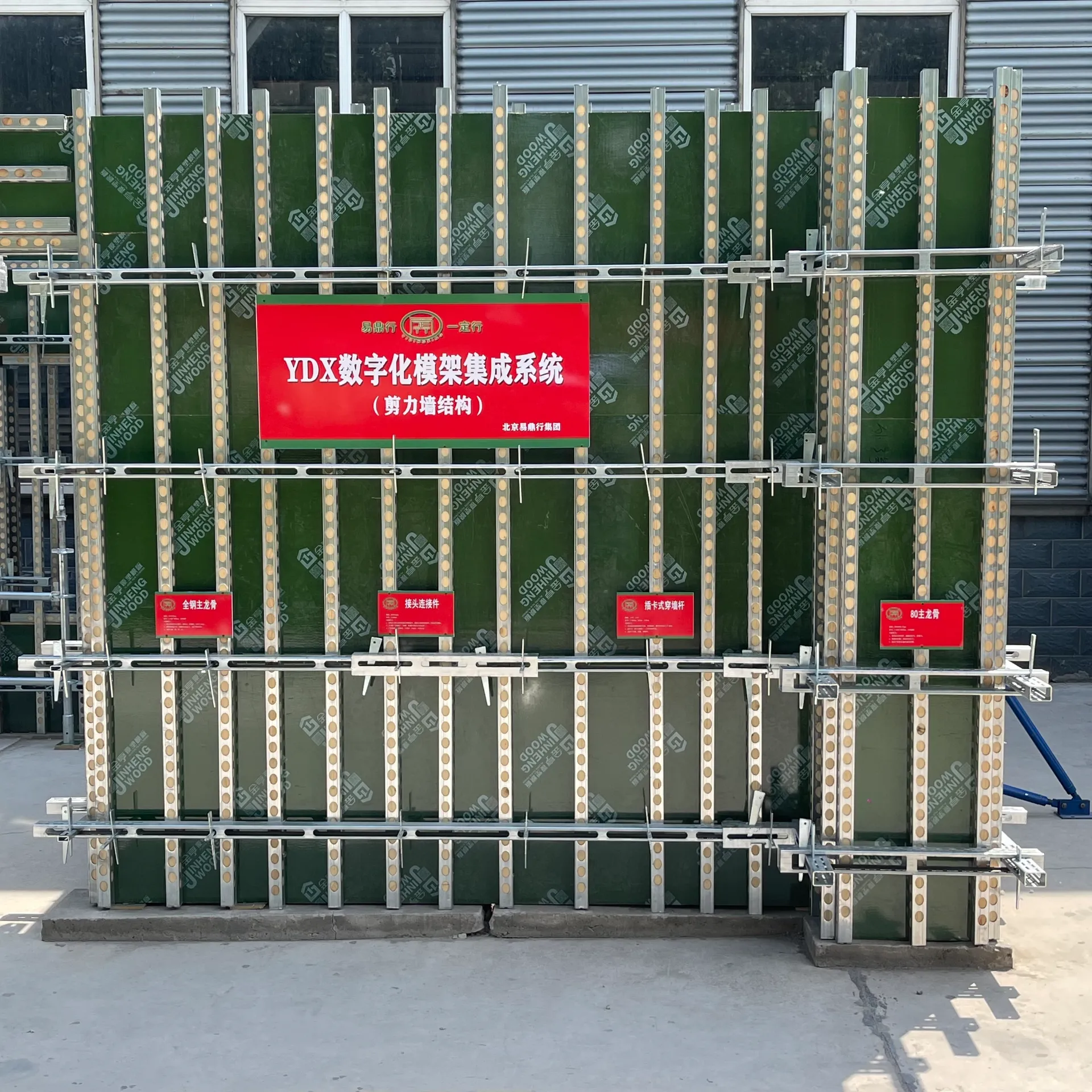
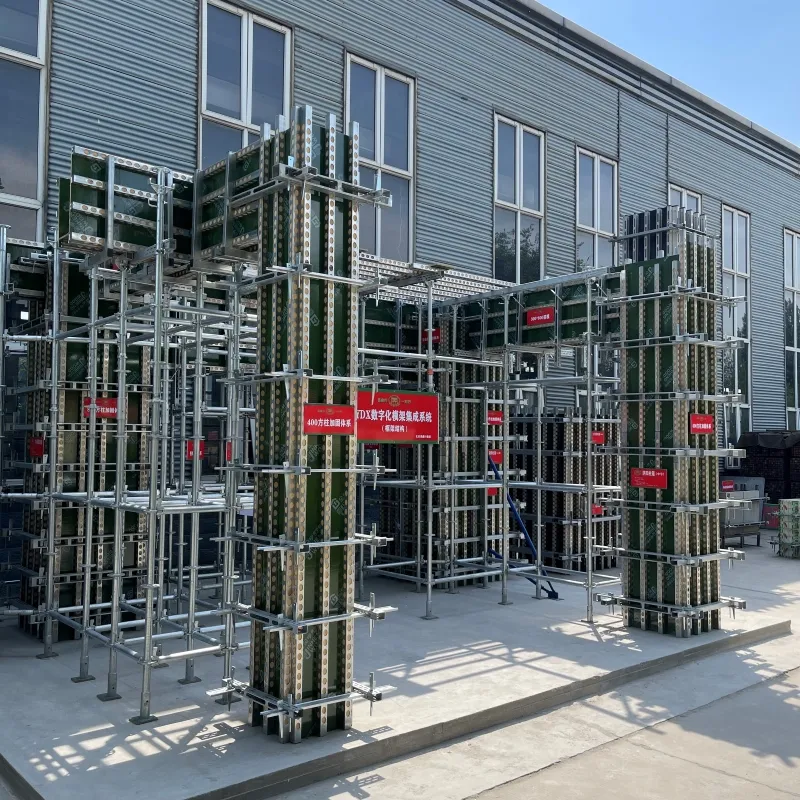
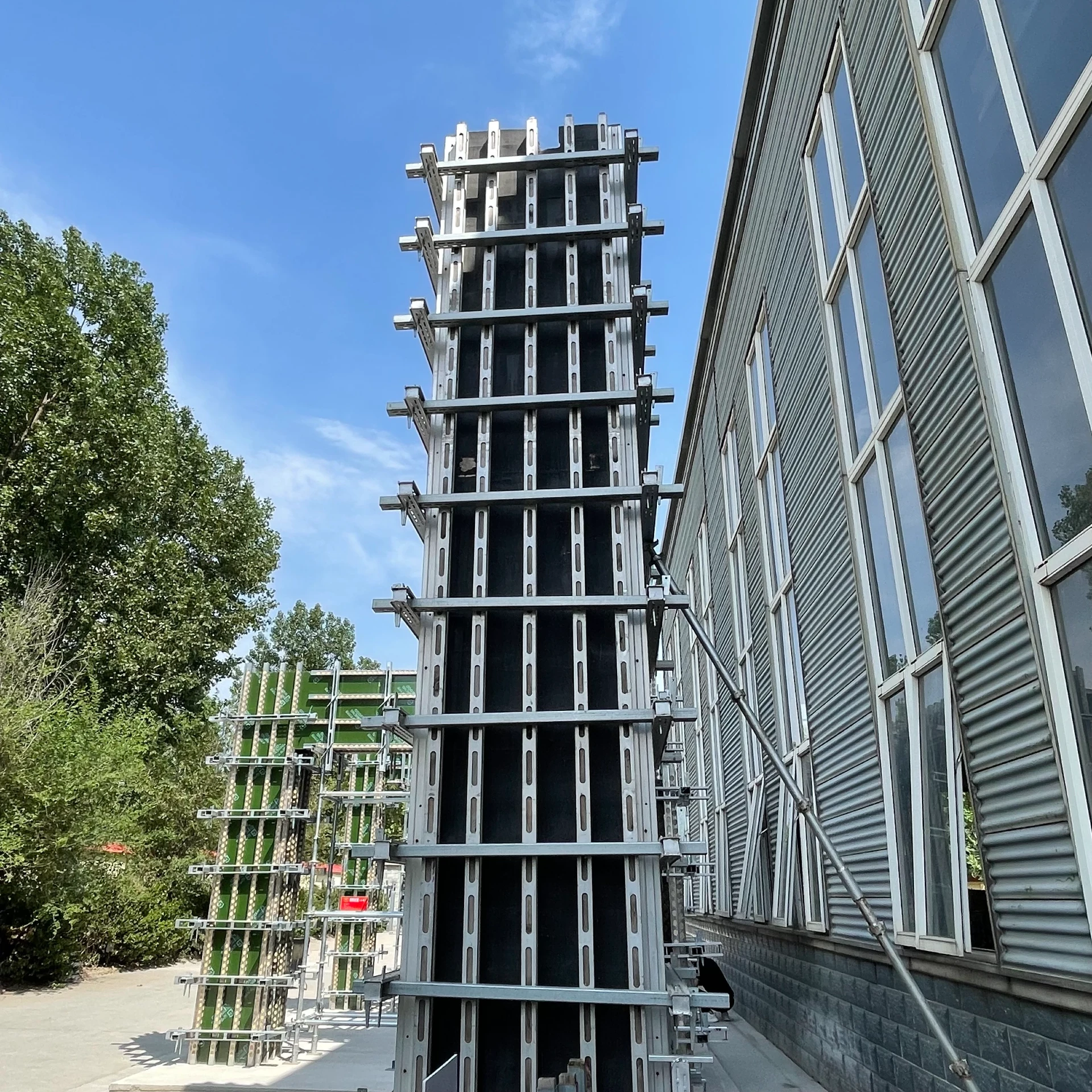
Fig 1: Advanced modular Formwork system for rapid high-rise construction.
Key Product Specifications: Modular Wall Formwork System
| Parameter | Specification |
|---|---|
| Panel Material | High-tensile steel (S355JR) or Aerospace-grade Aluminum (6061-T6) |
| Facing Material | Phenolic-coated birch plywood (18-21mm) or Aluminum sheet |
| Max. Concrete Pressure | Up to 80 kN/m² (Steel), 60 kN/m² (Aluminum) |
| Panel Heights Available | 0.9m, 1.2m, 1.5m, 2.7m, 3.3m (Customizable) |
| Panel Widths Available | 0.3m to 1.2m in 100mm increments |
| Weight (Steel/Aluminum) | Approx. 55-65 kg/m² (Steel), 20-25 kg/m² (Aluminum) |
| Reusability Cycles | 100+ (Phenolic Plywood), 300+ (Aluminum facing), 500+ (Steel) |
| Compliance Standards | ISO 9001, EN 13670, ANSI/ASSE A10.9 |
Application Scenarios and Technical Advantages
The versatility of modern Formwork systems allows for their deployment across an extensive range of construction applications, from intricate architectural elements to large-scale infrastructure projects. Our solutions are designed to address the unique challenges of each scenario, delivering consistent quality and operational efficiency.
Typical Usage Scenarios:
- High-Rise Residential and Commercial Buildings: Rapid casting of shear walls, columns, and floor slabs using climbing and table formwork systems, significantly accelerating construction cycles.
- Industrial Facilities: Robust systems for heavy-duty foundations, retaining walls, and process plant structures where high concrete pressures and demanding schedules are common.
- Water Retaining Structures: Precision-engineered systems for water treatment plants, culverts, and reservoirs ensuring watertight concrete with minimal joints.
- Infrastructure Projects (Bridges, Tunnels, Metro): Custom-designed solutions for complex geometries, long spans, and segmental construction, optimizing safety and structural integrity.
- Architectural Concrete: Producing exposed concrete surfaces with superior finish quality, reducing the need for extensive post-treatment.
Key Technical Advantages:
- Enhanced Safety: Integrated safety features such as working platforms, guardrails, and secure climbing mechanisms minimize risks during operation. Our systems adhere to strict safety standards like OSHA and EN 12812.
- Accelerated Construction Schedules: Modular design, quick-release mechanisms, and intuitive assembly reduce labor time and expedite casting cycles. For example, a typical wall formwork system can achieve cycle times of 3-5 days per pour, compared to 7-10 days with traditional timber systems.
- Superior Concrete Finish: High-quality formwork facing materials (e.g., phenolic-coated plywood, steel, or aluminum) result in smooth, uniform concrete surfaces, reducing the need for costly plastering or rendering.
- Cost-Effectiveness: High reusability rates spread initial investment over many projects, leading to significantly lower overall project costs. Reduced labor requirements and faster project completion further contribute to savings.
- Adaptability and Flexibility: Modular components can be configured for various structural shapes and sizes, accommodating complex architectural designs with ease.
- Environmental Sustainability: Extended service life, reduced material waste, and efficient construction processes contribute to a lower environmental footprint compared to disposable timber formwork.
Customer feedback consistently highlights the impact of our engineered Formwork solutions on project delivery. One client noted a 25% reduction in labor hours on a high-rise project due to the ease of assembly and integrated safety features of our self-climbing formwork, directly translating to substantial cost savings and earlier project completion.
Vendor Comparison and Customized Solutions
Selecting the right Formwork vendor is crucial for project success, impacting everything from safety and schedule to budget and concrete finish quality. While many suppliers exist, differentiation often lies in system engineering, material quality, support services, and the ability to provide bespoke solutions. Below is a comparative overview of common formwork system types, emphasizing their inherent advantages and typical applications.
Formwork System Comparison:
| Feature | Traditional Timber Formwork | Modular Steel Formwork | Modular Aluminum Formwork |
|---|---|---|---|
| Material Cost (Initial) | Low | Medium-High | High |
| Labor Cost (Assembly) | High (skilled labor required) | Medium (modular, quick assembly) | Low (lightweight, very fast assembly) |
| Reusability Cycles | 10-20 (limited) | 100-500+ (high) | 300-1000+ (very high) |
| Concrete Finish Quality | Variable, often requires finishing | Good to excellent | Excellent (architectural grade) |
| Weight per m² | Moderate | Heavy | Light |
| Typical Applications | Small residential, low budget projects | Industrial, infrastructure, high-rise cores | High-rise, architectural, fast-track projects |
Our expertise extends beyond standard offerings. We understand that no two construction projects are identical, particularly in specialized B2B sectors. Therefore, we excel in providing highly customized Formwork solutions tailored to precise project specifications. This bespoke service includes:
- Specialized Geometries: Engineering complex curves, inclines, or unique structural shapes required for architectural marvels or advanced infrastructure.
- Integrated Safety Systems: Designing formwork with integrated climbing systems, safety nets, and access platforms specific to site conditions and operational workflows.
- Material Optimization: Selecting and optimizing materials (e.g., specific steel grades, aluminum alloys, or composite panels) to meet specific load-bearing, environmental, or aesthetic requirements.
- Cycle Time Acceleration: Developing systems with rapid stripping capabilities, enhanced crane independence, or integrated curing systems to meet aggressive project deadlines.
- Digital Integration: Incorporating BIM (Building Information Modeling) compatibility and digital fabrication workflows for seamless integration into overall project management.
Our team of experienced engineers works closely with clients from conceptual design through project execution, leveraging advanced CAD/CAM software and finite element analysis (FEA) to ensure optimal performance and safety. Our reputation for authoritativeness is built upon years of delivering certified solutions to industry leaders across the globe, evidenced by numerous successful partnerships with Tier-1 contractors and compliance with certifications like CE Marking and relevant national building codes.
Application Case Studies
Real-world application demonstrates the tangible benefits of our advanced Formwork solutions. These case studies highlight our commitment to engineering excellence, operational efficiency, and client satisfaction.
Case Study 1: High-Rise Residential Tower, Metropolitan City
Challenge: Construct a 60-story residential tower with a tight completion deadline and complex core wall geometries in a densely populated urban environment, requiring minimal crane dependency and maximum safety.
Solution: We deployed a bespoke self-climbing formwork system for the central core, integrated with modular table formwork for floor slabs. The system was designed for rapid re-positioning without external crane assistance, featuring integrated working platforms and fully enclosed safety screens. The aluminum components used in the table formwork significantly reduced manual handling efforts.
Results: The project achieved an average floor cycle time of 4 days, exceeding initial targets by 15%. Crane dependency for formwork movement was reduced by 60%, alleviating site congestion. The system's integrated safety features led to zero lost-time incidents related to formwork operations throughout the entire project. The client reported a 20% overall time saving compared to their previous projects using conventional systems, validating the investment in advanced Formwork technology.
Case Study 2: Large-Scale Water Treatment Plant, Regional Municipality
Challenge: Construct multiple large-diameter concrete tanks and extensive retaining walls for a new water treatment facility. The project demanded high-quality, watertight concrete finishes and had strict environmental compliance requirements for construction materials.
Solution: We provided heavy-duty steel wall formwork combined with custom-fabricated circular formwork for the tanks. The steel panels were hot-dip galvanized for enhanced corrosion resistance, crucial for the long-term integrity of water-retaining structures. Our engineering team designed the system to minimize tie-rod penetrations, thus reducing potential leak points and improving concrete water tightness.
Results: The project successfully achieved all specified water tightness standards on the first pour, eliminating costly rework. The robust steel formwork delivered consistent, smooth concrete surfaces, reducing the need for post-finishing by 30%. The reusability of the steel system contributed to a 10% reduction in material waste compared to typical projects of this scale, aligning with the municipality's sustainability goals.
Frequently Asked Questions (FAQ)
Q: What is the typical lead time for a custom Formwork system?
A: Lead times vary depending on the complexity and scale of the custom system. For standard modular components, delivery typically ranges from 4-6 weeks. For highly customized or large-scale projects, lead times can be between 8-16 weeks from final design approval. We recommend early engagement with our engineering team to ensure timely project commencement.
Q: What warranty do you offer on your systems?
A: We offer a comprehensive warranty covering manufacturing defects and material integrity for a period of 12 months from the date of delivery or 200 reuses, whichever comes first, for structural components. Specific wear parts and consumables may have different warranty terms. Full details are provided in our standard terms and conditions.
Q: Do you provide on-site technical support and training?
A: Yes, we provide extensive on-site technical support, including supervision during initial assembly, operational training for your crew, and ongoing consultation throughout the project lifecycle. Our dedicated field engineers ensure your team is fully proficient in the safe and efficient use of our Formwork systems. Remote support and digital documentation are also available.
Q: How do your systems contribute to project sustainability?
A: Our systems are designed for high reusability, significantly reducing timber consumption and waste compared to traditional methods. We utilize durable, recyclable materials (steel, aluminum) and optimize designs for lighter weight and faster cycles, which in turn reduces crane fuel consumption and overall site energy use. Our solutions align with LEED and BREEAM certification objectives.
Lead Time, Warranty, and After-Sales Support
Understanding the logistical and support frameworks is as crucial as the product itself when planning major construction projects. We prioritize transparency and reliability in all aspects of our service delivery for Formwork systems.
- Lead Time & Fulfillment: Our commitment is to meet project schedules. For standard modular formwork components, we maintain an efficient production and supply chain, enabling typical lead times of 4-6 weeks from order confirmation to dispatch. For highly specialized or large-volume orders, detailed project timelines are established and communicated upfront, usually ranging from 8-16 weeks. We leverage advanced logistics to ensure on-time delivery to global project sites, including optimized freight and customs clearance support.
- Warranty Commitments: We stand behind the quality and durability of our products. All primary structural components of our formwork systems come with a standard 12-month warranty against manufacturing defects and material failures under normal operating conditions. This warranty also covers performance up to a specified number of reuses, depending on the component type. Detailed warranty terms, including provisions for wear parts and specific operational guidelines, are provided with every quotation and purchase agreement, ensuring complete clarity and peace of mind for our clients.
- Customer Support & After-Sales Service: Our dedication to client success extends well beyond the point of sale. We offer comprehensive after-sales support, which includes a dedicated customer service team, technical helpdesk, and rapid spare parts availability. On-site technical assistance can be deployed globally for complex assembly, operational guidance, and troubleshooting. Furthermore, we provide ongoing consultations for project optimization, maintenance best practices, and system upgrades, ensuring your formwork investment delivers maximum long-term value and operational efficiency.
References:
- Hurd, M.K. (2005). Formwork for Concrete (7th ed.). American Concrete Institute (ACI SP-4).
- ACI Committee 347. (2014). Guide to Formwork for Concrete (ACI 347R-14). American Concrete Institute.
- EN 13670:2009. Execution of concrete structures. European Committee for Standardization.
- ISO 9001:2015. Quality management systems — Requirements. International Organization for Standardization.
-
Comprehensive Guide to Scaffolding Rods for Safe Construction PracticesNewsFeb.24,2026
-
Comprehensive Guide to Different Types of Scaffolding for Construction ProjectsNewsFeb.11,2026
-
The Crucial Role and Safe Use of Scaffolding in Modern Construction ProjectsNewsJan.30,2026
-
Maximize Productivity and Safety with a Versatile 7m Scaffold TowerNewsJan.27,2026
-
6m Scaffold Tower: A Comprehensive Guide for B2B BuyersNewsJan.26,2026
-
6ft Scaffold: Durability and Safety in ConstructionNewsJan.25,2026
-
6 Scaffolding: A Modern Construction SolutionNewsJan.24,2026