
Heavy Duty Scaffolding: Industry Backbone for Safety & Efficiency Worldwide
Heavy Duty Scaffolding: Building the Backbone of Modern Industry
Heavy duty scaffolding isn’t just a convenience on construction sites — it’s a global cornerstone for safety, innovation, and efficiency across multiple industries. Frankly, when you think about the massive infrastructure projects reshaping skylines or the urgent humanitarian efforts restoring communities after natural disasters, heavy duty scaffolding silently supports them all. But why should we really care? Well, scaffolding systems adapted to bear heavy loads and extreme conditions are key to ensuring work progresses safely and sustainably worldwide. Understanding what makes these structures sturdy and reliable can translate into better project outcomes, reduced accidents, and long-term cost savings.
Global Context: Why Heavy Duty Scaffolding Matters Today
Globally, construction accounts for nearly 13% of total economic output (World Bank, 2023), with industrial projects spanning continents that demand versatile, durable staging solutions. Developing regions, especially in Asia and Africa, face rapid urbanization and infrastructural challenges. According to ISO, the demand for modular and heavy load-bearing scaffolding is expected to grow by 8% annually through 2030. Still, safety incidents due to scaffolding failures persist — the International Labour Organization (ILO) estimates falls from height cause a significant percentage of workplace injuries globally.
Given those stats, the challenge is clear: How to design scaffolding robust enough for heavy loads yet adaptable for diverse environments? That’s where heavy duty scaffolding steps in, advancing industry safety standards and operational flexibility.
What is Heavy Duty Scaffolding?
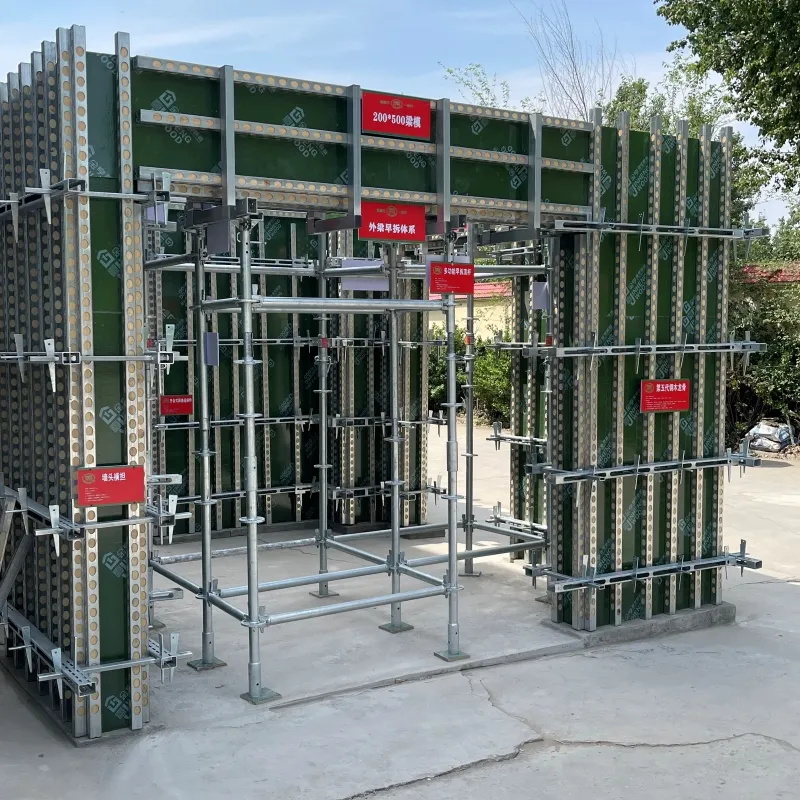
In simple terms, heavy duty scaffolding refers to modular frameworks of metal tubes and platforms engineered to support heavy equipment, materials, and workers during construction or maintenance projects. Unlike light scaffolding typically used for residential or aesthetic jobs, heavy duty scaffolds are built with high-strength steel, enhanced joint fittings, and customizable spans that can bear loads of several tons without compromising stability.
This kind of scaffolding aligns closely with developments in modern industry, from skyscraper erection to shipbuilding, and even humanitarian logistics like setting up temporary bridges or medical facilities in remote or disaster-stricken areas. Its ability to be swiftly assembled and dismantled makes it indispensable wherever speed and safety are paramount.
Core Components and Key Factors of Heavy Duty Scaffolding
Durability
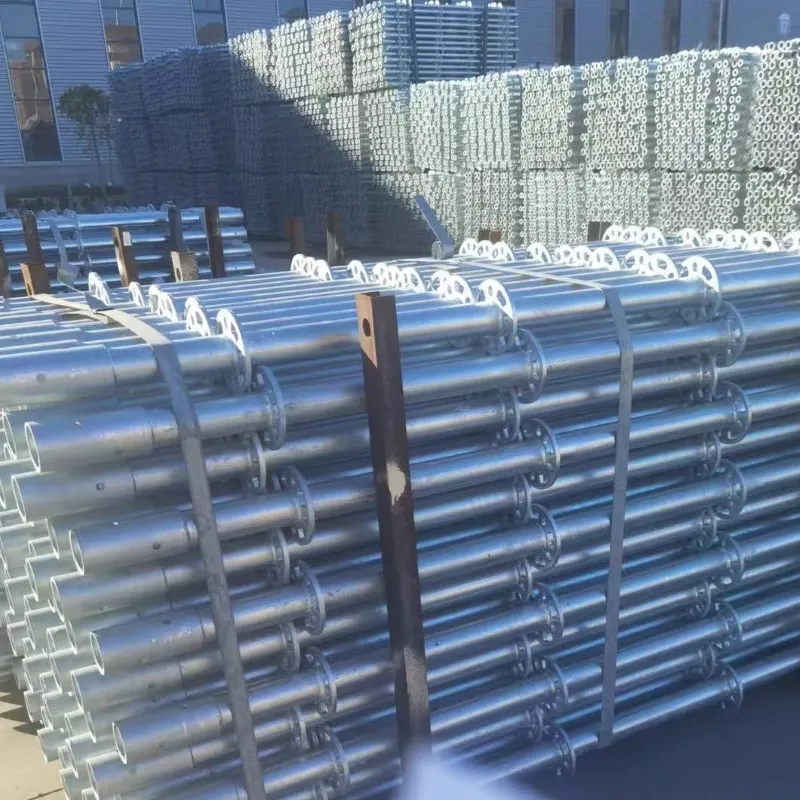
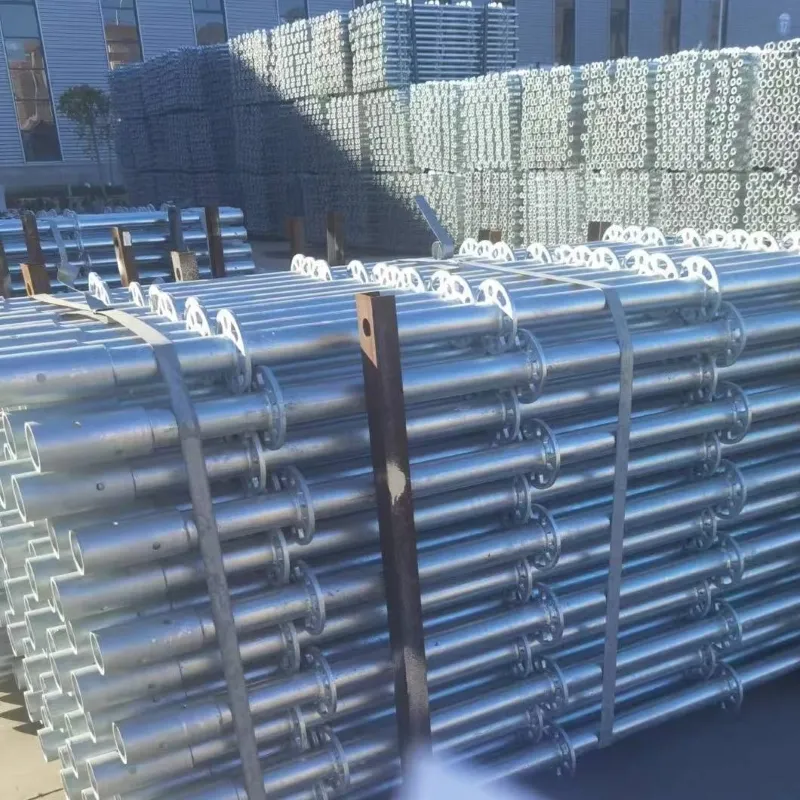
The backbone of any heavy duty scaffolding system is materials that resist corrosion, strain, and impact over time. Galvanized steel with protective coatings ensures frame longevity, even in harsh weather or industrial chemical exposure.
Load Capacity
Heavy duty scaffolding can support weights from 500 kg to several tons per section — essential when hoisting large machinery or supporting multiple workers at height. Calculated load factor safety margins are crucial here to prevent collapse.
Modularity & Scalability
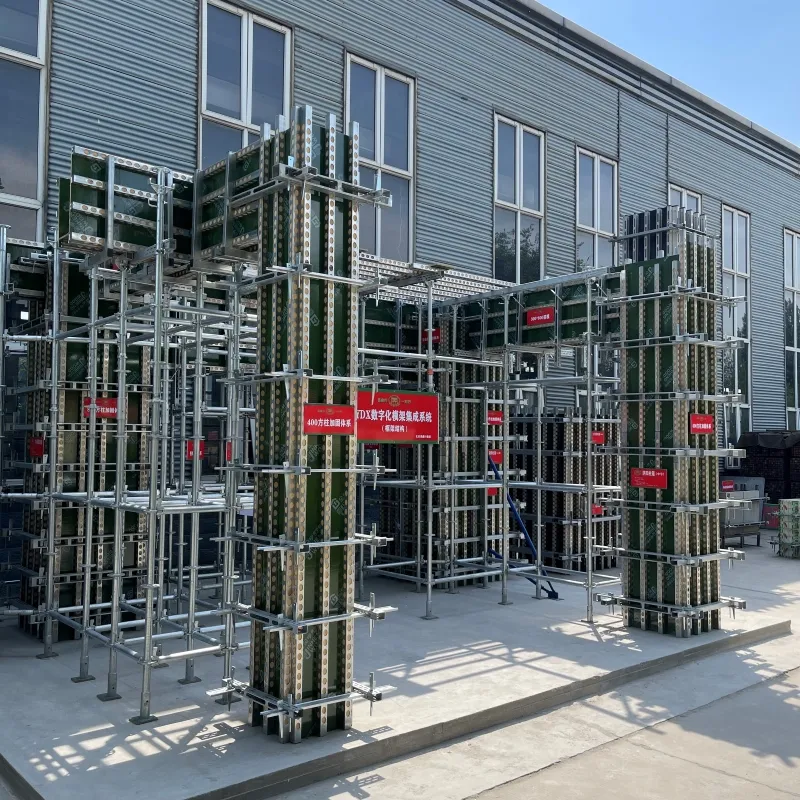
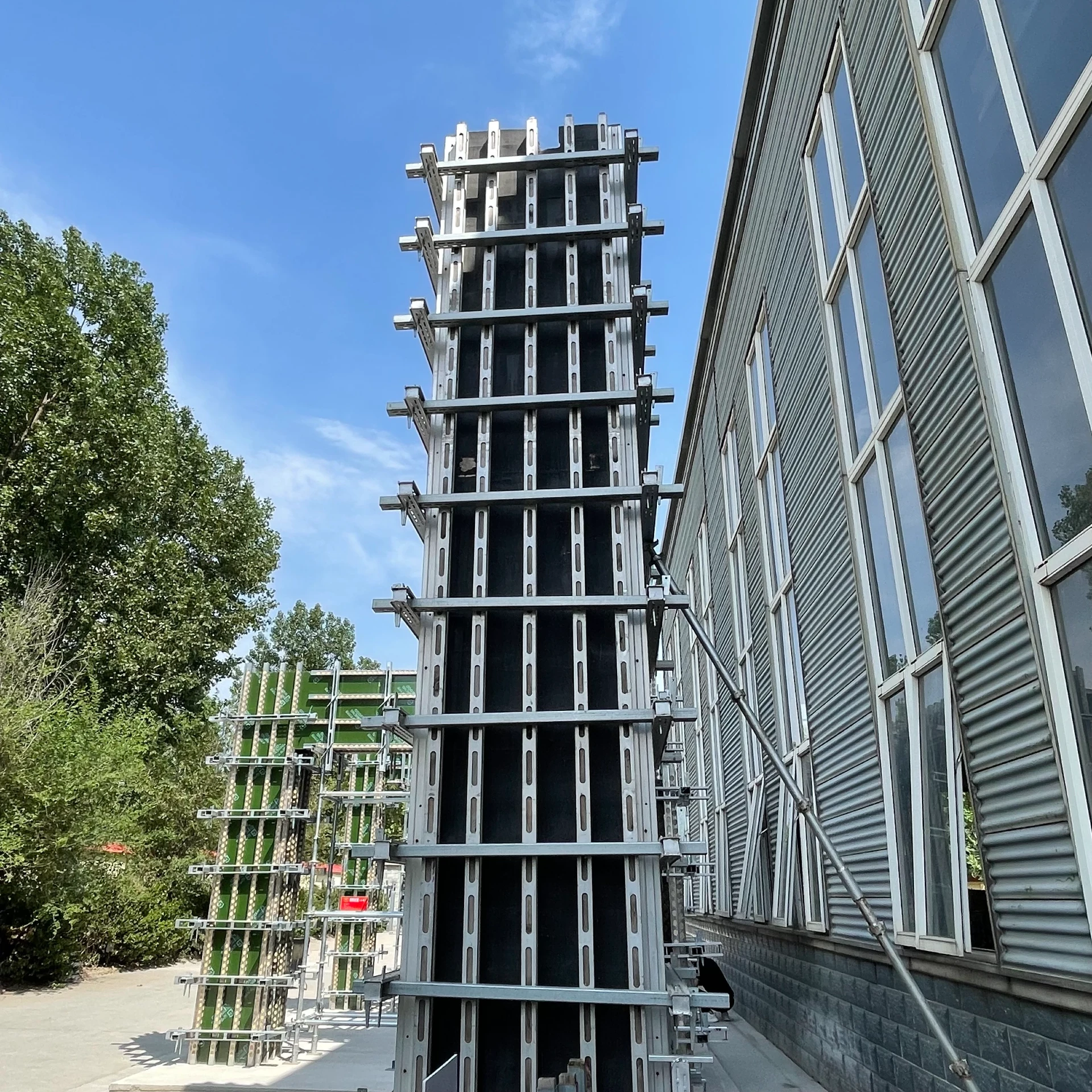
The best scaffolding designs offer modular components that can be reconfigured on site for different heights, widths, and shapes — this flexibility streamlines project flow and reduces idle equipment.
Ease of Assembly & Safety Features
Quick-assembly parts with built-in locking pins and anti-slip platforms cut setup time and risk. Safety rails, toe boards, and scaffold tags are typically incorporated to comply with OSHA or local regulations.
Cost Efficiency
While initial outlay can be higher than basic scaffolding, heavy duty systems pay off through durability, reusable parts, and fewer work interruptions.
Environmental Resistance
Options like weatherproof coatings or rust-free fittings extend usability outdoors, especially in coastal or tropical climates.
Global Applications & Real-World Use Cases
Heavy duty scaffolding finds its footprints on every continent, from the bustling urban centers of Europe to remote industrial zones in South America and Africa. Oddly enough, the type of work it supports varies wildly — think of:
- Skyscraper construction in major cities where workers ascend hundreds of feet on secure platforms;
- Oil rig maintenance in the North Sea requiring corrosion-resistant scaffolds able to withstand salt spray and harsh winds;
- Post-disaster recovery efforts, for example, setting up stable shelters or bridges after earthquakes in Turkey or floods in Southeast Asia;
- Shipbuilding yards across East Asia needing strong load-bearing platforms to hoist massive parts safely;
- Renewable energy projects — such as wind turbine maintenance where heavy duty scaffolding supports technicians high above ground.
In humanitarian contexts, organizations rely on heavy duty scaffolding not only for reconstruction but also for rapid deployment of temporary hospitals during crises, which frankly saves lives.
Advantages & Long-Term Value of Heavy Duty Scaffolding
Looking beyond just the physical structure, these scaffolds offer a compelling mix of benefits. Imagine fewer accidents on-site — that’s a direct boost to worker morale and productivity. Then there’s sustainability; many companies now pursue scaffolding solutions that lessen environmental impact by reusing components or using recycled materials. Plus, cost-wise, the upfront investment pays dividends over the decades through durability and lower maintenance.
Emotionally, robust scaffolding systems bring an intangible sense of trust. You can feel it when a team confidently climbs a sturdy platform, knowing their safety has been engineered in. Socially, safer construction sites promote dignity for workers, minimizing injuries and downtime. It’s a tech innovation that quietly upholds lives and livelihoods.
Future Trends & Innovations
Looking ahead, the scaffolding industry isn’t standing still. Oddly enough, digital transformation is starting to play a bigger role — think of smart scaffolding with embedded sensors monitoring load stresses in real time, preventing overload before it happens. Materials science is also advancing: ultra-lightweight, ultra-strong composites could soon replace traditional steel.
Environmental regulations are pushing manufacturers toward greener coatings and carbon-neutral production. Companies are experimenting with 3D-printed scaffold components specific to complex shapes, speeding assembly further.
Challenges & Solutions
Of course, challenges remain. Heavy duty scaffolding can be costly and requires trained crews for safe installation — hurdles for smaller builders or NGOs working in developing regions. Logistics of transporting bulky scaffold components to remote sites also slow projects down. Yet innovation is addressing these — modular, flat-pack designs improve transportability, and training programs delivered via augmented reality (AR) aim to elevate safety knowledge more efficiently worldwide.
FAQ: Frequently Asked Questions About Heavy Duty Scaffolding
- Q1: How do heavy duty scaffolding systems differ from standard scaffolds?
- A1: Heavy duty scaffolds are designed to support greater loads and withstand harsher conditions than standard models. They use thicker steel, stronger joint connectors, and comply with stricter safety codes, suitable for large scale industrial projects or challenging environments.
- Q2: Can heavy duty scaffolding be customized for unique project needs?
- A2: Absolutely. Modular designs allow configurations on site that match specific heights, widths, or shapes. This flexibility supports everything from angled bridge supports to circular tower scaffolds, enhancing utility and cost-effectiveness.
- Q3: What safety regulations govern the use of heavy duty scaffolding?
- A3: In many regions, scaffolding must meet OSHA standards in the US, EN 12811 in Europe, or equivalent national codes. Compliance includes load testing, regular inspections, and required safety features like guardrails and access ladders.
- Q4: How long can heavy duty scaffolding be expected to last?
- A4: With proper maintenance and storage, quality scaffolding can last 10–15 years or more. Protective coatings against rust and physical damage are crucial for longevity.
- Q5: Are there eco-friendly options for heavy duty scaffolding?
- A5: Yes, some vendors now offer scaffolding made with recycled steel or environmentally safe surface treatments. Additionally, reusable modular components reduce waste over a project’s lifecycle.
Conclusion: The Sturdy Future of Heavy Duty Scaffolding
In real terms, heavy duty scaffolding is more than just metal pipes and platforms. It’s the hidden infrastructure empowering safety, innovation, and sustainable growth worldwide. For builders, humanitarian workers, or industrial engineers, investing in quality scaffolding means investing in efficiency, resilience, and lives saved. To explore detailed solutions or get expert advice on your next project, visit our site: heavy duty scaffolding — your trusted partner in building strong foundations.
It feels like every time I see a towering scaffold standing firm, I’m witnessing the silent strength holding up tomorrow’s world.
-
Comprehensive Guide to Scaffolding Rods for Safe Construction PracticesNewsFeb.24,2026
-
Comprehensive Guide to Different Types of Scaffolding for Construction ProjectsNewsFeb.11,2026
-
The Crucial Role and Safe Use of Scaffolding in Modern Construction ProjectsNewsJan.30,2026
-
Maximize Productivity and Safety with a Versatile 7m Scaffold TowerNewsJan.27,2026
-
6m Scaffold Tower: A Comprehensive Guide for B2B BuyersNewsJan.26,2026
-
6ft Scaffold: Durability and Safety in ConstructionNewsJan.25,2026
-
6 Scaffolding: A Modern Construction SolutionNewsJan.24,2026