
Formwork Systems: Durable, Lightweight, Reusable, Precise
Formwork: field notes from job sites and factories
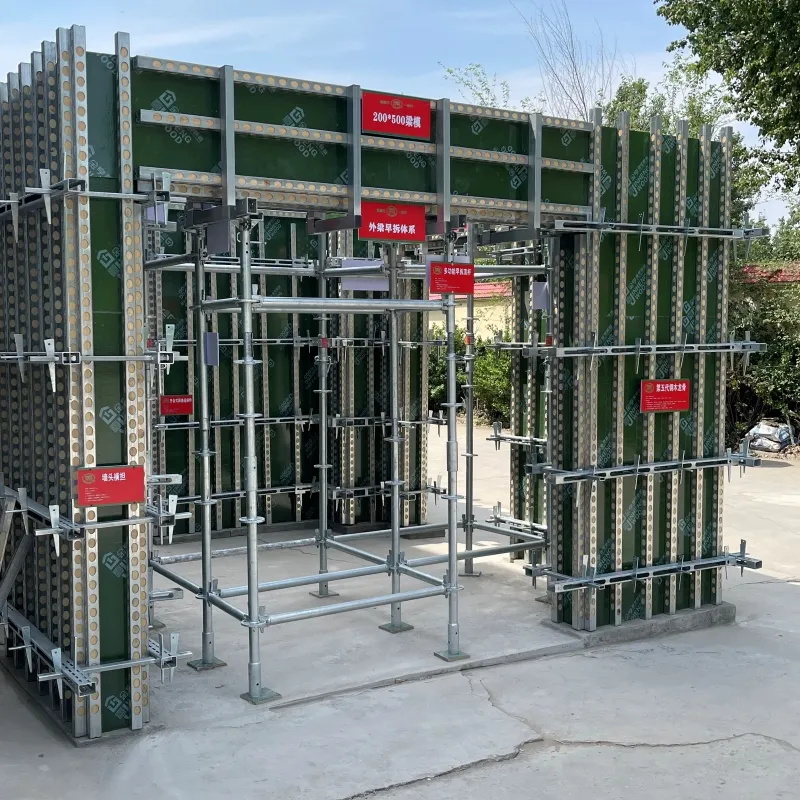
I’ve walked more pours than I can count, and, to be honest, the difference between a slick cycle and a messy one often comes down to the shuttering system. Trends? Lighter frames, safer access, smarter ties—and a lot more attention to reuse counts. Many contractors tell me they want fewer parts, faster stripping, and predictable concrete finishes. Same here. Actually, it’s not rocket science, but the details matter.
What’s moving the industry
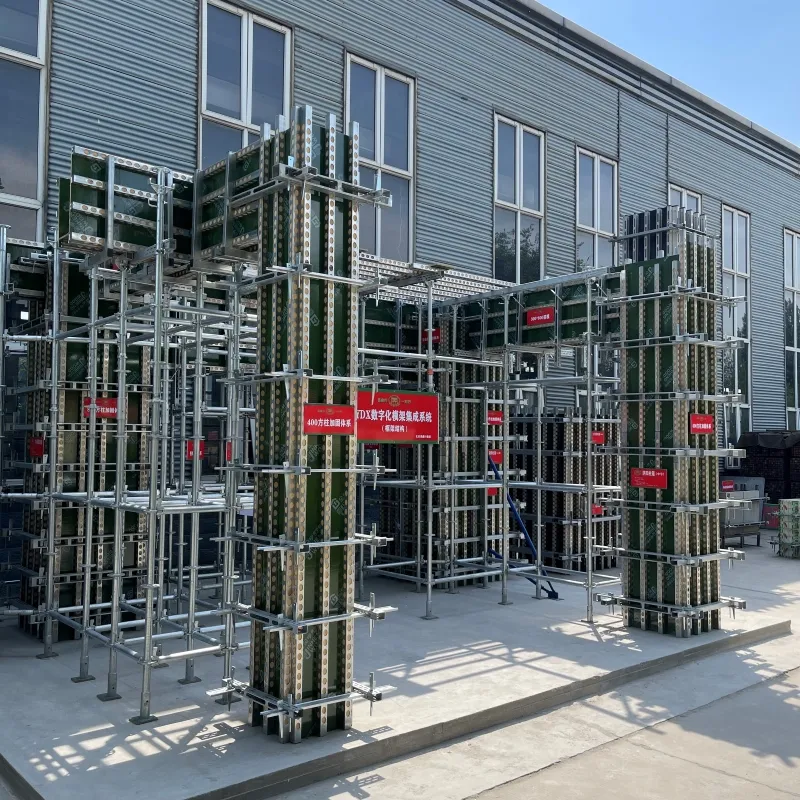
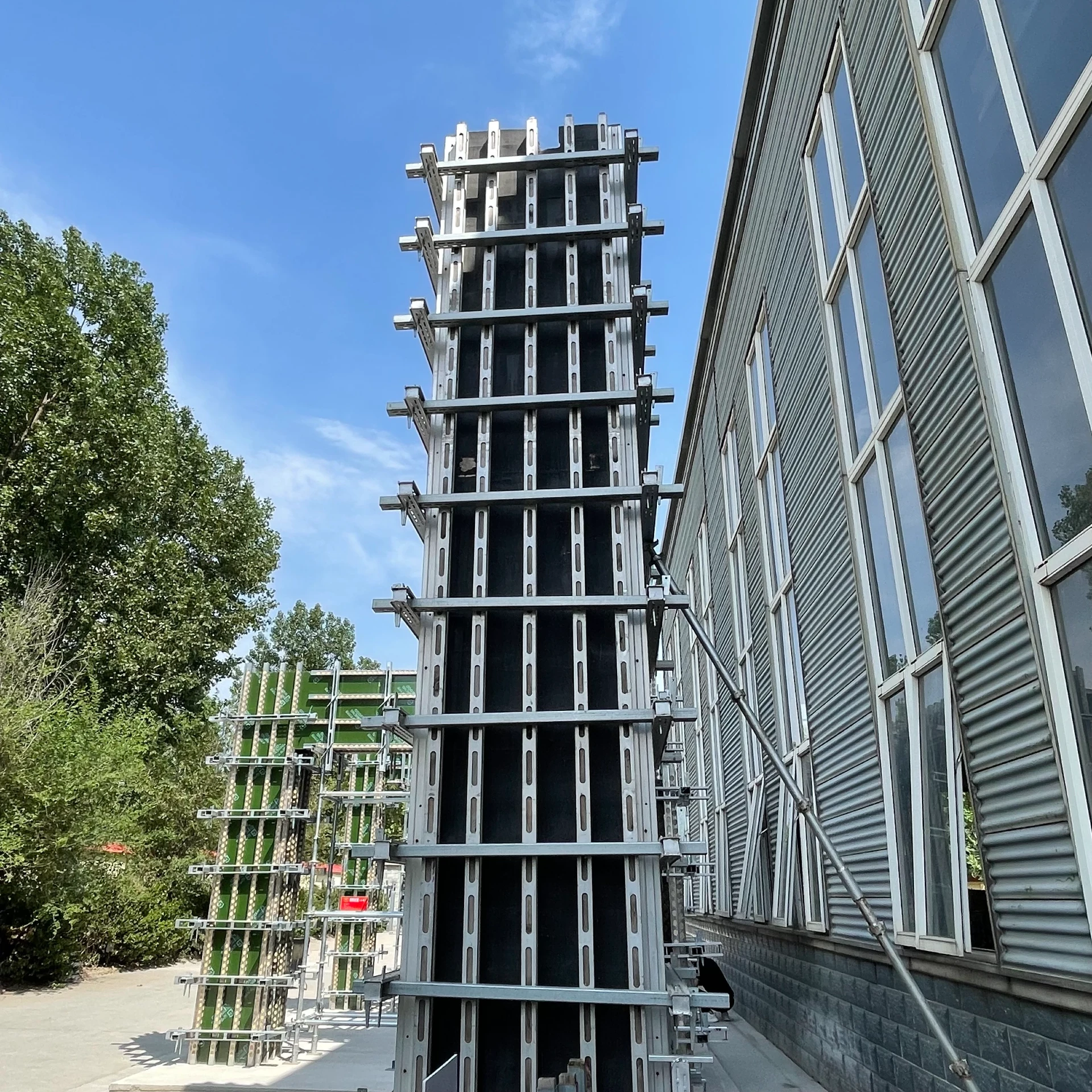
- Shift to aluminum frames with phenolic faces for higher reuse (and fewer back injuries).
- Pressure ratings published and verified under ACI/EN—less guesswork, fewer blowouts.
- Safer integrated platforms and guardrails; owners are stricter post-incident, which is fair.
- Digital layouts: BIM-based shop drawings, QR-coded panels for tracking cycles.
- Greener choices: FSC plywood options, hot-dip galvanizing for long service life.
Product specifications (the details buyers ask me for)
| Panel sizes | 600–1200 × 1200–2400 mm (custom on request) |
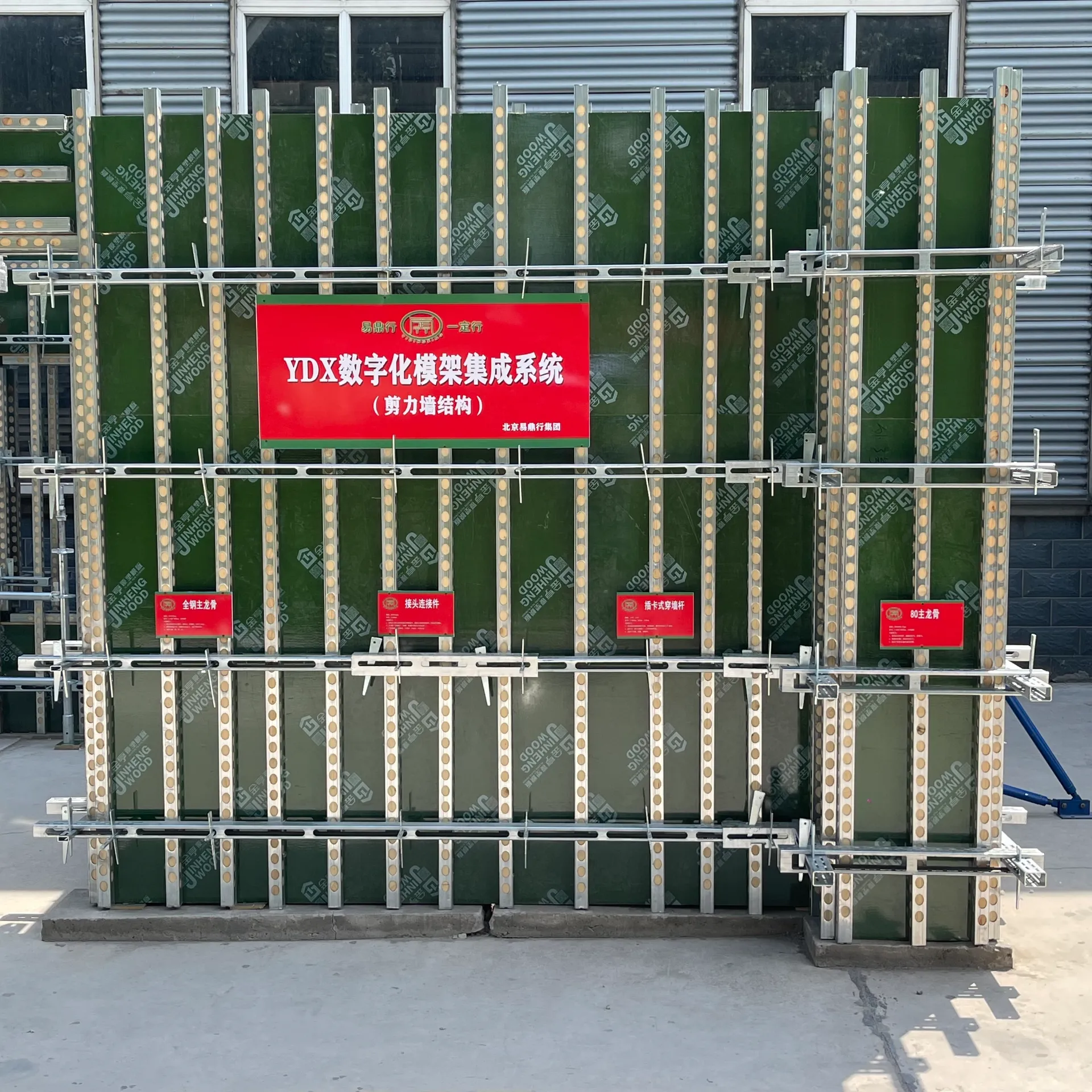
| Face options | Phenolic film-faced birch plywood 12–18 mm (EN 636-3); optional GFRP face for curved work |
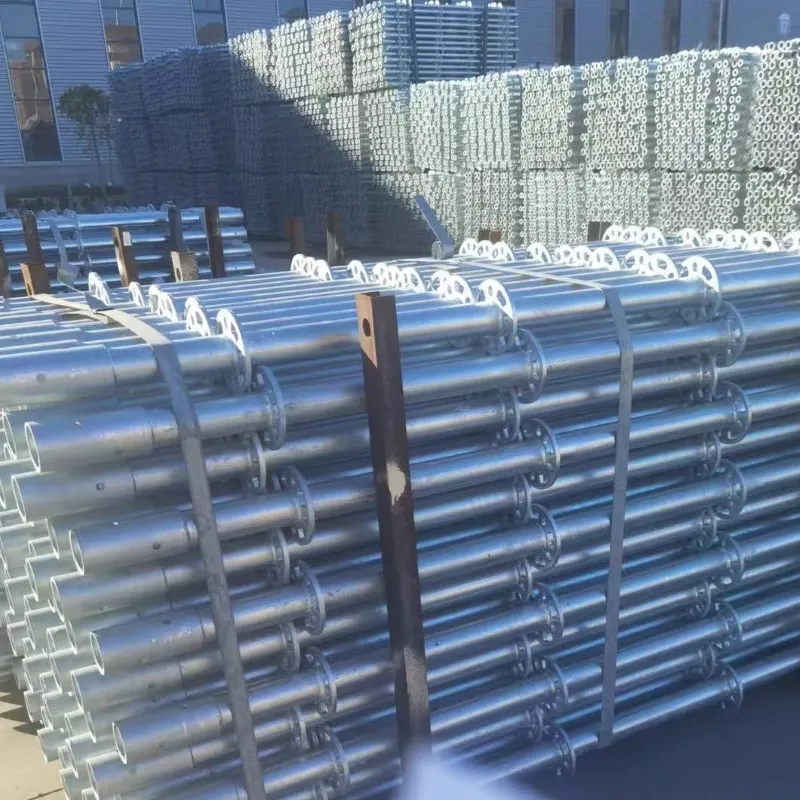
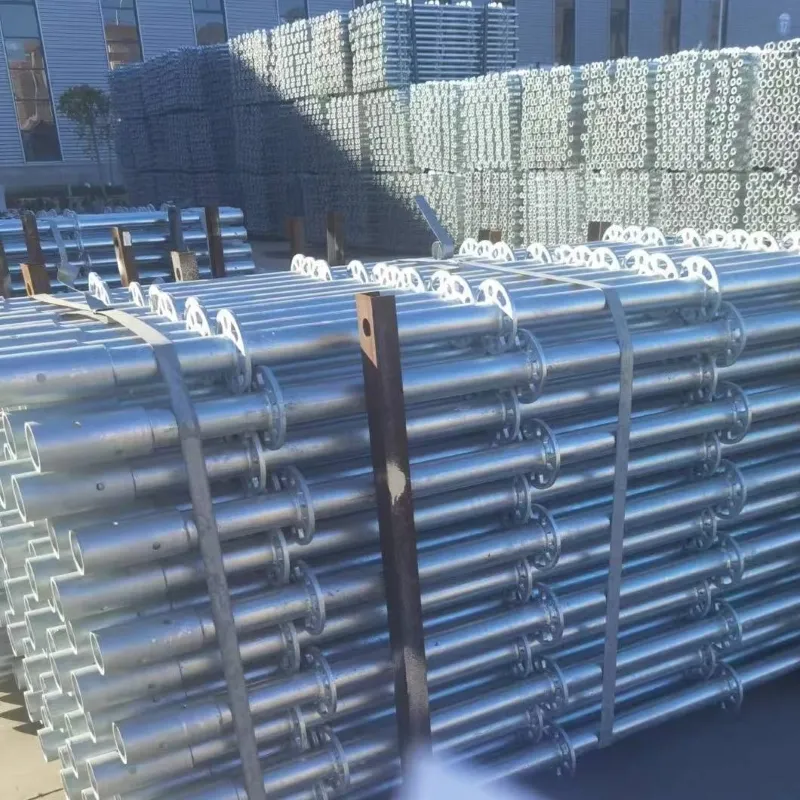
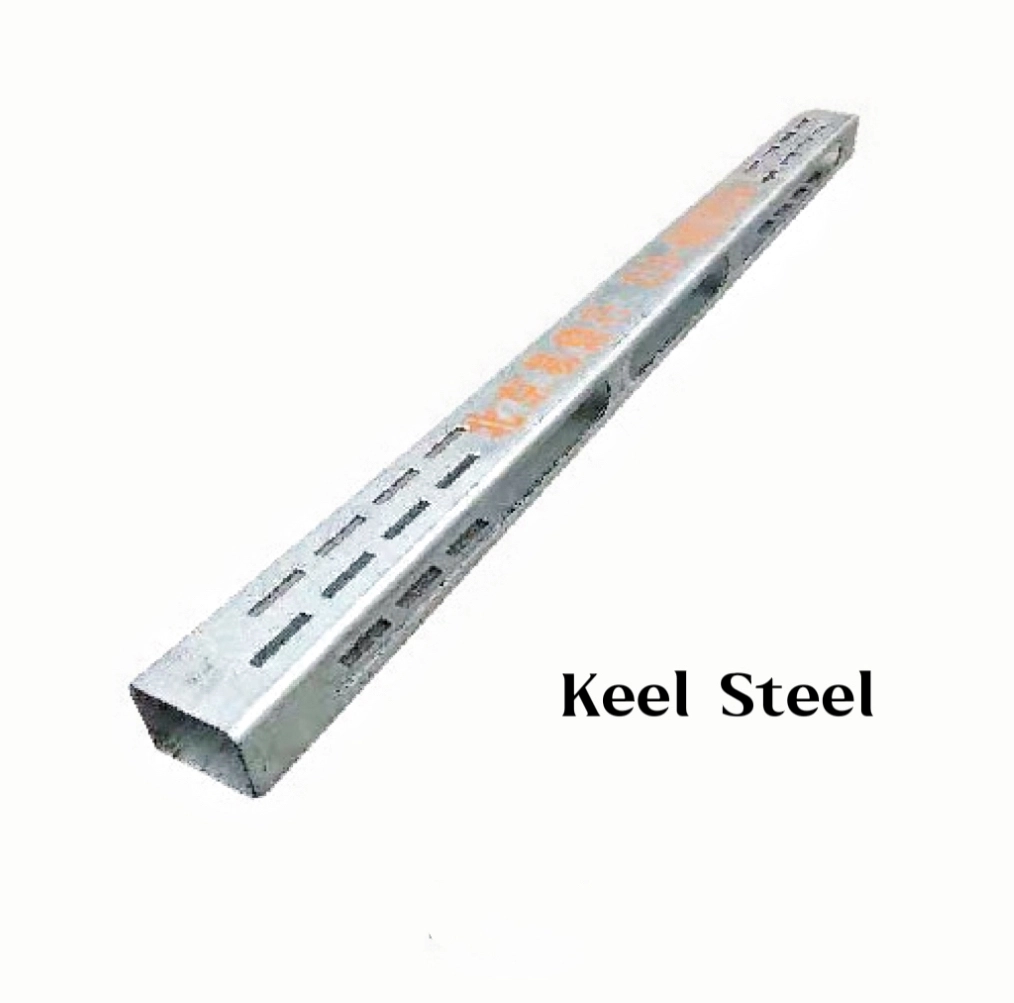
| Frame | Q235B steel (hot-dip galvanized ≥≈70 μm) or 6061-T6 aluminum; welds to EN ISO 3834-2 |
| Allowable fresh concrete pressure | ≈60–90 kN/m² (real-world use may vary with pour rate, temp, slump) |
| Tie system | DW15/DW20 with 120–150 mm cones; accessories per ACI 347 tolerances |
| Flatness/tolerance | Panel flatness ≤2 mm/m; joint offset ≤1 mm (typ.) |
| Weight | ≈28–42 kg/m² depending on frame & face |
| Service life | Plywood face 50–100 uses; frames 300–600 uses with proper care |
| Testing & standards | Load test 1.5× design; salt-spray ASTM B117 (≥240 h); conforms to ACI 347, EN 12812, BS 5975 |
| Certifications | ISO 9001; material MTCs; CE-related welding controls (EN 1090 context) |
Process & QA flow (how it’s built)
Materials received with MTCs → CNC cutting → jig welding → galvanizing/powder coating → face lamination and sealing → CNC drilling for ties → assembly fit check → proof-load rig test → dimensional inspection → packing with QR traceability. Documentation packet usually includes WPS/PQR, inspection reports, and care manual. Simple, but disciplined.
Applications
- Mid- and high-rise slabs and cores, shear walls, columns.
- Infrastructure: abutments, piers, spillways; radius panels for tunnels/culverts.
- Industrial foundations and tanks; precast yards with magnetic inserts.
Case notes (real sites)
- Hospital wing, Kuala Lumpur: cycle time down ≈18% by switching to aluminum frames and DW20 ties; finish class improved, fewer rework patches.
- Spillway rehab, Balkans: GFRP-faced radius panels cut grinding by ~60%; crews liked the lighter panels—no surprise.
- Stadium bowl, MENA: integrated platforms reduced scaffold by two bays; safety manager reported “cleaner, calmer pours.”
Customization
Custom radii, corner panels (internal/external), chamfer strips, embedded box-outs, tie-hole patterns, and edge profiles. Yes, even odd trapezoids—send the BIM and, I guess, let the shop do its magic.
Vendor landscape (quick comparison)
| Vendor | Dingzhou Reinforced Systems (Hebei) | Global Brand A | Local Fabricator |
|---|---|---|---|
| Lead time | ≈2–4 weeks | 6–10 weeks | 1–3 weeks |
| Pressure rating | Up to 80–90 kN/m² | 60–90 kN/m² | 40–60 kN/m² (varies) |
| BIM/shop drawings | ✓ | ✓ | — |
| QC documentation | ISO 9001, MTCs, load tests | Comprehensive | Limited |
| Price level | Mid | High | Low–Mid |
User feedback
“Panels stayed tight after six cycles—edges didn’t mushroom.” — Site manager, Dubai
“Less stick-build carpentry, more predictable finish. Our QA loved the reports.” — QC lead, Malaysia
Origin & logistics
Manufactured at: East side of Hongye Avenue, Dingzhou Economic Development Zone, Hebei Province. Close to Tianjin Port for export; typical ocean lead times Asia 7–12 days, EU/US 20–35 days (seasonal, admittedly).
Formwork selection tip: match allowable pressure to your pour rate and temperature, confirm tie capacity, and ask for a recent proof-load report. Sounds obvious, but surprisingly often skipped.
- ACI 347-14, Guide to Formwork for Concrete.
- EN 12812:2008, Falsework — Performance requirements and general design.
- BS 5975:2019, Code of practice for temporary works procedures.
- OSHA 29 CFR 1926 Subpart Q, Concrete and Masonry Construction.
- ASTM B117, Standard Practice for Operating Salt Spray (Fog) Apparatus; EN 636 for plywood.
-
Comprehensive Guide to Scaffolding Rods for Safe Construction PracticesNewsFeb.24,2026
-
Comprehensive Guide to Different Types of Scaffolding for Construction ProjectsNewsFeb.11,2026
-
The Crucial Role and Safe Use of Scaffolding in Modern Construction ProjectsNewsJan.30,2026
-
Maximize Productivity and Safety with a Versatile 7m Scaffold TowerNewsJan.27,2026
-
6m Scaffold Tower: A Comprehensive Guide for B2B BuyersNewsJan.26,2026
-
6ft Scaffold: Durability and Safety in ConstructionNewsJan.25,2026
-
6 Scaffolding: A Modern Construction SolutionNewsJan.24,2026