
Foldable Scaffolding: Portable, Efficient, and Safe Solutions for Global Construction and Relief
Foldable Scaffolding: The Modern Solution Elevating Construction and Relief Efforts Worldwide
Foldable scaffolding might sound like just another piece of construction equipment, but it’s actually a quietly revolutionary tool that’s transforming how projects get done — from high-rise buildings in booming cities to emergency shelters in remote disaster zones. Understanding the benefits and uses of foldable scaffolding is key to grasping how modern engineering balances efficiency, safety, and adaptability in an ever-changing world.
Introduction: Why Foldable Scaffolding Matters Globally
Globally, construction and infrastructure development are booming. According to the World Bank, the global construction market is expected to reach $15 trillion by 2025 — a staggering figure that hints at the massive scale of projects underway. Yet despite this growth, challenges like labor shortages, material transport hiccups, and safety regulation compliance remain stubborn issues.
Foldable scaffolding offers a practical answer to many of these problems. It addresses inefficiencies tied to bulky traditional scaffolds and enables faster, safer setups. In humanitarian contexts, such as post-disaster recovery, the ability to deploy scaffolding quickly — even in hard-to-reach areas — can literally save lives.
Defining Foldable Scaffolding
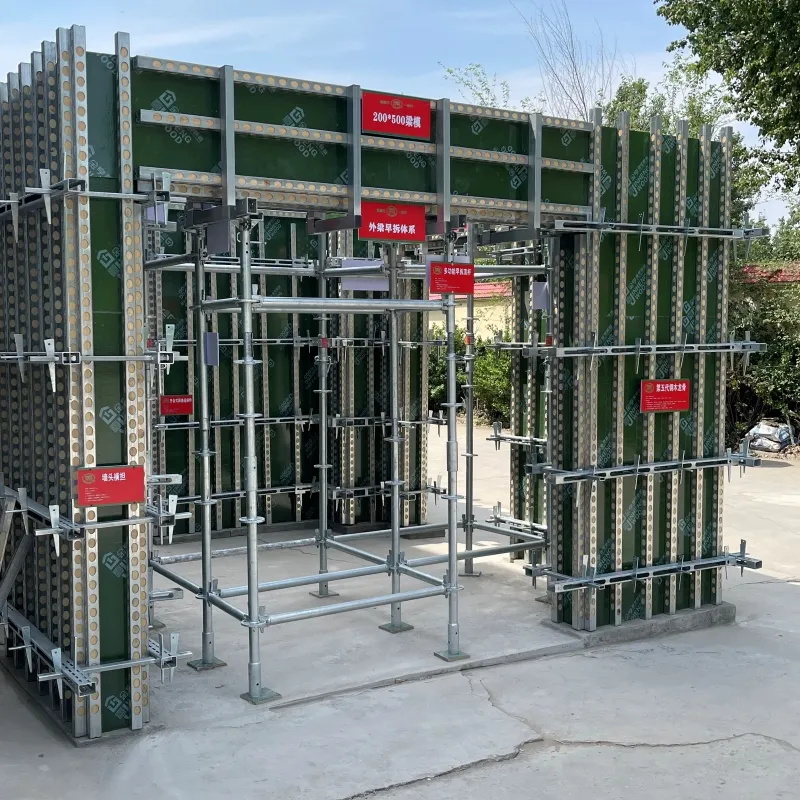
Simply put, foldable scaffolding is a scaffold system designed with hinged components that allow it to collapse flat or into compact sections. This makes transport, storage, and assembly much easier compared to conventional rigid scaffolds.
Modern foldable scaffolding isn't just about convenience, though. It directly responds to the needs of industries where speed, flexibility, and safety are paramount. Whether in urban construction, maintenance work, or humanitarian aid, having a scaffold system that can quickly adapt and move with the job changes the game.
Core Components and Factors of Foldable Scaffolding
1. Durability and Material Quality
Foldable scaffolding is typically made from lightweight yet strong metals like aluminum or steel alloys, balancing portability with load-bearing strength. Weather resistance is critical, especially for outdoor use in harsh climates or prolonged projects.
2. Scalability and Modularity
These scaffolds can be connected in multiple configurations, making them suitable for a variety of heights and sizes — from small repair jobs to entire building facades. Modularity helps teams customize setups without needing multiple distinct scaffold types.
3. Ease of Deployment
One of the biggest selling points: foldable scaffolding can often be erected and dismantled by fewer workers with less specialized training. This cuts labor costs and reduces onsite risks.
4. Cost Efficiency
While initial investment might be higher than traditional kits, foldable scaffolding reduces transport and storage expenses over time — plus cuts time on site, which for contractors means money saved.
5. Safety Features
Most foldable scaffolds meet or exceed international safety standards (e.g., ISO 9001 certifications in many cases) and include guardrails, slip-resistant platforms, and locking hinges that prevent accidental collapse.
Foldable Scaffolding Product Specifications
| Parameter | Typical Value | Comments |
|---|---|---|
| Material | Aluminum Alloy 6061-T6 | Lightweight, corrosion resistant |
| Max Load Capacity | 200 kg per platform | Supports multiple workers/tools |
| Dimensions (Folded) | 1.5 m x 0.6 m x 0.15 m | Compact size for easy transport |
| Deployment Time | 5–10 minutes | Requires 1-2 people |
| Weight | 18 kg | Portable by hand |
Global Applications and Use Cases
Foldable scaffolding’s flexibility lends itself to diverse scenarios. For example, in Europe and North America’s urban renewal projects, modular teams use foldable scaffolds to retrofit older buildings where access is tricky. In Southeast Asia and sub-Saharan Africa, relief organizations increasingly deploy foldable systems during disaster recovery, offering stable platforms to rebuild homes quickly.
Oddly enough, the oil and gas industries in the Middle East use foldable scaffolds for maintenance on remote rigs, where limited space and transport options put a premium on compact, durable equipment.
For those curious, you can explore more practical solutions and case studies over at foldable scaffolding specialists.
Vendor Comparison: Popular Foldable Scaffolding Models
| Brand | Folded Size | Weight | Load Capacity | Avg. Price (USD) |
|---|---|---|---|---|
| BuildTech FlexFold | 1.6m x 0.7m x 0.2m | 20 kg | 250 kg | $450 |
| SafeStep Pro | 1.5m x 0.6m x 0.15m | 18 kg | 200 kg | $400 |
| QuickFrame Ultra | 1.7m x 0.75m x 0.18m | 22 kg | 270 kg | $475 |
Advantages and Long-Term Value of Foldable Scaffolding
What truly sets foldable scaffolding apart isn’t just the specs or price — it’s the long-term impact. From a financial perspective, teams save money on transportation fees and warehouse space. The time saved by quick assembly boosts productivity and often reduces project timelines by days or even weeks.
On the emotional and social level, safer scaffolds mean fewer accidents. Workers appreciate equipment that feels reliable and easy to use. In humanitarian applications, workers and residents alike gain dignity when rebuilding efforts proceed quickly and safely.
Emerging Trends and Innovations
Emerging advances are making foldable scaffolding even smarter. New materials like carbon fiber composites promise to reduce weight without compromising strength. Some companies are experimenting with IoT sensors embedded in components to monitor structural integrity in real time — perfect for large, complex scaffolds.
Sustainability is a buzzword for good reason: manufacturers increasingly use recycled materials and design for disassembly and recycling, circling back to global commitments to reduce waste and energy consumption.
Challenges and How Experts Suggest Overcoming Them
Obviously, no solution is perfect. Foldable scaffolding sometimes faces hurdles like higher upfront costs and the need for specialized maintenance. There’s also a learning curve for crews unfamiliar with foldable designs.
Experts recommend comprehensive training programs and robust after-sales support. Meanwhile, ongoing R&D in user-friendly locking mechanisms and ruggedized, lightweight materials aim to mitigate these challenges swiftly.
FAQ: Answers to Common Questions About Foldable Scaffolding
- How quickly can foldable scaffolding be set up compared to traditional scaffolds?
Most foldable scaffolds deploy within 5-10 minutes with a small team, whereas traditional scaffolding can take hours or days depending on size. - Are foldable scaffolds as safe as standard models?
Yes, reputable foldable scaffolds meet or exceed international safety standards including ISO certifications, with locking hinges and guard rails ensuring stability. - Can foldable scaffolding be used for very tall structures?
Absolutely, foldable scaffolds are modular and can be stacked or extended with accessories to fit considerable heights, depending on the system. - Is foldable scaffolding ideal for emergency or relief operations?
Definitely. Their portability and quick setup make foldable scaffolds uniquely suited for disaster response and humanitarian rebuilding.
Conclusion
Foldable scaffolding isn't just a niche product – it represents a shift toward smarter, safer, and more adaptable building practices worldwide. Whether you’re a contractor, engineer, or part of a humanitarian aid team, embracing these innovative scaffolds can streamline work and improve outcomes.
Ready to see foldable scaffolding in action? Visit https://www.formworkreinforced.com to explore options, specifications, and expert advice tailored to your needs.
Mini Takeaways
- Foldable scaffolding enhances portability and cuts setup time drastically.
- High durability combined with safety-certified features makes it reliable.
- It supports diverse global applications, from urban construction to humanitarian aid.
- Innovations promise even lighter, smarter, and greener scaffold solutions in the near future.
References:
1. World Bank Construction Market Reports, 2023.
2. International Organization for Standardization (ISO) safety certification documents.
3. Case studies from UN Disaster Relief efforts, 2022.
-
Comprehensive Guide to Scaffolding Rods for Safe Construction PracticesNewsFeb.24,2026
-
Comprehensive Guide to Different Types of Scaffolding for Construction ProjectsNewsFeb.11,2026
-
The Crucial Role and Safe Use of Scaffolding in Modern Construction ProjectsNewsJan.30,2026
-
Maximize Productivity and Safety with a Versatile 7m Scaffold TowerNewsJan.27,2026
-
6m Scaffold Tower: A Comprehensive Guide for B2B BuyersNewsJan.26,2026
-
6ft Scaffold: Durability and Safety in ConstructionNewsJan.25,2026
-
6 Scaffolding: A Modern Construction SolutionNewsJan.24,2026