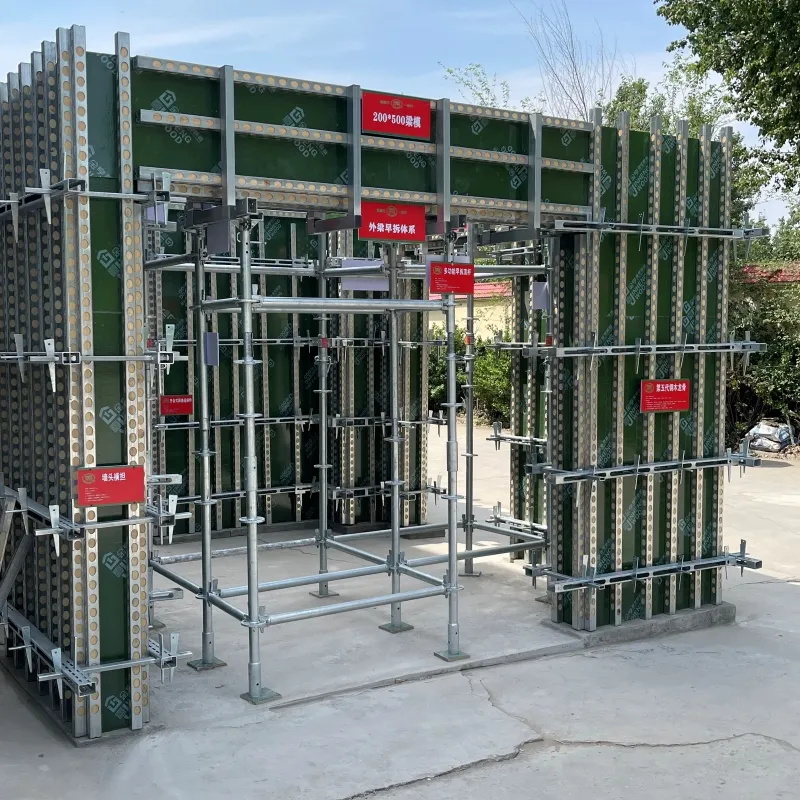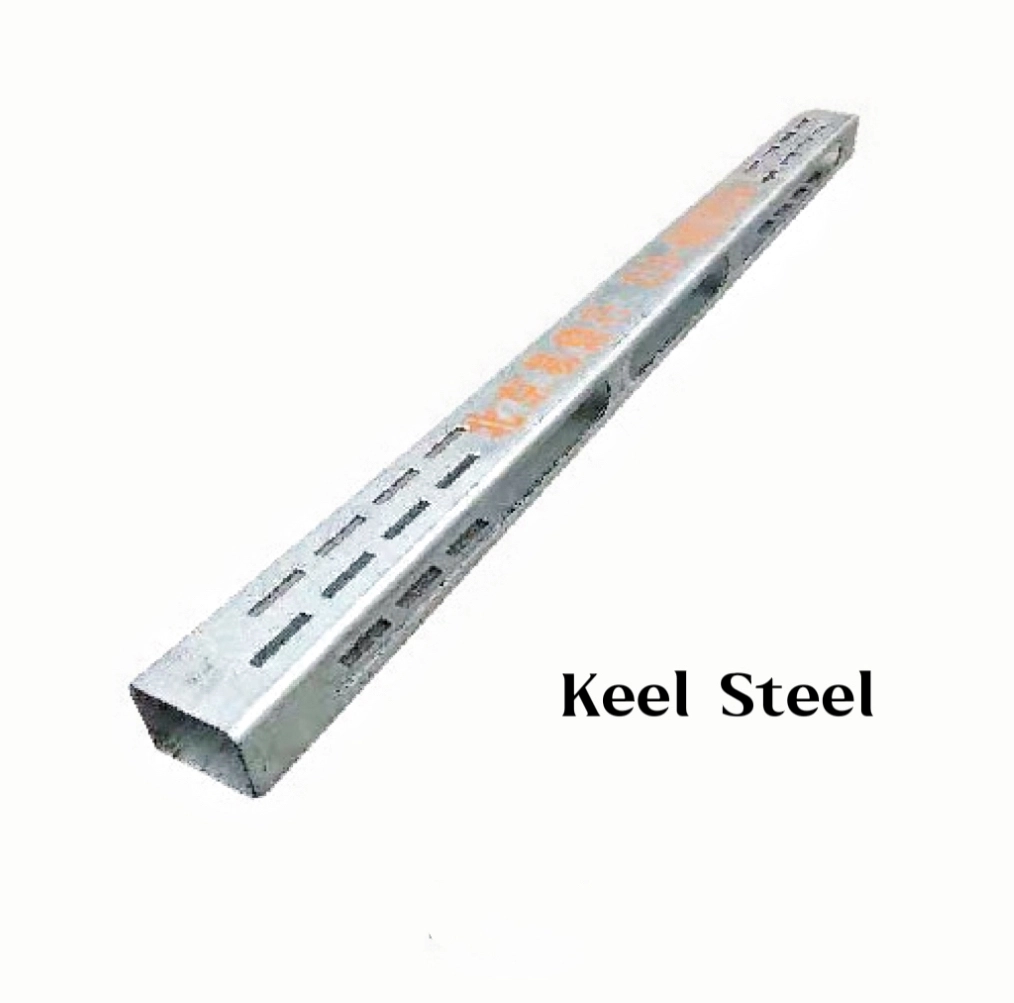

Durable Permanent Scaffolding Solutions for Industrial Use
Why Permanent Scaffolding Is the Backbone of Long-Term Industrial Projects
Having spent well over a decade in industrial equipment—from concrete plants to large infrastructure—I’ve learned that scaffolding is more than just a temporary tool. In fact, permanent scaffolding solutions often become the unsung heroes of long-term projects. It’s one of those things you don’t really notice... until it isn’t there.
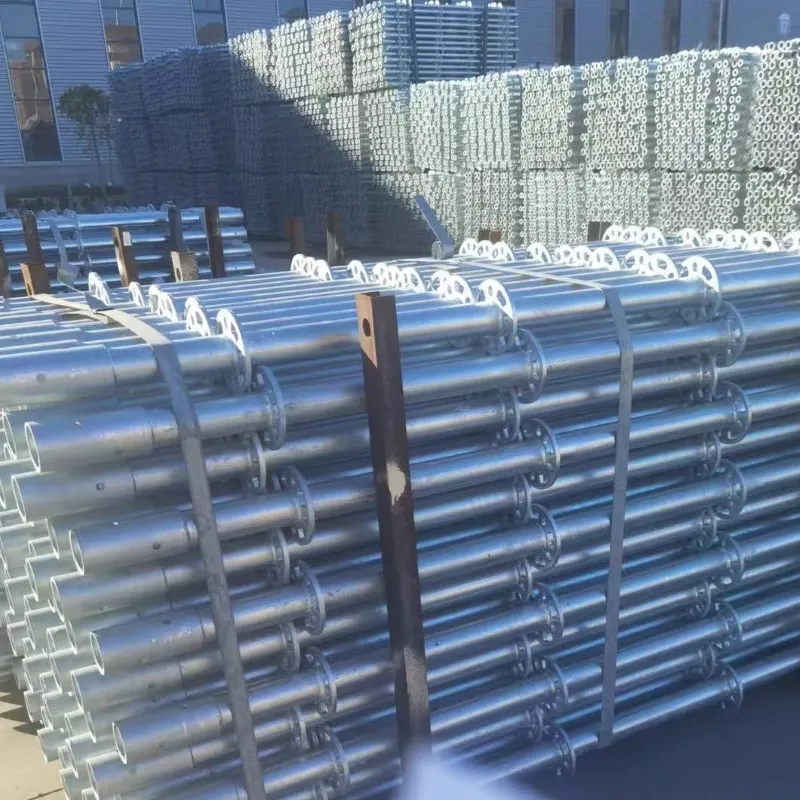
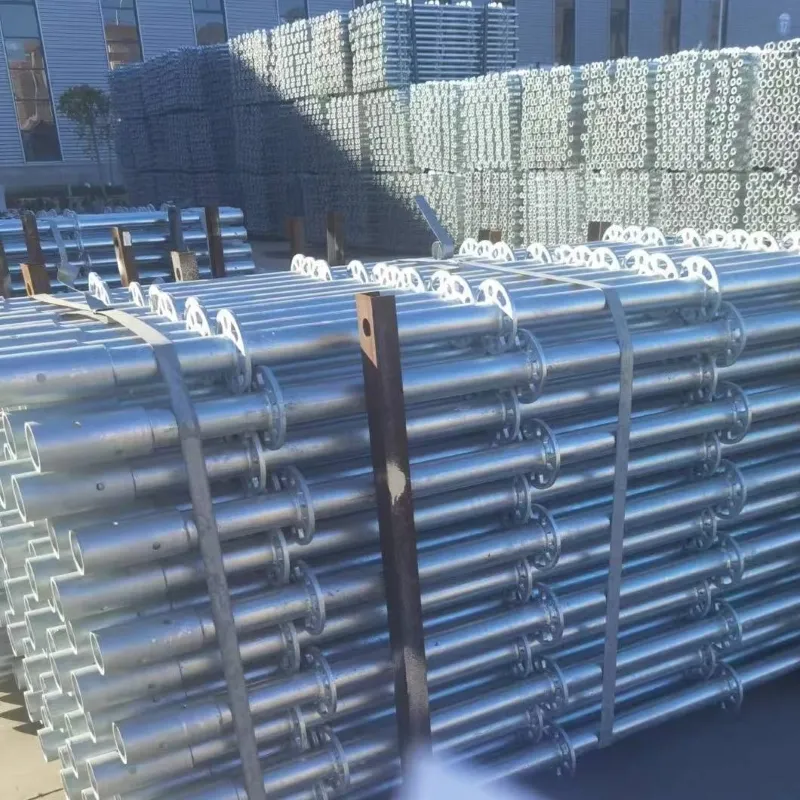
Permanent scaffolding is designed to stay put for months or even years, supporting everything from petrochemical plants to stadium refurbishments. What’s fascinating, frankly, is how the design philosophy differs so much from the typical temporary setups. Instead of quick assembly and teardown, permanent scaffolding focuses heavily on durability, corrosion resistance, and ease of maintenance.
For instance, many folks overlook how the choice of materials dictates the lifespan of these structures. While traditional scaffolding uses galvanized steel, permanent solutions often employ high-grade stainless steel or specially coated aluminum alloys. These materials resist weathering and chemical exposure, which is a game-changer in harsh industrial environments.
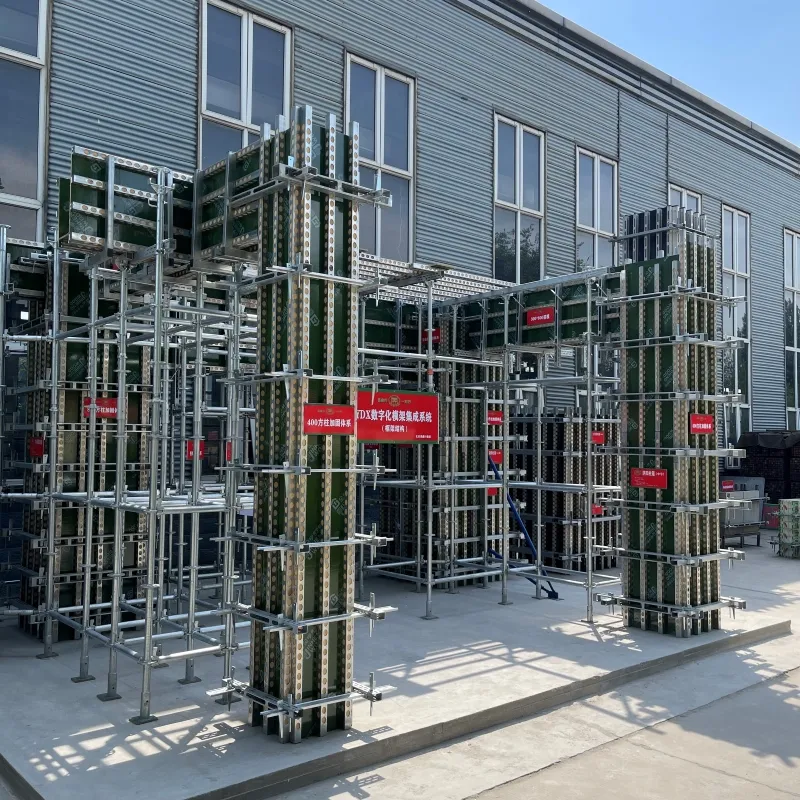
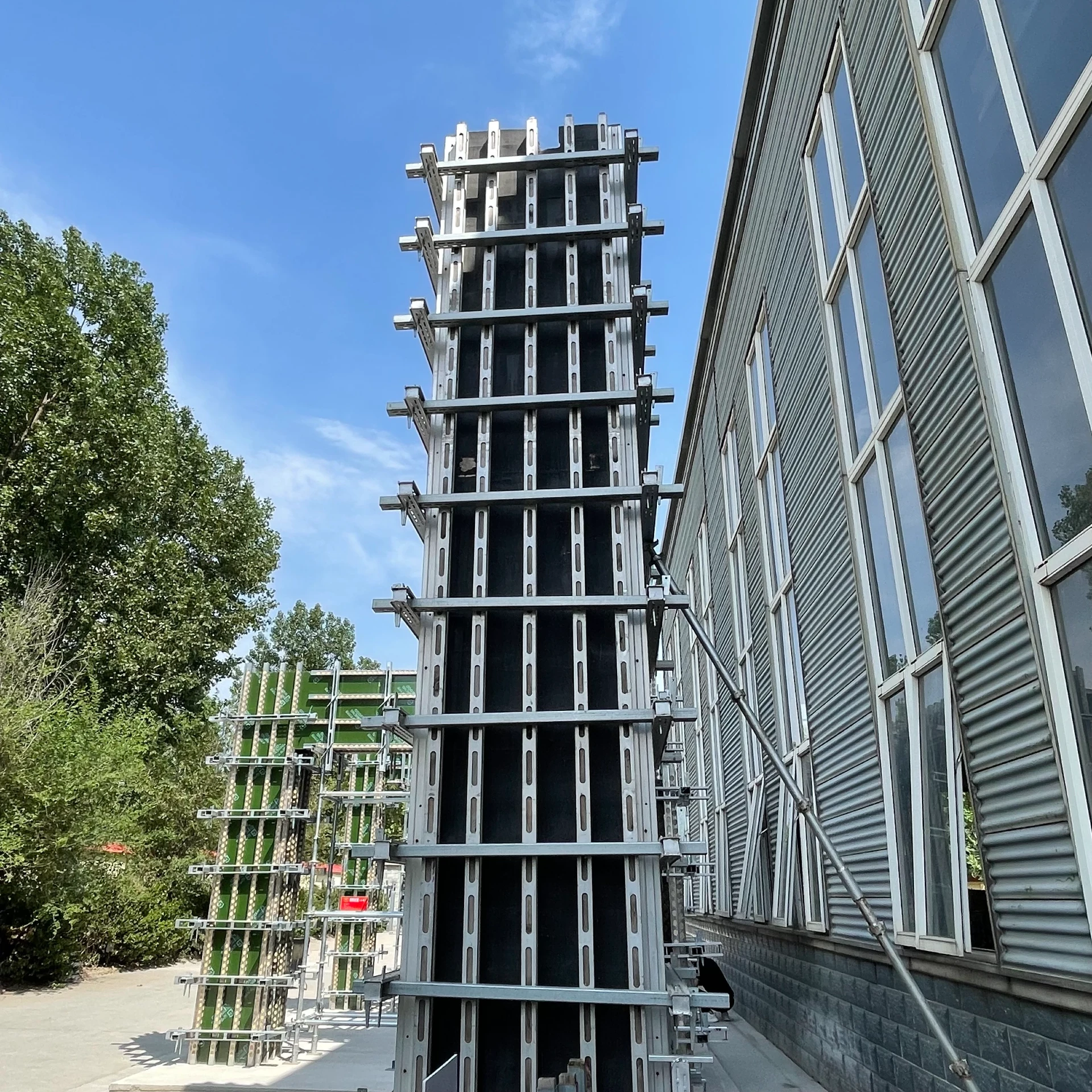
Another aspect I noticed during a recent project was the modular customization. Unlike fixed scaffolds, permanent systems allow for flexible additions as projects evolve. This is crucial because industrial sites rarely stay static; new units get installed, safety standards update, and working conditions change. It feels reassuring to have a scaffold system that can be adapted without major overhauls.
Safety testing and certifications can’t be glossed over either. Permanent scaffolds are often put through rigorous structural load tests, vibration analysis, and sometimes even corrosion simulation chambers. Having a scaffold that’s certified to meet or exceed national standards is a major trust factor for project managers and engineers. I suppose this underscores why many companies opt for certified permanent scaffolding vendors.
On that note, here’s a quick look at a typical product specification for a leading permanent scaffold model I've worked with. Notice the emphasis on weather resistance and load capacity — these are non-negotiable when you’re planning to leave a structure standing year-round.
| Feature | Specification |
|---|---|
| Material | 316 Stainless Steel with Weather-Resistant Coating |
| Maximum Load Capacity | 1500 kg/m² (Uniformly Distributed Load) |
| Height Range | Up to 30 meters (customizable) |
| Modularity | Interlocking Components for Easy Adaptation |
| Certifications | OSHA Compliant, ISO 9001 Certified Manufacturing |
Now, if you’re wondering where to find reliable permanent scaffolding, choosing the right vendor can be daunting. I’ve worked alongside quite a few suppliers, and here’s a simplified comparison based on factors I consider vital: product range, customization, lead times, and customer support.
| Vendor | Customization | Lead Time | Support |
|---|---|---|---|
| BuildStrong Inc. | Extensive modular options | 4-6 weeks | 24/7 technical support |
| SteelWorks Solutions | Custom fabrication available | 6-8 weeks | Business hours support only |
| SolidFrame Corp. | Limited custom modules | 3-5 weeks | Dedicated project manager |
One small story that sticks with me... a few years back, a petrochemical plant in the Midwest needed a permanent scaffold for an ongoing maintenance cycle. We worked alongside the permanent scaffolding vendor to customize a solution that could withstand both their chemical exposure and the brutal winter months. It was complex, but the scaffold stood strong for over three years without any major repairs.
Frankly, permanent scaffolding isn’t sexy; it won’t grab headlines like a new crane or robotic welder. But if you ask any site manager, they’ll tell you it’s the quiet backbone that keeps things safe and efficient. I suppose the best advice is to always look beyond the price tag—consider durability, material quality, and responsiveness from your supplier.
If you’re diving into a long-term industrial project and want to explore permanent scaffolding options, it’s worth checking permanent scaffolding products that balance quality with flexibility.
Sometimes, it’s these steadfast frameworks—literally holding everything up—that you appreciate only after years of working in the grit.
References:
1. OSHA Scaffold Safety Standards, https://www.osha.gov/scaffolding
2. ISO 9001 Certification Overview, https://www.iso.org/iso-9001-quality-management.html
3. “Materials for Scaffold Construction,” Industrial Equipment Journal, 2022
-
Comprehensive Guide to Scaffolding Rods for Safe Construction PracticesNewsFeb.24,2026
-
Comprehensive Guide to Different Types of Scaffolding for Construction ProjectsNewsFeb.11,2026
-
The Crucial Role and Safe Use of Scaffolding in Modern Construction ProjectsNewsJan.30,2026
-
Maximize Productivity and Safety with a Versatile 7m Scaffold TowerNewsJan.27,2026
-
6m Scaffold Tower: A Comprehensive Guide for B2B BuyersNewsJan.26,2026
-
6ft Scaffold: Durability and Safety in ConstructionNewsJan.25,2026
-
6 Scaffolding: A Modern Construction SolutionNewsJan.24,2026