
Durable Formwork Systems | Efficient Concrete Construction Solutions
Navigating the Evolution of Construction Technology: Modern Formwork Solutions
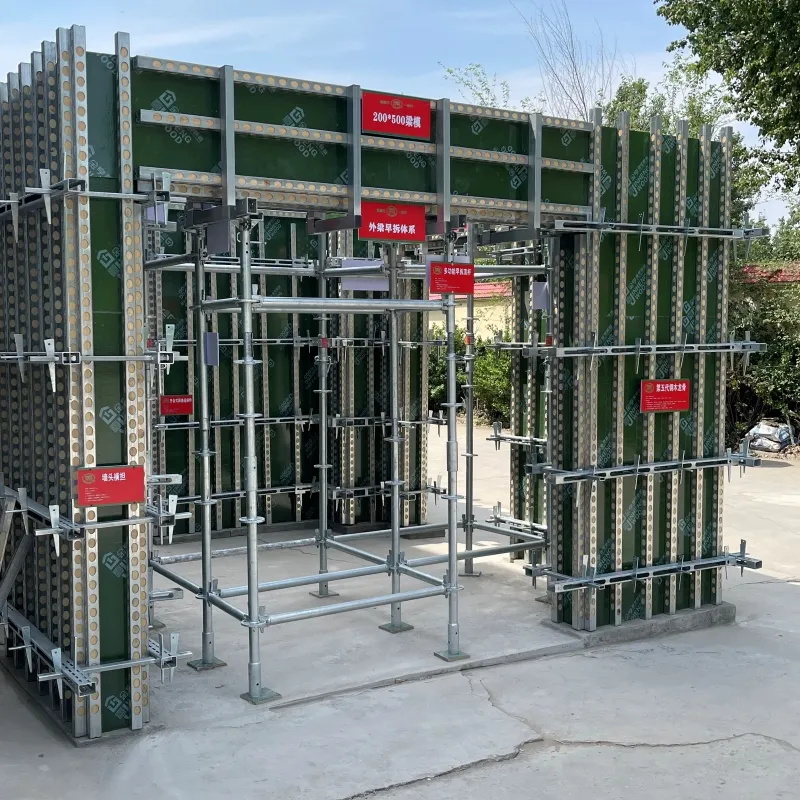
In the dynamic world of B2B construction, efficiency, safety, and precision are paramount. Central to achieving these objectives is the critical role of Formwork – the temporary or permanent molds into which concrete or similar materials are poured. This foundational technology, while ancient in concept, has undergone significant transformation, driven by advancements in materials science, engineering design, and digital integration. Modern formwork systems are no longer just simple molds; they are sophisticated, engineered solutions designed to meet the rigorous demands of complex architectural and infrastructural projects.
The industry is witnessing a clear trend towards modularity, reusability, and smart monitoring capabilities. Demand for faster construction cycles, reduced labor costs, and enhanced structural integrity has pushed manufacturers to innovate, focusing on lighter, stronger, and more adaptable systems. This evolution directly impacts project timelines, safety records, and ultimately, the profitability of construction ventures. For B2B decision-makers, understanding these trends and the underlying technical advantages of advanced Formwork is crucial for strategic investment and operational excellence.
The Manufacturing Process of High-Performance Formwork
The production of high-quality Formwork involves a meticulously controlled, multi-stage manufacturing process to ensure dimensional accuracy, structural integrity, and prolonged service life. This process leverages advanced engineering techniques and adheres to stringent international standards.
1. Material Selection and Sourcing
Materials are chosen based on the specific application requirements, balancing strength, weight, reusability, and cost. Common materials include:
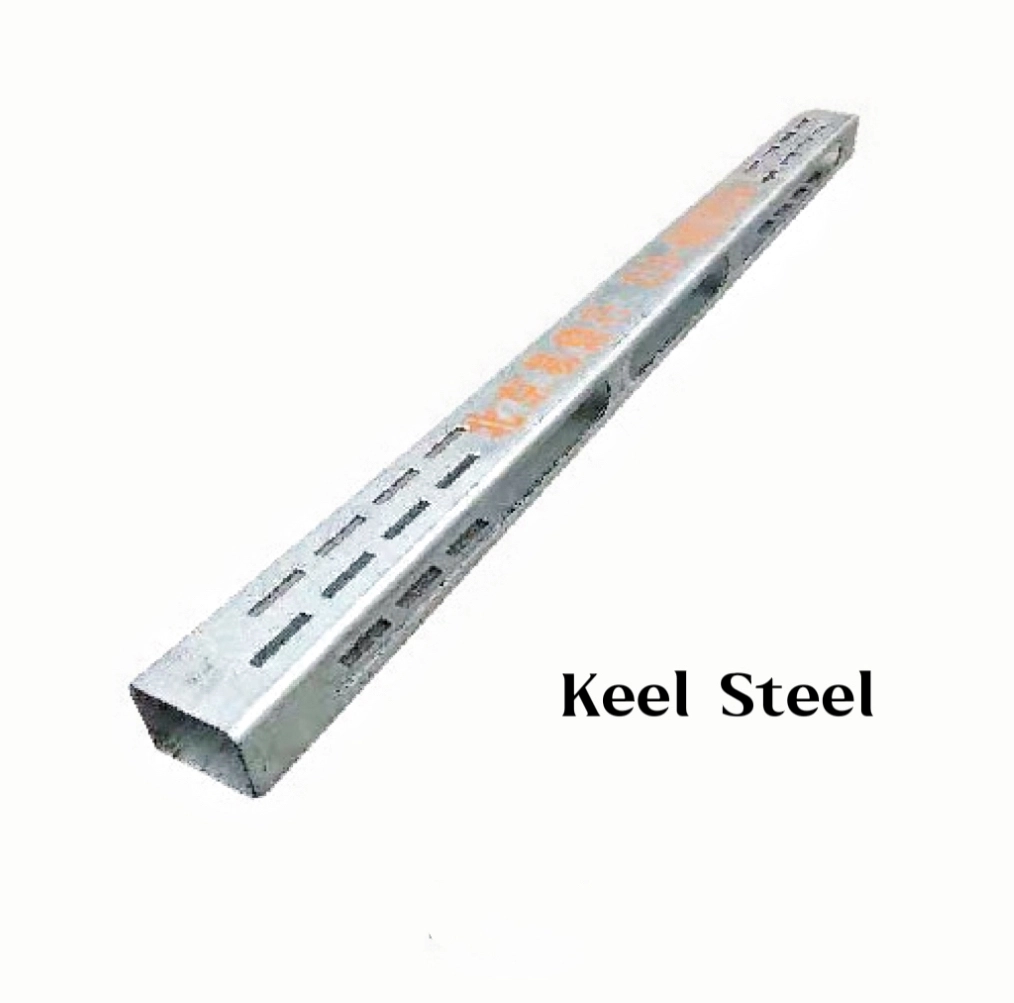
- Steel: Known for its high strength, rigidity, and durability, suitable for heavy-duty applications and repeated use. Often hot-rolled or cold-formed carbon steel.
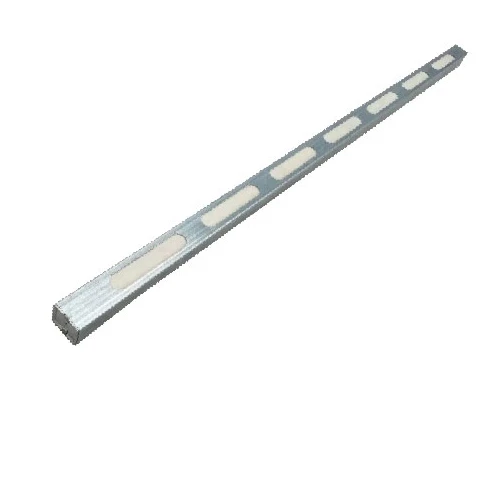
- Aluminum: Offers an excellent strength-to-weight ratio, making it ideal for systems requiring manual handling and faster erection/dismantling. Typically, high-grade aluminum alloys (e.g., 6061-T6, 6082-T6).
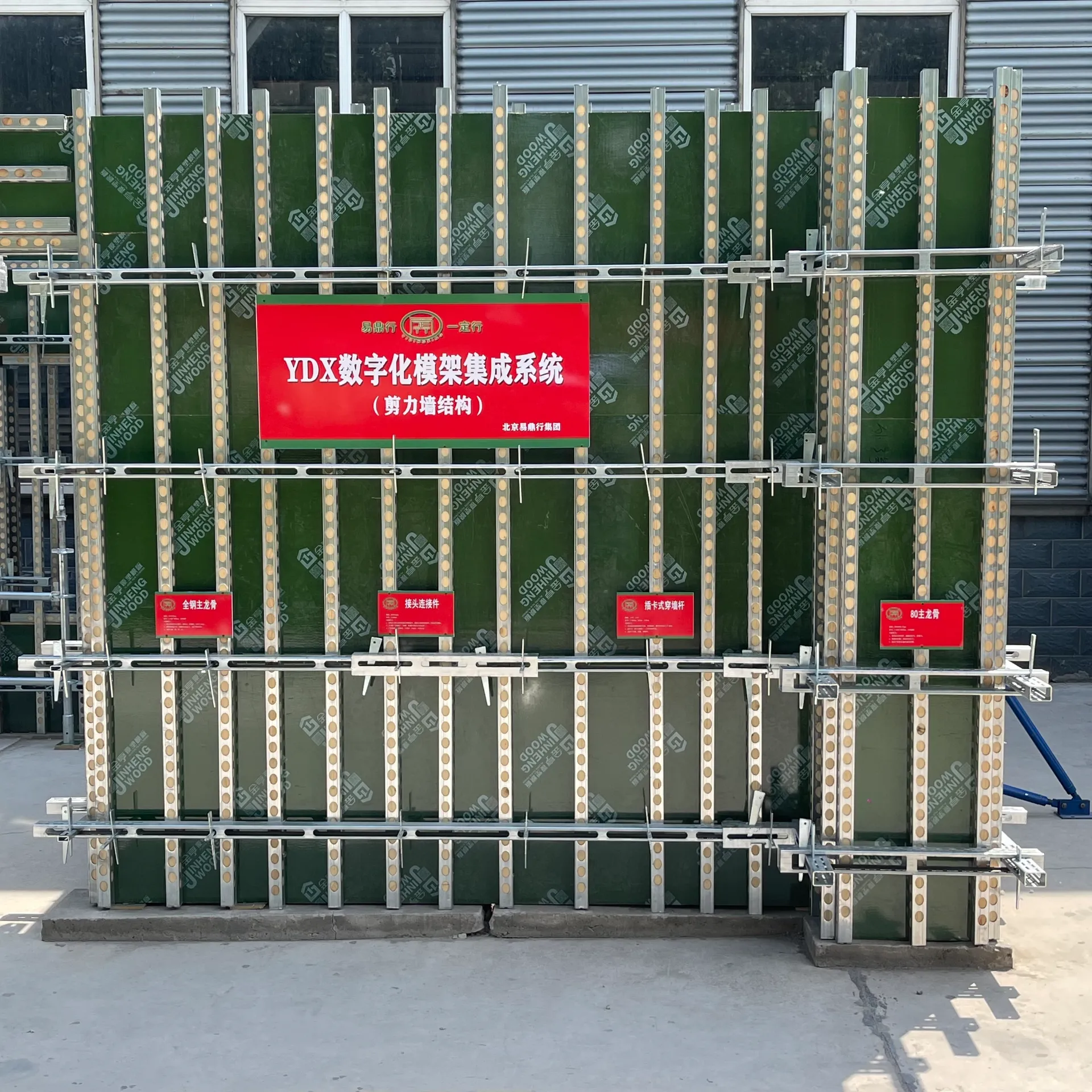
- Timber/Plywood: Traditional and cost-effective for bespoke or single-use applications. High-grade birch or spruce plywood with phenolic resin coatings are common for enhanced water resistance and surface finish.
- Composites: Advanced materials like fiberglass-reinforced plastic (FRP) are emerging for specialized applications requiring complex shapes, high strength, and corrosion resistance.
2. Precision Manufacturing Processes
- Cutting and Shaping: Raw materials undergo precision cutting using laser cutters, plasma cutters, or CNC saws to achieve exact dimensions. For steel and aluminum, bending and rolling machines form specific profiles.
- Welding (for Steel/Aluminum): Robotic welding and skilled manual welding techniques are employed to join components, ensuring strong, clean seams that withstand significant load pressures. Tungsten Inert Gas (TIG) and Metal Inert Gas (MIG) welding are standard.
- Surface Treatment: To enhance durability and corrosion resistance, steel components are typically sandblasted, then powder-coated or galvanized. Aluminum components may undergo anodizing. Plywood surfaces are coated with release agents or phenolic films.
- Assembly: Individual components are assembled into panels, frames, or complete system units. This often involves precision bolting, riveting, and fitting to ensure tight tolerances and ease of site assembly.
- CNC Machining: For complex connectors, locks, and specialized components, CNC milling and turning are utilized to achieve micron-level precision, critical for the interoperability and strength of modular systems.
3. Quality Control and Testing Standards
Every stage of the manufacturing process is subject to rigorous quality control measures.
- Dimensional Verification: Using CMM (Coordinate Measuring Machine) and laser scanning to ensure components meet design specifications within tight tolerances.
- Material Testing: Destructive and non-destructive testing (NDT) such as ultrasonic testing, magnetic particle inspection, and tensile strength tests verify material integrity and weld quality.
- Load Testing: Prototype and batch samples are subjected to simulated load conditions to confirm their structural capacity and safety factors, often exceeding anticipated site loads.
- Environmental Resistance: Salt spray tests, UV exposure tests, and temperature cycling assess the durability of surface coatings and materials under various environmental conditions.
Our manufacturing processes adhere to international standards such as ISO 9001:2015 for quality management, EN 12812 for falsework performance and design, and ANSI/ASSE A10.9 for concrete and masonry construction safety.
4. Service Life and Target Industries
High-quality steel and aluminum Formwork systems are designed for extensive reusability, often achieving 150-300 pours for steel systems and 80-150 pours for aluminum systems under proper care and maintenance. This contributes significantly to cost-effectiveness over a project's lifecycle.
Our Formwork solutions are extensively utilized across diverse heavy industries and infrastructure projects, including:
- Petrochemical: For casting foundations, containment walls, and specialized structures requiring high chemical resistance and structural integrity.
- Metallurgy: Constructing heavy-duty foundations for blast furnaces, rolling mills, and industrial buildings.
- Water Supply & Drainage: Building reservoirs, treatment plants, pumping stations, and intricate pipeline support structures where watertight concrete is critical.
- Transportation Infrastructure: Bridges, tunnels, elevated highways, and subway systems, demanding high precision and rapid cycle times.
- Energy Sector: Nuclear power plants, wind turbine foundations, and hydroelectric dam construction, requiring robust and durable concrete structures.
Technical Specifications & Key Parameters of Advanced Formwork Systems
Understanding the technical specifications of Formwork is essential for selecting the appropriate system for any given project. These parameters directly influence performance, safety, and economic viability.
| Parameter | Specification/Value | Benefits/Implications |
|---|---|---|
| Material | High-strength Q235/Q345 Steel, Powder Coated | Exceptional durability, corrosion resistance, high rigidity. |
| Max Concrete Pressure (kPa) | Up to 80-100 kPa (Class A) | Suitable for high-pour rates and high-strength concrete, minimizing deflection. |
| Panel Weight (kg/m²) | 35-50 kg/m² (Steel) | Balanced for crane handling, robust for heavy use. |
| Panel Sizes (m) | Standard widths: 0.3m to 1.2m; Heights: 0.6m to 3.0m | Versatility for various wall/column dimensions, modularity. |
| Reusability (Cycles) | ~200-300 pours (with proper maintenance) | High ROI, reduced material waste, sustainable construction. |
| Surface Finish | Smooth, high-quality concrete finish (F3-F4 per DIN 18217) | Reduces need for post-casting surface treatment, superior aesthetics. |
| Connection System | Integrated clamps/locks, self-aligning features | Fast, secure, and intuitive assembly/disassembly, labor efficiency. |
| Testing Standards | ISO 9001, EN 12812, AS/NZS 3610.1 | Guaranteed safety, performance, and international compliance. |
These detailed parameters enable project managers and procurement specialists to conduct thorough risk assessments and cost-benefit analyses, ensuring the selected Formwork system aligns perfectly with project objectives.
Application Scenarios and Strategic Advantages
The versatility of advanced Formwork systems allows for their deployment across a myriad of complex construction projects, each benefiting from specific design and material attributes.
High-Rise Buildings & Skyscrapers:
- Scenario: Construction of core walls, floor slabs, and columns for commercial or residential towers.
- Advantage: Self-climbing and jump form systems significantly accelerate construction cycles, providing a safe, integrated working platform. This leads to substantial savings in crane time and enhances site safety by minimizing work at height. For instance, the use of automated climbing systems can reduce core wall construction time by up to 25% compared to conventional methods.
Infrastructure Projects (Bridges, Tunnels, Dams):
- Scenario: Creating large, complex concrete structures with irregular geometries and demanding load requirements.
- Advantage: Specialized cantilever, tunnel, and gantry Formwork systems allow for precision casting of massive concrete sections. These systems are engineered to withstand immense hydrostatic pressures and provide exceptional surface finishes, crucial for long-term durability and resistance against environmental degradation (e.g., corrosion resistance in marine environments or water-retaining structures). Custom-fabricated steel formwork ensures consistent quality for repetitive segments, such as tunnel lining, reducing post-construction maintenance.
Industrial Facilities & Heavy Foundations:
- Scenario: Pouring massive concrete foundations for machinery, retaining walls, and process units in petrochemical or energy plants.
- Advantage: Heavy-duty panel Formwork systems, often steel-faced, provide the necessary strength and rigidity to handle large volumes of concrete with high vibrator energy. Their robust construction minimizes deflection, ensuring precise alignment for machinery bases and structural integrity against dynamic loads. This significantly contributes to the longevity and operational safety of industrial assets.
Architectural Concrete & Decorative Structures:
- Scenario: Achieving visually exposed concrete surfaces (fair-faced concrete) with specific textures or intricate patterns.
- Advantage: High-quality plywood or special plastic liners integrated into Formwork panels ensure a flawless, uniform surface finish. Custom-designed formwork can create complex geometries and textures, negating the need for extensive post-finishing work. This not only saves energy and materials associated with plastering or cladding but also delivers superior aesthetic results directly from the mold.
In each scenario, the focus is on optimizing resource utilization, minimizing waste, and enhancing the structural and aesthetic quality of the final concrete element.
Vendor Comparison: Key Differentiators in the Formwork Market
Choosing the right Formwork vendor is a critical decision that impacts project costs, timelines, and quality. While many vendors offer standard solutions, significant differentiators exist in product innovation, technical support, and customization capabilities. Below is a comparison illustrating typical distinctions:
| Feature/Criteria | Leading Innovator (e.g., Formwork Reinforced) | Standard Provider | Budget Provider |
|---|---|---|---|
| Product Range | Modular wall, column, slab, self-climbing, tunnel, bridge, specialized custom forms. | Standard wall, column, and slab systems, limited specialized. | Basic wall and slab systems, often timber or low-grade steel. |
| Material Quality & Durability | High-grade steel/aluminum alloys, advanced coatings (200-300+ reuses). | Standard steel/aluminum (80-150 reuses), basic coatings. | Lower grade steel/plywood (20-50 reuses), minimal coatings. |
| Engineering & Design Support | Full 3D BIM integration, structural analysis, site optimization, custom design. | Basic 2D CAD layouts, standard system configurations. | Limited design assistance, primarily product sales. |
| Site Services & Training | On-site supervision, assembly training, technical advisors, project management. | Basic assembly guides, remote support. | Minimal or no on-site support. |
| Innovation & R&D | Continuous development, smart formwork, new material exploration, automation. | Periodic updates to existing systems. | Focus on cost reduction, minimal R&D. |
| Certifications & Compliance | ISO, EN, ASTM, local authority approvals, verifiable test data. | Basic national standards, some international. | May lack comprehensive certifications. |
Formwork Reinforced positions itself as a leading innovator, offering comprehensive, high-performance solutions backed by extensive engineering expertise and a commitment to customer success. Our focus on advanced materials, precision manufacturing, and integrated project support distinguishes us from standard and budget providers, delivering superior value over the project lifecycle.
Customized Formwork Solutions: Tailored for Project Excellence
Many modern construction projects present unique challenges that standard, off-the-shelf Formwork systems cannot adequately address. This is where customized solutions become invaluable, offering engineering precision and adaptability for highly specialized applications. Our approach to customization involves a deep dive into project specifics, collaborating closely with client engineering teams from conceptualization to execution.
The customization process typically includes:
- Detailed Engineering Analysis: Reviewing structural drawings, concrete pour schedules, site logistics, and environmental factors.
- 3D Modeling and Simulation: Utilizing advanced BIM (Building Information Modeling) and FEA (Finite Element Analysis) software to design the optimal formwork, identify potential issues, and simulate performance under various load conditions. This ensures perfect fit, minimized material usage, and enhanced safety.
- Material Optimization: Selecting specific grades of steel, aluminum, or composite materials best suited for the project's concrete pressure, reusability requirements, and desired surface finish.
- Prototyping & Testing: For highly complex or critical components, physical prototypes may be created and subjected to load tests to validate the design before full-scale manufacturing.
- Integrated Logistics Planning: Developing a comprehensive plan for delivery, assembly, striking, and maintenance of the custom formwork to ensure seamless integration with the overall project timeline.
This bespoke service is particularly beneficial for iconic architectural structures, complex infrastructure elements, or projects with extremely tight tolerances and unique aesthetic requirements.
Real-World Application Case Studies & Client Successes
Our expertise in advanced Formwork solutions has been demonstrated across a diverse portfolio of challenging projects globally. These case studies highlight our commitment to delivering efficiency, safety, and superior quality.
Case Study 1: High-Rise Residential Tower, Metropolitan City
- Challenge: Constructing a 60-story residential tower with a highly accelerated construction schedule (4-day cycle per floor) and complex core wall geometry.
- Solution: We deployed a fully integrated, self-climbing Formwork system for the core and an aluminum beam-slab formwork system for the floor plates. Our engineering team provided on-site training and daily supervision.
- Results: The project achieved an average 3.5-day cycle for core construction and a 4-day cycle for floor slabs, completing the concrete structure 2 months ahead of schedule. Feedback from the main contractor, "XYZ Constructions," highlighted significant labor savings and a 95% reduction in material waste compared to traditional methods. The precise dimensional accuracy of the concrete elements also reduced fit-out times for subsequent trades.
Case Study 2: Major Highway Bridge, Coastal Region
- Challenge: Constructing a series of large concrete bridge piers and deck segments in a corrosive coastal environment, requiring high durability and a seamless concrete finish.
- Solution: Custom-fabricated heavy-duty steel Formwork with specialized anti-corrosion coatings was designed for the piers. For the deck segments, a precast segment formwork system was developed, allowing off-site production and rapid assembly.
- Results: The custom steel formwork provided an exceptionally smooth, dense concrete surface for the piers, enhancing resistance to chloride ingress. The precast segment approach minimized disruption to marine traffic and significantly reduced on-site construction time by 30%. The client, "National Infrastructure Group," commended the system's robustness and the superior aesthetic and structural quality of the finished bridge elements, which exceeded initial design specifications for service life in harsh environments.
These examples underscore our capability to deliver tailored solutions that address specific project demands and contribute to overall construction success.
Frequently Asked Questions (FAQ)
- Q: What is the typical lead time for a custom Formwork solution?
- A: Lead times vary significantly based on the complexity and volume of the custom solution. For standard modular systems, production and delivery typically range from 4 to 8 weeks. For highly customized or large-scale projects, the process from design finalization to delivery can range from 10 to 20 weeks. We provide a detailed project timeline upon proposal acceptance.
- Q: What warranty do you offer on your Formwork products?
- A: We offer a comprehensive warranty against manufacturing defects and material failures for a period of 12 months from the date of delivery. This warranty covers structural integrity and component functionality under normal operating conditions and adherence to our usage guidelines. Specific terms and conditions are detailed in our sales agreements.
- Q: What kind of after-sales support can we expect?
- A: Our commitment extends beyond delivery. We provide comprehensive after-sales support including technical consultations, spare parts availability, troubleshooting assistance, and expert advice on maintenance and optimized reuse. Our dedicated support team is accessible via phone, email, and, for critical issues, on-site visits to ensure your project proceeds smoothly.
- Q: How do your formwork systems contribute to project safety?
- A: Our formwork systems are designed with integrated safety features, adhering to strict international safety standards. This includes robust connection systems, integrated working platforms, anti-slip surfaces, and carefully calculated load-bearing capacities. Our engineering team also provides detailed assembly instructions and on-site safety training to ensure correct and secure installation and operation, minimizing risks to personnel.
Conclusion: The Strategic Imperative of Advanced Formwork
In an era defined by increasing project complexity, environmental consciousness, and demands for accelerated delivery, the strategic selection of Formwork is more critical than ever. Investing in high-performance, precision-engineered formwork systems is not merely a procurement decision; it is a strategic investment in project efficiency, safety, and long-term structural integrity. By leveraging cutting-edge materials, advanced manufacturing processes, and comprehensive engineering support, modern formwork solutions stand as a cornerstone for successful, sustainable, and economically viable construction projects across various industrial and civil engineering sectors. Partners seeking to optimize their construction workflows and ensure superior quality recognize the unparalleled value offered by expert formwork providers.
References
- EN 12812:2004 - Falsework - Performance requirements and general design. European Committee for Standardization.
- ISO 9001:2015 - Quality management systems – Requirements. International Organization for Standardization.
- Gardner, N. (2009). Concrete Formwork Systems. Construction Journal of North America, 14(3), 45-58.
- ACI 347R-14: Guide to Formwork for Concrete. American Concrete Institute.
- CIRIA C760: Formwork design: a guide to best practice. Construction Industry Research and Information Association.
-
Comprehensive Guide to Scaffolding Rods for Safe Construction PracticesNewsFeb.24,2026
-
Comprehensive Guide to Different Types of Scaffolding for Construction ProjectsNewsFeb.11,2026
-
The Crucial Role and Safe Use of Scaffolding in Modern Construction ProjectsNewsJan.30,2026
-
Maximize Productivity and Safety with a Versatile 7m Scaffold TowerNewsJan.27,2026
-
6m Scaffold Tower: A Comprehensive Guide for B2B BuyersNewsJan.26,2026
-
6ft Scaffold: Durability and Safety in ConstructionNewsJan.25,2026
-
6 Scaffolding: A Modern Construction SolutionNewsJan.24,2026